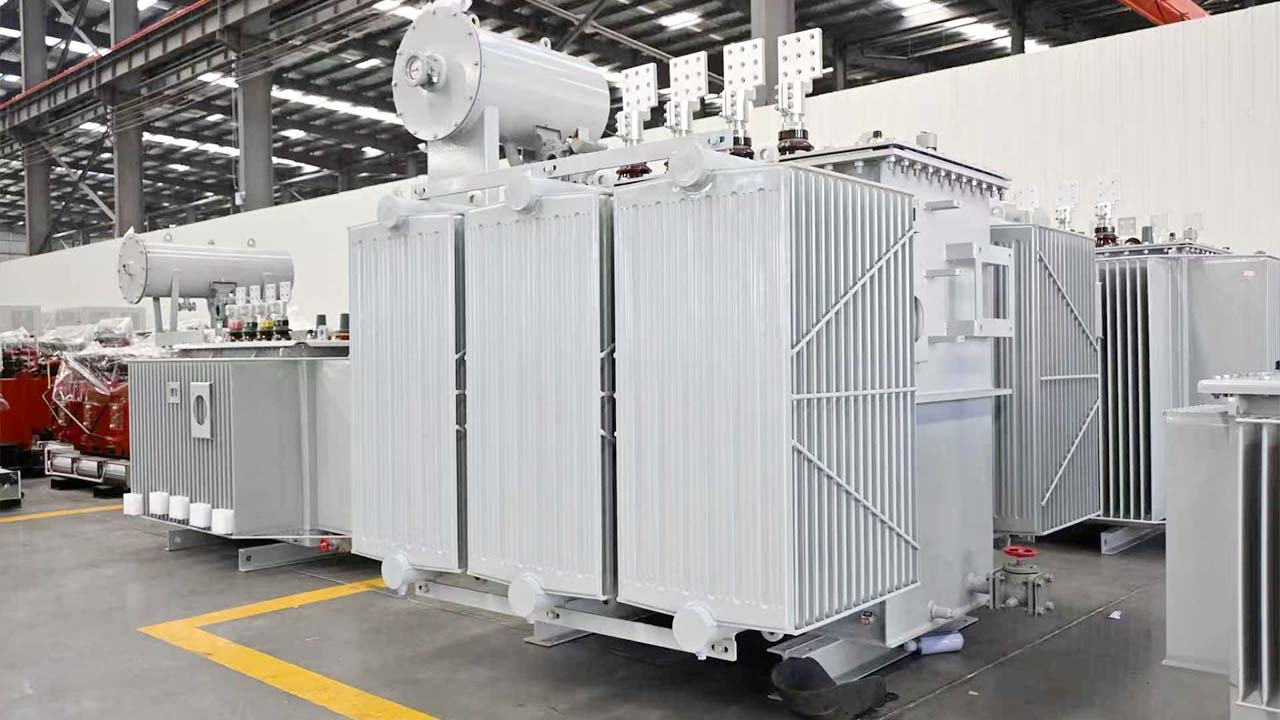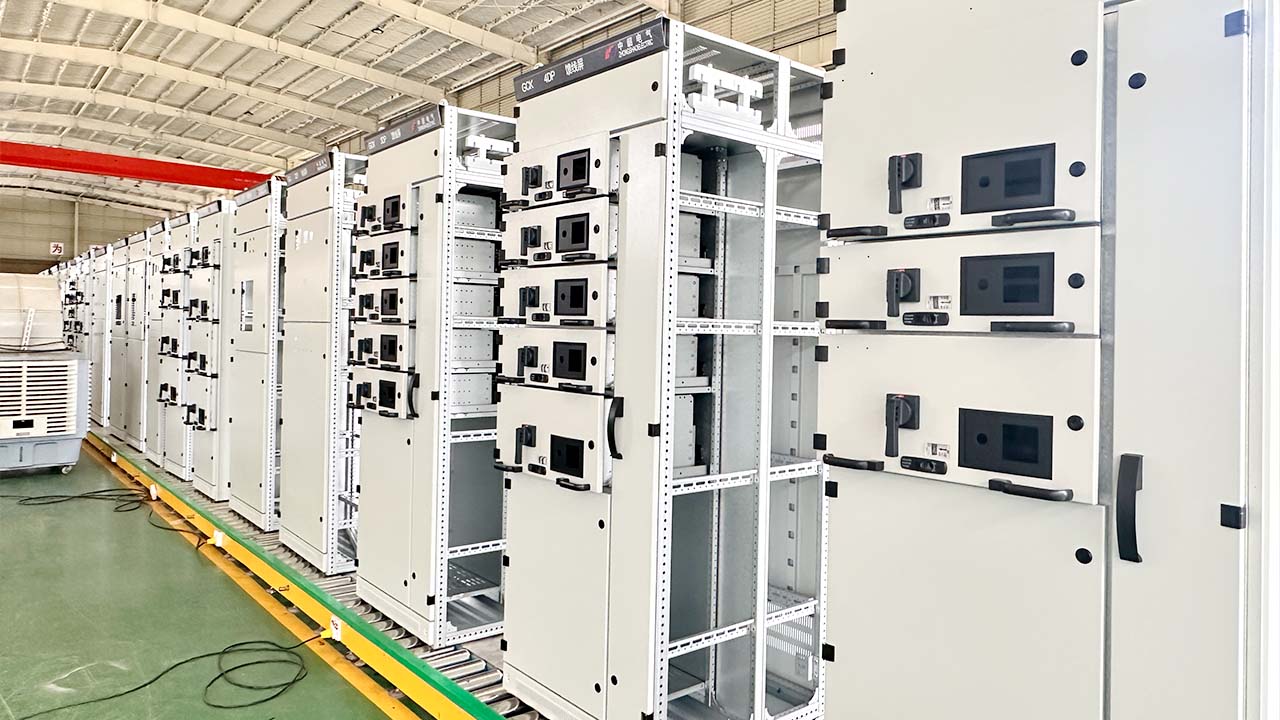
Switchgear is a core hub in power distribution; any sudden failure can cause economic losses. Implementing standardized maintenance procedures for switchgear is the most effective way to reduce downtime risks. This article details the mandatory maintenance requirements for low-voltage switchgear.
Key Benefits of Regular Switchgear Maintenance
Improve System Reliability and Reduce Downtime
Regular maintenance helps to detect potential faults in a timely manner and avoids sudden equipment downtime. Preventative maintenance can improve the reliability of the power supply system and reduce losses caused by production interruptions.
Enhance Electrical Safety
During maintenance, problems such as overheating, insulation aging, and loose wiring can be detected, thereby reducing the risk of short circuits and electrical accidents and improving the safety of equipment operation.
Extend Switchgear Lifespan
Regular inspections and maintenance can slow down equipment aging, keep components running stably, thereby extending the service life of the switchgear and reducing the need for premature replacement.
Reduce Maintenance and Replacement Costs
Compared to emergency repairs after a sudden failure, preventative maintenance is less expensive and avoids the large-scale replacement costs associated with equipment damage. By identifying and resolving problems early, businesses can reduce downtime losses and lower maintenance costs throughout the equipment’s lifecycle.
Improve Energy Efficiency
Increased contact resistance, loose connections, and aging components can all lead to additional energy loss. Regular cleaning, tightening, and testing can ensure that the switchgear always operates efficiently, reduce energy loss, and improve the energy efficiency of the entire power distribution system.
Meet Industry Standards and Regulations
Many industries and regions require electrical equipment to be inspected and maintained regularly in accordance with relevant standards. Establishing a standardized maintenance plan not only helps to meet the requirements of standards such as IEC, IEEE, and NFPA, but also reduces compliance risks caused by equipment failures and improves the company’s safety management level.
Enhance Return on Investment
Regular maintenance can help businesses achieve a higher long-term return on investment by reducing failures, extending equipment life, and lowering maintenance costs.
Low Voltage Switchgear Components Requiring Regular Maintenance
| Maintenance Items | Maintenance Contents |
| Air Circuit Breakers | Main contact inspection,arc-extinguishing chamber inspection, energy storage mechanism inspection,opening and closing tests |
| Molded Case Circuit Breakers | Visual inspection, contact inspection,mechanical operation inspection |
| Miniature Circuit Breakers | Connection inspection, operation inspection |
| Vacuum Circuit Breakers | Vacuum degree inspection, mechanical characteristic testing |
| Busbar System Maintenance | Heating condition, oxidation condition, corrosion condition, joint tightness |
| Insulation System Maintenance | Insulation component cracks, surface contamination, moisture condition. Inspection Items: Insulation resistance test, withstand voltage test; |
| Relay Protection Device Maintenance | Parameter settings, functional testing, communication inspection |
| CT/PT Maintenance | Visual inspection, insulation inspection, wiring inspection |
| Cable Maintenance | Cable joints, crimping condition, insulation layer |
| Grounding System Maintenance | Grounding continuity, grounding resistance. |
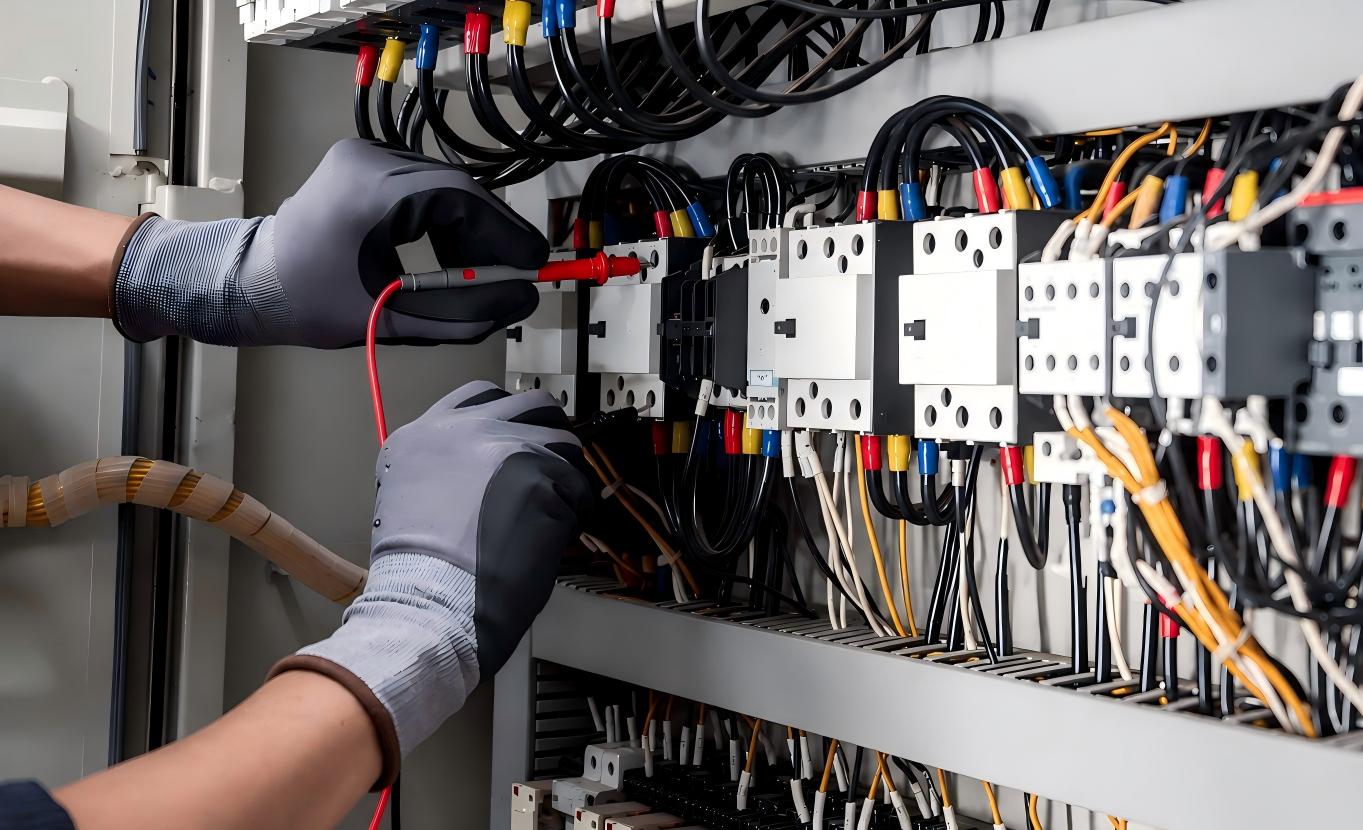
Common Low Voltage Switchgear Problems and Prevention
Overheating
Causes: Dust and moisture combine to form scale on busbars, terminals, and contacts, increasing contact resistance and hindering heat dissipation. Voltage and current fluctuations, loose wiring, and insulation aging further contribute to localized overheating, easily leading to tripping, arcing, and even fire.
Maintenance Solution: Routine infrared temperature monitoring to check for potential temperature rise issues, regular cleaning, terminal tightening, and load monitoring can effectively prevent overheating faults, reduce downtime, and ensure stable power distribution for your equipment.
Circuit Breaker Fault
Causes: Long-term equipment vibration and frequent tripping can cause parts to loosen; dust and scale can clog mechanisms, causing switches to jam and refuse to operate; overload and load fluctuations accelerate coil aging. Multiple hidden dangers can easily lead to protection failure, arcing faults, and unexpected shutdowns.
Maintenance Solution: Regular opening and closing tests, cleaning, tightening terminals to torque, inspecting components, and monitoring the load can eliminate mechanical and electrical hidden dangers, ensuring the reliable operation of circuit breakers in your switchgear.
Insulation Aging
Causes: Humid, dusty, and high-temperature environments, coupled with load fluctuations and repeated thermal expansion and contraction, gradually corrode switchgear insulation, reducing its performance. Over time, this can lead to leakage, discharge, short circuits, and fires, causing unexpected power outages.
Maintenance Solution: Regularly clean and prevent moisture, test insulation resistance, replace damaged insulation components, and manage load to slow down insulation aging, prevent leakage and short circuits, and ensure stable equipment operation.
Arc Flashover Risk
Arc flashover risk is the most sudden and destructive electrical hazard in low-voltage switchgear, posing a significant threat to equipment operation and personal safety.
Causes: Accumulation of dirt on busbars and contacts can lead to poor contact and partial discharge; overheating, insulation aging, loose wiring, and misoperation can all combine to easily cause short circuits and arcing, burning out equipment and causing sudden power outages.
Maintenance Solution: Regularly clean dust, measure temperature and insulation, tighten terminals, test switches, manage load, and standardize operations to effectively prevent arc flashovers and ensure stable power distribution.
Corrosion
Corrosion is a common and persistent structural fault in low-voltage switchgear, severely impacting equipment reliability.
Causes: Moisture, corrosive gases, and dust corrode metal components of the switchgear. High temperatures accelerate oxidation and rust formation. Combined with load fluctuations and alternating hot and cold temperatures, this leads to poor contact, overheating, and accelerated insulation aging, resulting in frequent shutdowns.
Maintenance Solutions: Regular dust and moisture removal, routine inspection and rust removal and repair, maintenance of switchgear seals, and proper load management can slow down metal corrosion, reduce faults, and ensure stable equipment operation.
Recommended Low Voltage Switchgear Maintenance Schedule
| Monthly Inspection | Visual inspection, instrument inspection |
| Quarterly Inspection | Cleaning, wiring inspection |
| Annual Maintenance | Insulation testing, relay testing, circuit breaker testing |
| Every 3-5 years | Comprehensive Overhaul |
Preventive vs Predictive Maintenance for Low Voltage Switchgear
| Item | Preventive Maintenance | Predictive Maintenance |
| Maintenance | Based on fixed time cycles | Real-time equipment operating status data |
| Power outage requirements | power outages and shutdowns are mandatory | Most work is done live, requiring no power outages |
| Scope of maintenance | All components in the entire cabinet undergo unified maintenance | Only abnormal monitoring points are inspected |
| Advantages | Standardized processes result in low costs and early troubleshooting of basic faults. | Power outages and production stoppages are reduced, excessive maintenance is avoided, and latent faults are predicted |
| Disadvantages | Over-maintenance(unnecessary disassembly and reassembly of good components leads to damage),power outages cause work stoppages, and high labor costs. | Infrared and partial discharge detection instruments need to be purchased, resulting in high initial investment |
| Applicable scenarios | This applies to small pump room distribution boxes and ordinary terminal power cabinets. | Factory main incoming line cabinet, ATS dual power supply cabinet, high current bus tie cabinet |
How Much Does Low Voltage Switchgear Maintenance Cost?
The maintenance cost of low-voltage switchgear is influenced by various factors, including equipment age, operating environment, maintenance frequency, and system complexity. Switchgear operating in harsh environments typically requires more frequent inspections and maintenance, thus increasing overall maintenance costs.
Meanwhile, as equipment ages, operational reliability declines, and the demand for spare parts increases, older switchgear often requires higher maintenance costs.
Implementing regular preventative maintenance can effectively reduce equipment damage and safety risks caused by sudden failures or power outages. It further reduces maintenance workload and improves operational efficiency. This significantly reduces the total lifecycle cost of equipment, helping you improve long-term return on investment.
How Switchgear Designs Reduce Maintenance Requirements?
Choosing the Right Switchgear Type and Accessories
The cabinet structure, protection degree, and electrical components should be selected according to the load capacity, rated short-time withstand current, installation environment, and applicable industry standards.
A modular switchgear design allows for the quick replacement of circuit breakers, withdrawable units, and functional modules, minimizing maintenance time and reducing downtime. High-quality enclosure materials, reliable circuit breakers, and robust busbar systems help reduce contact resistance and limit temperature rise, thereby lowering the risk of failures and enhancing the long-term reliability of the equipment.
Maintain a Favorable Operating Environment
Low-voltage switchgear should be installed in well-ventilated locations with suitable and controllable temperature and humidity, avoiding prolonged exposure to high temperatures, high humidity, highly corrosive gases, or dusty environments.
If your equipment is used in special environments such as chemical plants, mines, or coastal areas, you must select high-protection-level or corrosion-resistant switchgear, along with comprehensive moisture-proof and dust-proof protection measures.
Regular Inspection and Maintenance
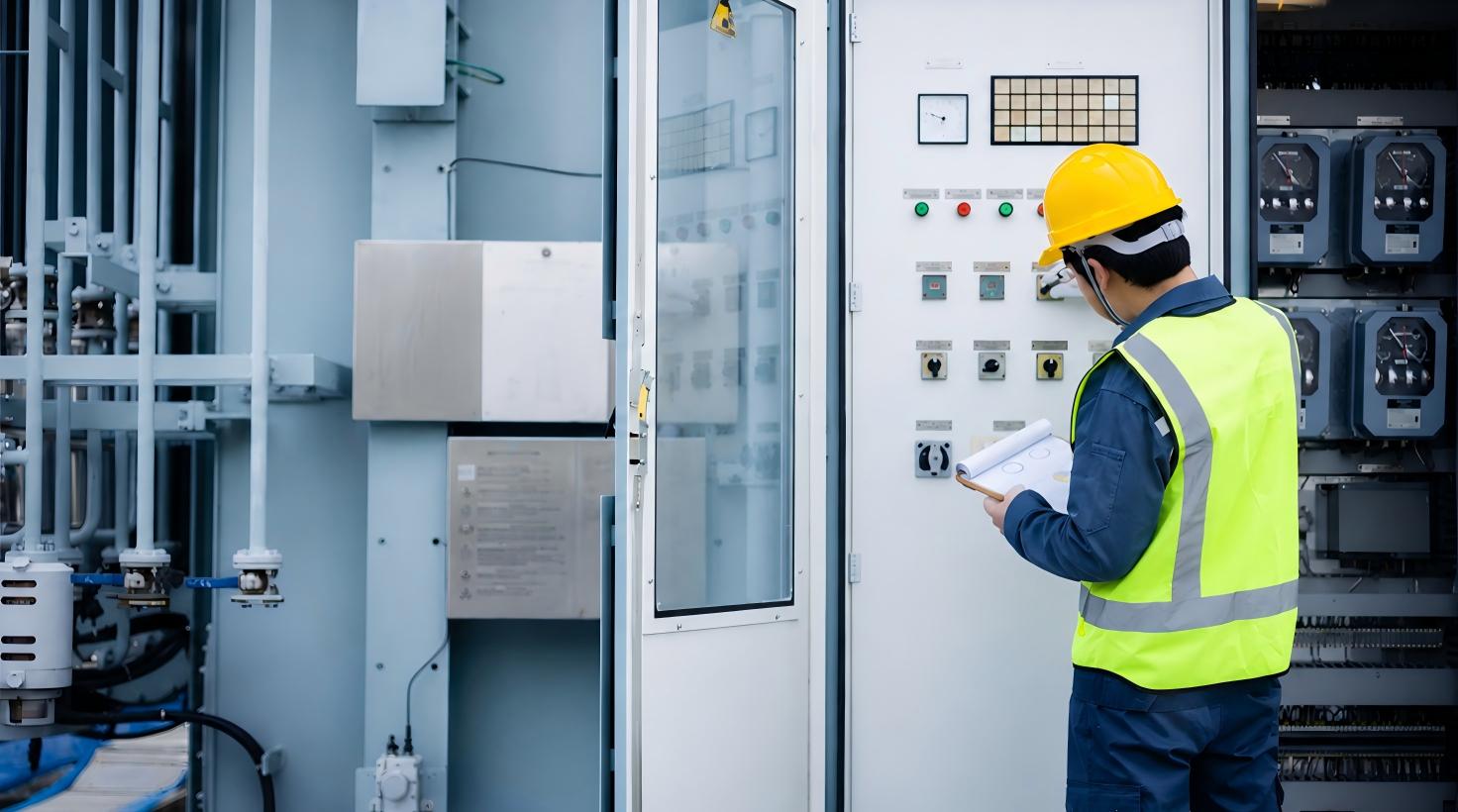
Maintenance personnel should regularly inspect critical components such as circuit breakers, contactors, busbar connections, and cable joints for loosening, overheating, discharge, or corrosion, and promptly tighten, clean, or replace any faulty parts. By using infrared thermal imaging to detect hot spots, conducting insulation tests, and performing mechanical operation tests, potential faults can be identified early, preventing small problems from escalating into serious accidents and causing damage to your equipment.
Avoid Prolonged Overload Operation
Continuous high-load operation leads to increased conductor temperature rise, accelerates insulation aging, and reduces the reliability of electrical components. Properly planning load distribution, monitoring operating current, and reserving appropriate capacity margins helps reduce equipment operating pressure and extend overall service life.
Intelligent Monitoring Function
By continuously monitoring key parameters such as temperature, humidity, current, voltage, and partial discharge, users can promptly detect anomalies and schedule maintenance plans based on equipment status. This shifts from traditional post-fault repair to predictive maintenance, effectively reducing the frequency of daily inspections and maintenance, thereby reducing lifecycle operating costs. Zhongshao’s modern switchgear offers you a multi-dimensional reference.
FAQ
What are the risks of skipping maintenance?
Without routine maintenance, hidden faults can lead to overheating, wiring problems, sudden shutdowns, and significantly increase safety risks such as arcing accidents. Furthermore, as equipment ages faster, the frequency and cost of subsequent repairs will increase.
Can switchgear be maintained while energized?
Some inspections, such as visual inspections and thermal imaging, can be carried out while the equipment is energized. However, all internal maintenance, component testing, and bolt tightening work must be performed with the power off and the equipment locked and tagged to prevent the risk of arc flashover and electric shock.
How long does low voltage switchgear last?
Designed according to international standards, low-voltage switchgear has a rated design life of 20–30 years under ideal operating conditions. Under normal operating conditions and with only basic maintenance, the equipment can operate stably for 15 to 20 years. However, in harsh environments such as humid, dusty, or containing corrosive gases, the service life will be shortened to 10 to 15 years. Proper maintenance, high-quality spare parts, and a clean operating environment are key to extending the equipment’s lifespan.
What tests should be performed during annual maintenance?
Annual maintenance requires a comprehensive inspection and testing, mainly including: appearance and wiring inspection, internal cabinet cleaning, insulation resistance testing, circuit breaker and relay function verification, secondary circuit and indicator light testing, and re-inspection of the torque of all connecting bolts.
What are the signs of switchgear deterioration?
Pay attention to these typical signs: discoloration of component surfaces, burn marks, or severe dust accumulation; loose, rusted, or corroded terminals and wiring; abnormal noises, overheating, or burning smells during equipment operation; frequent tripping or malfunction of circuit breakers and relays; decreased insulation resistance; insufficient brightness or faulty indicator lights.
What standards apply to switchgear maintenance?
Internationally, maintenance is primarily based on IEC 61439, IEC 60947, and the dedicated maintenance guide IEC TR 63482; domestically, the corresponding standards are GB/T 7251 and GB/T 14048. Simultaneously, electrical safety regulations must be followed, and maintenance should be carried out with reference to the original equipment manufacturer’s technical manual.
Final Thoughts
Proper maintenance can significantly improve the operational reliability and lifespan of low-voltage switchgear, while reducing unexpected failures and lowering operating costs. Choosing high-quality, easy-to-maintain switchgear can further enhance system operating efficiency and long-term performance. Does your project require a low-maintenance switchgear solution? Contact Zhongshao‘s technical team for professional technical advice and a customized quote.