Selecting electrical switchgear is not just about choosing equipment; it’s about choosing the safety baseline, power supply reliability, lifecycle benefits, and future expansion potential of the entire power distribution system. This article will provide a brief introduction to the types of switchgear.
What is electrical switchgear?
Electrical switchgear is an essential part of power distribution systems. It is used to control, protect, isolate, and distribute electrical power across low-voltage, medium-voltage, and high-voltage power systems. By using circuit breakers, disconnectors, fuses, relays, busbars, and protection devices, switchgear helps maintain system safety, operational stability, and reliable power supply.
Common types of electrical switchgear include LV switchgear, MV switchgear, HV switchgear, air-insulated switchgear, gas-insulated switchgear, indoor switchgear, and outdoor switchgear. Choosing the right switchgear type depends on voltage level, installation environment, insulation method, maintenance requirements, safety standards, and project application.
Types of Electrical Switchgear
Switchgears vary widely in models, specifications, structures, performances and applicable scenarios. This article sorts them by four dimensions and elaborates on their features, application ranges and core strengths.
By Application Scenario
Indoor Switchgear
This series of switchgear is designed for indoor and various enclosed spaces. Its compact structure effectively saves installation space; it balances project budget and space layout requirements, and is widely used in residential communities, substations, and various commercial buildings.
Most indoor switchgear is a modular component consisting of a built-in 0.4 kV electrical switch, with voltages below 66 kV. This type of switchgear requires no external protection, making installation, wiring, daily operation and maintenance, inspection and maintenance, and site planning easier.
Outdoor Switchgear
This series of switchgear is suitable for outdoor/open-air environments and features all-weather resistance. It is required for voltage levels above 66kV. High-voltage conditions necessitate larger electrical clearances, and the conductors, circuit breakers, disconnectors, transformers, busbars, and other equipment within the substation occupy more space. Therefore, it is primarily used in outdoor high-voltage transmission and substation applications. Customization requires a professional electrical engineer to provide drawings in advance, taking into account the project’s site conditions.
Classified by Voltage Level
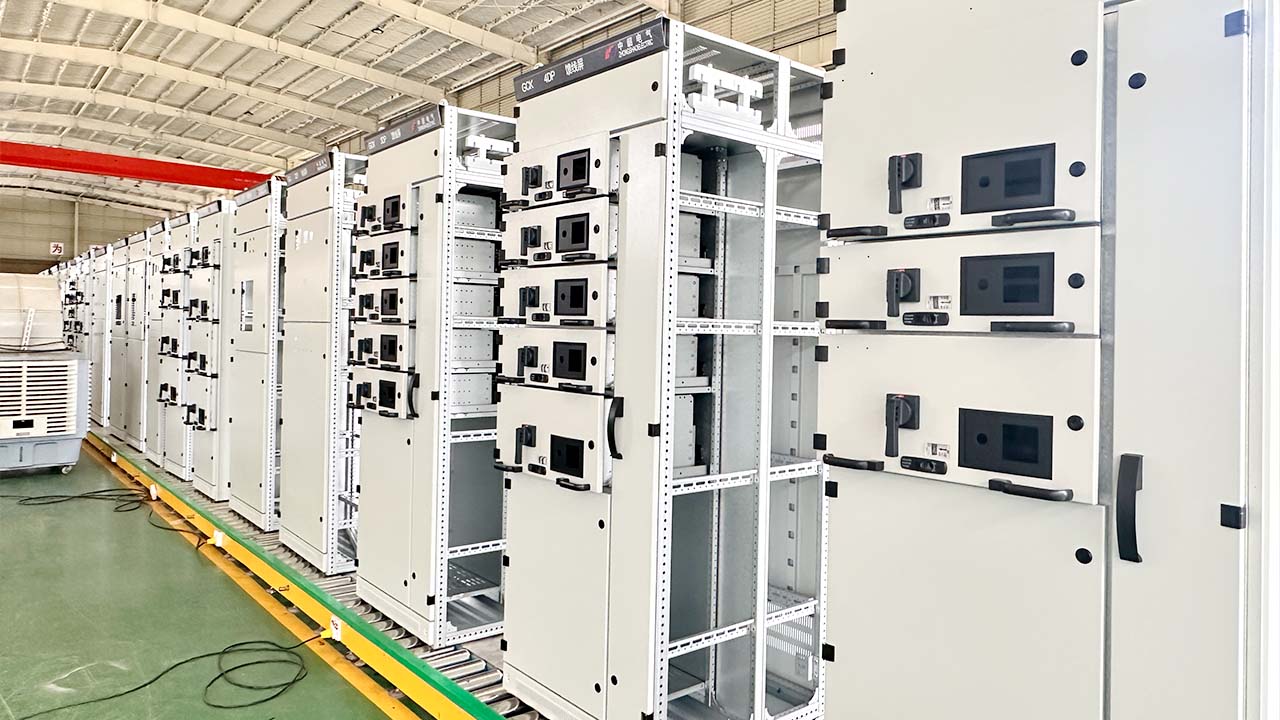
Low-voltage switchgear
Low-voltage switchgear is a multifunctional system that safely and efficiently distributes electrical energy to buildings or other structures requiring power. The rated voltage of low-voltage switchgear can reach up to 1 kV.
Main functions: Low-voltage switchgear integrates complete power distribution, control, and core protection functions, ensuring the stable and safe operation of the power distribution system.
Firstly, it boasts excellent electrical protection performance, withstanding short-circuit thermal and mechanical shocks to prevent line and equipment failures.
Secondly, it provides reliable electrical isolation, quickly disconnecting fault/maintenance circuits to ensure safe operation and maintenance.
Thirdly, it is locally/remotely controllable, allowing for flexible switching of power distribution circuits, providing convenient and intelligent operation at any time.
MV switchgear
Medium-voltage switchgear controls power flow by switching circuits on and off.
Its rated voltage range is typically from 1kV to 36kV, providing safe power distribution, control, and protection.
Main functions:
Medium-voltage switchgear is fully functional, ensuring stable operation of medium- and high-voltage systems. It can withstand short-circuit thermal and mechanical shocks, protect components, and completely isolate faulty lines, minimizing power outage time. Built-in relays and digital displays enable real-time monitoring of the power grid and intelligent, precise control. Suitable for factories, data centers, and photovoltaic/wind/hydropower stations, it can also be used for urban public power distribution when combined with ring main units.
HV Switchgear
High-voltage switchgear typically operates within a voltage range of 36 kV to 220 kV. It is used in power plants, substations, and industrial facilities to safely switch, control, and protect high-voltage power circuits.
Due to the high voltage, the electric arc generated during switching operations is also quite intense. Manufacturers of high-voltage switchgear must exercise caution.
Compared to medium-voltage switchgear, high-voltage switchgear also requires attention to overvoltage protection and voltage stabilization.
By Arc-quenching Medium
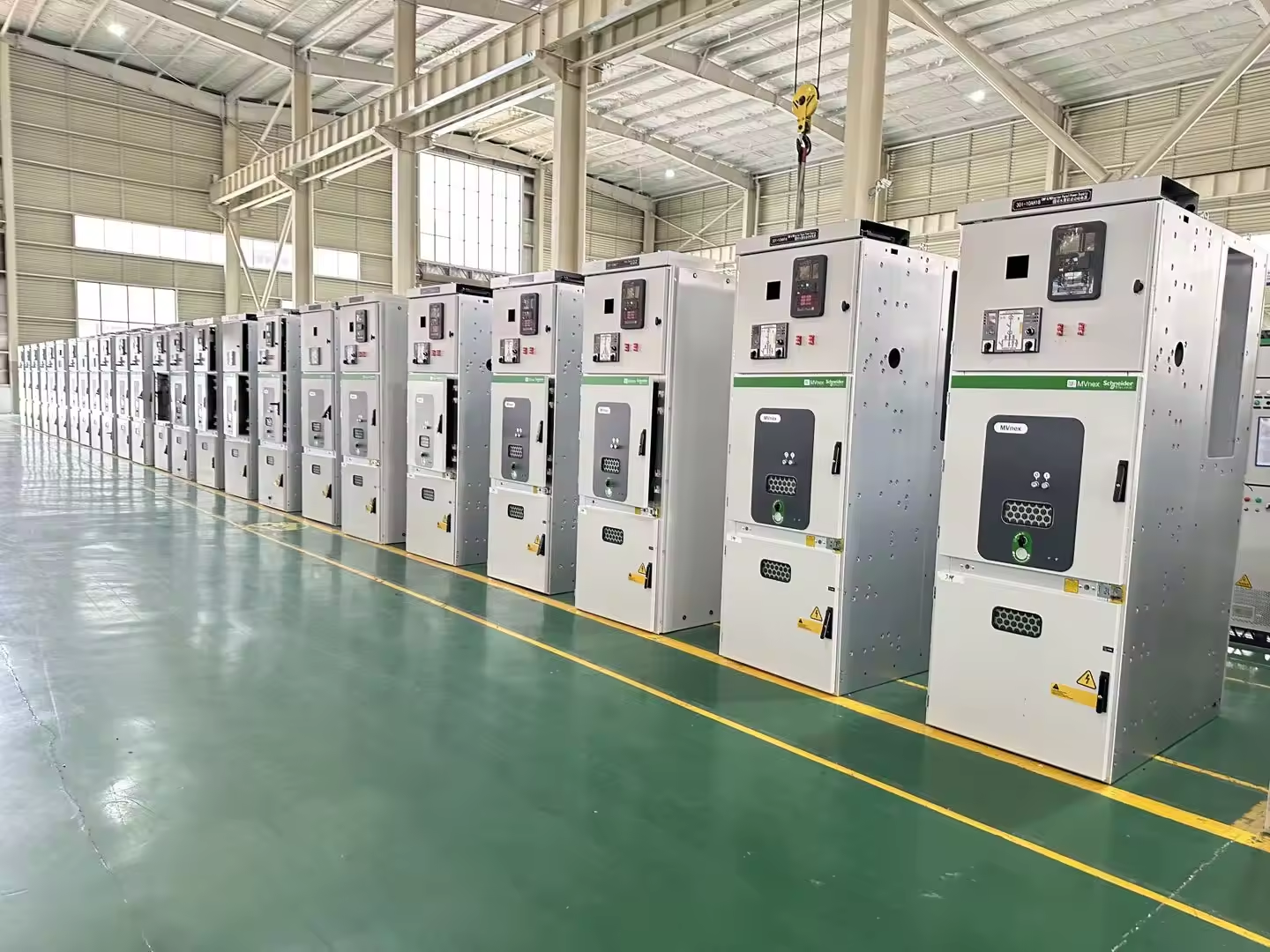
Air-insulated switchgear
Air-insulated switchgear refers to medium-voltage switchgear that uses dry air as the insulating medium, assembling circuit breakers, disconnectors, grounding switches, instrument transformers, and other electrical components within a metal cabinet. It is used in power systems for receiving, protecting, and distributing electrical energy.
AIS delivers high environmental tolerance with relatively low maintenance costs, making it your cost-effective high-efficiency solution.
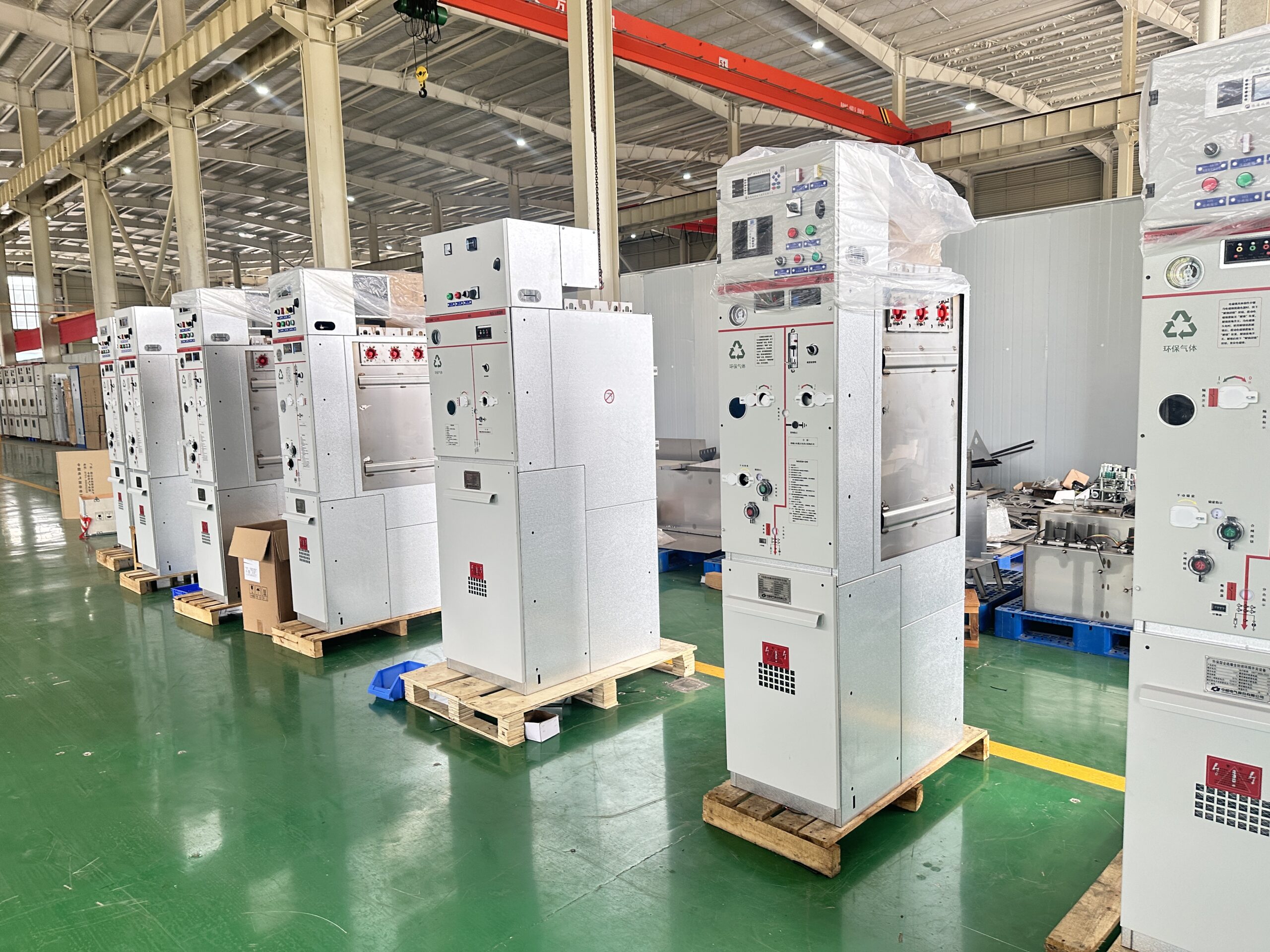
Gas-insulated switchgear
Zhongshao gas-insulated switchgear is a dedicated medium-voltage power distribution device, standard applicable voltage levels from 12kV to 40.5kV. It features a more compact size and is suitable for use in enclosed and harsh environments. The gas used can be environmentally friendly, SF6, or nitrogen. With increasing environmental awareness, environmentally friendly gases will be used more and more.
However, compared to air, gases have higher dielectric strength, thermal stability, and arc-extinguishing properties.
Therefore, space and safety are key factors to consider when choosing gas-insulated switchgear.
By Installation method
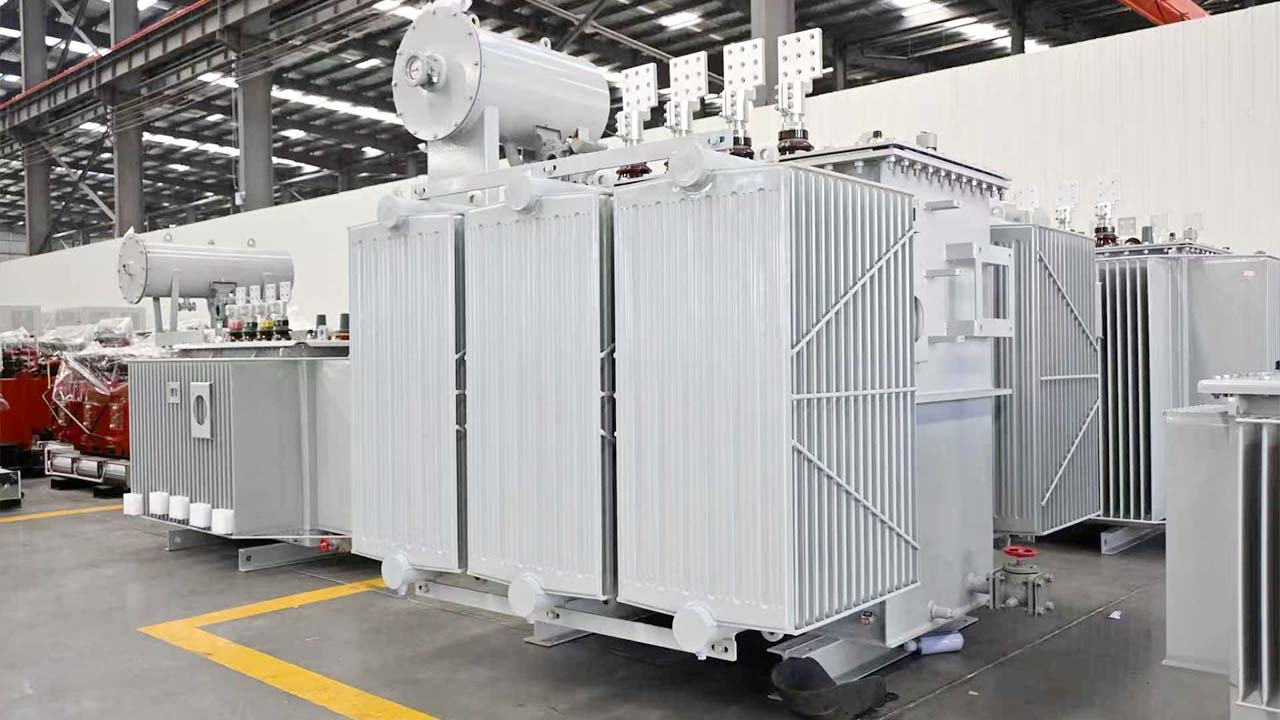
Oil-immersed switchgear
Oil-immersed switchgear is a traditional type of equipment. Relying on the stable and reliable arc-extinguishing performance of mineral insulating oil, oil-immersed switchgear can operate stably for extended periods, making it highly suitable for critical engineering projects with stringent requirements for equipment reliability and complex on-site environmental conditions.
It is commonly used in medium- and high-voltage substations, various large-scale heavy industrial and chemical industrial areas.
Fixed-type switchgear
Fixed-type switchgear is designed for projects with fixed structures and minimal modification requirements. Unlike withdrawable switchgear, its circuit breakers and main components are permanently installed and are not designed for easy removal or replacement.
This improves mechanical strength, ease of operation, and reduces overall costs.
Draw-out/withdrawable switchgear
This modular switchgear features a modular design, with main switches such as circuit breakers already installed on a removable handcart. It is suitable for medium and high voltage systems (mainly 10kV-35kV). Independent components such as circuit breakers can be removed from the main cabinet without affecting the functions of other parts of the switchgear, thus achieving operational flexibility and facilitating maintenance and repair.
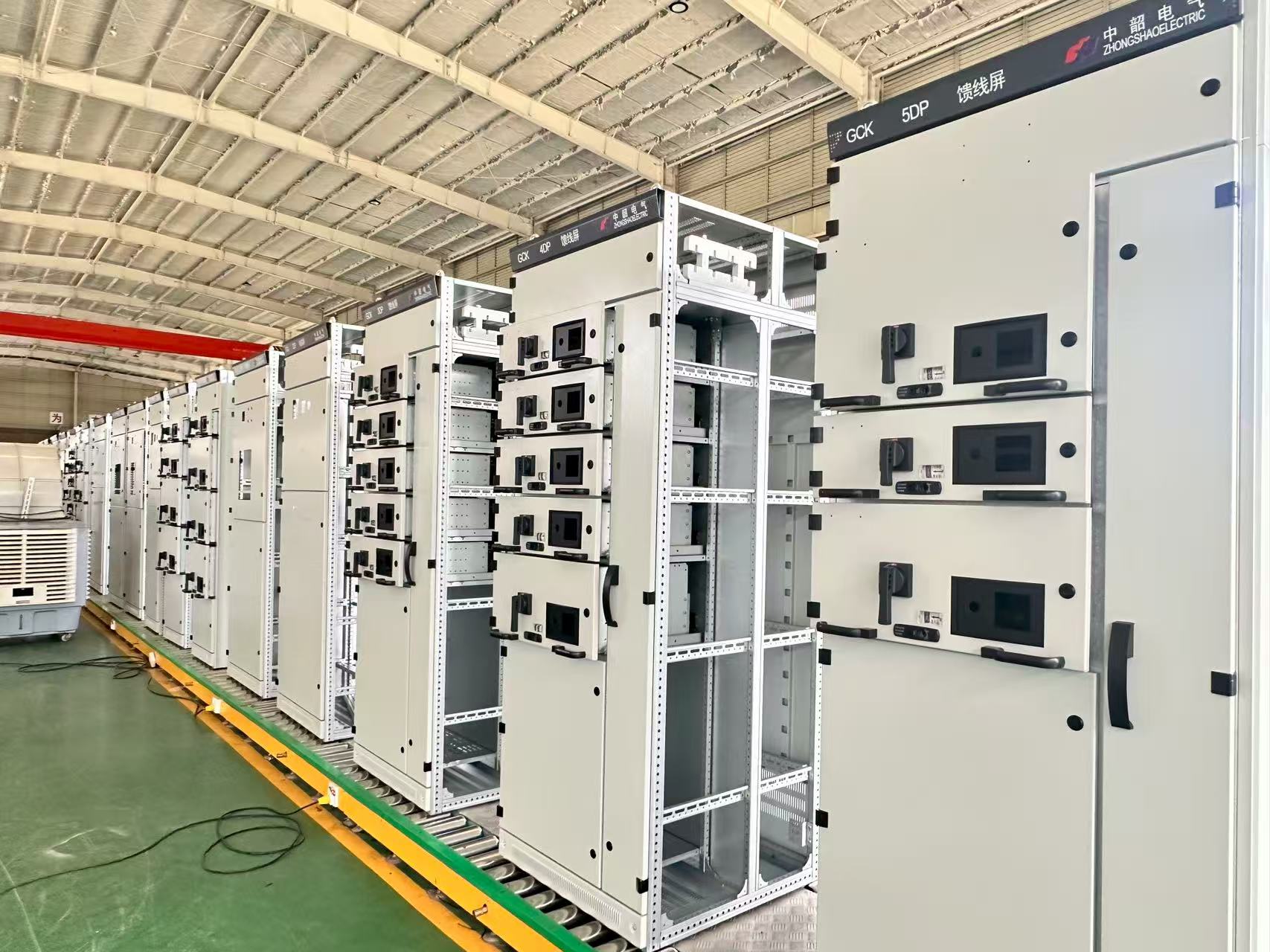
Compare datas of each switchgear
Below is a comparison table of various types to help you quickly select the right model for your project.
| Type | Voltage range | Footprint | Maintenance Workload | Cost |
| LV switchgear | <1kV | Small | Low | Low |
| MV switchgear | 1~52kV | Medium | Moderate | Medium |
| HV switchgear | >52kV | Large | High | High |
| AIS | All voltage levels | Large | Moderate | Relatively Low |
| GIS | Medium & High Voltage | Very samll | Low | High |
| Vaccum Switchgaer | Medium Voltage | Compact | Very low | Medium |
| SF6 Gas-Insolated Switchgear | Medium & High Voltage | Compact | Low | Relatively Low |
Key Considerations for Switchgear Selection
Correct selection ensures stable power supply, saves costs, and facilitates successful grid acceptance. Below are the key selection considerations:
Confirm Voltage Level
0.4kV Low-Voltage Switchgear: Terminal distribution in residential areas, shopping malls, and small factories
10/13.8/35kV Medium-Voltage Switchgear: Main distribution in industrial parks, data centers, and substations
66kV and Above High-Voltage Switchgear: Main transmission lines in large power grids and mines
Calculate Load and Short-Circuit Parameters
You will need an electrical technician to calculate the total current consumption and match the circuit breaker’s breaking capacity. If your needs are for industrial or mining projects, you should allow for a 20%-30% capacity expansion margin.
Choose Insulation Type Based on Site Environment
Air Insulated Cabinet (AIS): Low price, easy maintenance, suitable for factories and outdoor stations with ample space.
Gas Insulated Cabinet (GIS): Compact size, moisture-proof and corrosion-resistant, suitable for urban areas, underground, coastal areas, and mining areas.
Distinguish Installation Styles
Indoor Fixed Cabinet: Universal for ordinary power distribution rooms, high cost-effectiveness.
Extractable Cabinet: No need for complete power outage during maintenance, suitable for uninterrupted production and data centers.
Outdoor Floor-Standing/Pole-Mounted Cabinets: No need for a power distribution room, suitable for streetlights, rural power grids, and small construction sites.
Comply with Local Certification Standards
US & Mexico Market: Requires UL certification, follows ANSI standards.
Southeast Asia & Middle East: Complies with IEC standards, some countries require local certification.
Latin America: Separate local safety certification, CE cannot replace market access qualifications.
Consider Operation and Maintenance Needs
When maintenance personnel are limited, prioritize intelligent cabinets with smart temperature measurement and remote alarms; choose simple and economical cabinets for short-term temporary construction sites. You also need to consider reserving capacity for future expansion.
FAQ
How are switchgear voltage levels classified?
Using 1000V (1kV) as the absolute dividing line, switchgear is divided into low voltage, medium voltage, and high voltage.
Voltage range: Low voltage: AC 1000V and below; Medium voltage: 1kV < voltage ≤ 35kV; High voltage: 35kV < voltage ≤ 220kV
What are the differences between low-voltage and medium-voltage switchgear?
The core differences between high- and low-voltage switchgear lie in the applicable voltage and application scenarios. Low-voltage switchgear is adapted to low-voltage power distribution systems and is mainly used in buildings and ordinary factories, undertaking terminal power regulation, line protection, and electrical isolation.
Medium-voltage switchgear is suitable for 10kV–35kV power supply scenarios, possessing stronger short-circuit withstand capability and real-time power monitoring functions, offering higher safety performance, and meeting the high-standard power supply requirements of key projects such as industrial parks, data centers, and new energy power plants.
What are AIS and GIS switchgear?
AIS stands for Air Insulated Switchgear, using air as the insulating medium. It has a simple structure, low maintenance costs, and strong environmental adaptability, making it a cost-effective choice for most conventional power distribution projects. GIS stands for Gas Insulated Switchgear, using sulfur hexafluoride gas for insulation and arc extinguishing. It is smaller in size, offers higher safety and stability, and is suitable for high-end industrial and urban core power supply projects with limited space and complex operating conditions.
What are the categories of electrical switchgear according to insulation methods?
According to insulation methods, mainstream switchgear is divided into three main categories: Air Insulated Switchgear (AIS), Gas Insulated Switchgear (GIS), and Composite Insulated Switchgear. AIS relies on air insulation, offering high cost-effectiveness; GIS uses SF6 gas insulation, is compact, and offers high safety, making it the preferred choice for high-end power projects.
What is the service life of a standard switchgear?
The design life of industrial switchgear is typically 15-20 years, while medium- and high-voltage switchgear using high-quality components and advanced modular design can reach 25-30 years. Under standard operating conditions of dryness, dust-free environments, and regular maintenance, the equipment can usually reach its design life; however, under coastal salt spray, high humidity, corrosive environments, or frequent heavy-load operation, the actual lifespan may be shortened. Although the cabinet structure itself has a long service life, key components such as circuit breakers, insulation parts, and operating mechanisms will gradually age over time. It is recommended to conduct a comprehensive inspection every 8-10 years and replace them as needed to ensure the long-term safe and stable operation of the switchgear.
Conclusion
Zhongshao switchgear cabinets use high-quality steel plates and meet IEC, ANCE, DOE2016, and IEEE standards, and support UL/CUL certification. They support top and bottom cabling and are compatible with major brand components. We can provide system single-line diagrams, layout diagrams, and installation manuals based on the parameters you provide. We will also select the appropriate components for the switch cabinet according to your project requirements and budget to ultimately meet your needs.