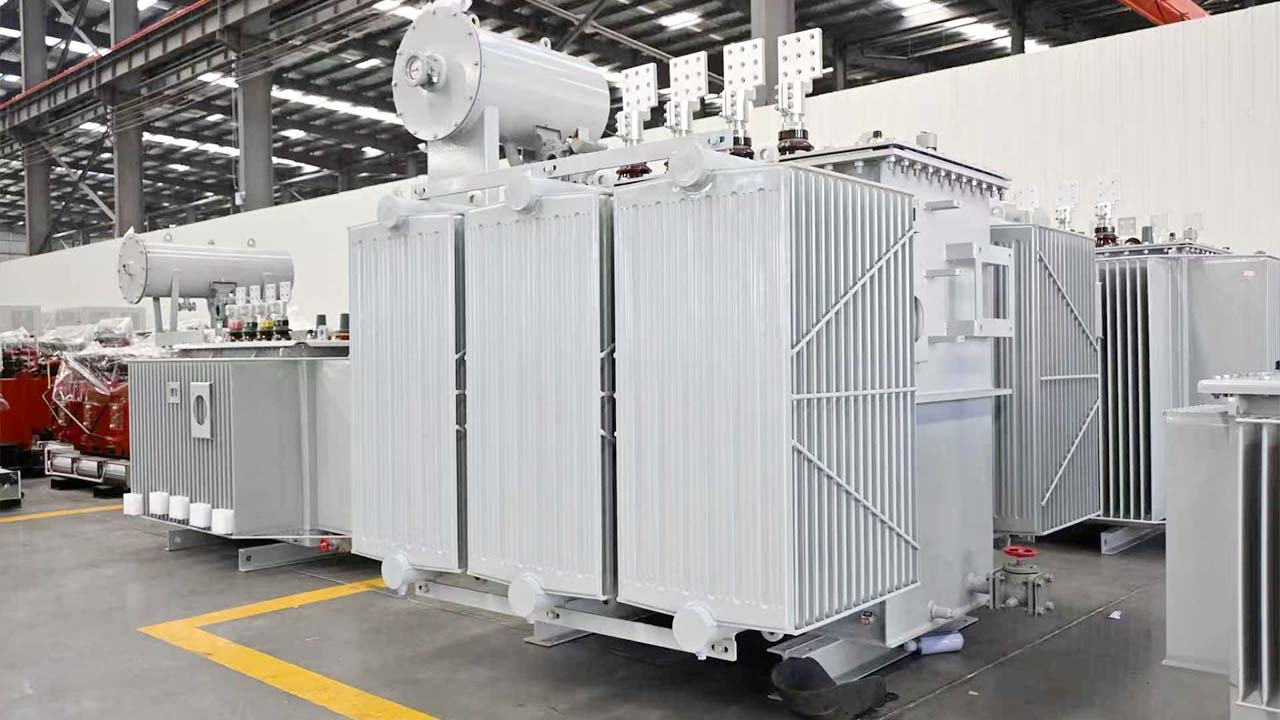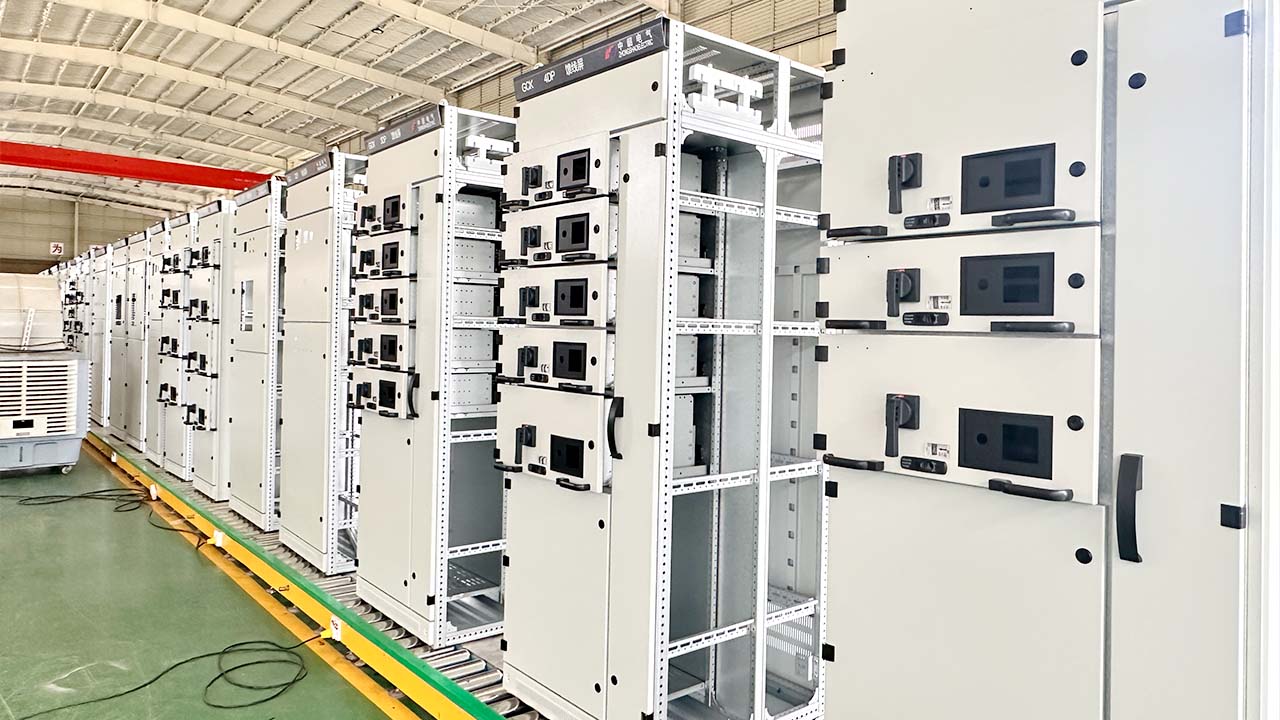
If you’re searching for switchgear products, you may know that the material of the switchgear enclosure directly affects the safe operation, stability, reliability, and durability of your equipment. This article analyzes five main materials used in switchgear enclosures to help you make an appropriate selection based on your project’s specific needs. First, let’s understand the five main switchgear materials.
Metal Enclosure Material
1. Stainless Steel
Pros:
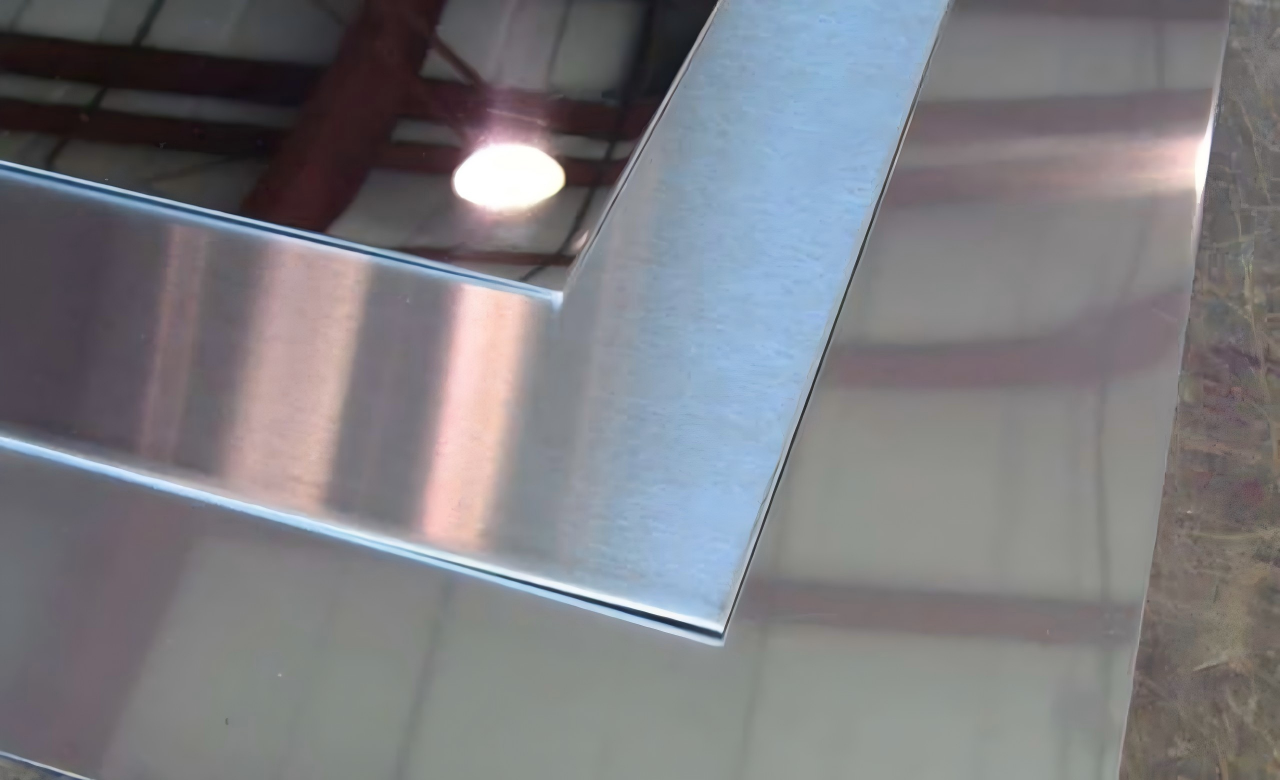
(1)Stainless steel is further divided into 304 stainless steel, 316 stainless steel, and 316L stainless steel. Among them, 316 stainless steel exhibits the best corrosion resistance, possessing inherently strong rust and corrosion resistance, and performing best in salt spray environments.
(2)Stainless steel has a high-end feel, does not peel or flake paint, and requires no additional coating. It has good stability in high and low temperature environments, It can reach an IP rating of IP65 to IP68, and has high strength. It also has excellent flame retardant and fireproof properties.
Cons:
(1)This material is expensive, difficult to process and weld, inconvenient for on-site modifications, and relatively heavy, requiring careful installation.
Applications:
Stainless steel switchgear enclosure is suitable for outdoor use and is widely used in coastal areas, chemical environments, and the food and pharmaceutical industries.If your project has high standards and requirements, it will be the best switchgear enclosure material.
2. Galvanized Steel
Pros:
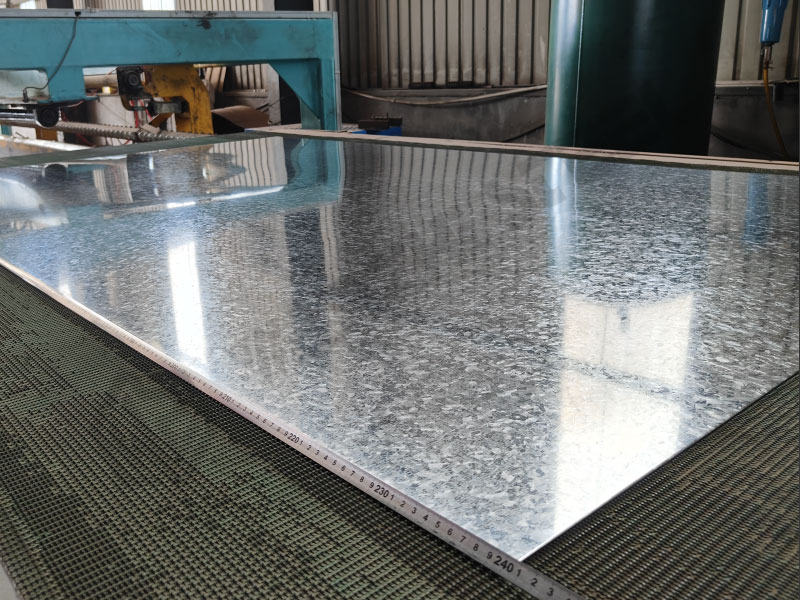
(1)Galvanized steel sheet is available in two processes: hot-dip galvanizing and electro-galvanizing. It has a built-in zinc layer for rust prevention. Hot-dip galvanizing produces a thicker zinc layer, while electro-galvanizing produces a thinner layer, making it relatively cheaper. This material is easy to process and has high production efficiency. Its mechanical strength meets the requirements for conventional low-voltage switchgear.
Cons:
(1)It has moderate salt spray and corrosion resistance. The surface is prone to zinc peeling from impacts, easily oxidizes and turns dull, and powder coating adhesion is average.
Applications:
Galvanized steel switchgear enclosure is well-suited for standard indoor equipment.Suitable for indoor data centers, equipment rooms and building power distribution. If your budget is moderate and the project involves bulk orders, this material can meet your needs.
3. Carbon Steel + Electrostatic Powder Coating
Pros:
(1)It uses cold-rolled carbon steel as the base material, with surface rust removal and electrostatic powder coating curing. This is the most commonly chosen type of carbon steel. It is easy to process, rust-proof, scratch-resistant, aesthetically pleasing, and offers the best cost-performance ratio.
Cons:
(1)This material is unsuitable for coastal, chemical, high-humidity, and salt spray environments. Slight impacts during transportation and installation can cause paint peeling and rusting. Because the process depends on the quality of the coating, its long-term outdoor service life is short.
Applications:
Carbon steel electrical enclosure is suitable for indoor server rooms, general construction sites, and budget-friendly projects.
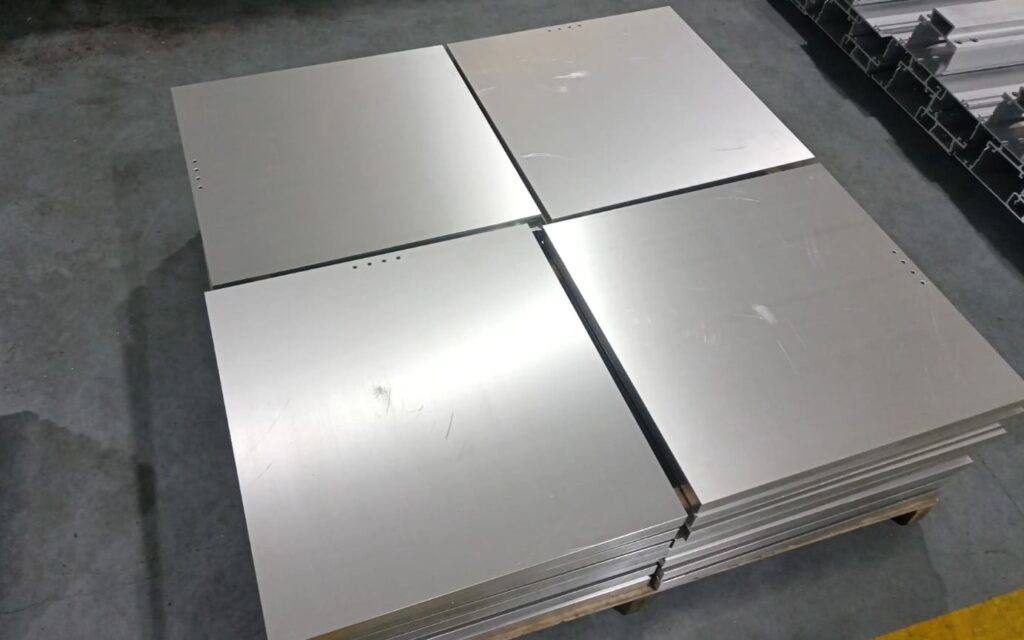
4. Aluminum Alloy
Pros:
(1)Aluminum alloy has excellent thermal conductivity and high heat dissipation efficiency, perfectly suited for high-current operation, and naturally shields against electromagnetic interference/radio frequency interference. Lightweight, suitable for lightweight cabinets. Naturally corrosion-resistant, rust-free, with good heat dissipation and a high-end appearance.
Cons:
(1)This material has relatively low mechanical strength and is not commonly used in large-size high-voltage equipment. Long-term outdoor use may cause the surface to oxidize and turn white.
Applications:
Aluminum switchgear enclosure is Suitable for lightweight wall-mounted boxes, outdoor projects with mild corrosion, general coastal conditions, communication cabinets, low-voltage control cabinets, and electrical boxes requiring heat dissipation.You can choose this material based on your project requirements.
Plastic Enclosure Material
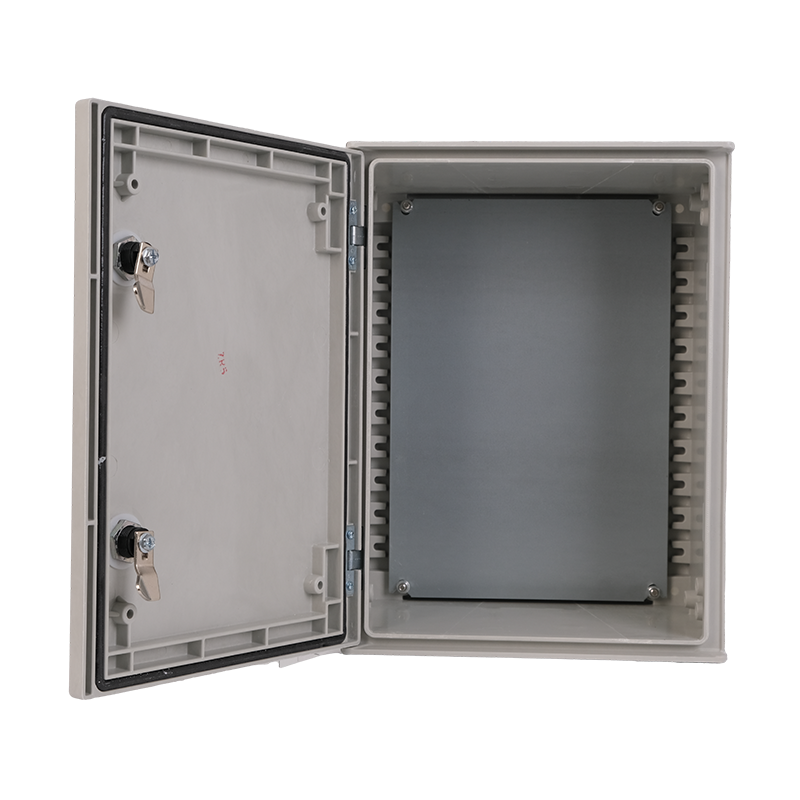
5. FRP/GRP
Pros:
(1)It is the lightest of all cabinet materials, with superior resistance to acids and alkalis, salt spray, and anti-corrosion. It is a non-metallic material with natural insulation. Extremely long outdoor service life, good waterproof and dustproof sealing, high IP rating, customizable colors, one-piece molding, and maintenance-free.
Cons:
(1)It is expensive, approaching or even exceeding the cost of stainless steel. It has high hardness, making on-site modifications extremely difficult, and it is not resistant to extreme high temperatures. However, its mechanical strength performance is relatively low, making it suitable for small enclosures. Note that non-standard, special-sized molds are expensive.
Applications:
Suitable for coastal areas, chemical plants, farms, highly corrosive environments, and applications requiring insulation.This material can be fabricated into the UV resistant enclosure with the highest UV protection level in the switchgear industry.
Due to the different characteristics of each material, suitable operating conditions vary. Therefore, before selecting a model, you must confirm whether there are any issues such as chemical media, environmental climate, or ultraviolet radiation at the site. At the same time, you also need to comprehensively consider details such as installation method, conduit opening, and cable gland. If the switch cabinet enclosure is opened, drilled, or modified without authorization, the original IP protection level may become invalid.
Comprehensive Comparison Parameters of Five Main Materials
| Comparison Dimensions | Stainless Steel 304/316(L) | Galvanized Steel Sheet | Carbon Steel Powder Coating | Aluminum Alloy | (FRP/GRP) |
| Corrosion Resistance | Superior 316 performs best in salt spray environments | Medium Relying on zinc plating for protection | Milder Depends on surface coating | Good Natural oxidation protection | Superior It won’t rust |
| Outdoor Suitability | Highly suitable | Generally suitable | Not suitable | suitable | Highly suitable |
| Coastal Environment Adaptability | 316 is suitable for high salt spray environments. | Long-term use is not recommended | Not suitable | It’s usable but requires design optimization | Highly suitable |
| Chemical Environment Adaptability | 316L is suitable for highly corrosive environments. | There is a risk of corrosion | Not suitable | Medium | Suitable |
| Mechanical Strength | High | High | High | Medium | Low |
| Weight | Heavy | Medium | Medium | Lightest | Medium |
| Cost Level | High | Medium | Low | Relatively high | Relatively high |
| Service Life | 20–30+ years | 10–15years | 5–10years | 15–20years | 15–25years |
| Maintenance Requirements | Very low | Medium | Relatively high | Low | low |
| Processing Difficulty | High | Medium | Low | High | Dependent on mold forming |
| Welding Performance | Low | Good | Good | Average | Not suitable |
| Appearance Quality | Premium | Standard | Average | Premium | Uniform and smooth |
| Insulation Performance | None(Grounding required) | None | None | None | Natural insulation |
How to Choose Switchgear Enclosure Material?
To configure the appropriate enclosure for switchgear, you should usually consider the following aspects.
Project Environmental Requirements
The actual operating environment of the equipment should be fully considered. For outdoor installations, corrosive environments, temperature-limited requirements, or scenarios requiring strong corrosion resistance, it is recommended that you prioritize the use of stainless steel or glass fiber reinforced plastic (FRP/GRP) materials.These two materials offer the highest level of waterproof and dustproof enclosure protection.
Usage Requirements
Assess specific operating conditions, including IK (Mechanical Kinematics) impact resistance rating, enclosure protection rating (IP code), electrical insulation performance, and ease of maintenance.
Project Cost Budget
It’s necessary to balance material procurement costs with equipment performance and service life. Stainless steel and glass fiber reinforced plastics have higher initial procurement costs, but their resistance to aging and wear can significantly reduce long-term maintenance costs.
Certification Standards
Different countries have different material standards for switchgear enclosure, such as the globally recognized IEC standard, the North American UL certified electrical enclosure, the US ANSI and NEMA enclosure materials. If you have any certification requirements, please inform the Zhongshao sales team, and we can meet your requirements according to the standards.
Best Switchgear Enclosure Material for Different Applications
| Application | Recommended Material |
| Coastal areas | 316 stainless steel / FRP |
| Chemical plants | 316L stainless steel / FRP |
| Indoor substations | Galvanized steel |
| Budget projects | Powder-coated carbon steel |
| Solar projects | Aluminum alloy |
| High humidity areas | Stainless steel |
FAQ
Is an electrostatic powder-coated carbon steel cabinet suitable for outdoor installation?
A:It can be used for outdoor installation, but a thickened galvanizing pretreatment and outdoor-specific electrostatic powder coating are essential.
Does the fiberglass cabinet have fire-retardant properties?
A:Yes, fiberglass cabinets have inherent flame-retardant properties. Compared to carbon steel and plastic cabinets, they have a higher fire resistance rating and better insulation.
Can galvanized steel sheets be used in coastal areas?
A:Ordinary galvanized sheets can be used in coastal areas, but they cannot withstand strong salt spray and sea winds for extended periods. Adding hot-dip galvanizing and outdoor electrostatic powder coating will meet the requirements for general coastal outdoor use. For highly corrosive environments, stainless steel or fiberglass cabinets are recommended.
Why is electrostatic powder-coated carbon steel the most commonly used material for switch cabinets?
A:Because electrostatic powder-coated carbon steel has high structural strength, it effectively protects the electrical components inside the cabinet. It is also easy to process and offers the best cost-performance ratio. With proper thickened galvanizing pretreatment and outdoor electrostatic powder coating, the corrosion resistance is sufficient. Therefore, this type of material is widely used.
What is the difference between 304 and 316L stainless steel?
A:316L stainless steel contains more molybdenum than 304 stainless steel, resulting in higher resistance to salt spray and acid/alkali corrosion. It’s suitable for coastal areas, environments with high salt spray, chemical plants, and high humidity/corrosion environments. However, 316L raw materials are significantly more expensive than 304, so 304 is generally sufficient for most non-coastal outdoor projects.
Why are some plastic cabinets transparent?
A:Generally, transparent plastic materials have better insulation, making electrical safety safer. Transparency maintains the protection level while allowing for visual inspection and easier maintenance.
How to prevent condensation inside sealed outdoor cabinets?
A:Generally, we can choose cabinets with thermal insulation structures, install anti-condensation heaters to reduce the temperature difference between inside and outside, and install waterproof vent valves to balance air pressure. Simultaneously, placing desiccants inside absorbs moisture, and sealing cable entry and exit points minimizes moisture penetration.
Final Thoughts
There is no best material, only the most suitable solution. And the final decision will depend on the actual working environment and requirements of your project. Zhongshao provide custom electrical enclosure solutions, we can leverage our production and industry experience to provide constructive suggestions for your project implementation.