Transformer standards are more than technical references. They determine how a transformer is specified, designed, tested, documented, accepted, and integrated into a power system.
For international buyers, one of the most common questions is whether a transformer should comply with the IEC 60076 series or the IEEE C57 series. IEC 60076 is widely used in international power projects, while IEEE C57 is commonly specified by utilities, consultants, and industrial projects in North America.
The two systems share the same fundamental objective: ensuring that transformers operate safely, reliably, and predictably. However, they may use different terminology, insulation coordination methods, test procedures, standard ratings, mechanical interfaces, and acceptance criteria.
This guide compares IEEE C57 and IEC 60076 and explains how buyers should select the correct transformer standard for an international project.
What Is IEC 60076?
IEC 60076 is a series of international standards covering power transformers. IEC 60076-1 establishes general requirements for single-phase and three-phase power transformers, while other parts address subjects such as temperature rise, insulation levels, short-circuit withstand capability, dry-type transformers, loading, impulse testing, and energy performance.
Important parts of the series include:
- IEC 60076-1: General requirements
- IEC 60076-2: Temperature rise for liquid-immersed transformers
- IEC 60076-3: Insulation levels and dielectric tests
- IEC 60076-4: Lightning and switching impulse testing
- IEC 60076-5: Ability to withstand short circuits
- IEC 60076-11: Dry-type transformers
- IEC 60076-14: Liquid-immersed transformers using high-temperature insulation
- IEC TS 60076-20: Methods for evaluating transformer energy performance
IEC 60076-11 applies specifically to dry-type power transformers within its defined voltage and capacity scope. IEC 60076-5 defines requirements for demonstrating the thermal and dynamic ability of transformers to withstand external short-circuit currents.
IEC standards are widely specified across Europe, Asia, Africa, the Middle East, Latin America, and international engineering, procurement, and construction projects.
What Is IEEE C57?
IEEE C57 is a large family of standards, guides, and recommended practices for distribution, power, regulating, dry-type, pad-mounted, pole-mounted, network, and specialty transformers.
IEEE C57.12.00 establishes general electrical and mechanical requirements for liquid-immersed distribution, power, regulating transformers, and autotransformers with a highest-voltage winding of 601 V or above. IEEE C57.12.90 provides the associated testing methods for liquid-immersed transformers.
Important IEEE standards include:
- IEEE C57.12.00: General requirements for liquid-immersed transformers
- IEEE C57.12.01: General requirements for dry-type transformers
- IEEE C57.12.10: Requirements for liquid-immersed power transformers
- IEEE C57.12.20: Overhead-type distribution transformers
- IEEE C57.12.34: Three-phase pad-mounted distribution transformers
- IEEE C57.12.36: Liquid-immersed distribution substation transformers
- IEEE C57.12.90: Test code for liquid-immersed transformers
- IEEE C57.12.91: Test code for dry-type transformers
- IEEE C57.91: Loading guide for liquid-immersed transformers
IEEE C57.12.20, for example, contains detailed requirements for overhead-type distribution transformers, while IEEE C57.12.34 addresses electrical, dimensional, mechanical, terminal, and enclosure characteristics for three-phase pad-mounted transformers.
IEEE C57 vs IEC 60076: Main Differences
| Comparison area | IEC 60076 | IEEE C57 |
|---|---|---|
| Primary use | International power projects | North American and IEEE-specified projects |
| General approach | International performance framework | General rules plus many product-specific standards |
| Frequency | Project may specify 50Hz or 60Hz | Many North American product standards specify 60Hz |
| Insulation terminology | Highest voltage for equipment and specified withstand levels | Commonly uses system voltage classes and BIL |
| Cooling terminology | ONAN, ONAF, OFAF and related designations | OA, FA and FOA may appear in North American specifications |
| Dry-type standard | IEC 60076-11 | IEEE C57.12.01 and C57.12.91 |
| Liquid-filled testing | Relevant IEC 60076 parts | IEEE C57.12.90 |
| Short-circuit withstand | IEC 60076-5 | Applicable IEEE C57 requirements and project specifications |
| Product interfaces | Often determined by project specification | Product standards may prescribe dimensions and interfaces |
| Market compliance | Often combined with local regulations | Often combined with UL, CSA, DOE or utility requirements |
Frequency: 50Hz vs 60Hz
It is common to associate IEC transformers with 50Hz systems and IEEE transformers with 60Hz systems, but this is not an absolute rule.
IEC-based transformers can be designed for 50Hz or 60Hz when the required frequency is clearly specified. Some IEEE product standards, particularly those for North American distribution equipment, explicitly cover 60Hz products.
Frequency affects core flux density, losses, temperature rise, noise, and transformer dimensions. A transformer designed only for 60Hz should not automatically be operated at 50Hz at the same voltage without an engineering review.
The purchase specification should always state:
- Rated frequency
- Primary voltage
- Secondary voltage
- Tap range
- Maximum operating flux density
- Applicable standard and edition
Insulation Levels and BIL
IEEE transformer specifications commonly use Basic Impulse Insulation Level, or BIL, to identify the transformer’s ability to withstand lightning impulse voltage.
IEC specifications generally define insulation coordination using the highest voltage for equipment and assigned lightning impulse, switching impulse, and power-frequency withstand levels.
Although both systems protect the transformer against electrical stress, the terminology and standard insulation tables may differ. Buyers should not convert between IEC and IEEE insulation levels based only on nominal system voltage.
The supplier should confirm:
- System voltage
- Highest equipment voltage
- BIL or lightning impulse withstand level
- Power-frequency withstand voltage
- Neutral insulation level
- Required switching impulse level
- Altitude correction requirements
Temperature Rise and Loading
Temperature-rise requirements are another area where specifications are often oversimplified.
IEC 60076-2 defines cooling identification, temperature-rise limits, and test procedures for liquid-immersed transformers. IEEE uses equipment standards and loading guides such as IEEE C57.91 for transformers designed with specified winding-temperature-rise insulation systems.
The acceptable temperature rise depends on factors including:
- Transformer type
- Insulation system
- Cooling method
- Ambient conditions
- Winding design
- Expected loading
- Standard edition
- Purchaser specification
A buyer should therefore avoid writing only “65°C temperature rise” without clarifying whether the value refers to winding rise, top-oil rise, average rise, or another defined measurement.
Cooling Designations
IEC commonly identifies transformer cooling methods using codes such as:
- ONAN: Oil Natural Air Natural
- ONAF: Oil Natural Air Forced
- OFAF: Oil Forced Air Forced
Traditional North American specifications may use:
- OA: Oil and air naturally cooled
- FA: Forced-air cooling
- FOA: Forced-oil and forced-air cooling
The physical cooling arrangement may be similar even when the designation differs. For international quotations, it is useful to show both the technical description and the required standard terminology.
For example:
Cooling: ONAN, equivalent project designation OA
This reduces misunderstandings between manufacturers, consultants, and utility engineers.
Testing and Acceptance
Both IEC and IEEE require transformer testing, but the test classifications, procedures, tolerances, and reporting formats may differ.
A typical factory test program may include:
- Winding resistance measurement
- Voltage-ratio measurement
- Vector-group or phase-relation verification
- No-load loss and excitation-current measurement
- Load loss and impedance measurement
- Insulation-resistance testing
- Applied-voltage testing
- Induced-voltage testing
- Leak and pressure testing
- Temperature-rise testing when specified
- Lightning impulse testing when specified
- Partial-discharge testing for applicable designs
IEEE C57.12.90 describes test methods for liquid-immersed distribution, power, and regulating transformers. IEC distributes the relevant requirements across different parts of the IEC 60076 series.
Buyers should define whether a test is:
- A routine test
- A type or design test
- A special test
- A witnessed Factory Acceptance Test
- Supported by a previous valid test report
Energy-Efficiency Requirements
IEC and IEEE transformer standards should not be confused with national energy-efficiency regulations.
IEC TS 60076-20 provides methods for evaluating transformer energy performance, but mandatory efficiency limits may come from local regulations, utility specifications, or market-access rules.
A project may therefore require both:
- Compliance with IEC 60076 or IEEE C57; and
- Compliance with an energy-efficiency regulation such as a national minimum-efficiency program.
The buyer should specify guaranteed values for:
- No-load loss
- Load loss
- Auxiliary loss
- Efficiency
- Sound level
- Tolerance
- Reference temperature
Can One Transformer Meet Both Standards?
Yes, a transformer can be designed for requirements drawn from both IEC 60076 and IEEE C57, but “dual compliance” is not achieved by adding two standard names to the nameplate.
The manufacturer must review each requirement, including:
- Voltage and frequency
- Standard ratings
- Insulation levels
- BIL
- Temperature-rise limits
- Cooling designation
- Impedance tolerance
- Loss tolerances
- Test methods
- Bushings and terminals
- Enclosure dimensions
- Accessories
- Nameplate information
- Documentation format
Where requirements differ, the purchase specification should identify which requirement has priority.
UL, CE, CSA, or other certifications may support market access, but they do not automatically prove complete compliance with every clause of IEC 60076 or IEEE C57. The exact product, certification scope, standard edition, and test documentation must be confirmed.
ZHONGSHAO Transformer Solutions
According to ZHONGSHAO company materials, its transformer portfolio includes products that can be configured for IEC, IEEE, ANSI, and project-specific requirements.
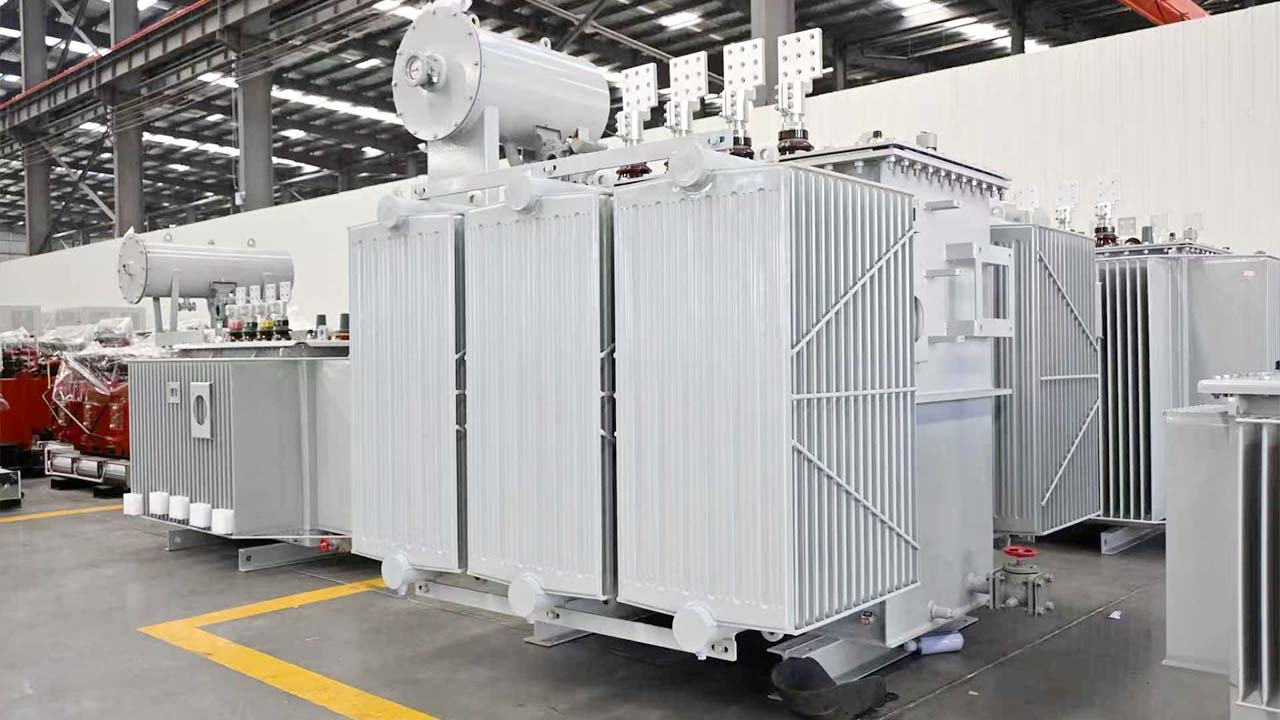
35kV Oil-Immersed Transformers
ZHONGSHAO 35kV three-phase oil-immersed transformers are suitable for industrial facilities, substations, mining projects, renewable energy systems, and utility distribution.
Available features may include:
- CRGO magnetic cores
- Copper winding options
- Sealed-tank or conservator designs
- Natural or forced-air cooling
- Customized impedance and vector groups
- IEC or IEEE project configurations
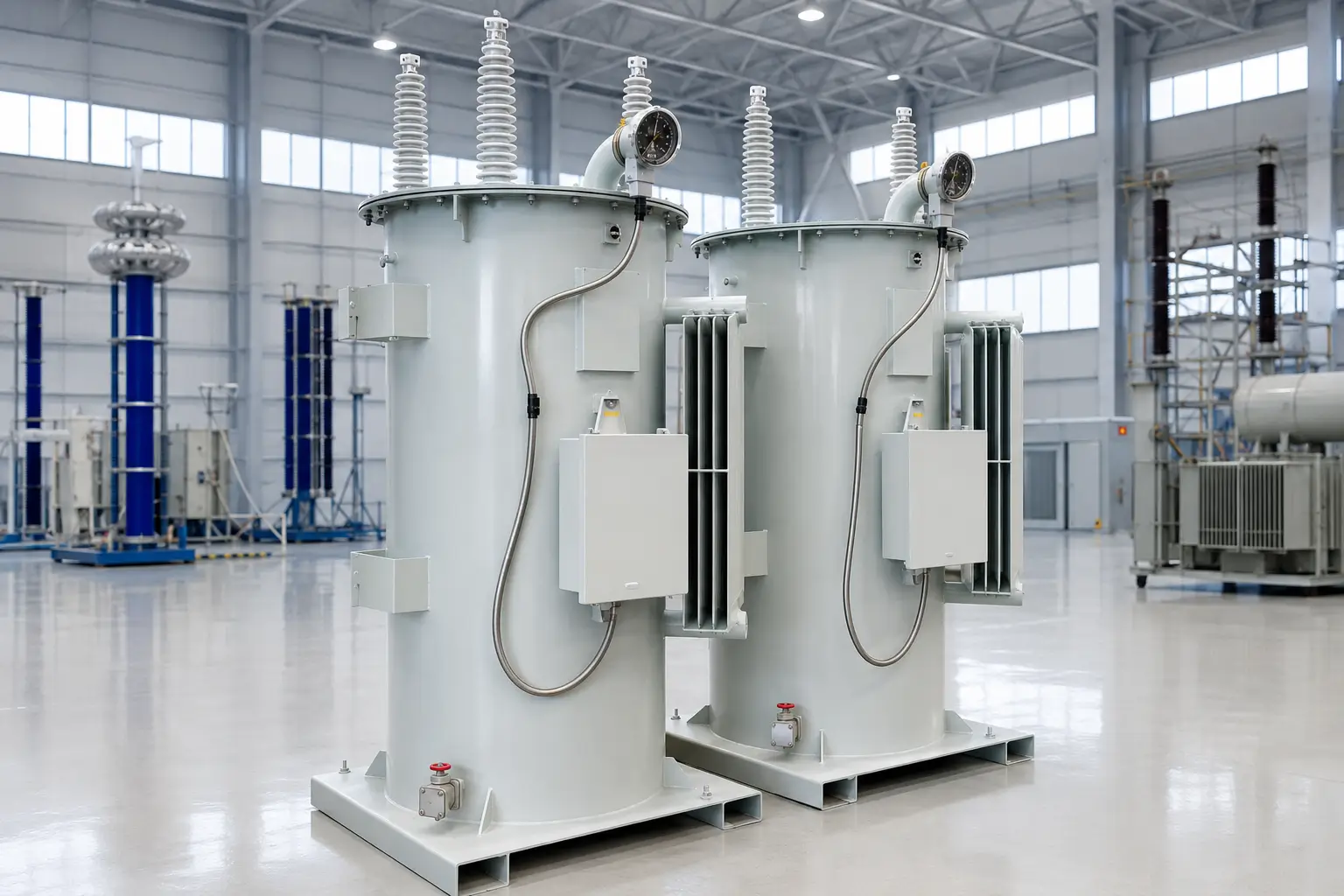
Pole-Mounted Transformers
ZHONGSHAO pole-mounted transformers can be supplied for overhead distribution networks and rural electrification projects.
For North American projects, the specification may reference standards such as IEEE C57.12.20. For international projects, the transformer may instead be configured to IEC requirements and the local grid standard.
Pad-Mounted Transformers
ZHONGSHAO pad-mounted transformer and ZGS series solutions are suitable for underground distribution, commercial developments, industrial parks, solar projects, and EV charging infrastructure.
North American projects may require IEEE C57.12.34 dimensional, terminal, enclosure, and safety requirements in addition to utility-specific specifications.
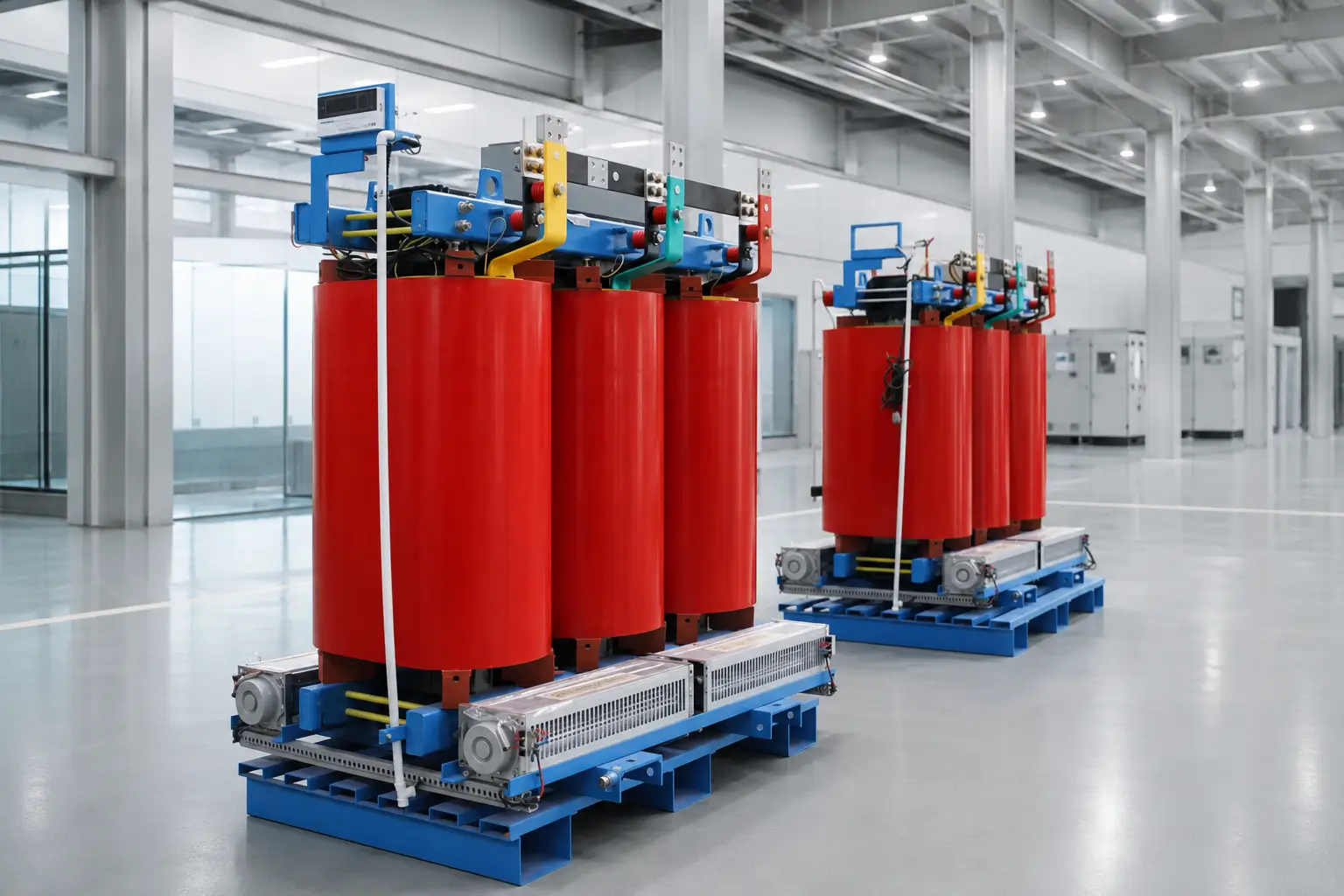
Dry-Type Transformers
ZHONGSHAO SC(B) cast-resin dry-type transformers can be designed for indoor industrial, commercial, data-center, hospital, and infrastructure applications.
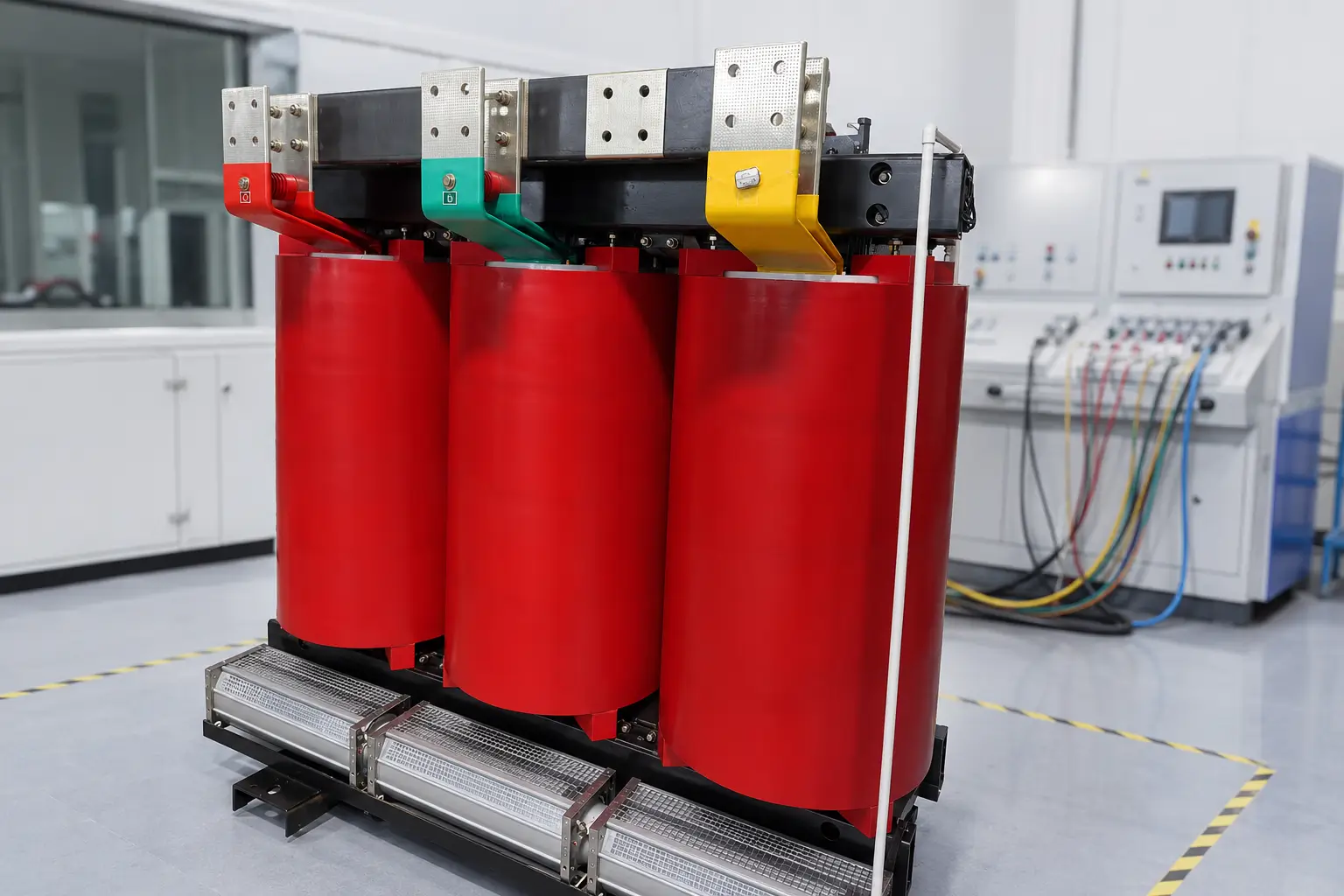
IEC projects generally reference IEC 60076-11. IEEE projects may reference IEEE C57.12.01 and the applicable dry-type testing code.
Buyer’s Compliance Checklist
Before requesting a quotation, provide:
- Target country
- Applicable transformer standard
- Exact standard edition
- Rated power
- Primary and secondary voltage
- Rated frequency
- Vector group
- Impedance
- Cooling method
- Temperature-rise limits
- BIL or IEC withstand levels
- Efficiency requirements
- Sound-level limit
- Installation altitude
- Ambient temperature
- Required accessories
- Routine, type, and special tests
- FAT witnessing requirements
- Certification requirements
- Required drawings and reports
For global projects, attach the technical specification and single-line diagram instead of requesting only an “IEC transformer” or an “ANSI transformer.”
FAQ
Which standard should I choose?
Use the standard required by the project owner, utility, consultant, tender document, or local authority. IEC 60076 is common in international projects, while IEEE C57 is widely specified in North America.
Does IEEE always mean 60Hz?
Many North American IEEE product standards are written for 60Hz equipment, but the exact requirement must be checked in the applicable standard and project specification.
Does CE certification prove IEC 60076 compliance?
Not automatically. CE marking and IEC transformer compliance are separate matters. Buyers should request a declaration, datasheet, applicable test reports, and the exact IEC standard edition.
Can ZHONGSHAO provide IEC and IEEE designs?
According to the supplied company materials, ZHONGSHAO can customize transformer designs for IEC, IEEE, ANSI, and market-specific requirements. The final compliance scope should be confirmed in the approved technical agreement.
Final Thoughts
IEC 60076 and IEEE C57 both provide strong technical frameworks for transformer safety, performance, and testing. The main differences appear in terminology, product-specific requirements, insulation coordination, testing practices, standard interfaces, and documentation.
The correct choice depends on the destination market, utility requirements, application, voltage system, and contract specification.
For international buyers, the safest approach is not simply choosing “IEC” or “IEEE.” Instead, define the exact standard edition, frequency, losses, temperature rise, insulation level, BIL, cooling system, dimensions, accessories, and test requirements.
ZHONGSHAO can supply oil-immersed, dry-type, pole-mounted, pad-mounted, and power transformers for international projects. Providing a complete technical specification allows its engineering team to evaluate IEC, IEEE, ANSI, and dual-requirement designs accurately.