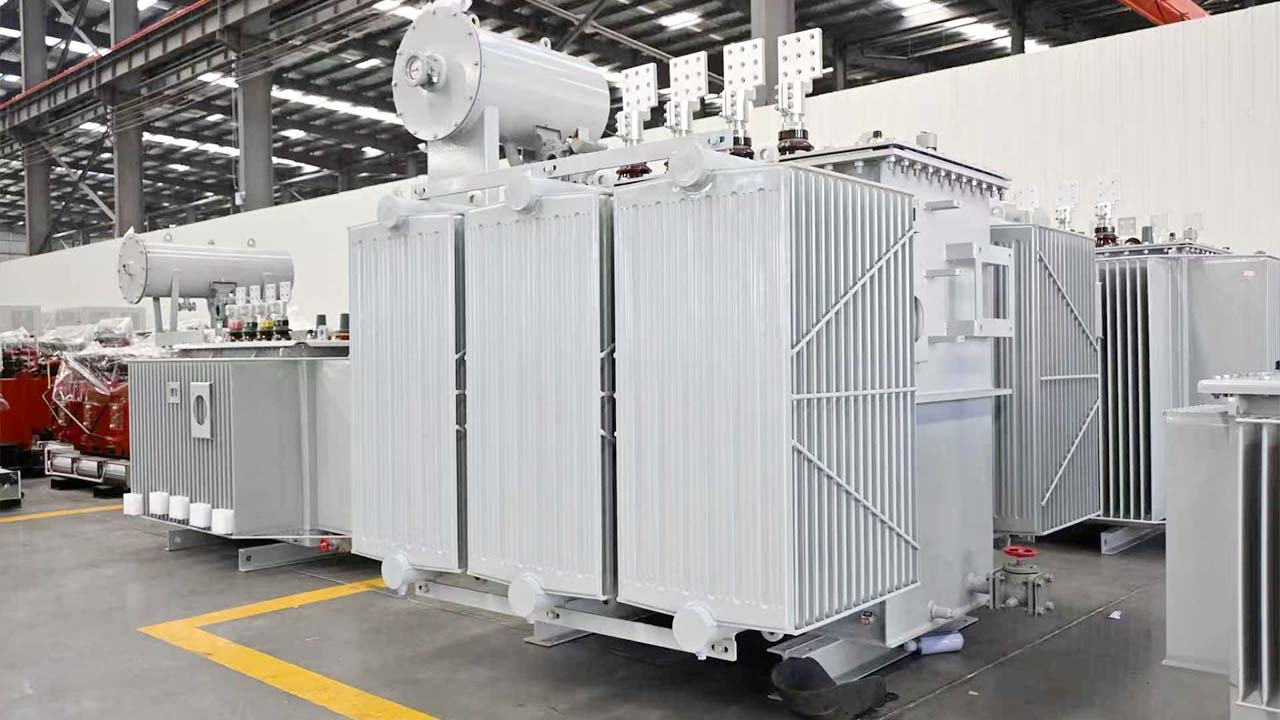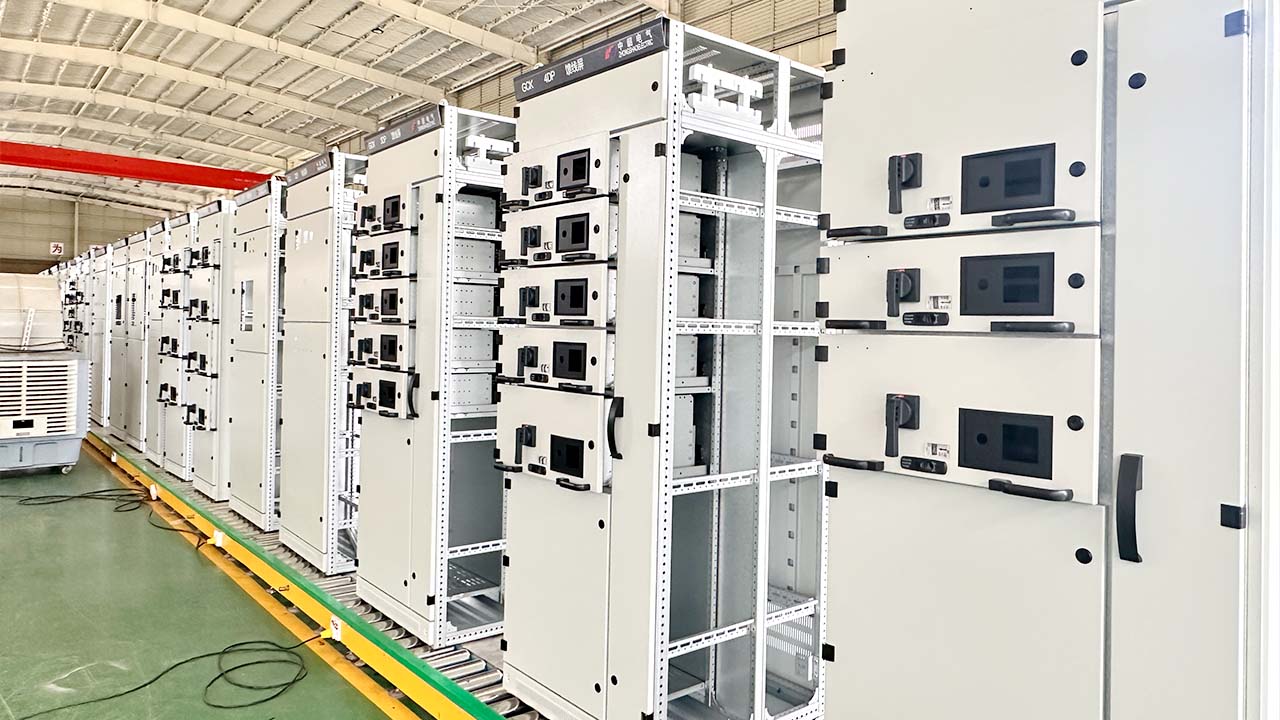
The 19th century saw a significant increase in the use of electrical machines across various industries, prompting the development of high-voltage switchgear. This simple yet essential component ensured the safety of valuable electronic systems and machinery, and over the years, gas and air-insulated switchgears have grown to dominate this field.
But what sets them apart, and what use scenarios are they best suited for? Read along to find out.
What is a Gas Insulated Switchgear?
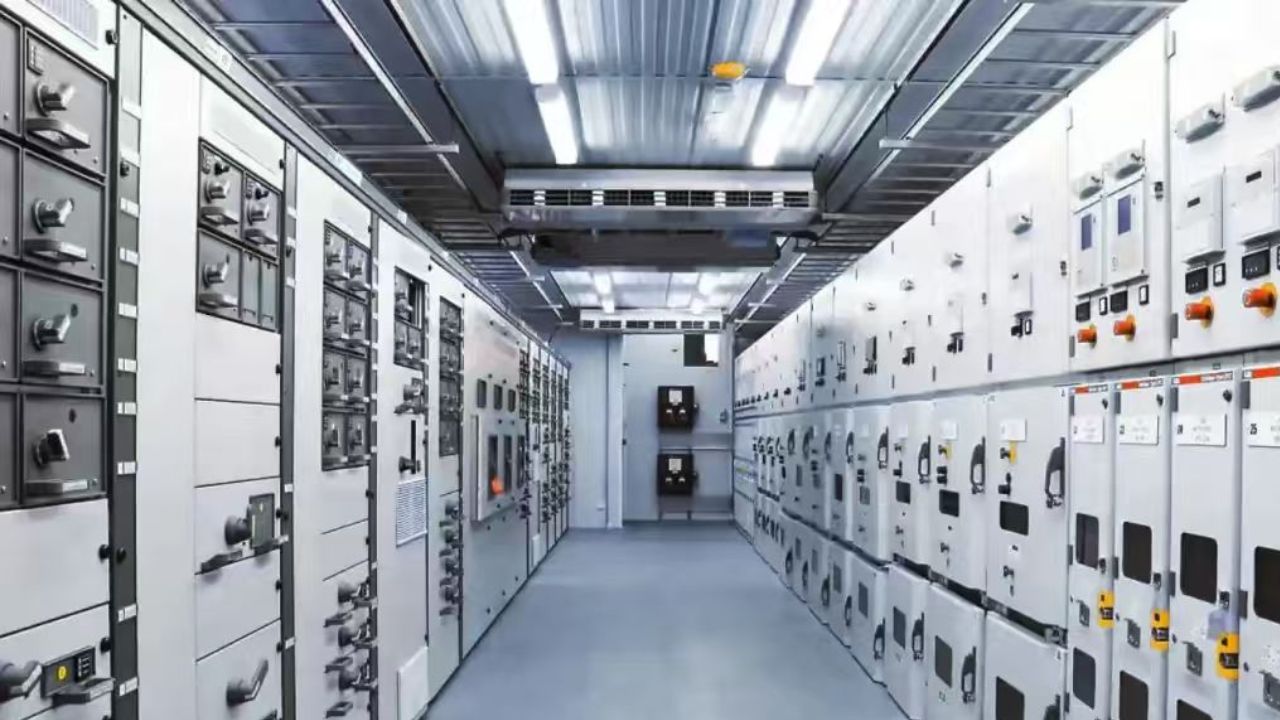
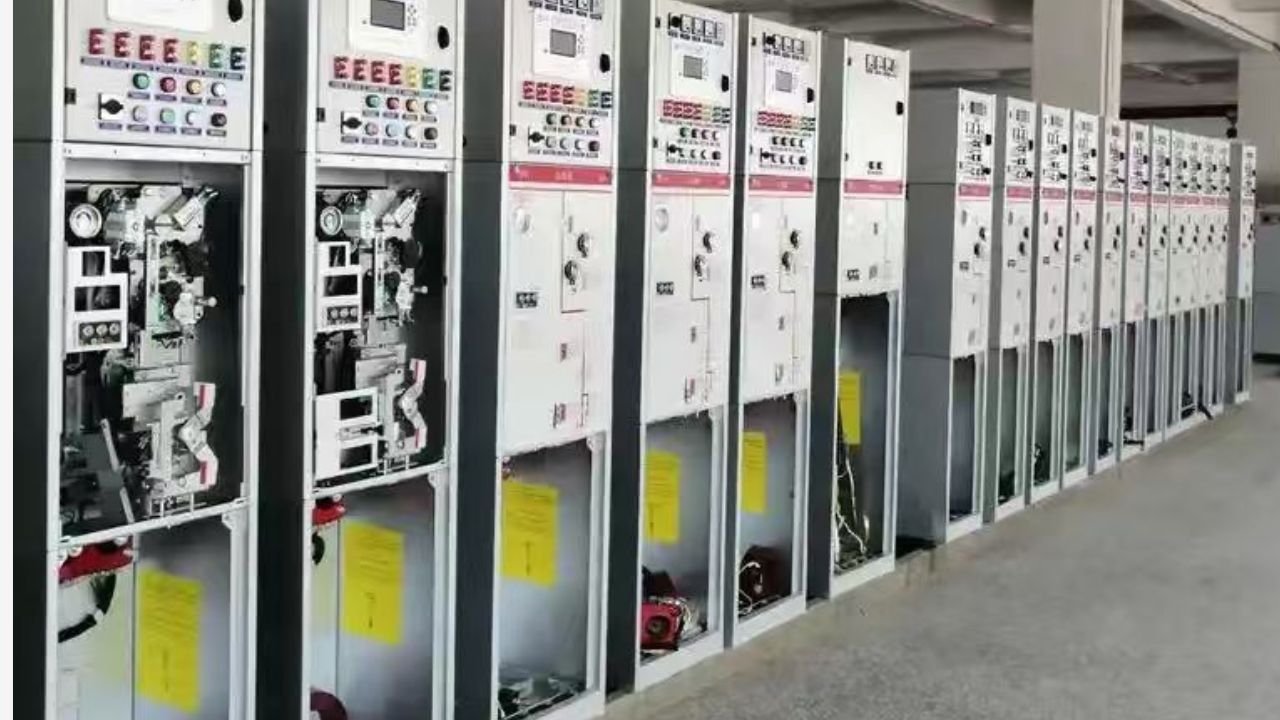
GIS, or rather a gas-insulated switchgear, is a high-voltage unit equipped with sulfur hexafluoride (SF₆ ) whose role is to control heat exchange. This switchgear is relatively compact, housing key components such as earth switches and circuit breakers in a metal casing. A gas-insulated switchgear simply allows you to erect and run a power substation in a relatively smaller space, such as a basement.
What is an Air Insulated Switchgear?
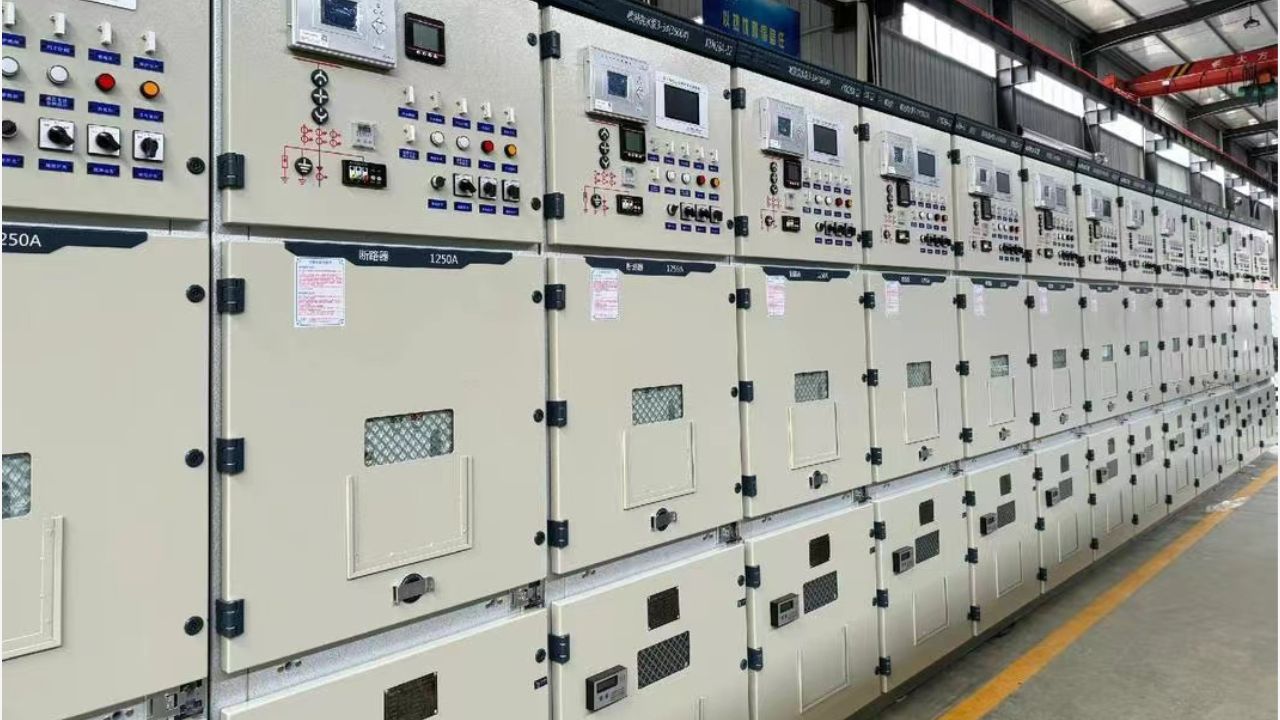
An air-insulated switchgear is a simple electrical control system used to regulate the distribution of power in substations with the help of air, which serves as an insulator. The air essentially controls the transmission of electrical power from live components, such as wires, to grounded parts. This ensures that all valuable systems and personnel in power substations are kept safe.
Comparing a Gas Insulated Switchgear to an Air Insulated Switchgear
Every power substation necessitates a reliable and high-voltage switchgear to keep key operations running smoothly and safely. GIS and AIS, which are, without a doubt, the most common switchgears, boast varying properties that qualify their use in separate applications. Here is a comprehensive comparison of these properties.
Construction
Gas-insulated switchgears boast a relatively stronger construction, compounded by a heavy-metal casing, which boosts their resistance against environmental elements such as extreme temperatures. This construction also keeps components carrying or ferrying electrical power constrained, thus reducing their exposure to the outside world.
This greatly reduces arc flash hazards while protecting your personnel from live parts. Air-insulated switchgears, in comparison, have an open-air construction, which makes it easier for you or your technicians to access internal components. However, this leaves them susceptible to environmental elements.
Footprint
Air-insulated switchgears require air to offer optimal insulation, meaning they necessitate comparatively larger spaces. They are essentially the size of open-air switchyards, making them ideal only for substations with immense space at their disposal, such as airports and mining substations.
Gas-insulated switchgears, in contrast, are downsized to fit into metal housings, bringing down their footprint to between 20% and 30% of the AIS dimensions. This relatively compact footprint explains their prevalent use in substations with constrained space, such as underground substations and industrial plants.
Safety
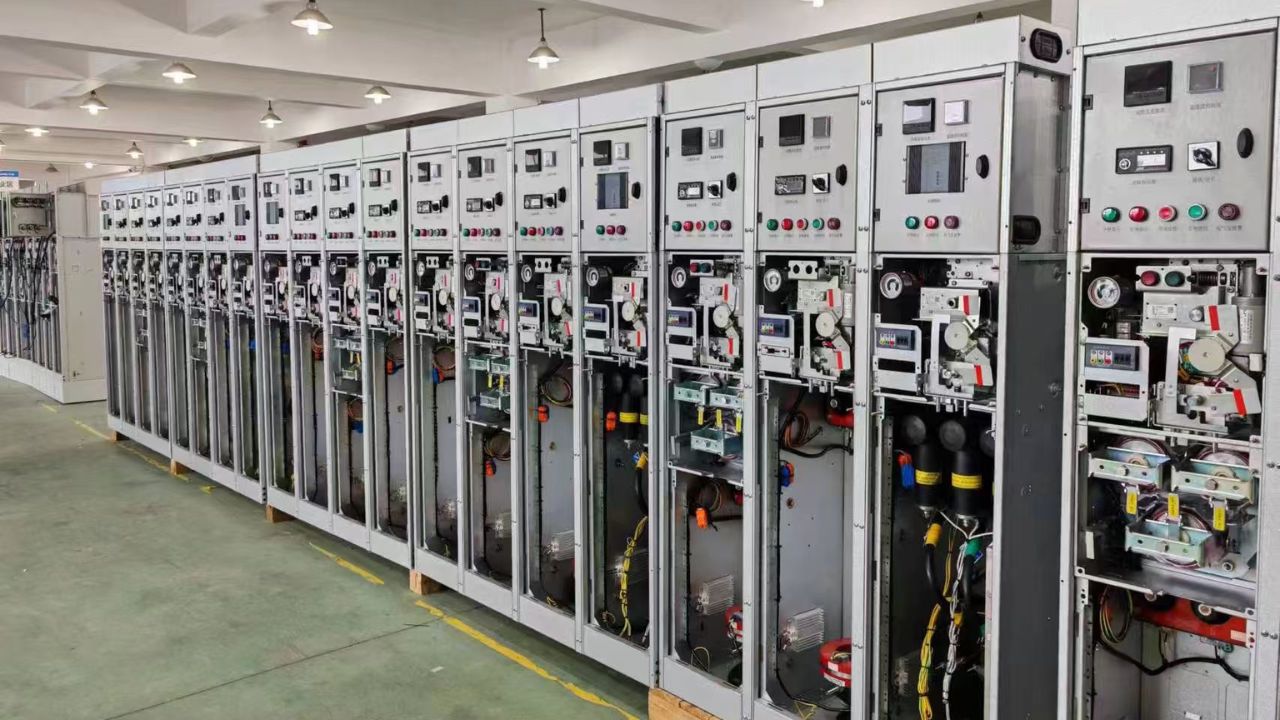
GIS, despite relying on SF₆ gas, which is considered harmful to the ozone layer due to its relatively high GWP at 23,500, is generally safe. This is because they feature a heavy-duty and leak-proof metal housing, which greatly minimizes the chances of the SF₆ gas leaking, whilst also shrinking the arc-flash risk. AIS, on the other hand, are just as safe. However, they are susceptible to pollution-induced faults given their open-air construction.
Operation
Air insulation switchgears simply regulate the distribution and operation of power systems and substations by deploying normal atmospheric air to block electrical discharge. Substations relying on these switchgears have their electrical components positioned far apart to avert arcing.
Gas insulation switchgears, conversely, prevent the unwarranted transfer of electricity between components by exploiting sulfur hexafluoride as an insulator. They enclose all high-voltage components in enclosures filled with this gas, which is approximately three times stronger as an insulator than air, consequently eliminating the risk of arcing.
Initial and Overall Ownership Cost
Procuring and installing gas-insulated switchgears will generally have you digging deeper into your pockets initially. This is because these switchgears rely on SF₆ gas, which is comparatively costlier than atmospheric air. However, in the long run, you are likely to incur relatively lower maintenance and upkeep costs, bringing your overall cost of ownership down.
Getting an air-insulated switchgear and setting it up will initially cost less, in contrast. However, you are likely to incur higher upkeep costs since components are left exposed to environmental elements, which may wear them out more quickly.
Environmental Impact
GIS pose a threat to the environment, the ozone layer in particular, since they rely on SF₆ gas, which is classified as a high GWP element. This gas has a Global Warming Potential of approximately 23,500, meaning that if improperly discarded, it can harm the ecosystem for up to 3000 years.
AIS, on the other hand, makes use of normal air, whose Global Warming Potential is significantly low, making it environmentally friendly. They, however, require a lot of space to set up, and this can put a strain on the available natural resources.
Common Uses
Owing to their compact construction, gas-insulated switchgears excel in substations and industries with limited space. Air-insulated switchgears, on the contrary, necessitate more space, making them suitable for substations, industries, and facilities endowed with acres of land. The table below highlights some of their respective uses.
| Gas Insulated Switchgear | Air Insulated Switchgear |
| · Railways | · Airports |
| · Renewable energy facilities | · Marine substations |
| · Power transmission | · Power generation stations |
| · Underground substations | · Oil and gas facilities |
| · Industrial Facilities | · Mining substations |
| · Sea Substations | · Shopping malls |
| · HVDC terminal substations | · Railway substations |
Choosing Between Gas-Insulated Switchgears and Air-Insulated Switchgears
Whereas you may want the best of the two, you will be a little disappointed that there is no clear favorite. Both GIS and AIS are just as good as the other. The only difference comes with how they suit your respective project, and here are some tips to help you make the right decision.
- Layout Your Project Requirements: Before making a purchase, assess the demands of your power station. Determine key parameters such as system voltage and protection needs before settling on a certain switchgear.
- Assess the Available Space: Determine the location of your substation and the amount of land or space at your disposal. Do not forget to factor in the space needed for future expansions.
- Analyze the Initial Investment and Maintenance Costs: Look at the respective costs of each switchgear and compare how much money each would cost to purchase, install, and run.
- Ensure Regulatory Compliance: Go through the engineering standards set by your respective authorities and check if the switchgears meet them. Pay attention to safety codes, particularly arc-flash safety and SF₆ gas compliance.
FAQs
Are gas-insulated switchgears better than air-insulated switchgears?
No. Whereas gas-insulated switchgears are said to be up to 3 times stronger at insulation than their air-insulated counterparts, they are not necessarily better. They suit substations with constrained spaces better, whereas air-insulated switchgears thrive in enormous substations and industry facilities.
Is a gas-insulated switchgear similar to an SF₆-insulated switchgear?
Yes. SF₆ insulated switchgears are essentially gas-insulated switchgears. They are named after the insulation gas they exploit, which is sulfur hexafluoride. This gives them superior insulation capabilities compared to AIS, which utilizes atmospheric air.
Are air-insulated switchgears cheaper than gas-insulated switchgears?
Yes. Procuring a gas-insulated switchgear will have you digging deeper into your pockets due to the inclusion of SF₆ gas in its construction. Air-insulated switchgears, conversely, cost less to purchase because their core materials are comparatively cheaper and more readily available.
Between AIS and GIS, which is more compact?
GIS excel in power substations and facilities with limited space or land, such as underground substations, thanks to their enclosed construction, which gives them a smaller footprint. AIS, on the other hand, necessitates the spacious placement of high-voltage components to avert energy transfer, consequently consuming more space.
Are gas-insulated switchgears eco-friendly?
Yes. Although they can harm the environment in case of an SF₆ gas leak, gas-insulated switchgears, if properly installed and operated, are quite eco-friendly. Putting stringent measures in place to avert SF₆ leaks and ensuring its proper disposal guarantees environmental protection.
Partner with Zhongshao
Zhongshao is a trusted insulated switch gear manufacturer in China. Over the years, we have partnered with power transmission companies in Europe, America and Asia.
All our Zhongshao switchgears are trusted for their reliability, accuracy and compliance with the electrical safety standards.
Zhongshao gas insulated switchgear or air insulated switchgears are custom-made to match your unique power requirements – Request for a quote now.