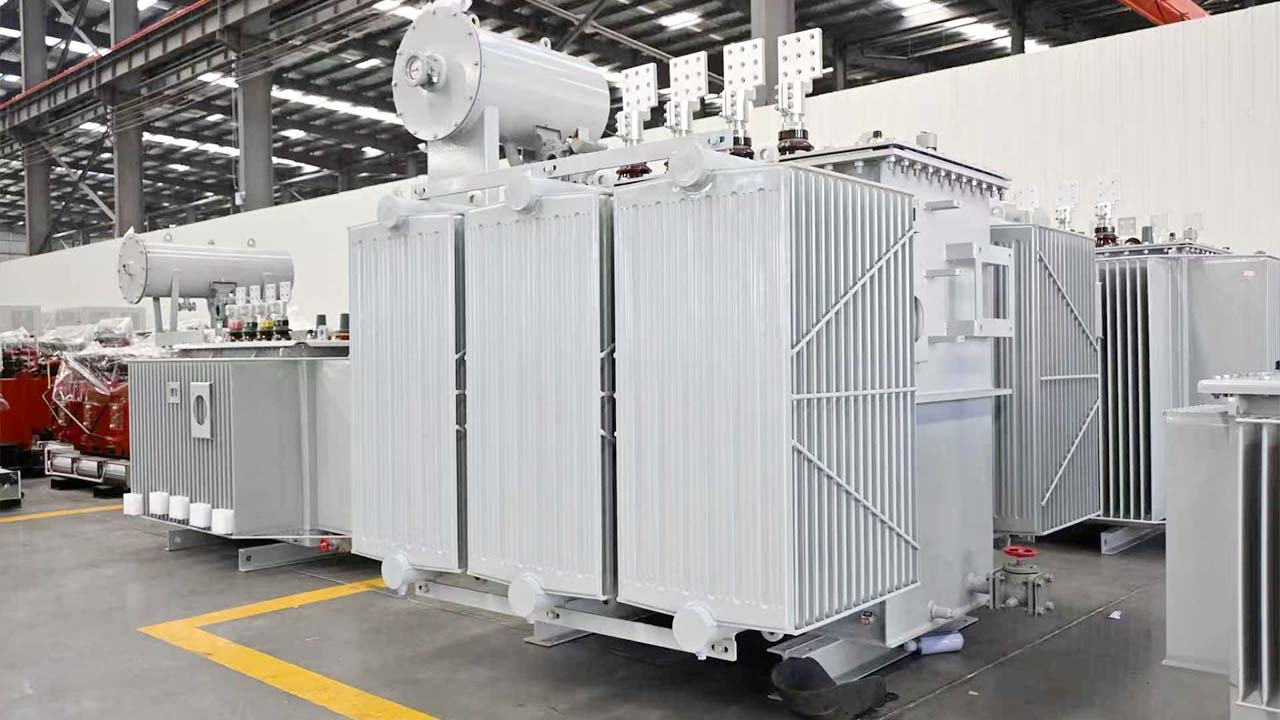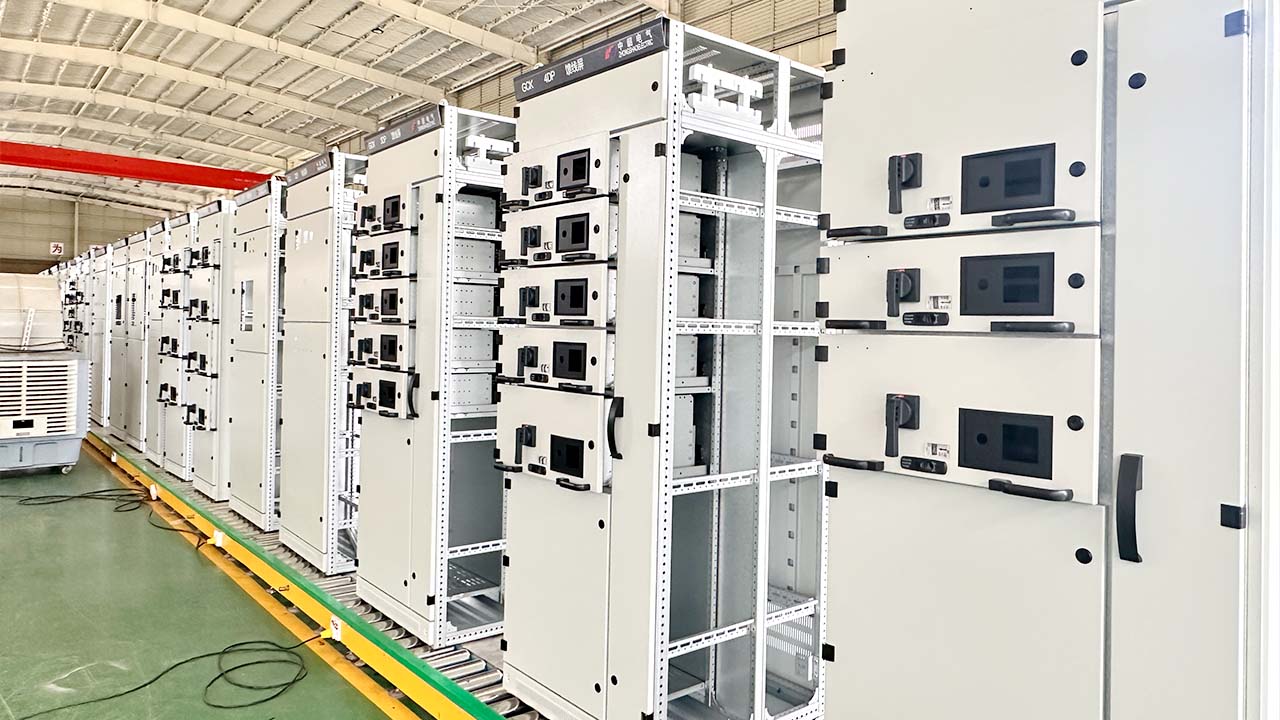
In power systems, lightning strikes and transient overvoltages will cause equipment damage and frequent accidents. Surge arresters can ensure the stable operation of your devices and reduce your operation and maintenance costs.
This article will guide you through understanding the working principles and types of surge arresters, helping you choose the one that best matches your power system.
What is a Surge Arrester
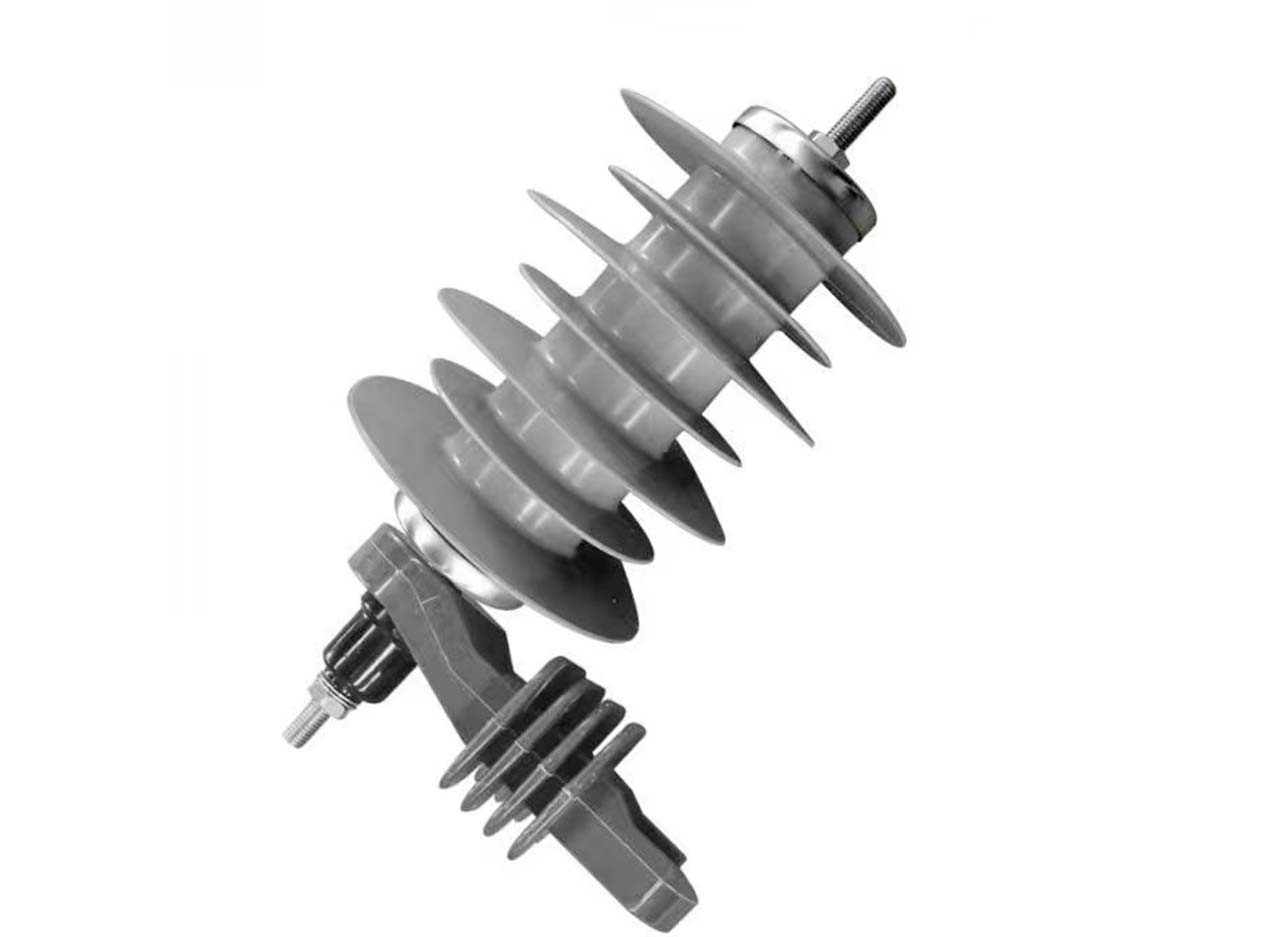
The surge arrester is a protective device applied to power systems for protecting electrical equipment from overvoltage that is mainly caused by a lightning strike or switching action. It can help you improve system safety and operational reliability while diminishing the risk of equipment damage. And it is usually installed at the equipment’s input terminal or near the sensitive equipment.
Working Principle of Surge Arrester
The function of a surge arrester is to suppress high voltage to a safe level and quickly release the energy to the ground, offering protection for vital equipment, including transformers, circuit breakers, cables, etc.
Under normal working voltage, the surge protector remains inactive, and the leakage current is extremely small. But if a surge happens, and with it an overcurrent, the surge protector will react swiftly to create a low-resistance path so that this excess energy can be safely vented or routed.
Why Do You Need Surge Arresters
- Protect and Prolong Your Equipment Lifespan
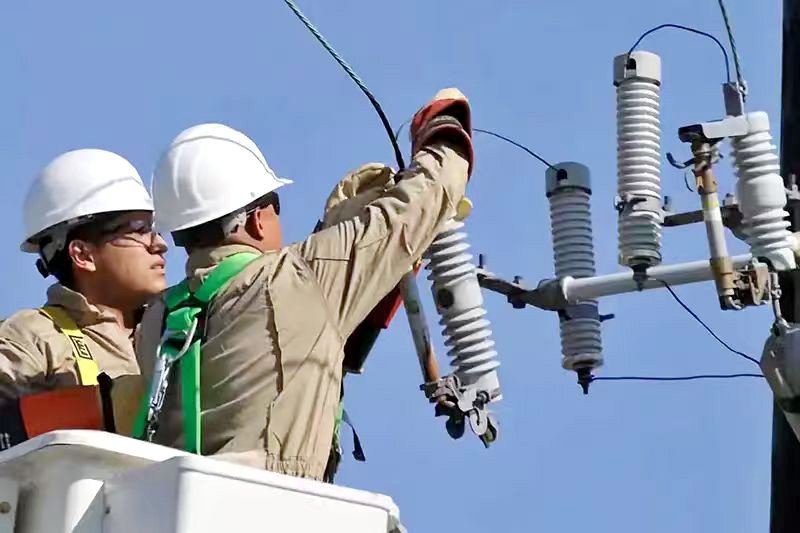
Extremely high voltages generated by lightning surges and overvoltages can easily break down the insulation systems of equipment such as transformers, circuit breakers, and cables. Fortunately, the surge arrester works quickly, controls the voltage to a safe range, and thus prevents equipment damage. This will slow down your equipment aging and extend its overall lifespan.
- Saving Your Cost
After the equipment is damaged by surges, it will bring you high repair and replacement costs, and may also cause secondary losses such as production halts.
Surge arresters can withstand multiple surge impacts, providing continuous protection for your equipment, and the failure rates are reduced accordingly. Therefore, purchasing a surge arrester is a cost-effective investment that can control your expenses.
- Enhance the Stability of the Power Supply
A surge arrester can absorb surge energy immediately when a surge occurs, preventing the fault from expanding. It can also divert electrical interference away from sensitive equipment, which can make the power grid operate more smoothly.
Especially for data centers, a stable power supply can prevent your customers’ data loss and financial damage caused by unexpected power outages.
- Comply with Industry Requirements
In many projects, relevant standards and regulations explicitly require the installation of lightning protection devices. Installing surge arresters properly can reduce safety risks, minimize fire hazards caused by equipment breakdown, and create a safer and more compliant electrical environment for your project.
Types of Surge Arrester
According to the rated voltage grade and protection capacity, surge arresters can be classified into the following four types:
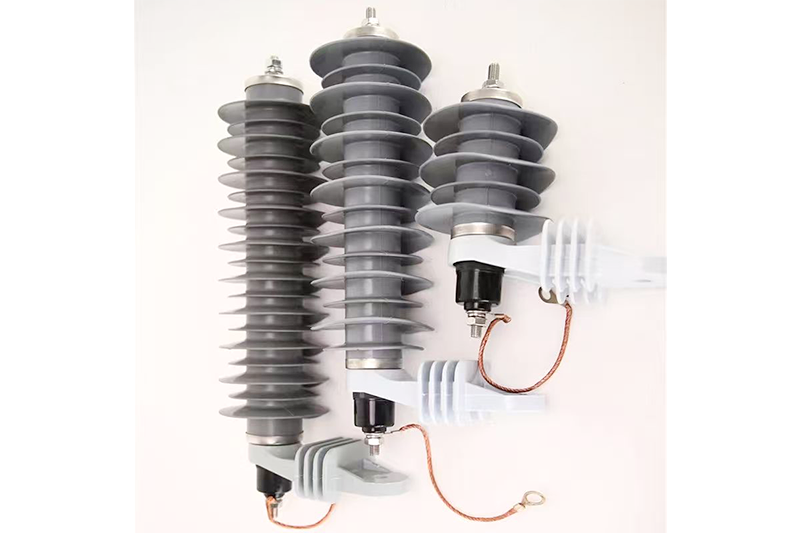
Station Arresters
Substation arresters are primarily used in ultra-high voltage systems, with rated voltage levels up to 684 kV, and they are currently the surge arrester with the highest protection level. They are often installed at key locations such as transmission lines, substation busbars, and the high-voltage side of main transformers to protect against lightning strikes and switching overvoltages.
When a surge occurs, it can quickly conduct, limiting the voltage to within the equipment’s tolerance range. Moreover, it has strong fault current capability, able to withstand multiple high-energy surges without failure.
At the same time, this type can easily cope with high altitudes, strong ultraviolet radiation, heavy pollution, and extreme temperatures, guaranteeing the stable operation of your equipment.
Distribution Arresters
Distribution surge arresters are often applied in medium-voltage distribution systems ranging from 1 to 36 kV. Due to their compact structure and light weight, they are commonly used in overhead lines, pole-mounted transformers, and ring main units.
Compared to substation surge arresters, it has a weaker energy release capacity, but it fully meets the protection requirements of distribution systems and is highly cost-effective. And it will dramatically reduce transformer burnout, line tripping, and power outages caused by lightning strikes.
Intermediate Arresters
Intermediate arresters are suitable for voltage ranges of 3–120 kV and are mainly used in small substations, industrial power distribution systems, and underground cable.
It can limit surge voltage propagation along cables, preventing insulation breakdown. Furthermore, intermediate surge arresters can be used in conjunction with dry-type transformers, compensating for the transformers’ greater sensitivity to overvoltage.
Secondary Arrester
Secondary arresters typically have a rated voltage below 1000V and are often found in low-voltage power distribution systems and in residential and commercial buildings.
This type of surge arrester suppresses transient surges caused by lightning induction, grid switching, or the start-up and shutdown of high-power equipment. This can prevent surges from entering the electrical equipment and decrease damage to electronic components.
If you rationally configure the secondary surge arrester, you can significantly reduce equipment failure rates and repair expenses, and the lifespan of electrical equipment is also extended.
Surge arresters can also be classified based on materials and technologies as follows:
Metal Oxide Arresters (MOA)
Medium oxide arrester is currently the most popular and advanced type of surge arrester. And its core component is a zinc oxide (ZnO) varistor. Thanks to its gapless structure, it exhibits high resistance under normal operating voltage, generating virtually no leakage current.
When a surge occurs, the MOA conducts rapidly within nanoseconds, restricting the overvoltage to a safe range. It has an extremely fast response and provides stable, reliable protection. After the surge dissipates, the resistance quickly recovers, and the system returns to normal operation.
Furthermore, MOA requires minimal maintenance. You can also use it in various systems ranging from low voltage to ultra-high voltage, making it the preferred solution for power, industrial, and new energy sectors.
Silicon Carbide Arresters
Silicon carbide surge arresters are an earlier type of surge arrester, primarily composed of silicon carbide resistive elements and series spark gaps. They rely on the breakdown of the spark gap to conduct surge current.
Also, due to the presence of the spark gap, these arresters have a slow response speed, high residual voltage, and their protective capacity for equipment is limited. Meanwhile, the spark gap is prone to aging after repeated operation, so you will need to spend more time maintaining it.
With the maturation of MOA technology, silicon carbide surge arresters are less commonly used in new projects. Now, they are primarily seen in old power grids or the renovation of existing equipment.
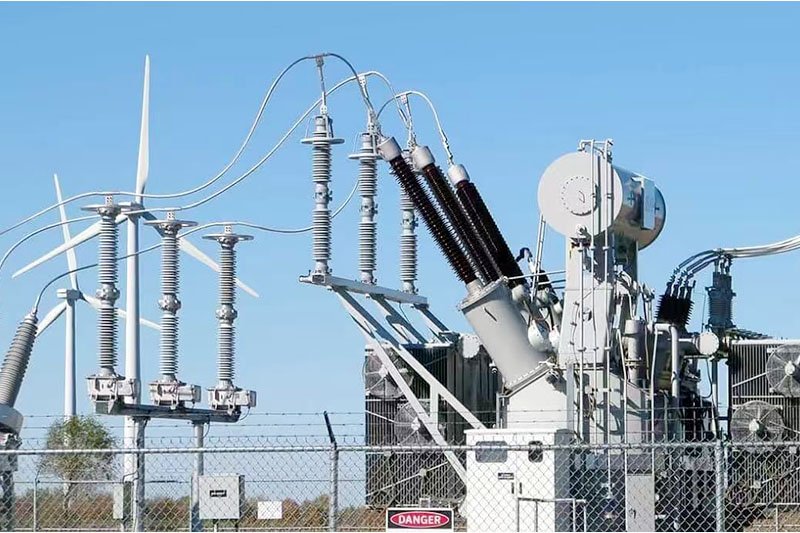
Porcelain Surge Arrester
The housing of a porcelain surge arrester is made of porcelain and can be combined with various technologies, such as MOA. It boasts high mechanical strength, resistance to aging, UV radiation, and pollution. Under high wind pressure or extreme weather conditions, these surge arresters exhibit stable performance and are not easily deformed, making them ideal for long-term outdoor operation.
Surge arresters can also be divided into the following three types according to the installation location:
- Type 1 Surge Arrester
It is usually installed at the power inlet of buildings and is suitable for locations with a high risk of lightning strikes, such as the roof of buildings equipped with lightning rods or the main power distribution line. This type can withstand lightning current and then discharge it to the ground.
- Type 2 Surge Arrester
This type is often installed inside main distribution cabinets or substations and is suitable for buildings without external lightning protection systems (LPS).
It is mainly used to protect downstream equipment from medium-energy surges. Meanwhile, it offers good value for money and is the most commonly used lightning protection level in industrial and commercial buildings.
- Type 3 Surge Arrester
Type 3 surge arresters are often used in sensitive or remote terminal equipment, such as PLCs, communication equipment, servers, and power meters. It is usually installed at the front end of the equipment or at the socket level.
It can help you further mitigate residual surges, preventing internal surges from damaging precision electronic components. And it serves as the last line of defense for your device. You had better connect it with type 1 and type 2 arresters to form a complete multi-level protection system.
FAQ
Does a surge arrester need to be grounded?
Yes. A surge arrester rapidly introduces overvoltage into the earth. If the grounding is poor, the overvoltage cannot be effectively released and may endanger equipment such as transformers and circuit breakers. Grounding is the only way to discharge energy and achieve voltage clamping.
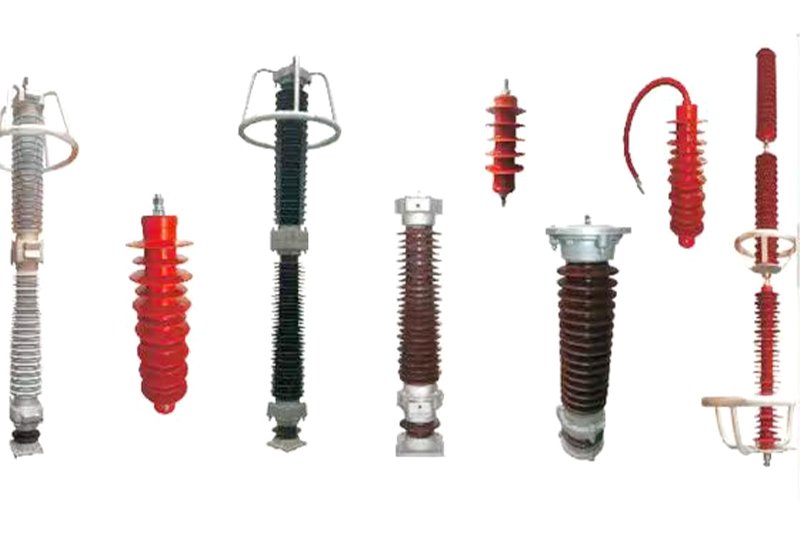
What are the differences between a surge arrester and a lightning arrester?
The surge arresters are designed to direct the residual energy of voltage transients (induced overvoltage or switching surges) away from sensitive devices. In contrast, lightning arresters are installed on the peaks of buildings to bring direct strikes to ground.
In a word, the former protects against internal power surges, while the latter focuses on protection against direct lightning strikes from outside.
Is a circuit breaker still necessary when there is a surge arrester?
Yes. Surge arresters only prevent transient overvoltages and cannot interrupt short-circuit or overload currents. Circuit breakers, on the other hand, can quickly disconnect the circuit when a fault current occurs. Their functions are complementary, and when used together, the power system can truly achieve safe operation.
Final Thoughts
If you’re looking for a reliable, ISO9001-certified surge arrester, choose ZhongShao. We will provide you with considerate one-stop service and customized solutions that meet your project requirements.
Need more details? Please contact us.