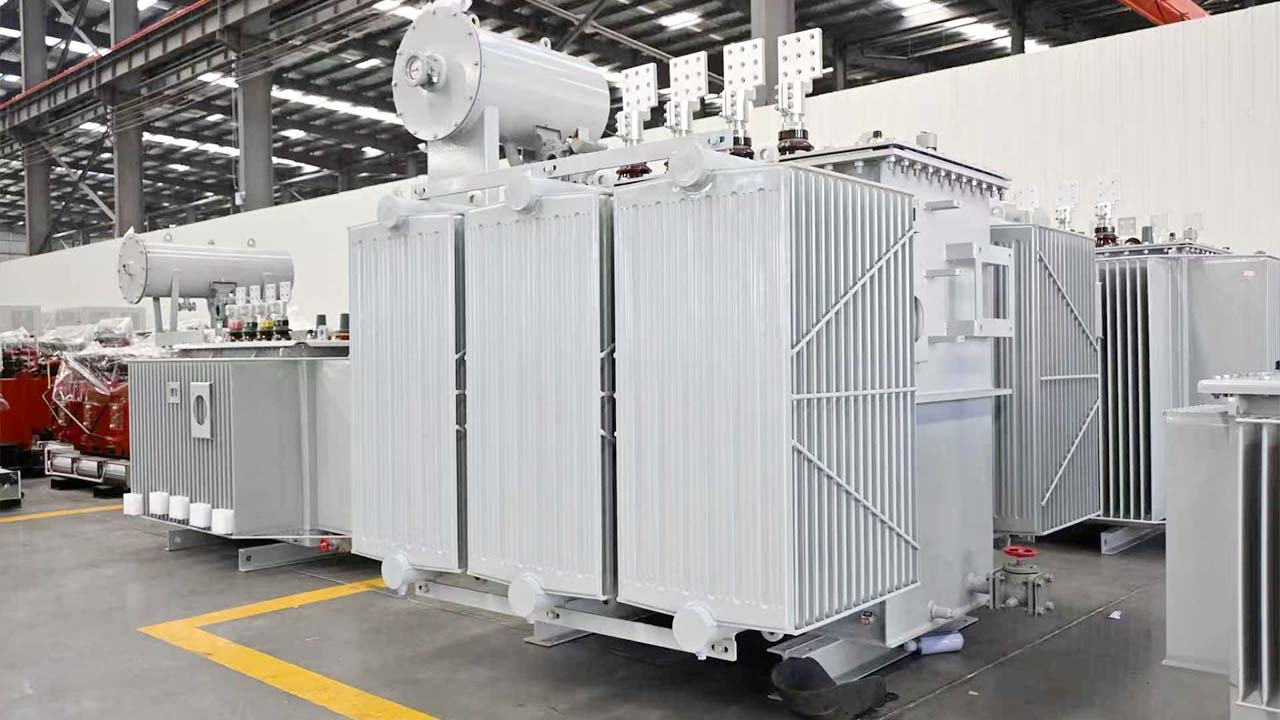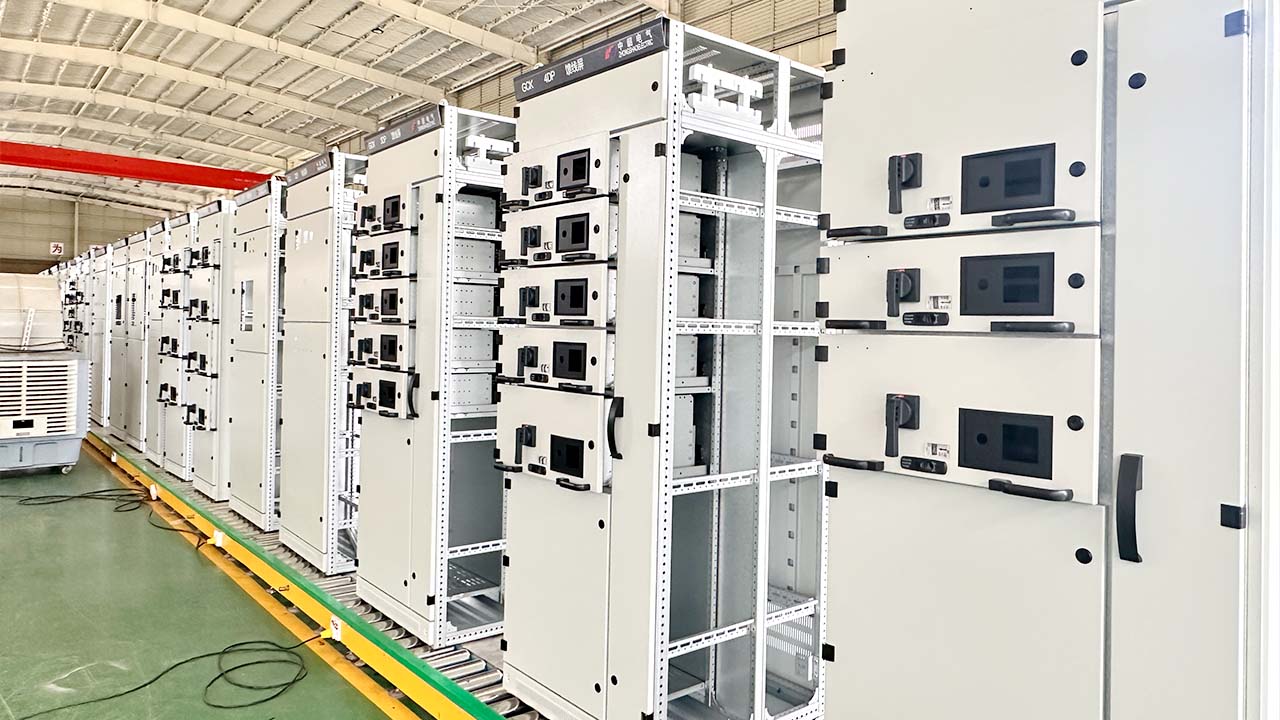
The main task of a distribution substation is to receive the high voltage from the transmission system, reduce it to a voltage that can be directly used in your area through transformers, and then deliver it to households, commercial buildings and factories through distribution feeders. It is equivalent to a “transfer station” in the power grid. It is smaller than large transmission substations and usually converts high-voltage electricity of 69-500 kV into medium-voltage electricity of 4-33 kV. When the electricity enters the user side, the distribution transformer will reduce the voltage to 110-600 V, allowing your equipment to be used safely.
In a distribution substation, different components play different roles. For instance, transformers are responsible for voltage conversion. Protective devices help reduce power outages due to faults in your area. The feeder lines will be divided into multiple branches to deliver electricity to a large number of users.
These distribution substations will also be connected to multiple power supply lines. By using high-voltage disconnectors, they can achieve segmented operation, avoiding large-scale power outages during maintenance and thereby enhancing the power supply stability in your area.
The Main Components of the Distribution Substation
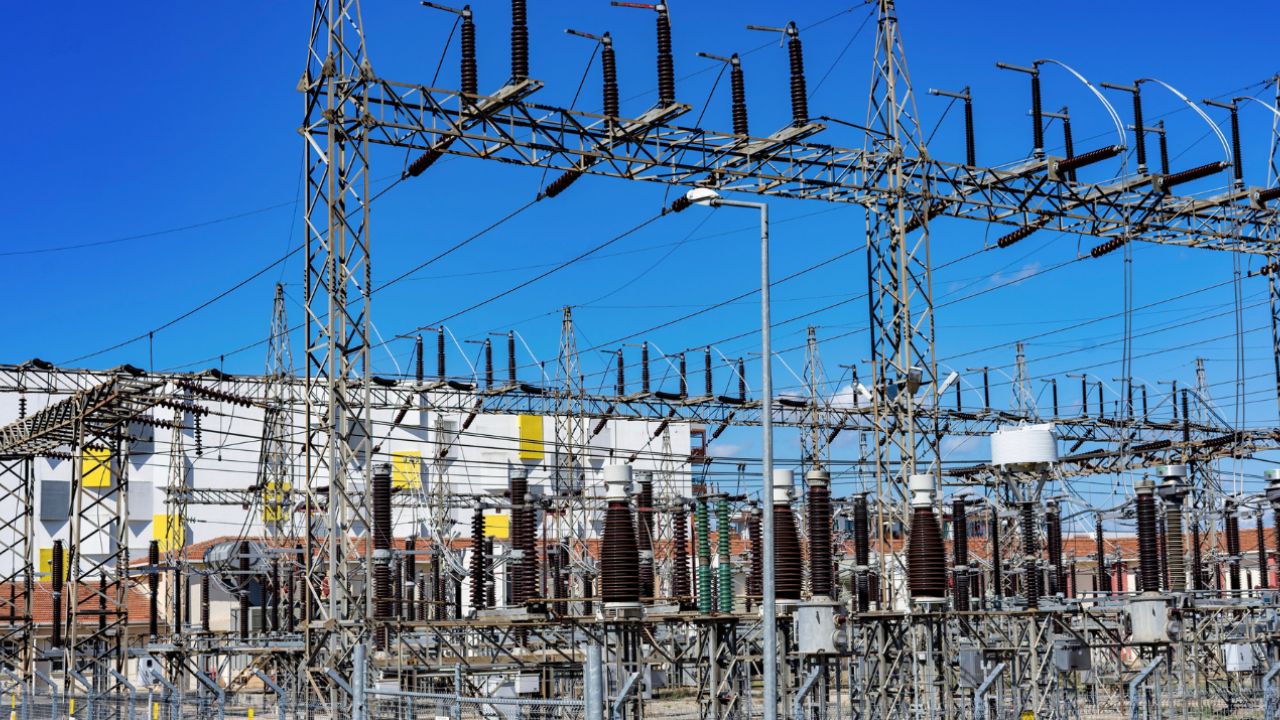
Transformer
The transformer is responsible for reducing the high voltage sent by the transmission line to a voltage suitable for local use. In this way, your electricity usage is safer, and transmission losses are lower. Depending on the on-site conditions, the transformer can be installed on a pole or placed on the ground. Distribution substations typically employ three-phase transformers or a group of single-phase transformers. To enhance reliability, many distribution stations are equipped with two or more transformers.
Power Supply Line (Primary Feeder)
The power supply line transmits electricity from the upper-level power grid to the distribution station. Usually, more than one line is connected, so even if one of them is out of service, your power supply will not be interrupted. The form of the line can be overhead lines or underground cables, and the common methods in cities and suburbs are different.
Switchgear
Switchgear is used to control and protect power systems, including circuit breakers, disconnectors and protective relays. You can flexibly allocate and manage electricity, delivering it to different areas of the system or facility as needed. When faults, overloads, or abnormalities occur, it promptly cuts off power to prevent equipment damage and ensure the safety of personnel and the system. In the event of maintenance or malfunction, it can quickly disconnect the relevant circuits, allowing other parts to continue operating stably.
Circuit Breaker
The function of a circuit breaker is to protect the circuit system from damage caused by overcurrent or faults. When the current is abnormal, the circuit breaker will automatically act to cut off the circuit in time, preventing the equipment from overheating or being damaged, and also protecting the personal safety of users.
Busbar
Busbars are the core power distribution channels within substations and also the key nodes for power distribution. It connects the incoming lines, outgoing lines and various devices to form a unified current transmission path. Through busbars, you can enable electrical energy to flow efficiently within the substation and be distributed to different circuits and equipment as needed, ensuring the overall operation is orderly.
Protective Relay
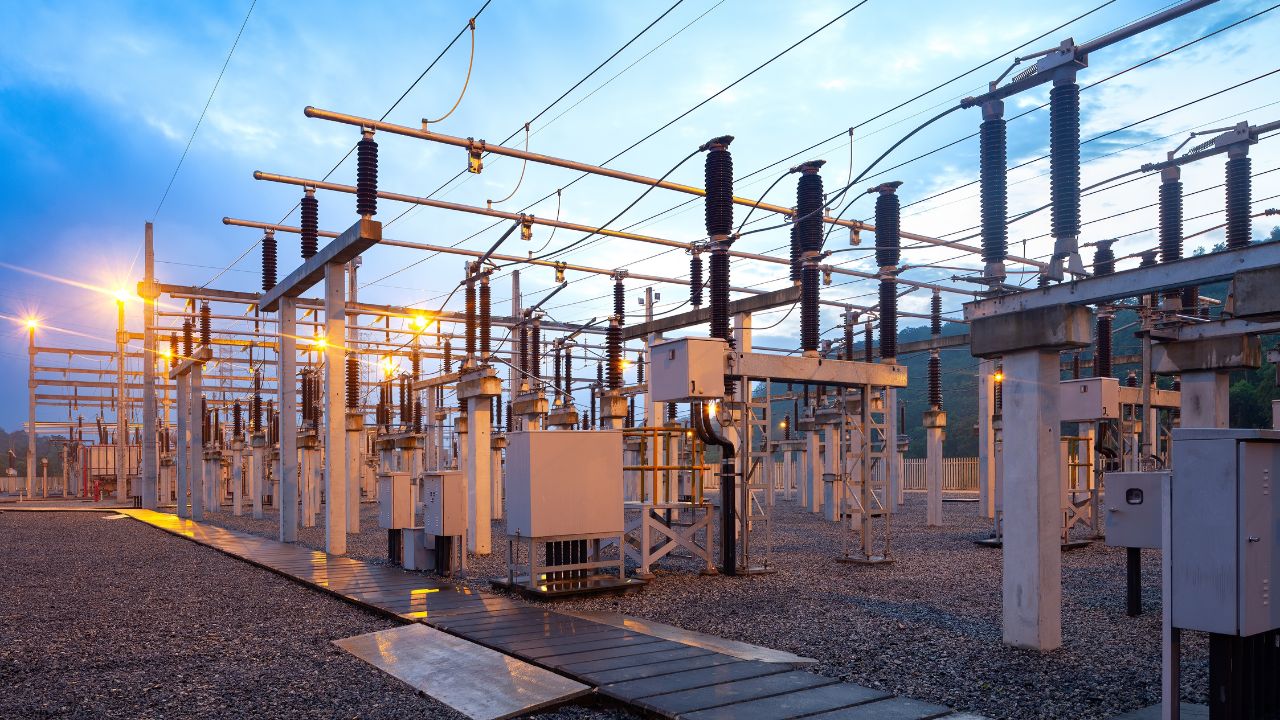
The protection relay is responsible for real-time monitoring of the system status. Once an abnormality such as a short circuit or overload is detected, it will immediately send a signal to make the circuit breaker act, helping you quickly isolate the fault.
Surge Suppressor
Surge protectors mainly deal with voltage surges caused by lightning strikes or operations. It introduces the excess voltage to the ground, reducing damage to the equipment and protecting the internal components of the system from being damaged.
Capacitor Banks and Reactors
These devices are used to regulate voltage and improve power factor. They can reduce line losses, improve overall power usage efficiency and decrease energy consumption.
Control and Relay Panel
The control panel is the control centre of the distribution station. Here, you can centrally monitor and manage various types of equipment to ensure that the system operates as expected.
Auxiliary System
The auxiliary system includes a backup battery and a cooling device. Even if there is an external power outage, the critical control system can still continue to operate. The cooling system, on the other hand, prevents the equipment from overheating and extends its service life.
The Functions of Distribution Stations
Voltage Conversion
The primary task of a distribution substation is to reduce the high-voltage electricity from the transmission grid to a voltage level suitable for distribution. In this way, the equipment you use can operate normally within a safe range, and this process is mainly accomplished through a step-down transformer.
Load Management
It will allocate power according to the actual needs of different users or devices. The system will monitor the load in real time and adjust the output parameters accordingly to ensure that you can get a stable power supply and that production will not be affected by load changes.
Fault Detection and Line Protection
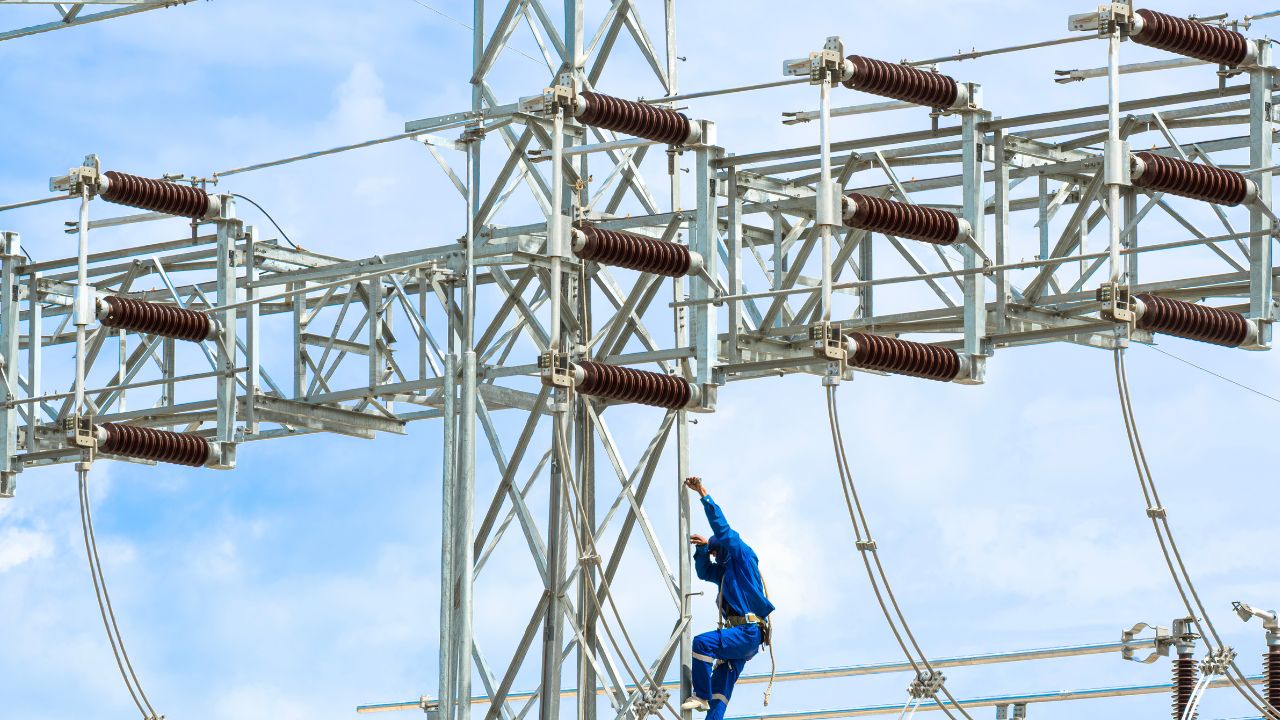
The distribution substation is equipped with protective relays that can identify short circuits, overloads or ground faults. Once an anomaly is detected, it will quickly cut off the faulty section, reduce the affected area, and protect the overall network stability. Even in complex power consumption environments, you can operate the equipment with peace of mind.
Daily Maintenance Support
Distribution stations undergo periodic inspections, including transformer maintenance, protective device testing, and routine checks of key equipment.
Improve the Power Factor
Distribution stations are usually equipped with capacitor banks to improve the power factor of the system. This can reduce reactive power, lower line losses and enhance the overall efficiency of the system.
Advantages of Distribution Substations
Easily Handle High-Power Loads
Distribution substations can handle large amounts of electricity and convert the high voltage from transmission lines into usable voltage for industrial sites. Whether you are engaged in manufacturing, construction or large-scale processing industries, it can continuously provide you with sufficient power to help your equipment run smoothly.
Provide a Stable Voltage to Protect Sensitive Equipment
These substations can constantly adjust the voltage to keep it within a safe range and reduce the risks brought by fluctuations. For precision equipment, it can reduce the failure rate of the equipment and make the production process more stable.
Reduce Downtime and Enhance Continuous Operation Capacity
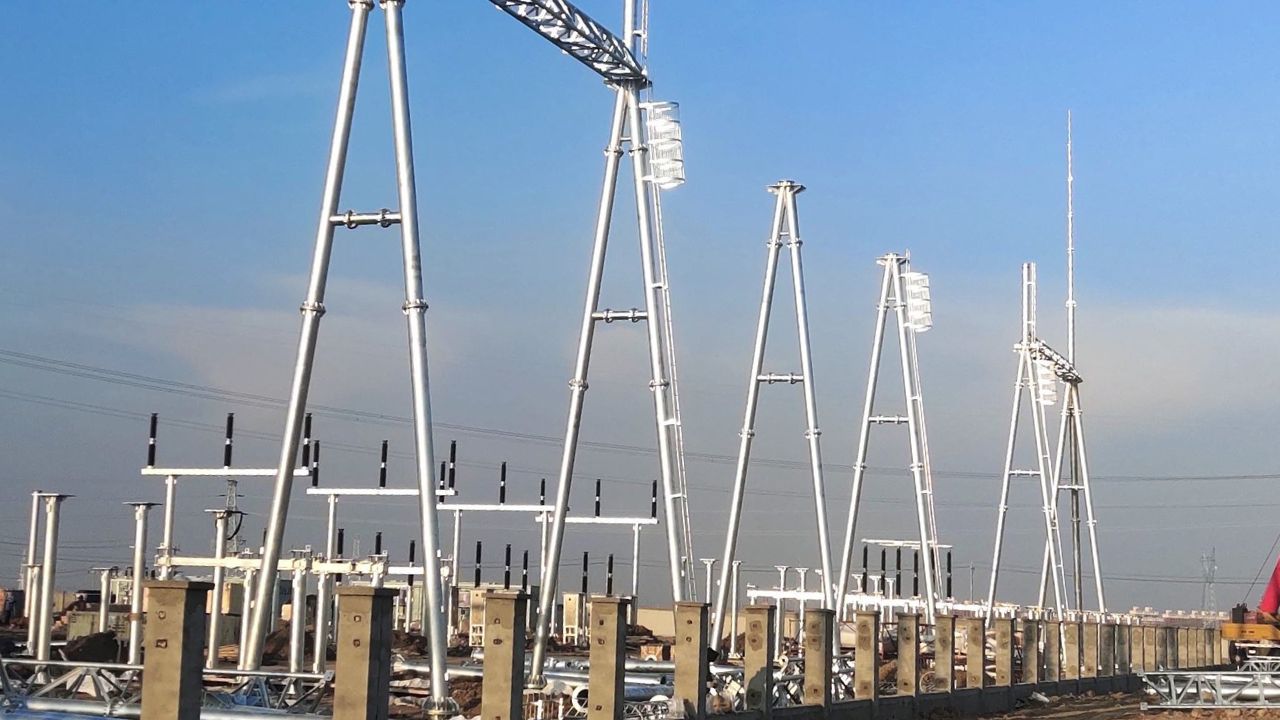
Power outages and shutdowns come at a high cost. The power distribution system efficiently allocates energy, and the production rhythm will not be interrupted by unexpected power outages, making your production line operate more smoothly. In the long run, the wear and tear of your equipment will be reduced, its service life will be longer, and the maintenance frequency will be lower.
It Can Undertake Large-Scale Projects
The distribution substation is equipped with high-capacity design, a medium-voltage transformer configuration and stable voltage control capability, fully meeting the high requirements of large-scale industrial projects. You can rest assured in entrusting your high-intensity electricity demands to it, as its component materials are all selected from reputable suppliers, which are reliable and durable. You only need to focus on production and operation.
It Can Be Used for a Long Time in Harsh Environments
Whether in continuous high temperatures or with a large amount of dust, this type of equipment can effectively control the voltage, withstand long-term high-load operation, and maintain a good condition. For industrial sites that need to operate continuously throughout the year, it can significantly reduce your equipment maintenance costs.
Enhance Safety in High-Pressure Environments
The surge protection design inside the equipment can effectively reduce instantaneous overvoltage, keeping mechanical and electrical equipment away from the risk of damage. While enhancing the production of the equipment, it also creates a safe working environment for employees. For sites where large machinery is frequently used, it can help you reduce the risk of accidents, cut down on your additional maintenance costs, and protect personnel and equipment.
Stable Power Supply Boosts Production Efficiency
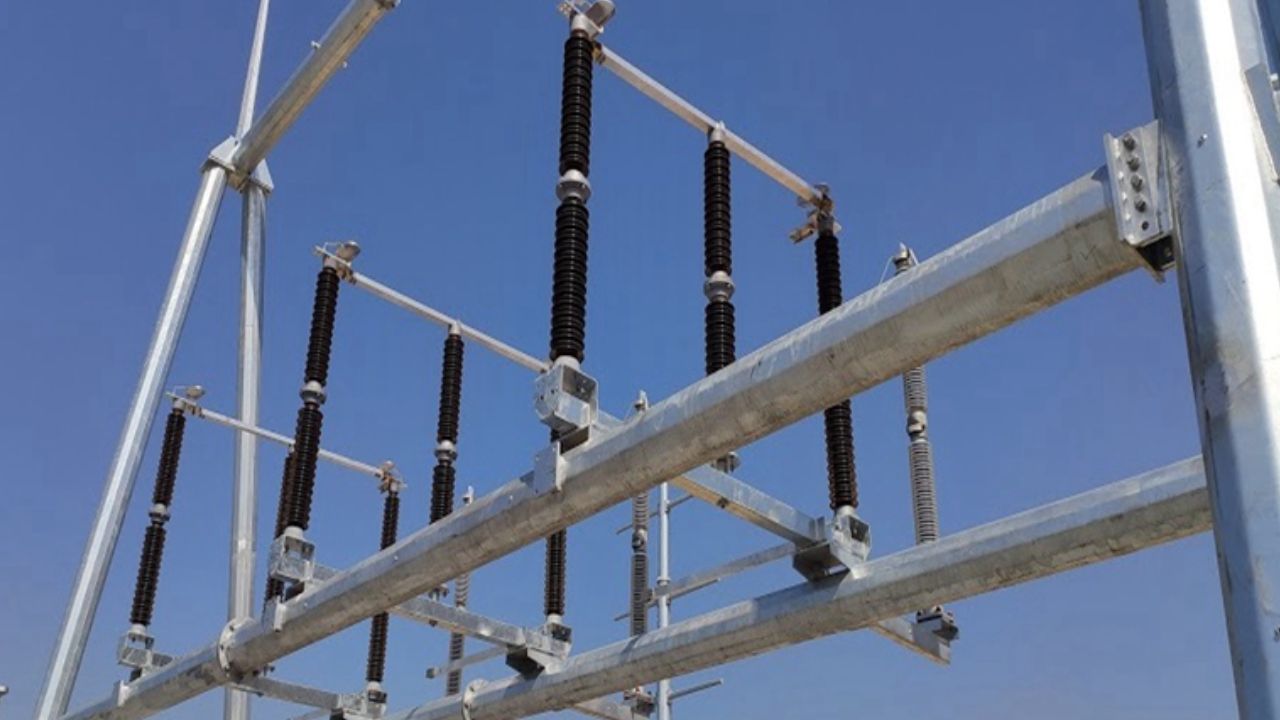
A stable power supply keeps your machine powered all the time, and the production rhythm will not be interrupted by unexpected power outages. In the long run, the wear and tear of your equipment will be reduced, its service life will be longer, and the maintenance frequency will be lower.
Transmission vs Distribution Substations
| Project | Distribution Substation | Transmission Substation |
| Main function | Transfer electricity from the transmission system to the local distribution network | Realise large-capacity and long-distance power transmission in the power grid |
| Service recipients | Directly targeting residential, commercial and industrial users | Facing regional power grids or lower-level substations |
| Location | It is close to power-consuming areas and is commonly found in cities and industrial zones | Mostly located near power stations or at regional power grid hubs |
| Voltage level | Reduce the high voltage to medium and low voltage, generally ranging from 4 kV to 33 kV | It handles ultra-high or extra-high voltage, usually at 138 kV and above |
| Voltage variation | Reduce the transmission voltage to a voltage suitable for local distribution | Switch or convert between different high voltage levels |
| The distance from the user | It is close to the end users and is a key node for the user power supply | It is far from the end users and does not supply power directly |
| Equipment features | The equipment is relatively compact and focuses on power distribution and protection | The equipment is large in size and has higher requirements for insulation and safety |
| The impact on the power grid | Improve the stability of the power supply and the reliability of local power usage | Reduce long-distance transmission losses and concentrate power transmission |
FAQ
What voltage ranges can our distribution substation cover?
Zhongshao distribution substations usually reduce the voltage to 4 kV – 33 kV for local distribution. Through the subsequent distribution transformer, it can be further reduced to 230V or 400V to meet the electricity demands of different regions and industries.
What is an underground distribution substation?
Underground distribution substations are installed near users. They use distribution transformers to reduce the secondary transmission voltage to a suitable level for use, allowing electricity to be directly distributed to industrial, commercial and residential users.
What core configurations does our distribution substation usually include?
According to project requirements, Zhongshao can provide a complete set of solutions, including transformers, circuit breakers, switchgear, busbars, protection relays and monitoring systems, etc., to ensure the stable operation of the system and reduce installation and maintenance costs.
What protection functions does our distribution substation have?
The Zhongshao distribution substation is equipped with circuit breakers, protective relays, disconnectors and surge protection devices, which can promptly detect abnormal currents, overloads or lightning strikes and other conditions. They can quickly isolate faulty circuits, prevent equipment damage and production interruption, and ensure the stability of the power system.
Which industries are our distribution substations suitable for use in?
Zhongshao distribution substations are suitable for manufacturing, energy, commercial complexes, industrial parks and large-scale infrastructure projects.
Final Thoughts
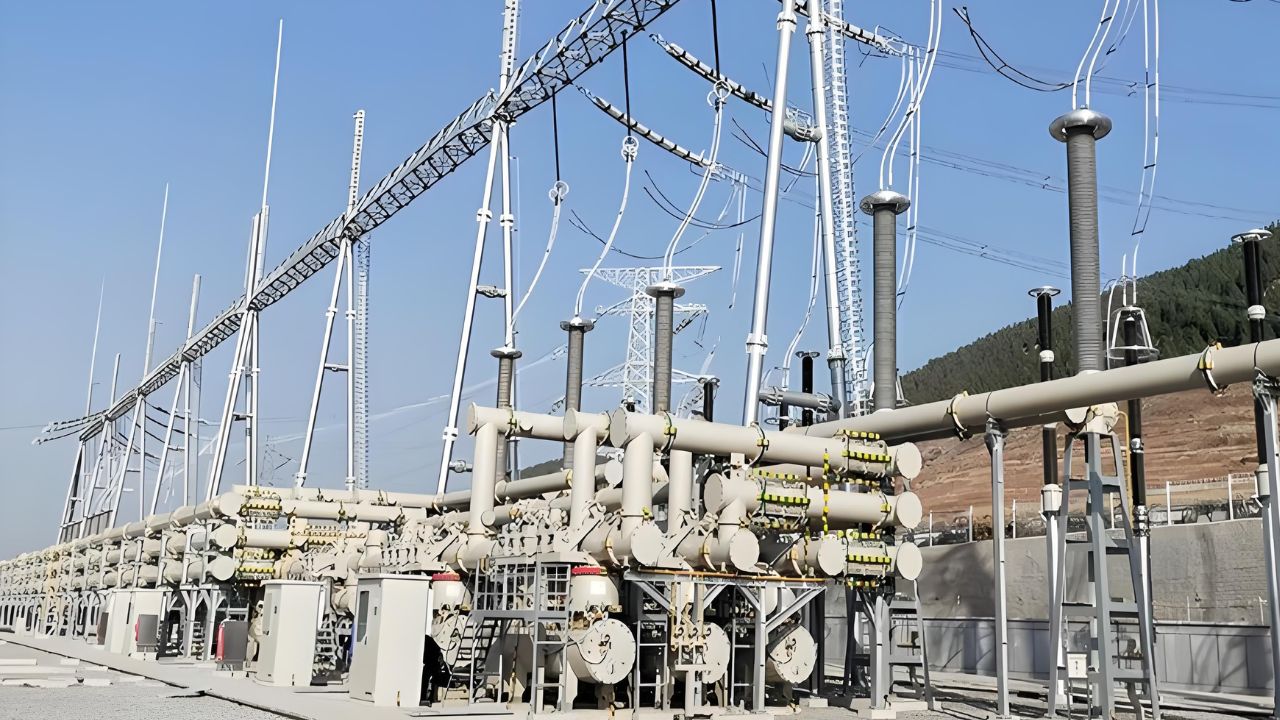
Distribution substations are the key guarantee for a stable power supply in large-scale industrial projects. It has sufficient power supply capacity and can easily handle high-load operation. Through precise voltage regulation and reliable protection design, you can effectively reduce the risks brought by power fluctuations. The integrated surge protection solution can also reduce equipment wear and tear and avoid costly downtime.
Zhongshao is a professional supplier of distribution substations, capable of providing you with reliable and mature solutions. If you have any needs, please feel free to contact us at any time.