
Why Zhongshao Transformers
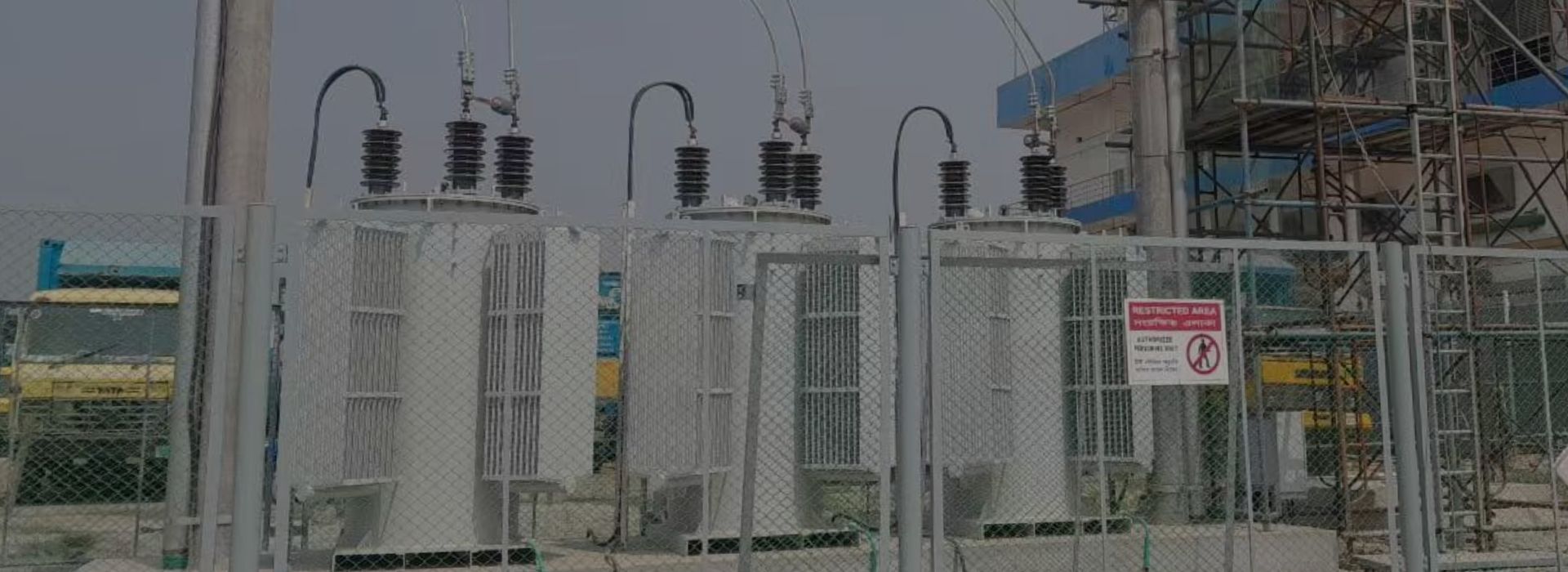
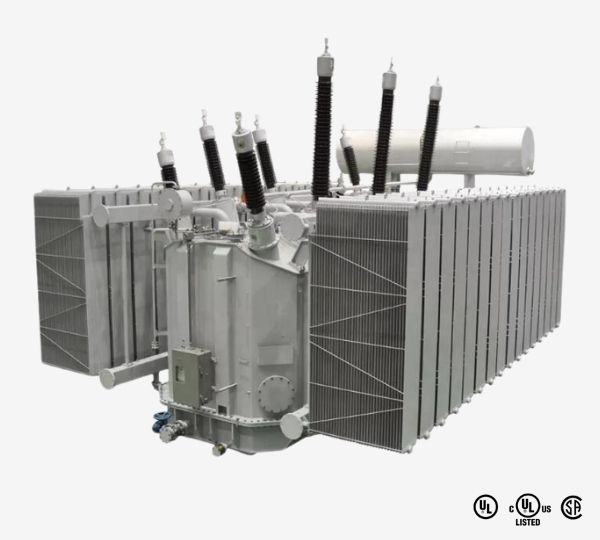
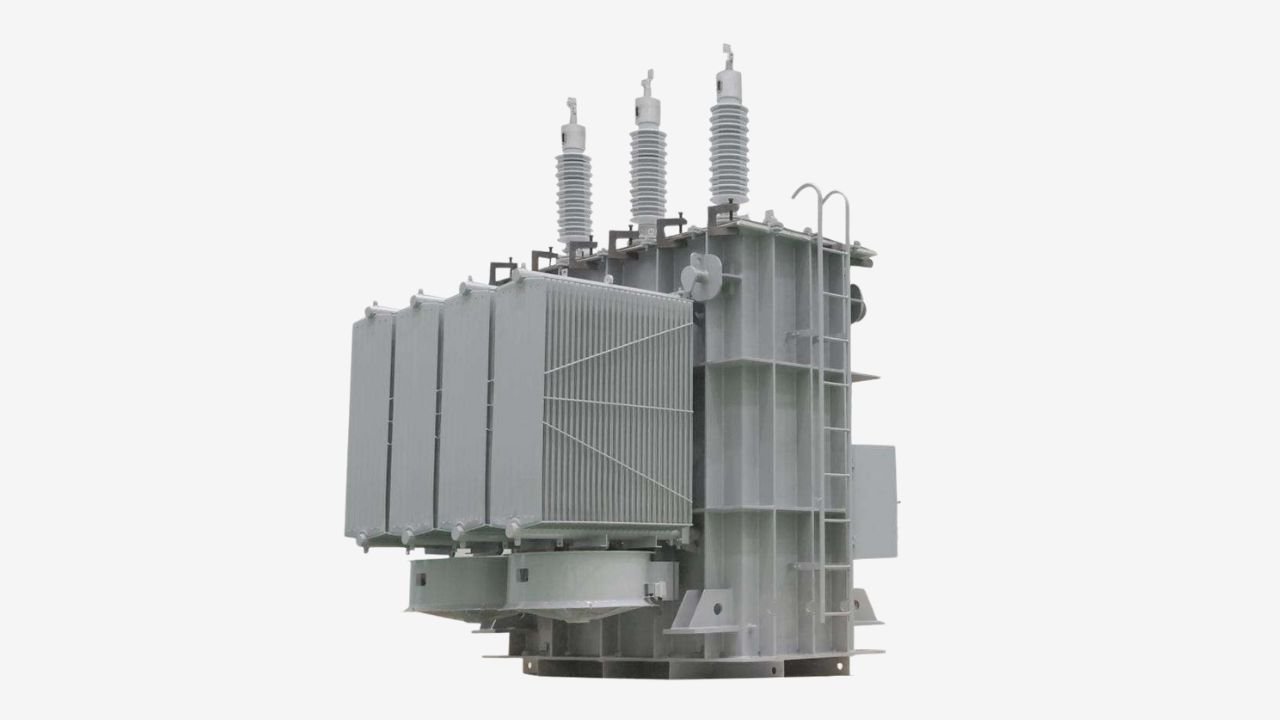
- ZHONGSHAO ‘s 220kV power transformers have optimized designs for core, mounting structure, lead out wires, oil tank, and other components to ensure product performance.
- Our transformers offer compact size, light weight, low losses, minimal partial discharge, and low noise levels. They deliver reliable operation while reducing your operational costs.
- ZHONGSHAO ‘s cast resin dry type transformers belong to the epoxy resin SC(B) dry type transformer category. Their enclosures use high quality protective materials, maintaining insulation integrity even in harsh environments with dust or humidity.
- ZHONGSHAO holds multiple international certifications, including ISO 9001, ISO 14001, ISO 45001, UL, CUL, CSA, CCC, and more.
- Our factory holds over 100 patents in the fields of transformer and electrical equipment technology, materials, design, and R&D.
Professional Transformer Factory In China
ZHONGSHAO, a globally renowned transformer manufacturer, has operated a 100,000 square meters factory since its establishment in 2010. We hold over 100 patents in transformer and electrical equipment technology, materials, design, and R&D. With an annual production capacity exceeding 20,000 transformers and electrical devices, we are committed to delivering efficient and professional electrical solutions. Inquiries for quotations are welcome.
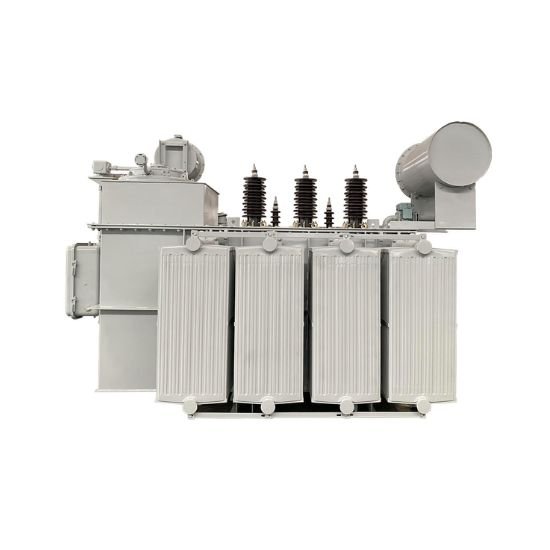
This static electrical device that efficiently change voltage levels for safe and efficient power transmission.
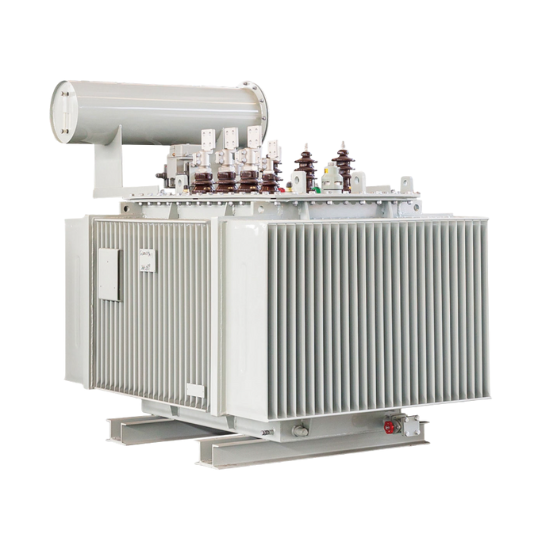
Our transformer converting high transmission voltages to the lower, usable levels for homes, businesses, and industries.
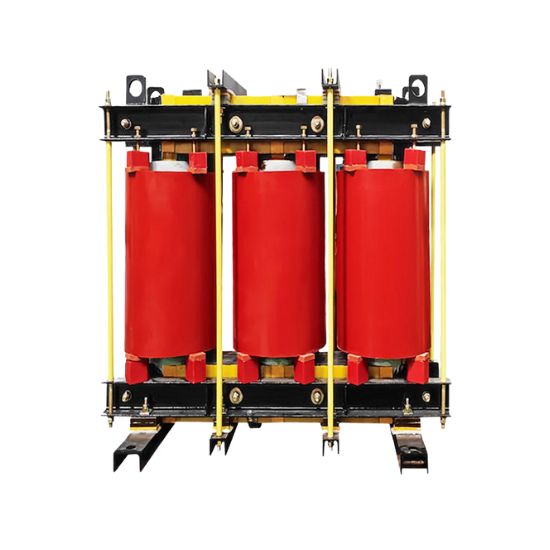
This transformer offers great insulation, safety, and resistance against moisture, dust, chemicals, and corrosion.
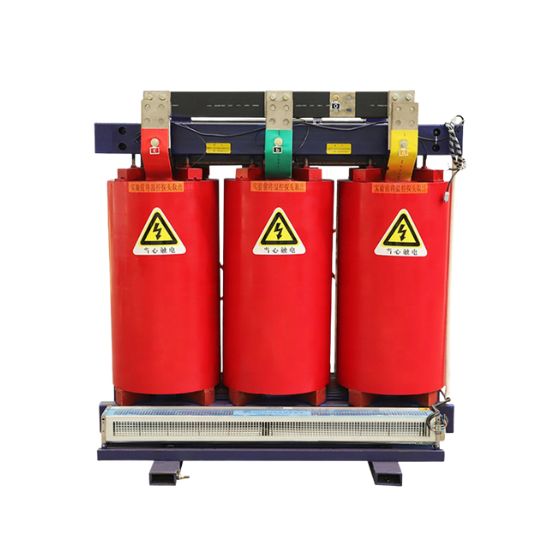
It transfers and regulates power without the use of liquid insulation, using air or resin to cool the transformer instead.
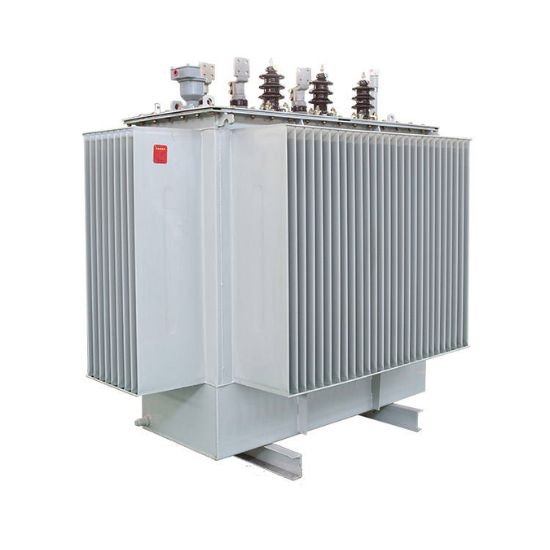
Our transformer is reliable, durable, and capable of handling high voltage and large power requirements.
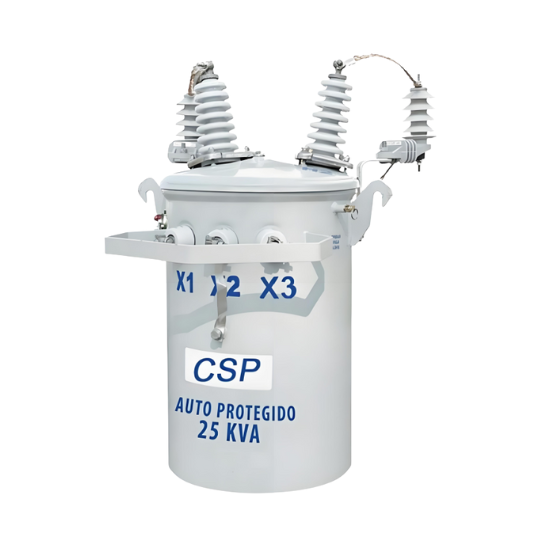
Compact and easy to install, these are a cost-effective solution for delivering stable electricity in various applications.
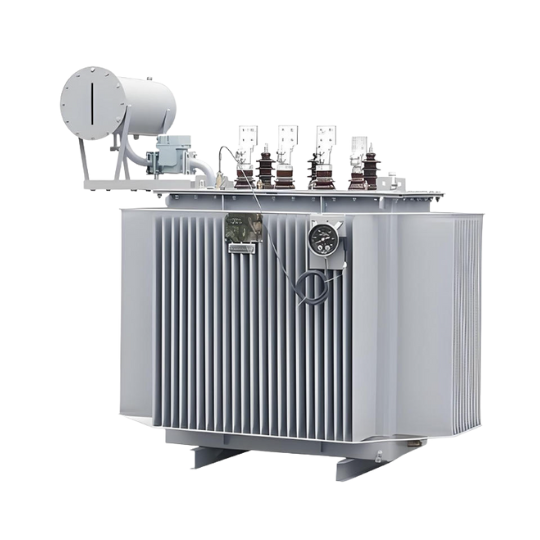
This is commonly used for high-power applications such as industrial plants, commercial buildings, and utility networks.
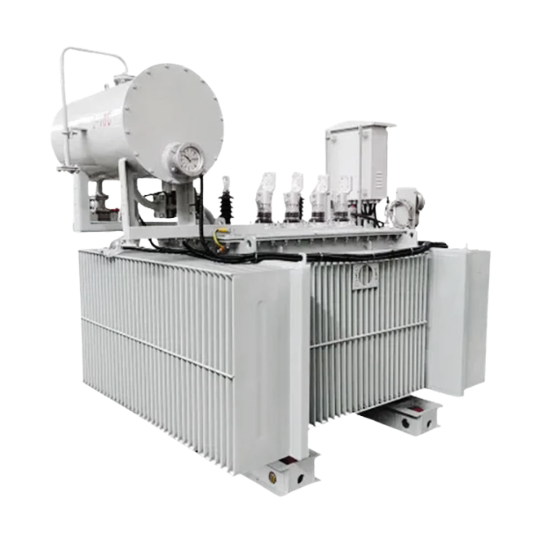
It transfers and regulates electricity at very high voltages to reduce energy loss and protect equipment from electrical faults.
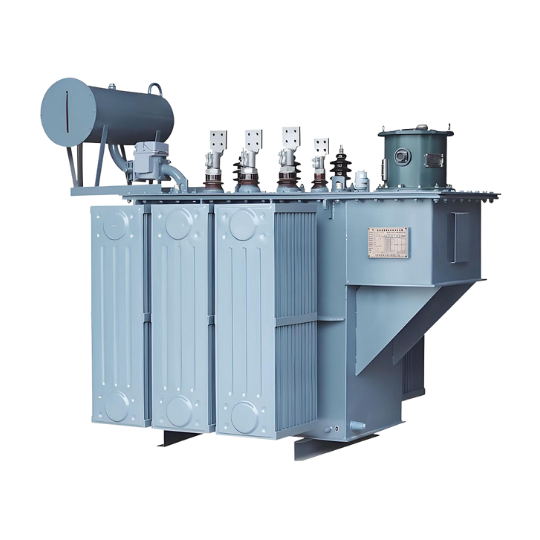
Our transformers are designed to step down electricity from higher voltages to lower, safer levels of electricity.
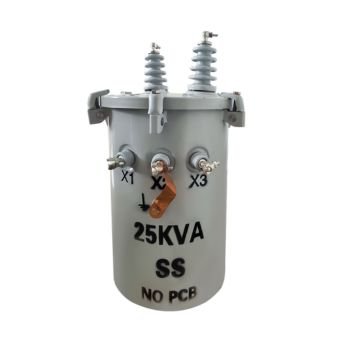
This electrical device is installed in utility poles to step down high voltage to safer usable lower voltages from homes and businesses.
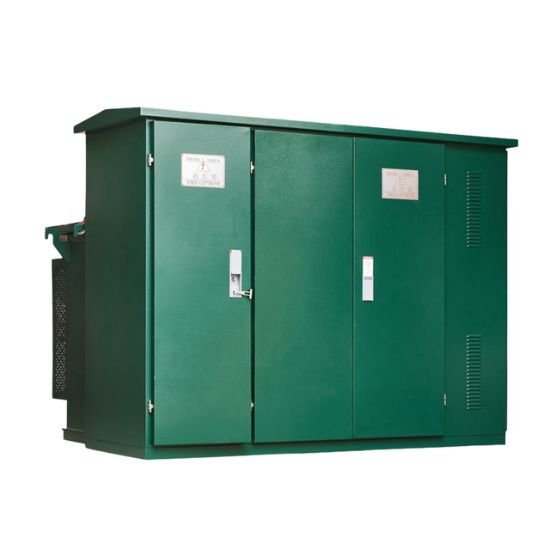
Our transformer is commonly used in residential neighborhood, apartments, shopping centers, schools, and hospitals.
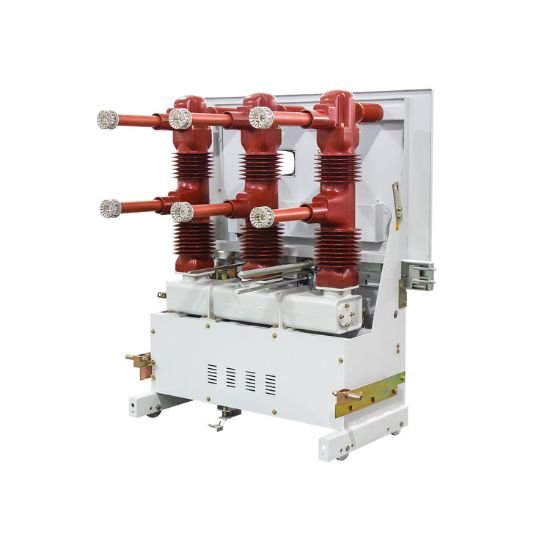
This breaker helps interrupt electrical currents quickly and safely, protecting power systems from faults and overloads.
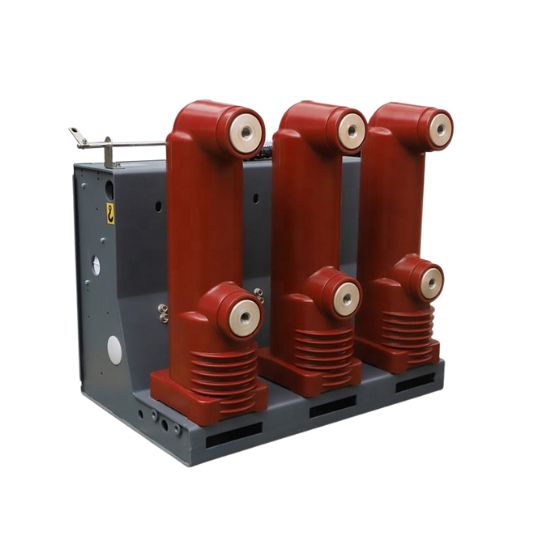
Its design ensures fast and reliable switching, providing excellent protection from overloads and short circuits.
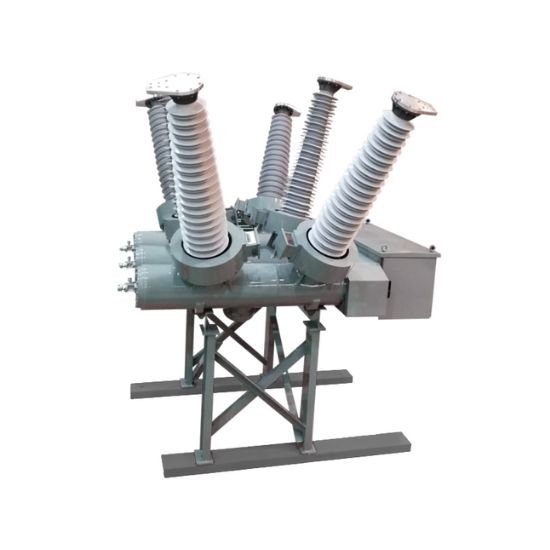
Our breaker is known for durability, high breaking capacity, and stable performance under harsh conditions.
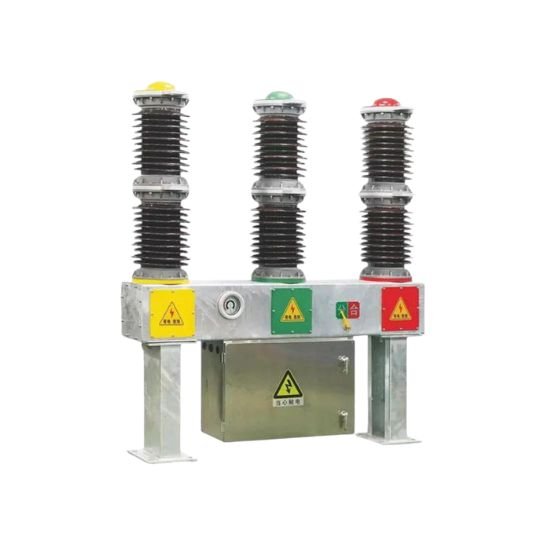
This breaker is ideal for outdoor substation and high-voltage applications, providing stable system and minimal maintenance.
What is a Transformer?
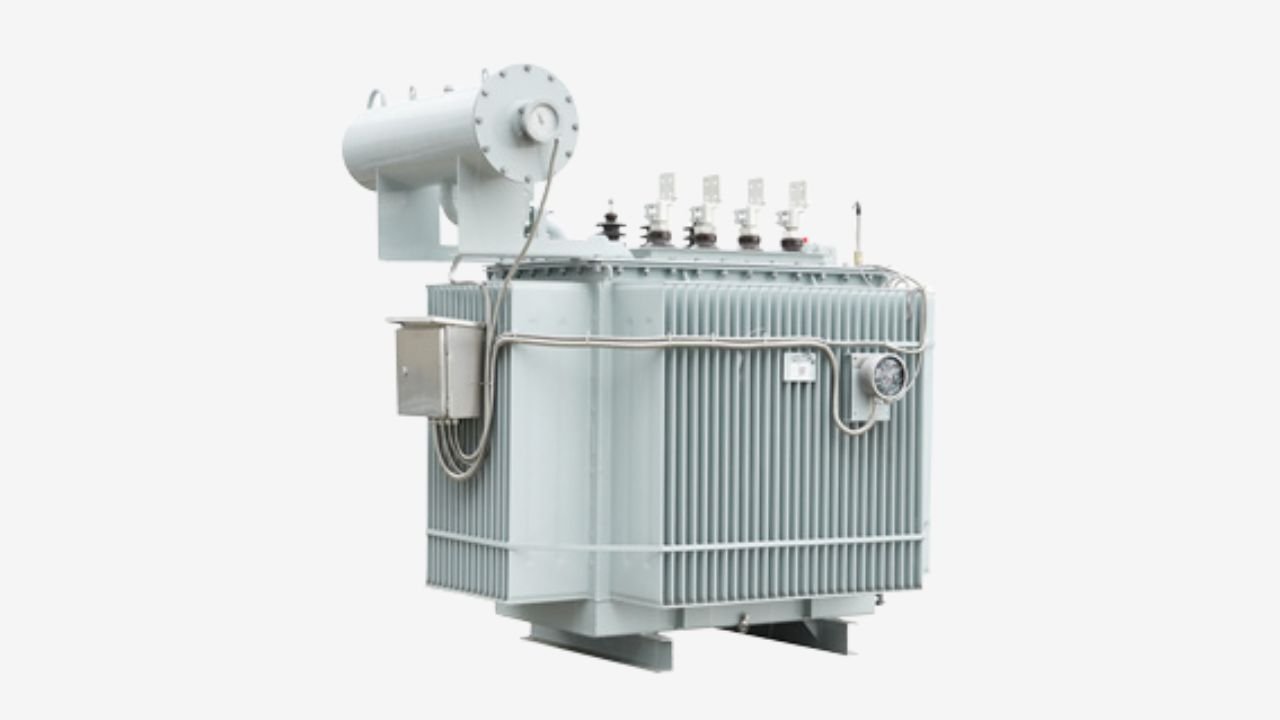
A transformer is a device that uses the principle of electromagnetic induction. In modern power transmission, it regulates voltage to enable long distance transmission and then steps down voltage to meet specific electrical demands. It plays an indispensable role in ensuring stable power supply across entire cities and within the broader power grid. Beyond being an industrial component, it is also crucial for household electrical safety.
If you are looking for a reliable transformer, you can take ZHONGSHAO ’ s transformers into consideration, we are a professional manufacturer in China with experience above ten years.
How Does a Transformer Work?
The working process of a transformer is based on the laws of energy conservation and electromagnetic induction, and the changes of the voltage are achieved by the coils inside it. When current flows through a coil of a transformer, a magnetic field is generated around it. The more turns in the coil, the stronger the magnetic field becomes, causing an electromotive force in adjacent coils.
The coil where the initial current flows is called the primary coil, and the coil where the current exits is called the secondary coil. When the number of turns in the secondary coil is fewer than in the primary coil, the transformer’s output voltage is lower. On the other hand, if the secondary coil has more turns, it can achieve voltage increase, and we call it a step up transformer. Currently, nearly all transformers achieve voltage increase or decrease by changing the number of coil turns.
After knowing the working process of the transformer, you may understand how the electricity is transported into residential areas or factories for end use. When electricity leaves the power plant, it requires a step up transformer with more turns to elevate voltage for long distance transmission. Then, when electricity reaches specific consumption sites or locations, a step down transformer with fewer turns is required to reduce voltage to meet the precise voltage demands of the application.
The Components Of a Transformer
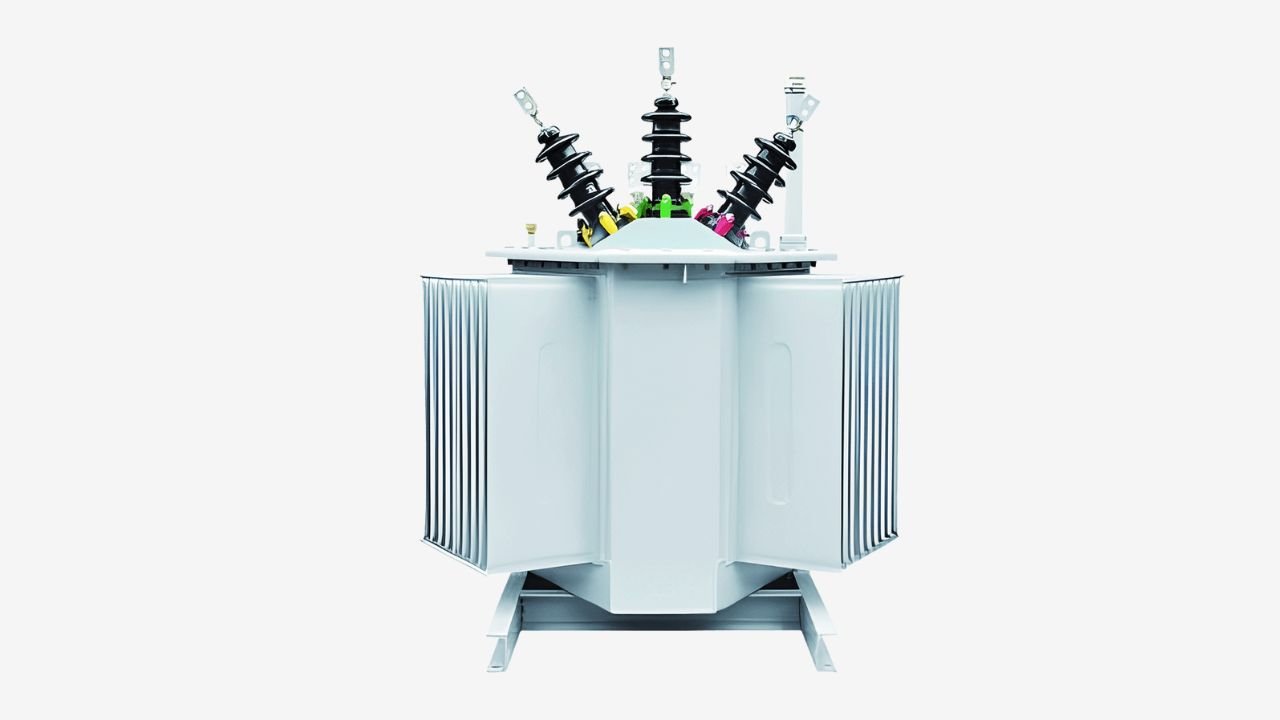
Iron Core
The core is the part where the windings are wound and serves as the conductor. It is typically composed of several hundred to several thousand laminations of silicon steel. A high quality core can produce lower losses during long term use and enhance the overall efficiency and operational stability of the transformer. Therefore, when making actual selections, you should also inquire about the material and workmanship of components like the core.
Coil
The coil is the key component enabling a transformer to function. Typically, transformer coils are made of metals with good conductivity, such as copper or aluminum, and are wrapped and isolated with an insulating layer to protect them, ensuring a stable and safe operation.
Insulation System
The insulation system is also a critical component, it can prevent the electrical breakdown or short circuits caused by excessive voltage. Common insulation methods include insulating paper (typically used to wrap conductive coils), insulating oil (for oil immersed transformers), and epoxy resin (for dry type transformers). The selection of insulation system materials must not be taken lightly, as it is essential for ensuring the long term reliable operation of the transformer.
The Enclosure
The function of the housing is to protect all components inside the transformer and withstand external environmental factors such as moisture, dust, and corrosion. Therefore, it must be constructed using higher quality protective materials or undergo corrosion resistant surface treatments if necessary.
Cooling System
The cooling system is designed to dissipate heat from transformers. During operation, the copper or aluminum wires within the windings generate high temperatures due to electrical current flow. To prevent equipment damage from overheating, we always use insulating oil or air to absorb the heat. Some transformers also incorporate fans to assist with heat dissipation. When selecting a cooling system, you can similarly determine the appropriate solution based on the specific application’s intensity.
Types of Transformers
Based on the differences in the insulation and cooling media used, transformers are classified into dry type and oil immersed types.
Dry Type Transformer
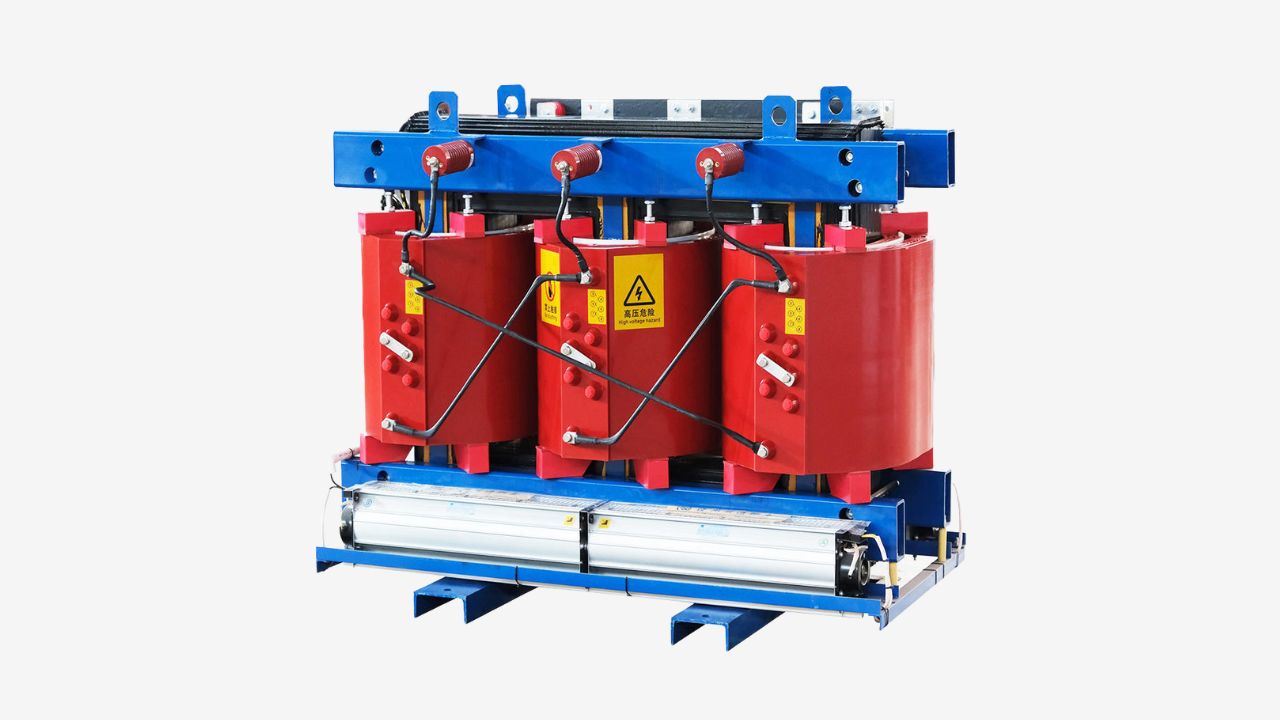
Dry type transformers are those that do not use insulating oil or other liquids as cooling and insulating media. We typically employ materials such as air and epoxy resin for insulation, dissipating heat into the surrounding air.
Due to the safety of these materials, dry type transformers are generally more friendly to the environment and have a lower fire risk. They are suitable for locations like factories and hospitals where sparks are sensitive and more stable materials are required.
Oil Immersed Transformer
Oil immersed transformers use insulating oil as both their cooling and insulating medium. Within the equipment, the transformer windings and core are submerged in insulating oil. The advantage of using insulating oil lies in its superior heat absorption capacity, and preventing the electrical conductivity that could disrupt normal transformer operation. This high efficiency makes it suitable for outdoor applications where large scale equipment requires voltage transformation, such as infrastructure construction and industrial power distribution.
Which Areas Need Transformers?
In today’s society, almost every area uses a transformer to meet the needs of daily electricity consumption, including industrial facilities, hospitals, airports, and residential areas. In below I will give you an overview for reference.
Large Industrial Sites
In large industrial sites, you need to use the transformers to change the voltage and support stable long term operation of many heavy and high electricity consumption machines, especially in the power plants, substations and many large mining enterprises.
Social Infrastructure
Today, certain infrastructure facilities in society also rely on transformers to maintain stable operations. After all, the proper functioning of electrical systems in locations like subway stations and airports is crucial for people’s daily commutes. Transformers can provide the appropriate voltage for various equipment, including communication systems and lighting systems, ensuring smooth, and long years operation.
Residential Homes
While in everyday residential homes, transformers also play a crucial role, as the electrical current transmitted from power plants must be regulated by transformers before it can be delivered to appliances like water heaters and air conditioners, providing the power needed for their operation.
The Parameters Needing To Be Considered When Buying a Transformer
Voltage Rating
Before purchasing a transformer, you must first confirm the voltage requirements in your region, as power sources vary across countries.
For example, if you are in the United States, your power supply may be 120V, 60Hz, requiring a corresponding transformer. Additionally, based on your specific project requirements, if the building’s supported AC power voltage is 220V and the appliance’s rated voltage is 100V, you will need a 220V-100V step-down transformer to convert the voltage.
Capacity
The capacity of the transformer must also be taken into consideration. You first need to calculate the power required for operating the equipment within the building, then select a transformer with an appropriate rating. Generally, the rated power of an electrical appliance is calculated as rated current × rated voltage.
The load of a transformer can also be calculated using this formula, though the load calculation for a three phase transformer is more specific. You need to multiply the square root of three by the rated voltage and rated current to obtain the specific value.
Quality Inspection Certification
When selecting distribution boxes, safety certifications are equally important and should not be overlooked. You must ensure that the equipment you purchase has documentation proving compliance with quality and safety standards. Common authoritative certifications include CE, ISO 9001, UL, and others. You may request manufacturers to provide relevant certification materials during the purchasing process, and then select products that meet local electrical requirements.
In comparison, dry type transformers are more environmentally friendly. If your application is indoors or in locations sensitive to sparks, dry type transformers offer greater safety. On the contrary, if your application requires long term operation under high loads, oil immersed transformers provide better stability.
You can rest assured that our warranty period is two years and we are able to give you comprehensive after sales services.
In fact, energy loss is unavoidable during transmission. For example, both the iron core’s electrical conduction and heat dissipation processes result in energy dissipation. Therefore, transformers cannot achieve 100% energy utilization.
For transformer maintenance, you need to monitor the cleanliness of its components daily and clean them promptly. then, you need to observe whether abnormal noises or high temperatures occur during operation. For regular maintenance, we recommend you to inspect the critical components such as the insulation medium condition and electrical protection devices every few months.
Three phase transformers are another common type. Unlike standard transformers, their windings typically share a single core, arranged at 120 degrees angles. This configuration enables simultaneous processing of three sets of alternating current, making them equally suitable for high demand applications in industries, construction sites, and other high power consumption areas.