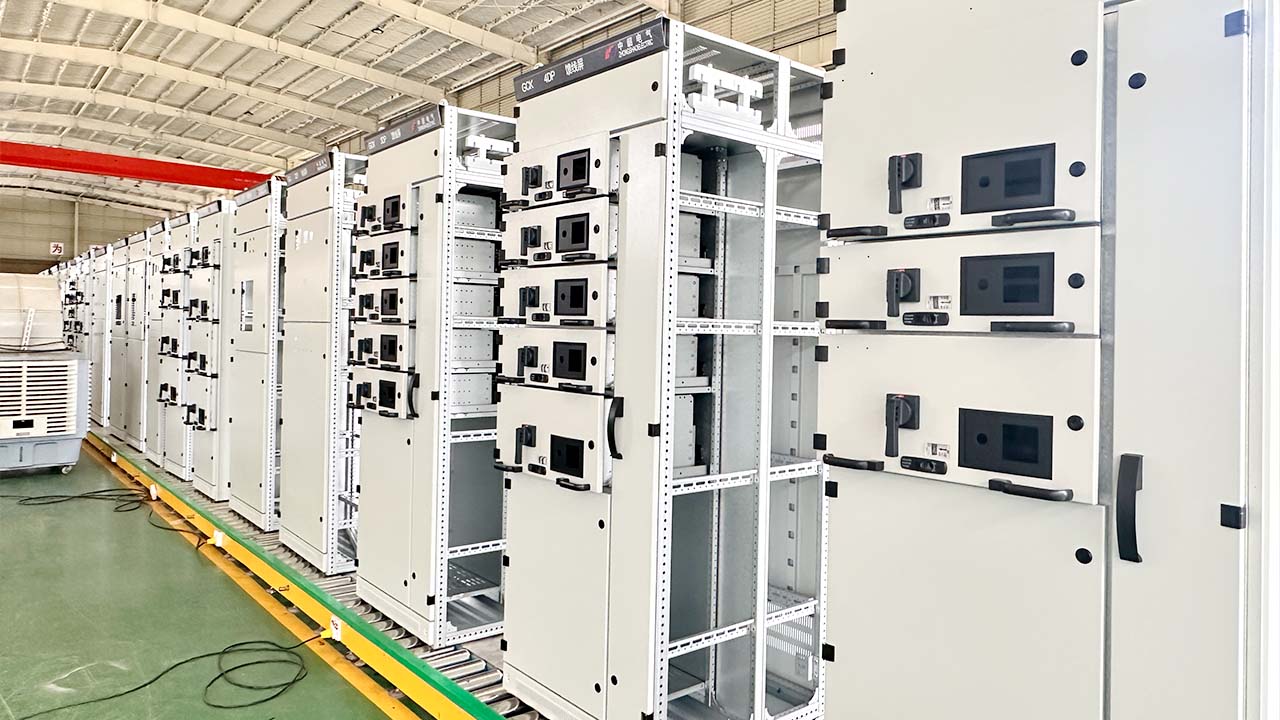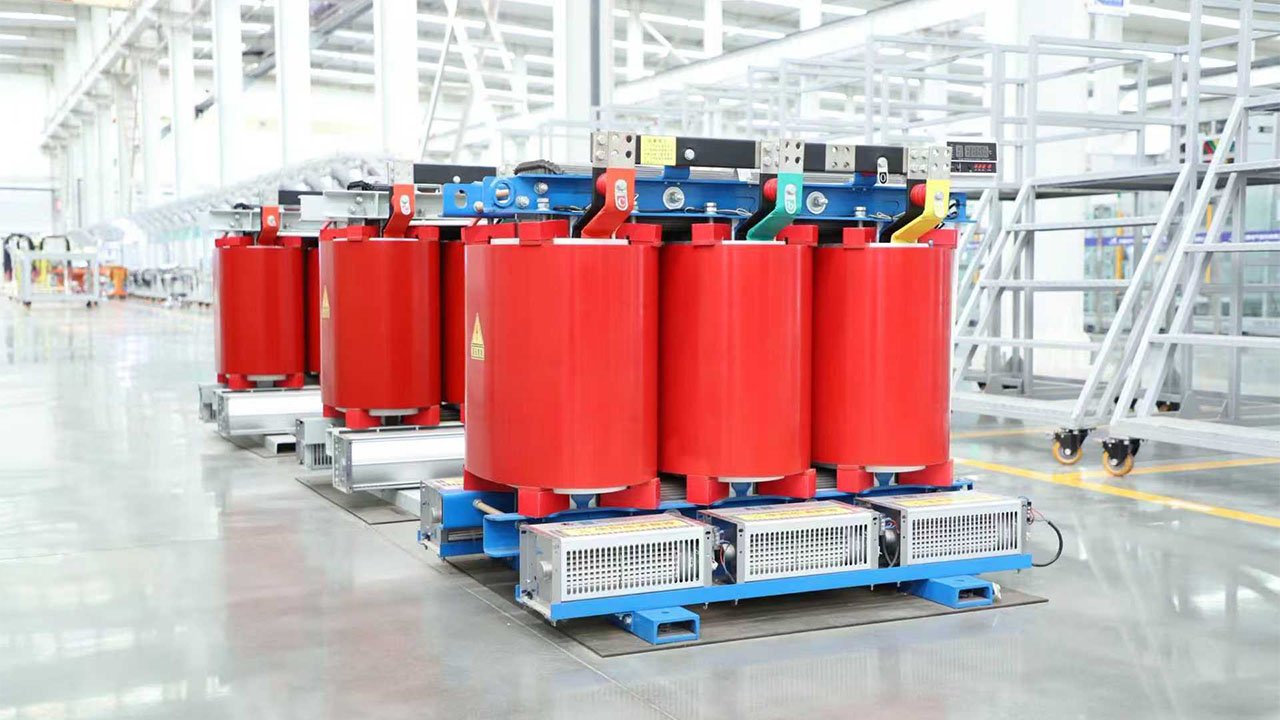
As a core equipment of the three-phase power system, the three-phase transformer is responsible for voltage transformation, power transmission, and failure isolation. It is directly connected to the stability and efficiency of power systems. This article will introduce core features of the three-phase transformer such as types, configurations, and applications for you.
What is Three-Phase Transformer
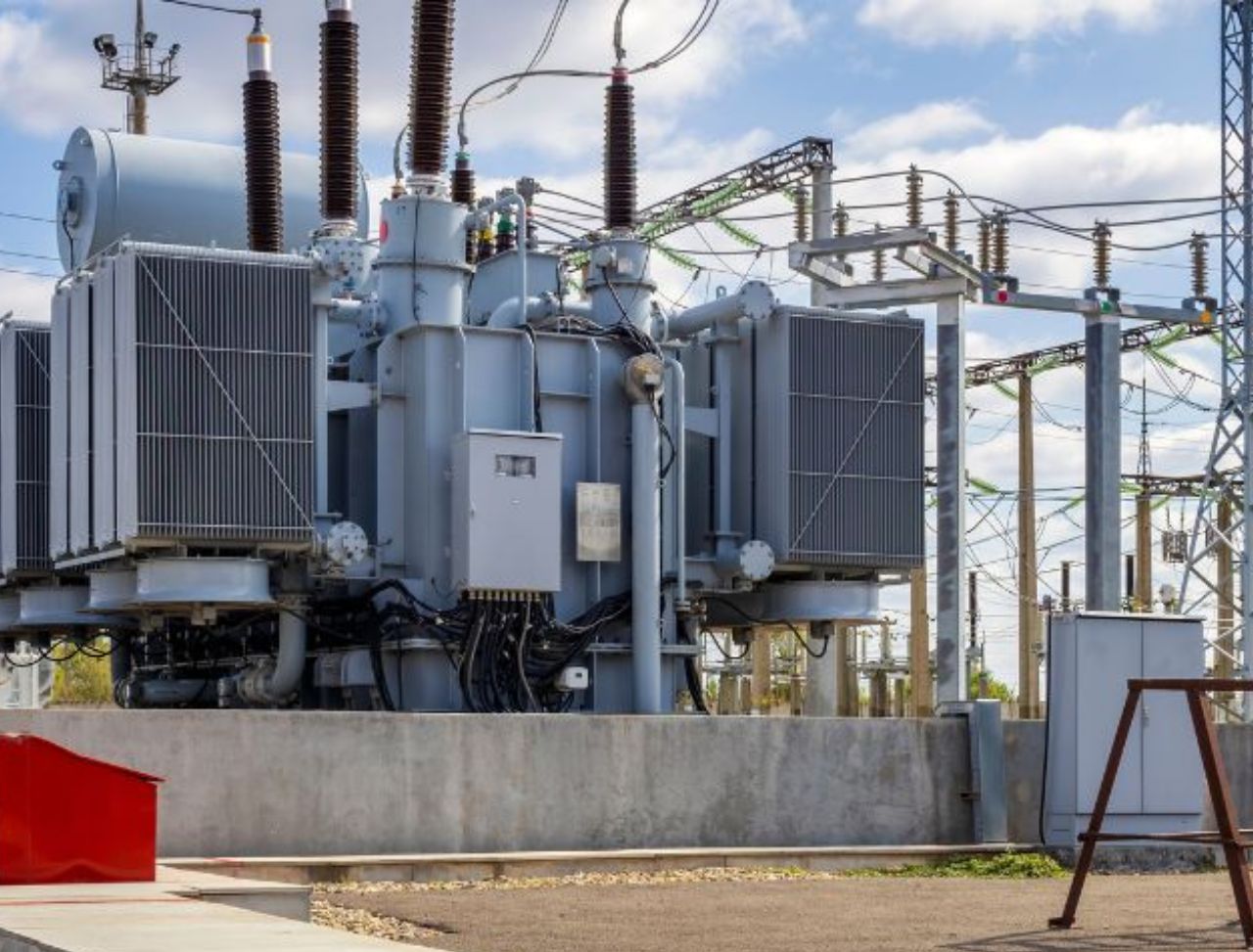
A three-phase transformer is a type of power conversion device, which can achieve elevating or reducing voltage levels while also keeping a constant power. It typically consists of three sets of windings and a shared magnetic circuit to handle three-phase electrical energy. Based on the principle of electromagnetic induction, the three-phase alternating current generates alternating magnetic flux within the iron core. This flux can induce corresponding voltages in the secondary windings, achieving voltage transformation.
Compared to a single-phase transformer, the structure of a three-phase transformer is more tight. And the three-phase transformer features a higher material utilization to help you save the entire costs. It also supports achieving three-phase voltage conversion within the single unit, offering a higher efficiency than the single-phase transformer. For large-capacity applications such as industrial power distribution systems, the three-phrase transformer is an ideal solution.
Main Types of Three-Phase Transformers
Based on the different structures and designs of the three-phase transformer, it is mainly divided into the following three types. Each type of the transformer features different advantages to be used in various applications. Before you choose three-phase transformers, learning their features is important.
Core Type
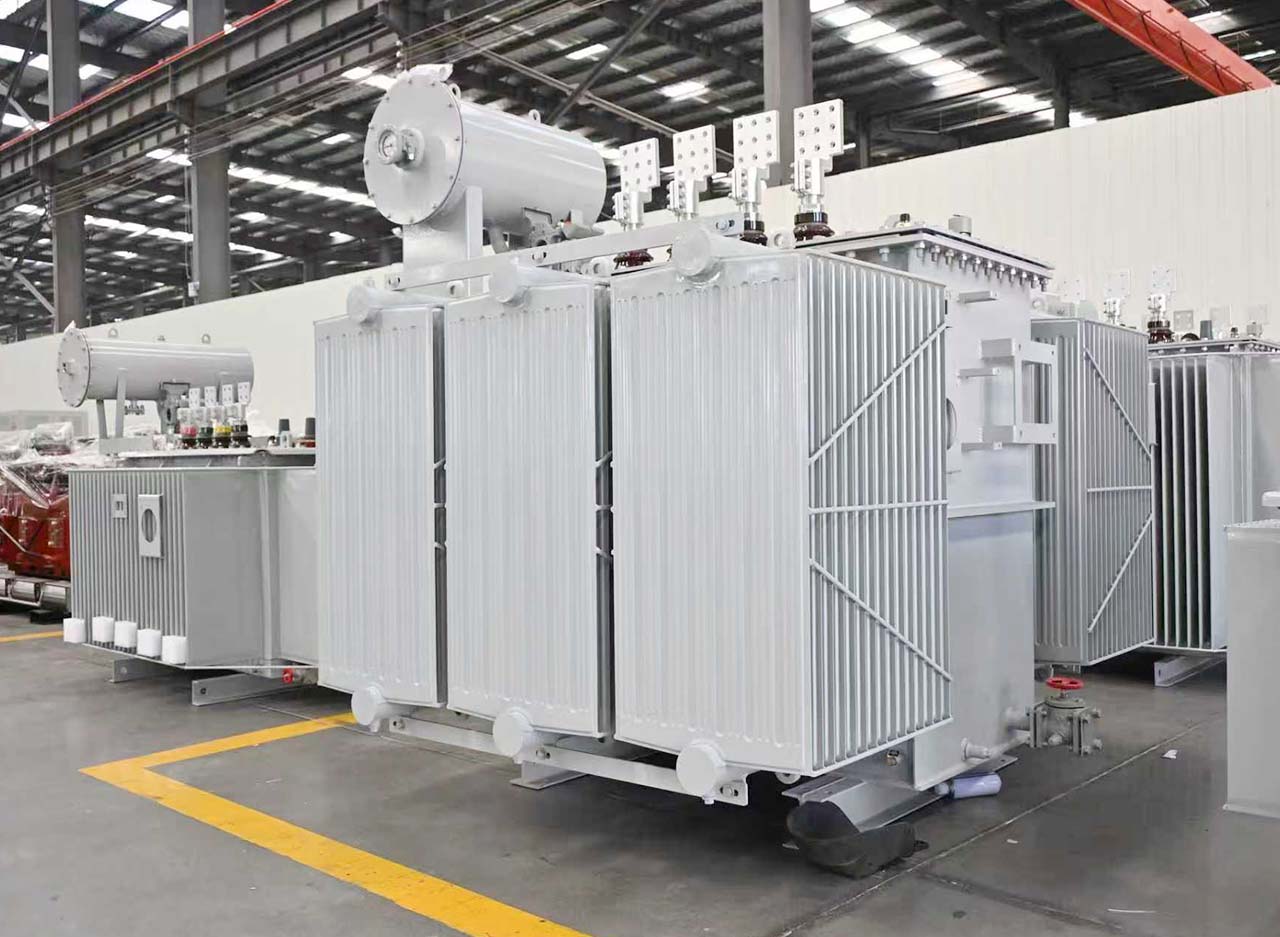
The core-type three-phase transformer features a structure with three column or five column iron core. Its primary and secondary windings are wound around the shared iron core, making magnetic flux flow along the closed circuit of the iron core. The core-type three-phase transformer features a relatively simple structure and high material utilization of copper and iron. Based on mature manufacturing technology, it is suitable for high-volume applications such as industrial power distribution, commercial power systems, and more. If your project is sensitive to the budget, this type of three-phase transformer is also available to control costs.
Shell Type
Windings of the shell-type three-phase transformer are enclosed by its iron core, which can generate a more concentrated magnetic circuit and enhance the mechanical strength. Compared to the core type of three-phase transformers, the shell type is more suitable for applications with high impact and loads due to its stable mechanical performance. The shell-type three-phase transformer also offers excellent performance on short circuit resistance, ensuring high safety and reliability during the operation process. While due to its complex structure of iron core, the manufacturing cost is relatively high.
Bank of Single-Phase
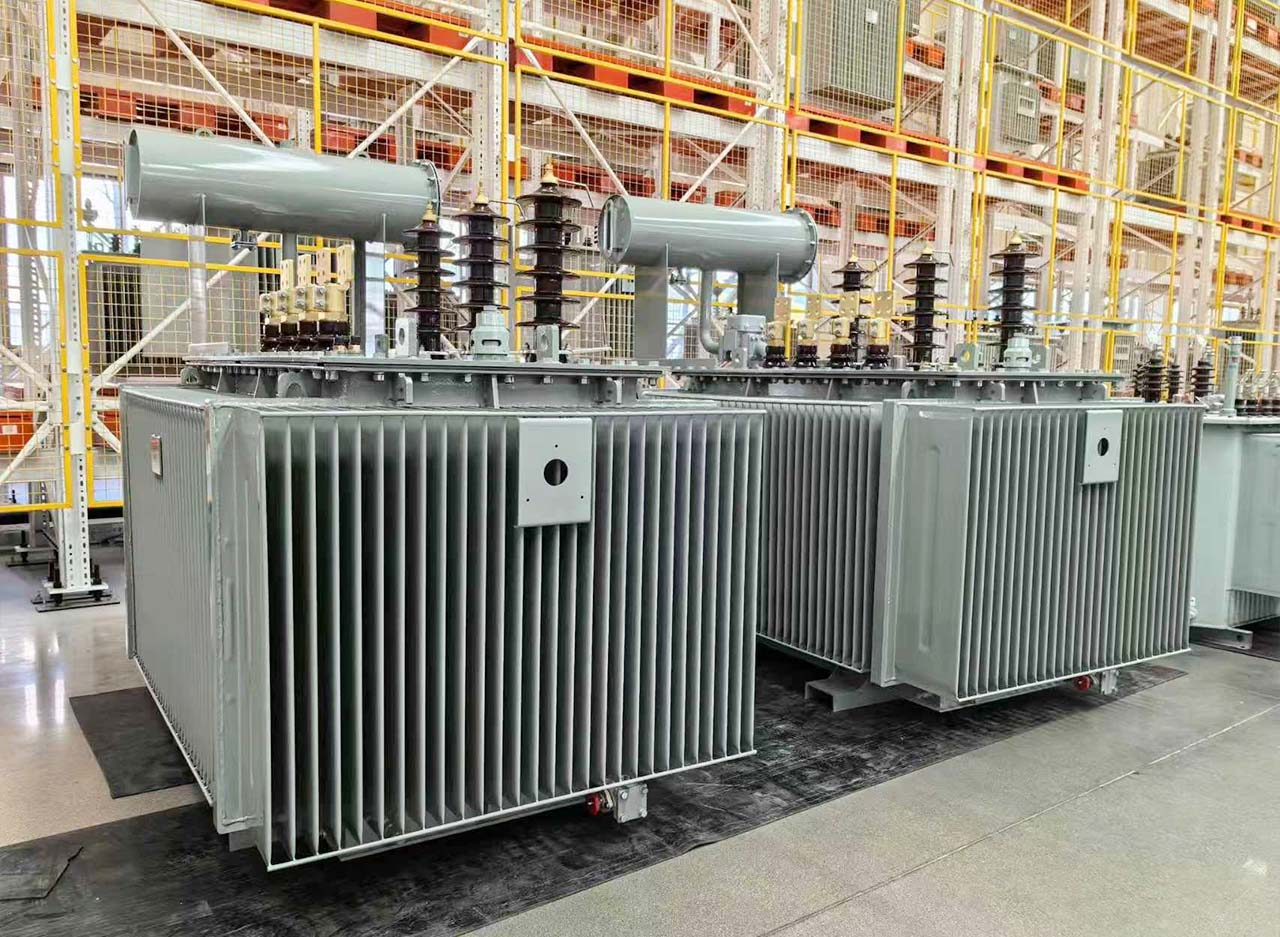
Unlike the two types mentioned above, the bank of single-phase transformers combines three independent single-phase transformers into a three-phase system. This type of transformer bank features a small footprint to adapt to applications with limited space. It also improves the operation efficiency based on single-phase transformers. In general, the bank of single-phase is more suitable for fixed loads and high-capacity systems. While single-phase transformers also offer some advantages on redundancy and maintenance flexibility.
Structure and Configurations of Three-Phase Transformer Winding
Core Components
- Magnetic Core: The magnetic core employs a three-legged laminated steel core to provide a highly efficient magnetic path, while also concentrating the magnetic field. Based on the different structure, it can be divided into core type and shell type to meet different project requirements.
- Windings: A three-phase transformer generally features primary and secondary windings. These windings are used to achieve current flowing and generate/induce electromotive force. Based on actual demands, you can choose different types of materials, which are directly connected to the load loss, service life, and short circuit resistance of the transformer.
- Insulation and Cooling System: The insulation system of a three-phase transformer is a key component to ensure safe operation and isolation between live parts. While the cooling system of a three-phase transformer is mainly divided into oil-immersed and dry-type. The oil-immersed cooling system features advantages on large capacity, overload capacity, and low cost, making it suitable for outdoor applications. While the dry-type cooling system is widely used in the areas with strict fire safety demands due to its excellent fire-proof performance.
Configurations
The three-phase transformer features two important types of connection methods including the star and delta configurations. The following are their introductions to help you make a suitable purchase decision.
- Star: The star configuration, also known as the wye, is helpful to balance loads and maintain stable voltage. Its three windings are connected at their ends to form a neutral point, which can achieve a neutral line. The grounded neutral point of the star configuration enhances the resistance performance on lightning and overvoltage. It also reduces phase voltages that windings need to withstand, significantly decreasing insulation costs.
- Delta: Unlike the star configuration, the delta connection does not feature a neutral line. Its three windings are directly connected end-to-end in a loop configuration. It is more suitable for high voltage and balancing loads. If one phase is damaged or failed, the delta configuration can maintain normal operation through its redundancy, reducing production loss caused by downtime. In addition, the delta connection also offers strong capacity to withstand unbalanced loads.
Winding Connection Methods
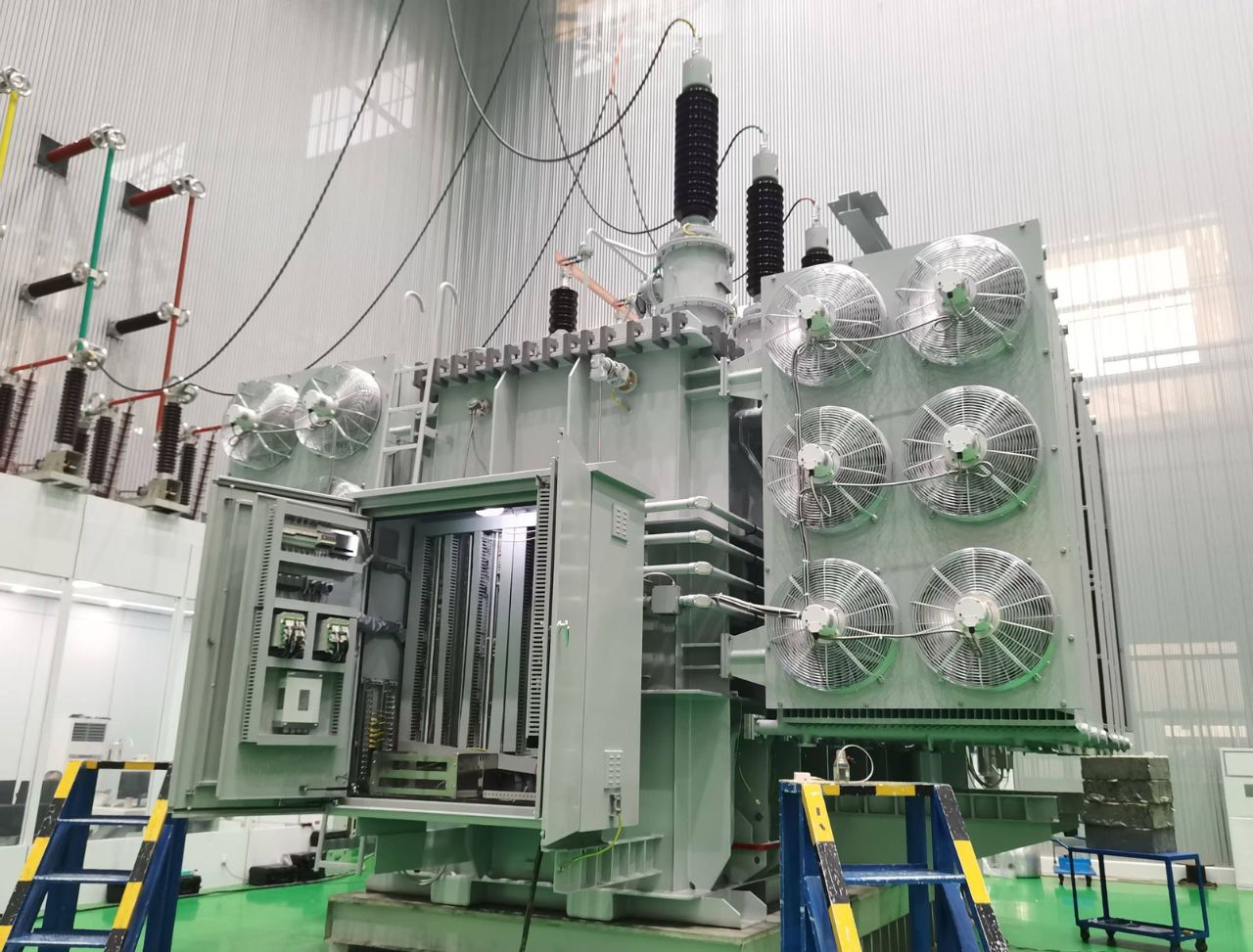
Two types of windings of the three-phase transformer have different connection methods. These winding connection methods directly determine the voltage relationships, grounding methods, and system stability of the transformer. The following are four common connection methods:
- Delta- Delta(Δ-Δ): This type of winding connection method features good self-recycling capability for third-harmonic currents. It can withstand certain levels of unbalanced loads, ensuring stable operation of the system. While the delta-delta connection does not feature a neutral point, which is not suitable for applications that require a neutral line.
- Delta- Star(Δ-Y): The delta-star connection method is commonly used in the industrial power distribution and public grid substations as a recommended standard configuration. Its secondary side offers a neutral point to achieve grounding thereby ensuring safety. This type of connection method is also useful to isolate low-voltage side harmonics from the high-voltage side. It is also suitable for step-down power transformation applications.
- Star- Delta(Y-Δ): For step-up applications or specific industrial scenarios, the star-delta winding connection method is suitable. Its high-voltage side features relatively low voltage stress, while also offering certain adaptable capacity for unbalanced loads. This makes it suitable for high-voltage applications.
- Star- Star(Y-Y): Compared to the three types of connection methods above, the star-star method features a more simple structure, but it also demands strict system design. This connection method must be equipped with a proper neutral point grounding design. It is also sensitive to harmonics and unbalanced loads, which means it requires supplementary measures in actual applications.
How to Choose Proper Types and Configurations of Three-Phase Transformer
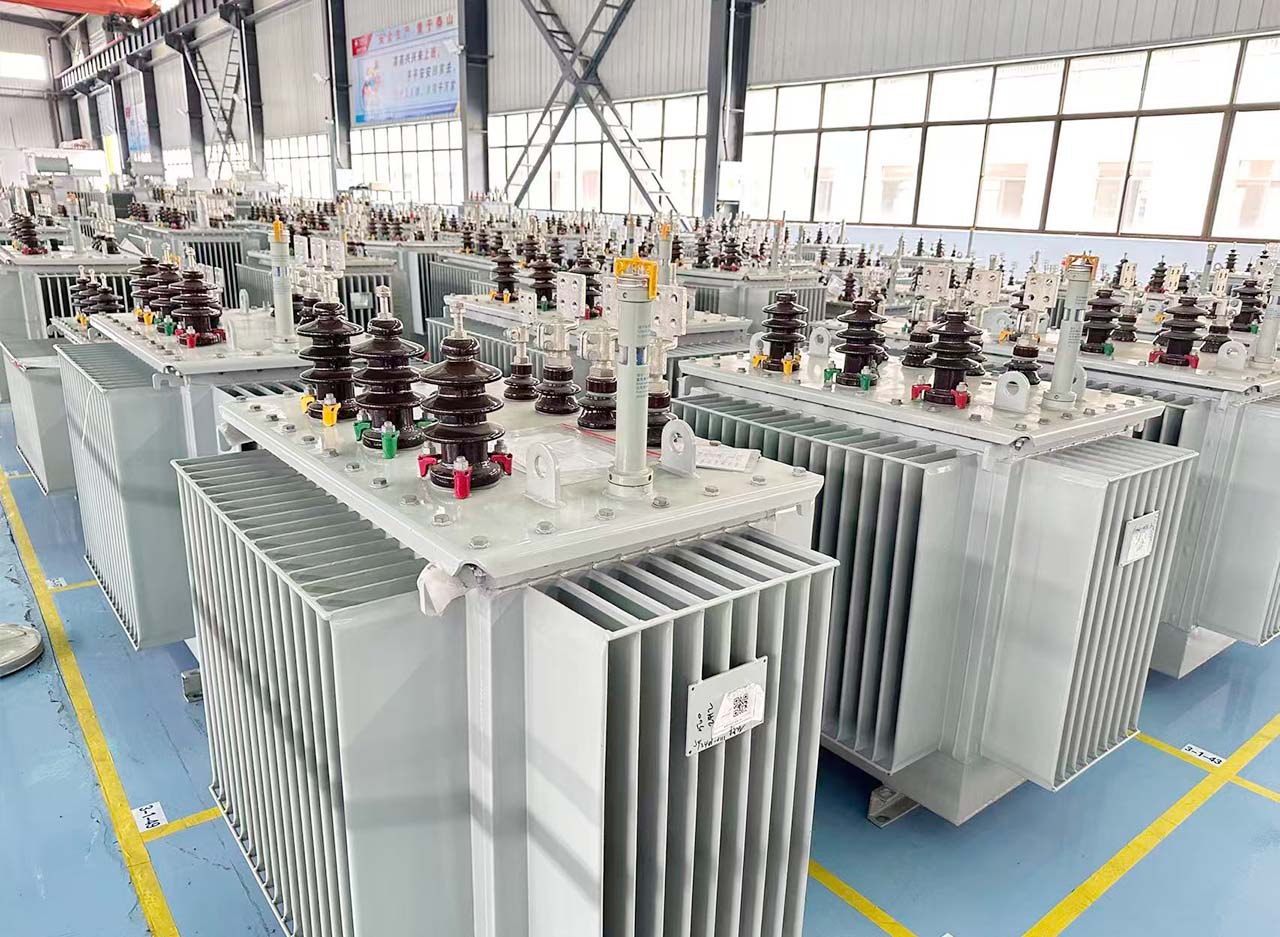
For actual applications, a proper three-phase transformer is important to ensure stable and efficient operation of the electric production. When selecting it between different types and configurations, you should consider comprehensive factors to meet your project demands. The following are common factors for your reference:
Electrical Voltage
Before choosing the three-phase transformer, you should firstly determine the voltage levels of the power system, including the power supply side and the load side. In general, the high-voltage side employs a star type of connection method to reduce the grounding insulation demands on the single-phase winding. While the low-voltage side typically uses delta or star connection based on the requirement of neutral point. For step-down substations, the delta-star connection method is a common and safe choice.
Load Type
The load type is a key factor that determines connection methods and structures of windings. For example, if the electrical system mainly contains balanced loads, the standard three-phase transformer is enough. While for the unbalanced loads, delta-star or delta-delta connection methods are more suitable to withstand them. While for applications with large linear loads, you should pay more attention to handling the harmonics issues to improve the stability of the electrical system.
Safety Demand
There are various safety demands for different applications, which are directly connected to both personal and equipment. If your project requires a stable grounding neutral point, the star connection method is suitable to generate the neutral point. The systems with strict control requirements on grounding fault current, a grounding transformer and zigzag connection is helpful. When you install the three-phase transformer, you should consider its grounding method and other protection devices to ensure safety.
Mechanical Strength
It is better to choose the three-phase transformer with high mechanical strength, which can be affected by the structure, windings, and more. The shell type generally features higher mechanical strength than other types of transformers, which is more suitable for industrial and public electric projects. In addition, the short circuit’s resistance performance is also an important factor to reduce production loss.
Cooling System
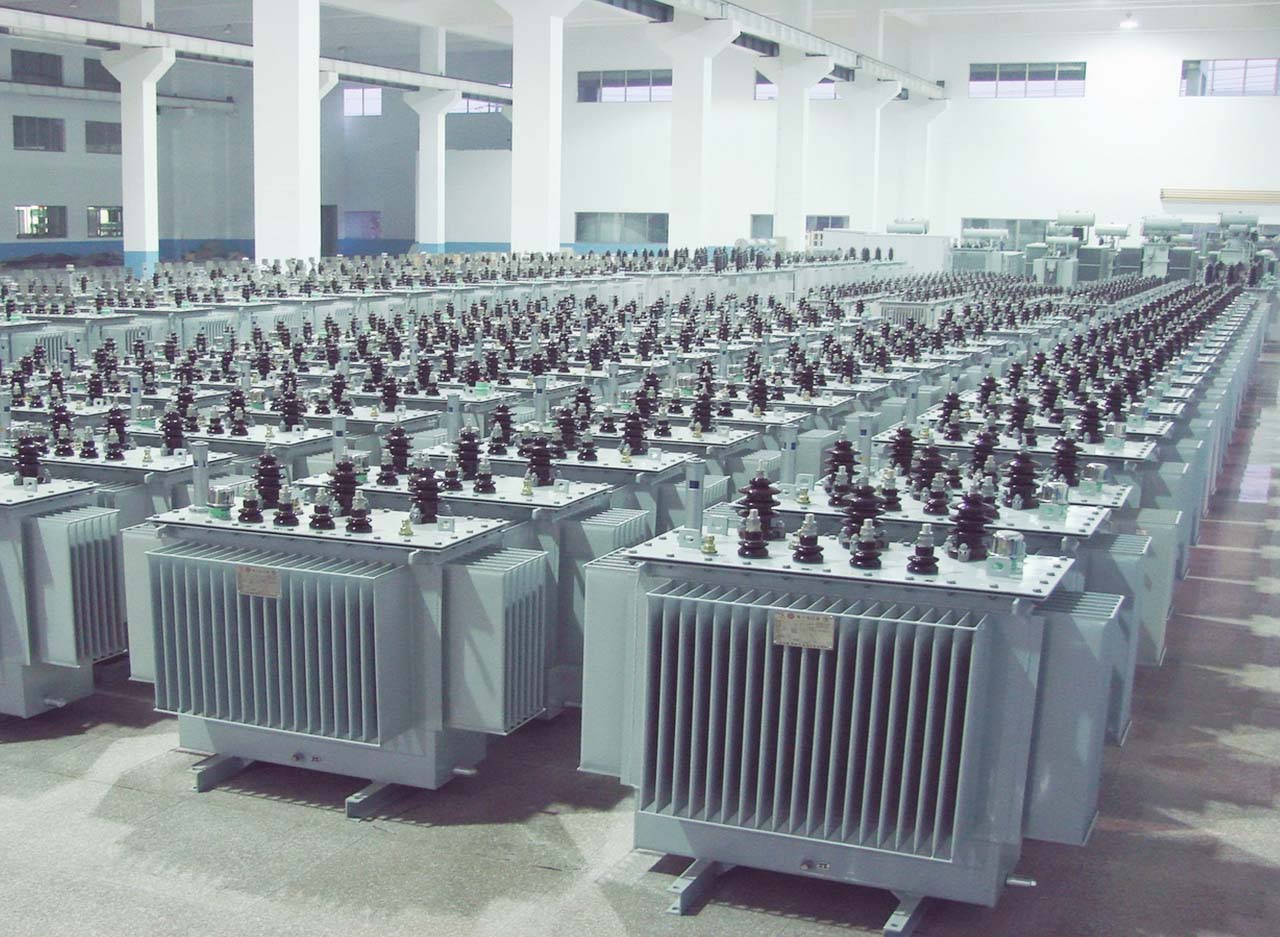
Based on the operation conditions and installation environment, you can choose a three-phase transformer with different cooling methods. For example, the outdoor applications or systems with large capacity typically employ oil-immersed transformers to achieve highly efficient thermal dissipation. While for applications that have high demands on fire-proof, the dry-type transformer is more suitable to ensure high safety. Choosing a suitable cooling system can also extend the service life of three-phase transformers.
Compliance and Supplier
At the final decision stage, you should ensure the three-phase transformer can meet actual requirements. As an electrical device, it must also meet the safety standards and compliance to maintain a safe and stable operation process. You can choose a famous brand or supplier to ensure reliable product quality. The reliable supplier typically offers a relatively long after-sale service and supports response in time when your equipment is damaged or faulty.
FAQ
Which kind of transformer is suitable for industrial applications between the standard three-phase type and the bank of single-phase?
A: The two types of transformers offer unique different advantages. For example, a standard three-phase transformer features excellent performance on efficiency, footprint, and the overall costs. Its tight structure and low loss make the device more suitable for long-term use. While the bank of single-phase offers good maintenance flexibility and redundancy to suit applications with high demands on continuous power supply.
Why is the delta-star connection common in the power supply system?
A: The delta-star connection method features a neutral point, thereby making the transformer more convenient for grounding and single-phase load power supply. It can also withstand certain harmonics, which improves safety and stability of the electrical project. So this connection method is widely used in power supply systems.
Can the three-phase transformer support customized connection methods and capacity?
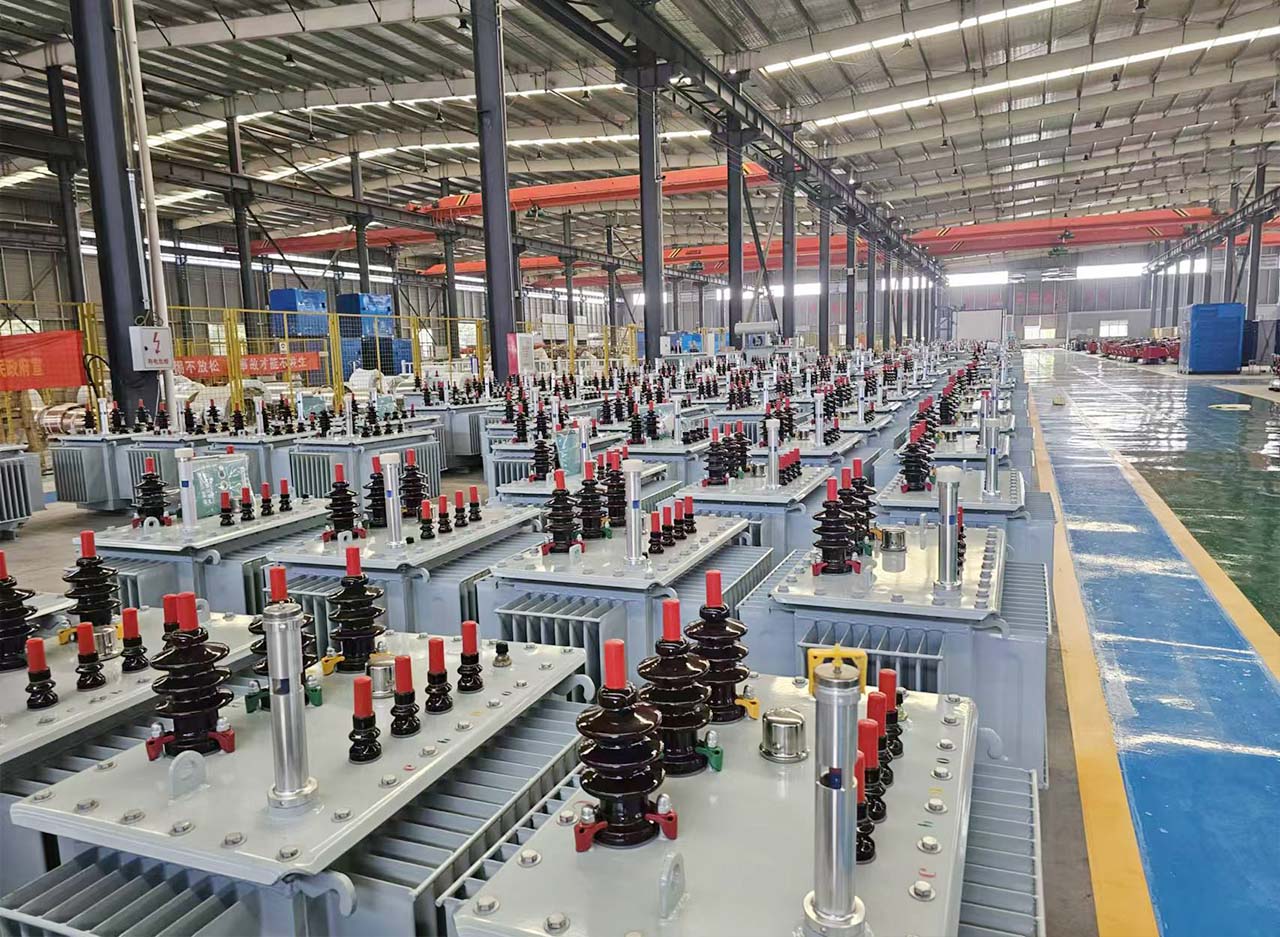
A: Yes. The three-phase transformer is flexible to support customization on core parameters. They can include voltage levels, connection methods, cooling systems, and installation methods. Through the customized design, you can choose the most suitable one to meet actual system requirements, thereby improving reliability of the operation.
Final Thoughts
Through this article, we believe that you are already familiar with the basic specifications and parameters of the three-phase transformers. As a reliable three-phase transformer supplier, ZHONGSHAO features mature production lines and advanced technology to ensure high product quality. If you have any questions about this type of electrical equipment, please feel free to contact us for a professional and customized solution.