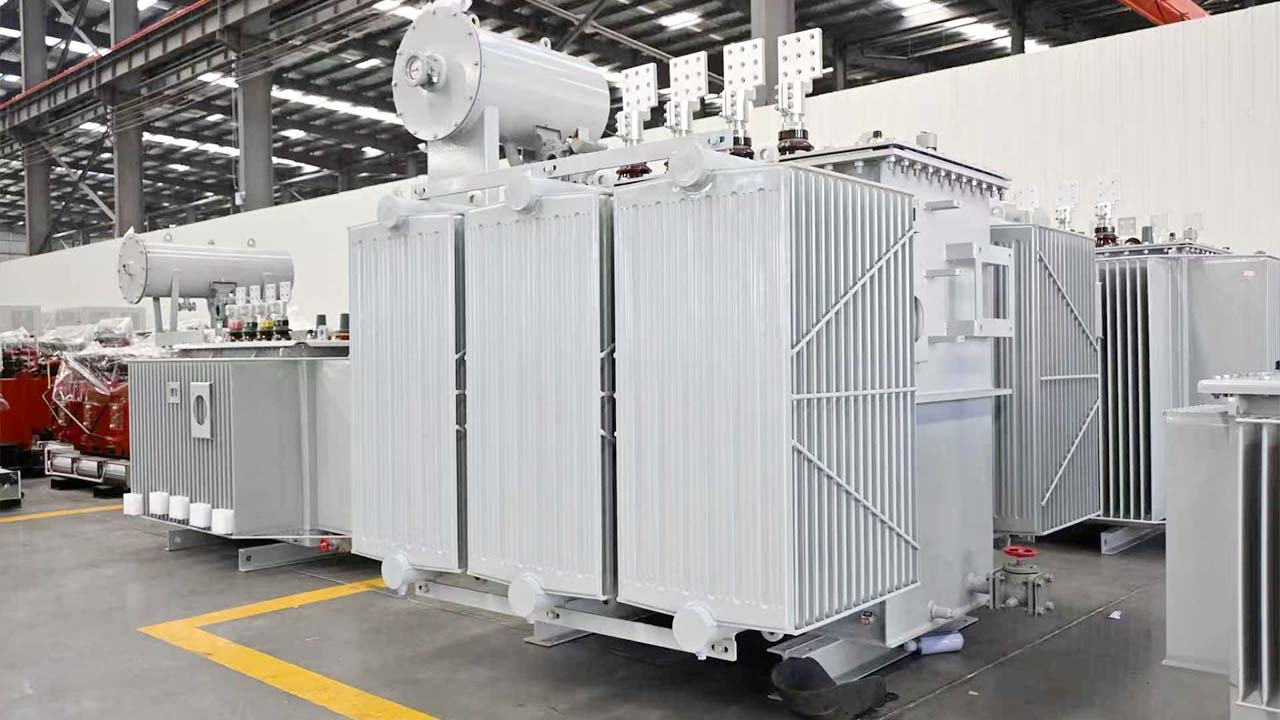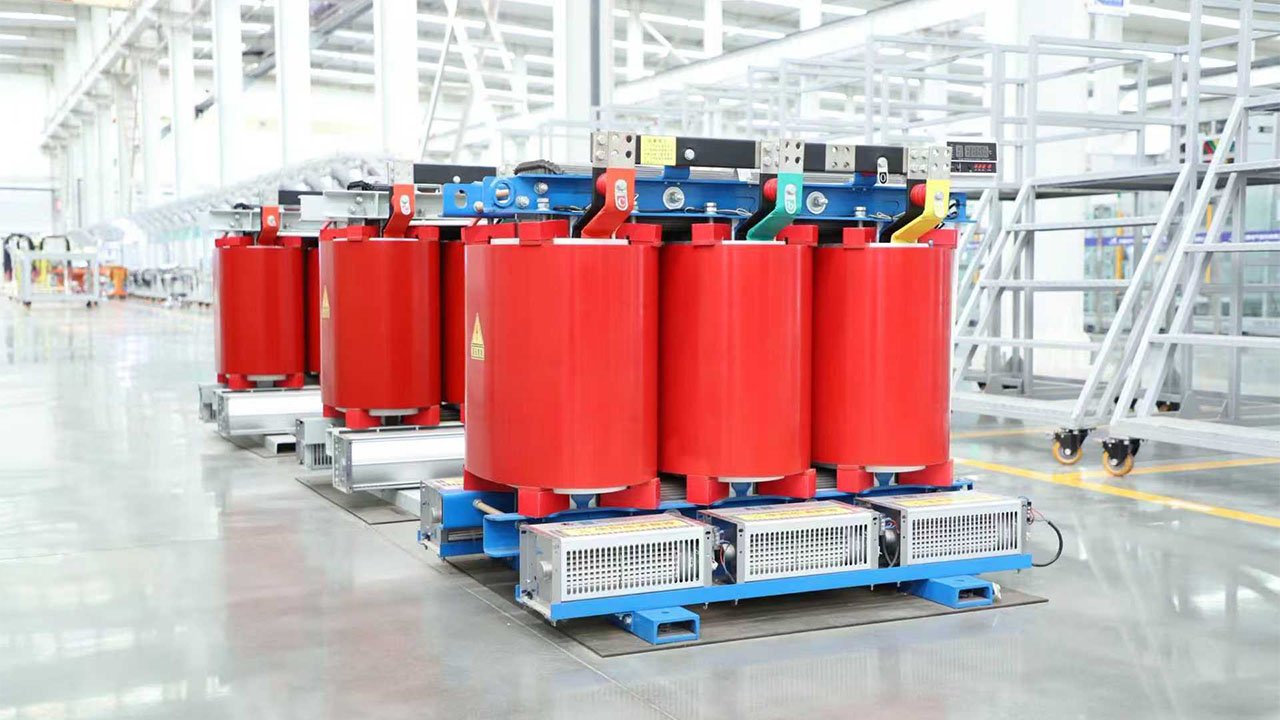
In the design of power distribution systems, the question “what is the difference between Switchgear and Switchboard” is often very confusing during engineering selection. In many projects, the risk is not due to the quality of the equipment, but rather to a lack of clarity about the roles of both in the system during the design phase, resulting in improper selection of voltage levels or standards.
This article focuses on selecting Switchgear vs Switchboard from the perspective of power system structure and engineering applications. It illustrates their respective functional roles and how they cooperate in the same project, helping you make clearer and actionable decisions during the design and selection stage.
Switchgear & Switchboard Overview
What is Switchgear?
The main duty of Switchgear is to control, protect and isolate the power system. It is usually used in medium or high voltage systems, and when a system fault occurs, it can quickly cut off the circuit to prevent the fault from expanding, and at the same time provide safe isolation conditions for overhaul and maintenance.
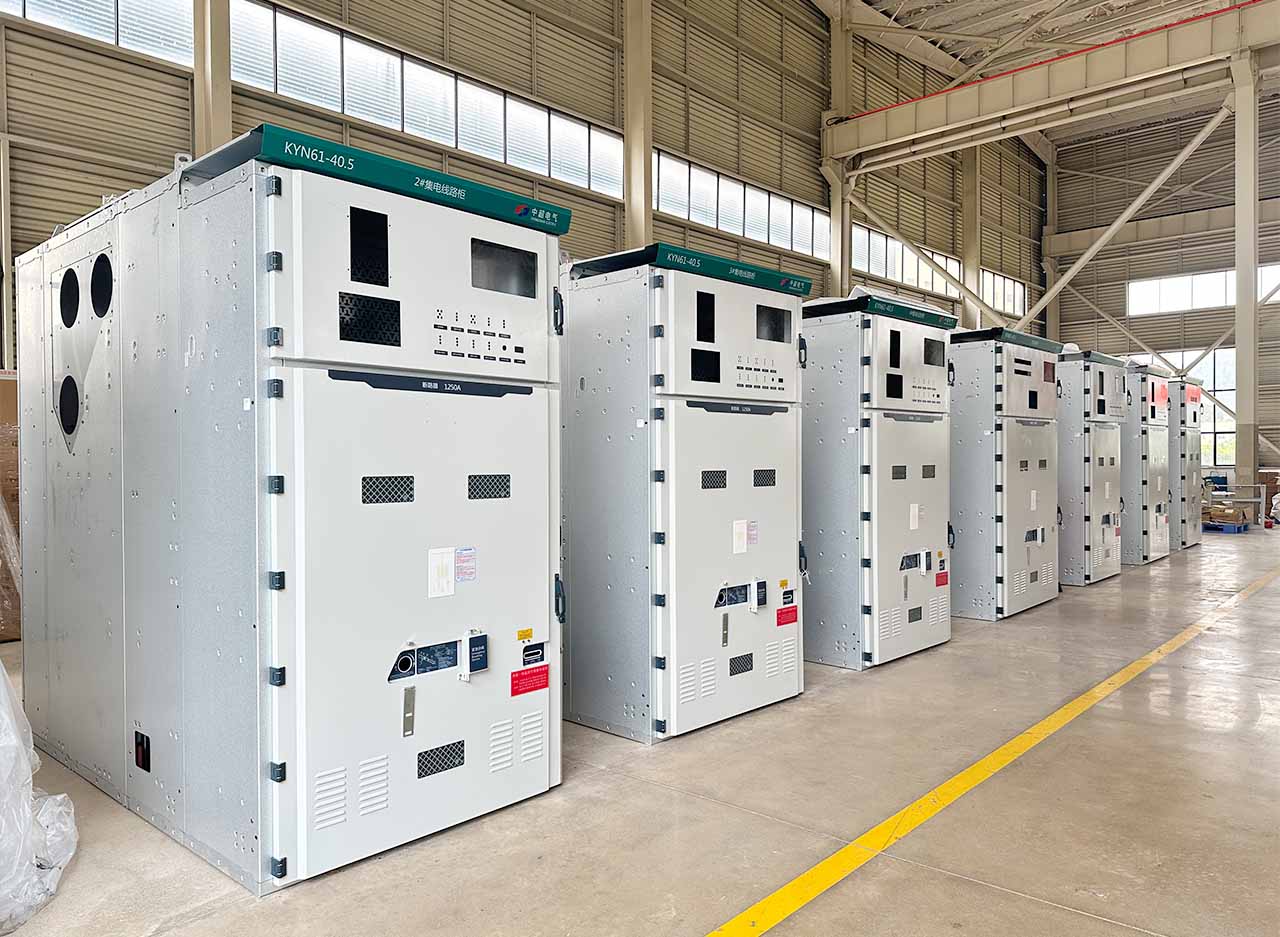
In terms of structure, Switchgear generally consists of circuit breakers, disconnecting switches, relay protection devices and measuring units, and according to different application environments, it can adopt air-insulated (AIS), gas-insulated (GIS) as well as metal armored or withdrawable structures.
Since this type of equipment is directly related to the safety of the system and personnel, and requires a high level of reliability, it is mostly used in substations, industrial projects, power grid systems and new energy grid connection scenarios.
What is Switchboard?
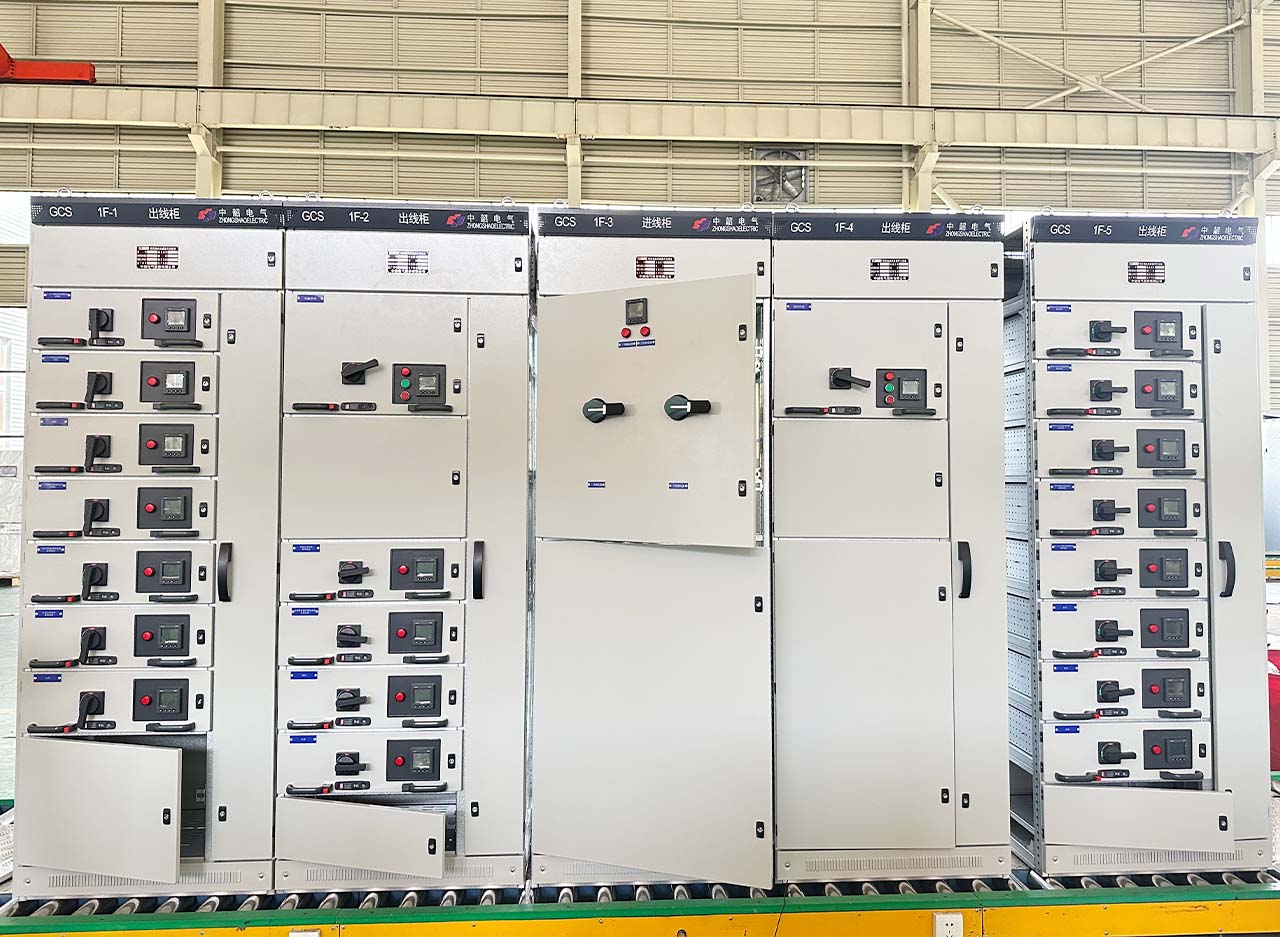
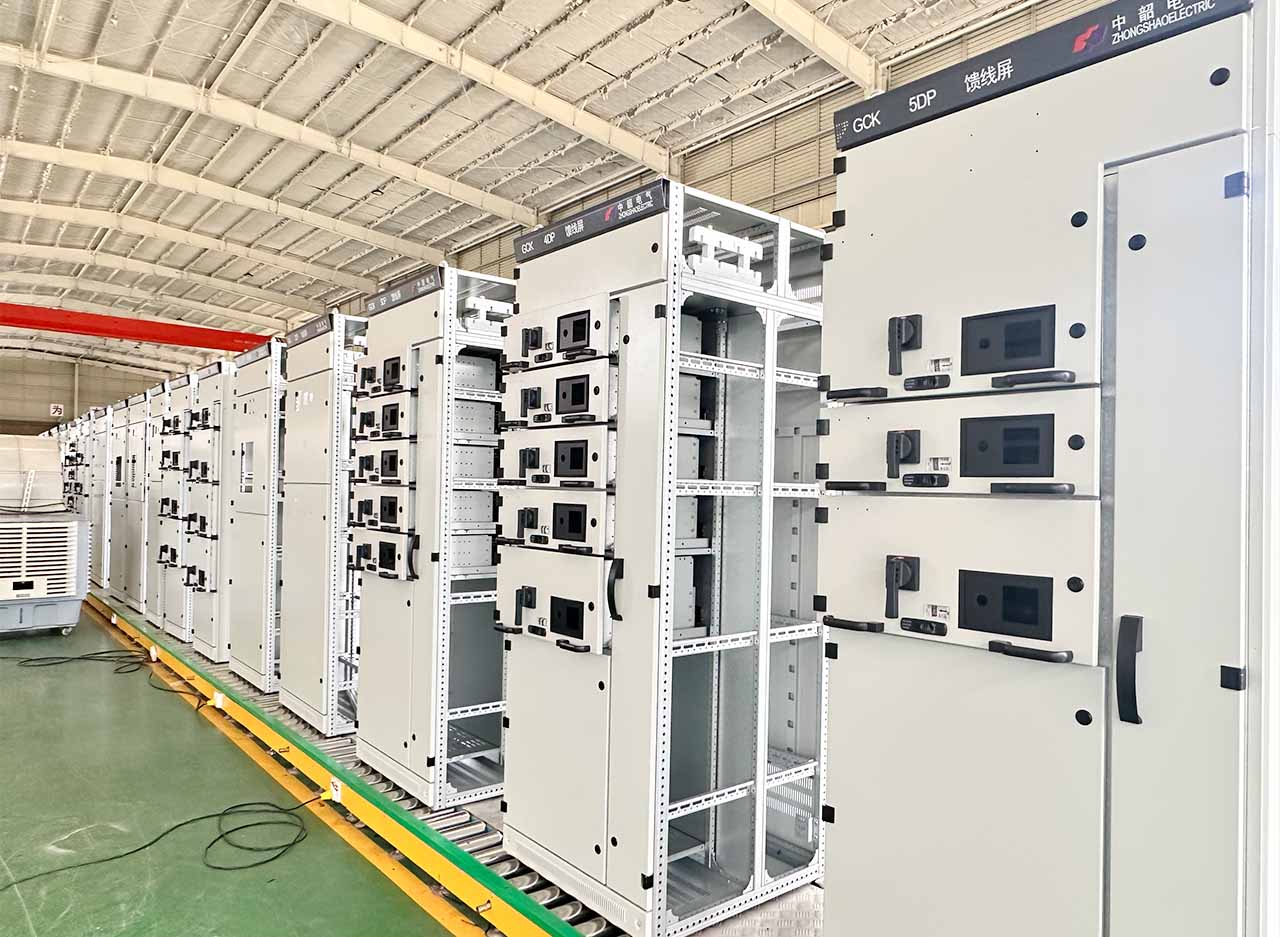
Unlike Switchgear, Switchboard focuses on power distribution and mainly serves low-voltage systems with voltage levels not exceeding 600 V. Its role is to distribute power to various load circuits in accordance with the design requirements, and it has a relatively simple structure, with its protection functions mainly focusing on basic protection.
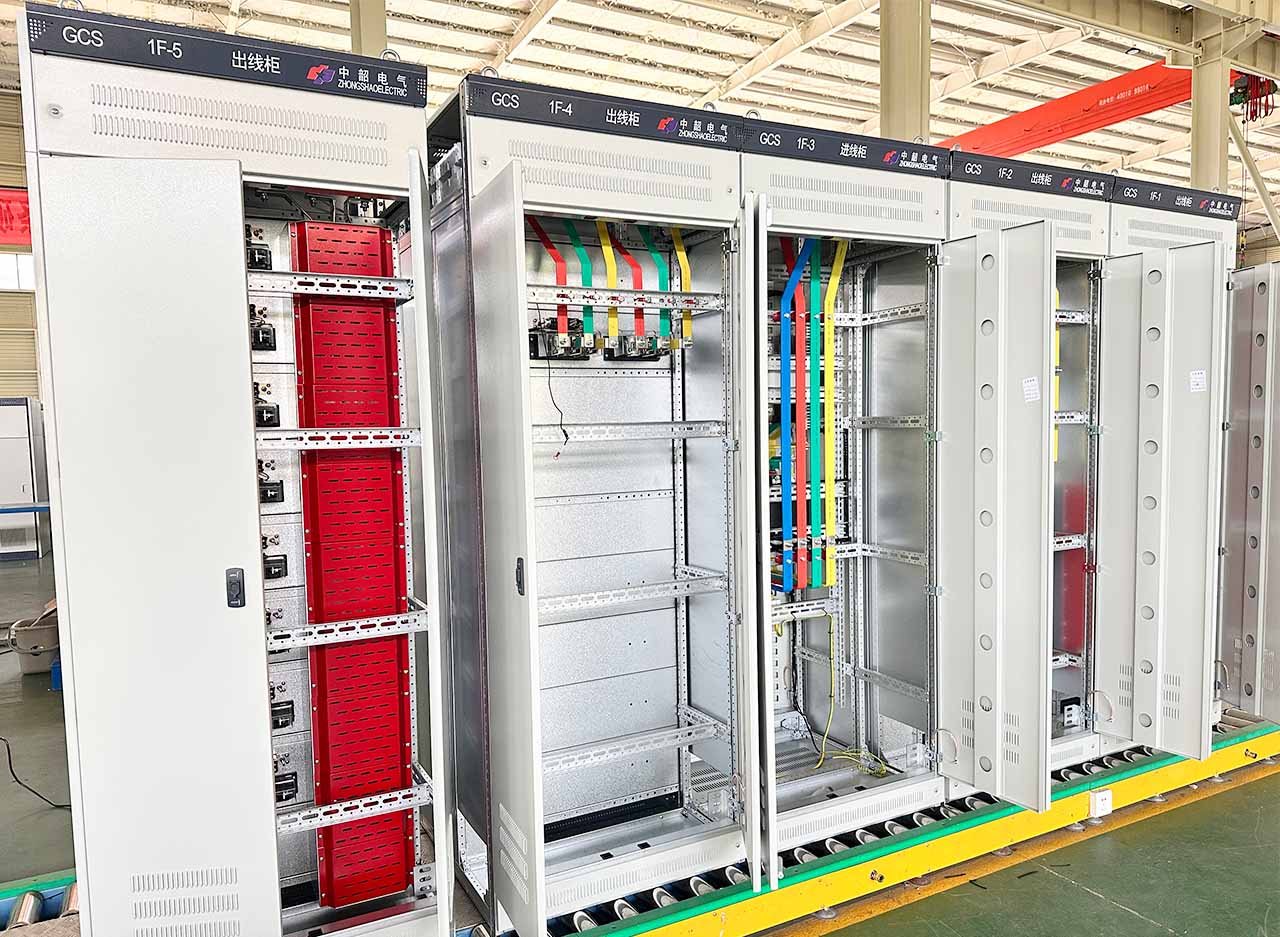
In practice, Switchboards are often composed of MCCBs, ACBs and busbar systems, and usually appear in the form of main distribution cabinets (MDBs), sub-distribution cabinets (SMDBs) or low-voltage distribution cabinets. This type of equipment is commonly found in commercial buildings, general factories, and building-level distribution systems.
Switchgear vs Switchboard: Key Differences Table
| Aspect | Switchgear | Switchboard |
| Primary Function | Protection, control & isolation | Power distribution |
| Voltage Level | Medium & High Voltage | Low Voltage |
| Safety Level | High (interlocks, arc protection) | Basic |
| Circuit Breakers | Withdrawable / High-capacity | Fixed |
| Standards | IEC / ANSI / IEEE | IEC / UL |
| Maintenance | Safer, easier isolation | Often requires shutdown |
| Typical Applications | Substations, industry, utilities | Commercial & building systems |
When Should You Use Switchgear or Switchboard?
In most power projects, Switchgear and Switchboard are not separate devices, but exist together in the same power distribution system. They serve different stages of the system and work together to complete the entire process from power connection to end-use.
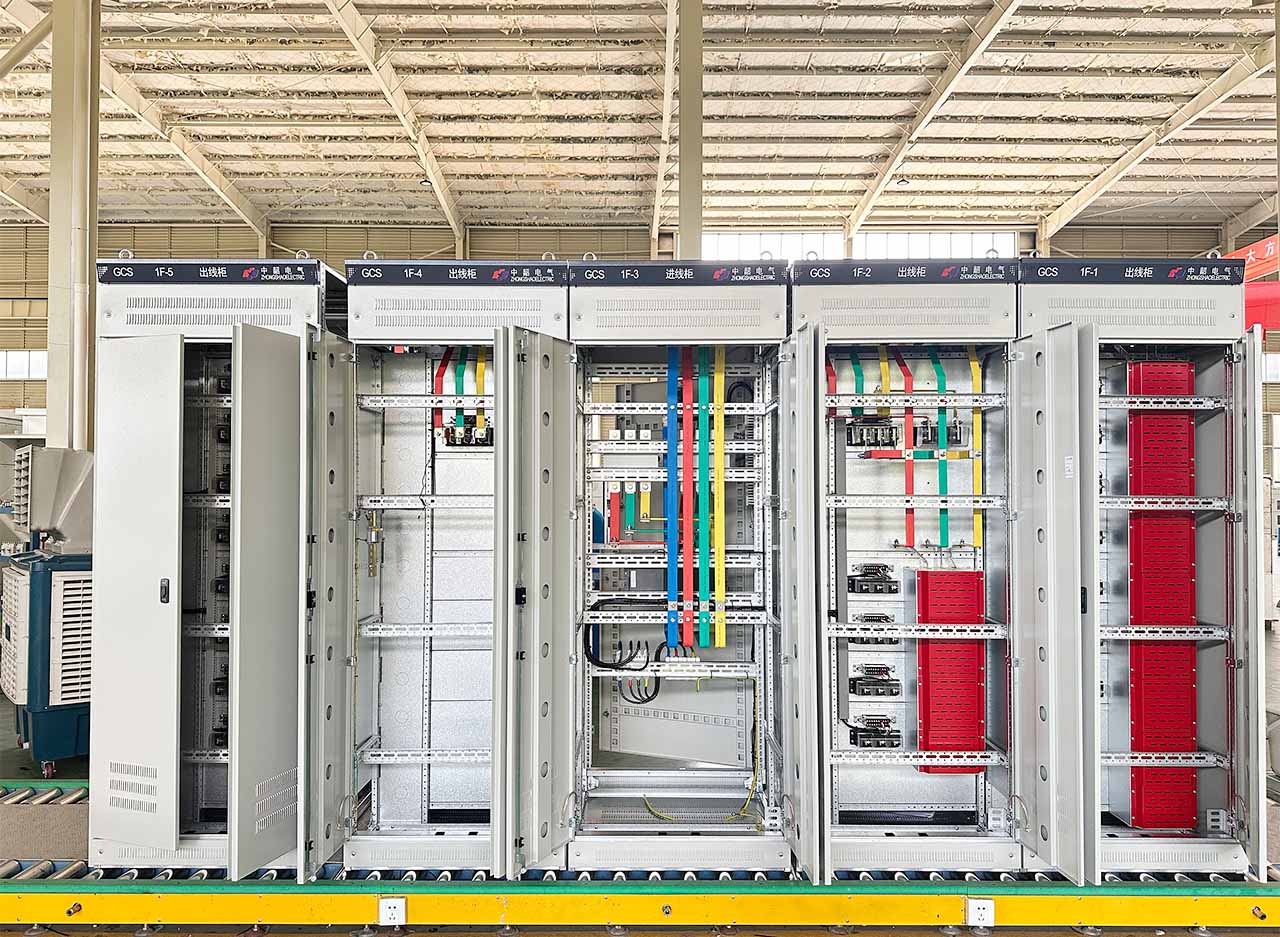
Switchgear: control and protection on the power side and at the system boundary
Switchgear is typically deployed upstream in the power system, at the power access point and at the system boundary.
The core tasks of this layer are:
- Rapid removal of short circuits in the event of a fault
- Isolation of the faulted section from the system
- Protection of downstream equipment and personnel
- Ensuring the overall stability and recoverability of the system
Switchgear is therefore a natural consequence of the design of the system and is not “optional” at the following locations:
- Utility grid or generation side Public grid or power generation side
- Substation primary or secondary side
- Medium voltage / high voltage busbar system
- Industrial parks, new energy project grid-connected location
In these locations, the voltage level is high and the short-circuit current is large. If the wrong type is selected, the problem will not be reflected in the “use it or not use it” choice, but may result in accidents that cannot be controlled.
Switchboard: Low-voltage distribution and circuit management for the load side
The Switchboard operates at the downstream distribution level of the system, where it receives the power that has been “safely derated” and distributes it to the various load circuits.
The concerns at this level are:
- Load tapping and loop management
- Controllability of power consumption and ease of maintenance
- Cost and space efficiency
Therefore, Switchboards are typically found in:
- LV distribution systems within buildings
- Production lines in factories, equipment zones
- End-of-line distribution in commercial and public buildings
This is where there is no longer a problem with the proliferation of high-energy faults, and where overuse of medium-voltage or high-level equipment would increase investment and O&M complexity.
How Switchgear and Switchboard Work Together?
In a complete power distribution system, the Switchgear and Switchboard are usually well defined and work in conjunction with each other. The system can be roughly divided into several successive segments: grid or generation side access, system level control and protection, voltage conversion, low voltage distribution, and ultimately load supply.
- The upstream link is handled by Switchgear
Power enters the upstream portion of the system from the grid or generation side. This segment has a high voltage and potentially high short-circuit currents, making it a high safety risk. To ensure safe operation of the system, equipment is needed that can quickly remove faults, isolate abnormal circuits, and provide interlocking. Switchgear takes on these responsibilities, limiting faults to a minimum when they occur and preventing accidents from spreading to downstream equipment.
- Transformers perform voltage conversion and functional demarcation
After being protected by the Switchgear, power is brought into the transformer to step down to medium or low voltage. The focus in this part of the process shifts from system safety to appropriate power distribution and usage. The transformer creates a functional separation in the system, with protection and control dominating upstream and distribution efficiency and load management focusing downstream.
- The low-voltage distribution phase is carried out by the Switchboard
On the low-voltage side of the transformer, or at the end of the distribution, the Switchboard is responsible for distributing power to individual load circuits, providing a stable power supply to the equipment, production lines, or functional areas of the building. The Switchboard’s design focuses on circuit layout, load matching, as well as ease of maintenance and cost control.
In the whole system, Switchgear and Switchboard form a clear division of responsibilities: Switchgear is responsible for safety control and fault isolation to ensure that the power enters the system safely; Switchboard is responsible for the orderly distribution of power to ensure stable power supply to each point of use.
It is this upstream and downstream division of labor that enables the power system to achieve a balance between safety, reliability, and long-term operating costs.
FAQ
Is Switchgear always safer than Switchboard?
The safety of a device depends on a number of factors such as voltage level, short-circuit capability, protection mechanisms and the environment in which it is installed.
In medium and high voltage systems, the Switchgear is usually well equipped with fault removal and interlocking features, so it is indeed safer in this environment. However, in low voltage systems, the Switchboard can also meet safety requirements as long as it is installed according to specifications.
The real risk lies in the mismatch between the equipment and the system conditions, not in the type of equipment itself.
Why do some projects pass acceptance with Switchboard, but then have frequent problems later?
Acceptance tests usually only check whether the equipment complies with the rated parameters and do not take into account the actual operating conditions. Short-circuit currents, frequent operation, and environmental factors can magnify differences in equipment design over time.
Switchboards that are barely functional are more likely to encounter problems under abnormal operating conditions or after extended use.
Is Switchgear suitable for low voltage systems?
Technically, Switchgear can be used in low voltage systems. However, this may not always make sense in an engineering context. Using Switchgear in low voltage environments increases purchase and maintenance costs without significantly improving safety or functionality.
Therefore, engineering design emphasizes that “equipment should be adapted to the needs of the system” rather than “the higher the rating, the better”.
Does the label “Switchgear Panel” in the project drawings always refer to medium voltage equipment?
Not necessarily. In different countries and design systems, the term “Switchgear” is sometimes used in a generalized way and may refer to either medium voltage switchgear or simply as a customary term for low voltage switchgear.
Therefore, it is important to check the rated voltage, the implementation standard, and the internal configuration of the equipment rather than rely on the name alone.
What is the difference in maintenance between Switchgear and Switchboard?
Switchgear usually requires specialized maintenance personnel and strict procedures to be followed. Its modular design and comprehensive protection mechanisms allow for clear fault localization.
In contrast, Switchboard is relatively simple to maintain, but has limited isolation and recovery capabilities in the event of a serious failure, which may have a greater impact on the continuity of system operations.
Final Thoughts
In power engineering, the key to selection lies in understanding the role of each type of equipment in the system. Switchgear and Switchboard each perform specific and irreplaceable tasks. Correctly distinguishing and rationally selecting these two types of equipment can improve the safety and operational reliability of the system. It can also reduce additional maintenance and retrofit costs for the project.
If you work with an experienced power distribution equipment manufacturer like Zhongshao at the beginning of a project, they can provide professional selection advice based on the overall needs of the system. This helps engineers avoid later risks at the source and ensures that the project operates stably while complying with all relevant technical and safety standards.