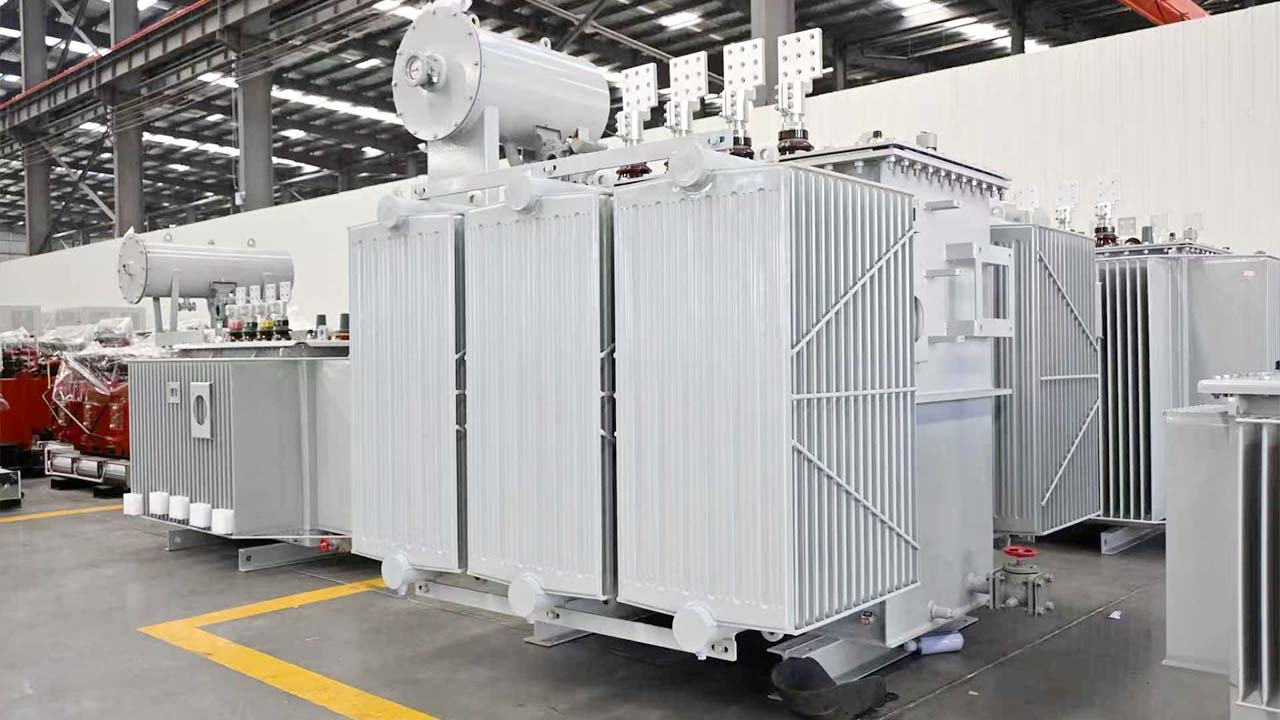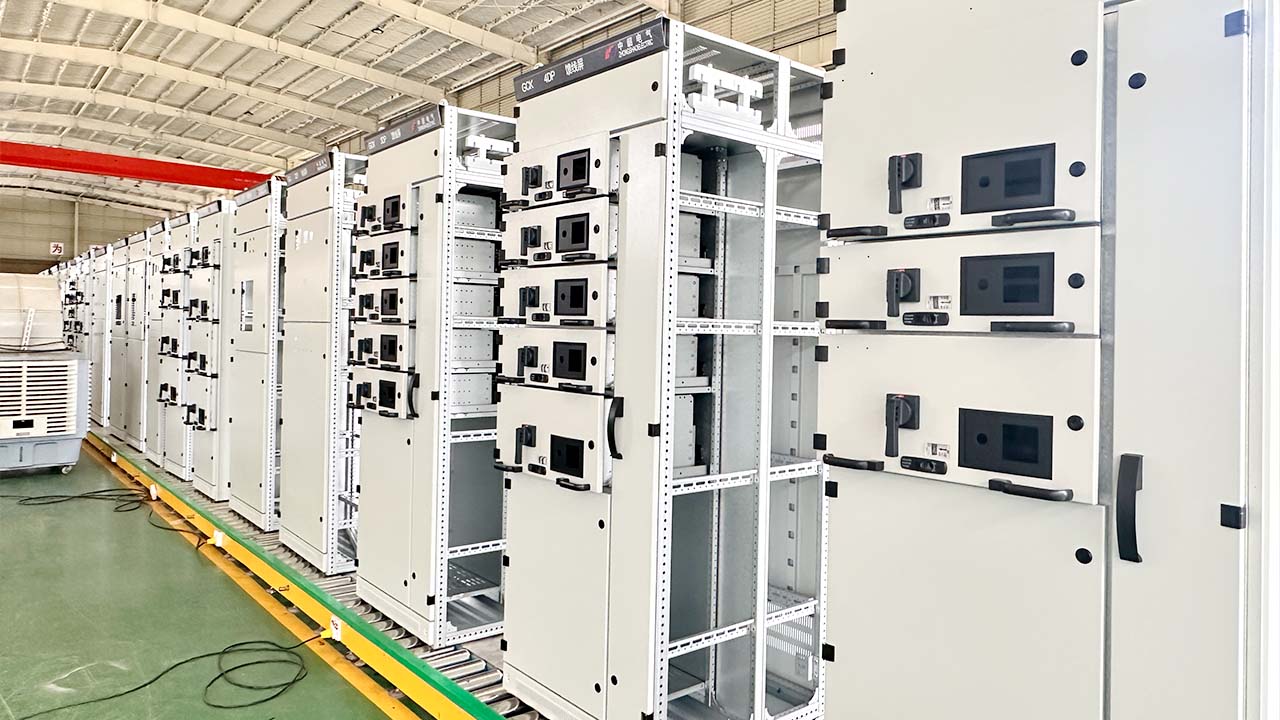
In the electrical project, overvoltage is one of the most harmful risks to affect the system safety and equipment lifespan. The surge arrester and lightning arrester are two commonly used protection devices, while featuring many differences. This article will introduce main differences between the two types of arrester to help you make a suitable purchase decision.
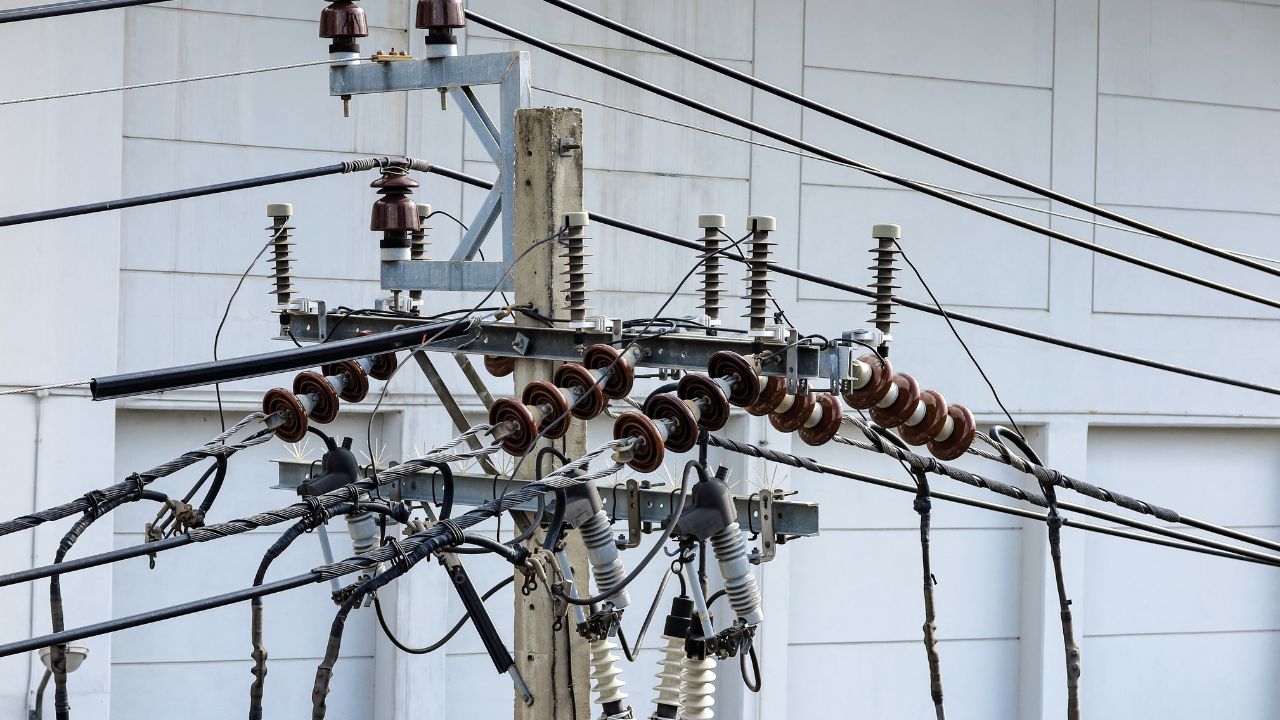
What is Surge Arrester
A surge arrester, also known as a surge protective device(SPD), is mainly used to limit transient overvoltages and divert surge energy to ground. It works based on the nonlinear resistive elements, such as MOV, to protect electrical devices or systems from damage caused by short-duration, high-amplitude overvoltages. When voltage exceeds the set threshold, the high resistance of the surge arrester will drop rapidly to direct the voltage power into grounding systems. Its fast response is very suitable to handle frequent energy surge issues with low-to-medium energy levels.
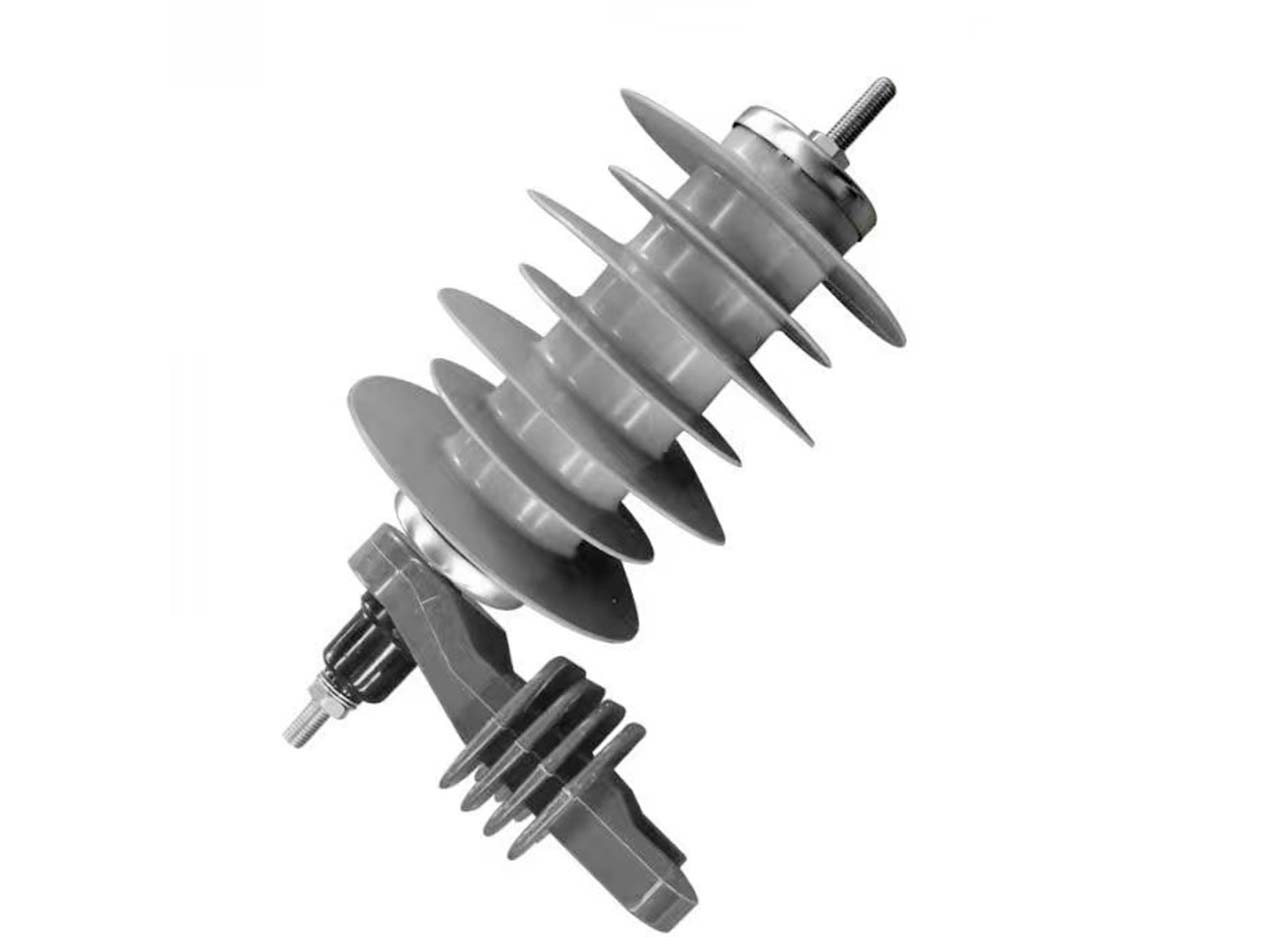
What is Lightning Arrester
Unlike the surge arrester, a lightning arrester is mainly used for grid systems with medium or higher voltage levels. The lightning arrester typically employs MOA structure, which does not have a series discharge gap. Under normal system voltage conditions, leak current of the lightning arrester is extremely low. While when lightning overvoltages occur, the lightning arrester supports diverting high-energy lightning currents into the grounding system. In this process, the arrester also limits system voltage within a range that the equipment insulation can tolerate to ensure safety.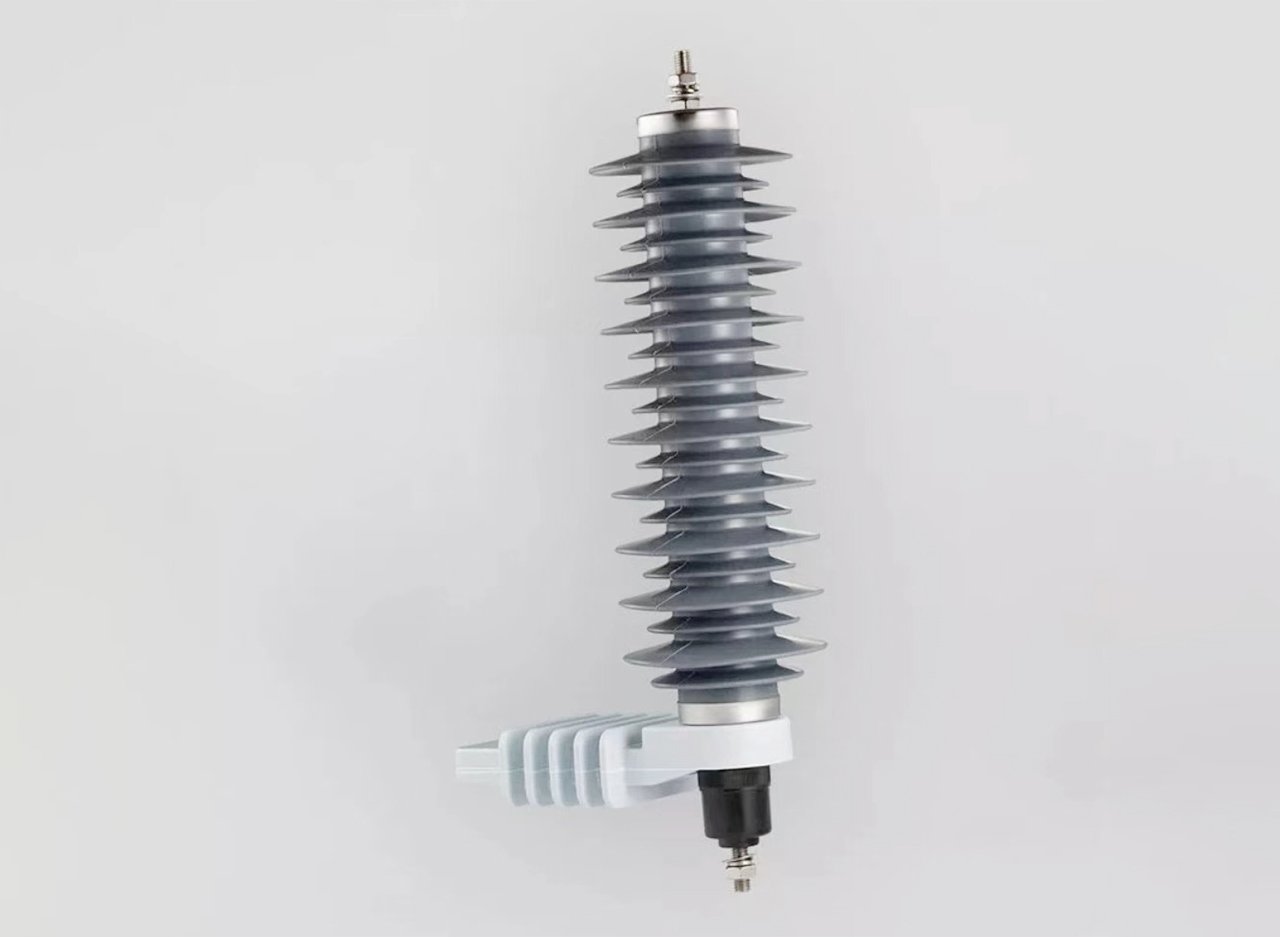
Difference Between Surge Arrester and Lightning Arrester
Protected Object
- Surge Arrester: The surge arrester is mainly used to suppress the transient overvoltage, which is generated by grid operations, surge voltages, capacitor switching, and load start-up/shutdown. This type of overvoltage features high frequency of occurrence, short duration, and limited energy per occurrence. It may cause extremely high harm for the electrical units if the system lacks effective protection measures. A proper surge arrester is helpful to handle these transient overvoltages.
- Lightning Arrester: Compared to the surge arrester, the lightning arrester is more suitable for handling overvoltages caused by lightning, especially the direct lightning strikes or lightning surge waves. Differ from ordinary surges, the lightning overvoltage features higher energy and an extensive impact range, which poses a serious threat to transformers, switchgears, and insulation systems. Although the lightning arrester offers a relatively low incidence rate, it may lead to serious failures in transformers, switchgears, and even the entire circuit due to its high destructiveness.
Installation Location
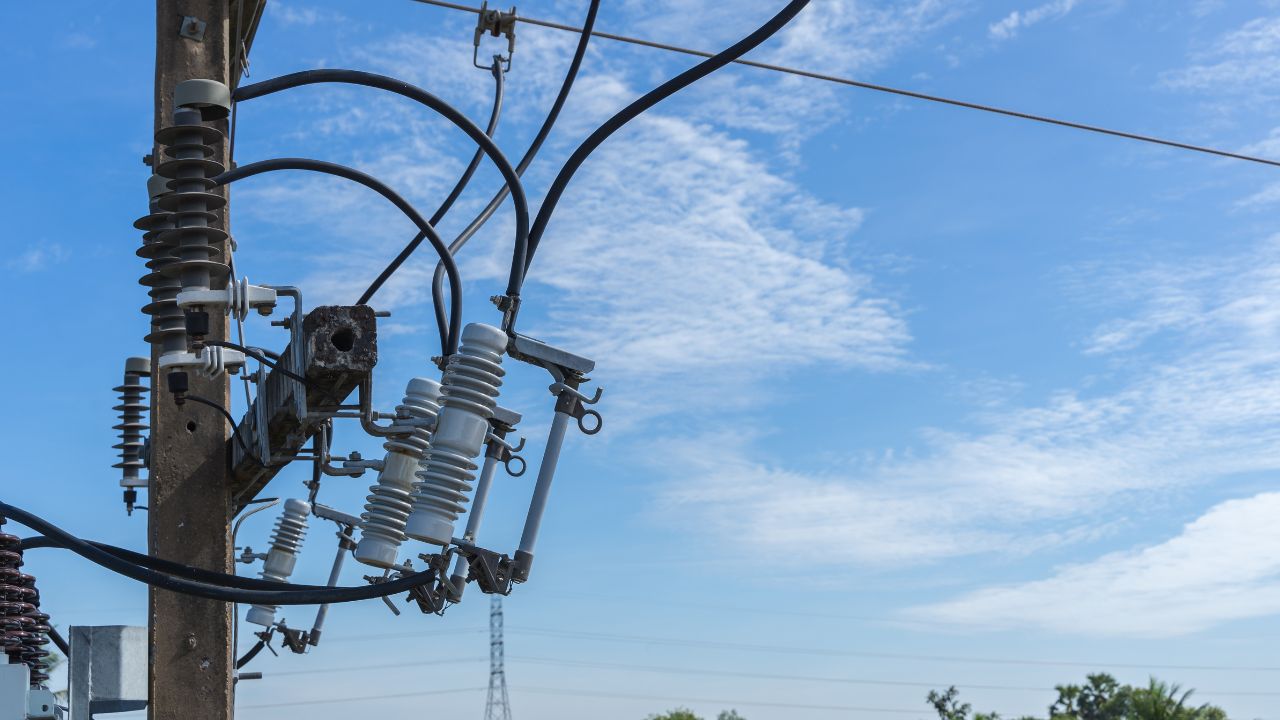
- Surge Arrester: In actual applications, the surge arrester is typically used to decrease residual overvoltages as a final or intermediate grade of protection. Thereby it is primarily installed in the low-voltage distribution cabinet or panel, power inlet, and the front end of control cabinets, PLCs, or communication systems. However, the protection range of a surge arrester is relatively limited.
- Lightning Arrester: Compared to a surge arrester, the lightning arrester features a more wide protection range to block lightning energy from entering the electric system. It is generally installed in the busbar side or line side of substations, high-voltage side of transformers, and more similar areas. Different installation locations determine the protection range of the lightning arrester, you should ensure it can meet actual demands.
Typical Applications
- Surge Arrester: The surge arrester is suitable for key loads that have high demands on electrical energy quality and reliability. They include the industrial control system, data center, distribution system of commercial buildings, and more.
- Lightning Arrester: For electrical basic devices that are located in the area with frequent lightning activity, the lightning arrester is more suitable to handle large energy levels. For example, it is widely used for transmission and distribution networks, substations and switching stations, wind power and photovoltaic installations, etc.
Applicable Voltage Level
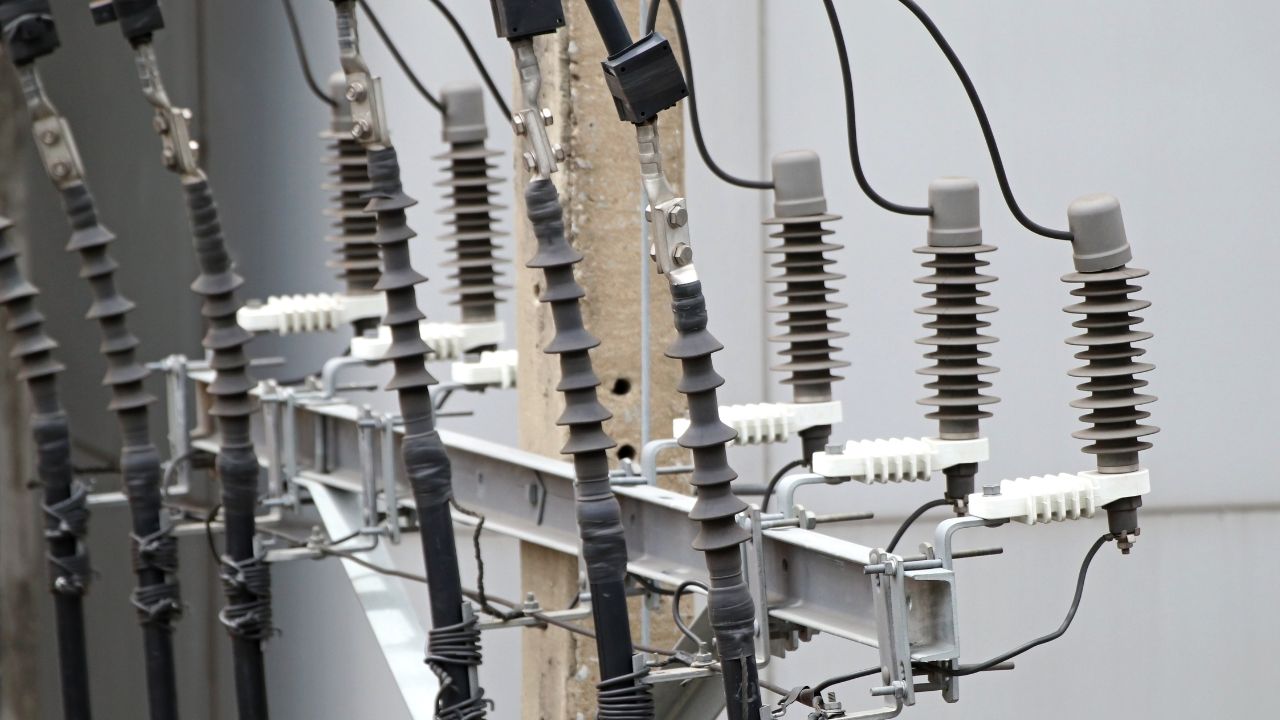
- Surge Arrester: In general, the surge arrester is located at the end of the power distribution system or on the equipment side. It is a type of precise protection device that is close to the load, and is typically used for low pressure systems and part of medium pressure systems. The surge arrester is designed to protect end devices rather than the entire power network.
- Lightning Arrester: The lightning arrester is mainly deployed in medium voltage or higher systems as a grid-level or system-level protection device. It is typically used for firstly defense against lightning strikes within the electrical system. This means the surge arrester is responsible for equipment protection, while the lightning arrester focuses on system protection.
Energy Tolerance Capacity
- Surge Arrester: The two types of arresters feature significant differences in the capacity of handling energy. The surge arrester can withstand frequent and medium-level impacts of surges, offering good performance on rapid response and long-term stability. However, its resistance capacity for the impact current and energy level within a single time is limited.
- Lightning Arrester: The lightning arrester is made of materials with good performance on energy absorption and thermal stability. It supports withstanding the impact of extremely high-amplitude lightning currents. The lightning arrester can discharge large amounts of lightning energy in a short time without any failure or rupture, while also ensuring safety. This is also a reason that you cannot simply employ a surge arrester to substitute a lightning arrester.
How to Choose Between the Surge Arrester and Lightning Arrester
When choosing between the surge arrester and lightning arrester, you should based on the actual system structure, overvoltage source, protection target, and other factors to make the decision. The following are common factors for your reference:
System Voltage Level
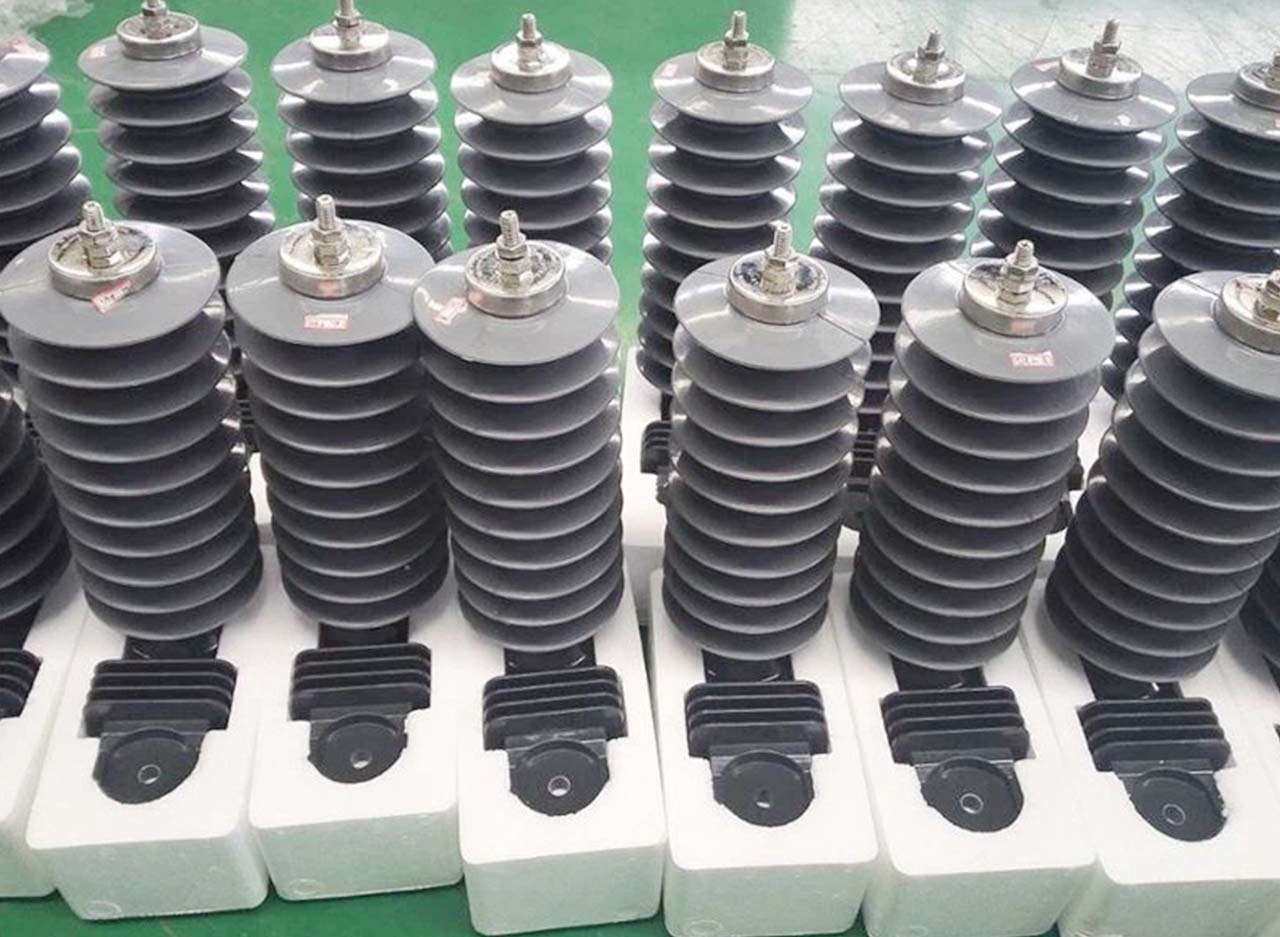
Before making the purchase decision between the two types of arrester, you should firstly consider the system voltage level to ensure the equipment you choose can withstand certain energy. For medium-pressure or higher systems, such as transmission lines, substations, and the high-voltage side of transformers, a lightning arrester is more suitable. It can withstand while also dissipating high-energy lightning strikes. A surge arrester is more suitable for the low-voltage distribution and terminal equipment side.
Sources of Overvoltage
According to the sources of overvoltage in different projects, you can determine the threat source to choose a more safe equipment. If your project is located in an area with frequent lightning activities, then a lightning arrester can solve the lightning intrusion issue for you. While for systems that require frequent switching operations and significant load fluctuations, the surge arrester is more useful to protect important electrical equipment.
Protection Requirements
Different electrical equipment have different demands on the protection levels due to their unique importance and sensitivity. For core devices such as transformers, GIS, and switchgears, a lightning arrest can be used for them to prevent insulation breakdown and systemic failures. While for PLCs, variable frequency drives, instruments, and other similar devices, it is easy to cause failures or false actions. You can choose a suitable surge arrester to solve the issue. In critical load scenarios, it is common to employ the combination of a front-end lightning arrester and an end-point surge arrester to achieve protection.
Installation Conditions
You should also analyze the installation and grounding conditions to determine the final decision. The lightning arrester has higher demands on grounding systems than the surge arrester to ensure the lightning current can be discharged to ground safety and rapidly. While for the surge arrester, the improper grounding system may cause high residual voltage, thereby decreasing protection effects. You should consider the actual installation conditions such as on-site ground resistance, grounding grid structure, and more.
FAQ
Can the surge arrester protect against direct lightning strikes?
A: Absolutely not. The energy caused by direct lightning strikes far exceeds the discharge capacity of a surge arrester. If you expose the surge arrester below direct lightning strike currents, it can be instantly destroyed and may cause a fire. This type of protection device is mainly designed to handle indirect and conducted surge energy. While the direct lightning strike must be handled by an external lightning protection system.
Why is my equipment damaged in a thunderstorm without being directly struck?
A: It is typically caused by “inductive lightning” or “conducted surges.” The electromagnetic pulse generated by lightning strikes will induce high voltage within conductors. In addition, the lightning current can also conduct to your electrical lines through public grids. This type of surge voltage is sufficient to break down equipment insulation. You can install a surge arrester to divert overvoltages to ground rapidly, thereby achieving protection.
How to determine key parameters when selecting a surge arrester?
A: When selecting a suitable surge arrester for your electrical project, you should focus on its core parameters. For example, the maximum continuous operating voltage of a surge arrester must exceed the actual voltage of the local power grid to prevent failures or damages during long term use. While its voltage protection level should be lower than the voltage resistance level of protected equipment.
What is the difference in grounding requirements between the surge arrester and lightning arrester?
A: The surge arrester requires short(<0.5 m), straight, and thick grounding lines to rapidly establish equipotential bonding when the SPD activates. This type of grounding line achieves diverting surge current to the grounding grid with a minimum impedance. While the lightning arrester is equipped with down conductors to achieve grounding. It demands extremely low surge grounding resistance and multiple down conductors that are symmetrically arranged.
Final Thoughts
There are many differences between the surge arrester and lightning arrester, that you can choose a suitable one based on actual demands. As a professional electrical equipment supplier, ZHONGSHAO features mature production lines to ensure reliable product quality. If you have any questions about the two types of arresters, please feel free to contact us for customized solutions.