
Features of Substation Transformers
- Zhongshao’s substation transformers facilitate long-distance transmission of both low and high voltage.
- Zhongshao’s protective and voltage-regulating devices ensure more stable and efficient voltage conversion.
- Zhongshao delivers bespoke customisation solutions
- Zhongshao substation transformers comply with IEEE/ANSI/DOE2016/IEC standards
- Zhongshao holds over 100 patents in electrical equipment technology, materials, design and R&D
Professional Substation Transformers Supplier in China
Substation transformers ensure the stable transmission and distribution of electricity across diverse settings, encompassing industrial, residential, and energy premises. Should you be seeking suitable transformers for your substation, Zhongshao offers a diverse range of high-quality solutions and bespoke services. We welcome your enquiries at any time.
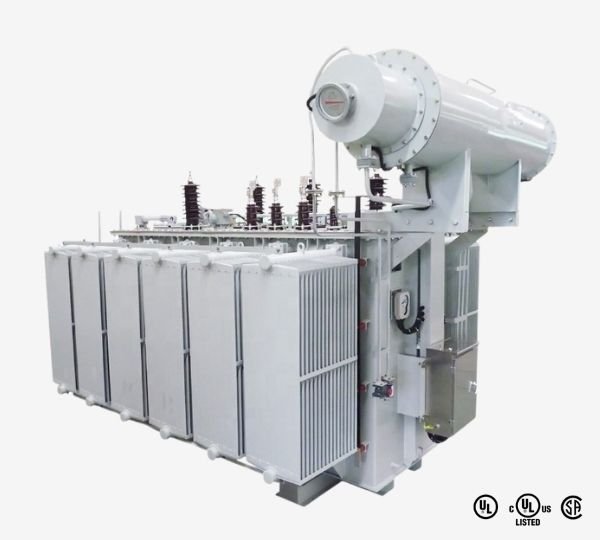
Autotransformer with great high-voltage capacity, has fully sealed construction that supports energy saving features.
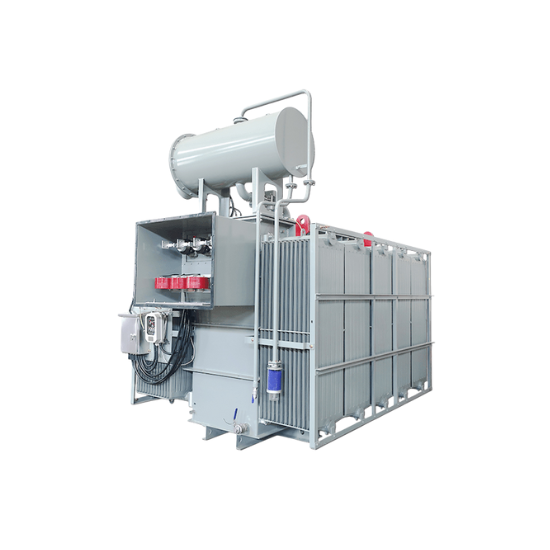
Widely applicable and functions well, Manufactured with high-efficiency and has great productivity.
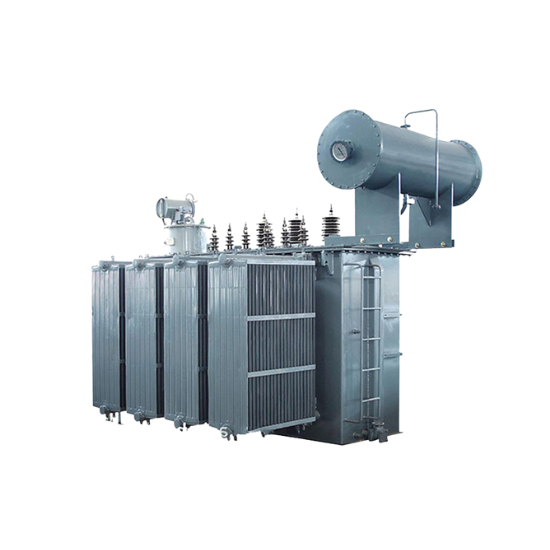
Oil-immersed equipment with heat dissipation perfect for high voltage and heavy duty power transmission.
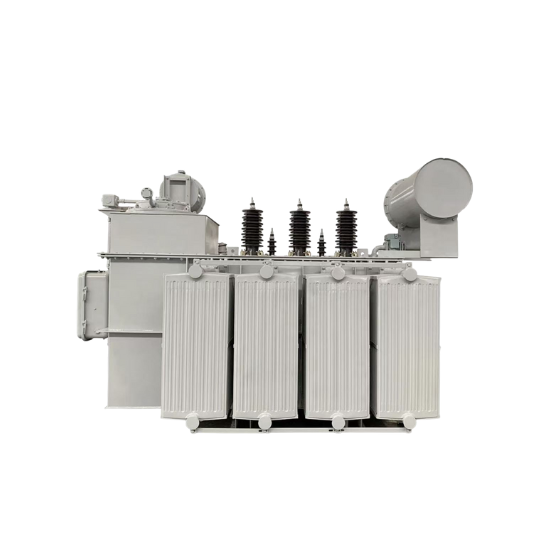
Manufactured to ensure great energy distributing advantage and withstands heavy duty power plant application.
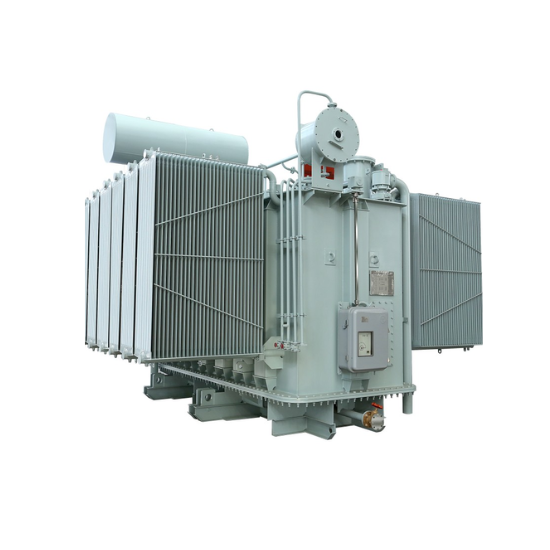
Fully sealed construction with energy-saving transformer, built with natural air cooling equipping the heat dissipation for more effective results.
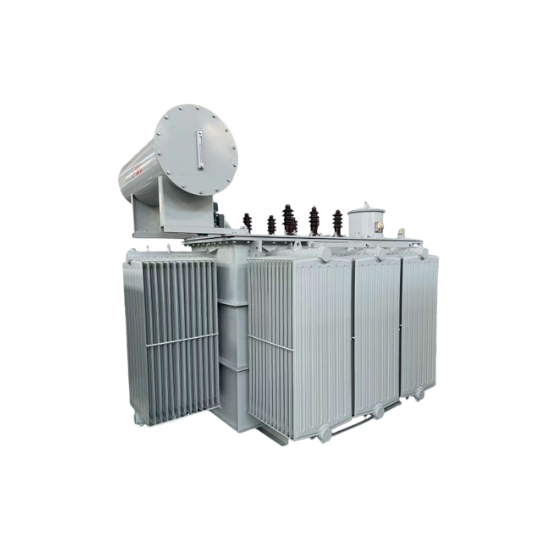
Energy conserving for power plants and equipped with high-quality and efficient heat dissipation that ensures less overload or mishaps.
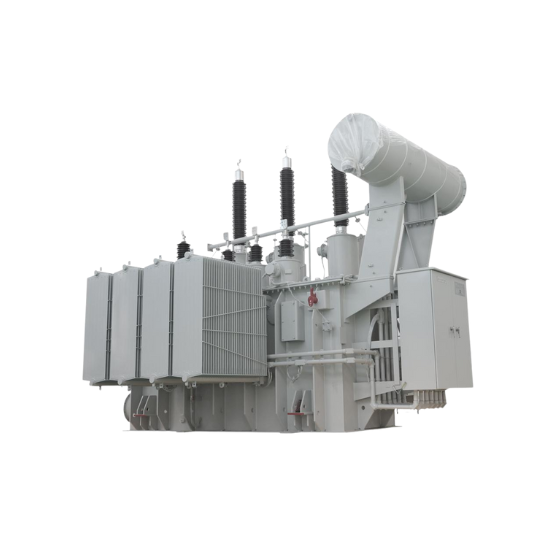
Durable material used to ensure high-voltage control and has responsive control. Available with voltage customization.
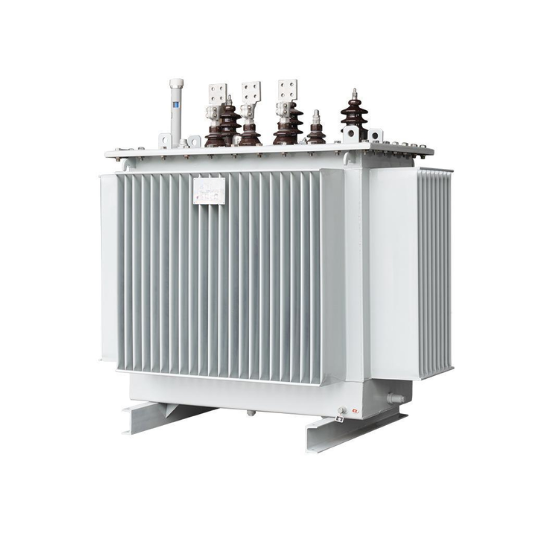
Has a reliable energy-saving feature and fast AC conversion, has a secure manufactured rating for safety measures.
What is a Substation Transformer?
A substation is a facility within the power system used to transmit, manage and distribute electricity generated by power stations to end-use equipment. It houses diverse components to fulfil this function. A substation incorporates various functional components, with transformers playing a role in altering voltage. Not only does it enhance the efficiency of long-distance power transmission, but it also ensures the safe and stable supply of electricity to users.
Function of Transformer in Substation

Voltage Conversion
The voltage-altering function of substation transformers manifests in two ways. It can either step up voltage to enable power transmission over extended distances, or step down voltage for safer distribution and utilisation.
- Transformers within substations step up voltage during transmission, converting electrical energy into high-voltage power. This enhances transmission efficiency and minimises transmission losses, enabling power delivery over greater distances.
- Upon arrival at the consumption area, high-voltage electricity cannot be directly utilised due to safety hazards and voltage mismatches with electrical equipment. Substation transformers reduce the voltage level of electricity transmitted to distribution substations. Following this voltage reduction, the electricity can be safely and reliably put into service.
Power Control and Distribution
Substation transformers can adjust voltage levels according to regional or operational requirements, thereby efficiently distributing electricity to various power systems. They ensure the stable operation of power systems and extend the service life of electrical installations.
Monitoring and Protection
To enhance the safety of electricity transmission, management and distribution processes, substation transformers have many monitoring components and protective devices. Monitoring components such as its SCADA system enable continuous real-time monitoring of current electrical conditions, guarding against short circuits, overloads, and similar faults. Upon detecting anomalies, it can promptly issue predictive alerts for you and coordinate with devices like circuit breakers to initiate emergency responses. This prevents fault propagation and minimises downtime.
Parts of a Substation Transformer
Core
The core in a substation transformer consists of laminated sheets, typically made of insulated steel material. Its primary function is to introduce a magnetic field and facilitate voltage transformation. Its laminated design minimises heat generation and energy loss, thereby enhancing voltage conversion efficiency.
Primary and Secondary Windings
Substation transformers feature primary and secondary windings wound around the iron core. The primary winding receives input electrical energy, while the secondary winding outputs electrical energy at different voltages as required. Both windings undergo insulation treatment and employ various connection configurations, such as delta or star. You may select the appropriate number of coils and connection scheme according to application requirements.
Cooling System
Transformers within substations generate heat during operation, which accumulates within the equipment. Overheating not only compromises transformer performance but may also precipitate power system failures. Consequently, a cooling system is essential to dissipate heat promptly, ensuring operational efficiency and extending the transformer’s service life. Both air-cooled and oil-cooled systems are available for selection according to your requirements.
Insulating Materials
The windings, core, and other components within substation transformers are all constructed from insulating materials. Furthermore, to protect the windings and core from short-circuit effects, transformers incorporate various insulating materials(solid, gaseous, or liquid) to enhance the safety of electrical transmission and distribution.
Transformer Oil
Transformer oil serves a dual purpose as both a coolant and an insulator. Enveloping the entire core and windings, it provides exceptional electrical insulation and arc-quenching properties while rapidly absorbing and dissipating the heat generated. Furthermore, the oil’s isolating action effectively minimises moisture ingress and oxidation reactions, thereby extending the operational lifespan of substation transformers.
Oil Tank and Oil Reservoir
The oil tank stores insulating oil, ensuring complete immersion of the core and windings. The oil reservoir provides expansion space for the oil, maintaining stable oil pressure to guarantee effective isolation of the core and windings.
Voltage Regulator
The voltage regulator is responsible for regulating the output voltage of transformers within substations, ensuring a stable voltage supply to achieve a safe electricity usage environment for you.
Enclosure
The substation transformer enclosure is constructed from robust materials, providing exceptional mechanical strength for internal components. It offers high durability and weather resistance, effectively shielding against external contaminants such as dust and moisture, thereby meeting your diverse application requirements.
Types of Substation Transformers

Step-up Substation Transformers and Step-down Substation Transformers
Based on their distinct voltage regulation functions within power systems, substation transformers may be further categorised as step-up substation transformers, step-down substation transformers and autotransformers.
- Step-up Substation Transformer: Primarily employed to elevate input low-voltage levels to high-voltage standards, thereby achieving reduced resistive losses and enhanced transmission efficiency. You can use them in long-distance power transmission projects.
- Step-down Substation Transformer: Step-down substation transformers reduce the input high voltage to a lower level. While high-voltage electricity is more conducive to transmission, it cannot be utilised directly. Step-down substation transformers adjust the high voltage to the optimal voltage level suitable for direct use by various electrical equipment.
- Autotransformer: An autotransformer employs a single winding rather than separate primary and secondary windings, thereby functioning as both a step-up and step-down transformer. Consequently, it offers a more compact design and lower cost for you compared to using multiple transformers for voltage conversion. However, it provides lower isolation and stability.
Single Phase Substation Transformers and Three Phase Substation Transformers
Depending on the type of current processed, substation transformers can be categorised into single-phase substation transformers handling single-phase alternating current and three-phase substation transformers handling three-phase alternating current.
- Single Phase Substation Transformers: Single phase substations are specifically designed for single-phase alternating current. They possess only one primary winding and one secondary winding, respectively responsible for voltage input and output. They possess lower load capacity and are more cost-effective, and you can choose them for your residential and small-scale industrial applications.
- Three Phase Substation Transformers: These transformers process three single-phase AC currents of identical frequency and voltage. They offer higher voltage capacity and balance three-phase power systems, delivering a more efficient and stable power supply. Consequently, they are the preferred transformers for your large substations, industrial, and commercial applications.
Oil-Immersed Substation Transformers and Dry-Type Transformers
The cooling methods for substation transformers also vary; you may select either oil-immersed substation transformers or dry-type substation transformers.
- Oil Immersed Substation Transformers: Oil immersed substation transformers utilise insulating oil for cooling. Owing to their superior cooling capacity, they are suitable for high-power, large-scale substations. However, they require greater maintenance, and you are best to choose them in outdoor substations.
- Dry Type Substation Transformers: Dry type substation transformers utilise ambient air for cooling. This makes them suitable for applications with stringent hygiene requirements, such as hospitals and indoor substations. However, they are susceptible to environmental factors like air temperature and humidity. You must install them in well-ventilated locations.
How to Select the Right Transformer for a Substation?
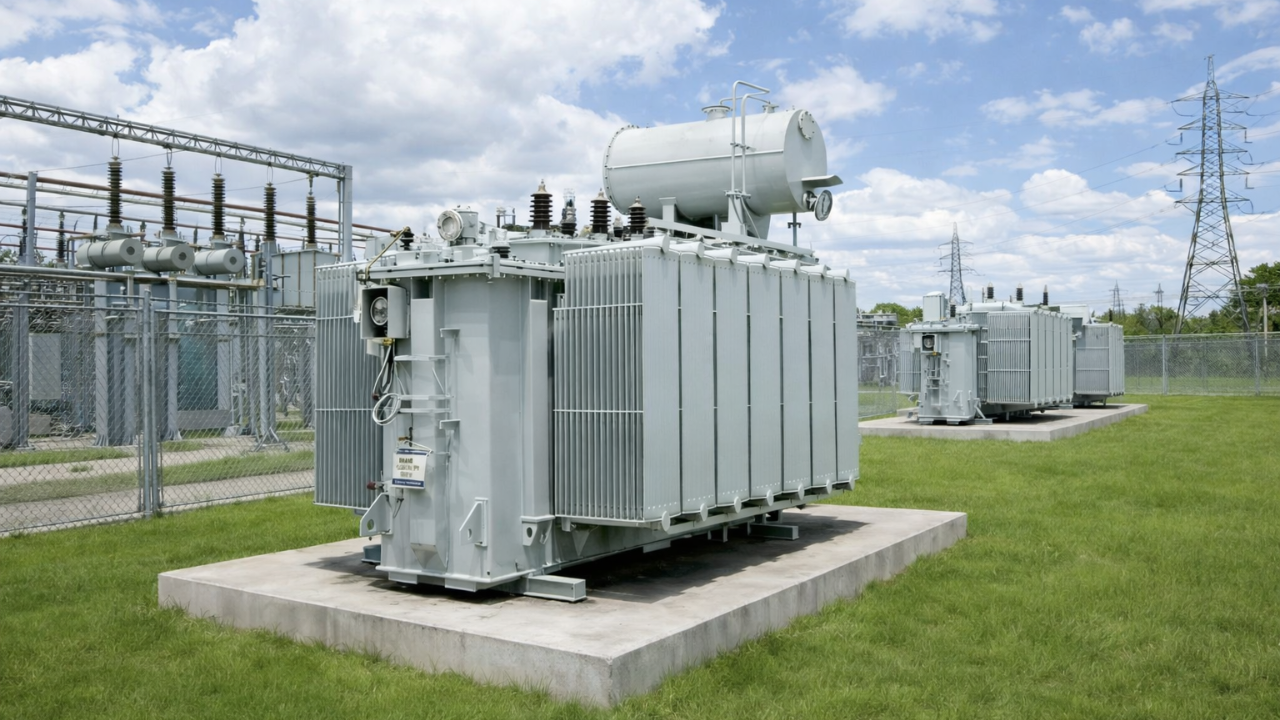
Selecting Voltage Levels and Transformer Capacity
You must first determine the required substation transformer capacity (in MVA or kVA) and voltage level (high or low voltage) based on current power system demands. Ensure the rated power meets your load requirements or incorporates redundancy. The primary and secondary voltages of the transformer must be selected to match the corresponding transmission and distribution voltage levels.
Selecting the Transformer Type
You must choose an appropriate type based on factors such as the type of alternating current, cooling requirements, and operating environment. For instance, oil-cooled substation transformers are suitable for outdoor installations and high-power applications.
Additional Considerations
Beyond parameters and type, if selecting for specialised environments (such as extreme cold, extreme heat, or corrosive conditions), you may consider specific or customised solutions. You can also equip substation transformers with various intelligent systems to achieve more efficient operation.
Substation transformers are used for different power transmission, conversion and distribution tasks within substations and distribution stations. They can be utilised across diverse industrial manufacturing and energy sectors.
Transformers within substations require routine visual inspections (such as for damage, leakage, and corrosion). Furthermore, you should engage qualified electrical personnel to undertake periodic maintenance tasks, including oil quality monitoring, inspection of cooling systems and electrical components, and load testing.
Substation transformers enable precise matching of power distribution, reducing energy losses. Moreover, you may opt for oil-free dry-type substation transformers to meet higher environmental standards.
You can equip substation transformers with various intelligent systems to achieve functions such as remote monitoring, operation, and automatic recording.