
Why Choose Our Single Phase Distribution Transformer?
- Rich production experience, with global transformer export volume exceeding 100,000 units.
- We have advanced winding and automated assembly technologies.
- Using high magnetic conductivity silicon steel sheets to reduce no-load energy loss.
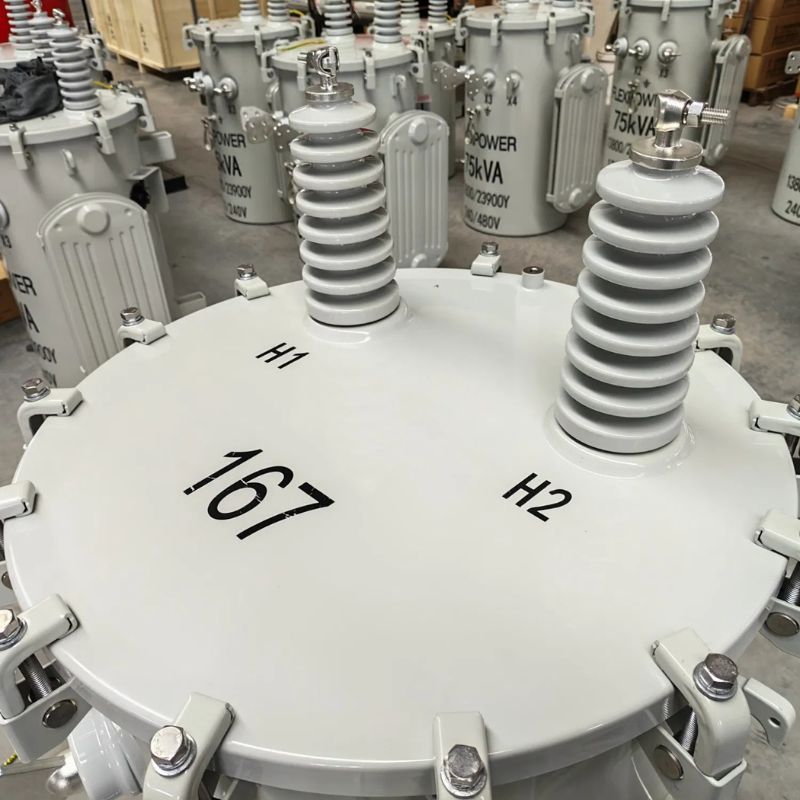
- Built-in high-voltage fuses and lightning arresters improve the power grid’s operation safety.
- The external manual tap changer can flexibly adjust voltage according to grid fluctuations.
- High temperature resistant insulation materials improve the lifespan of single phase distribution transformers under continuous heavy loads.
ZHONGSHAO - Your Reliable Single Phase Distribution Transformer Manufacturer in China
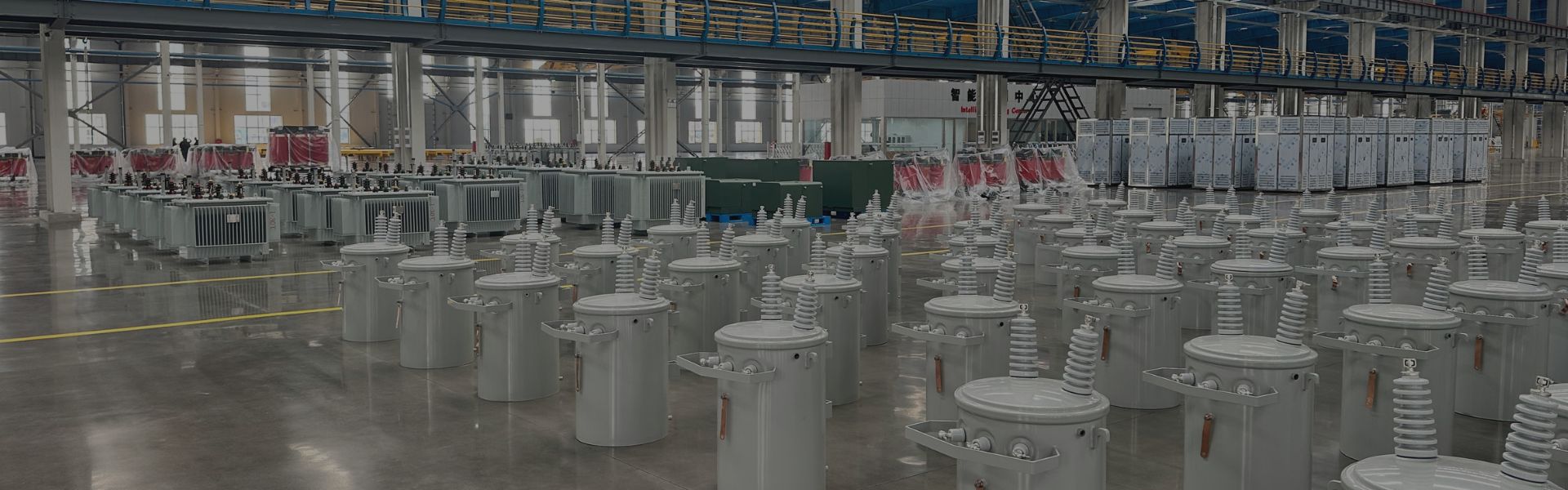
As a power equipment manufacturer with 15 years experience, ZHONGSHAO can provide you with high-quality single phase distribution transformers. From silicon steel slitting, coil winding to final assembly, all processes are carried out in our factory. We strictly control every production process.
We can provide you with standard single phase distribution transformers. We can also provide customized single phase distribution transformers according to the specific grid voltage and load fluctuation requirements.
Before leaving the factory, each single phase distribution transformer will undergo tests such as electrical performance and insulation strength. If you need single phase distribution transformers, please feel free to contact us.
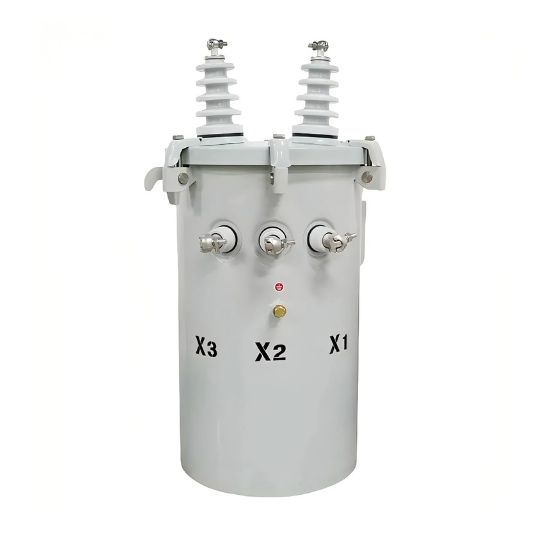
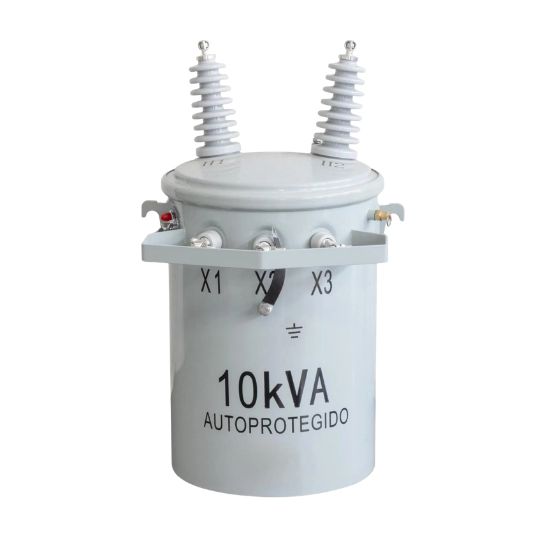
Used for overhead distribution networks, reduce the medium voltage to residential use, with a compact structure and easy maintenance.
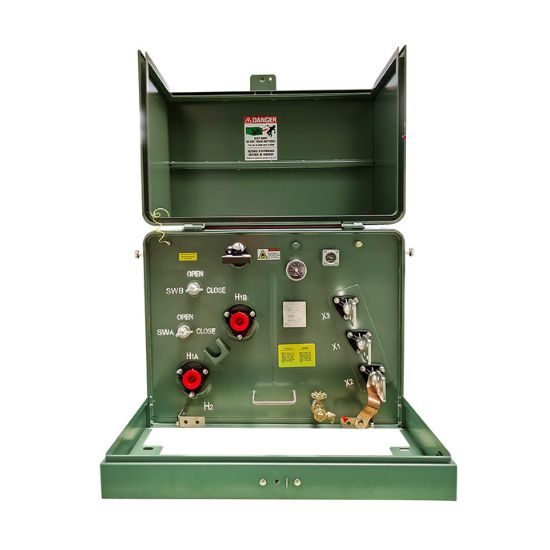
Ground mounted enclosed transformers, suitable for underground power distribution systems, provide a stable power supply for residential and commercial areas.
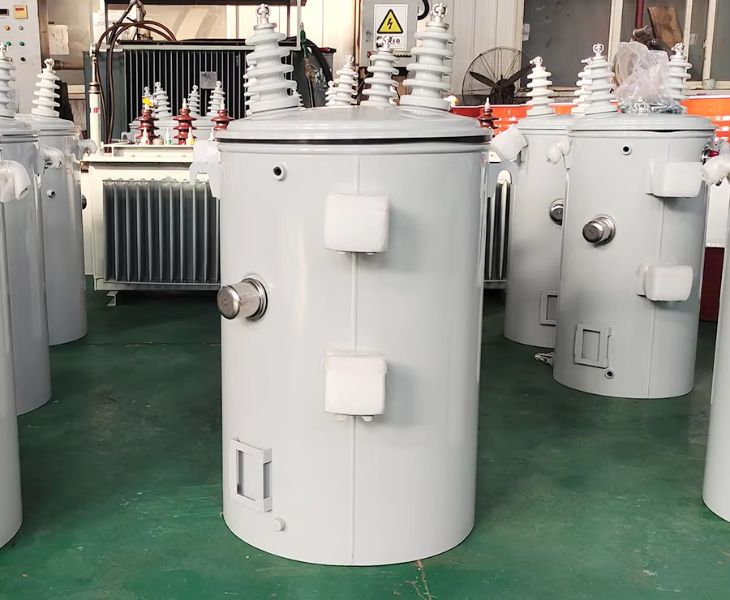
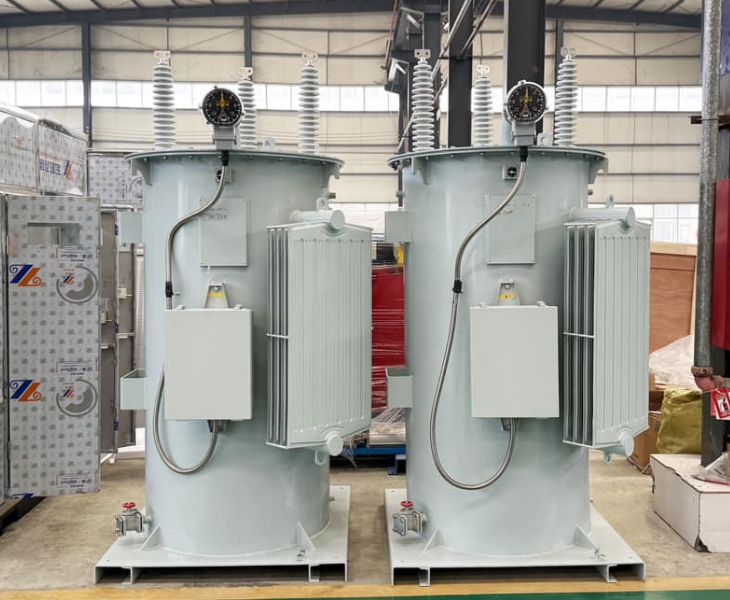
Using insulating oil for cooling and insulation, with good heat dissipation performance, suitable for long-term continuous operation.
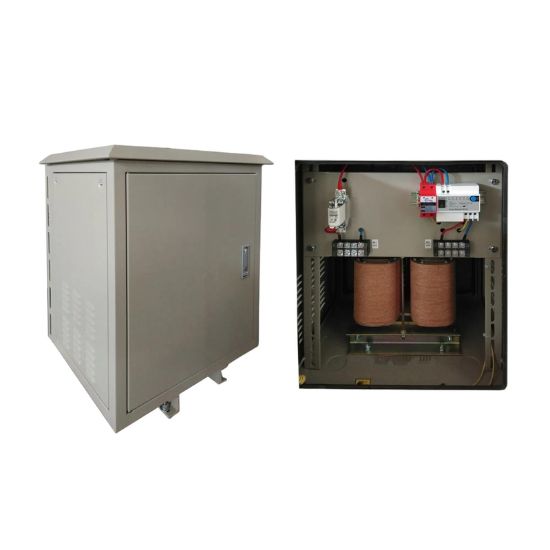
Using air or resin insulation, suitable for indoor places with high requirements for fire prevention and environmental conditions.
Features of Single Phase Distribution Transformer

The primary and secondary winding structures achieve voltage transmission while maintaining electrical isolation between the input and output circuits.

Maintain a stable secondary voltage under different load conditions to make sure consistent power for end users.

The laminated silicon steel core structure reduces the eddy current generation and lowers magnetic loss.

Capable of handling high currents on the low voltage side, suitable for load centralized power supply conditions.
Reduces Energy Consumption
The single phase distribution transformers usually operate continuously for long periods of time. We optimize the no-load loss of the iron core and the load loss of the winding to maintain lower energy consumption of the equipment during daily load fluctuations. The energy-saving effect is better when the single phase distribution transformer is not operating at full capacity. This can help you control your operating costs.
Consistent Output under Variable Loads
In the power distribution system, the load typically fluctuates between low load, medium load and peak load. Our single phase distribution transformers can operate stably within different load ranges. It can control voltage fluctuations and reduce internal thermal stress, avoiding accelerated insulation aging caused by frequent load changes.
Applications of Single Phase Distribution Transformer
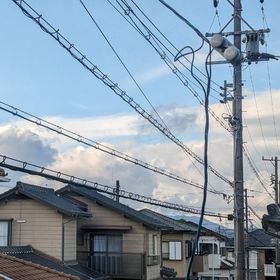
Suitable for residences, small office buildings and retail stores. It reduces the feeder voltage to a safe range for electricity usage, meeting the power supply needs for lighting and household appliances.
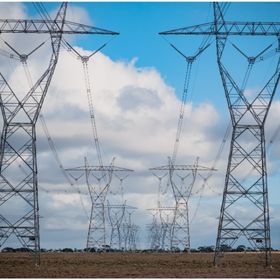
In rural areas with dispersed loads, single phase distribution transformers can be used to locally reduce voltage at the distributed load points, reducing the voltage drop caused by long-distance transmission.
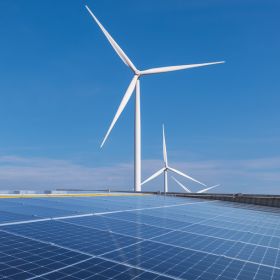
The single phase distribution transformer connects the rooftop solar panels and small wind turbines to the household or grid system. It can handle fluctuating input voltages and make sure the safe and stable conversion of electrical energy.
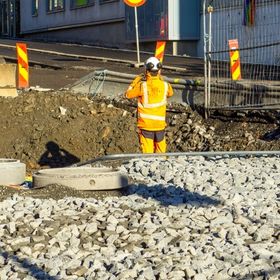
It can provide a stable power supply for street lighting systems, traffic signals and communication equipment. The pole mounted single phase distribution transformer allows to instal easily along roadsides and public areas.
The voltage drop is caused by the load current flowing through the winding resistance. When the load increases, the internal impedance causes the output voltage to decrease. In a long feeder system or when the transformer operates near its rated capacity, the voltage is easier to drop.
Yes. Three single phase distribution transformers of the same specification can be combined to form a three phase transformer group, thereby creating a three phase distribution system. If one of the single phase distribution transformers breaks down, you only need to repair one, thereby reducing maintenance costs.
No-load loss refers to the loss generated by a transformer when it is energized but without any load. It is mainly determined by the iron core material and continues to exist. The load loss varies with the load current. It is proportional to the square of the current. The larger the load, the higher the loss.
Non-linear devices such as rectifiers, switching power supplies, and frequency converters can generate harmonic currents. These currents will increase the losses of the iron core and winding, resulting in a higher temperature rise. This will accelerate insulation aging and reduce the transformer capacity.
When the altitude exceeds 1000 meters, the reduced air density leads to a decrease in heat dissipation capacity and insulation strength. This may lead to a higher working temperature and an increased risk of insulation breakdown.
When choosing a single phase distribution transformer for a high-altitude project, you need to specify the installation altitude in advance. We will reduce the capacity of the transformer and make adjustments to make sure its reliable operation.
What is the Single Phase Distribution Transformer?
The single phase distribution transformer is an electrical device used in the distribution system. It converts the electrical energy on medium and high voltage distribution lines into low voltage suitable for end users through the principle of magnetic coupling.
The Composition of Single Phase Distribution Transformer
The single phase distribution transformer is mainly composed of the iron core, windings, insulation system and accessories.
The iron core is usually made by stacking high magnetic conductivity cold rolled silicon steel sheets. By adopting a laminated structure and coating an insulating layer on the surface, the eddy current loss and hysteresis loss can be reduced.
The windings are divided into the primary winding and the secondary winding. They are wound around the iron core. The primary winding is connected to the input power supply. The secondary winding is connected to the load.
The insulation system makes sure that there is electrical isolation between the winding and the iron core, as well as between the windings. Oil immersed transformers use insulating oil as the insulation and cooling medium. Dry type transformers use insulating materials such as epoxy resin.
In addition, single phase distribution transformers also have accessories such as high and low voltage bushings for electrical connections, tap changers for voltage regulation, and pressure relief valves.
The Working Principle of the Single Phase Distribution Transformer
When a primary winding is connected to an AC power source, the current generates alternating magnetic flux in the iron core. This magnetic flux forms a closed loop along the core and is coupled into the secondary winding.
According to Faraday’s law of electromagnetic induction, the alternating magnetic flux generates a self-induced electromotive force in the primary winding. At the same time, it also generates an induced electromotive force in the secondary winding, thereby creating voltage.
The magnitude of the output voltage is determined by the ratio of the number of turns of the primary and secondary windings. When the secondary winding is connected to the load, the induced voltage will drive the current to flow. Electric energy is transmitted from the primary side to the secondary side through the magnetic field.
The Differences between the Single Phase Distribution Transformer and the Three Phase Distribution Transformer
Structure
The single phase distribution transformer has only one set of windings, including a primary winding and a secondary winding.
The three phase distribution transformer has three sets of windings, including three primary windings and three secondary windings. Each set of windings has a phase difference of 120 degrees, which makes it handle greater power and current.
Power Supply Characteristics
The single phase distribution transformers operate based on a single alternating waveform. It delivered power through phase and neutral lines, and its output power fluctuates periodically.
There is a phase difference of 120° between the three phase voltages. When a three phase distribution transformer is in operation, the three waveforms are phase shifted, resulting in a more continuous and balanced power output.
Performance
In single phase distribution transformers, the load is concentrated on a single phase. When the current is large, it is easy to increase losses. The three phase transformer distributes the load among multiple phases, thereby reducing the current in each conductor.
Under the same capacity, three phase distribution transformers usually have higher efficiency and more stable voltage output. When delivering the same power, the three phase system requires less current and has lower line losses.
Application
The single phase distribution transformers are mainly used in operating conditions with small loads, such as residential areas, rural power grids, and small commercial places. It has a simple structure and flexible installation. It is also very suitable for remote areas with dispersed loads
Three phase transformers are widely used in high-power conditions such as industrial plants, large commercial buildings, and large distribution systems.