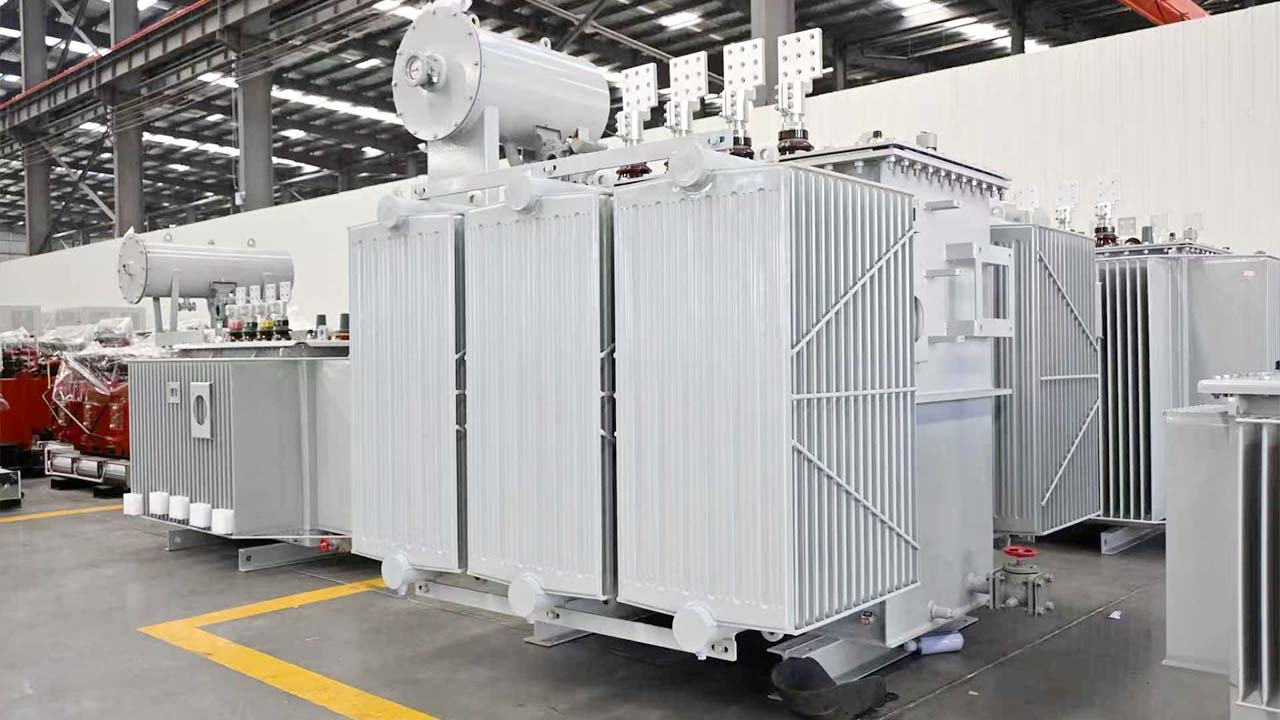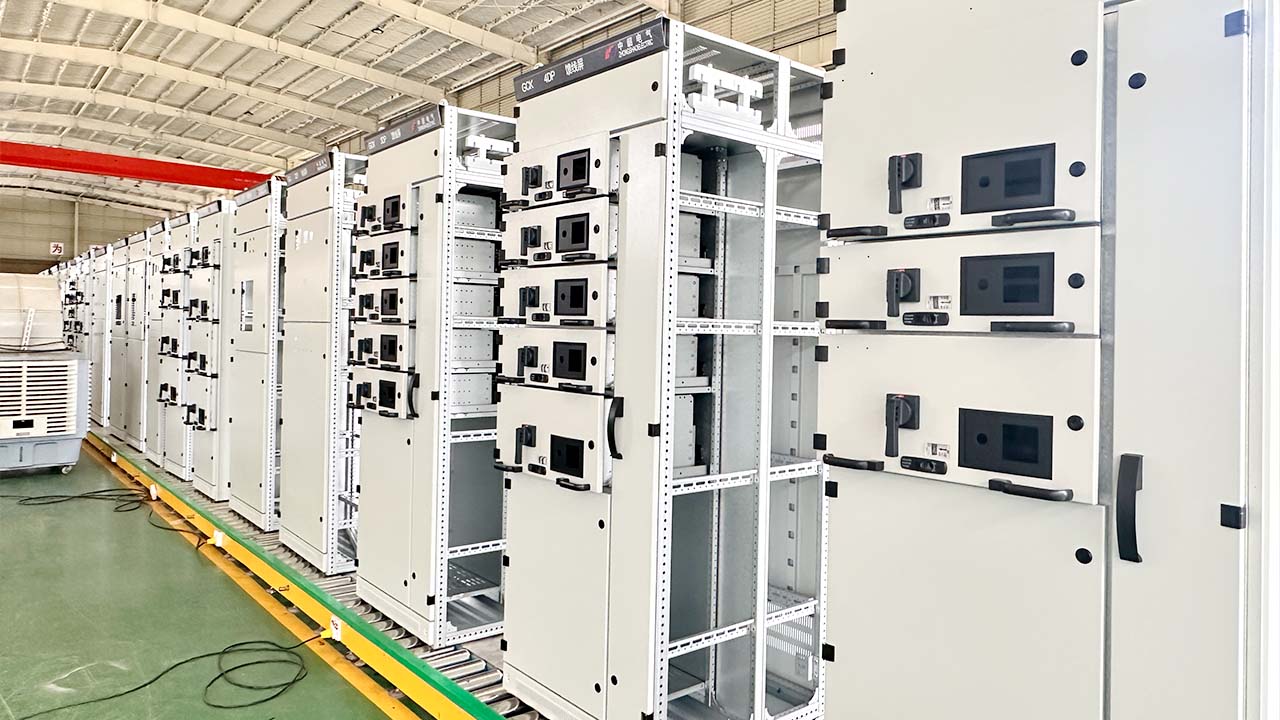
Are you seeking the appropriate transformer for your project but find yourself perplexed by the two types: power transformers and distribution transformers? This article will provide a detailed overview of the characteristics, applications, and differences between them.
This article will introduce the characteristics, applications, and comparison of power transformers and distribution transformers. This will enable you to make a more informed choice for your project.
What are a Power Transformer and a Distribution Transformer?
A transformer is equipment used to regulate voltage in power transmission and distribution systems. It performs voltage regulation in two ways: it can step up voltage to enable long-distance transmission, and step down voltage to ensure the safety of distribution and consumption. Power transformers are employed to convert electricity into high voltage when transmitting electricity to remote areas. Distribution transformers, meanwhile, convert high voltage into various levels suitable for end-use applications.
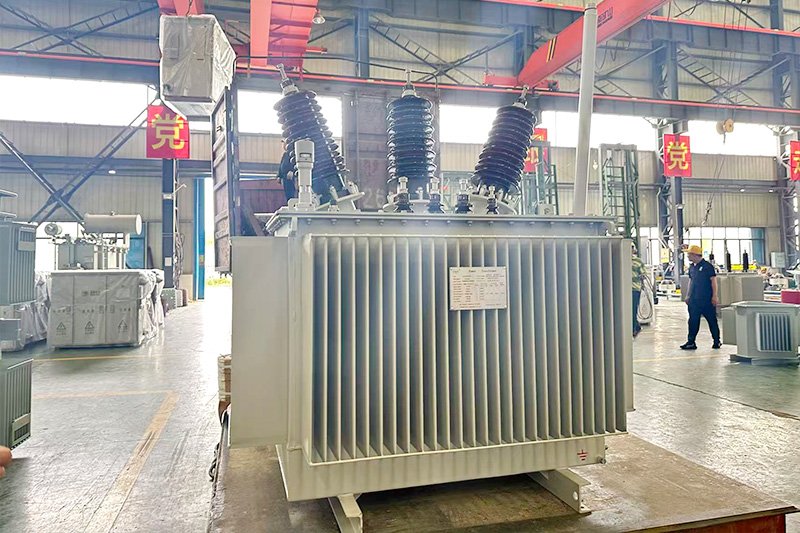
Power Transformer vs Distribution Transformer: Function
Function of Power Transformers
Transmission Step-Up: As electricity at higher voltage levels travels faster and incurs fewer losses during transmission, power transformers convert electrical energy into high-voltage power through voltage elevation. This not only improves transmission efficiency but also minimises transmission losses, thereby enabling you to transmit electricity over greater distances.
Substation Step-down: When high-voltage electricity reaches the consumption area, it cannot be used directly due to safety hazards and voltage mismatch with electrical equipment. Power transformers step down the high-voltage electricity supplied to distribution substations to the appropriate level required for your application. This reduced-voltage electricity can then be utilised, ensuring a reliable power supply at the consumer end. Furthermore, power transformers operate continuously, ensuring an uninterrupted power supply and reliable electricity transmission.
Function of Distribution Transformers
- Power Distribution: Distribution transformers are employed to allocate electrical power for end-user consumption. Whilst power transformers have already reduced the voltage level to a safe standard upon delivery to substations, different electrical equipment or zones require distinct voltage levels. Distribution transformers adjust their voltage ratings according to regional or operational requirements, efficiently distributing power that is appropriately matched to various electrical systems. This ensures the stable operation of the power system whilst extending the service life of your electrical equipment.
- Monitoring and Protection: Distribution transformers incorporate monitoring and protection components to provide real-time monitoring and protection for the power system, guarding against faults such as short circuits and overloads. Should any irregularities arise, the system immediately issues predictive alerts and initiates emergency responses in coordination with devices like circuit breakers.
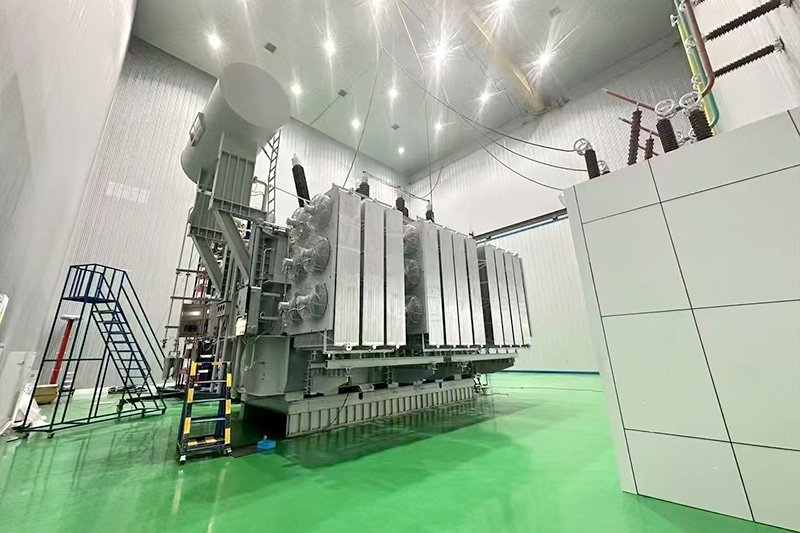
Power Transformer vs Distribution Transformer: Voltage Load
Voltage Load of Power Transformers
As power transformers are used to process high-voltage electricity typically exceeding 33kV or even higher levels, and generally operate at full load during service, they are capable of withstanding greater capacity and power loads to achieve safe and reliable voltage step-up or step-down. This enables them to deliver round-the-clock operation for you.
Voltage Load of Distribution Transformers
Distribution transformers are used to power after a step-down conversion; voltage levels may fluctuate depending on your uses. Consequently, they operate at lower capacity and power levels, with load fluctuations occurring as demand dictates during operation. They also achieved uninterrupted operation, minimising downtime and guaranteeing operational stability.
Power Transformer vs Distribution Transformer: Transformer Types and Structures
Types and Structures of Power Transformers
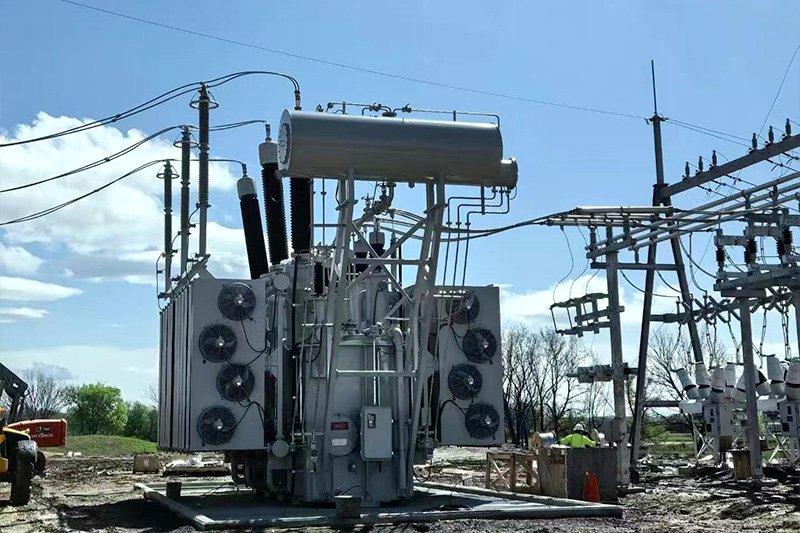
Power transformers must withstand higher voltage levels and capacities while ensuring continuous, efficient operation, hence their typically larger structure. You may select oil-immersed transformers as power transformers. Firstly, oil cooling offers superior thermal efficiency compared to air cooling, achieving more efficient heat dissipation. This enables power transformers to respond to greater power loads. Secondly, utilising liquid as both a cooling medium and an insulating medium reduces losses, making oil-immersed transformers ideal for high-capacity, high-power voltage conversion.
Types and Structures of Power Transformers
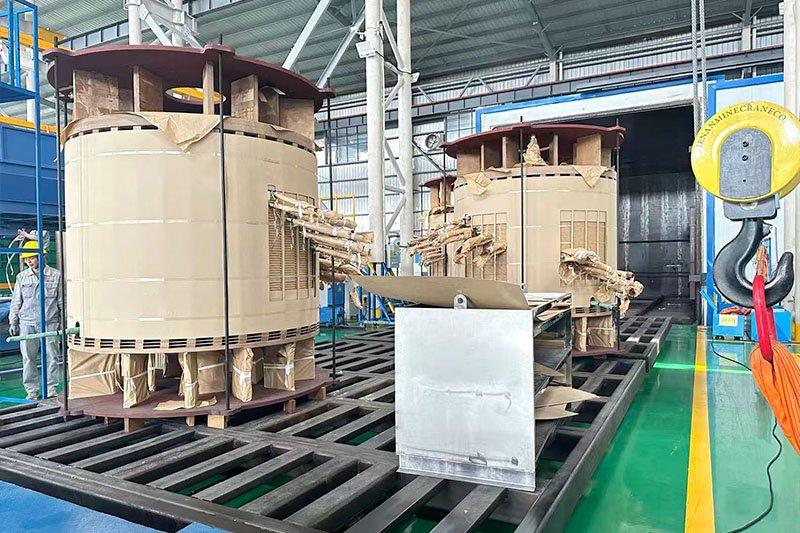
Compared to power transformers, distribution transformers handle lower voltage levels during operation, resulting in a more compact structure. Furthermore, as they are typically installed close to the point of use, various types such as pole-mounted transformers and pad-mounted transformers can be selected to meet your requirements. For uses that need stringent hygiene and safety standards, such as commercial and residential projects, dry-type transformers are the ideal choice for distribution transformers. For outdoor projects with high electricity requirements, you may also opt for oil-immersed transformers as distribution transformers.
Power Transformer vs Distribution Transformer: Uses
Uses of Power Transformers
Firstly, you may use power transformers in power stations and transmission networks to elevate voltage levels. This enhances electrical transmission efficiency, allowing the delivery of electricity over greater distances and at higher speeds. Secondly, substations also require power transformers to initially step down voltage to safe levels, thereby ensuring circuit stability and safety.
Uses of Distribution Transformers
Distribution transformers are primarily employed for end-use electricity applications, such as in residential, commercial, and industrial projects. You may utilise it in hospitals, shopping centres, industrial manufacturing, railways, and similar settings. They provide continuous and stable power distribution for industrial manufacturing, ensuring the efficient operation of production lines and the longevity of equipment. They also ensure the safe and stable operation of power systems in densely populated areas, minimising downtime and losses caused by operational errors.
Power Transformer vs Distribution Transformer
| Item | Power transformer | Distribution transformer |
| Function | Transform voltage during power transmission and upon arrival at substations | Adjust the voltage level to a safe operating level |
| Operating Load | High load, full-load operation | The load is lower and can fluctuate |
| Voltage capacity | Higher | Lower |
| Type | Oil filled transformer | Dry type transformers and oil filled transformers |
| Operational stability | Continuous operation | Continuous operation |
| Structure | Takes up a lot of space | Compact in structure |
| cost | Higher | Lower |
| Application | Power stations, substations, and electricity transmission networks | In commercial, residential, and industrial applications |
FAQ
Can Distribution Transformers be Used as Power Transformers?
Distribution transformers cannot be used as power transformers. They are designed to withstand lower voltage levels and have reduced capacity, failing to meet the operational requirements of power transformers. Incorrect usage may result in electrical hazards.
Why do Power Transformers Require Higher Cooling Demands?
Power transformers operate at higher capacities and under heavier loads, generating greater amounts of heat during operation. Only a more efficient cooling system can dissipate this heat better, achieving the stable operation of the power transformer.
Difference Between Power Transformers and Current Transformers
Their functions differ. Power transformers are employed to regulate electrical levels during power transmission and distribution, whereas current transformers are utilised for monitoring and measuring voltage.
Can Distribution Transformers Utilise Pole-Mounted Units?
Sure. Pole-mounted transformers are an excellent choice for power distribution in sparsely populated areas and rural settings.
Maintenance of Power Transformers and Distribution Transformers
Power transformers and distribution transformers require routine visual inspections (checking for damage, leakage, and corrosion). Additionally, qualified electrical personnel should be engaged to perform periodic maintenance tasks, including oil quality monitoring, inspections of cooling systems and electrical components, and load testing.
Final Thoughts
Have you already made your selection between power transformers and distribution transformers? Zhongshao offers high-quality power and distribution transformers alongside bespoke solutions, with all products conforming to IEEE/ANSI/DOE2016/IEC standards. We look forward to becoming your partner.