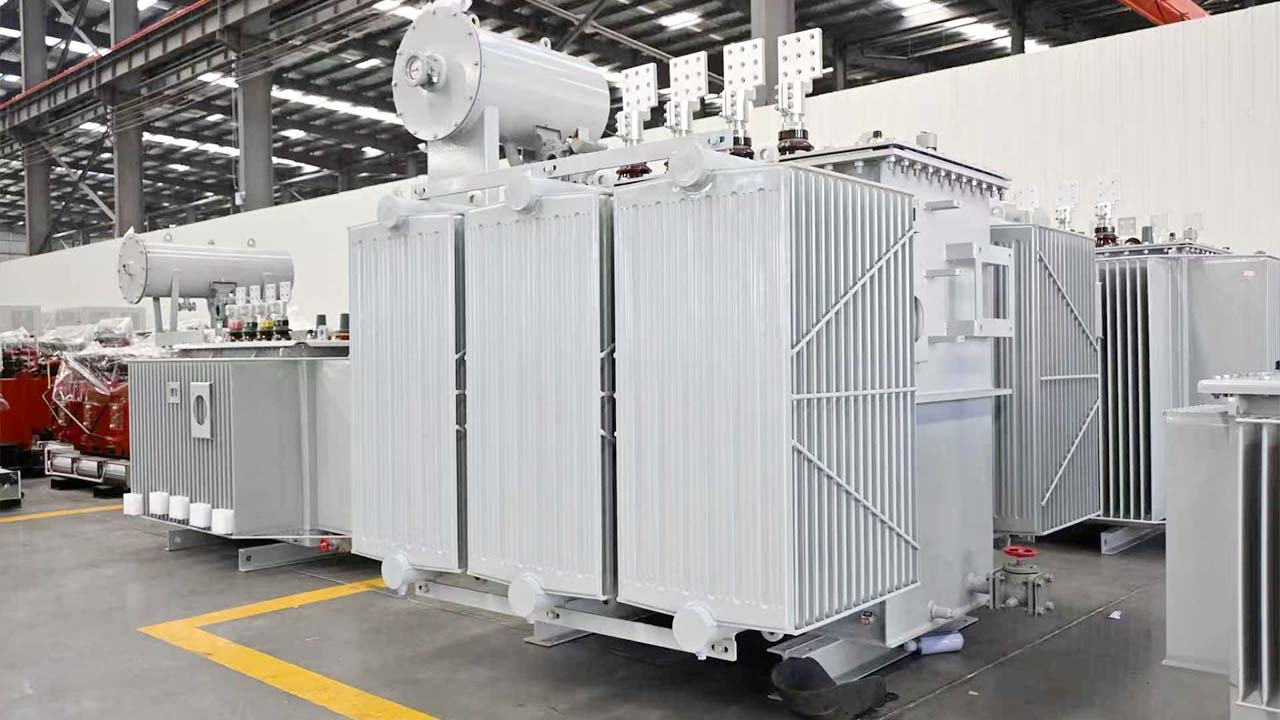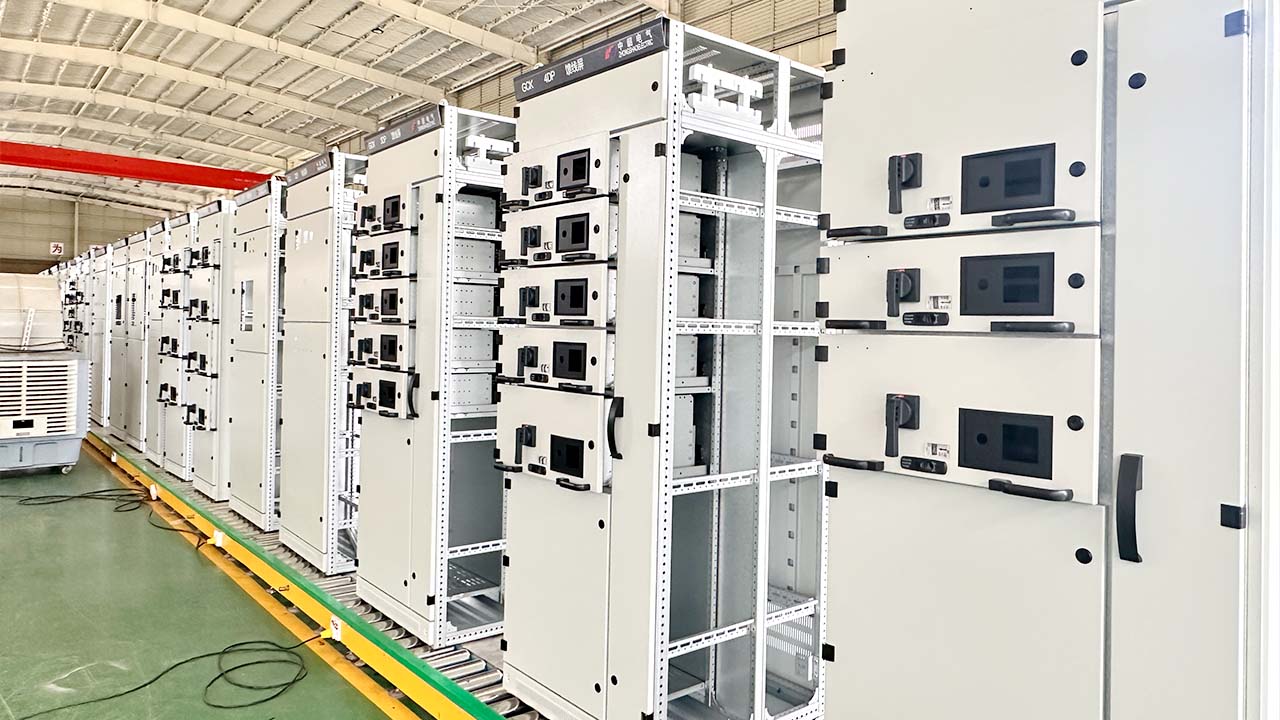
A transformer is a equipment used to regulate voltage in power transmission and distribution systems. If you are currently seeking a suitable transformer for your project and find it difficult to choose between pole-mounted and pad-mounted transformers, This article will provide a detailed explanation of the characteristics and applications of two types of transformers. hopefully helping you make an informed choice.
What are Pole-Mounted and Pad-Mounted Transformers?
In long-distance power transmission, pole-mounted and pad-mounted transformers can step up voltage to reduce losses and enhance transport efficiency. During the distribution process, they step down high-voltage electricity to the required levels for end-user consumption, ensuring safe and stable power usage. Pole-mounted transformers and pad-mounted transformers differ in their installation methods: one is typically mounted on an electricity pole, while the other is installed directly on the ground. This also results in their differing suitability for various applications.
Pole-Mounted vs Pad-Mounted Transformers: Function
Whether pole-mounted or base-mounted, transformers perform identical functions within power systems, including power distribution, voltage conversion , and protection.
Voltage Conversion
The voltage regulation function of pole-mounted and pad-mounted transformers manifests in two ways: they can step up voltage to enable long-distance transmission, and step down voltage to ensure safe distribution and consumption.
- During transmission, pole-mounted and foundation-mounted transformers step up voltage, converting electrical energy into high-voltage power. This enhances transmission efficiency while minimising transmission losses, facilitating power delivery over greater distances.
- Upon reaching consumption areas, high-voltage electricity cannot be directly utilised due to safety hazards and voltage mismatches with electrical equipment. Pole-mounted and foundation-mounted transformers step down the voltage delivered to distribution substations to suitable levels. Following this voltage reduction, electricity can be safely and reliably utilised.
Power Control and Distribution
Pole-mounted and pad-mounted transformers can adjust voltage levels according to regional or operational requirements, thereby efficiently distributing power to various electrical systems. This ensure the stable operation of the power system and extend the service life of your electrical equipment.
Monitoring and Protection
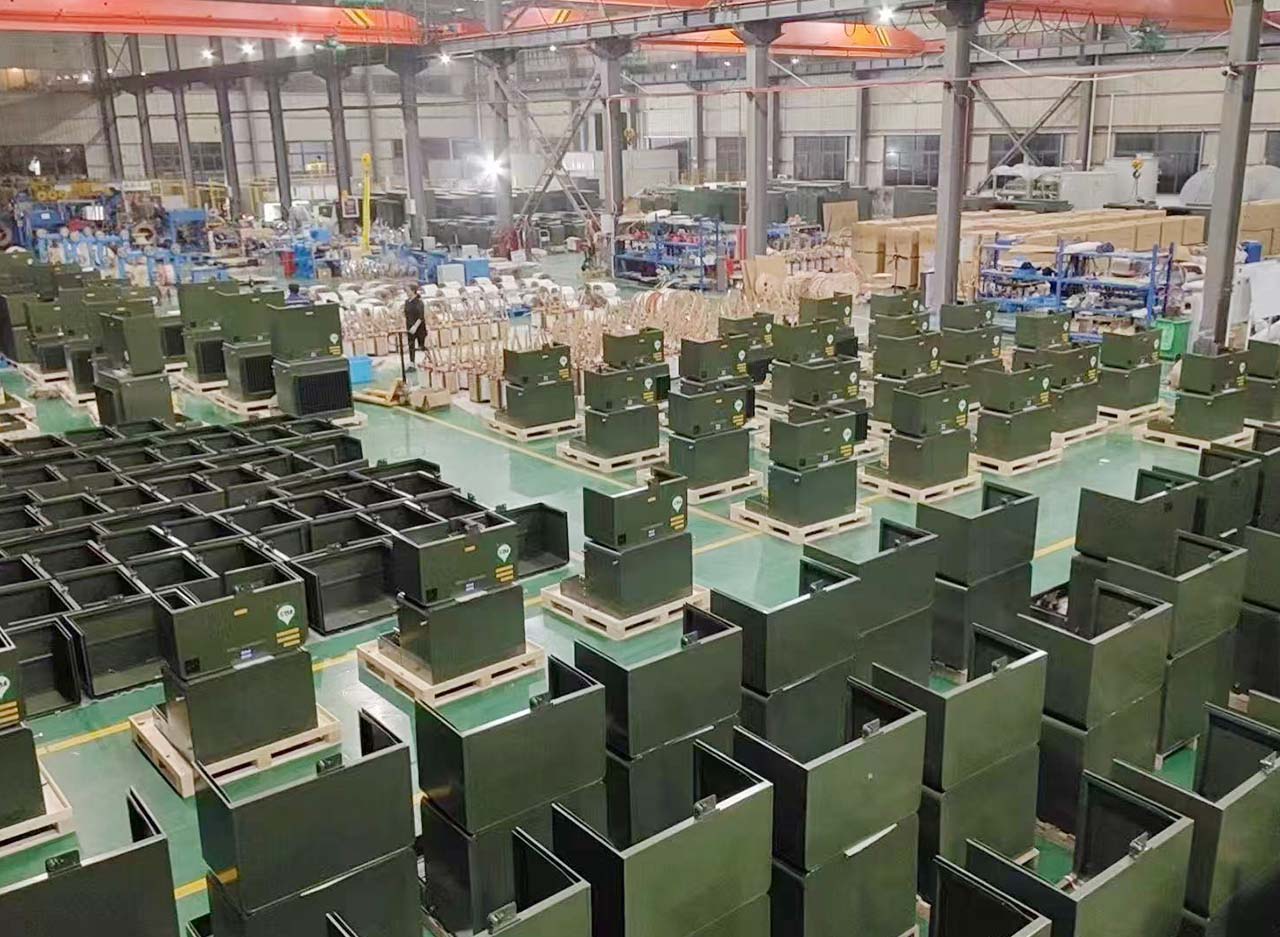
Pole-mounted and pad-mounted transformers are equipped with multiple monitoring components and protective devices. Monitoring components such as their SCADA systems enables continuous real-time monitoring of current power conditions, guarding against faults such as short circuits and overloads. Should any irregularities arise, the system immediately issues predictive alerts and initiates emergency responses in coordination with devices like circuit breakers. This can prevent faults propagation and causing significant losses to you, whilst minimising downtime.
Pole-Mounted vs Pad-Mounted Transformers: Installation Method
Installation of Pole-Mounted Transformers
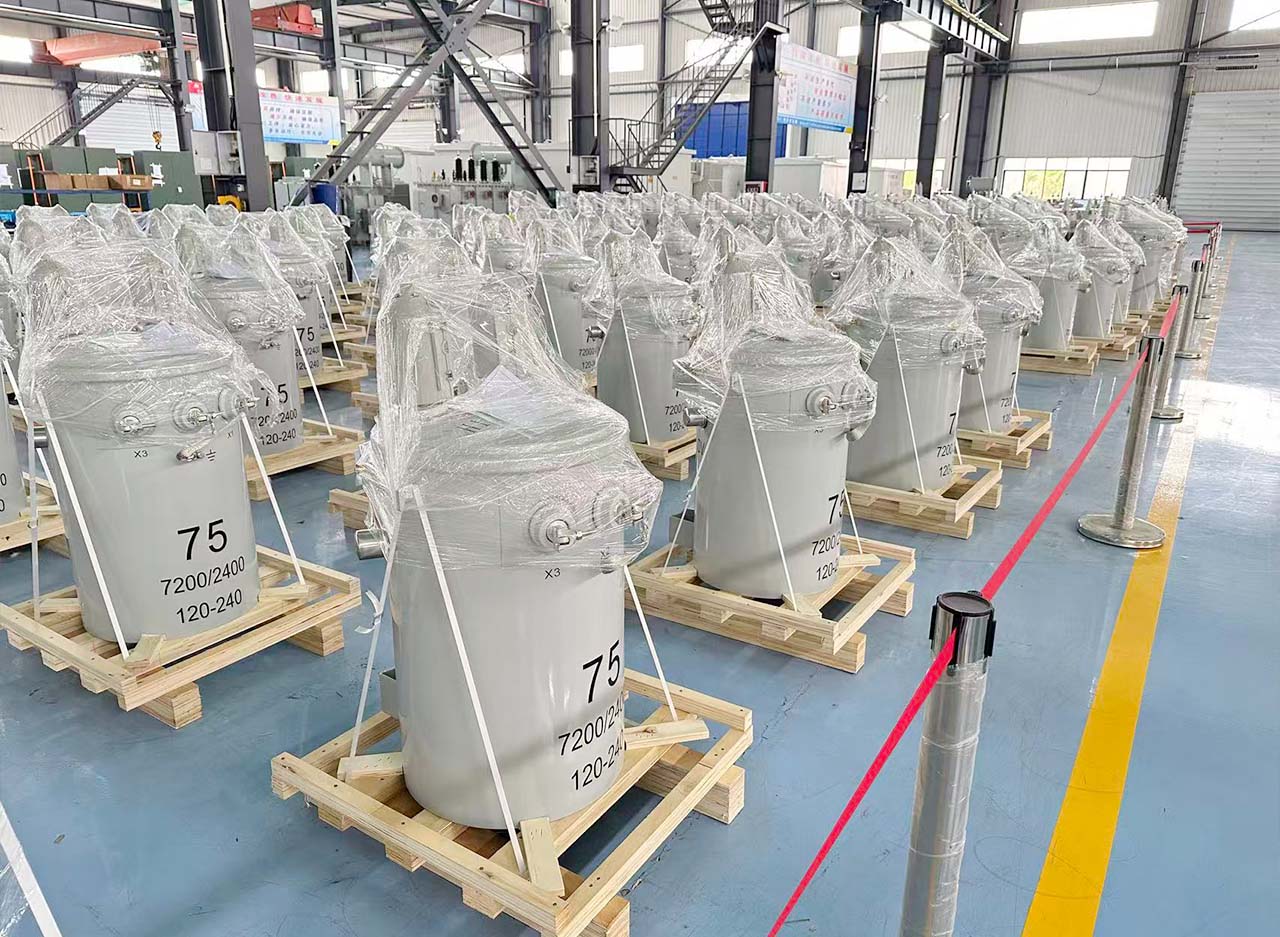
Should you be seeking a suitable transformer for projects constrained by limited ground space or featuring overhead circuit designs, pole-mounted transformers present an ideal solution. Specifically engineered for installation on utility poles, they eliminate the need to modify your existing overhead lines or occupy more ground space. They are primarily employed in rural applications.
Installation of Pad-Mounted Transformers
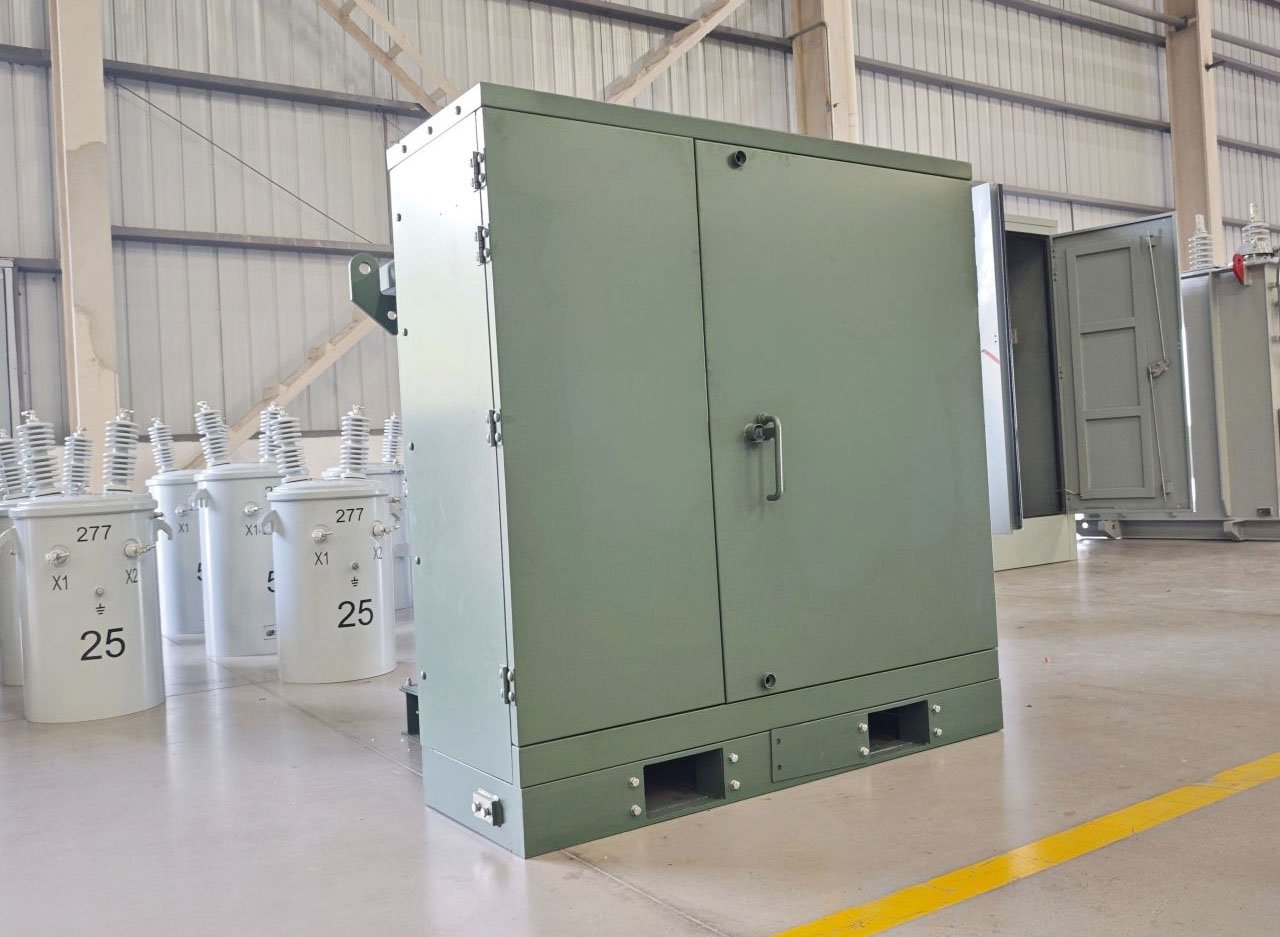
Unlike pole-mounted transformers, pad-mounted transformers are designed for ground installation. They represent an ideal choice for underground circuit designs. Moreover, owing to this installation method and circuit configuration, their appearance is neat and tidy. This permits you to use them in uses where visual appearance is important, such as commercial settings and urban.
Pole-Mounted vs Pad-Mounted Transformers: Structure
Both pole-mounted and pad-mounted transformers incorporate components such as the iron core, primary and secondary windings, cooling system, insulating materials, voltage regulator, protective devices, and enclosure to ensure proper operation. Furthermore, various types are available for your selection, including step-up and step-down transformers, as well as single-phase and three-phase variants. However, they also exhibit certain structural differences.
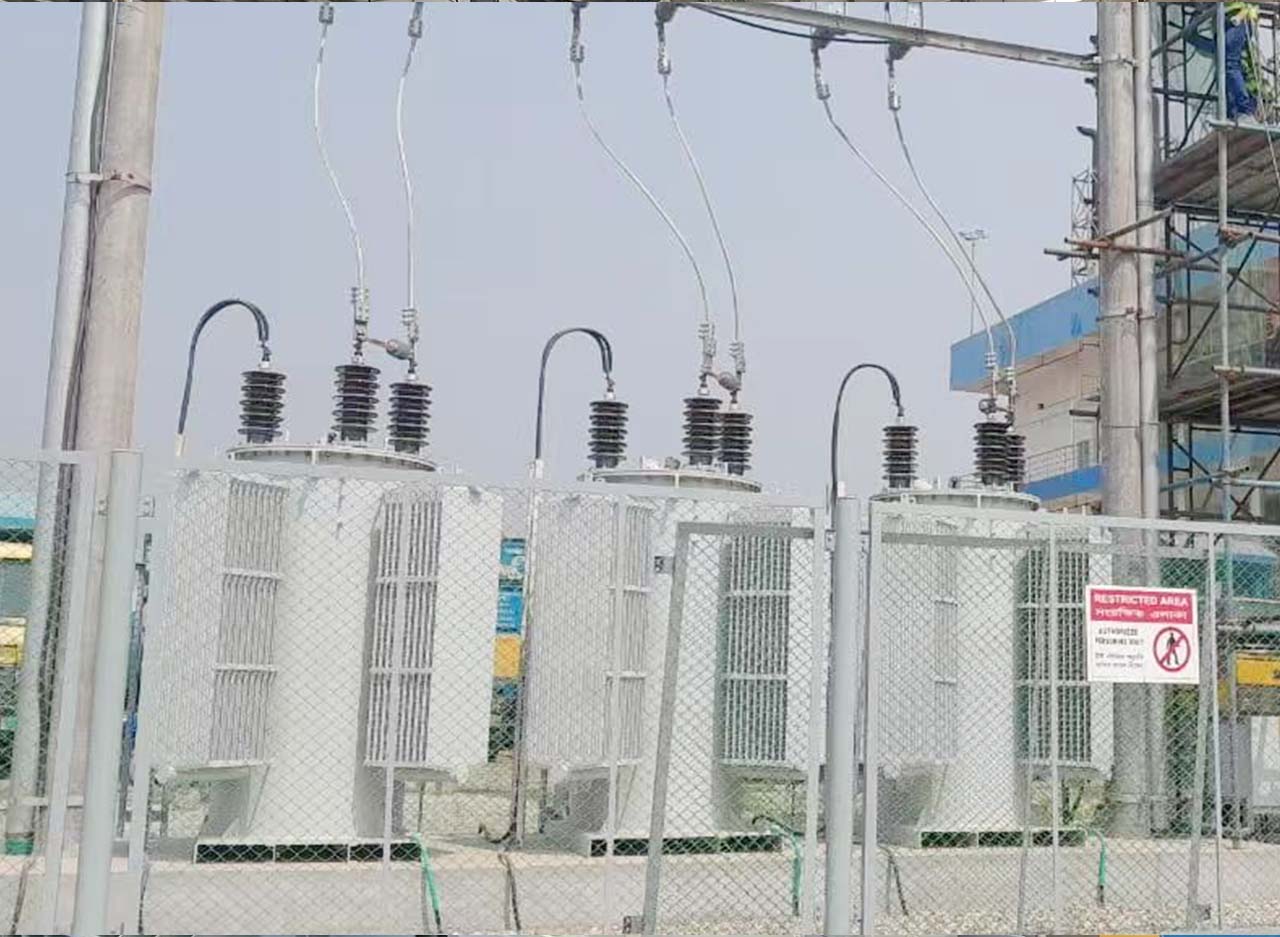
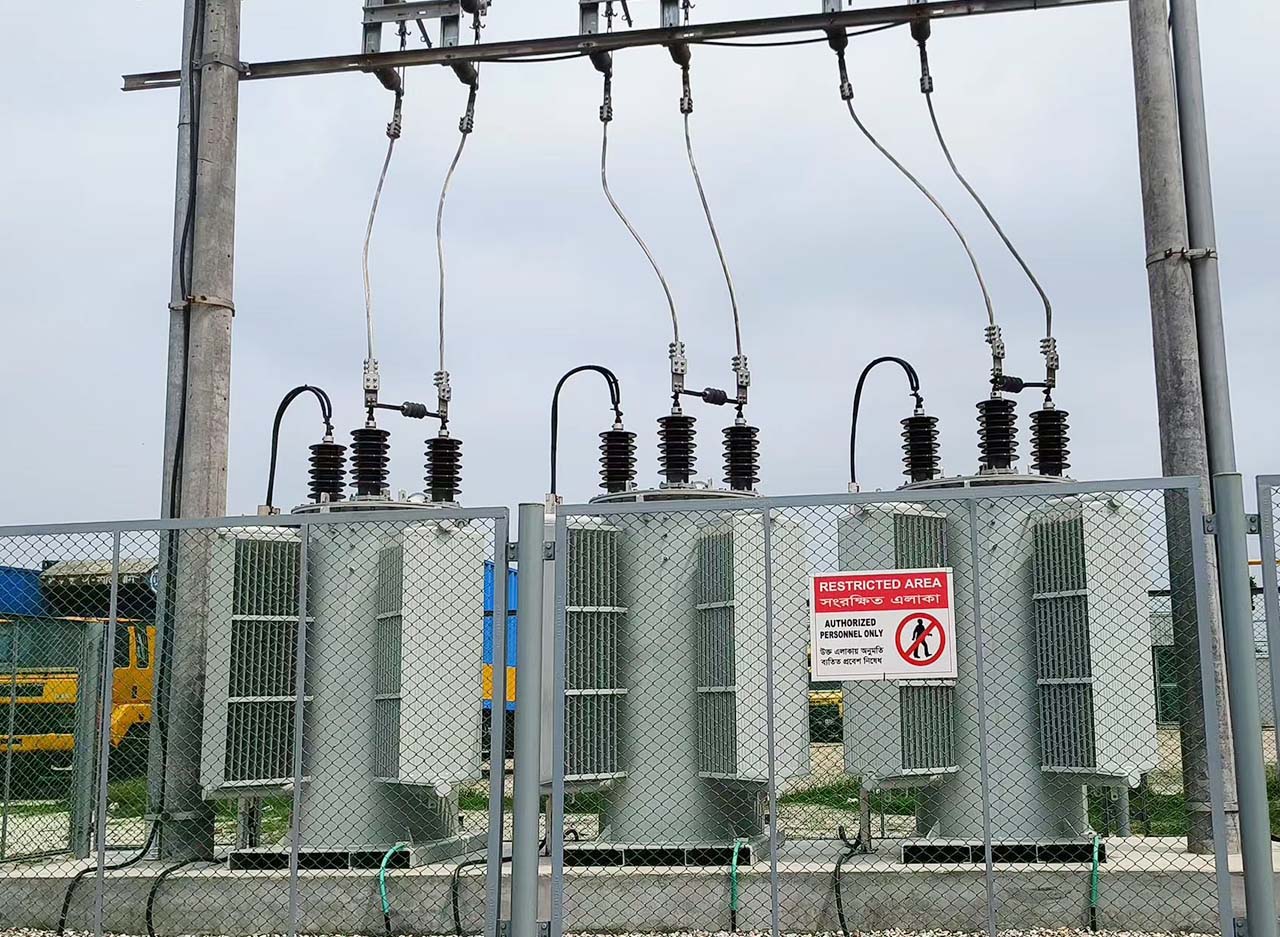
- Pole-Mounted Transformers: Due to the requirement for installation at elevated heights, pole-mounted transformers feature a more compact structure to enhance safety and stability. Furthermore, as direct access by personnel is difficult, their components are typically exposed externally and designed with superior weather resistance. Additionally, Due to difficulties in maintenance, you’d better not choose oil-immersed cooling to minimise oil leak and servicing requirements.
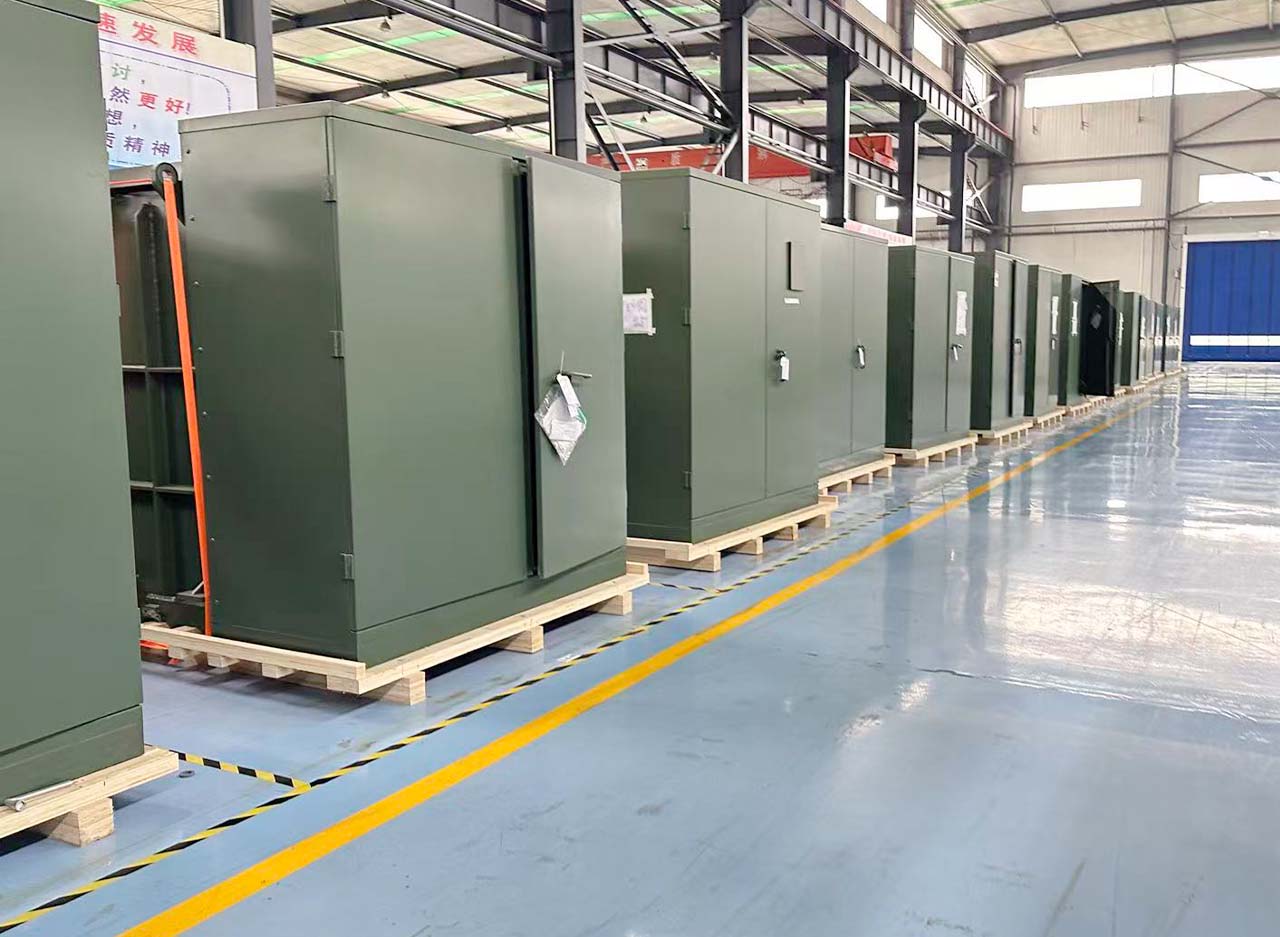
- Pad-Mounted Transformers: To prevent unauthorised personnel from accidental contact, pad-mounted transformers installed on the ground typically require locked enclosures to contain the components. Furthermore, you must provide ample installation space. Moreover, you may select options such as oil-immersed and dry-cooled cooling for it.
Pole-Mounted vs Pad-Mounted Transformers: Safety and Maintenance
Safety and Maintenance of Pole-Mounted Transformers
Pole-mounted transformers are installed at elevated heights within the circuit, making contact by unauthorized personnel considerably more difficult. Furthermore, their high-quality weather-resistant design further improves the safety of your power system operations. This renders them relatively safe, though maintenance proves more challenging.
Safety and Maintenance of Pad-Mounted Transformers
Benefiting from the Pad-Mounted transformer’s sealed lock design and ground-mounted installation, it combines ease of maintenance with operational safety. Furthermore, its enhanced grounding design delivers you greater stability.
Pole-Mounted vs Pad-Mounted Transformers: Costs
Cost of Pole-Mounted Transformers
Due to the absence of additional enclosed cabinets and their compact structure, pole-mounted transformers incur lower initial investment and installation costs. However, their installation at elevated positions necessitates higher labour and maintenance expenses. This requires assessment depend on your practical application. They represent a cost-effective solution for remote and rural areas.
Cost of Pad-Mounted Transformers
Pad-mounted transformers are typically more expensive. Furthermore, to ensure operational reliability, you will incur higher installation costs to achieve a more stable foundation and underground circuitry. However, in the long term, they require simpler maintenance, resulting in lower upkeep expenses.
Pole-Mounted vs Pad-Mounted Transformers: Other Comparisons
- Noise Level: For applications with stringent noise requirements or high footfall, the pad-mounted option offers lower noise, giving your customers with a quieter and more comfortable experience.
- Appearance: Compared to pole-mounted transformers, the concealed circuitry and enclosure design of pad-mounted transformers will lend your project a cleaner, more aesthetically pleasing appearance. Furthermore, you may customize the exterior finish of pad-mounted transformers to suit the application environment.
How to choose between Pole-Mounted and Pad-Mounted Transformers?
Project Environment
Your decision may be influenced by the project location. Pole-mounted transformers offer outstanding cost-effectiveness in rural and remote areas. Conversely, pad-mounted transformers deliver superior aesthetic standards for urban settings and commercial projects, whilst providing enhanced safety in densely populated applications.
Capacity Requirements
For projects with modest power system capacity, Pole-Mounted transformers deliver adequate performance. Pad-Mounted variants accommodate greater capacity and more complex management, allowing you to choose them for your large-scale projects and intricate power systems.
Installation Space
In projects constrained by vertical space limitations, pole-mounted transformers can effectively resolve this difficulty. Conversely, pad-mounted transformers are more suitable for applications subject to height restrictions.
Cost
Pole-mounted units feature lower initial and maintenance costs, getting them the better choice for cost-effectiveness. Should you have a higher budget, Pad-Mounted transformers deliver outstanding stability and performance. Moreover, you can undertake subsequent expansions with greater ease.
Pole-Mounted vs Pad-Mounted Transformers
| Item | Pole-Mounted Transformers | Pad-Mounted Transformers |
| Function | Changing voltage levels during the transmission and distribution of electricity | Changing voltage levels during the transmission and distribution of electricity |
| Installation method | Mounted on electricity poles | Installed on the ground |
| Structure | Weather-resistant design, compact structure | Closed-lock design, occupies more space |
| Safety | Safe | Safe |
| Maintenance | Difficulties | Simple |
| cost | Low | High |
| Appearance | Abrupt | Neater |
| Application | Rural areas, remote regions | Urban, commercial, and densely populated areas |
FAQ
Can I Change the Pole-Mounted Transformer to a Pad-Mounted Transformer?
This may incur additional costs and require significant alterations, such as modifications to the wiring installation.
Which type of Transformer is More Suitable in Typhoon-Prone Areas?
Pad-mounted transformers provide more stable support to withstand strong winds, delivering a more reliable power system.
Why are pole-mounted transformers unsuitable for Oil Cooling Systems?
On the one hand, the structure of pole-mounted transformers makes them more prone to oil leakage. On the other hand, oil cooling systems require more maintenance work, and pole-mounted transformers present difficulties in maintenance due to their installation height.
Which Type of Transformer is Safer?
This depends on your application’s environment. Pole-mounted transformers are less susceptible to vandalism, flooding, and similar hazards. Meanwhile, pad-mounted transformers can withstand typhoons and offer superior sealing properties.
Service Life of Pole-Mounted and Pad-Mounted Transformers
High-quality pole-mounted and pad-mounted transformers meeting composite standards can operate continuously for 20 to 40 years. However, this lifespan may vary depending on usage conditions, such as operating load and maintenance practices, as well as environmental factors.
Final Thoughts
This article introduces the differences between the pole-mounted and pad-mounted transformers. This information will enable you to make an informed choice for your project. Zhongshao holds over 100 patents in electrical equipment technology, materials, design and research and development, supplying high-quality transformers. Should you require any assistance, please do not hesitate to contact us.