

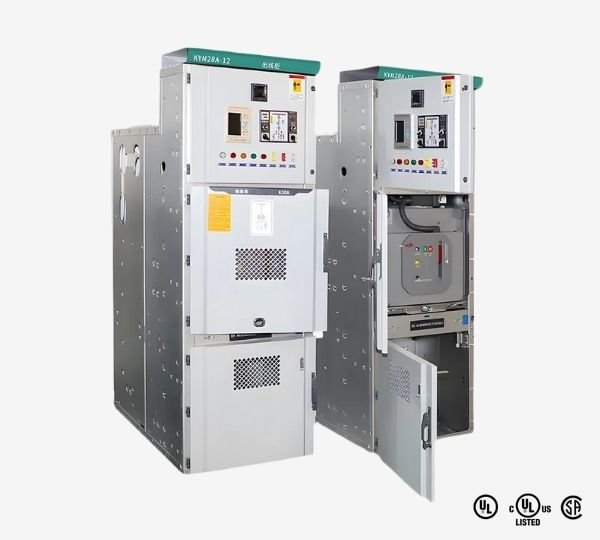
Features of ZHONGSHAO Medium Voltage Switchgear
- The medium-voltage switchgear design employs a primary main wiring scheme for easy expansion and maintenance.
- All critical operations in ZHONGSHAO incorporate five-prevention interlock mechanisms to ensure equipment and personnel safety.
- Multiple insulation media options are available, including sulfur hexafluoride (SF6), E200 liquid, FR3 liquid, and mineral oil.
- Supports primary and secondary distribution applications, covering diverse scenarios from main distribution to terminal distribution.
- The entire ZHONGSHAO medium-voltage switchgear series implements stringent grounding measures to meet safety standards and enhance overall system reliability.
ZHONGSHAO——One of the Best Medium Voltage Switchgear Manufacturers in China
ZHONGSHAO medium voltage switchgear has been exported to many countries and regions all over the world. We are always committed to offering customers safe, reliable, and strictly tested products.
From preliminary solution configuration and single-line diagram design to installation and operational training, everything is fully supported in our service offerings.
Meanwhile, we keep several medium voltage switchgear assembly lines in our warehouse for prompt response and customization, meeting your project requirements at any time. This ensures smoother and more efficient equipment delivery and commissioning.
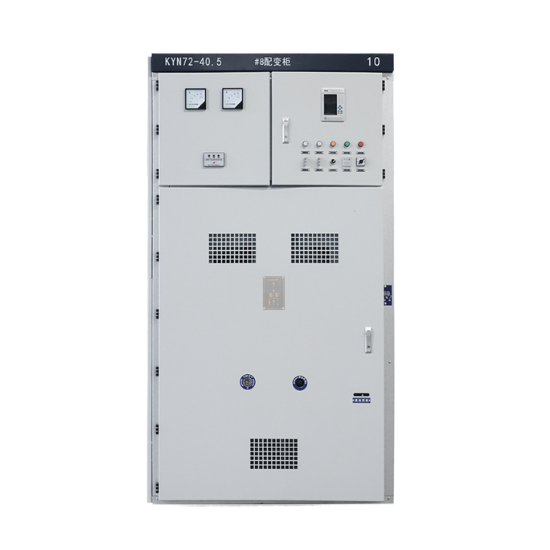
A high quality, durable, and long lasting medium voltage switchgear equipment with a custom frequency, rated current.
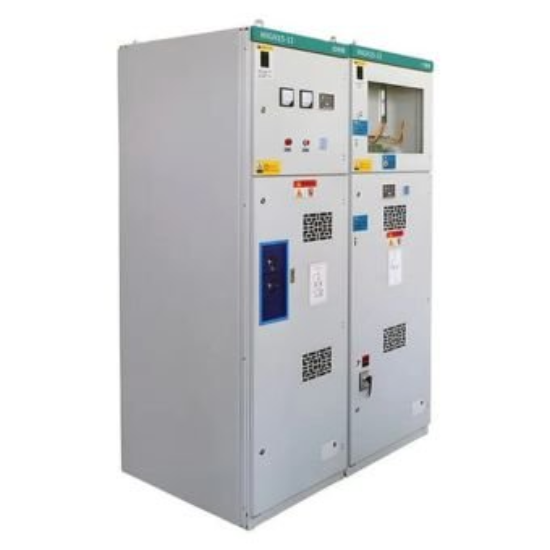
A 1250 rated current stainless steel material medium voltage enclosed switchgear with a 60Hz frequency.
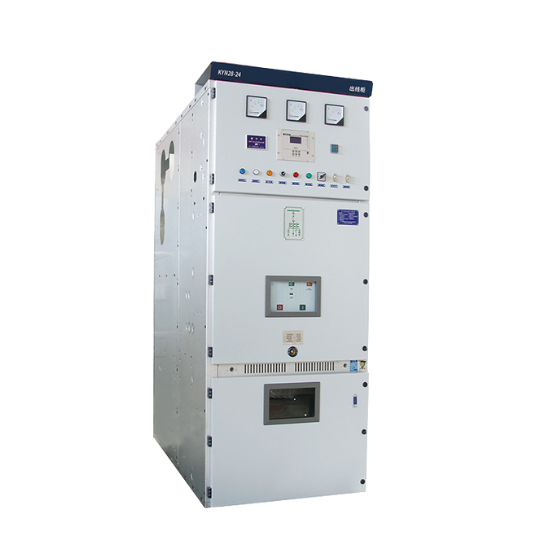
An aluminum zinc steel sheet material 24kV rated voltage smart medium voltage switchgear with 1600Amp rated.
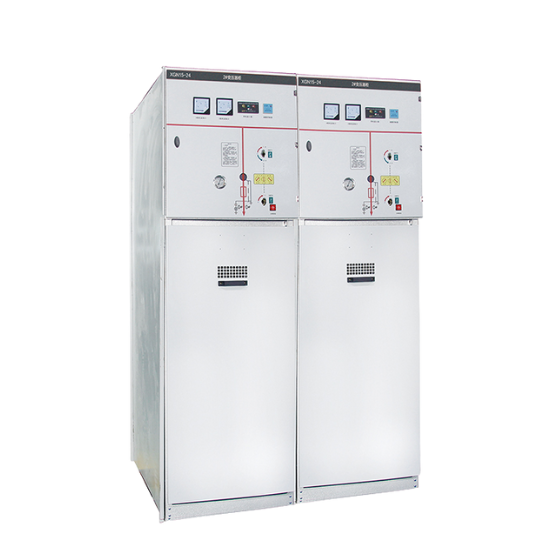
A custom material and color indoor medium voltage fuse ring switchgear with IP66 IP level and a 24 rated voltage.
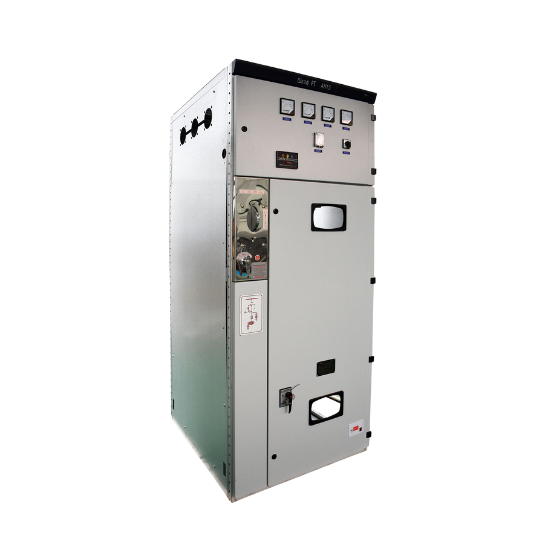
A high quality metal material medium voltage protection control switchgear panel with 40.5 rated voltage and a 50/60Hz frequency.
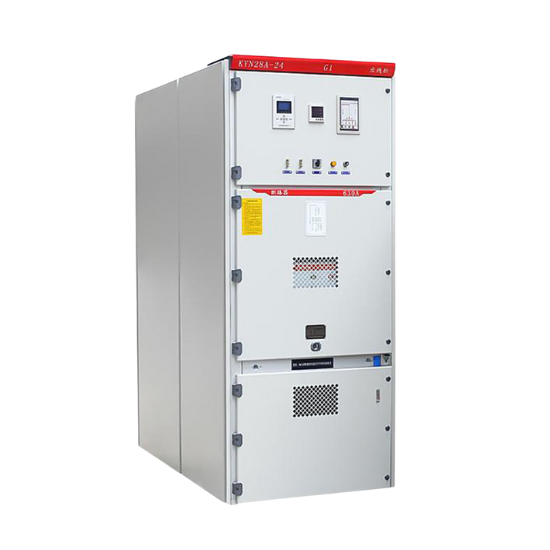
An 800*1500*2300 stainless steel material complete set medium voltage switchgear with a IP40 IP level and a 12kV rated voltage.
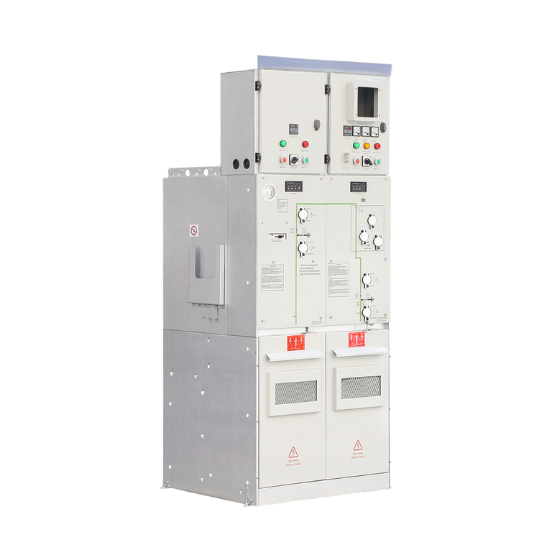
An IP67 level stainless steel material gas insulated medium voltage switchboard with 50Hz of frequency and 630Amp rated current.
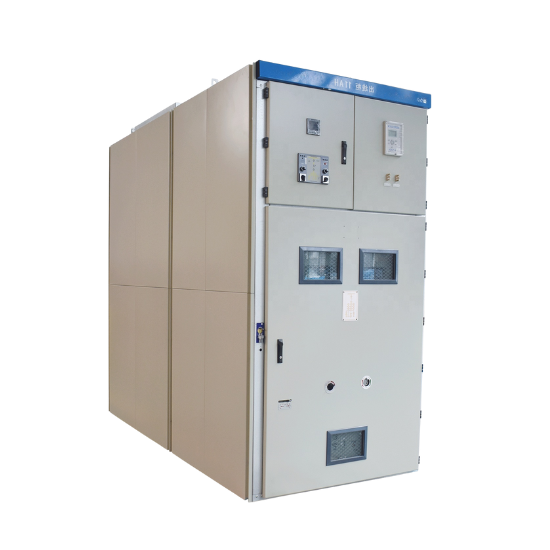
An aluminum zinc coated sheet material medium voltage air insulated switchgear with 24kV rated voltage and 2000Amp rated current.
Definition of Medium Voltage Switchgear
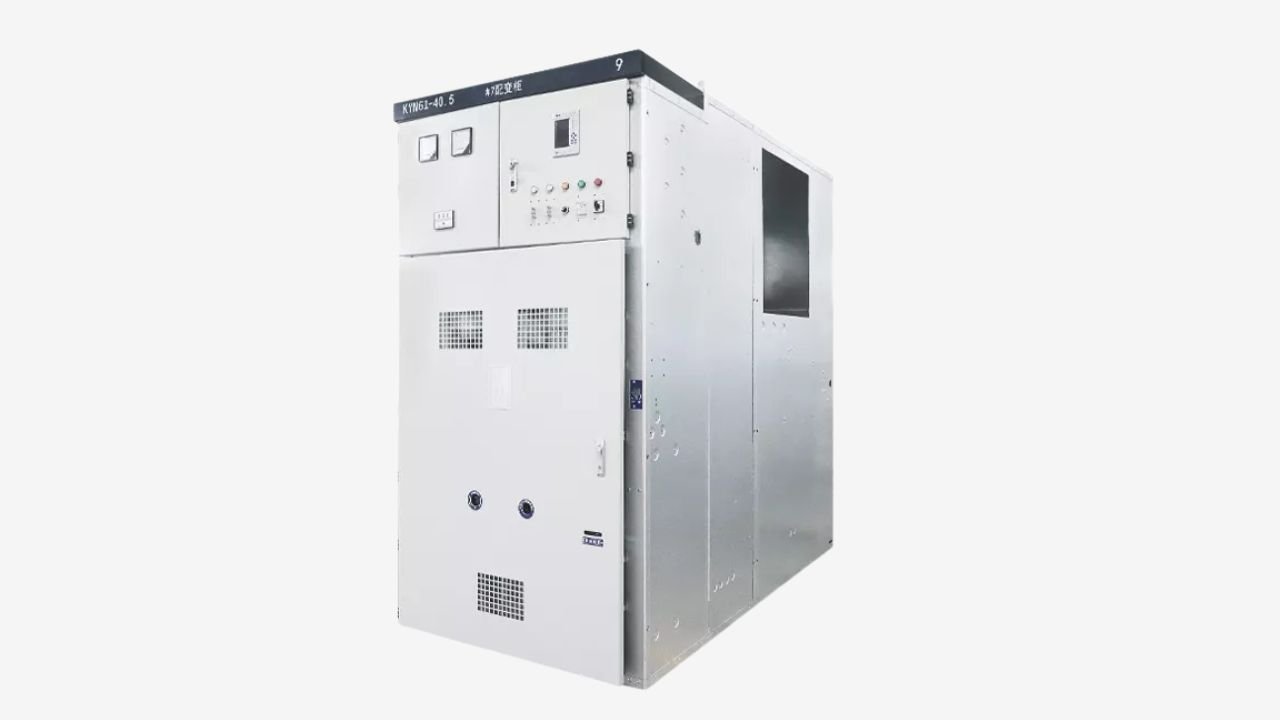
Do you wonder what is medium voltage switchgear? Essentially, it’s a distribution system that integrates circuit breakers, disconnect switches, fuses, and protective devices within a metal enclosure. Primarily used to control, isolate, and protect each electrical circuit, it ensures your entire system remains stable and secure during power supply and fault handling.
How does Medium Voltage Switchgear Work?
ZHONGSHAO’s medium voltage switchgear typically controls, disconnects, and protects medium-voltage distribution systems through three key steps.
Step 1: Control
By integrating draw-out circuit breakers, disconnect switches, earthing switches, and instrument transformers within a metal enclosure, mechanical interlocks and five-prevention mechanisms enable control, switching, and isolation of each medium-voltage circuit.
Step 2: Distribution
Under normal operating conditions, vacuum circuit breakers reliably connect circuits, distributing electrical energy stably to transformers, feeders, or equipment loads.
Step 3: Protection
When your system experiences a short circuit, ground fault, or overload, relay protection devices detect abnormal currents, phases, or voltages and send a trip signal to the circuit breaker.
Upon receiving the signal, the vacuum circuit breaker completes the opening operation within milliseconds, isolating the faulty circuit from the system. This prevents accident escalation and safeguards personnel and equipment.
Key Components of Medium Voltage Switchgear
All medium voltage switchgear components of ZHONGSHAO comply with ANSI and IEC standards, ensuring you a stable and safe power distribution experience under various working conditions.
Enclosure
The equipment is equipped with a high-strength metal enclosure, suitable for both indoor and outdoor environments. It not only protects the internal components but also ensures reliable operation of the entire system in damp, dusty, high-temperature or slightly corrosive environments.
Load Switch and Circuit Breaker Units
These components determine whether the system can operate safely and isolate circuits, and they are one of the core modules of medium voltage equipment. According to your application requirements, ZHONGSHAO can provide various switch configurations, including:
- Load Circuit Breaker
- Fusible Load Switch
- Grounding / Isolating Switch
- Oil-immersed Switch
- Air Switch
- Vacuum Switch
Take ZHONGSHAO General Electric medium voltage switchgear as an example. We usually adopt withdrawable vacuum circuit breakers. This structure is convenient for maintenance and replacement, and has excellent breaking capacity, effectively enhancing the reliability of the equipment operation.
Busbar System
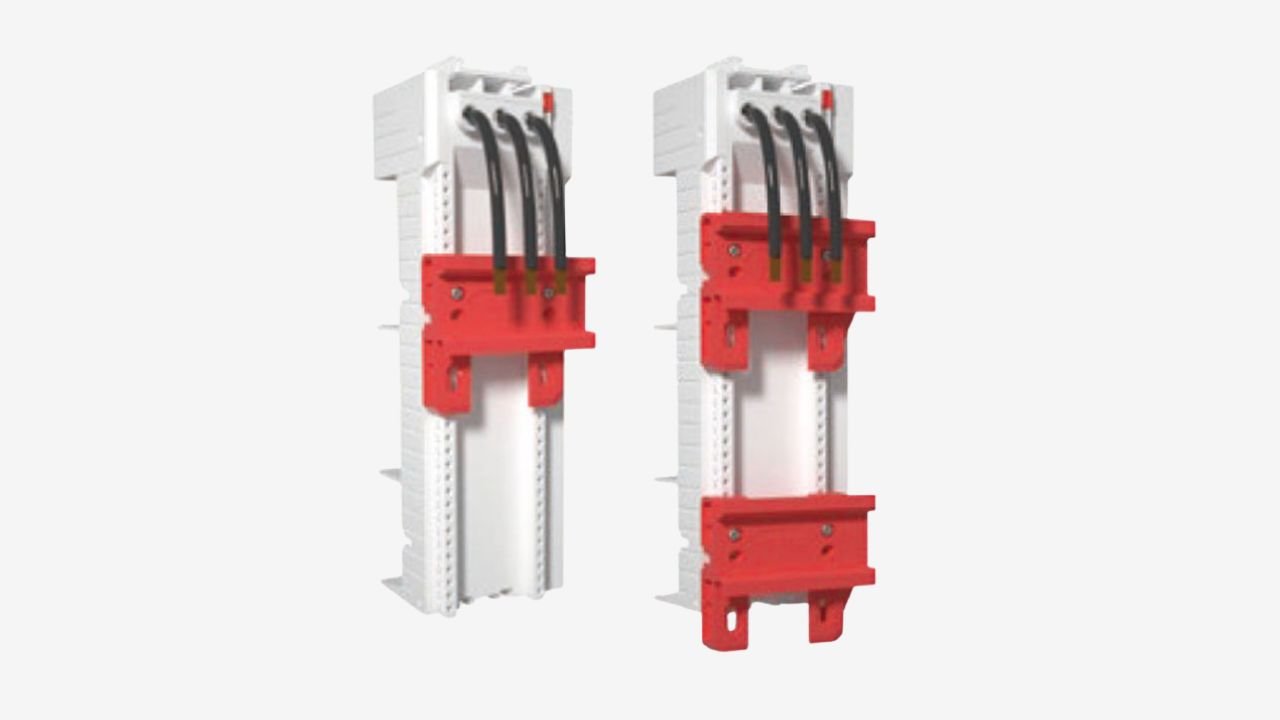
The busbar is the main conductive channel of the medium voltage system. ZHONGSHAO uses tin-plated or silver-plated copper busbars to improve conductivity, reduce heat generation and lower the risk of long-term oxidation. A high-quality busbar system not only affects energy efficiency but also directly influences the overall lifespan of the equipment.
Communication and Remote Monitoring
ZHONGSHAO medium voltage switchgear supports mainstream communication protocols such as Modbus TCP/IP, DNP3, and IEC 61850, enabling real-time integration with SCADA or Building Management Systems (BMS).
The medium voltage switchgear panels integrate HMI, human-machine interface buttons, indicator lights, and status display areas, providing you with clear and intuitive operation information and supporting one-click operation.
Through the intelligent panel and communication system, you can achieve:
- Remote monitoring of circuit breakers, trolleys, and circuit status
- Online diagnosis and alarm
- Smart relay and HMI diagnostic interface
- IoT data collection and cloud monitoring
This entire system enables your switchgear to have the capability of “always visible and always controllable”, making it suitable for unmanned sites, high-reliability factories, and projects sensitive to operational data.
Protection Devices
To ensure timely response before a system failure, ZHONGSHAO is equipped with microcomputer protection relays, intelligent sensors, and monitoring units with HMI from brands such as ABB, SEL, Siemens, and GE. They monitor current, voltage, temperature, and circuit status, achieving rapid protection and precise location, reducing your downtime risk.
Cables and Insulation System
Epoxy insulation parts, bushings, connectors, and other components can provide necessary electrical isolation, ensuring stable operation of the equipment under high voltage. A good insulation system can also effectively prevent flashover and creepage, enhancing your overall safety level.
Types of Medium Voltage Switchgear
1. Compact Switchgear
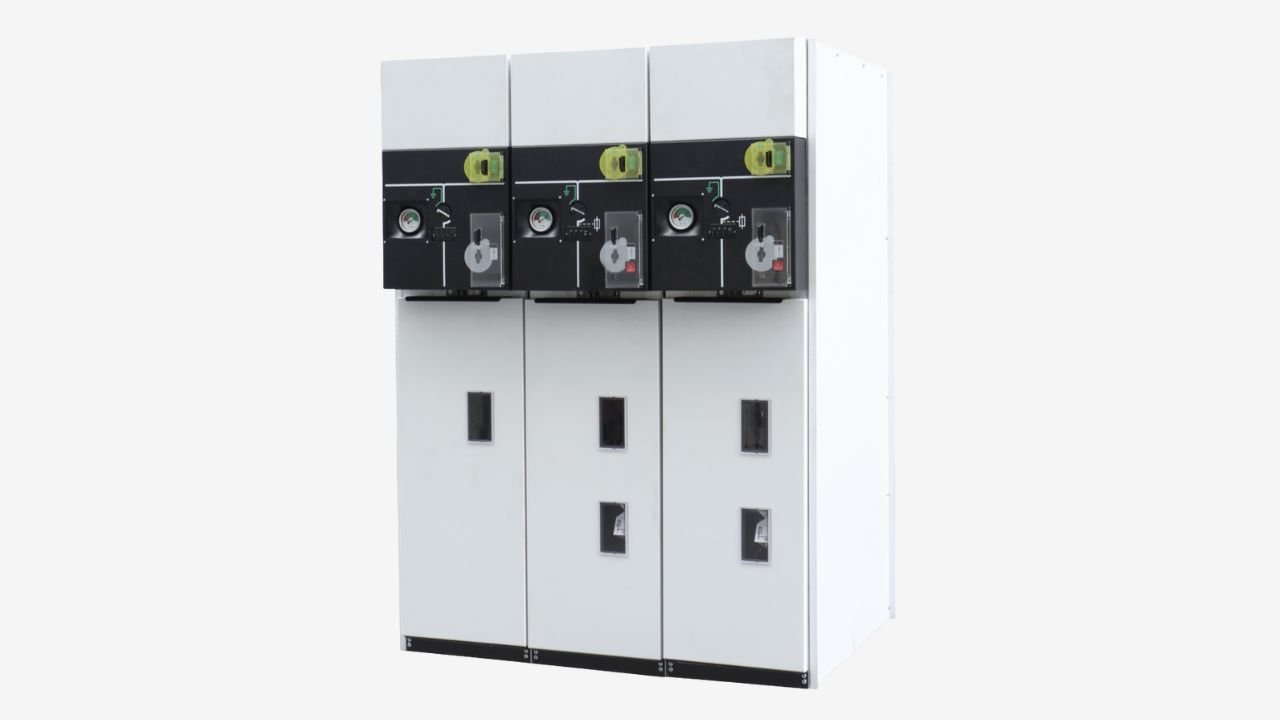
Compact design is especially prevalent in the gas-insulated medium voltage switchgear market. Its high integration in layout dramatically reduces footprint, which makes it ideal for high-density urban distribution networks or space-limited building distribution rooms where complete protection and operation functions are needed.
2. Metal-enclosed Switchgear
It has an enclosure made of metal covering all the live parts, giving it a medium-grade level of protection and isolation. Being robustly constructed and of low maintenance, it finds outdoor applications in medium voltage switchgear: park power supply, road distribution points, or public utility systems.
3. Metal-enclosed Air-insulated Switchgear
It offers complete compartmentalization for the circuit breaker compartment, busbar compartment, and cable compartment, with independent grounding and protection designs. The metal-enclosed air-insulated switchgear is highly suitable for high-safety scenarios. This makes it a typical choice for power plant medium voltage switchgear, hence, operating under extremely high reliability even in continuous high-load operations.
4. Floor-mounted Switchgear
Floor-mounted switchgear is normally used outdoors and mounted directly onto a foundation platform. It was designed to withstand environmental challenges like rain, dust, and temperature fluctuations. Its design is usually more for public utility distribution networks, which happen to be the most common configuration in outdoor distribution systems.
5. Underground or Basement Switchgear
The underground or basement medium voltage switchgear is appropriate for areas beneath the road, in urban core areas, or where facilities of distribution should be hidden. By structure, it is sealed and waterproof; therefore, stable operation in underground spaces is possible. It is one of the popular choices for the vacuum-insulated medium voltage switchgear market. Especially, it excels in places where space is limited and environmental humidity is high.
6. Metal-enclosed + Metal-enclosed Combination
These usually are large industrial or substation projects where both structures have their place within the installation: armored construction for high-reliability areas, and metal-enclosed construction for lower-load branch units. The combination approach will provide the right balance of flexibility, cost, and reliability in large distribution systems involving several circuits.
How to Install Medium Voltage Switchgear?
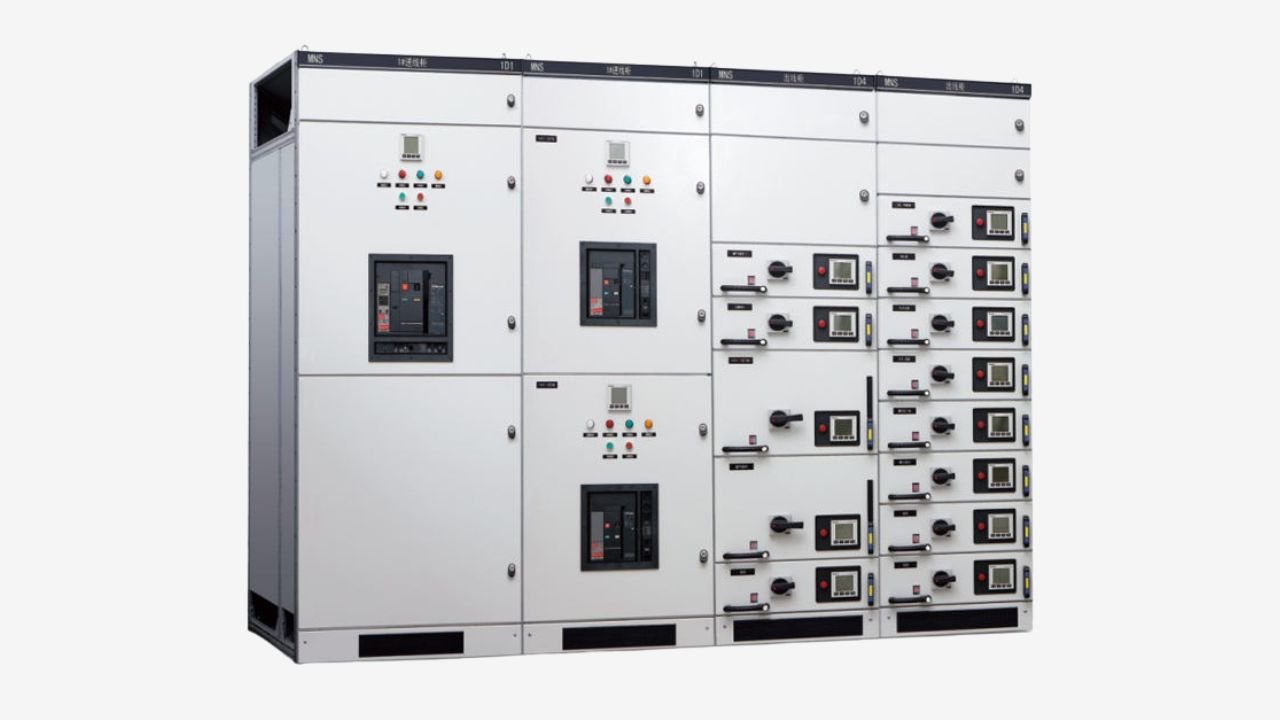
The installation of medium-voltage switchgear must be performed by a qualified electrical engineering team to ensure the system’s safety and long-term stable operation. If you have selected ZHONGSHAO’s medium-voltage switchgear, our technical personnel can provide remote installation guidance to assist your team in successfully completing on-site assembly.
Step 1: Verify the Installation Environment
Before installation, please ensure the area in which the equipment will be installed is clean, dry, and free of condensation, and that good ventilation is available. Generally, the ambient temperature remains at about 70°F (21°C). If the installation must be done in cold areas, a temporary heater of no less than 200 W is used, but flammable materials are kept away from the heater. Ensure continuous ventilation in the entire area to keep the temperature around the equipment below 40°C (104°F).
Step 2: Prepare for Construction
Before the installation of medium-voltage switchgear, it is necessary to check whether the construction site provides appropriate conditions for electrical installation. First, the passage should be bright enough and have facilitating power sockets for normal use by electric tools during installation. Meanwhile, the ground should have good drainage capability, and necessary floor drains should be set up to avoid water accumulation during construction or afterward in operation.
Step 3: Preparation of Power Supply and Heating Equipment
Prior to installation, the external power should be connected to the cabinet heater, and the main current-limiting fuse to the control power transformer should be removed. Particular attention should be given not to using greasy or smoking heating equipment to avoid depositing carbon particles on the insulation surface, leading to leakage or reduced insulation performance.
Step 4: Preinstallation and Positioning of Transport Sections
When there are many transport sections that make up the medium-voltage switchgear, only the middle section should be unloaded and installed first, then pushed to both sides in sequence in order to reduce the accumulation of conduit position errors.
In the process of operation personnel, every section of the equipment should be moved together with the base; if rollers are used, the base must be fixed. Only when accurately landing on the base can the transport base be removed, and the equipment cannot be adjusted by prying structural components, door panels, or covers.
Step 5: Alignment of Equipment
After the first section is in place, check that the conduit is centered in the opening, the back of the equipment is perpendicular to the base pad, and adequate maintenance clearance is reserved. Check at the same time that installation holes align with base angle steel. Then push the next transport section into the mating position and add steel shims under the base as required to make it level.
After installation of each section, check its level and alignment, and fit between sections. If there is no fit, lift the section, clear the bottom obstacles, and reinstall the section.
Step 6: Between Sections Adjustments
After the sections are aligned, the bolts connecting adjacent sections should be fixed in sequence. It is necessary to tighten all the sections before performing the operation of fixing the equipment to the angle steel beam or connecting to the horizontal main busbar.
Step 7: Verify the Position
After the fixation of all sections, the overall final position of the switchgear should be cross-checked against the construction drawings once more to ensure that there is no deviation or cumulative error and all the mechanical structures are in the designed state.
Step 8: Install the Cable Room Base Plate
After all structures are fixed and the position is confirmed, you also need to install the cable room base plate in order to form an effective barrier between the cable room and the equipment bottom space to prevent foreign objects from getting in and ensuring safety and tidiness of subsequent cable installation.
How to Maintain Medium Voltage Switchgear?
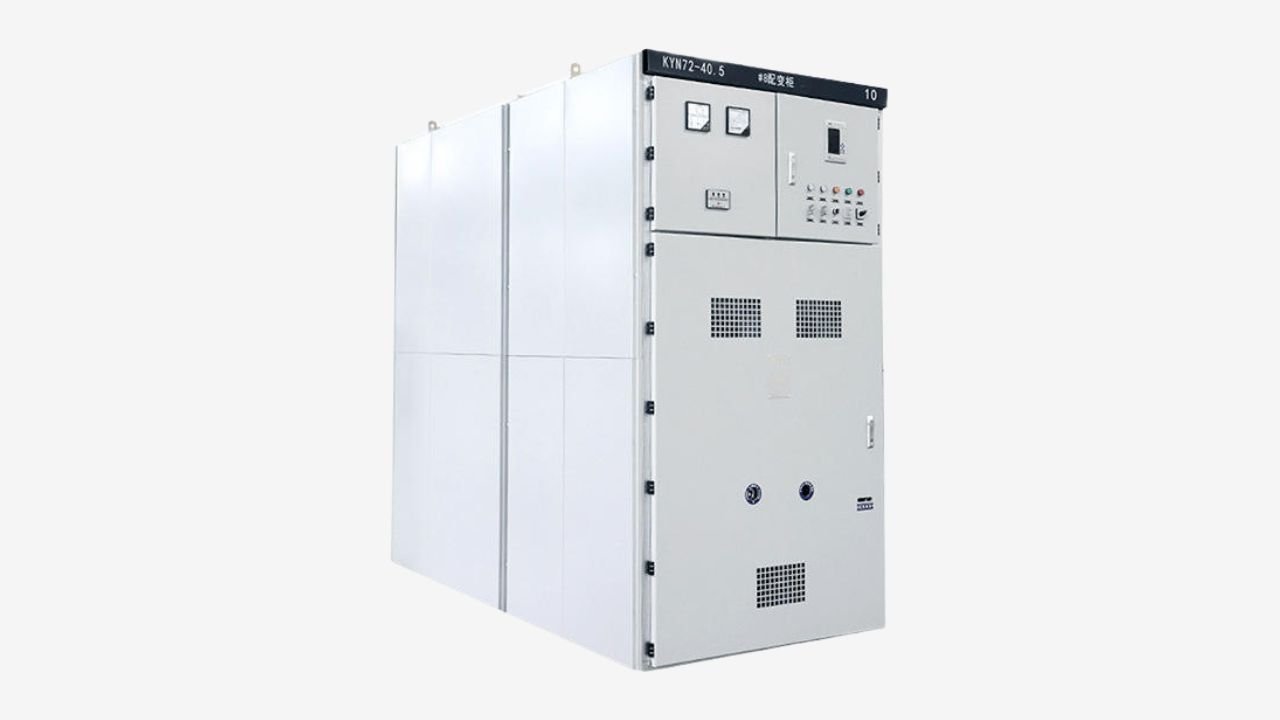
Maintenance of medium voltage switchgear is conventionally divided into three categories: preventive, predictive, and corrective, each with different objectives and applicable scenarios.
Preventive Maintenance (PM)
The major work of preventive maintenance involves cleaning switchgear enclosures, tightening connections, testing protective devices, and inspection mechanical interlocks. It helps your equipment perform normally throughout its operational life by assuring early detection of potential hazards.
Predictive Maintenance (PdM)
Predictive maintenance techniques will mainly rely on condition monitoring technologies to monitor equipment conditions. Using thermal imaging, contact resistance test, and partial discharge detection, issues such as insulation aging, overheating, or electrical stress could be detected with real-time status. Therefore, this empowers maintenance teams to intervene before failures occur.
Corrective Maintenance (CM)
Corrective maintenance is necessary for needed repairs or replacements after a failure or degradation in performance has occurred; also referred to as breakdown maintenance, ZHONGSHAO can deal with anything from simple component replacement to major circuit overhauls.
Preventive Maintenance Inspection Checklist
ZHONGSHAO has compiled a professional preventive maintenance inspection checklist for medium voltage switchgear to help customers record equipment status in different maintenance cycles. After each item is implemented, you can check √ in the table and note the date or findings of the record in the remarks column for easy tracing and archiving.
| Maintenance Item Category | Core Inspection Items | Status (✓/✗) | Remarks |
| Safety Preparation | Power de-energization and LOTO procedures completed | ||
| Verified absence of voltage using voltage detector | |||
| Arc flash PPE configured per NFPA 70E requirements | |||
| Busbars and Connection Points | Torque checks completed at critical connection points | ||
| No signs of overheating, oxidation, or loosening | |||
| Insulation System | Insulation resistance test completed and recorded | ||
| Partial discharge rapid check shows no abnormalities | |||
| Operating mechanism (circuit breaker/load switch) | Smooth opening and closing action without sticking | ||
| Critical moving parts are lubricated | |||
| Thermal Imaging Inspection | No hot spots detected on busbars and terminals | ||
| Cabinet and Environment | The interior is clean and dry | ||
| Sealing, moisture protection, or heating functions are operating normally |
How to Choose Medium Voltage Switchgear?
Step 1: Confirm the Installation Environment
When making medium voltage switchgear procurement, first, confirm whether your equipment is installed indoors or outdoors, and whether there are special conditions such as dampness, dust, salt spray, high temperature or underground space. Thus, the appropriate enclosure grade and protection grade (IP) can be selected based on the on-site conditions to avoid problems such as condensation, corrosion or insufficient heat dissipation in the later stage. This is also the first step in determining the specifications of medium-voltage switchgear.
Step 2: Select the Insulation Method
Select the insulating medium based on your project space, maintenance capabilities and performance requirements, and compare the range of different medium-voltage switchgear at the same time:
- Air insulation (AIS): Simple structure, easy to maintain, suitable for scenarios with ample space.
- Gas insulation (GIS, SF₆): small in size and with good sealing performance, it is often used in urban substations or machine rooms with limited space.
- Liquid insulation (E200, FR3, mineral oil): It has good dielectric properties and strong heat dissipation capacity, and is suitable for projects with high temperature rise requirements.
Step 3: Confirm Compliance and Protection Requirements
The equipment must first comply with IEC, IEEE or local electrical standards and have the necessary arc flash protection capability.
After confirming compliance, select appropriate circuit breakers, CT/VT and relay protection devices based on the short-circuit capacity and protection scheme of the system to ensure that the rated values and safety of medium-voltage switchgear can meet your operational requirements.
Step 4: Select the Configuration and Expansion Capabilities
Based on the project scale, determine the busbar structure, the number of circuits, whether double busbars or tie schemes are needed, as well as the future expansion space.
If the project requires remote monitoring or access to the SCADA/BMS system, an intelligent configuration that supports IEC 61850, Modbus or DNP3 should be selected.
Step 5: Confirm the Model
Based on the key parameters in the following table, determine the final selection to avoid missing important indicators during procurement. This is also the core step to complete the purchase of medium-voltage switchgear.
| Parameter Category | Common Reference Values / Description |
| Rated Voltage (kV) | 3.3 / 6 / 10 / 11 / 12 / 24 / 35 kV (depending on region and power grid) |
| Rated Current (A) | 630 / 1250 / 1600 / 2000 / 2500 / 3150 A |
| Short-Circuit Breaking Capacity (kA) | 16 / 20 / 25 / 31.5 / 40 kA (selected based on system short-circuit capacity) |
| Short-Time Withstand Current Ik (kA/1s) | Matches short-circuit capacity, typically 20–40 kA |
| Insulation Method | Air / SF₆ Gas / Liquid (E200, FR3, Mineral Oil) |
| Busbar System | Single Busbar, Single Busbar Sectioning, Double Busbar, Ring Network Configuration |
| Protection Rating (IP) | Indoor: Commonly IP3X to IP4X; Outdoor: Up to IP54 or Higher Auxiliary Control |
| Auxiliary Control | Conventional relays / Smart relays (supporting IEC 61850, Modbus, DNP3) |
| Circuit Breaker Type | Vacuum circuit breaker (most common) / SF₆ circuit breaker (still used in some regions) |
| Installation Method | Fixed / Draw-out (cart-type) |
| Ambient Temperature Requirement | -15°C to +40°C (may vary by manufacturer and region) |
Applications of Medium Voltage Switchgear
Medium voltage switchgear, widely used in transmission and distribution systems, provides safety and stability in the power control and protection of medium and large commercial facilities and industrial scenarios. Typical applications generally include:
Data Centers and Critical Power Systems
It is applied to ultra-large-scale data centers, colocation rooms, and critical load environments that have extremely high demands on continuous power supply. Medium voltage switchgear can ensure the stability of power supply, achieve busbar redundancy, and support intelligent monitoring.
Industrial manufacturing and High-precision Production Facilities
The medium-voltage switchgear in semiconductor manufacturing, pharmaceutical factories, and industrial parks is used to support the work of high-load equipment by providing reliable short-circuit protection, isolation, and selectivity of the system.
Renewable Energy Projects
It is widely applied in wind power, photovoltaic power, and battery energy storage systems, used to realize the purpose of grid connection, isolation, load transfer, and safety protection. It is a key control node in the new energy power system.
Public Utilities and Grid Interconnection
It is applied in substations, distributed access points of power grids, and public power infrastructure used for enhancing the reliability of network operation and handling multi-source parallel systems. These are the core application areas in medium-voltage switchgears of public utilities.
Medical and Life Support Facilities
Medium-voltage switchgear provides continuity of power supply for critical systems within hospitals, medical centers, and continuous load facilities, backup power switching, and system redundancy.
Transportation and Infrastructure
It is applicable to large-scale infrastructure projects such as rail transit, airports and ports, and is used to ensure the stable operation of traction power supply, lighting, communication and control systems, while meeting the demands of the European medium-voltage switchgear market for high reliability and intelligence.
Low and Medium Voltage Switchgear: What is the Difference?
The low voltage and medium voltage switchgear in modern power systems is crucial to ensure that electricity distribution is safe and stable. ZHONGSHAO does offer high-quality wholesale low and medium voltage switchgea that satisfy power supply requirements in different scales and industries.
| Comparison Items | Medium Voltage Switchgear (MV Switchgear) | Low Voltage Switchgear (LV Switchgear) |
| Rated Voltage | 1kV to 38kV | 100V to 1000V |
| Application Scenarios | Power transmission and distribution systems, medium-to-large industrial facilities, data centers, public infrastructure | Industrial plants, commercial buildings, building power distribution, machinery control |
| Volume and Structure | Large volume, typically featuring metal-enclosed cabinets, supporting withdrawable circuit breakers, gas-insulated or liquid-insulated designs. | Compact volume, modular or panel-mounted design, predominantly air-insulated. |
| Primary Components | Load break switches, vacuum circuit breakers, gas or liquid insulated switches, busbars, relay protection | Earth leakage circuit breakers, disconnect switches, fuses, contactors, relay protection devices |
| Protection Capability | High short-circuit breaking capacity (20kA to 40kA and above), supporting complex selective protection and remote monitoring | Medium-to-low short-circuit breaking capacity, primarily used for equipment and personnel protection with relatively simple selective protection |
| Insulating Medium | Air, SF6 gas, liquids (E200/FR3/mineral oil) | Air or plastic insulation, no gas or liquid medium required |
| Intelligent Control and Monitoring | Supports SCADA/BMS integration, IEC 61850, remote diagnostics, and condition monitoring | Primarily local control or basic relay protection with low levels of intelligence |
| Installation Environment | Indoor or outdoor; requires consideration of IP rating, corrosion resistance, moisture protection, and heat dissipation | Primarily indoor; standard protection level; easy maintenance |
| Cost | High, suitable for critical loads and high-voltage systems | Low, suitable for general industrial and commercial loads |
The testing procedure applied to medium voltage switchgear is essentially performed in two parts: mechanical and functional. The functional tests confirm proper circuit breaker operations, interlocks, and control signals. It is best performed by a qualified engineer. For any clarification or questions, please consult with ZHONGSHAO for support.
Of course. Besides the general electric medium voltage switchgear, ZHONGSHAO also supports project requirement customization in various aspects, including parameters, structure, and functional configuration. All customized equipment will undergo a complete set of inspection processes and comply with relevant industry certifications.
Partial discharge is a phenomenon of local breakdown in medium voltage switchgear insulating materials under high voltage stress, but it does not directly penetrate the entire insulating structure. This technique is one of the very important diagnostic methods that is performed during operation and maintenance of medium voltage switchgear.
Internal arc is defined as the most severe arc phenomenon that occurs in medium-voltage switchgear because of insulation breakdown or a short circuit between conductors in fault conditions.
Arcs can generate high temperature, high pressure, and metal vapors inside the cabinet, which may destroy the equipment and even threaten personnel safety. Therefore, MV switchgear usually adopts an arc-withstand structure, pressure relief channels, and arc protection functions to reduce the risks brought in by faults.