
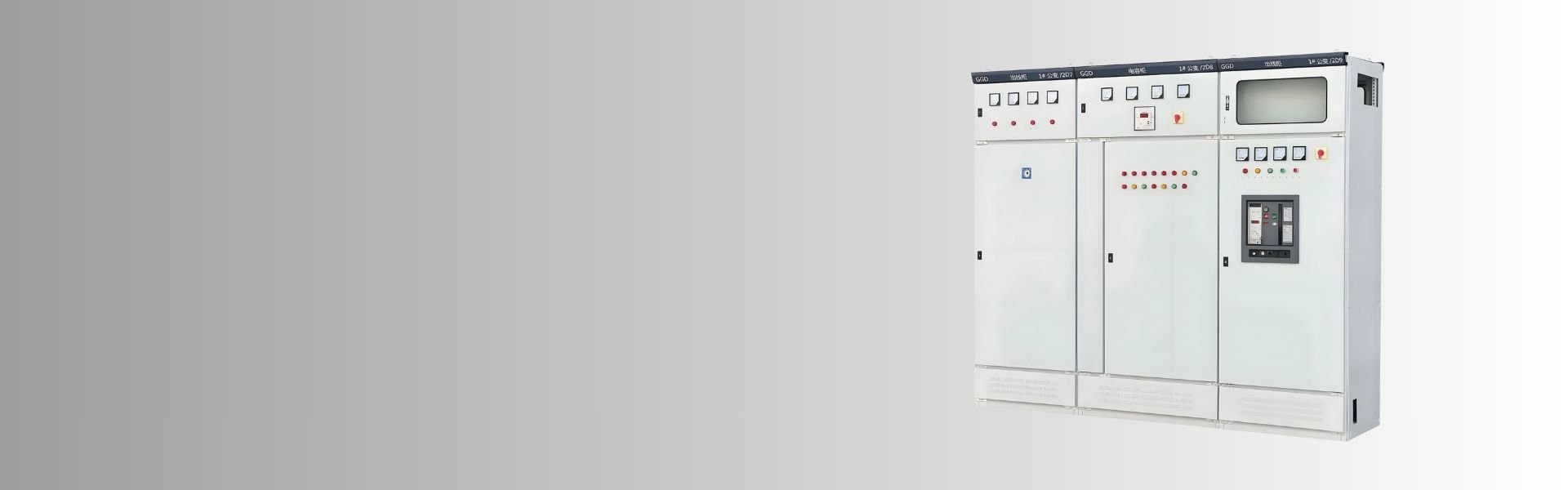
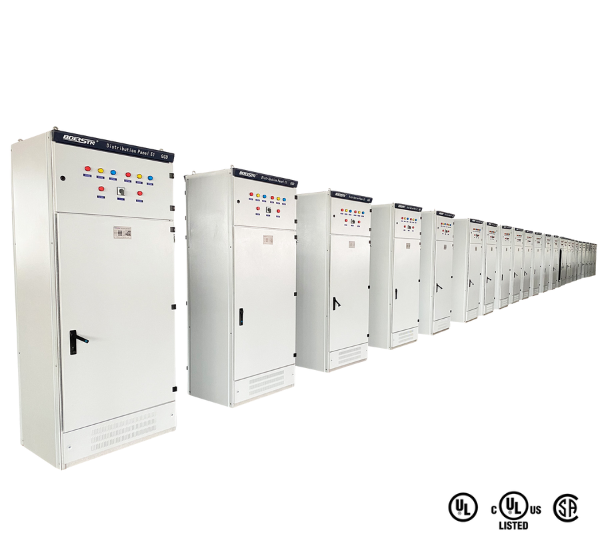
Features of Main Distribution Board
- The rated current of the busbar can reach 4000A and has been supported up to 6000A through type tests, making it suitable for high-load scenarios.
- It features a Form 1 to Form 4b separation design, improving safety during operation and making upkeep easier.
- It can operate at 50°C, supports IP55/IP65 enclosures, and is suitable for both indoor and outdoor installations.
- Compliant with IEC 61439-1, it has been recognized by DEKRA, and multiple public utility institutions.
- Supports fixed/drawer structure, top or bottom incoming lines, and is fully compatible with ABB equipment.
Zhongshao — Your Trusted Main Distribution Board Partner
Zhongshao provides tailor-made power systems for industries including renewable energy, grid management, rail transport, and marine equipment. In the field of main distribution boards, the company draws on its extensive industry experience to deliver power distribution solutions that customers can trust, supporting households, enterprises, and industrial facilities. Our MDB can handle large-capacity currents, support single-phase and three-phase loads, and can be selected as indoor or outdoor models according to the installation environment.
Zhongshao Electric is committed to providing high-quality, reliable, and industry-standard main distribution board solutions that support safe and dependable power management for customers.
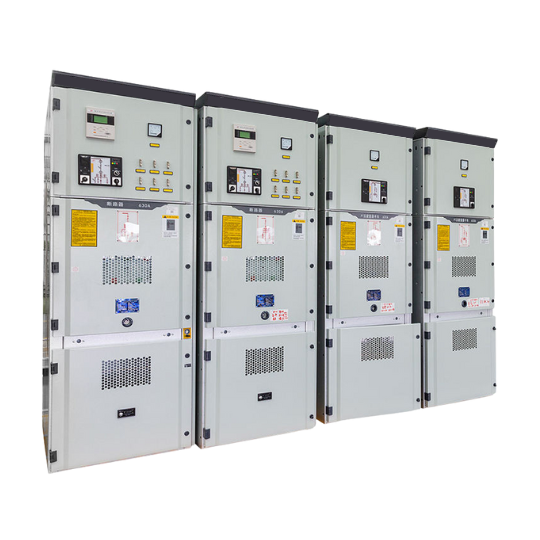
Great quality results and durability that enhanced the security of the board. Customizable surface coating.
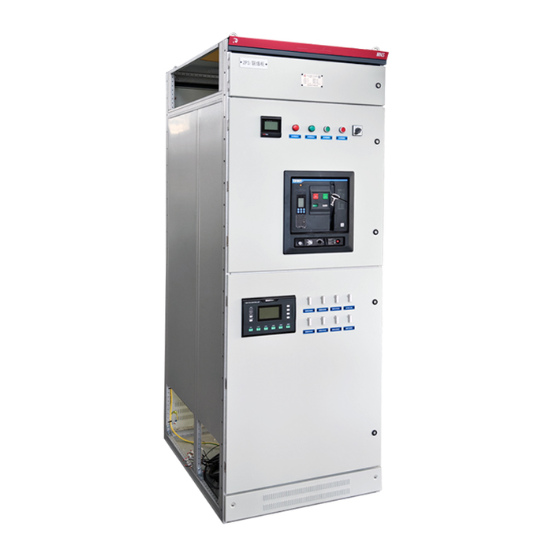
Remote control and automatic operation method, has low-voltage pull-out switch and suitable for power plants.
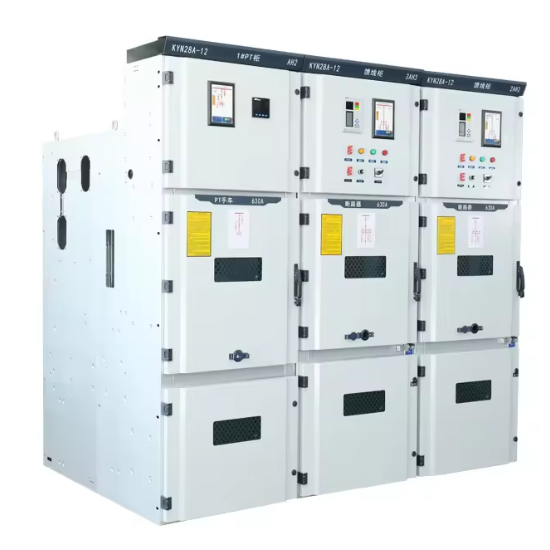
Great distribution of electrical power, fast response and cabinet control. Industrial usage and application.
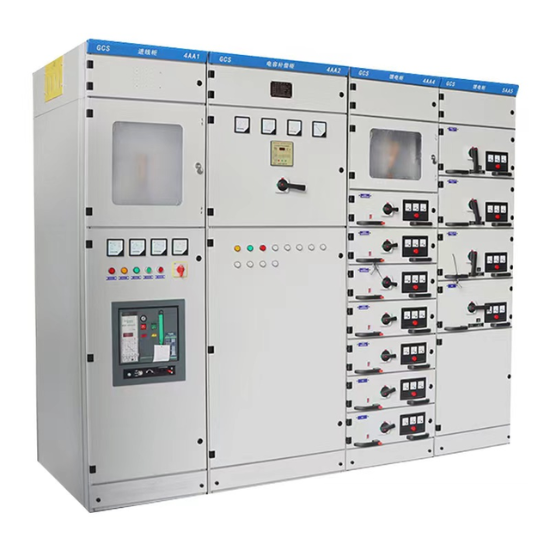
Manufactured with great electric power transmission and has insulated voltage. Can be customized.
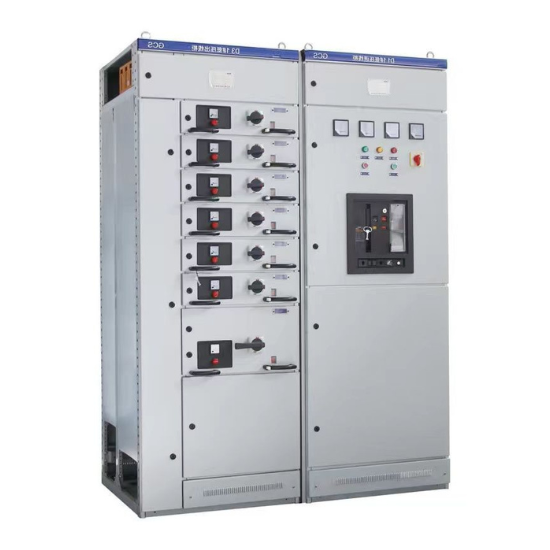
Great automation and electrical transmission, Has switch-gear type for easy operation.
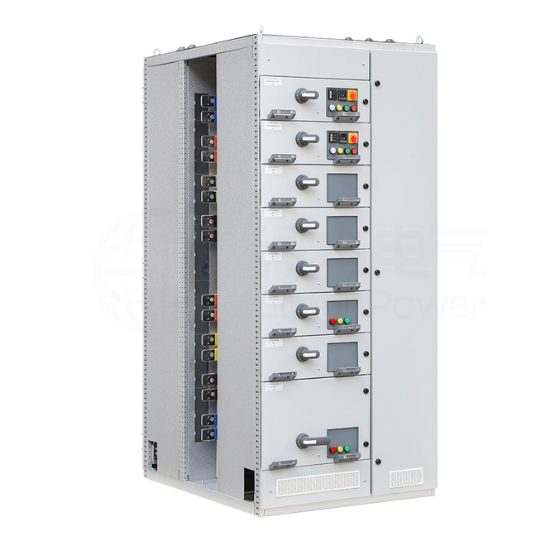
Withdrawable and has low voltage rate, Industrial application with high compatibility for power plants.
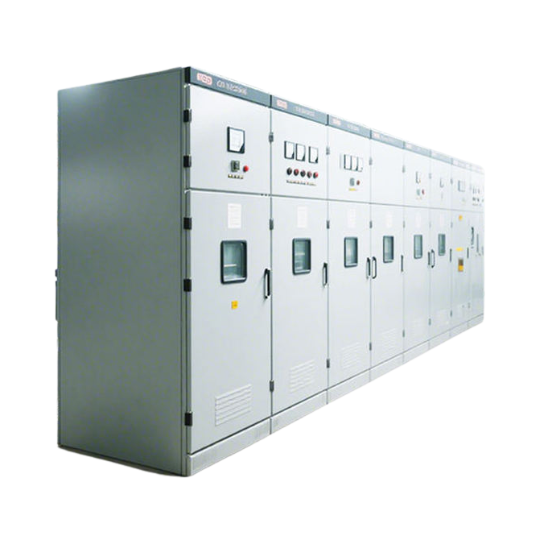
An enclosed main board distributor and great power transmission, responsive and explosion-resistant.
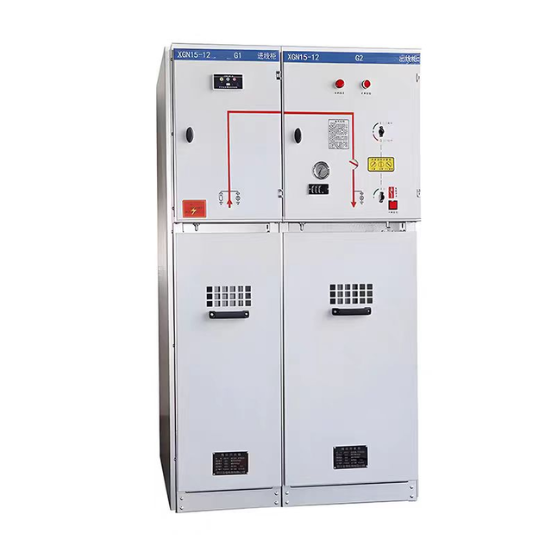
Complete set and has great industrial power distribution, can withstand high-voltage vacuum circuit breakers.
What Is a Main Distribution Board?
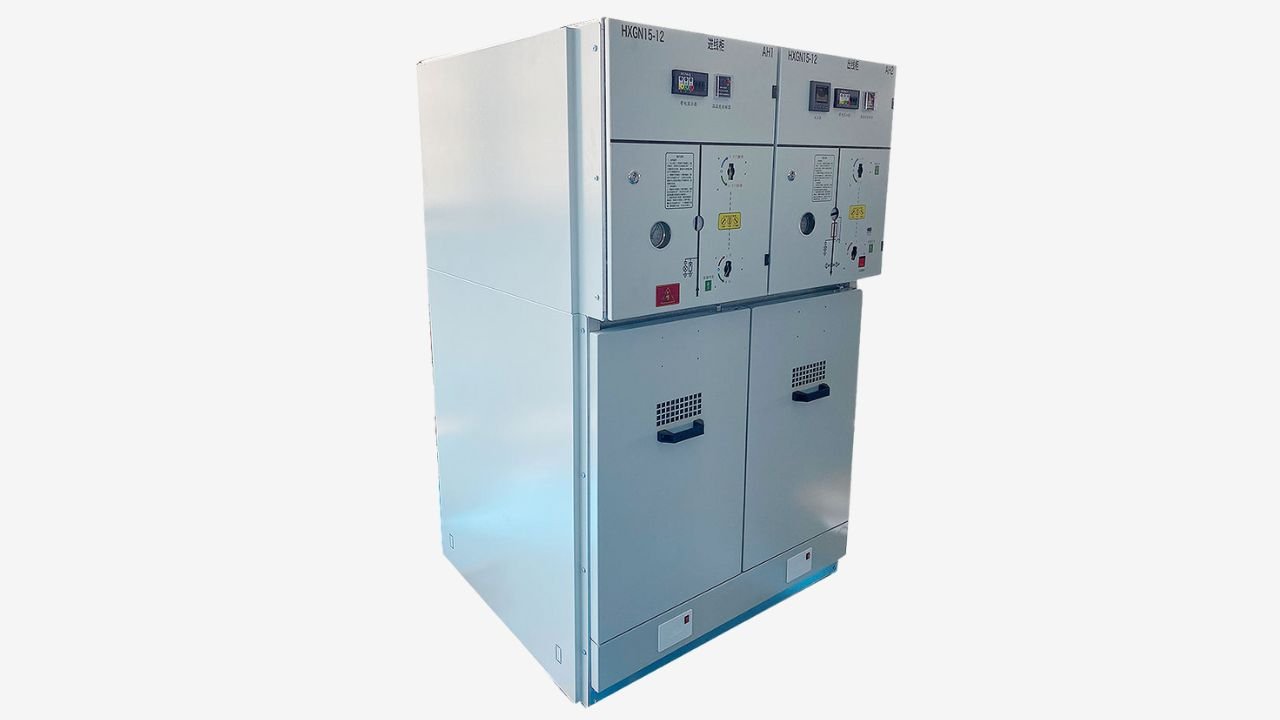
The main distribution board (MDB) is the core of the entire power system. After receiving power from generators, it distributes the power to each distribution board or independent circuit by area. It can be understood as the “power command center” of the entire building, guaranteeing that every room, device, and outlet receives the right and safe amount of electricity.
Inside an MDB, you will find core parts like the main breaker, breakers for individual circuits, busbars, meters, along grounding and neutral points. They work together to manage power distribution, quickly cut off unsafe currents, and prevent problems from overloads or short circuits. Whether the site is a home, an office tower, or a large industrial plant, the MDB plays a key role in keeping the entire electrical system running safely and reliably.
The housing of an MDB contains key parts inside, including overcurrent protection units, busbars, and the supporting frame. Circuit breakers link to the busbars, giving each circuit its own level of protection. The MDB’s role is to split the incoming power into several branches while guarding against overloads and short circuits, lowering the chance of issues caused by heat buildup or breaker faults.
The Components of the Main Distribution Board
The main distribution board is composed of multiple key components, which work together to safely and smoothly deliver electricity to all areas of the building.
Busbar
Busbars are thick metal bars, usually made of copper or aluminum, used to deliver the input power to all circuits in the distribution board. With reliable conductivity and strong resistance to wear, it can manage high current flow and functions as the primary power channel.
Incoming line section
Here is installed the main switch or the incoming line MCCB, which is equivalent to the entrance of the distribution board. All power sources enter from here. In case of maintenance or emergency, the entire power supply can also be quickly cut off through it.
Outgoing line circuit breaker
This section includes protection devices such as MCB, MCCB, RCD, and RCBO, each corresponding to an independent line. When a short circuit occurs or the current is too large, it will immediately trip and shut down only the faulty line, without affecting the normal power supply in other areas.
Electricity meters and current transformers
Electricity meters and CTs are used to record the electricity consumption of different lines, which is very important for billing, load distribution, and energy consumption analysis. Current transformers also enable instruments to make accurate measurements in high-current environments.
Shell
The enclosure acts as the protective shell of the whole distribution board, housing all internal parts inside. It shields the system from dust, moisture, and external impact, meets the required IP protection grade, and helps the equipment run safely and dependably.
Main circuit breaker
The main circuit breaker controls the total power supply of the entire distribution board and has a protective function against abnormal current. Once a problem occurs, it can quickly cut off the entire system and serve as an important safety barrier for the distribution board.
Neutral bar and ground bar
The neutral bar allows the circuit’s current to return without obstruction, keeping the system operating smoothly. The grounding bar directs fault or leakage current into the earth, lowering the chance of shocks and fire hazards.
Surge protection device
It can absorb the instantaneous high voltage generated by power grid fluctuations or lightning strikes, preventing electrical appliances and circuits from being impacted, and is an important component for protecting precision equipment.
The Role and Importance of the Main Distribution Board
In any electrical network, the main distribution board plays a key part. It is far more than a cabinet with breakers and cables; It is a core hub that directs how power is supplied throughout the system.
The core of power distribution
The main distribution board receives electrical energy from the power grid or power generation equipment and then transmits it to each circuit or sub-distribution board as needed. It can allocate the load across different areas in a balanced way, making sure lighting, outlets, and equipment all get adequate power while preventing issues in any zone caused by excessive demand.
Multiple safety protections
The distribution board is equipped with safety components such as circuit breakers, fuses, leakage protection devices, and surge suppressors. They can monitor the condition of the lines and quickly cut off the faulty lines when short circuits, abnormal currents, or voltage surges occur, reducing the risks of fire, equipment damage, and electric shock. They are the first line of defense for the system.
Easy to control and isolate
When the circuit malfunctions, you don’t have to cut off the power supply to the entire building. The main distribution board allows a single line or a certain area to be switched off on its own. Technicians can work on that section safely without disturbing other circuits, so the rest of the equipment keeps operating, and daily management becomes easier and safer.
Centralized monitoring of power usage
The main distribution board is usually equipped with monitoring devices such as instruments and current transformers, so that important data are all concentrated in a unified location. Whether it’s checking the load, assessing energy consumption, or analyzing the operational status of equipment, all can be seen here, facilitating managers to adjust their electricity usage strategies on time.
Adapt to a wide range of settings
From household electricity to heavy machinery in factories, the main distribution board can be arranged to match the conditions on site. When new devices are introduced or extra circuits are needed, they can be adjusted on the current setup without extensive rewiring. This gives it strong flexibility and makes it suitable for many environments.
Support regulatory compliance and system protection
Compliant distribution panels are built to meet both regional codes and global standards. This boosts system safety and helps the building go through inspection and approval without obstacles. For enterprises, compliance with standards can also reduce legal risks and insurance disputes, and it is an indispensable part of the electrical system.
The Type of Main Distribution Board
Main distribution boards come in various forms because different buildings, power loads, and installation requirements all need different configurations. The following is a classification explanation of common types from multiple perspectives.
Classify by size
Small MDB
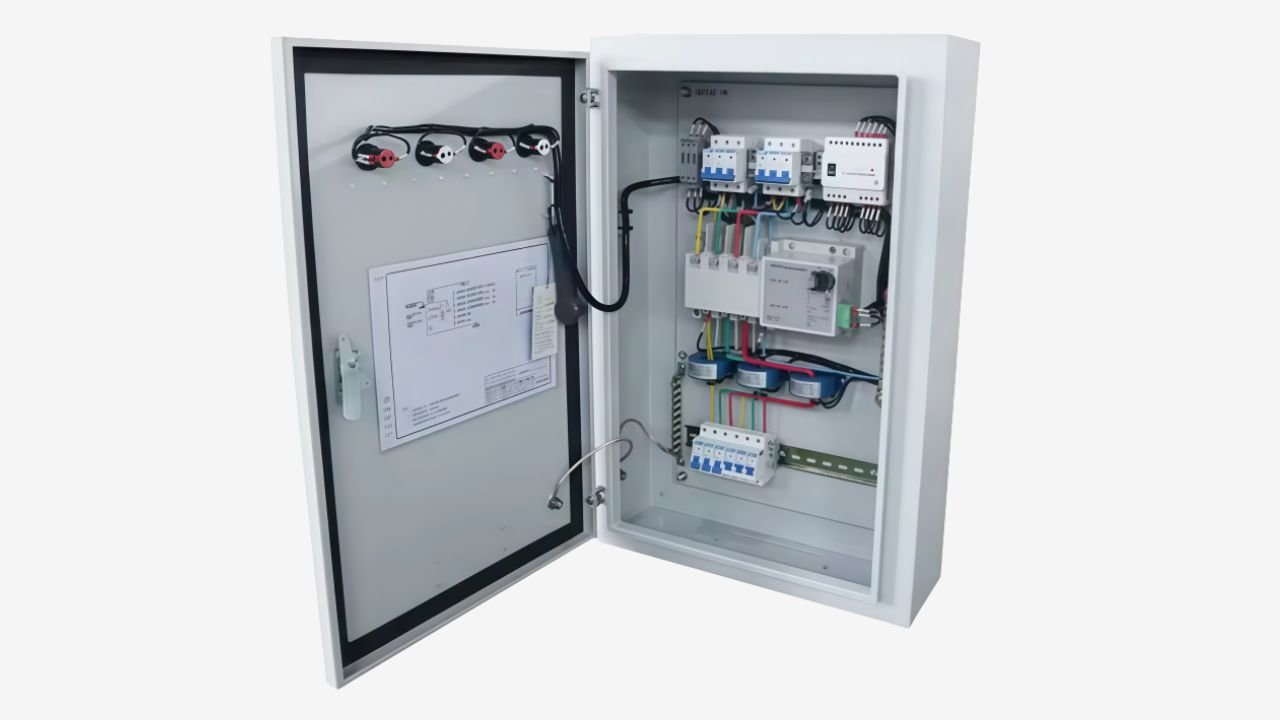
This type of distribution board is commonly found in ordinary households and small shops, with a relatively low load demand. The general rated current is between 100A and 250A. Most of the chassis are approximately 600×400×200 millimeters in size and can accommodate 4 to 12 circuit breakers, which can meet the basic electricity needs for daily life.
Medium-sized MDB
Medium-sized plates are used in clinics, small office areas, or restaurants. The capacity is usually between 400A and 800A, and the size is mostly 1000×800×300 millimeters. It can accommodate about 12 to 24 circuit breakers and can meet the power supply requirements of multiple areas or medium-sized equipment.
Large-scale MDB
Large main distribution panels are adopted in places such as factories, shopping malls, and hospitals. The current-carrying capacity starts from 1000A and can exceed 3200A at most. It is approximately 1800 to 2200 millimeters in height, 1000 to 1800 millimeters in width, and 400 to 800 millimeters in depth. It can install more than 24 to 60 circuit breakers to support large-scale power distribution systems.
Classify by installation location
Indoor panels
Indoor panels are widely used in homes, apartments, and many commercial Spaces. Their setup and maintenance are simpler. They only need to be installed in a dry place, which helps to reduce the overall cost. Because they are away from moisture and sunlight, the choice of their shells can be lighter and more economical.
Outdoor panels
Outdoor panels are designed for tougher conditions. They rely on stronger enclosures and tight sealing to keep out dust, moisture, and UV exposure. They are often placed in parking areas, standalone pump rooms, or on job sites.
Classify by protection method
Fuse distribution board
Each circuit is protected by an independent fuse. When a short circuit or overload occurs, the fuse will blow and cut off the power supply. Although this is very reliable, the fuse has to be replaced every time it is operated, which is very inconvenient.
Circuit breaker distribution board
Circuit breakers are commonly used in modern distribution panels. After tripping, it can be restored simply by pulling the switch again. There is no need to replace components, and it is also more convenient to handle faults. Therefore, it has become the mainstream choice.
Classify by board material
Metal boards
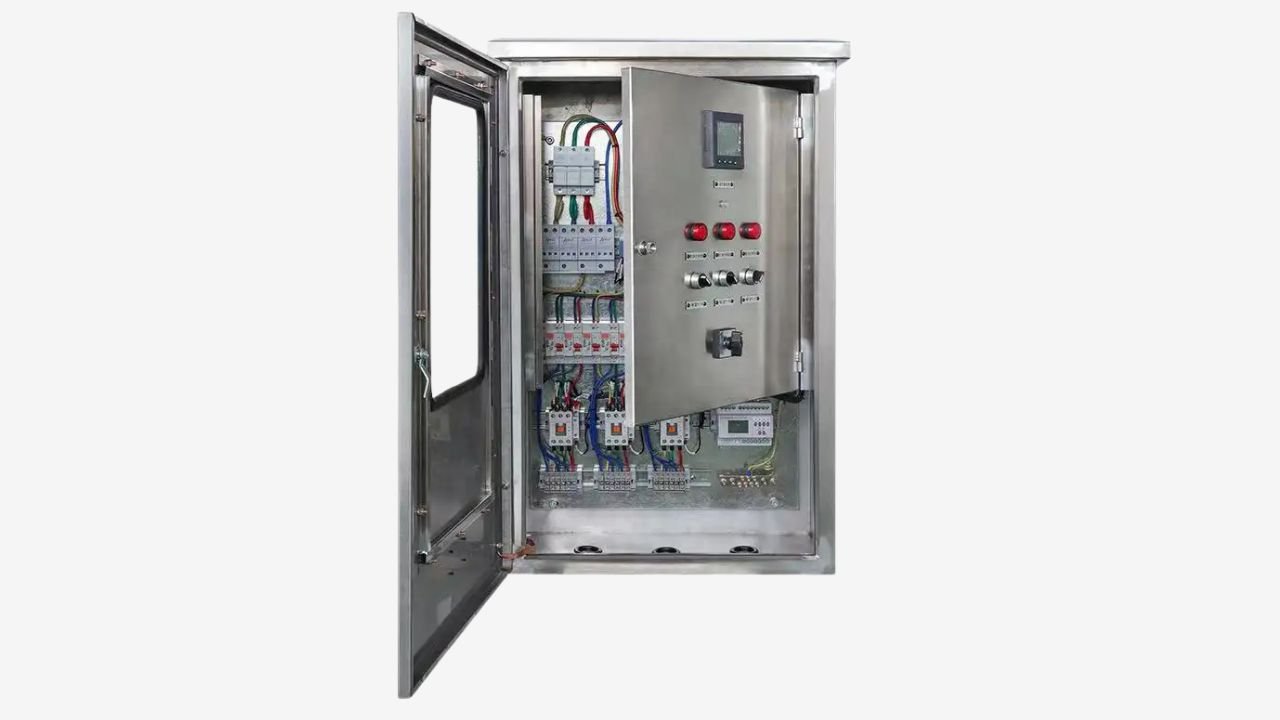
Metal boards are usually made of steel or aluminum and have strong impact resistance and heat resistance. It is widely applied in industrial and commercial areas with harsh environments or high requirements for fire safety. Their durability also makes them suitable for long-term use.
non-metal boards
Non-metal boards are lighter and are usually more popular in simple indoor environments. They do not corrode and are frequently used in residential areas.
Classified by distribution level
In a complete electrical network, each type of circuit board plays a different role:
- MDB: The first power point after the power source or generator. It controls the main input energy of the entire building.
- SMDB(Sub Main Distribution Board): Receives electricity from the MDB and transmits it to the area, floor, or large room.
- FDB(Final Distribution Board): Deliver electricity to each room, socket, or machine. This is the location of the final circuit, serving the lights, sockets, and devices.
Classify by phase number
Single-phase
Single-phase boards are used in households and small stores with low demand.
Three-phase
Three-phase boards are suitable for large apartments, factories, and commercial buildings, where there is usually heavy equipment and larger loads.
Classified by function
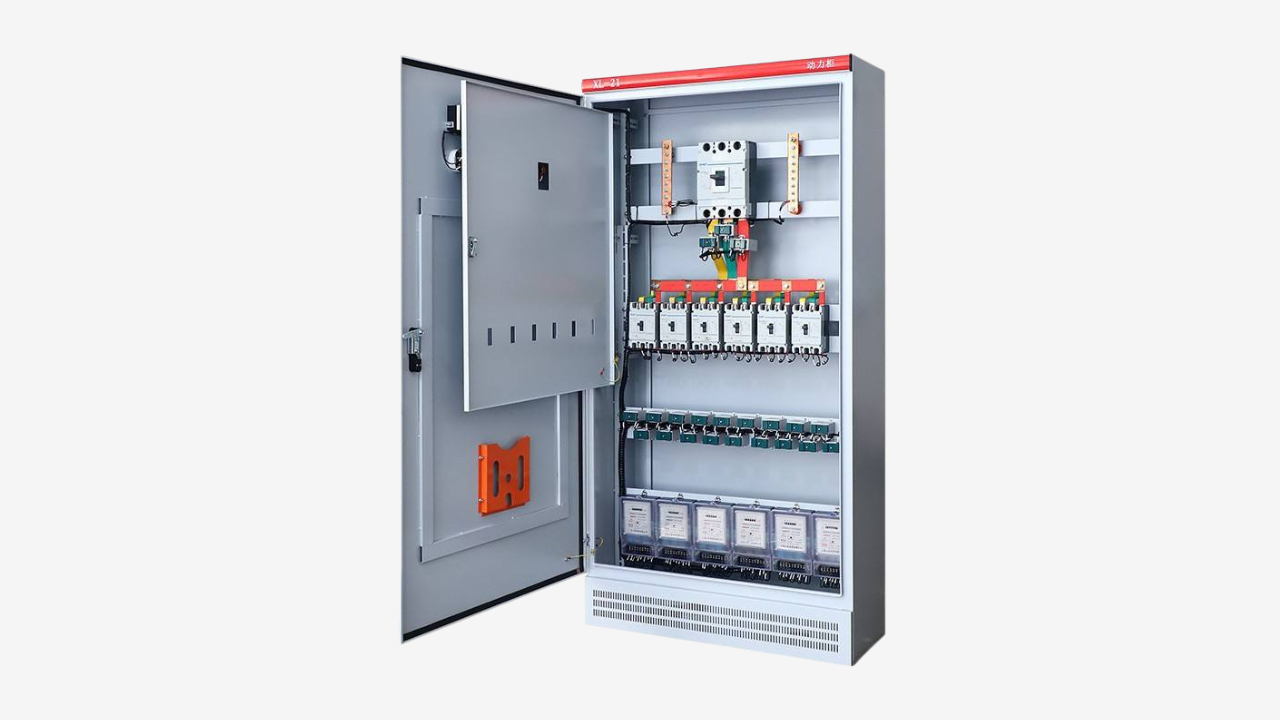
Main circuit breaker board
The power entry points of the entire building are concentrated here, and the main switch can turn off all circuits at once. This type of panel is often used in both residential and industrial sites, facilitating one-click power cutting in emergencies.
Sub-distribution board
The sub-panel draws power from the main panel and can deliver electricity to floors, ancillary buildings, or large areas. This can disperse the load and keep the main panel from being placed under too much strain.
Fuse box
Many old houses or old shops still retain fuse boxes. When a fault occurs, the fuse will blow to protect the circuit, but it has gradually been replaced by circuit breaker panels.
Industrial distribution board
Industrial discs are usually custom-made to handle large currents and heavy equipment. They include extra safety functions, including limiting sudden voltage spikes, guarding against excessive current, and allowing quick power cut-off, which lowers the chance of accidents.
PDU (Power Distribution Unit)
Data centers and server rooms use PDUs to deliver balanced power to their racks and electronic equipment. This helps lower the risk of sudden voltage spikes and cuts down on interruptions.
Typical Uses of the Main Distribution Board
The main distribution board undertakes crucial power supply tasks in different locations, and different environments have different requirements for it.
Residential sector
In residential areas, the main distribution board is responsible for delivering electrical energy to every circuit in the home, including lamps, power sockets, kitchen appliances, and air conditioners, etc. Each circuit is equipped with a corresponding circuit breaker to protect the line. When power use on a certain line climbs too high, for example, when several kitchen appliances operate at the same time, the breaker on that line will trip at once to stop overheating or a short-circuit fault. It supports consistent and safe electricity for the whole building.
Manufacturing plant
Production lines, motors, conveyors, and processing units all depend on steady electrical input. A well-designed distribution board helps stop circuits from being overwhelmed and keeps every stage of the workflow running smoothly.
Construction site
The electricity demand on construction sites often changes. Temporary distribution boards enable on-site personnel to flexibly control the power supply of different tools and machinery, enhancing construction safety.
Hospitals and medical institutions
Medical devices place very strict demands on power quality—this includes ventilators, imaging units, and emergency lighting. The main distribution board delivers a steady supply to support these systems and lowers the chance of equipment problems during crucial situations.
Data centers and IT sites
The servers in a computer room need uninterrupted power. The main distribution board evens out the electrical load, stabilizes voltage, and protects delicate equipment from damage.
Commercial building
Office buildings, supermarkets, and shopping malls rely on distribution boards to provide power for lighting, elevators, air conditioning, security systems, and office equipment. The zoned power supply mode makes management simpler and reduces large-scale power outages caused by faults in a certain circuit.
Industrial warehousing facilities
Automated machines, conveyor setups, and refrigeration units in a warehouse all rely on uninterrupted electricity. A distribution board keeps these systems running without disruption and helps lower the chance of unexpected shutdowns.
Retail and shopping centers
The lighting, refrigeration units, security systems, and checkout equipment in shopping malls all depend on steady electricity. The main distribution board keeps these systems running smoothly and helps uphold efficient day-to-day operations.
Key locations
Hospitals, telecom facilities, and data centers place very high demands on uninterrupted power. To prevent outages, the distribution boards in these environments are usually paired with backup sources, UPS units, or generator systems, and they follow stricter safety rules with added layers of protection.
Infrastructure and the public domain
Airports, water plants, and major transportation centers must remain operational for long periods of time. With monitoring and protection built in, distribution boards can detect problems early and respond promptly, keeping downtime and losses to a minimum.
Renewable energy system
In solar or wind power systems, the distribution board coordinates energy from different sources and shields the equipment linked to the grid. It can also be used in microgrids and energy storage setups to improve the overall flexibility of the power supply.
Intelligent energy management
The newest types of distribution boards can link with IoT systems, allowing remote condition checks, load adjustments, energy-use analysis, and early fault warnings. From houses to large-scale facilities, they save energy and improve performance.
Sure, but a high-protection-grade weatherproof casing must be used to prevent rain, dust, and temperature changes from affecting the equipment.
If inspected and maintained regularly, the MDB can be used for more than 20 years, but components such as circuit breakers or electricity meters may need to be replaced in advance due to wear and tear.
Designed for big or sophisticated systems, an MDB takes care of multiple circuits and heavy power demands. A load center is usually installed in homes, where the number of circuits is limited, and the power demand there is much lower.
The MDB carries the primary incoming power and is designed for higher current levels. The SDB covers a limited group of circuits and works with a smaller load. Both need to meet local electrical rules to keep the system safe.