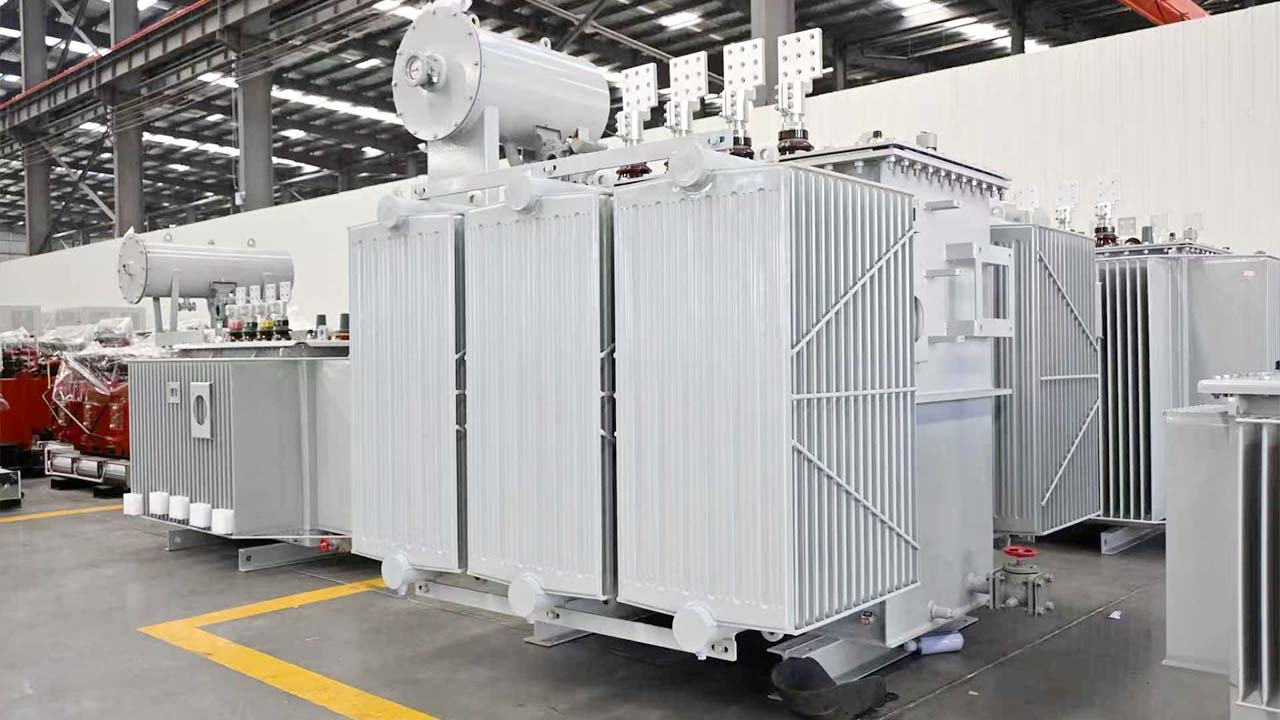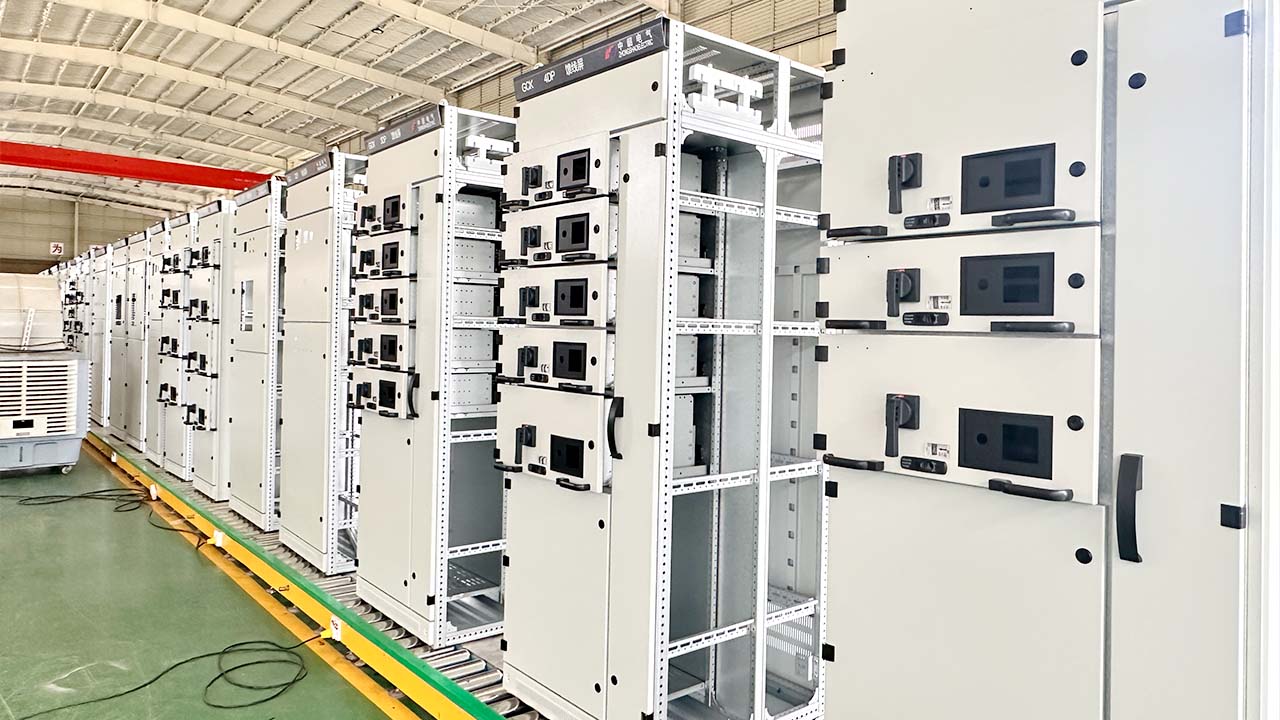
In power systems, transformers are widely used for power transmission and electricity distribution in factories and commercial buildings, with different voltage levels serving distinct functions.
In practical projects, many users often wonder: What exactly are the differences between high-voltage, medium-voltage, and low-voltage transformers, and how should one choose?
Drawing on ZHONGSHAO’s engineering application experience, this article briefly analyzes the key differences in structure, application, and maintenance between high-voltage, medium-voltage, and low-voltage transformers, providing a reference for model selection and project decision-making.
What is a Transformer?
1070 aluminum alloy contains about 99.7% of aluminum and is a kind of commercial, pure aluminum alloy. Due to the simplicity of its alloy components, it has stable physical and thermal performance, which makes it suitable for engineering applications that require consistent properties in materials.
How does Transformers Work?
The fundamental principle of a transformer involves electromagnetic induction. A current in the primary winding creates a flux variation in the iron core of a transformer due to the flow of an alternating current. The flux variation in turn causes a voltage in the secondary winding.
You might be wondering how a transformer is able to step up or step down a voltage. This is made possible by the ratio of the number of turns of the primary to the number of turns of the secondary coil:
- If the secondary coil has more turns than the primary coil, then the voltage will be stepped up. This transformer is known as a step-up transformer.
- On the other hand, a lower number of turns in the secondary coil compared to the primary coil results in a lower voltage; this is referred to as a step-down transformer.
The technology has the ability to function in the following ways—— Adjusting the voltage in the power segments to facilitate long-distance transmission, efficient distribution, and stable power supply.
Classification of Transformer Voltage Levels
The transformers are generally divided into three categories such as low voltage, medium voltage, and high voltage transformers, depending on their rated voltage.
Low Voltage Transformers
The main applications of low voltage transformers include the provision of output voltage lower than 1kV. They act as essential equipment in distributing power from the distribution systems to the electrical equipment because they provide reliable power support to production lines, buildings, or any electrical load.
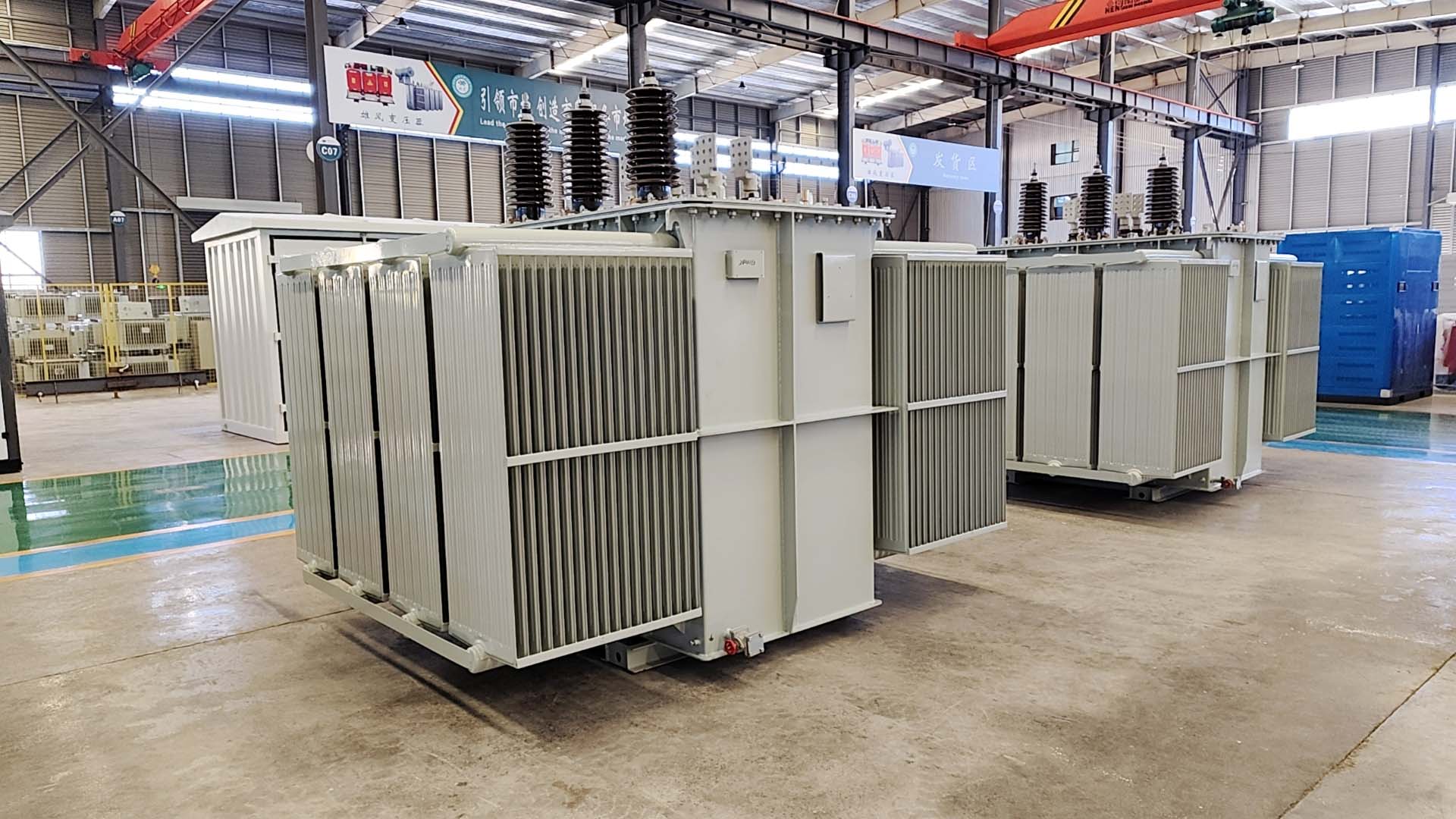
Medium Voltage Transformers
Medium Voltage Transformers function at a specific voltage level with a current rating ranging from 1 kV to 35 kV. During practical implementation, medium voltage transformers provide an ideal medium for crossing over the barriers of transmission efficiency and equipment integrity. They function as an essential bridge component within a power system.
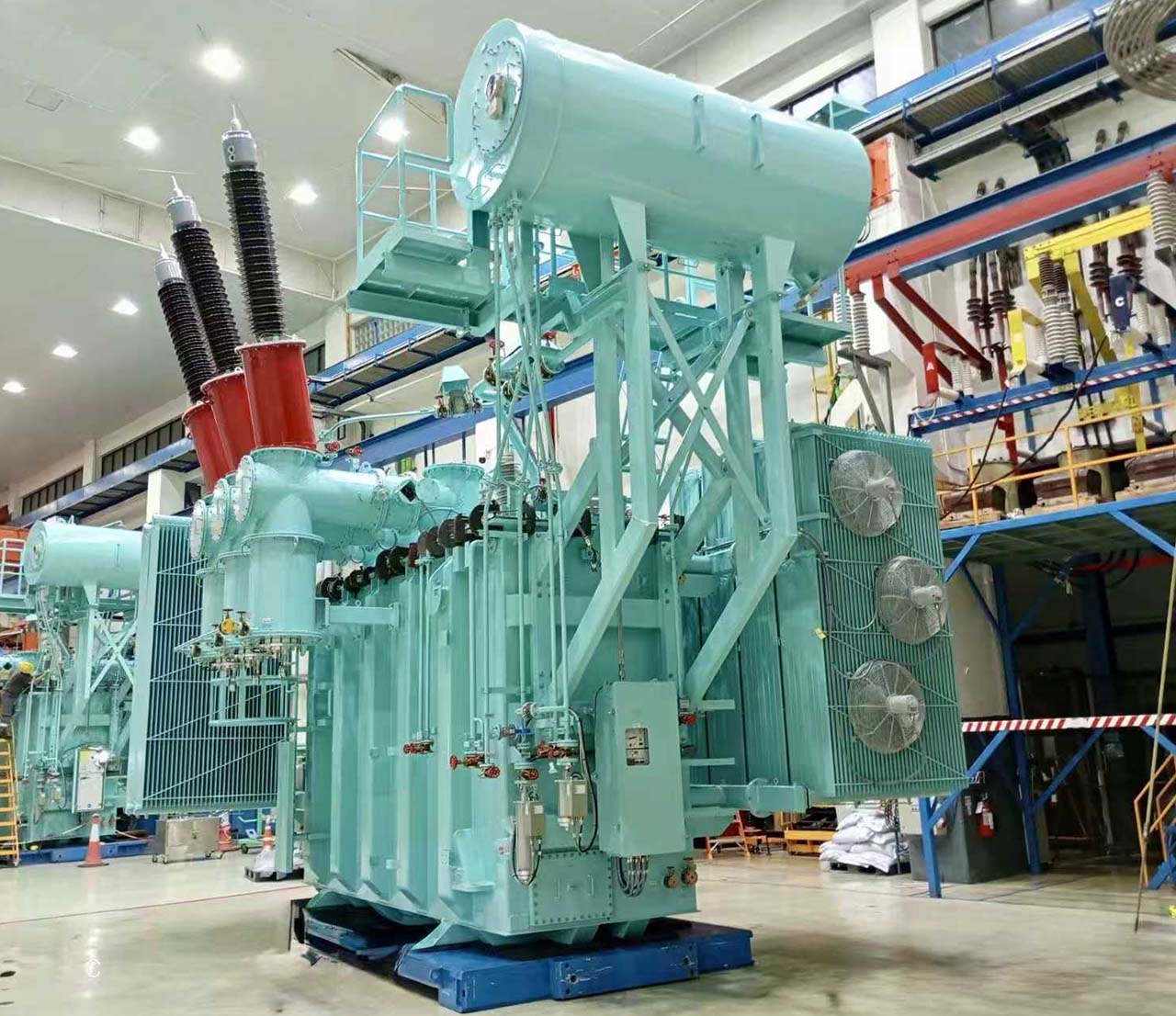
High Voltage Transformers
ZHONGSHAO’s High Voltage Transformers work with voltages above 35kV and are mainly used for voltage transferring between power transmission lines and the electricity grid. Despite the long-distance transmission or grid complexities, the High-Voltage Transformers from ZHONGSHAO efficiently reduce line losses and guarantee the system’s reliability during operation.
Differences Between High-Voltage, Medium-Voltage, and Low-Voltage Transformers
In engineering, high voltage, medium voltage, and low voltage transformers are different based on the voltage rating, use, and design.
Specifically for this reason, ZHONGSHAO has developed a table to facilitate your understanding of these transformers so that the efficient and safe operation of power systems will be achieved.
| Classification | Voltage Rating | Typical Application Scenarios | Structural and Insulation Requirements | Safety and Maintenance Features |
| Low-Voltage Transformers | ≤1kV | Terminal distribution, buildings, motor loads, production lines | Simple structure, low insulation requirements | Requires only routine inspections, low maintenance difficulty, low safety risk |
| Medium-Voltage Transformers | 1kV–35kV | Regional distribution, industrial power, small substations | Medium insulation rating; partial discharge protection required | Requires periodic inspection by qualified personnel; moderate maintenance complexity |
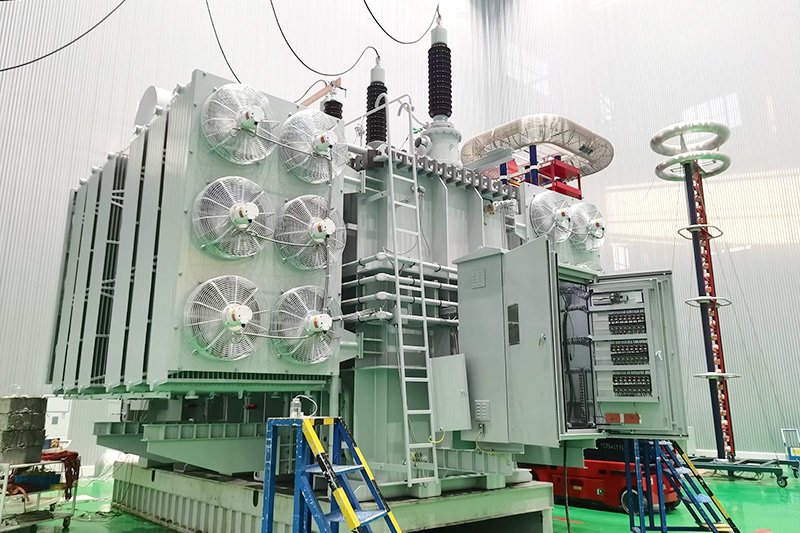
| High-Voltage Transformers | ≥35kV | Power grid transmission, large substations, long-distance distribution | Complex structure, high insulation rating, oil-filled or dry-type high-voltage design | High-risk operation requiring power shutdown, maintenance by specialized teams, strict periodic inspection |
Voltage Range
Low voltage transformers usually work at a voltage less than 1 kV; medium voltage transformers from 1 kV to 35 kV; and high voltage transformers from 35 kV upwards, used in power transmission.
Capacity
With rising voltage levels, there is an increase in system capacity, which transformers need to deal with. In this case, there are high voltage transformers that are used in handling large transmission and generation loads. Low voltage transformers are used in supplying equipment or a local system. There are medium voltage transformers that are used in filling the gap in between.
Insulation and Structure
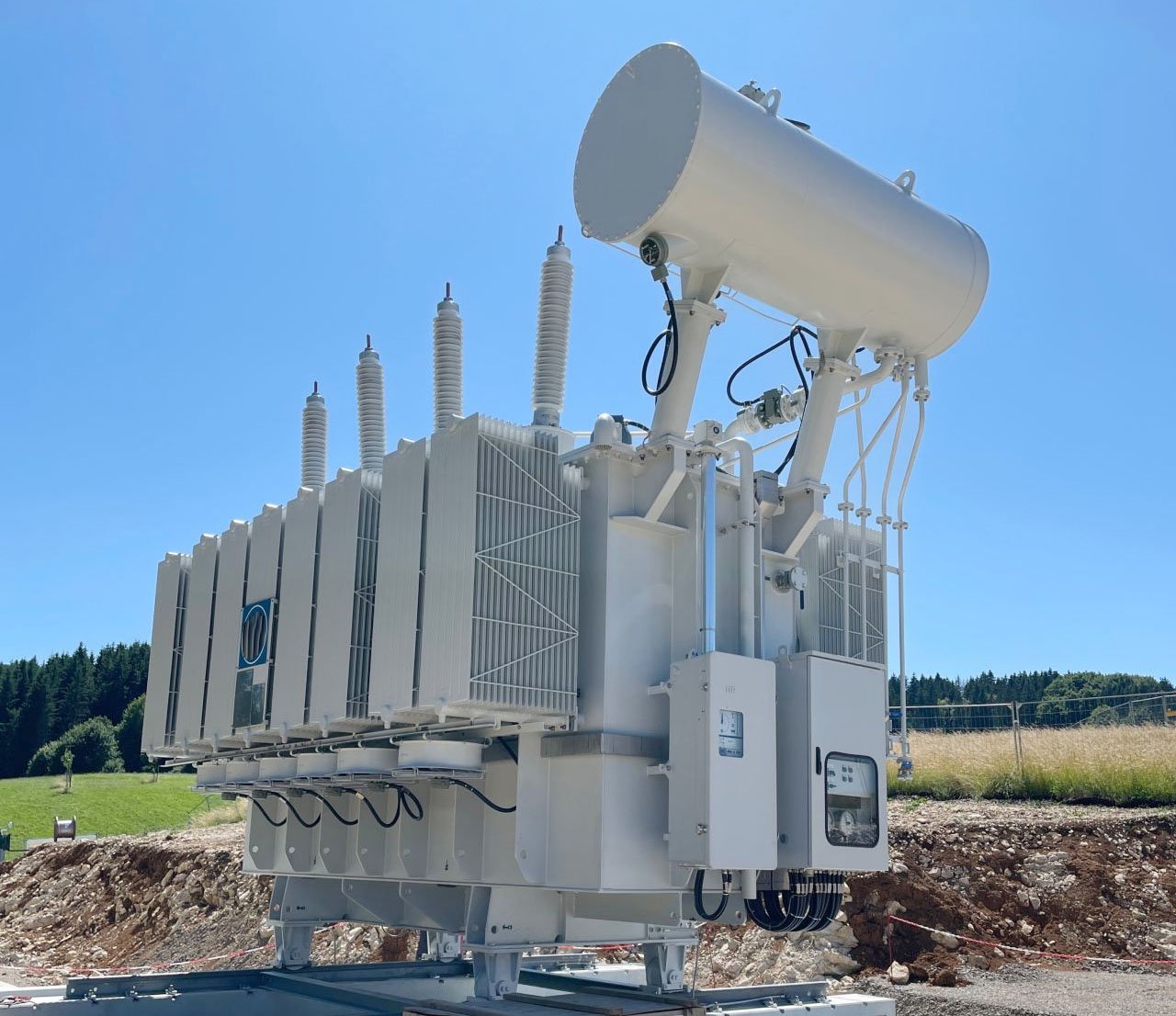
Low voltage transformers have relatively simple designs, which usually involve the use of simple insulation materials such as PVC or rubber. Due to the need to support high capacity and high voltage, high voltage transformers have complicated designs that involve the use of advanced insulation materials such as porcelain insulation, SF₆ gas insulation, or composite insulation. Medium voltage transformers are mainly insulated with oil or gas.
Installation Requirements
- Low voltage transformer: The installation conditions are less stringent, and it can often be set up close to its location.
- Medium voltage transformer: It requires a distribution room or a special installation environment.
- High voltage transformer: It has to be erected as per specifications, which carry stricter standards, installation, safety, and working conditions.
Effects on Reliability of the System
The higher the voltage, the more the transformers will affect the working reliability of the power system as a whole. If there is a problem with the low voltage transformer, it will mainly influence the consumption of power in the surrounding area. In the case of the medium-voltage transformer, the problem will affect the region or the production units. However, the effect will cascade for the high voltage transformer.
Maintenance Techniques for Low-Voltage, Medium-Voltage, and High-Voltage Transformers
Low Voltage Transformers
For low voltage transformers, routine maintenance can be done without powering down or interrupting the power supply to the equipment. The everyday maintenance of the equipment will involve verifying whether the equipment connections are secure, along with checks for any unusual heating or temperature changes to determine if it poses any dangers to the use of electrical power by the consumer.
Medium Voltage Transformers
Medium voltage transformer maintenance also requires close attention to scheduled maintenance and safety. Scheduled power shutdowns are usually necessary beforehand, and this work must be carried out by skilled personnel.
In addition to normal inspections, it is important to pay special attention to insulation integrity and critical component operational status as a way to mitigate operational risks.
High Voltage Transformers
High voltage transformers require the highest level of maintenance. Handling the transformer incorrectly may give rise to serious safety issues. A series of tests needs to be performed in order to undertake its maintenance. Many specific tests are involved in the process, such as partial discharge measurement and tests of the protection and monitoring systems.
Maintenance completed, there needs to be testing and evaluation done. Only when all the factors meet the operational needs will the high voltage transformer be put back into operation.
How to Select the Appropriate Voltage Level for Transformers?
Through the understanding of characteristics, advantages, and distinctions between low-voltage, medium-voltage, and high-voltage transformers, you can very well ask yourself: How do I choose the best possible voltage level?
Below, I will outline a few key selection points. Based on these, you will be able to choose the appropriate transformer for your project needs.
Step 1: Establish the Requirements of the Load
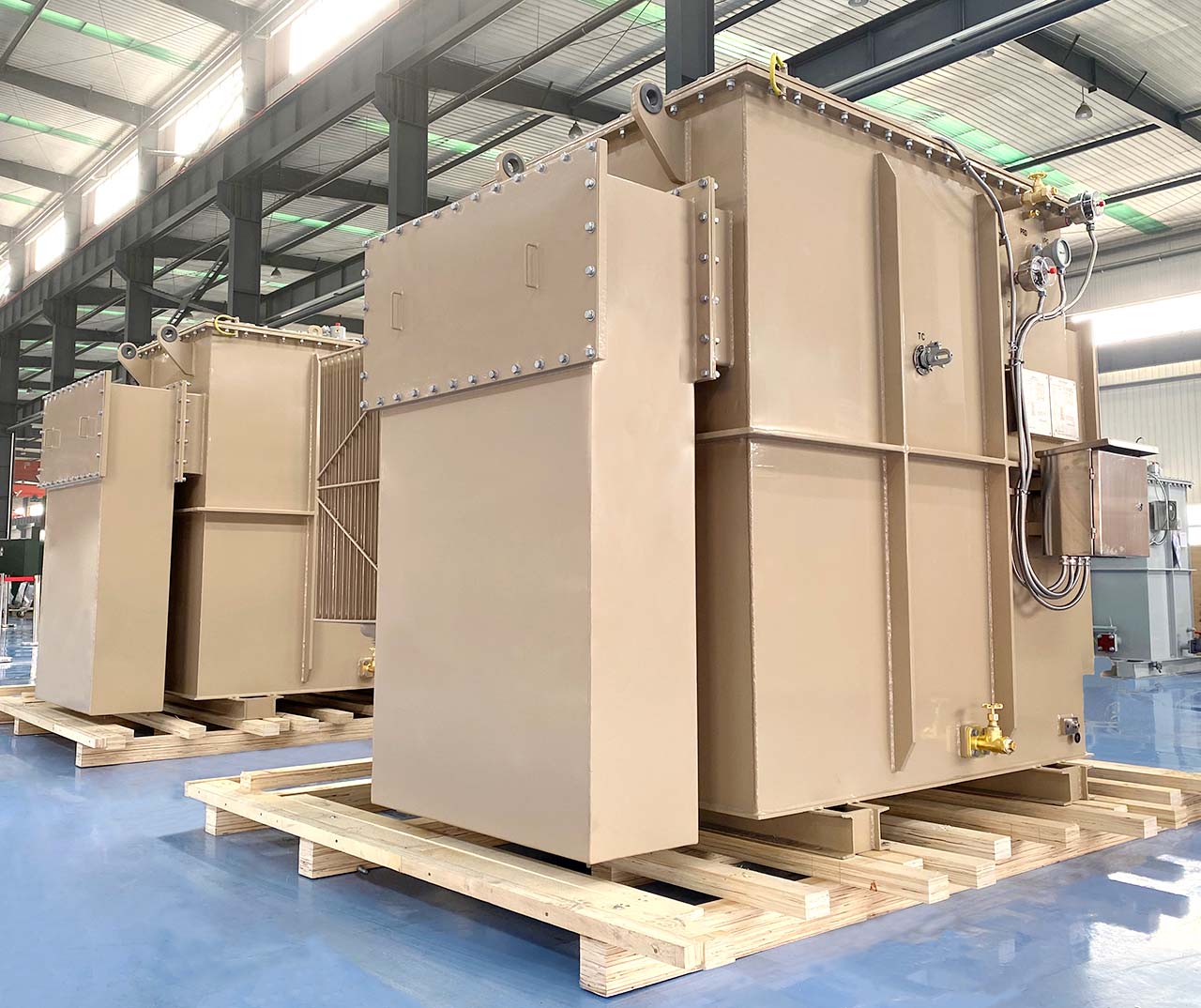
First, it is important to determine whether the application requires locally distributed power or high-power transmission. Indeed, different load types and various power demands have direct impacts on the level of required voltage: low-voltage transformers are suitable for terminal or localized power supplies; medium-voltage units will handle regional distribution; high-voltage transformers are used for high-power transmissions and grid-level loads.
Step 2: Identify Application Scenario
Your surrounding power environment will also dictate the choice of voltage level. Large-scale facilities with an extraordinary amount of equipment are better off using medium- or high-voltage transformers; smaller buildings or localized systems can operate using low-voltage transformers.
Step 3: Evaluate Installation Conditions
Different voltage grades have different requirements on space and environment. Low-voltage transformers may be installed very close to the load. Medium and high voltage transformers need to have a dedicated distribution room that must meet special demands for protection, dissipating heat, and safety as well as stability of the functioning process.
Step 4: Consider Investment Costs
Higher the voltage rating, investment costs also rise. Balance your project budget against long-term operational expenses to select the appropriate voltage rating.
Besides, if there is anything else you want to know, you are welcome to ask during the selection process. ZHONGSHAO will ask professionals in the technical team for expert advice, which completely depends on your project to ensure you choose the appropriate transformer voltage level.
FAQ
Are the transformers of different voltage ratings interchangeable?
No. It may cause an overload to electrical equipment if one attempts to use a low-voltage transformer in place of a medium-voltage or high-voltage transformer. Therefore, transformers must be selected strictly according to load requirements and application scenarios to match the appropriate voltage level.
Is there any significant variation regarding the life of the transformer, irrespective of its respective voltage?
The service life of a transformer is largely dependent on the working conditions in which it is used. Provided they are used in accordance with their specifications, the service life of low voltage transformers, medium voltage transformers, and high voltage transformers is not much different. The factor that affects service life more is proper maintenance, rather than voltage.
Why can transformers step up or down AC voltage but not DC voltage?
A transformer works through electromagnetic induction and uses alternating current to produce a magnetic field that varies and hence changes the voltage. A DC current flows in only one direction and cannot produce a magnetic field that varies; hence, a transformer cannot step up and step down DC voltage directly. A DC converter is necessary for stepping up and stepping down DC voltage.
How do low-voltage, medium-voltage, and high-voltage transformers work together in practical engineering?
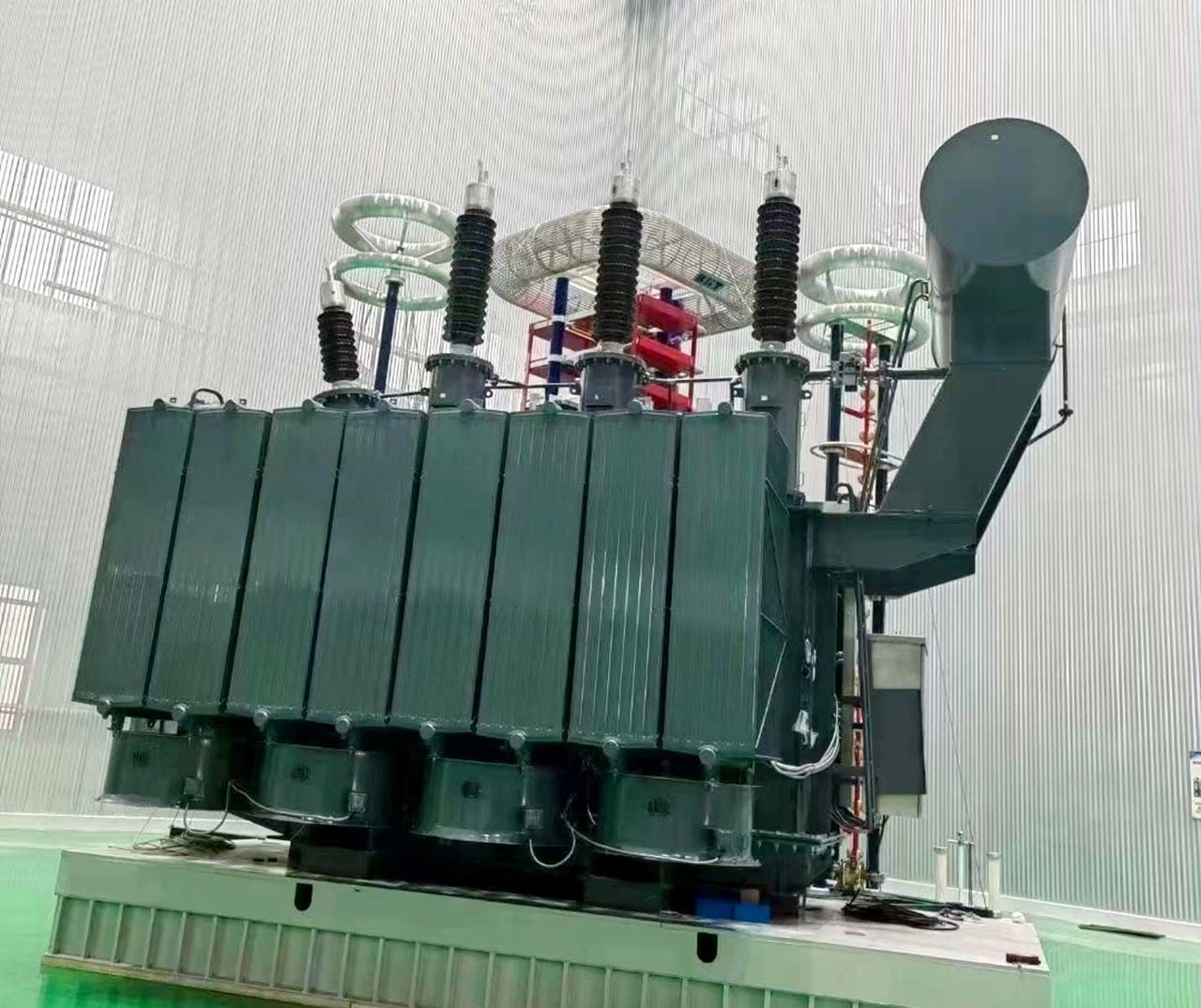
Transformers of different voltage ratings normally work together to provide a complete power transmission and distribution network. High-voltage transformers are used for long-distance transmission, medium-voltage transformers for regional transmission, while low-voltage transformers provide power to the end apparatus. Aforementioned transformers, when properly allocated regarding their respective voltage ratings, help in effective, reliable, and safe power distribution according to your manufacturing and power requirements.
Why must power be disconnected before high voltage transformer repair work?
High Voltage Transformers work at high voltage levels. High voltage transformers hold high voltage levels along with substantial amounts of energy. Maintenance at high voltage levels can cause risks such as electric shock or damage. High voltage transformer maintenance requires the disconnection of power. All safety verification procedures have to be fulfilled.
Final Thoughts
As a professional transformer manufacturer, ZHONGSHAO has a deep understanding of the properties and operating conditions of a wide range of low voltage transformers, medium voltage transformers, and high voltage transformers. Would you mind telling us about your operating conditions and application cases? We will offer you recommendations from our professional technical team.