
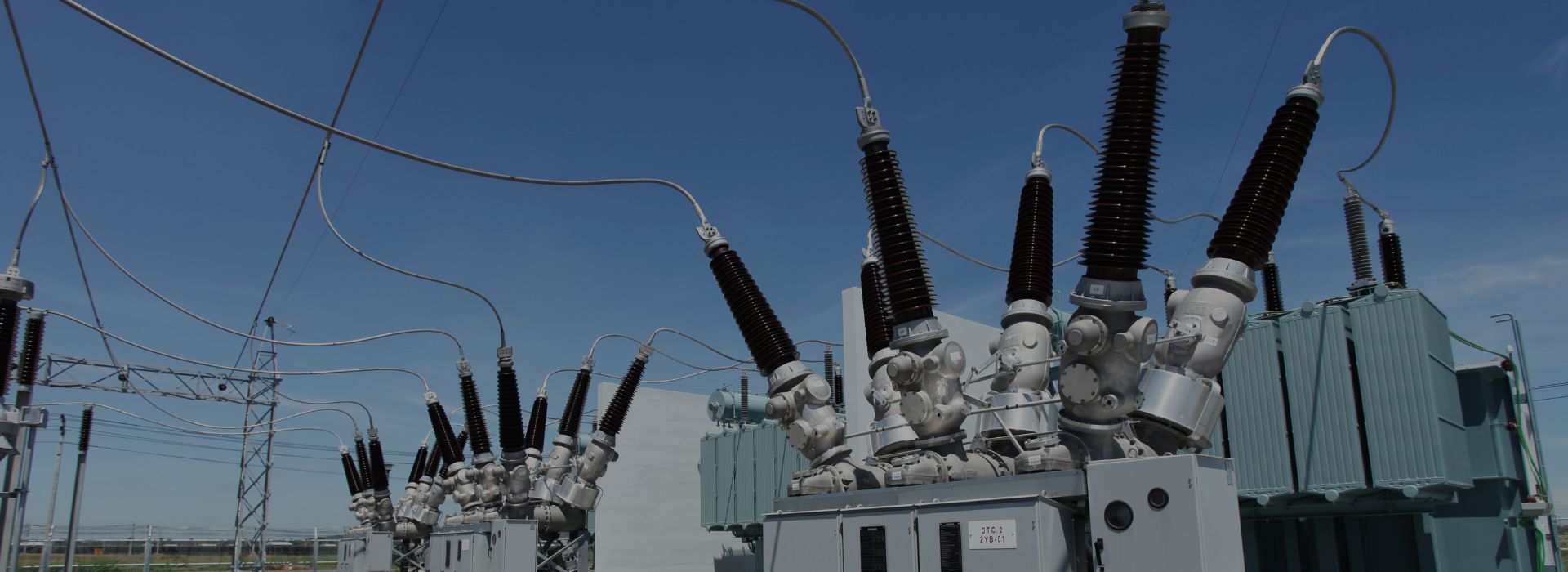
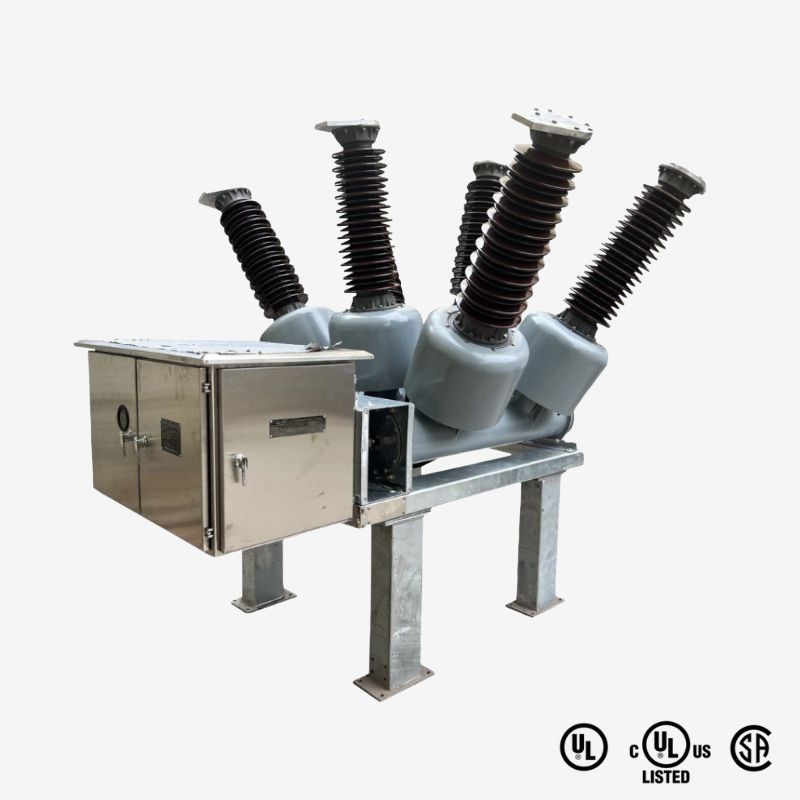
Features of Dead Tank Circuit Breaker
- Robust base and spring ensure stable operation for a long time
- Resistant to earthquakes, high altitude, extreme temperature and strong wind
- Excellent breaking and seeing performance, higher safety
- Save your installation space and maintenance time
- Compliant with IEEE and IEC standards
- ZHONGSHAO dead tank circuit breaker, with professional technicians, can guarantee high quality and reliability
Your Trusted Dead Tank Circuit Breaker Supplier
Our dead tank circuit breakers have superior breaking performance and can provide you with stable operation for an extended period. It also supports various voltage levels and customized solutions to meet the needs of different projects.
Feel free to contact us.
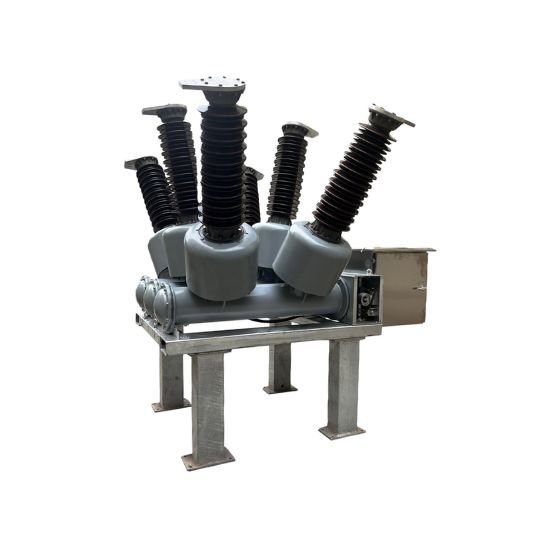
An industrial outdoor 2000Amp rated current and a 69kV rated voltage SF6 dead tank circuit breaker with a 50/60Hz rated frequency.
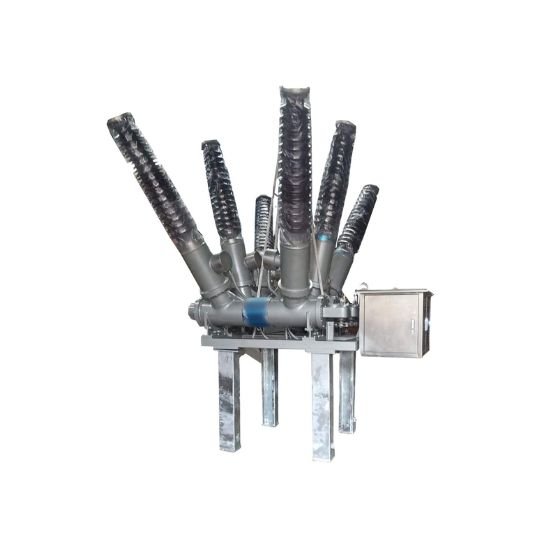
A high voltage outdoor and industrial 3 pole SF6 dead tank circuit breaker with 380V rated voltage and a 110 /220V AC/DC operation voltage.
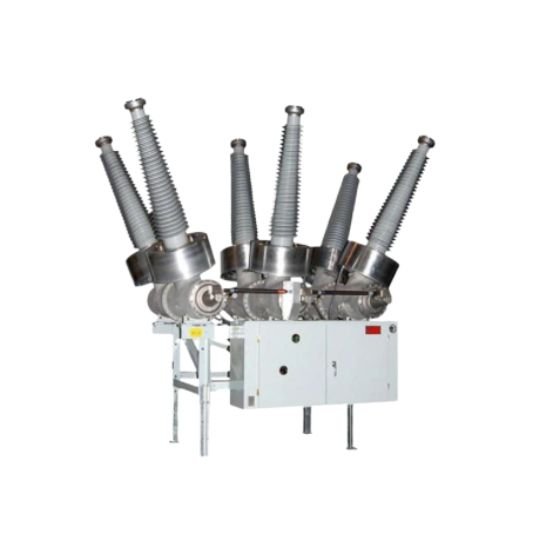
A high input voltage tripolar operating mechanism dead tank circuit breaker with 1250Amp rated current and a high frequency available.
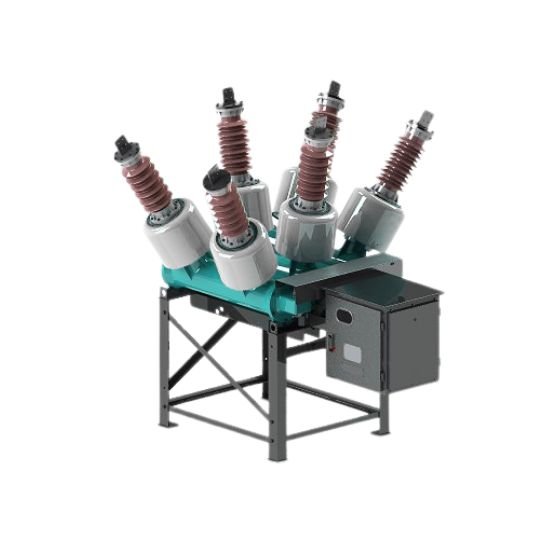
A high voltage outdoor industrial dead tank SF6 gas insulated circuit breaker with 72.5kV rated voltage and 1250Amp rated current.
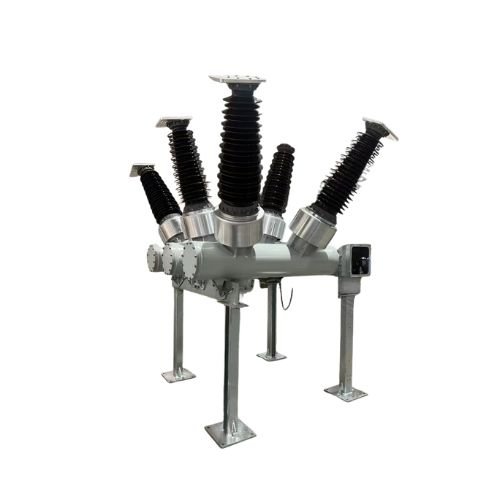
An industrial outdoor high voltage dead tank circuit breaker with a custom rated current and rated voltage available.
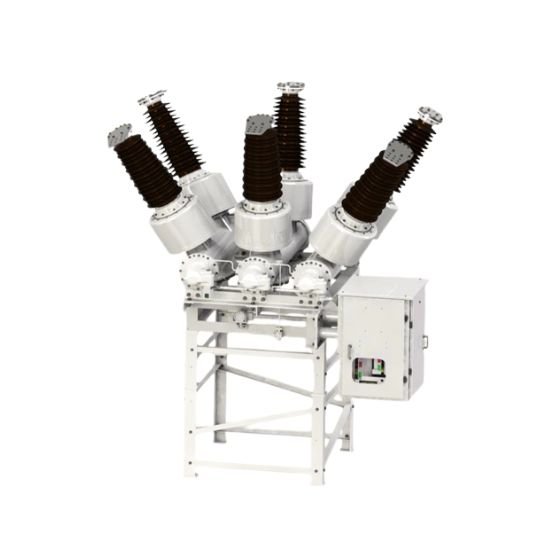
A high quality customizable dead tank type circuit breaker that is gas insulated and has a 72.5kV rated voltage.
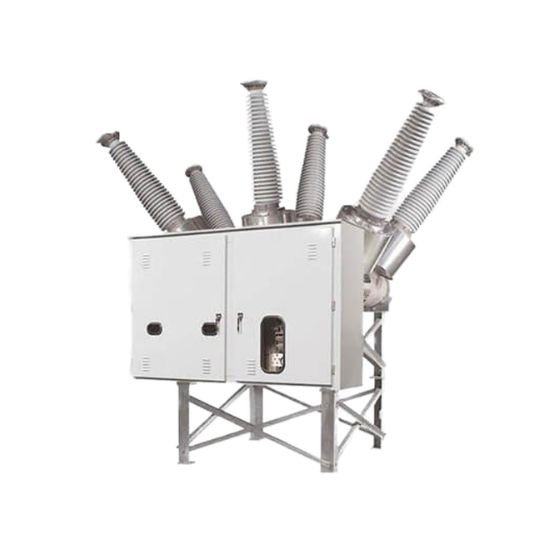
A three phase power distribution breaker with a custom rated current and custom rated voltage available.
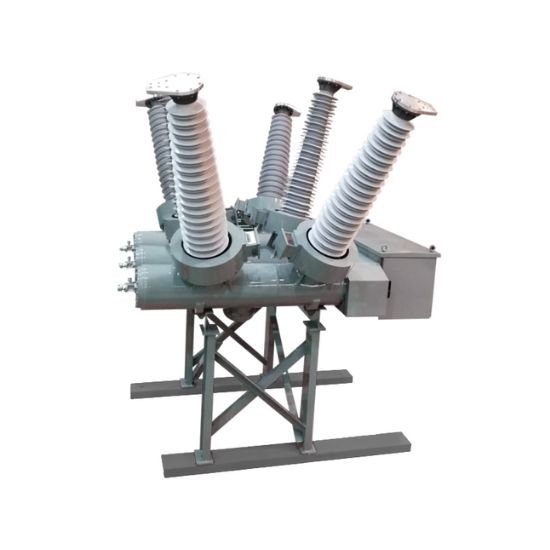
An outdoor dead tank circuit breaker with 800kV rated voltage and 6300Amp rated current available.
What is a Dead Tank Circuit Breaker
A dead tank circuit breaker is a high-voltage circuit breaker in which the arc chamber and the main live components are enclosed in a grounded metal tank. Thanks to the ground casing, it offers higher safety, stronger resistance to earthquakes and pollution, and is also suitable for outdoor substations and complex operating conditions.
How Does a Dead Tank Circuit Breaker Work?
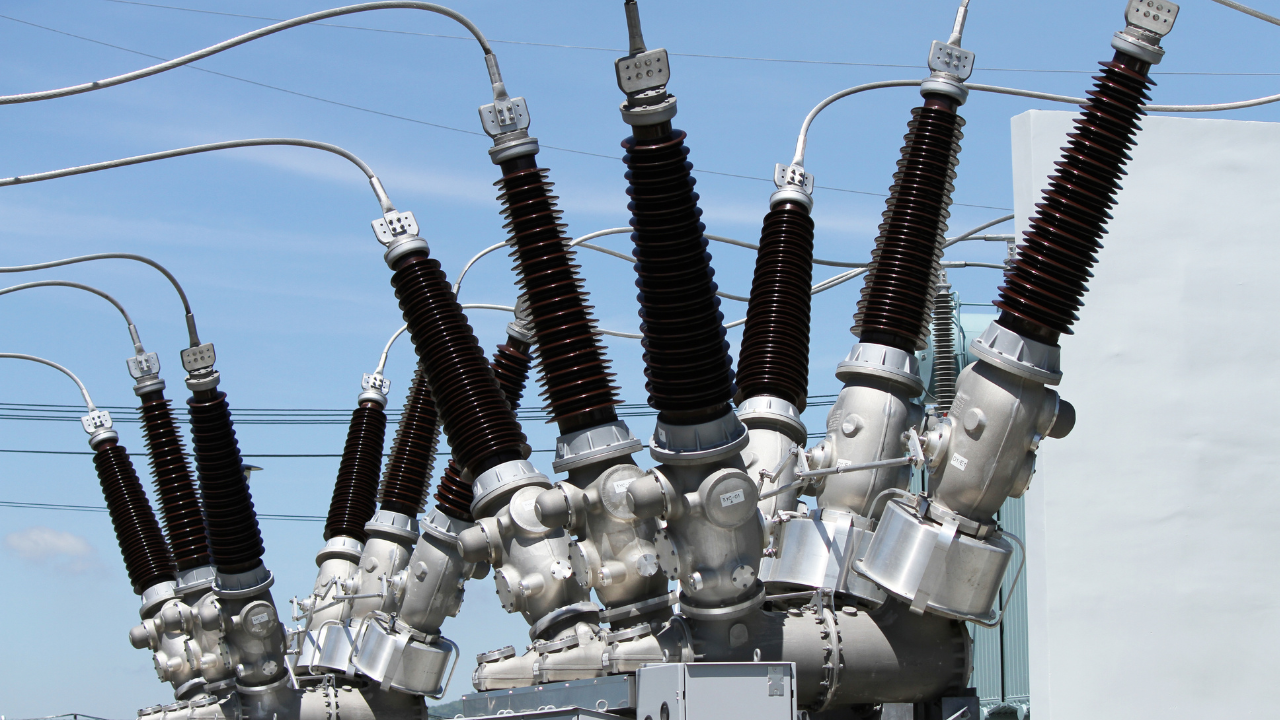
When the power system is operating normally, the circuit breaker remains closed, and current flows steadily. But in the event of a short circuit or overload, a protective relay sends out a command, and the operating mechanism quickly acts to separate the contacts. At this point, an electric arc is generated, and the insulating medium rapidly extinguishes it, interrupting the fault current.
Main Components of Dead Tank Circuit Breaker
- Grounded Tank
The grounded metal canister contains all live components and is filled with SF₆ insulating gas, providing a stable insulating environment for the internal conductors and arc extinction components. The canister is robustly constructed to resist external impacts, severe weather, and mechanical vibrations.
- Interrupter Unit
Arc chambers are used for rapid circuit interruption. When a fault current occurs, it disconnects the circuit to prevent equipment damage and the spread of the accident. It has a compact structure with high mechanical strength and can withstand high-frequency operation and short-circuit impacts.
- Operating Mechanism
The operating mechanism is responsible for driving the opening and closing of the interrupter unit. The most common type is the spring-operated mechanism, which offers fast response and accurate movement.
It includes energy storage, transmission, and an interlocking mechanism, ensuring stable and reliable operation.
- Bushings
Bushings lead the internal high-voltage conductor out of the grounded tank. It can reduce partial discharge and keep stable operation even in harsh weather conditions such as rain, snow, and salt spray.
Among them, porcelain and composite bushings are the most widely used, offering excellent insulation performance and anti-pollution flashover capabilities.
- Control Cabinet
It generally contains components such as relays, monitoring modules, and heaters, enabling remote control, fault alarms, and information logging. A highly integrated control cabinet can reduce your wiring difficulty and improve automation levels.
- Current Transformers
Current transformers are installed at the bottom of the bushing or grounded tank to collect primary current and convert it into a secondary signal usable by protection and metering devices. This improves the safety of power grid operation, minimizing the risk of malfunction or failure.
Types of Dead Tank Circuit Breakers
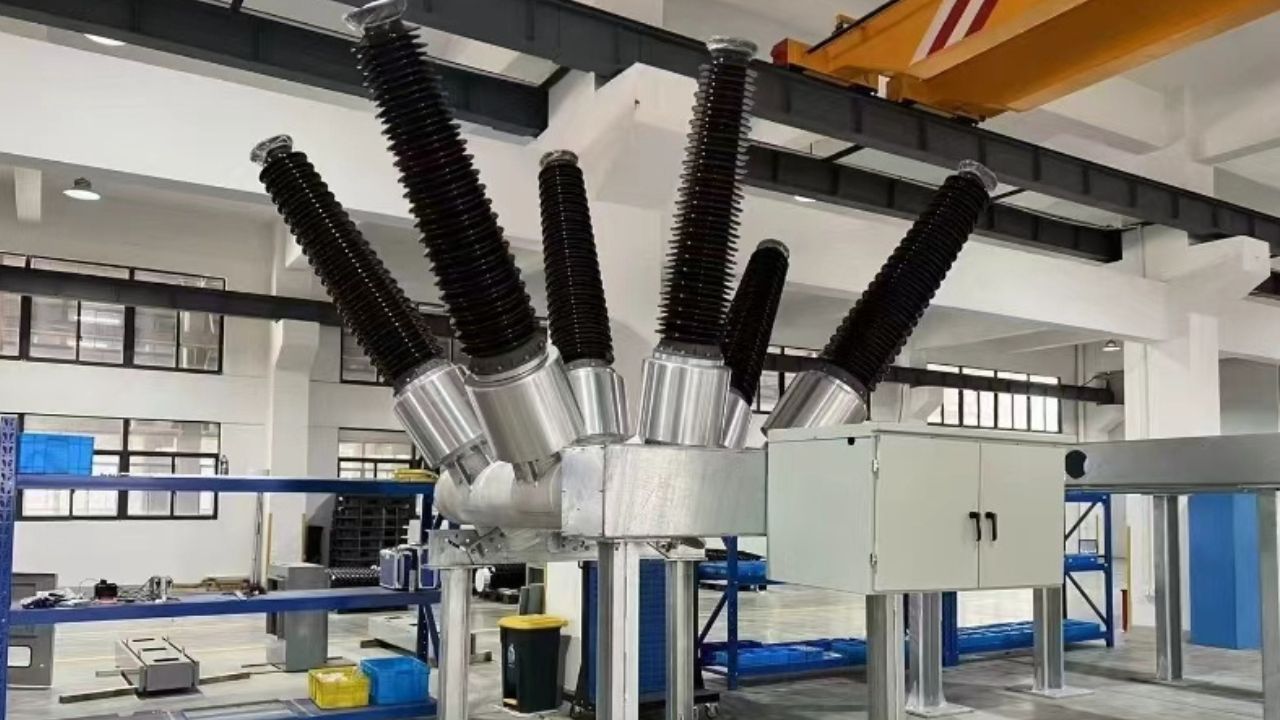
SF₆ Dead Tank Circuit Breaker
This type of circuit breaker uses SF₆ as the insulating and arc-extinguishing medium, and its insulating performance is extremely excellent, approximately twice that of air. Therefore, it can operate stably under high-voltage environments with strong breaking capacity.
However, it should be noted that SF₆ is a greenhouse gas and impacts the environment to a certain level. So it is necessary to ensure that gas recovery and detection work are strictly in place during its use. Furthermore, it is relatively expensive and has strict gas sealing requirements. In short, SF₆ dead tank circuit breakers are suitable for applications demanding high performance, high stability, and long-term operation.
Vacuum Dead Tank Circuit Breaker
In a vacuum environment, arcs tend to extinguish rapidly, so this type of circuit breaker has a fast response speed. Unlike SF₆ circuit breakers, it doesn’t emit any gas and is more eco-friendly, which can reduce your operation and maintenance expenses. Moreover, it is lighter and more compact, facilitating installation.
Unfortunately, its insulation performance is lower than SF₆ circuit breakers, so it is unsuitable for ultra-high voltage applications. Meanwhile, the manufacturing process for vacuum interrupters is complex.
Therefore, if sustainable development is your primary concern and the voltage level is within the medium to high voltage range, a vacuum dead tank circuit breaker is a good option.
Features and Benefits of Dead Tank Circuit Breaker
Robust and Compact Design
Dead tank circuit breakers take up little space with a low center of gravity. In the renovation of older substations, where foundation space is limited, using them can help you reduce the difficulty and cost of the renovation.
At the same time, it is equipped with a robust aluminum alloy base and a highly reliable spring operation mechanism, resulting in a longer mechanical life and saving you the trouble of frequent downtime for repair.
Furthermore, the diaphragm sealing structure can also decrease SF₆ gas leakage, making your operation safer, and the environmental pressure is also reduced. Thus, this circuit breaker is undoubtedly a practical and cost-effective choice.
Excellent Breaking Performance
Our dead tank circuit breakers are available in various rated voltage levels from 33kV to 126kV to match your power transmission and distribution systems of different scales.
More importantly, their breaking capacity is extremely stable, quickly interrupting fault current even under high voltage conditions. It can protect your equipment and reduce power outage losses in critical moments.
Handle Harsh Environments
Our dead tank circuit breakers deliver strong corrosion resistance and are very suitable for outdoor, high-altitude, and harsh climate environments, maintaining stable performance even after long-term operation.
Having passed rigorous environmental testing, they can operate normally at altitudes of 2000m, are highly earthquake-resistant, and can withstand winds of up to 35m/s, and can also work in heavy rain and storms. Moreover, they remain robust and durable within a temperature range of -25°C to +40°C.
Therefore, choosing our dead tank circuit breakers will make your projects safer and give you greater peace of mind.
Minimal Maintenance
Our equipment features stable contact pressure and self-cleaning capabilities. The contacts automatically remove deposits generated by the arc during operation, significantly reducing the frequency of your cleaning and maintenance.
Meanwhile, its temperature and corrosion resistance prolong the service life of components, decreasing the likelihood of failure and simplifying your routine inspections.
All of these factors lower your expenses and time, and improve the stability of your power supply system. For any company looking to enhance operational efficiency, this is a truly tangible advantage.
Dead Tank vs. Live Tank Circuit Breakers
| Feature | Dead Tank Circuit Breaker | Live Tank Circuit Breaker |
| Housing | Grounded metal tank | At high potential, on top of an insulating column |
| Weight | Heavier | Lighter |
| Footprint | Larger | Smaller |
| Environmental Impact | Corrosion-resistant, excellent stability, reliable | Greatly affected by the weather |
| Safety | The body is grounded, more safe | The body is electrified, higher risk |
| Maintenance | Internal inspection requires entry into the tank | External maintenance is relatively easier |
| Cost | The purchase price is higher, but cost-effective in the long term | Lower |
| Voltage Application | Medium to high voltage | Widely used at various voltage levels |
Applications of Dead Tank Circuit Breaker
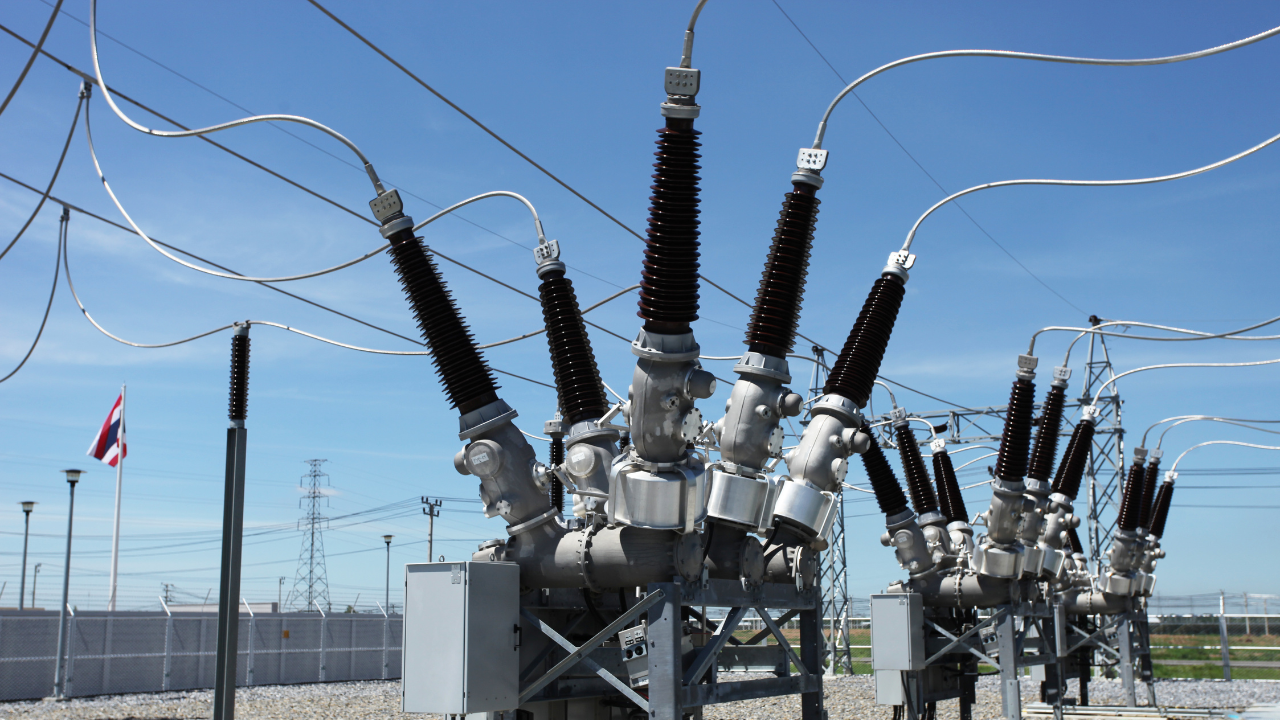
Transmission Substations
Substations are most vulnerable to equipment downtime, leading to the spread of faults and high repair costs. However, dead tank circuit breakers, with their grounded tanks, offer higher safety and diminish the risk of external hazards such as lightning strikes and pollution flashovers. Also, they boast excellent breaking capabilities, are easy to install and maintain, and minimize equipment downtime.
Power Generation Plants
Dead tank circuit breakers are core protection devices for power plants, including thermal, nuclear, and hydroelectric power plants. They are ideally suited for these high-intensity operating conditions, ensuring instant disconnection in the event of a fault to prevent further damage.
Additionally, its great mechanical strength and excellent sealing properties allow for stable operation in humid, dusty, or earthquake-prone environments, providing a solid barrier for your power plant to continuously generate power.
Data Centers
Even a one-second power outage can cause enormous losses to a data center. Dead tank circuit breakers have strong insulation capabilities, reducing the risks of short circuits and arcing, and lowering your maintenance frequency. Therefore, they ensure a stable and reliable power supply, and it is ideal for data centers to operate continuously throughout the year.
Dead tank circuit breakers offer a robust structure and superior resistance to contamination and shock, making them suitable for harsh environments such as high altitudes and earthquake zones. Live tanks circuit breakers are lighter and cheaper, and can be placed in workshops with limited space. But they are less resistant to contamination.
Dead tank circuit breakers use SF₆ or vacuum as the arc-extinguishing and insulating medium. Oil-immersed circuit breakers use oil as the medium. In comparison, dead tank circuit breakers offer better breaking performance with minimal fire hazards, and gradually become the mainstream choice. Oil-immersed circuit breakers require frequent maintenance and pose a fire risk.
Under normal operation and good maintenance, its service life is 25 to 30 years, with a mechanical life of up to 5,000 operations. Inspections, maintenance, and replacement of damaged components can effectively extend the overall life of the equipment and reduce your operating costs.