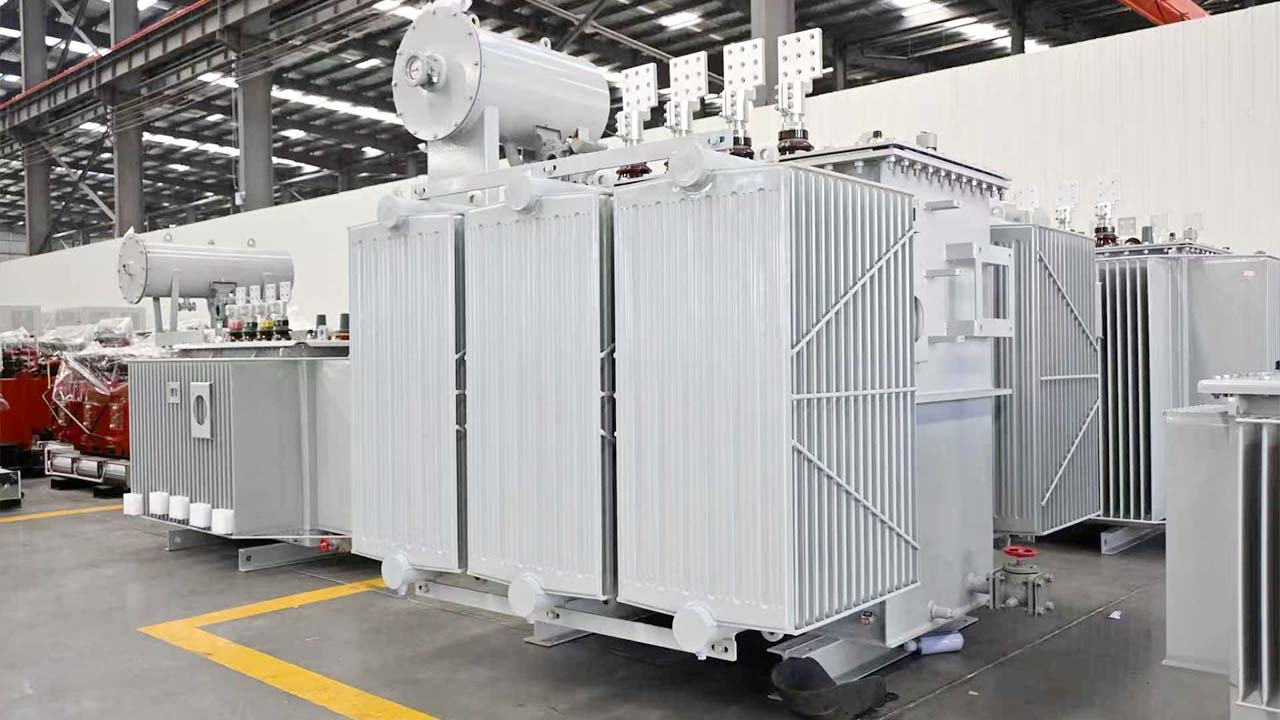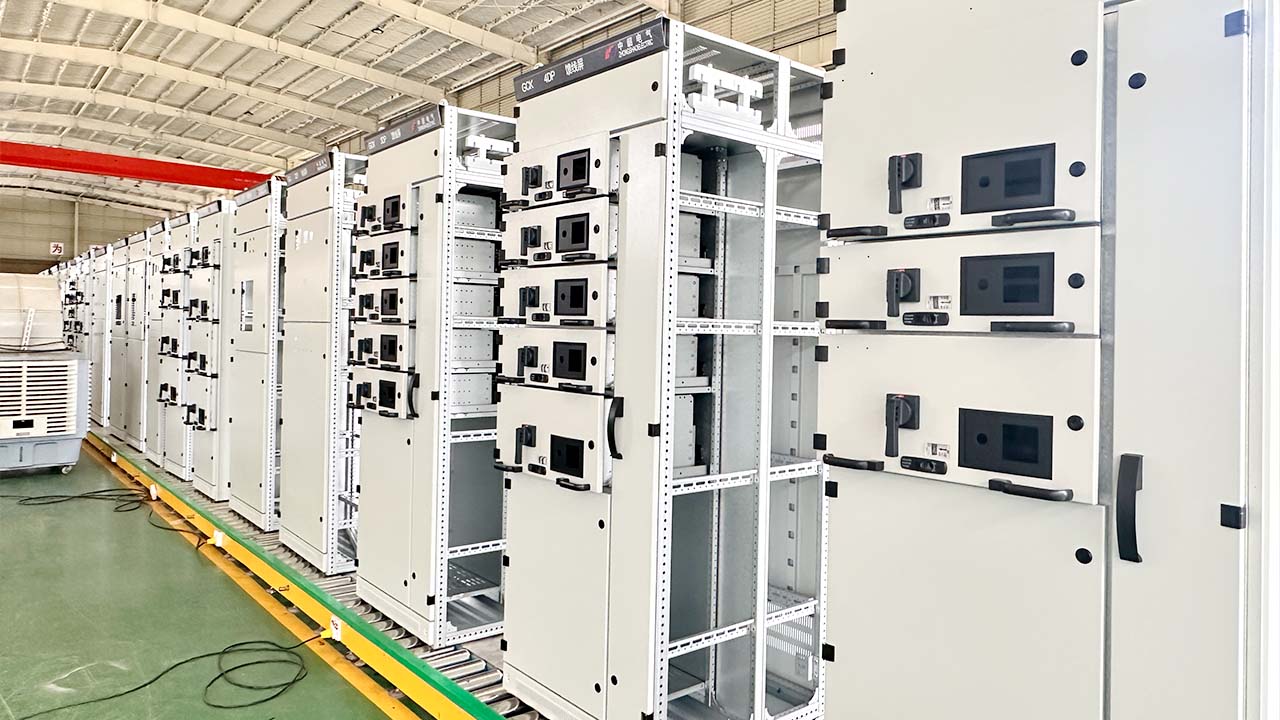
Medium-voltage switchgear and compact substations are both used in power distribution systems, but they perform different functions. The confusion often occurs because medium-voltage switchgear can be installed as a standalone lineup or integrated into the medium-voltage compartment of a compact substation.
Medium-voltage switchgear is primarily used to connect, control, isolate, and protect electrical circuits. A compact substation is a complete distribution solution that normally combines medium-voltage switchgear, a transformer, and low-voltage distribution equipment inside one prefabricated enclosure.
Understanding the difference helps project owners avoid purchasing incomplete equipment, oversizing the system, or selecting a solution that does not match the network architecture.
What Is Medium-Voltage Switchgear?
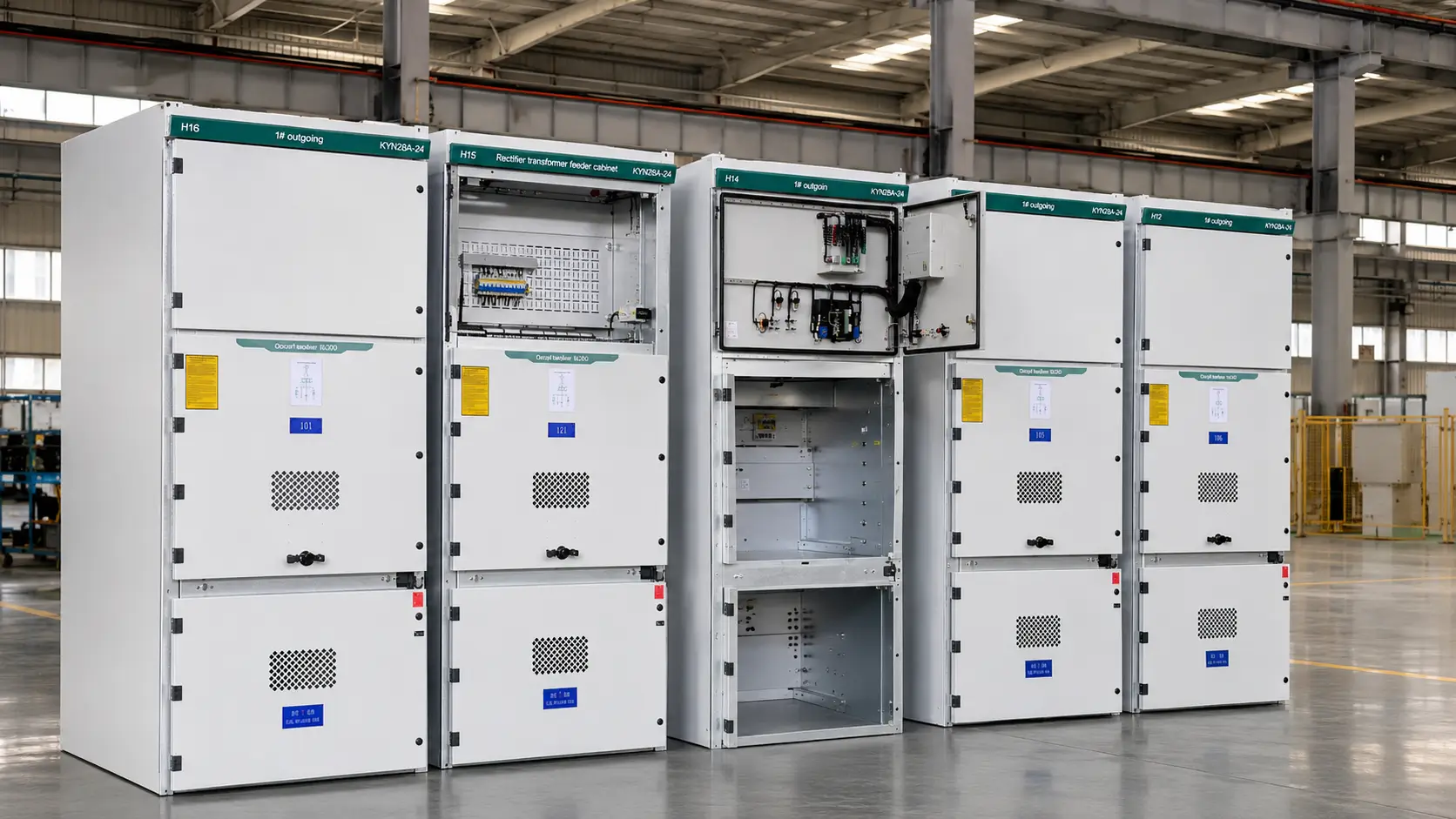
Medium-voltage switchgear is a group of electrical devices used to receive, distribute, switch, isolate, and protect power at medium-voltage levels.
Depending on the network and protection requirements, a switchgear lineup may contain vacuum circuit breakers, load-break switches, disconnectors, grounding switches, busbars, current transformers, voltage transformers, protection relays, meters, cable connections, and mechanical or electrical interlocks.
The switchgear does not normally transform voltage. For example, 24kV switchgear receives and distributes power at the same voltage class. A separate transformer is required to reduce the voltage to 400V or another utilization level.
Medium-voltage switchgear is commonly installed in utility substations, factories, commercial buildings, data centers, renewable energy projects, mining facilities, transport systems, and compact substations.
What Is a Compact Substation?
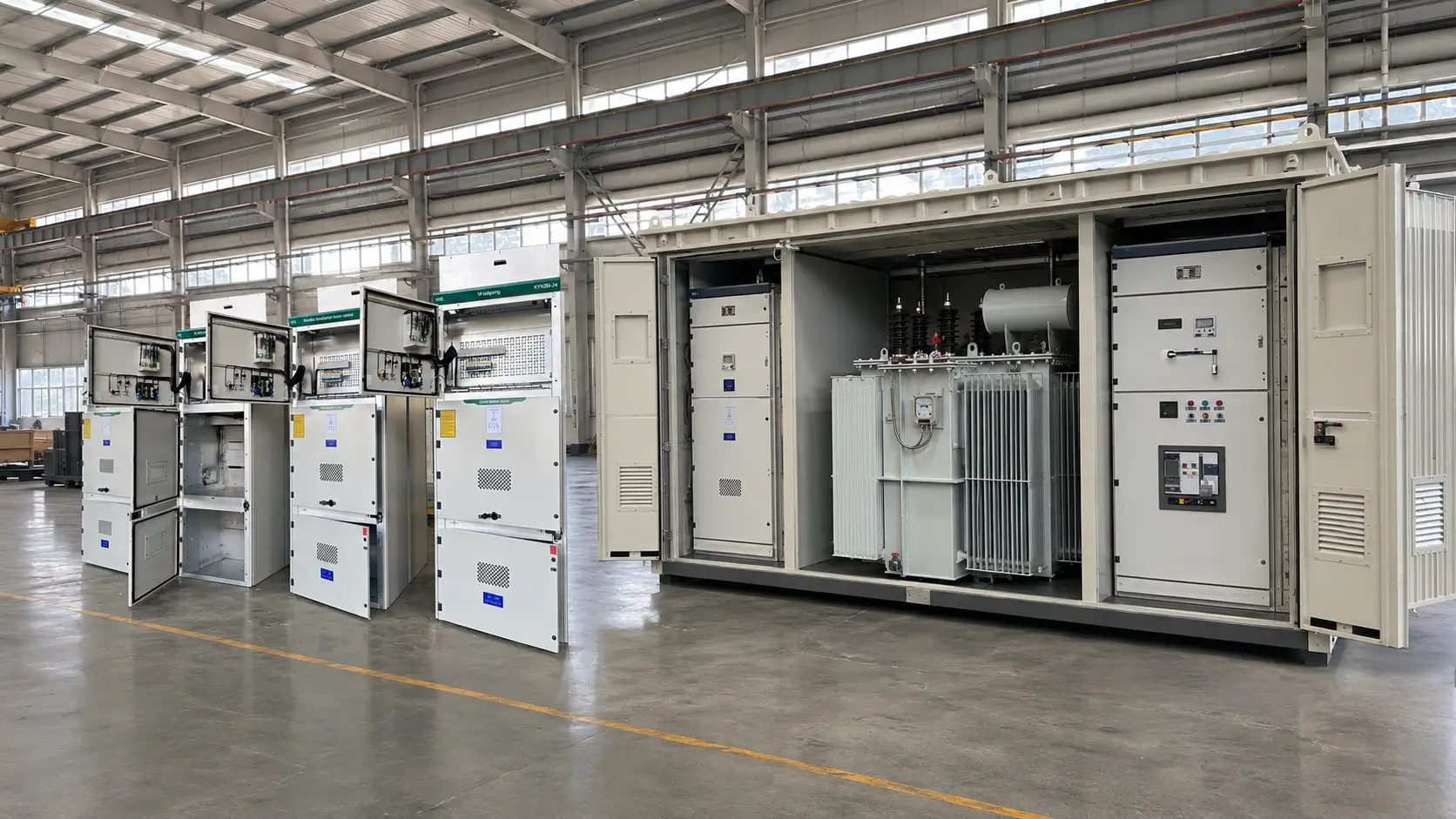
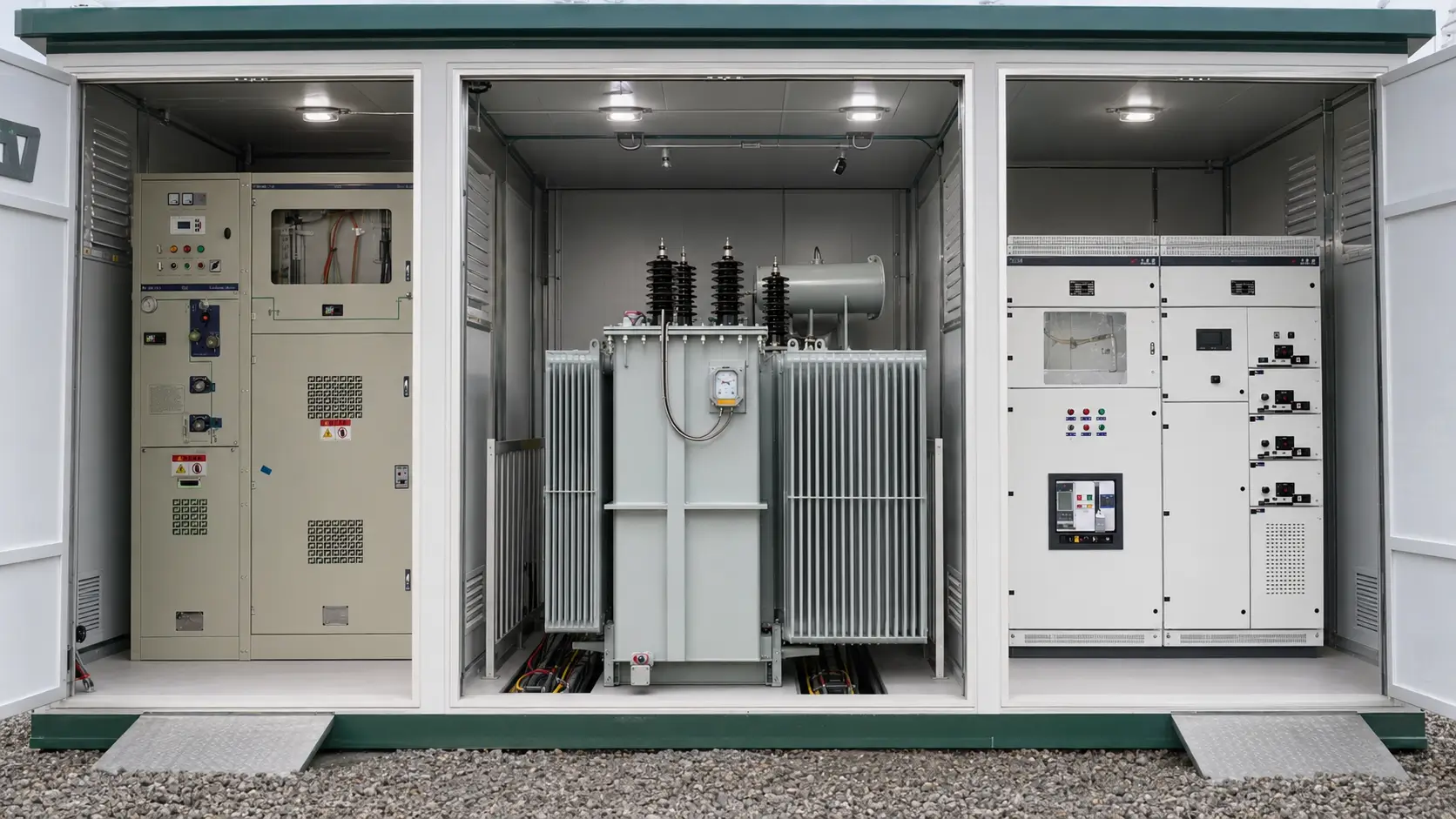
A compact substation is a factory-assembled power distribution unit that integrates several major electrical systems inside one enclosure.
A typical configuration contains a medium-voltage compartment, a transformer compartment, and a low-voltage distribution compartment.
The medium-voltage section receives power from the utility network and provides switching and protection. The transformer changes the voltage from medium voltage to the required low-voltage level. The low-voltage section then distributes power to buildings, equipment, lighting, motors, chargers, or other loads.
Because the main components are assembled and tested before delivery, compact substations can reduce on-site installation work and shorten project construction time.
They are often used in residential communities, factories, shopping centers, hospitals, data centers, solar farms, wind power projects, mining operations, construction sites, airports, and transport infrastructure.
Medium-Voltage Switchgear vs. Compact Substation: Main Differences
| Selection factor | Medium-voltage switchgear | Compact substation |
|---|---|---|
| Main purpose | Medium-voltage switching, isolation, control, and protection | Complete voltage transformation and distribution |
| Transformer included | No | Yes |
| Low-voltage panel included | No | Normally included |
| Output voltage | Remains at medium voltage | Provides low-voltage output |
| Typical network role | Incoming feeder, outgoing feeder, bus coupling, transformer protection, or distribution control | Independent load center or local distribution point |
| Equipment scope | Breakers or switches, protection devices, busbars, metering, and cable connections | MV switchgear, transformer and LV panel |
| Installation | Standalone lineup, electrical room installation, or integration into another station | Installed as a complete factory-assembled unit |
| Relative cost | Lower because fewer major components are included | Higher because it contains a complete distribution system |
The simplest rule is that medium-voltage switchgear manages and protects the medium-voltage circuit, while a compact substation performs the complete process from medium-voltage intake to low-voltage distribution.
How Medium-Voltage Switchgear and Compact Substations Work Together
Medium-voltage switchgear and compact substations are not competing products in every application. In many projects, the switchgear becomes one of the main components inside the compact substation.
The medium-voltage compartment may use a ring main unit, a load-switch cabinet, or vacuum circuit-breaker switchgear, depending on the feeder arrangement, transformer capacity, fault level, utility requirements, and protection strategy.
For example, one panel may receive power from the utility, another may connect an outgoing feeder, and a third may protect the transformer. The transformer then reduces the voltage, and the low-voltage panel distributes electricity to the final loads.
In this configuration, the medium-voltage switchgear is one part of the compact substation rather than the complete substation itself.
Common Medium-Voltage Switchgear Configurations
Medium-voltage switchgear configurations are selected according to the feeder layout, voltage class, rated current, short-circuit level, transformer capacity, operating method, and protection requirements.
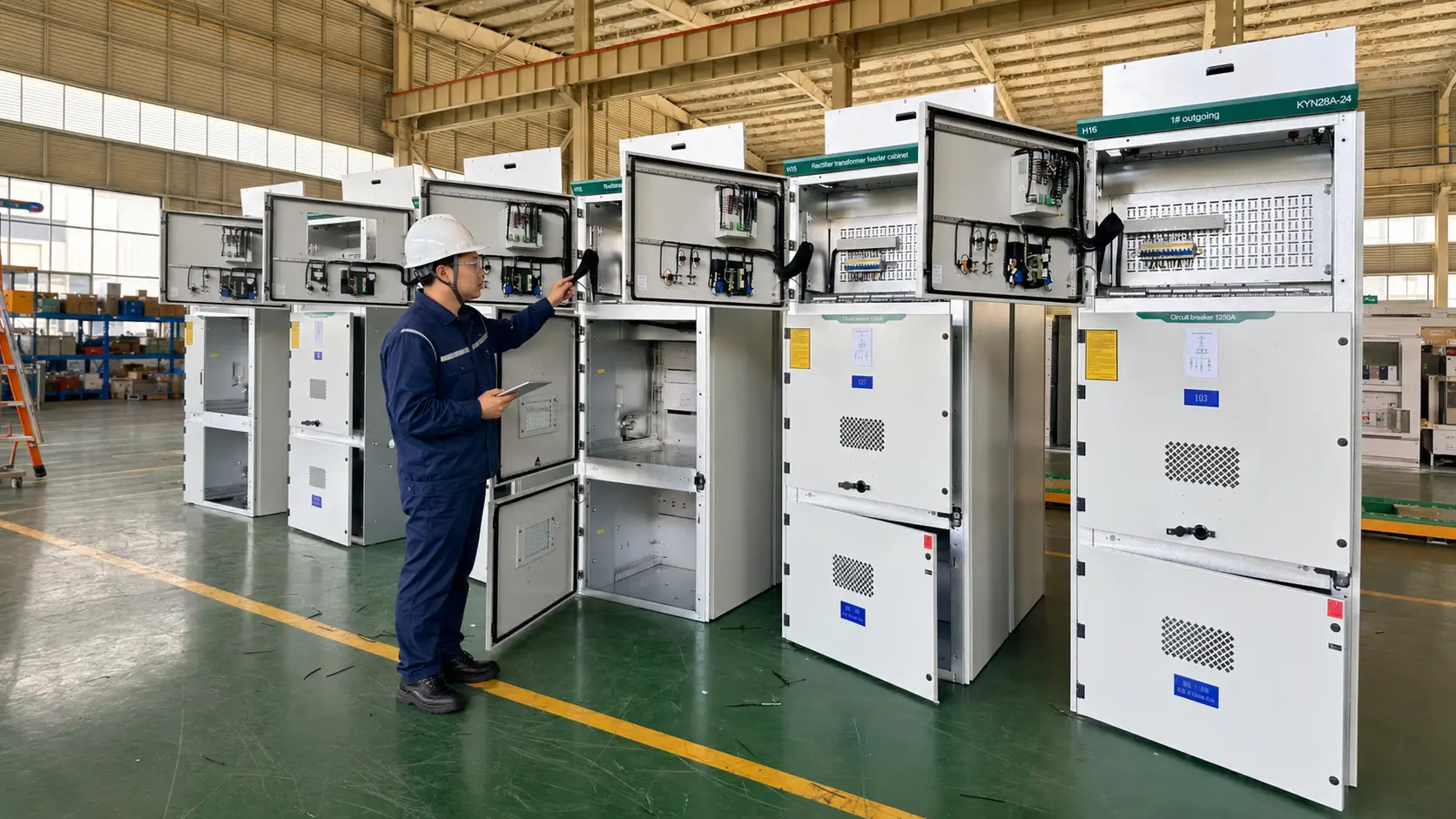
Withdrawable metal-clad switchgear uses a removable circuit-breaker truck and separate compartments for the breaker, busbar, cable, and low-voltage control equipment. It is commonly selected where maintainability, protection coordination, operational flexibility, and visible compartmentalization are important.
Fixed switchgear uses permanently installed switching devices and may provide a simpler arrangement for applications with different maintenance and space requirements.
Ring main units and load-switch cabinets are compact options for ring networks, transformer feeders, cable branching, and applications where reduced footprint is important. Whether one of these arrangements is suitable depends on the required switching duty and protection method.
Additional panels may be included for metering, voltage measurement, bus coupling, power-factor correction, automation, and remote monitoring.
Common Compact Substation Designs
Compact substations are available in several structural arrangements.
European-style designs generally separate the medium-voltage switchgear, transformer, and low-voltage panel into independent compartments inside one enclosure. This arrangement provides flexible component selection and accessible maintenance areas.
American-style designs are usually more closely integrated around the transformer tank. They can provide a compact footprint and are widely used in underground distribution systems and outdoor commercial applications.
Prefabricated cabin substations provide a larger modular enclosure with more space for switchgear, transformers, control equipment, battery systems, communication devices, and auxiliary systems.
The final structure should be selected according to utility standards, voltage level, transformer capacity, installation environment, maintenance access, and transportation restrictions.
When to Choose Standalone Medium-Voltage Switchgear
Standalone medium-voltage switchgear is suitable when a transformer already exists, will be supplied separately, or is located in another part of the electrical system.
It is also appropriate when the project needs an incoming panel, outgoing feeder, bus section, transformer protection panel, motor feeder, metering panel, cable branch point, or medium-voltage distribution center.
Industrial plants may install a complete switchgear lineup in an electrical room and connect separate transformers serving different production areas. Utility and infrastructure projects may use multiple panels to control feeders and isolate faults while maintaining supply to healthy parts of the network.
Standalone switchgear is therefore the better choice when voltage transformation and low-voltage distribution do not need to be included in the same prefabricated package.
When to Choose a Compact Substation
A compact substation is appropriate when the project needs a complete power supply point.
It is commonly selected when medium-voltage utility power must be transformed and distributed directly to a group of low-voltage loads.
A residential development may use a compact substation to receive 10kV or 11kV power and distribute 400V electricity to several buildings. An industrial facility may install one near a production area to reduce long low-voltage cable runs.
Compact substations are also useful where space is limited or traditional substation construction would require extensive civil work.
Because the unit is assembled in the factory, the site mainly requires a suitable foundation, grounding system, cable connections, lifting access, and commissioning work.
Installation and Maintenance Considerations
Standalone switchgear installation focuses on equipment positioning, panel alignment, busbar connection, grounding, medium-voltage cable termination, control wiring, protection settings, interlock checks, and functional testing.
A compact substation requires additional consideration because it includes a transformer and low-voltage distribution equipment. The foundation must support the complete equipment weight, and the site must provide sufficient ventilation, drainage, access, fire separation, and cable entry.
Maintenance requirements also differ.
Switchgear maintenance focuses on circuit breakers or switches, insulation, busbars, cable connections, grounding switches, interlocks, shutters, operating mechanisms, meters, and protection relays.
Compact substation maintenance must cover the entire system. This includes the medium-voltage switchgear, transformer, low-voltage breakers, busbars, ventilation system, enclosure seals, grounding system, meters, protection devices, and communication equipment.
ZHONGSHAO Medium-Voltage Switchgear and Compact Substation Solutions
ZHONGSHAO provides medium-voltage switchgear and compact substation solutions for power distribution projects.
Its medium-voltage switchgear range includes project-specific metal-enclosed equipment such as KYN28A-24 indoor withdrawable AC metal-clad switchgear. The appropriate panel arrangement can be configured according to the incoming and outgoing feeders, rated voltage, rated current, short-circuit level, protection method, metering, control, and communication requirements.
ZHONGSHAO compact substations can integrate medium-voltage switchgear, an oil-immersed or dry-type transformer, and a low-voltage distribution panel. Depending on project requirements, the medium-voltage compartment may be configured with a ring main unit, load-switch cabinet, or vacuum circuit-breaker switchgear.
These solutions can be adapted for residential developments, commercial buildings, industrial parks, renewable energy projects, EV charging facilities, utilities, mining sites, and infrastructure systems.
Exact voltage, rated current, transformer capacity, short-circuit rating, enclosure protection, insulation system, dimensions, and certification must be confirmed for the selected model and destination market.
Information Required for Selection
For a medium-voltage switchgear quotation, provide the rated voltage, rated current, short-circuit level, feeder configuration, required panel functions, protection method, cable specifications, metering requirements, control voltage, and indoor or outdoor installation conditions.
For a compact substation, also provide the transformer capacity and voltage ratio, transformer type, low-voltage main-breaker rating, outgoing feeder arrangement, enclosure design, metering requirements, ventilation method, and auxiliary systems.
A single-line diagram is especially helpful because it shows whether the project requires a terminal supply, radial feeder, ring connection, multiple incoming sources, bus coupling, or future expansion.
Final Thoughts
Medium-voltage switchgear controls, isolates, and protects medium-voltage circuits, but it does not normally include a transformer or low-voltage distribution panel.
A compact substation is a complete power distribution point. It integrates medium-voltage switchgear, a transformer, and low-voltage distribution equipment into one factory-assembled system.
Choose standalone medium-voltage switchgear when the project already has a transformer, requires a dedicated electrical room, or only needs medium-voltage control and protection. Choose a compact substation when voltage transformation and low-voltage distribution are required at the same location.
In many power distribution systems, the two products work together: the switchgear manages and protects the medium-voltage supply, while the compact substation transforms and distributes power to the final loads.