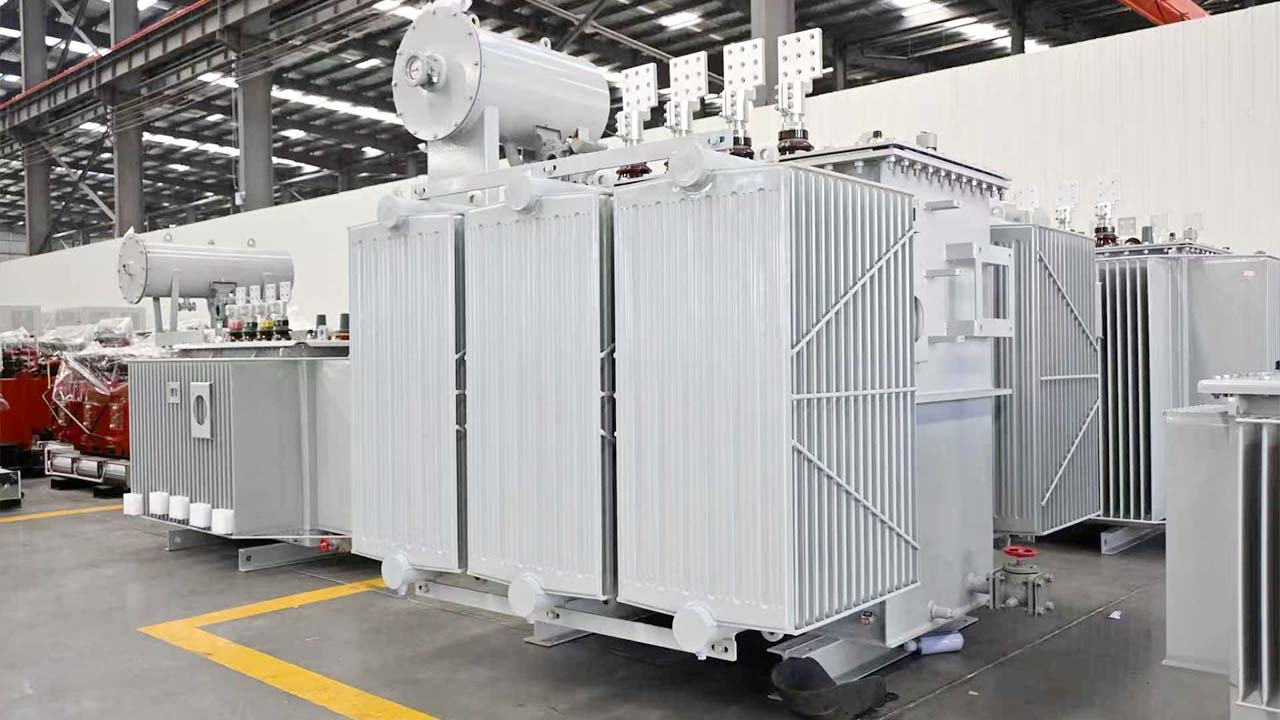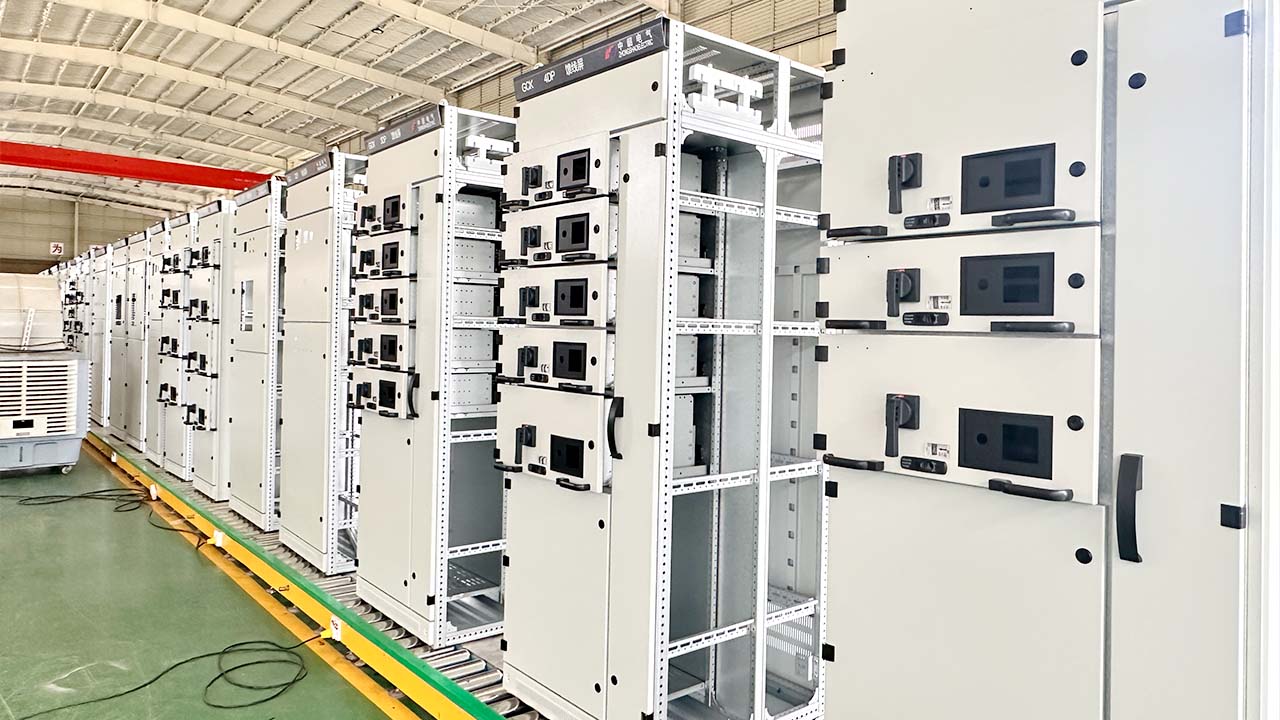
A distribution transformer is one of the most important components in a power distribution system. It converts medium-voltage electricity from the utility grid into a lower voltage that can be safely used by factories, commercial buildings, residential communities, data centers, renewable energy facilities, and other electrical loads.
Selecting the right transformer is not simply a matter of choosing a kVA rating. Buyers must also consider primary and secondary voltage, load characteristics, installation environment, insulation type, cooling method, impedance, vector group, applicable standards, and future expansion.
An undersized transformer may overheat, operate inefficiently, and fail prematurely. An oversized transformer may increase initial investment and operate with unnecessary no-load losses. This guide explains how to select and size a distribution transformer while comparing the main transformer types available for different projects.
What Is a Distribution Transformer?
A distribution transformer steps down electricity from a higher distribution voltage to a usable low-voltage level.
For example, electricity may enter a facility at 10kV, 11kV, 20kV, 33kV, or 35kV. The transformer then reduces it to a secondary voltage such as 400V, 415V, 433V, or 480V for use by machinery, lighting systems, motors, distribution boards, and other equipment.
Distribution transformers are commonly installed close to the load center. This reduces cable length, voltage drop, and line losses while improving the overall efficiency of the power system.
Typical applications include:
- Industrial plants
- Commercial buildings
- Residential developments
- Hospitals and schools
- Data centers
- Mining projects
- Utility distribution networks
- Solar and wind power stations
- EV charging facilities
- Infrastructure projects
The correct transformer depends on the electrical load, installation location, required capacity, safety standards, and operating environment.
Main Types of Distribution Transformers
Distribution transformers can be classified by insulation method, cooling system, installation style, winding material, and core technology.
Oil-Immersed Distribution Transformers
Oil-immersed transformers use insulating oil for both cooling and electrical insulation. The oil surrounds the core and windings, absorbs heat, and transfers it to the tank and radiators.
They are commonly used for outdoor installations, utility networks, industrial facilities, renewable energy projects, and high-capacity power systems.
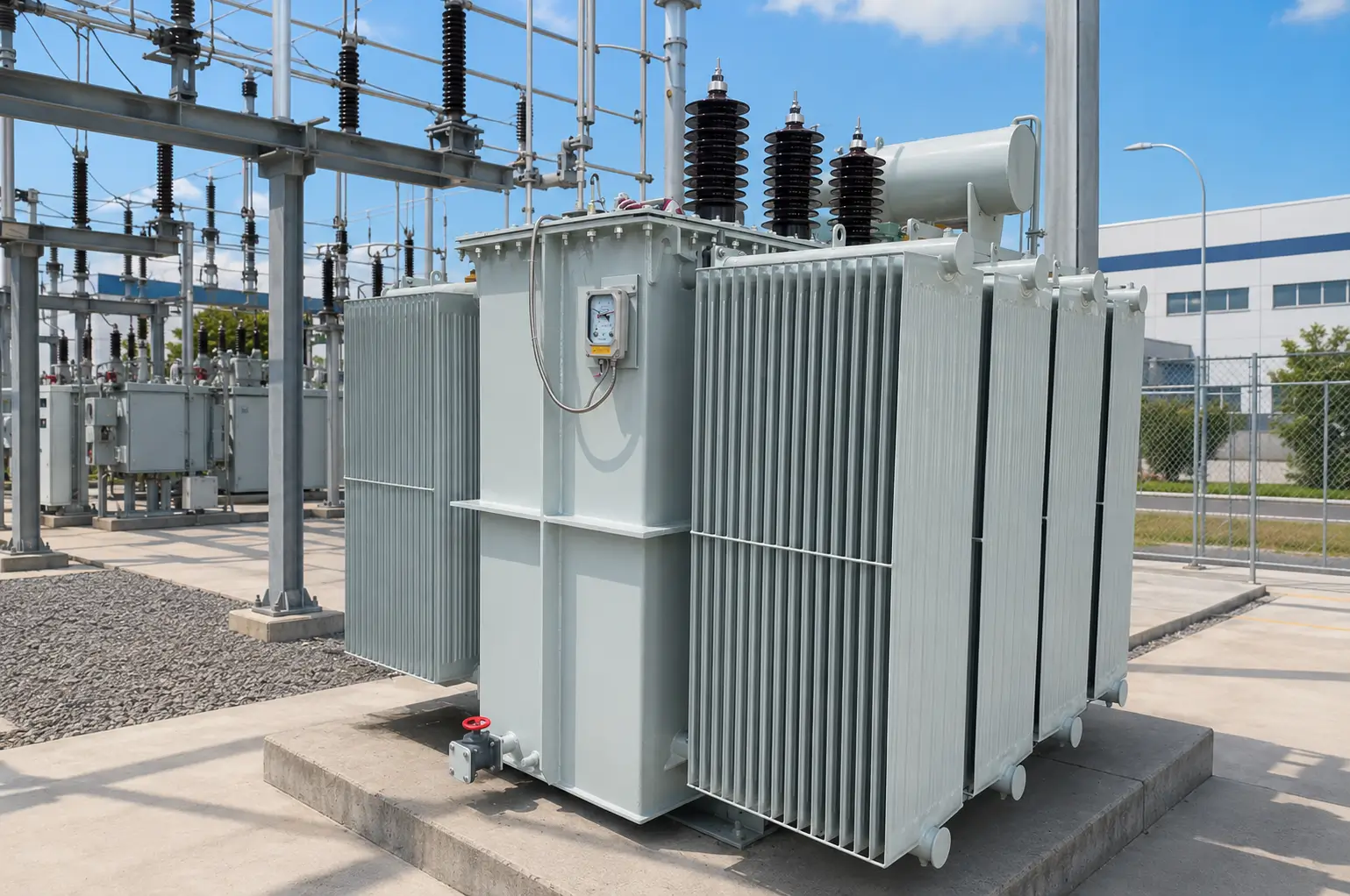
Key advantages include:
- Efficient heat dissipation
- Strong overload capability
- Low operating losses
- Long service life
- Reliable outdoor performance
- Competitive initial cost
ZHONGSHAO supplies three-phase oil-immersed distribution transformers for voltage systems such as 10kV and 35kV. Available solutions include fully sealed oil-immersed transformers, S13-M low-loss transformers, aluminum-winding transformers, and SH15 amorphous core transformers.
Fully sealed designs help reduce moisture and air contact with the insulating oil, which can lower maintenance requirements and slow oil deterioration.
Dry-Type Distribution Transformers
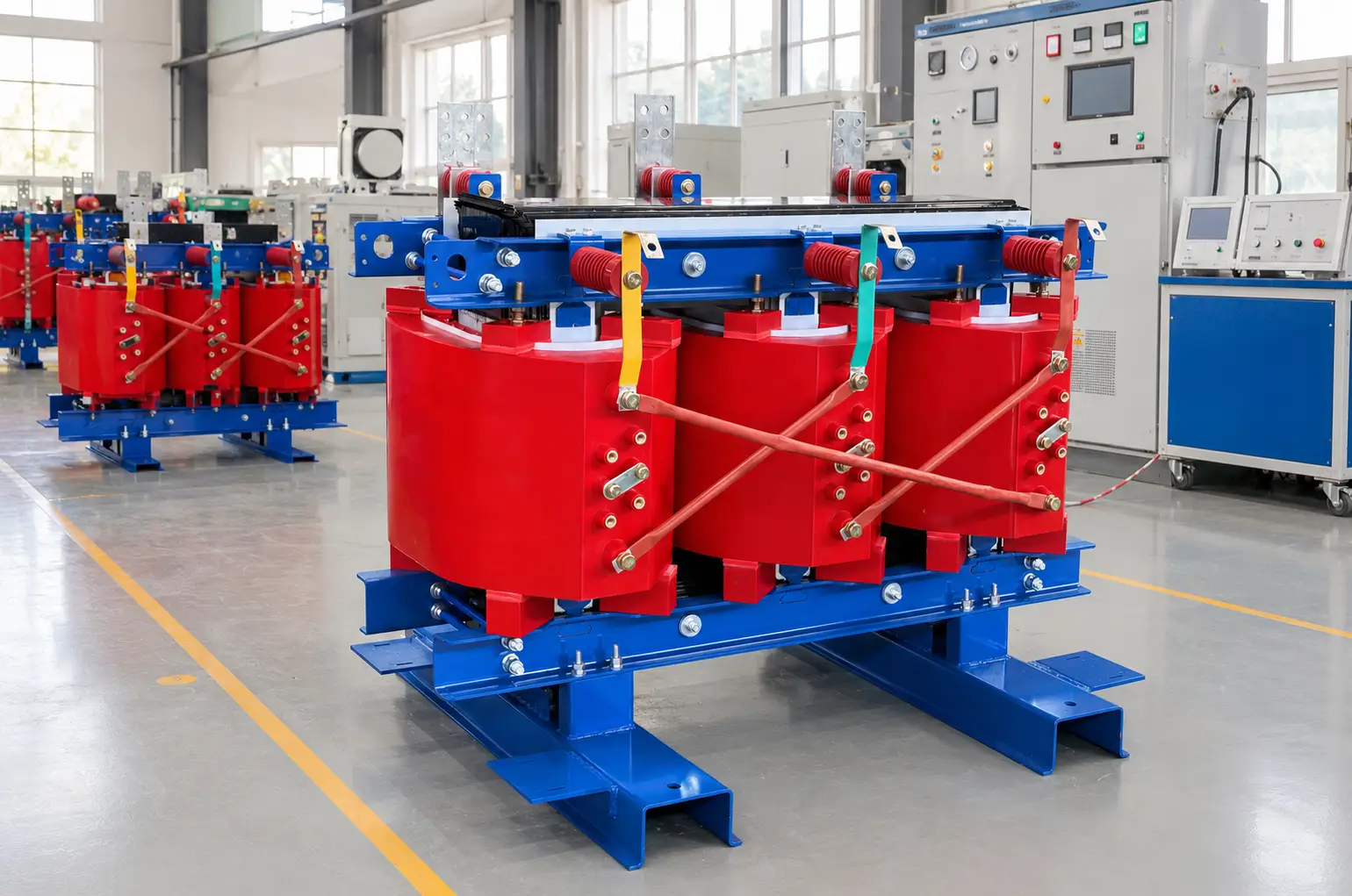
Dry-type transformers use solid insulation materials and air cooling instead of transformer oil. Cast resin models typically encapsulate the windings in flame-retardant epoxy resin.
Because they contain no oil, dry-type transformers are often selected for locations with strict fire safety, environmental, and indoor installation requirements.
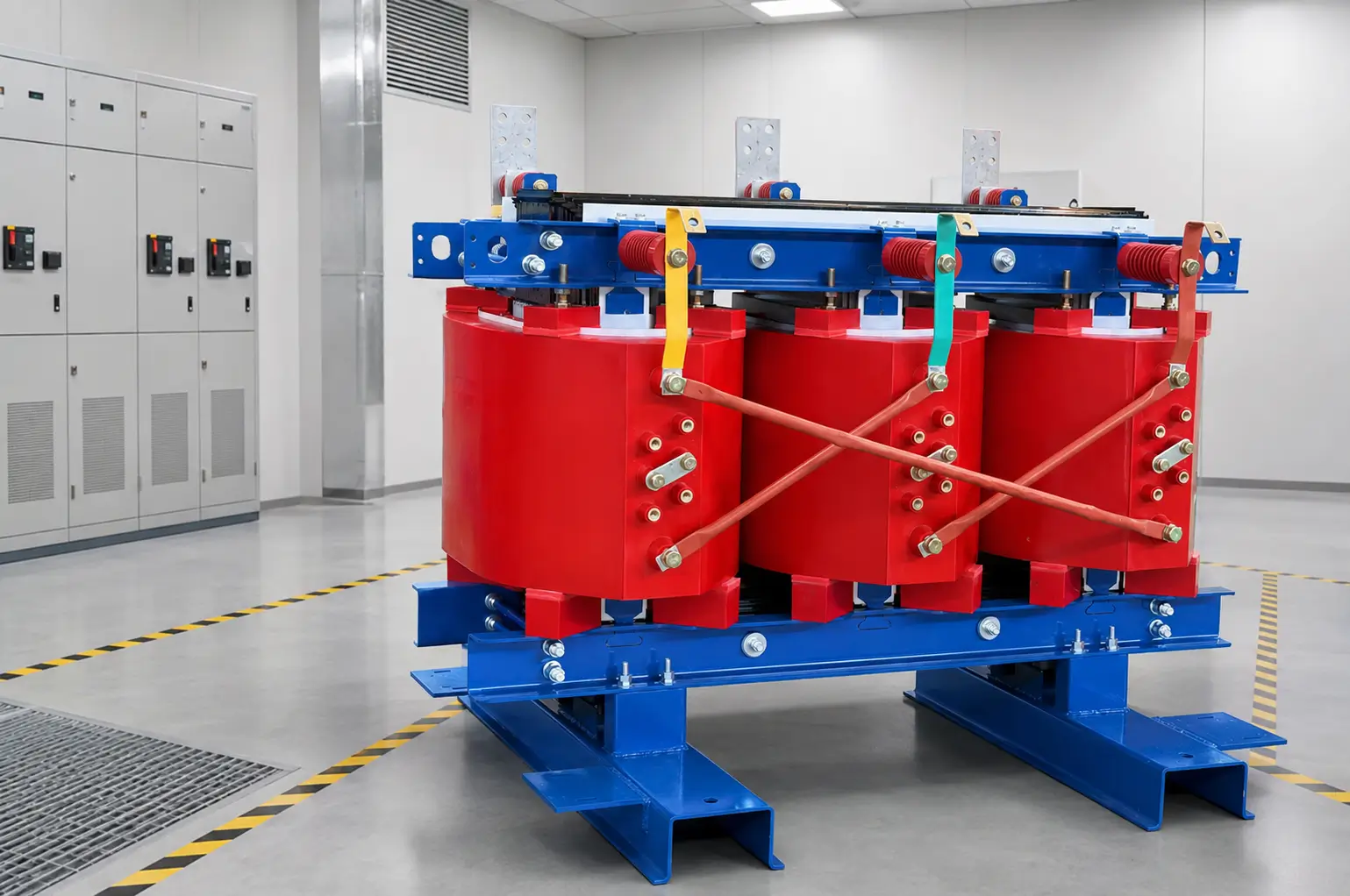
Typical applications include:
- Data centers
- Hospitals
- Schools
- Office buildings
- Shopping centers
- Metro systems
- High-rise buildings
- Indoor industrial facilities
ZHONGSHAO dry-type solutions include SCB series epoxy resin cast transformers, including SCB10 and SCB13 configurations. Available dry-type transformer ranges cover different capacities and can be customized according to voltage, insulation, noise, enclosure, and cooling requirements.
ZHONGSHAO dry-type transformers are supported by CE certification for relevant product ranges and are designed for projects requiring compliance with applicable low-voltage and electromagnetic compatibility requirements.
Pad-Mounted Transformers
Pad-mounted transformers are installed at ground level on a concrete foundation. They are enclosed in a lockable, tamper-resistant cabinet with no exposed live parts.
They are suitable for:
- Residential communities
- Commercial parks
- Urban distribution networks
- Public areas
- Renewable energy projects
- Underground cable systems
ZHONGSHAO supplies American-style pad-mounted transformers and ZGS series combined transformer solutions. These products integrate transformer and switching functions into a compact outdoor enclosure.
Pad-mounted transformers are often selected where appearance, public safety, easy access, and underground distribution are important.
Pole-Mounted Transformers
Pole-mounted transformers are installed on utility poles and connected to overhead distribution lines.
Their compact design makes them suitable for:
- Rural distribution systems
- Remote locations
- Agricultural projects
- Small communities
- Areas with limited ground space
Single-phase and dual-voltage pole-mounted transformer designs can provide an economical solution where the load requirement is relatively small and overhead distribution is already available.
Amorphous Core Transformers
Amorphous alloy transformers use a low-loss core material that significantly reduces no-load losses.
Since distribution transformers remain energized for long periods, no-load loss can represent a major part of the transformer’s lifetime energy cost. An amorphous core transformer may have a higher initial price, but its lower energy consumption can provide long-term savings.
ZHONGSHAO offers SH15 amorphous core transformer solutions for projects focused on energy efficiency and lifecycle cost.
Oil-Immersed or Dry-Type: Which Should You Choose?
The selection usually depends on the installation environment and project priorities.
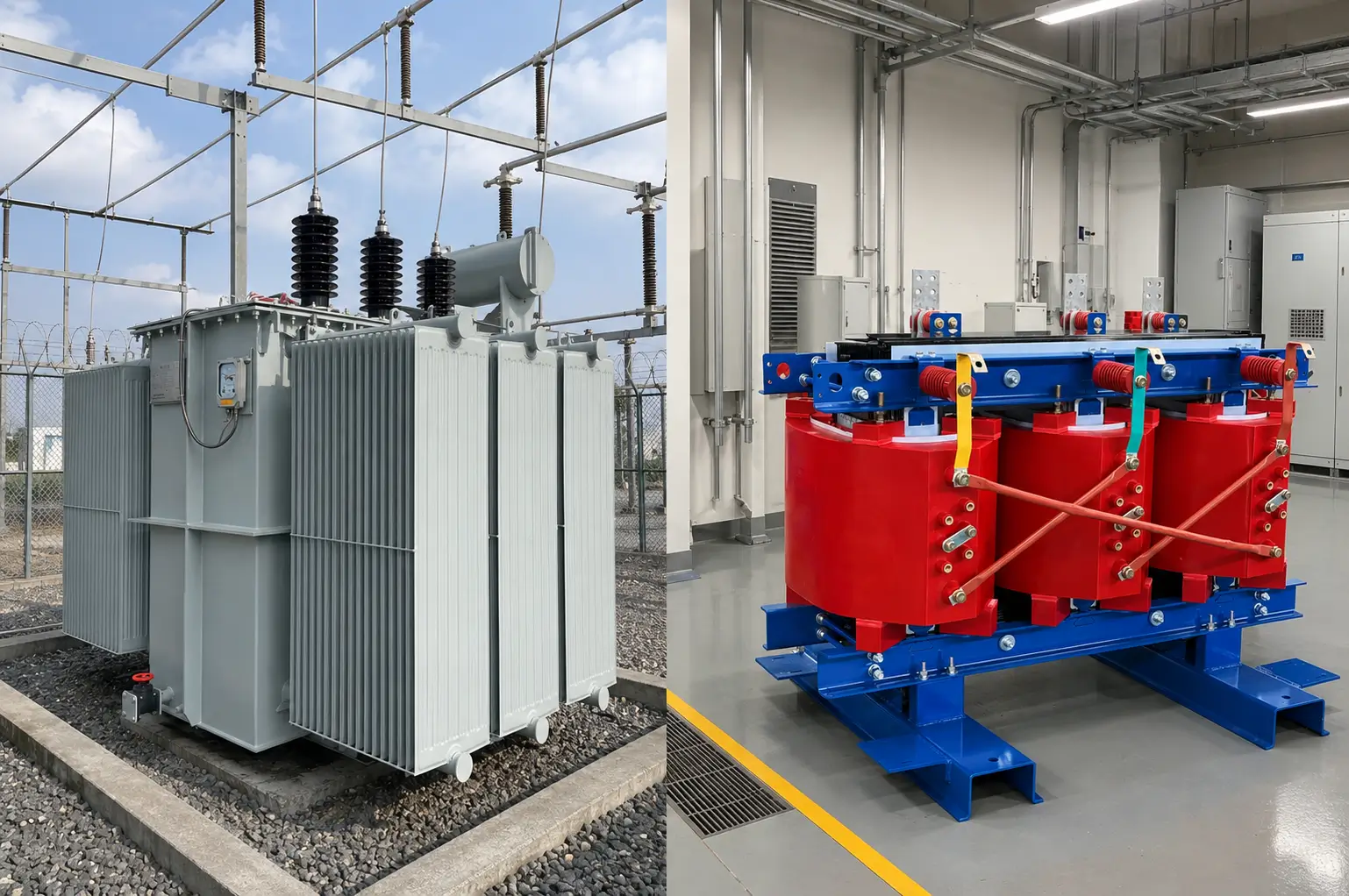
| Selection factor | Oil-immersed transformer | Dry-type transformer |
|---|---|---|
| Cooling medium | Insulating oil | Air |
| Installation | Mainly outdoor | Mainly indoor |
| Fire risk | Requires oil safety management | Lower fire risk |
| Maintenance | Oil and sealing inspections | Cleaning and ventilation checks |
| Capacity | Suitable for larger capacities | Common in small and medium capacities |
| Initial cost | Usually lower | Usually higher |
| Typical use | Utilities, factories, outdoor projects | Buildings, hospitals, data centers |
An oil-immersed transformer is generally suitable when the project requires high capacity, strong cooling, outdoor installation, and cost-efficient operation.
A dry-type transformer is usually preferred when fire safety, indoor installation, cleanliness, and reduced oil maintenance are more important.
How to Size a Distribution Transformer
Correct sizing begins with the actual electrical load.
Step 1: Calculate the Total Connected Load
List the rated power of all equipment that may operate through the transformer.
This may include:
- Motors
- Pumps
- Compressors
- Lighting
- HVAC systems
- Production machinery
- Welding equipment
- EV chargers
- Inverters
- Office and control equipment
The total active load is normally measured in kilowatts.
Step 2: Convert kW to kVA
Transformer capacity is rated in kilovolt-amperes rather than kilowatts.
Use the following formula:
Required transformer capacity in kVA = Total load in kW ÷ Power factor
For example, if the total load is 800kW and the power factor is 0.8:
800 ÷ 0.8 = 1000kVA
The minimum calculated transformer capacity is therefore 1000kVA.
Step 3: Add a Capacity Margin
A transformer should not normally operate continuously at its maximum rating.
A capacity margin helps accommodate:
- Peak demand
- Motor starting current
- Load fluctuations
- Future equipment
- Facility expansion
- Temporary overload conditions
A typical margin is approximately 20% to 30%, depending on the project.
For a calculated load of 1000kVA:
- With a 20% margin: 1200kVA
- With a 30% margin: 1300kVA
The buyer may therefore select a standard 1250kVA or 1600kVA transformer after considering future expansion and load characteristics.
Key Specifications to Confirm
Transformer buyers should provide the manufacturer with a clear technical specification.
Capacity
Common distribution transformer capacities include 100kVA, 250kVA, 400kVA, 630kVA, 1000kVA, 1250kVA, 1600kVA, 2000kVA, and 2500kVA.
Smaller, larger, and customized capacities may also be available.
Primary Voltage
Common primary voltage levels include:
- 6kV
- 10kV
- 11kV
- 20kV
- 22kV
- 33kV
- 35kV
The selected voltage must match the local grid or upstream distribution system.
Secondary Voltage
Common secondary voltages include:
- 400V/230V
- 415V
- 433V
- 480V
The output voltage must match the facility’s equipment and distribution system.
Impedance Voltage
Common impedance values include 4%, 4.75%, 5%, and 6%.
Impedance affects short-circuit current, voltage regulation, and protection coordination. The correct value should be confirmed by the electrical designer or transformer manufacturer.
Vector Group
Common vector groups include Dyn11, Yyn0, and Yzn11.
Dyn11 is widely used in distribution systems because it provides a neutral point on the secondary side and performs well in many three-phase distribution applications.
Tapping Range
A common off-circuit tapping range is:
±2 × 2.5%
The tap changer allows the output voltage to be adjusted when the incoming grid voltage differs from its nominal value.
Special Load Considerations
Some loads require additional transformer design considerations.
Motors and Compressors
Large motors can create high starting current and temporary voltage drops. The transformer must have sufficient capacity and short-circuit strength.
VFDs and Nonlinear Loads
Variable frequency drives, UPS systems, data center equipment, EV chargers, and power electronic loads can generate harmonics.
High harmonic levels may require:
- Additional capacity
- Lower operating temperature
- Special winding design
- Harmonic analysis
- K-rated transformer solutions
Solar and Wind Projects
Renewable energy systems experience changing output and frequent load variation. Transformers used in solar and wind applications should be designed for the expected voltage range, harmonic content, environmental exposure, and operating cycle.
Parallel Operation
Multiple transformers may be operated in parallel when the load is large or redundancy is required.
For safe parallel operation, the transformers should have compatible:
- Voltage ratios
- Phase sequence
- Vector groups
- Impedance values
- Rated voltages
- Tapping positions
The capacity difference between parallel transformers should also remain within a reasonable range.
Certifications and Supplier Evaluation
For international projects, buyers should verify both product quality and market compliance.
ZHONGSHAO manufactures transformers according to project requirements involving standards such as IEC, ANSI, and IEEE. The company also holds quality and product certifications including ISO9001, UL, CE, and CCC for relevant products and applications.
ZHONGSHAO liquid-filled distribution transformer certification covers selected voltage and capacity ranges, including UL-compliant transformer solutions within applicable 17kV to 36kV classes and capacities from approximately 30kVA to 9000kVA.
Its dry-type transformer ranges are supported by CE certification for applicable models.
ZHONGSHAO has:
- Supplied more than 100,000 electrical equipment units
- Obtained more than 100 related patents
- Developed transformer, switchgear, and substation product lines
- Established full-process quality control
- Provided technical selection and customization support
The SSZ20-240000/220 transformer has also passed short-circuit withstand and routine type testing conducted through the relevant national transformer quality inspection system.
Information Required for a Quotation
To receive an accurate proposal, provide:
- Required capacity in kVA
- Primary voltage
- Secondary voltage
- Frequency
- Single-phase or three-phase
- Oil-immersed or dry-type preference
- Indoor or outdoor installation
- Pole-mounted, pad-mounted, or floor-mounted design
- Vector group
- Impedance
- Tap range
- Applicable standards
- Environmental temperature
- Altitude
- Load type
- Required quantity
- Delivery location
If the exact capacity is not yet known, ZHONGSHAO can review the load data and recommend a suitable transformer rating.
Final Thoughts
A reliable distribution transformer must match the project’s load, voltage, installation environment, safety requirements, and long-term expansion plan.
Oil-immersed transformers are suitable for outdoor, utility, industrial, and higher-capacity applications. Dry-type transformers provide a safer oil-free option for commercial buildings, hospitals, data centers, and indoor installations. Pad-mounted and pole-mounted transformers meet different underground and overhead distribution requirements, while amorphous core transformers help reduce long-term energy losses.
Before ordering, buyers should confirm capacity, primary and secondary voltage, impedance, vector group, tapping range, installation method, standards, and environmental conditions.
ZHONGSHAO supplies oil-immersed, dry-type, pad-mounted, pole-mounted, and energy-saving transformer solutions for industrial, utility, commercial, and renewable energy projects. Providing complete project information allows the engineering team to recommend the most suitable configuration and prepare an accurate quotation.