
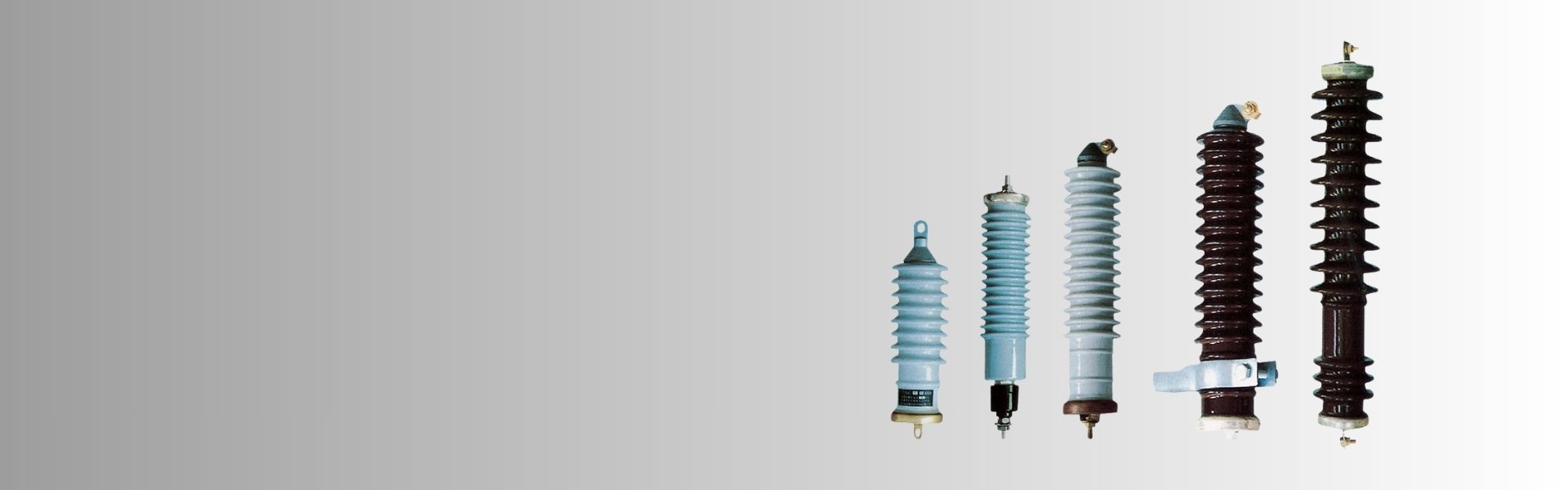
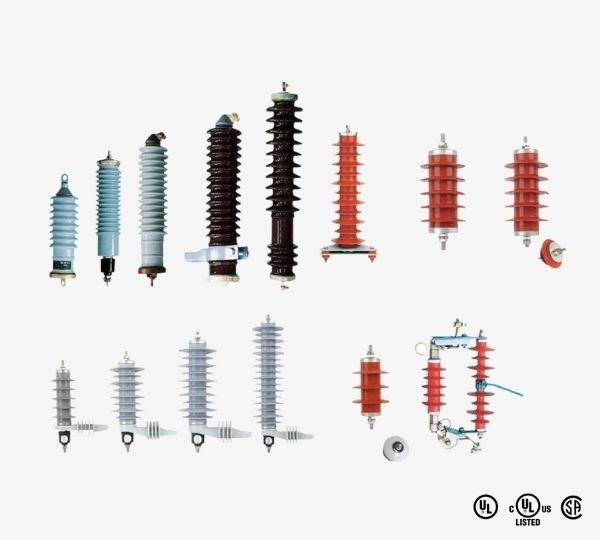
Features of Metal Oxide Arrester
- Adopt high-quality ZnO resistors, achieve conduction at the moment of surge arrival, quickly clamp overvoltage and reduce insulation stress.
- Shows sturdy and durable, it can operate stably for a long time in high salt spray, high altitude, heavy pollution and strong ultraviolet environments.
- Comply with IEC 60099-4 and relevant standards, and each ZnO resistor is tested on a single piece to ensure stability and consistency.
- Supports customized solutions based on project requirements, and support drawing review, on-site technical consultation and after-sales support are also available.
Metal Oxide Arrester Professional Supplier in China
The metal oxide arrester can achieve nanosecond-level rapid response and precise residual voltage control, effectively resisting lightning strikes and operational overvoltage, and directly protecting expensive assets such as transformers and GIS. Whether it is a low-temperature, salt spray or high-altitude working environment, we can provide customized metal lightning arresters that meet your system voltage, installation scenarios and budget requirements.
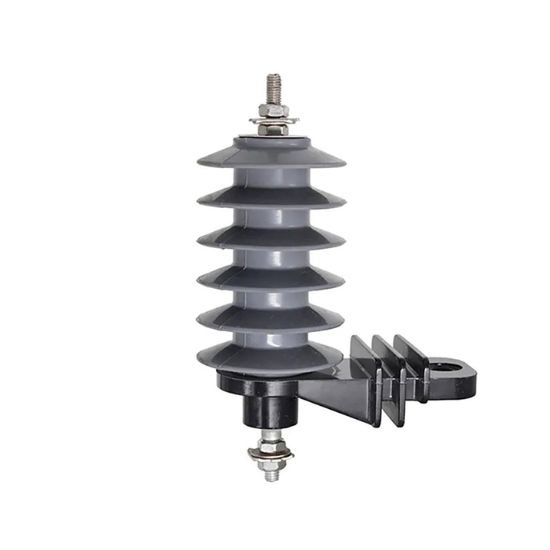
This helps to protect electrical equipment from overcharge and lightning strikes for power distribution networks.
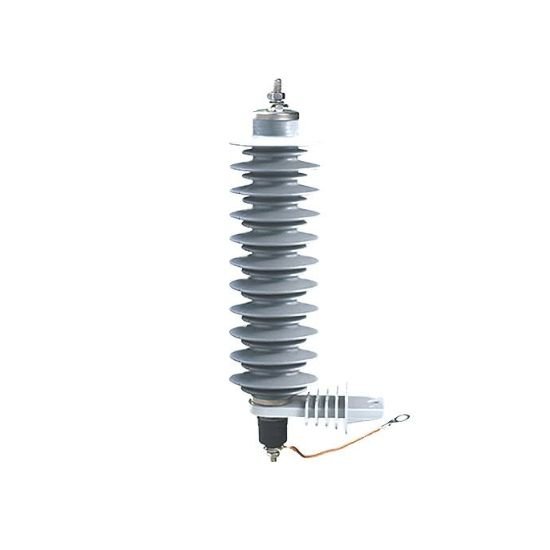
It absorbs transient surges, preventing damage to transformers, circuit breakers, and other electrical infrastructure.
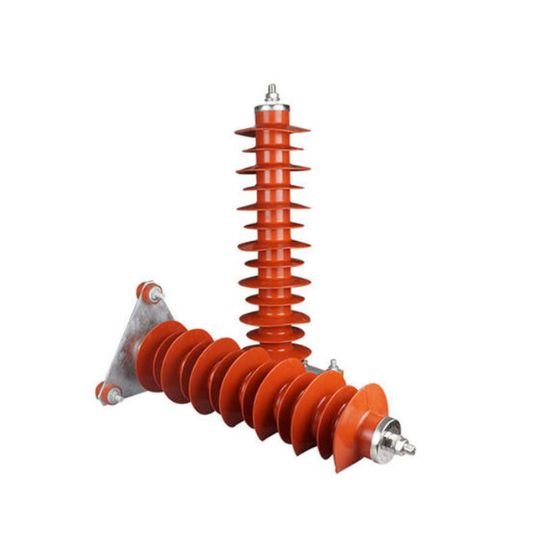
Features a durable, corrosion-resistant housing, our arrester has long-term reliability under harsh conditions.
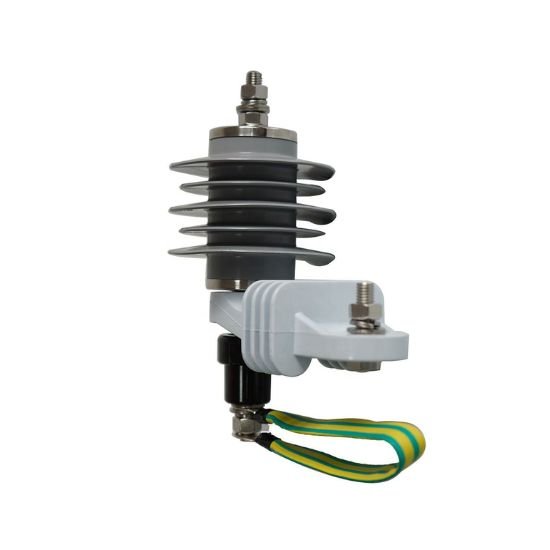
Our arrester is a versatile surge protection device to reduce maintenance requirements for a wide voltage range.
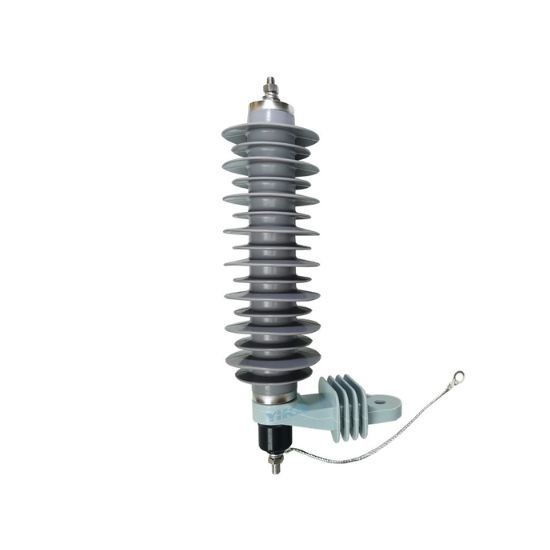
With advanced metal oxide varistors housed in a durable polymer housing to prolong equipment life.
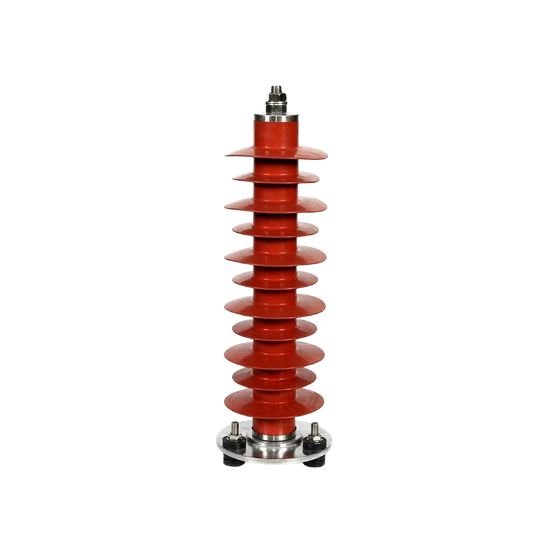
Ideal for substation, power distribution networks, is reliable in surge protection from lightning strikes or overvoltage.
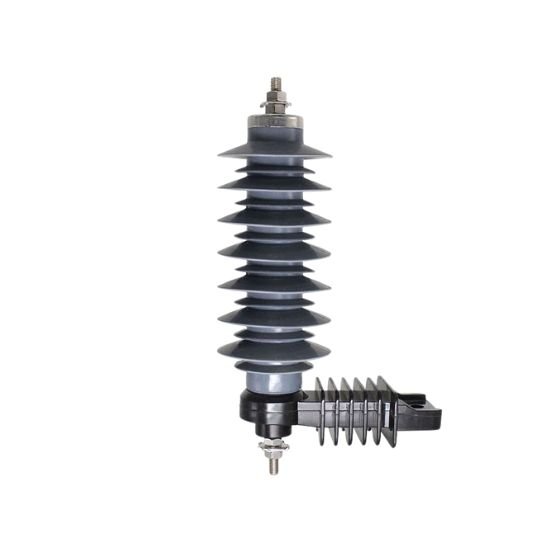
Using metal oxide varistors, the switchgear and high-voltage electrical to ensure safe and stable operation
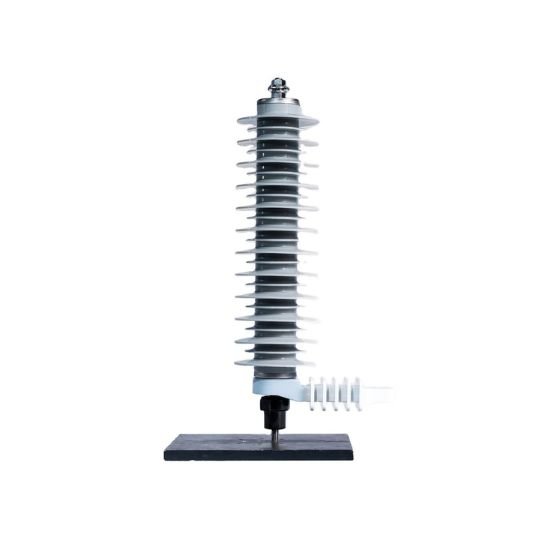
It absorbs transient surges, preventing damage to transformers, switchgear, and other electrical equipment.
What Is Metal Oxide Arrester
The metal oxide arrester takes zinc oxide (ZnO) varistors as nonlinear resistors. They exhibit a high-resistance state under normal voltage but rapidly lower resistance when encountering huge surge currents caused by lightning strikes or switches. It could guide the current to the ground and effectively clamp the voltage to protect your equipment such as transformers and cables.
In this way, lightning arresters can effectively limit the amplitude of overvoltage to avoid the insulation of key equipment such as transformers, switch cabinets, and cable lines from impact. Thereby it enhances your entire system’s operational reliability.
Advantages of Metal Oxide Arrester
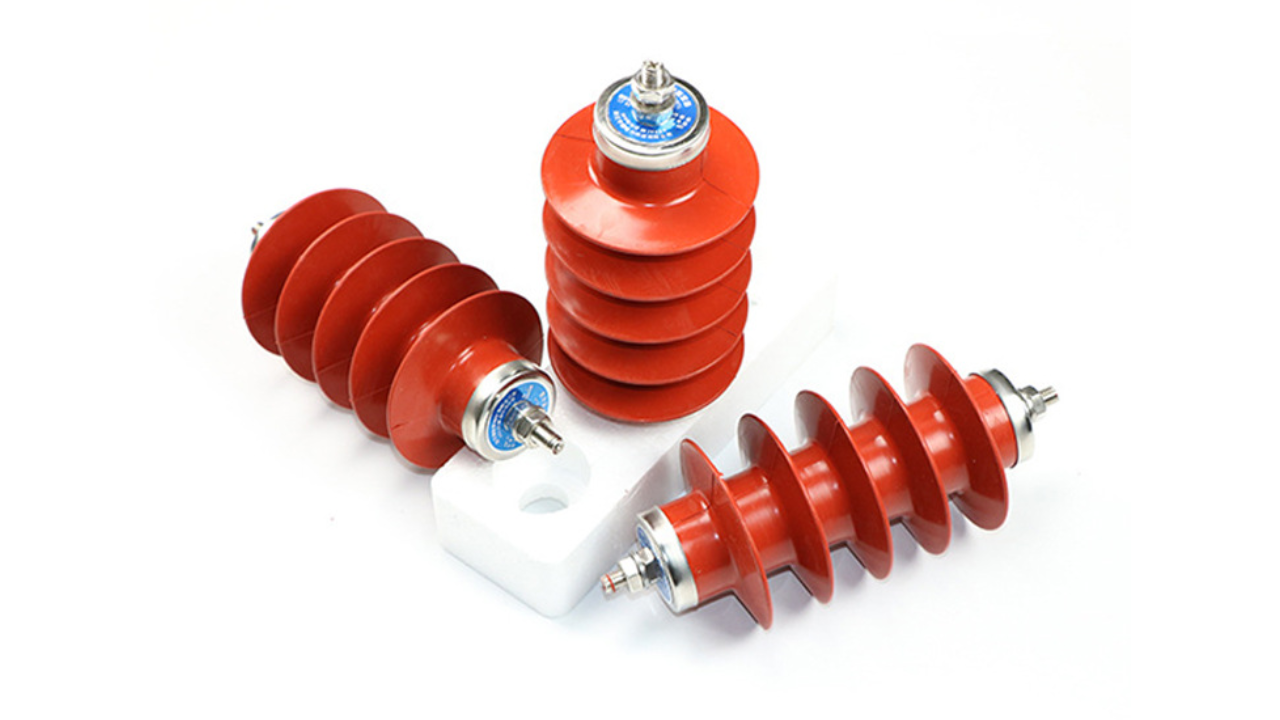
Handle High Energy
Metal oxide arresters can withstand high-energy impacts such as lightning strikes and grid operation overvoltages. They are suitable for medium-voltage, high-voltage and ultra-high-voltage power systems, delivering you a higher overvoltage protection margin.
Quick Response
Thanks to the transient characteristics of ZnO material, the metal oxide arrester can complete conduction within nanosecond time when the surge arrives, achieving immediate protection.
Its response speed is much faster than that of traditional silicon carbide lightning arresters and is more suitable for the protection requirements of modern power grids.
High-Precision Protection
The metal oxide arrester’s residual voltage can be stably controlled at approximately 80% or lower of the insulation withstand voltage of the protected equipment. This effectively reduces your insulation aging and stress accumulation. It is especially suitable for equipment with high insulation strength but shock sensitivity, such as transformers, GIS, and switch cabinets.
Safe and Reliable
ZnO arresters do not generate arcs during operation and there is no continuous current. This avoids the secondary breakdown problem that may occur in traditional arresters so that they can offer you strong energy absorption capacity and a longer operating life.
No Need for Voltage Classification System
Due to the excellent volt-ampere characteristics of metal oxide varistors, it requires no to set up additional hierarchical structures in the voltage network, making system configuration simpler and maintenance easier.
Low Require Maintenance
Metal oxide arresters only need regular leakage current monitoring, appearance inspection and discharge count recording.It does not require frequent maintenance. From the perspective of the entire life cycle of the equipment, it can significantly reduce your operation and maintenance costs.
Working Principle of Metal Oxide Arrester
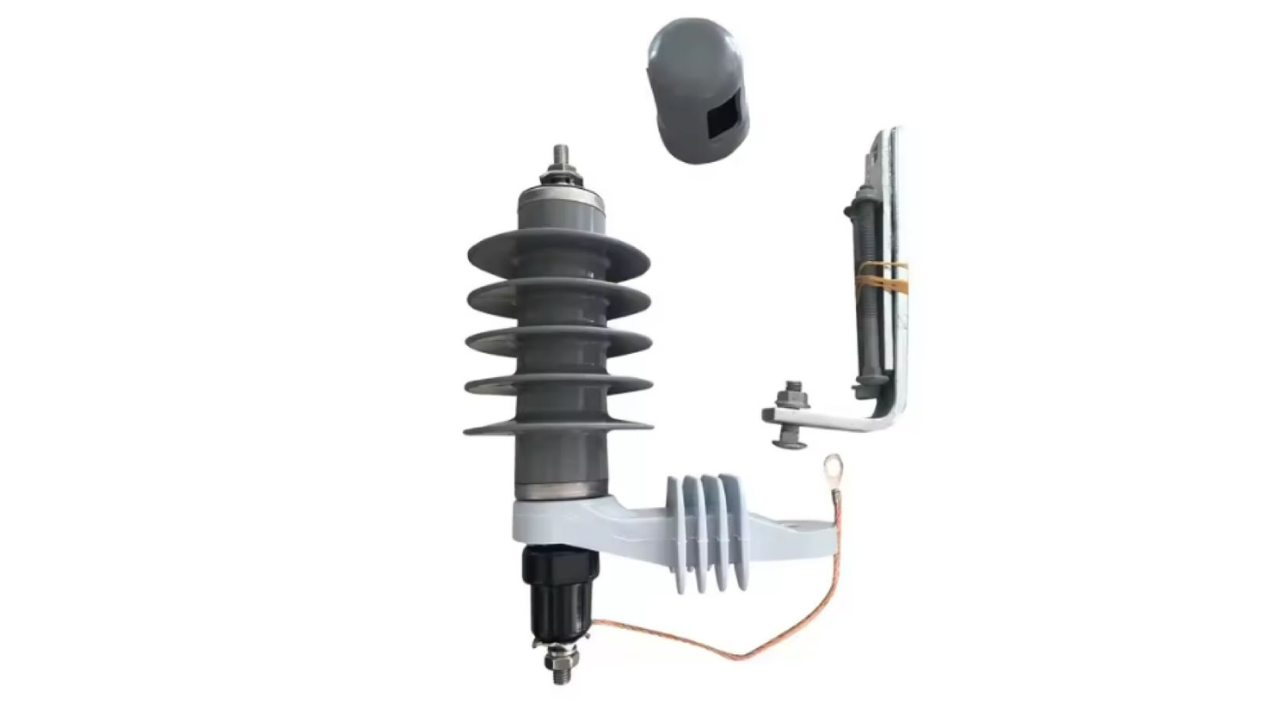
The metal oxide arresters’ operation is based on the nonlinear resistance characteristics of ZnO varistors under different voltages.
Under normal circumstances, the metal oxide arrester maintains a high resistance value with only an extremely small leakage current, and this could not affect the system’s running.
When overvoltage occurs, which means lightning strikes or switch operations cause a sudden increase in voltage, the ZnO resistance will drop sharply. And the metal oxide arrester will conduct rapidly, which introduces the surge current into the grounding grid and clamps the overvoltage within a safe range, thus protecting your equipment from damage.
After the surge energy is released into the grounding system, the resistance of ZnO immediately returns to a high resistance level, and the lightning arrester returns to standby mode, without imposing additional burdens on the power grid.
Types of Metal Oxide Arrester
Gap-Free Metal Oxide Arrester
The gapless structure adopts ZnO valve plates directly connected to the system, not requiring series spark gaps, and can provide continuous and stable overvoltage protection across the entire voltage range.
Its response speed can reach less than 1 μs. And it can act immediately upon the arrival of lightning strikes or operating surges, preventing insulation from being impacted. Due to its simple structure and the absence of mechanical moving parts, it requires extremely low operation and maintenance volume, and its typical failure rate can be controlled below 0.05 times per year.
It is a good choice for you to apply in power transmission and transformation stations, GIS systems and various high-voltage equipment with high reliability requirements.
Series-Gapped Metal Oxide Arrester
The series-gapped metal oxide arrester is connected in series with a spark gap in front of the ZnO valve plate. Under normal operating conditions, the gap isolates the valve plate.This significantly reduces the long-term leakage current and heat generation level of your valve plate, and slows down the aging rate. It is particularly suitable for power grid environments with frequent power frequency overvoltage and high system harmonics.
Due to the gap undertaking the daily voltage isolation, the valve plate’s service life can be extended to about 25 years, which is highly economical for rural power grids, distributed power access points and harmonic heavy load scenarios.
Explosion-Proof Metal Oxide Arrester
The explosion-proof MOA is equipped with a flameproof enclosure that complies with the standard and a non-sparking electrode structure, and uses flame-retardant silicone rubber or epoxy composite materials as the outer insulation layer. The arrester is designed as a whole in a sealed manner, with a protection level that can reach IP65 to IP68. Those can prevent sparks generated by internal faults or thermal breakdown from escaping outward, thereby avoiding secondary accidents in flammable and explosive environments.
This type of lightning arrester fully complies with the safety production regulations of scenarios such as chemical plants, coal mines, oil and gas pipeline stations, and storage tank areas. Its oil-free and gas-free medium design can also reduce potential fire hazards for you.
Distribution Metal Oxide Arrester
The distribution MOA adopts a miniaturized and modular design, enabling you to achieve quick installation by plug-and-pull or rail-mounted methods. It does not require a voltage equalizing ring structure, which is convenient for integration within a limited space.
This metal oxide arrester mainly covers the terminal power distribution field from 0.4kV to 10kV and can be used in workshop socket circuits, lighting circuits, small motors, distribution boxes and the interiors of low/medium voltage switch cabinets. Its device can be used out of the box without relying on complex civil engineering or external construction. If you`require rapid deployment in industrial and commercial power distribution scenarios, this is your economic solution.
Parts of Metal Oxide Arrester
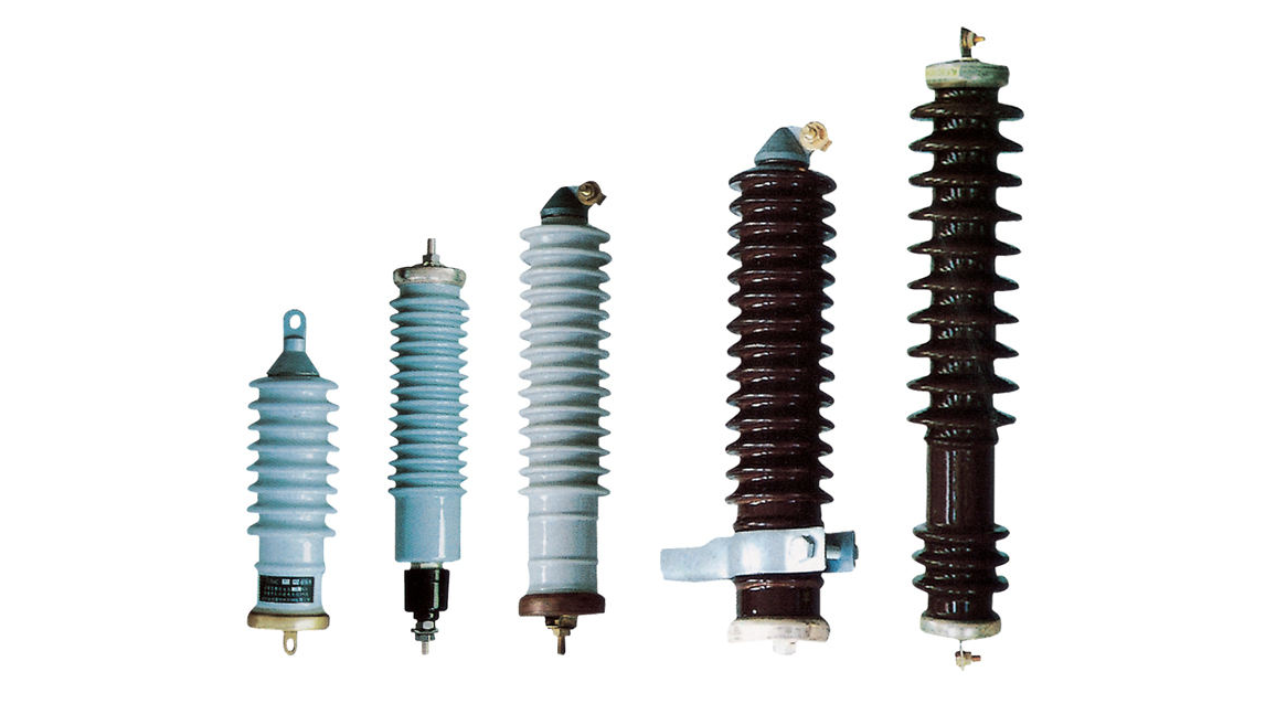
Zinc Oxide Valve Plate
The oxide valve plate takes ZnO as the main body and is doped with metal oxides such as Bi₂O₃ and Sb₂O₃ to enhance the nonlinear coefficient and overvoltage tolerance. The diameter of the valve plate is usually between φ50 and φ150 mm. The material is finely ground to increase its specific surface area, and then pressed into shape and sintered into a highly dense structure. The valve plate’s two sides are in close contact by conductive electrodes, thereby achieving rapid conduction and clamping of transient overvoltage.
It is important for you to verify ZnO valve plate’s quality, which directly determines the residual voltage level, current-carrying capacity and long-term stability of the lightning arrester.
Insulating Jacket
The insulating jacket can protect your internal valve plates and isolate external dust, moisture and chemical corrosive substances. It is usually available in porcelain or composite silicone rubber structures.
Porcelain jacket: Porcelain jackets are generally made of alumina ceramic, with a working temperature range of -40°C to 80° C. They deliver you excellent UV resistance and high mechanical strength. Its structure is stable and has a long service life. So it is more suitable for installation in clean rooms or scenarios where there are no weight requirements for appearance. And your cost is also relatively more controllable.
Composite silicone rubber jacket: Compared with porcelain structure, it can lower the composite silicone rubber’s weight by approximately 60%. Its surface has natural hydrophobicity, which can significantly reduce the risk of surface creepage in damp environments. It can offer you superior weather resistance in outdoor substations, high salt spray areas or rainy environments.
Electrode
The lightning arrester is composed of an upper electrode, a lower electrode and includes the necessary connecting fittings. They are usually made of tin-plated copper, zinc or stainless steel materials to ensure the conductivity and reliability of the discharge channel.
The upper electrode is used to connect the busbar of the protected equipment, and the lower electrode is connected to the grounding system to form a discharge path. This could ensure overvoltage can be quickly conducted into the ground.
If used in explosion-proof areas or where there is a risk of sparks, it is recommended to choose stainless steel electrodes. While, for conventional power transmission and distribution systems, tin-plated copper electrodes can offer you better electrical conductivity and cost advantages.
Voltage Equalizing Ring
Voltage equalizing rings are typically made of aluminum alloy, which can optimize your electric field distribution at the high-voltage end. It could reduce local electric field concentration, and prevent corona discharge and the insulation aging caused thereby.
For equipment of 35 kV and above grades, it is an important auxiliary component to ensure the long-term stable operation for your system.
Control System
To keep track of the health status of the lightning arrester in real time, modern MOA can be equipped with leakage current sensors and temperature monitoring units. This system can continuously monitor your arrester’s leakage current changes and the valve plate’s temperature rise. When abnormal trends occur, the control system can promptly issue an alarm, enabling maintenance personnel to take measures in advance to avoid the fault from expanding.
Grounding Terminal
Grounding terminals are usually made of copper or stainless steel and are used to keep low-resistance conduction of the discharge circuit. Good grounding directly affects your metal oxide arrester’s protective effect, while inadequate grounding may lead to hazards such as counterstrike and voltage backflow.
So during the equipment installation and operation stage, you should pay special attention to the grounding terminal’s material, the connection method, and the overall resistance value.
Technical Specifications of Metal Oxide Arrester
| Type | Arrester | Material | 50 Hz, 60 Hz |
| Output Voltage | 110 V, 220 V, 380 V, 440 V, 480 V… | Certification | ISO9001, IEC |
| Size | Customizable | Material | Zinc Oxide |
| OEM production | Accept | Warranty | Lifetime warranty |
| Coil Number | IP30、IP34、IP54、IP65… | Inspection And Test | Provided |
Maximum continuous operating voltage (MCOV/Uc) : This is the highest AC voltage that the lightning arrester can continuously withstand during long running. Its value must be higher than the system’s maximum line-to-ground voltage to prevent premature conduction of the valve plate or performance degradation under normal operating conditions. MCOV is the primary parameter for you to verify whether the lightning arrester can match the system voltage level.
Rated voltage: The suitable rated voltage can ensure that the metal oxide arrester maintains a stable insulation state even in a high-stress environment. It is recommended to usually reserve approximately 10% of the voltage margin on the basis of the long-term operating voltage to deal with transient overvoltage or system fluctuations. Typical voltage levels cover from 0.4kV to 220kV.
Residual voltage: Residual voltage represents the maximum discharge voltage of the arrester under a specific current-carrying capacity. To avoid the protected object’s insulation breakdown, you should control the residual voltage below 80% of the insulation withstand voltage of the protected equipment. In engineering, it is recommended to give priority to models with a residual pressure ratio (Up/MCOV) of no more than 1.7 to achieve a better protection margin.
Current-carrying capacity: The current-carrying capacity refers to the maximum overcurrent impact that a MOA can withstand. This parameter determines the robustness of the lightning arrester when it is struck by lightning or operates under overvoltage. If you need to apply in frequent thunderstorms or stations with long overhead lines, it is advisable to choose high-pass current grade models to enhance reliability.
How to Choose the Metal Oxide Arrester?
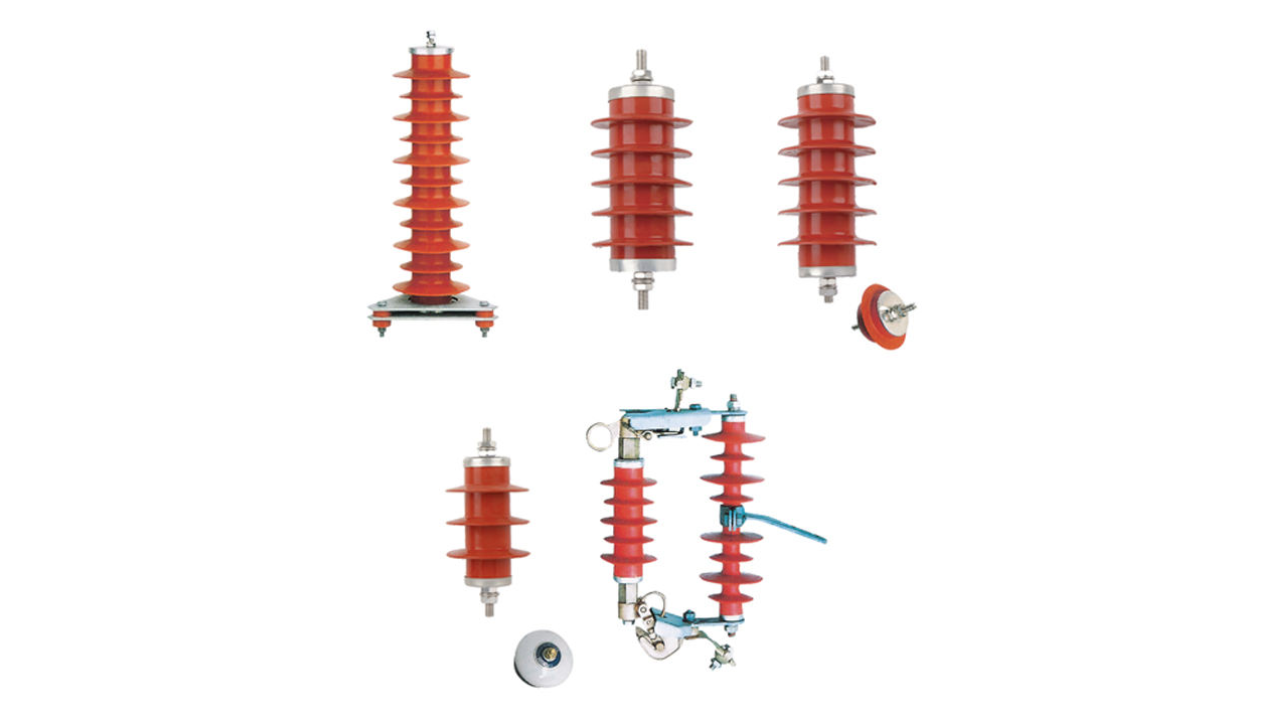
Target Parameters
Before selecting the model, you need to clearly define the system’s voltage level, the load characteristics, and the insulation endurance capacity.
It is recommended to give priority to models with a residual voltage ratio (Up/MCOV) less than 1.7 to ensure that the lightning arrester can effectively suppress the voltage within a safe range under transient impact conditions such as lightning strikes or operational overvoltage. This can avoid residual overvoltage that could damage the insulation of the equipment.
Installation Environment
The operating environment will directly affect the arresteer electrical performance, aging speed and maintenance frequency. So you need to make a reasonable choice based on the actual site conditions.
In extremely cold or high-temperature regions, you can adopt ZnO valve plates with a wide temperature range resistance or reinforced metal oxide materials to keep their volt-ampere characteristics stable under temperature changes and to avoid performance drift caused by temperature stress.
Convenience
If your arrester is applied in remote areas, mountainous lines or unmanned substations, the MOA composite silicone rubber jacket usually has more advantages. This type is lightweight and highly weather-resistant. It does not require frequent cleaning of surface dirt to significantly reduce on-site inspection and maintenance workload, lowering your overall operation and maintenance costs.
Cost
Apart from the initial purchase price, the metal oxide arrester’s cost also includes the long-term operation and maintenance investment.
When your project is sensitive to the initial budget and has stable operation and maintenance conditions as well as regular inspection capabilities, porcelain jacket lightning arresters are still an economically feasible option, but the subsequent maintenance investment needs to be fully considered.
No. The metal oxide arresters are in a high-resistance state under normal operating voltage, with only a very small leakage current and do not participate in the normal conduction of the system. Therefore, it will not affect the operating voltage, nor will it introduce additional loads or significant energy consumption. This only in abnormal situations such as lightning strikes or operating overvoltage the metal oxide arrester quickly will switch to a low-resistance state.
Metal oxide arresters are usually installed on the incoming line side of the protected equipment or near the electrical connection points, such as the high-voltage side of a transformer, the incoming line end of a switch cabinet, or the terminal of a cable.
When installing, you should try to shorten the length of the connecting wire between the lightning arrester and the protected equipment and reduce the number of bends. This can lower the additional residual voltage caused by the inductance of the lead wire to improve the overall protection effect.
Under normal operating conditions, the metal oxide arrester’s typical service life is generally 10 to 20 years. To enhance operational reliability and extend its safe operation cycle, you can implement measures such as regular leakage current monitoring, infrared temperature measurement, and visual inspections to promptly detect signs of moisture ingress, aging, or internal damage.