A paralleling switchgear is a part you can’t ignore in an electrical system. But do you know how it works exactly? Well, this article will give you a detailed introduction of its working principle and tell you why this is important for you to understand this process before an actual purchase.
What is a Paralleling Switchgear?
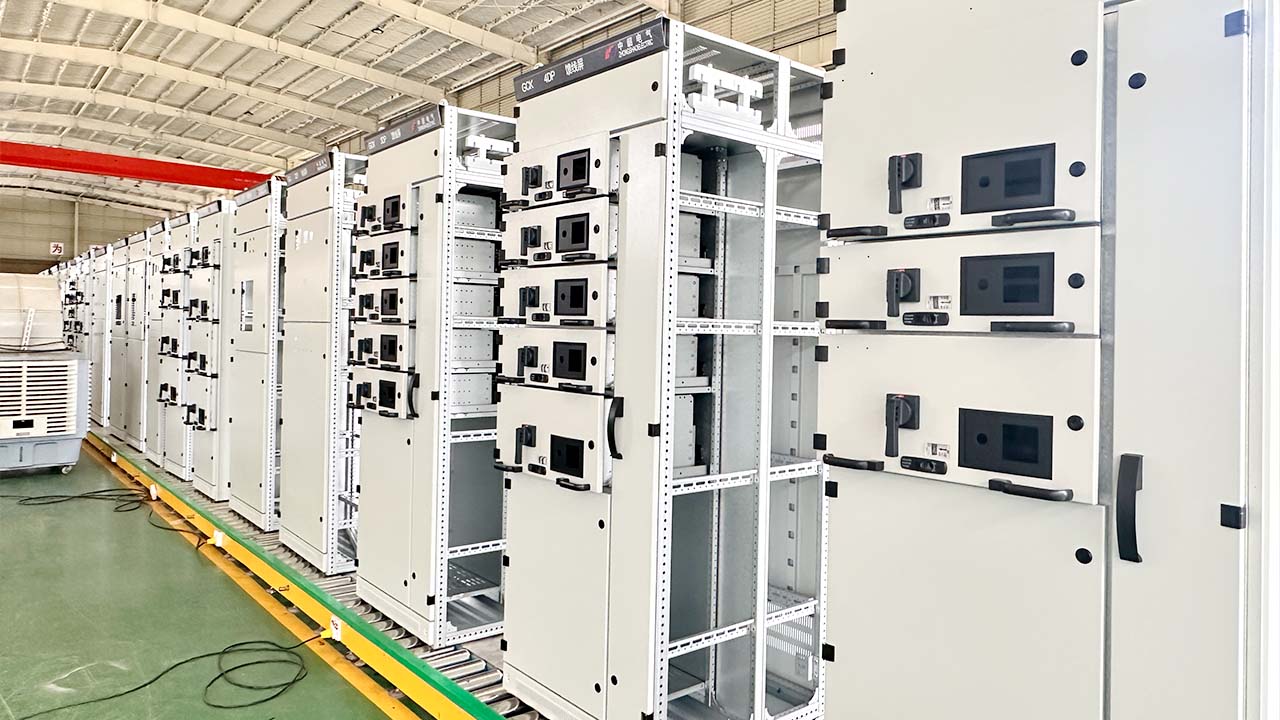
First, let us review the introduction of switchgear. A switchgear is a device used in electrical circuits to control the power supply to various electrical equipment. Paralleling switchgears are specifically designed to switch and protect parallel circuits. One of the advantages of the paralleling design is that it is more reliable, because it means that a fault in one branch of the circuit will not affect the other circuits.
Besides, you also can install circuit breakers, surge protectors, and relays within it to provide circuit breaking protection, which can further ensure the electrical safety.
How Does a Paralleling Switchgear Work?
The Working Principle
In fact, a parallel switchgear does not mean that your switchgear is connected in parallel with electrical equipment. Instead, it refers to its internal structural design that enables parallel connections between different devices.
Within its internal circuitry, the circuits of different devices are connected in series with corresponding switches. These distinct circuits are then connected in parallel with each other and linked to the power source via a single busbar.
Moreover, parallel switchgear can also connect multiple power sources in parallel or distribute the load into several generators to lower the burden. If the main power source fail, the paralleled backup power source will automatically activate to maintain normal circuit operation.
This parallel design ensures consistent voltage across each circuit segment. Typically, a paralleling switchgear incorporates internal circuit breakers and fuses to provide overload protection, ensuring operational safety throughout the circuit.
The Specific Working Process of a Paralleling Switchgear?
Start Up The Paralleling Circuit
During the actual operation process, once the circuit is connected, your switchgear first monitors the real time voltage values through sensors. Then, the relay determines whether the voltage meets the conditions for normal current flow and parallel operation standards. If both voltage and current values are normal, the control system permits the circuit breaker to close, enabling normal circuit operation and connecting the circuit to the busbar.
Real Time Monitoring
During normal current transmission, your sensor continues to function properly to monitor the voltage, current, and other parameters. If any abnormalities occur, it promptly transmits the data to the control system via a relay, enabling swift and automated responses.
Timely Disconnection And Reconfiguration
Now we can say the situation where fault occurs, or if the sensors find that the voltage is too high, the relay will make judgement in time and transfer the data to the controlling system. Then, the circuit breaker will cut the connection of its two contacts or the fuses will blow up to protect the whole electrical system. Then, your paralleling switchgear will reconfigure the backup power supply to maintain normal operation.
Main Components of a Paralleling Swithchgear
Switch
As the most fundamental part of a paralleling switchgear, you can use the switch to connect or cut off the current manually. This ability enables a basic and a more flexible control to the circuit. And this also helps when you need to cut off or repair a certain part of the circuit.
The Circuit Breaker
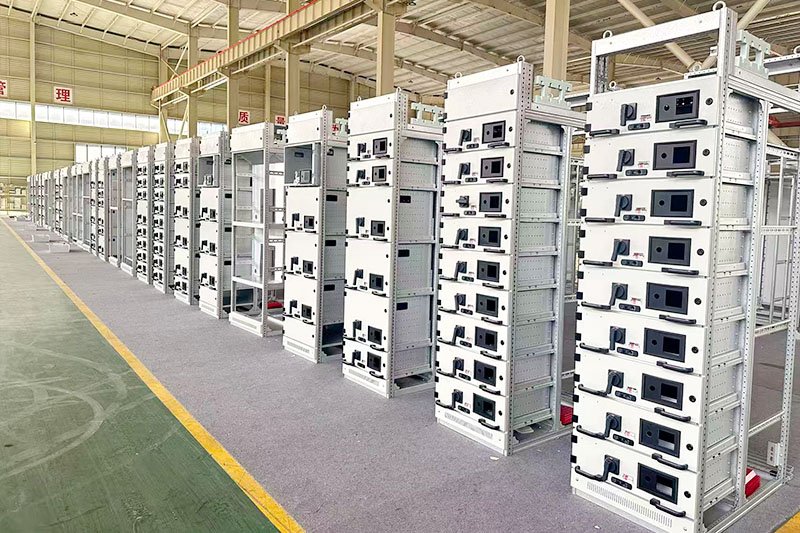
On the other hand, the circuit breakers will work automatically to cut off the circuit by disconnecting its contacts, you don’t need to take the step by yourself. When a fault occurs, it will receive the command from the controlling system and react immediately, give your circuit or the entire electrical system the most reliable guarantee.
Fuses
The protective function of a fuse is relatively straightforward: when the current becomes too high, it melts due to being unable to withstand the high voltage load. This causes the overloaded section of your circuit to disconnect, thereby providing protection. However, it’s important for you to note that a fuse can only be used once. Once it blows, you must promptly install a new one.
Sensors
Sensors are the key components enabling parallel switch monitoring. They continuously detect the operational status of the circuit and promptly transmit data or signals to protective devices such as circuit breakers when anomalies occur, allowing for timely disconnection to prevent greater damage.
Relay
Well, the function of a relay differs from that of a fuse or the circuit breaker. The relay cannot provide circuit breaking capability but can receive information from sensors and make judgments. After detecting the fault or overload conditions, it can swiftly transmit this information to the control system, thereby promptly triggering the system’s protective devices.
Surge Protector
The function of surge protectors lies in absorbing the extremely high voltage generated by lightning strikes. Your electrical equipment always can’t withstand such high stress, and worse failures may even occur. However, surge protectors can effectively absorb these impacts, playing an important role in lightning protection and electrical safeguarding. They ensure your power distribution system operates reliably even under severe conditions like thunderstorms.
Busbar
Busbars serve as basic components to connect the branch circuits to power sources. They must possess sufficient structural integrity to ensure adequate current carrying capacity, as you know, the total current in a parallel circuit equals the sum of currents in each branch. Moreover, busbars must maintain consistent voltage across all branches to ensure stable operation. This needs more durable material and performance standards compared to ordinary electrical wires.
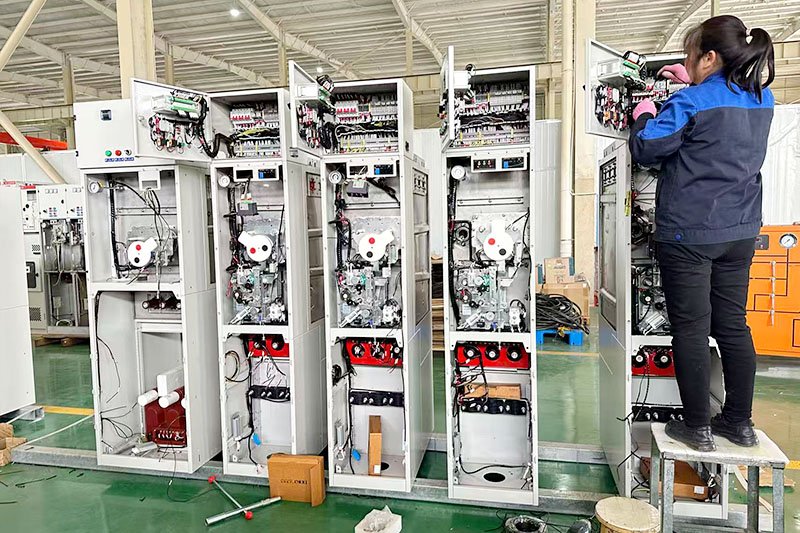
Controlling system
The control system is nearly the most core component within a parallel switchgear, acting as the brain of the entire system by receiving fault information and issuing commands. If the control system fails, the functions of numerous internal components will be compromised.
| Type of the component | Functions |
| Switch | Connection and Disconnection of Control Circuits |
| Circuit Breaker | Its contacts will automatically disconnect to break the circuit during overload conditions. |
| Relay | Works to trigger the circuit protection. |
| Surge Protector | It can absorb the transient high voltages generated by lightning strikes. |
| Fuses | Fuses blow during circuit overloads. |
| Sensor | Promptly detecting circuit abnormalities. |
| Busbar | Critical connection equipment linking branch circuits and power sources to ensure consistent voltage. |
| Controlling System | Receive data from the relay and issue commands. |
Functions Of a Paralleling Swithchgear
Control the Connection and Break Of The Circuit
First, as a switching equipment, the most important role of a parallel switchgear is to control the connection and disconnection of the circuit parts or even the entire system. Therefore, whether you need to shut down operations or perform maintenance on specific circuits, this capability makes the operational process of the circuit more controllable.
Protect the Circuit
Additionally, a paralleling switchgear can protect the circuit by promptly interrupting the current during overloads or short circuits. It prevents excessive currents from reaching your equipment, thereby avoiding the damage to your devices, the disruption to the power supply system, or even fire hazards.
Combine And Protect Different Electrical Devices
In fact, you can also install multiple devices such as circuit breakers and fuses within a parallel switchgear. This enables it to integrate and protect these devices, which is also very important for outdoor use. The enclosures of outdoor parallel switches are typically made from robust metal and have surface treatments to withstand harsh outdoor conditions including rain, snow, dust, extreme temperatures, and more. This safeguards the circuits from damage and ensures uninterrupted normal electrical flow.
Real Time Monitoring
Apart from all we mentioned above, the most useful function of a paralleling switchgear is to monitor the voltage and current in real time and react promptly. Thus it is a more intelligent device and can support unattended operation, which can effectively save your time and effort.
FAQ
What Distinguishes a Parallel Switch From a Standard Switch? What Makes It Unique?
A: Compared to conventional switching equipment, parallel switches are undoubtedly a more intelligent and efficient solution. Not only do they support the parallel control of various devices, but they can also connect several power sources in parallel. Even if one power source fails, the others can continue to function. Moreover, their control systems enable smarter operations, while ordinary switches may only perform basic on/off functions.
What Are The Advantages Of Using a Parallel Switchgear?
A: The advantages of parallel switches include combining the control, monitoring, and circuit breaking functions into one unit. They enable more intelligent circuit control through management systems, distribute circuit loads across multiple power sources to reduce individual load burdens, and promote more efficient energy utilization. The parallel design also minimizes the interference between each circuit, ensuring more stable current flow.
Where Can a Paralleling Switchgear Be Used?
A: Parallel switchgear is suitable for applications with stringent current control requirements.
- In medical devices, critical equipment such as electrocardiogram machines and MRI scanners is benefiting from paralleling switchgears, as these devices directly impact the patient safety, the paralleling switchgears are able to ensure stable current supply and prevent safety hazards caused by power interruptions.
- Within industrial and renewable energy sectors, it can distribute heavy current loads across multiple power sources, reducing energy burdens and enhancing utilization rates.
- Data centers demand even higher levels of uninterrupted power supply, a need that parallel circuits effectively address. The parallel connection method enhances system reliability, significantly reducing the risk of downtime failures and other operational hazards.
What Safety Standards Must Paralleling Switchgears Comply With?
A: When choosing a paralleling switchgear, you also need to pay attention to some standards or certifications too, which includes the ISO, ANI, IEC, NEMA, IEEE-SA and so on, all of them are highly recognized worldwide. If you need high quality products to support your projects, these certifications will help.

Final Thoughts
Now you know exactly how a paralleling switchgear works, then what you should do is to choose one from reliable manufacturers, right?
You can take ZHONGSHAO into consideration, as a professional manufacturer of electrical equipment in China, we hold over 100 patents in transformer and electrical equipment technology, materials, design, and R&D, enabling us to deliver products with outstanding performance. You can assure that we will take strict quality testing before product shipment. Contact us immediately for a quote.