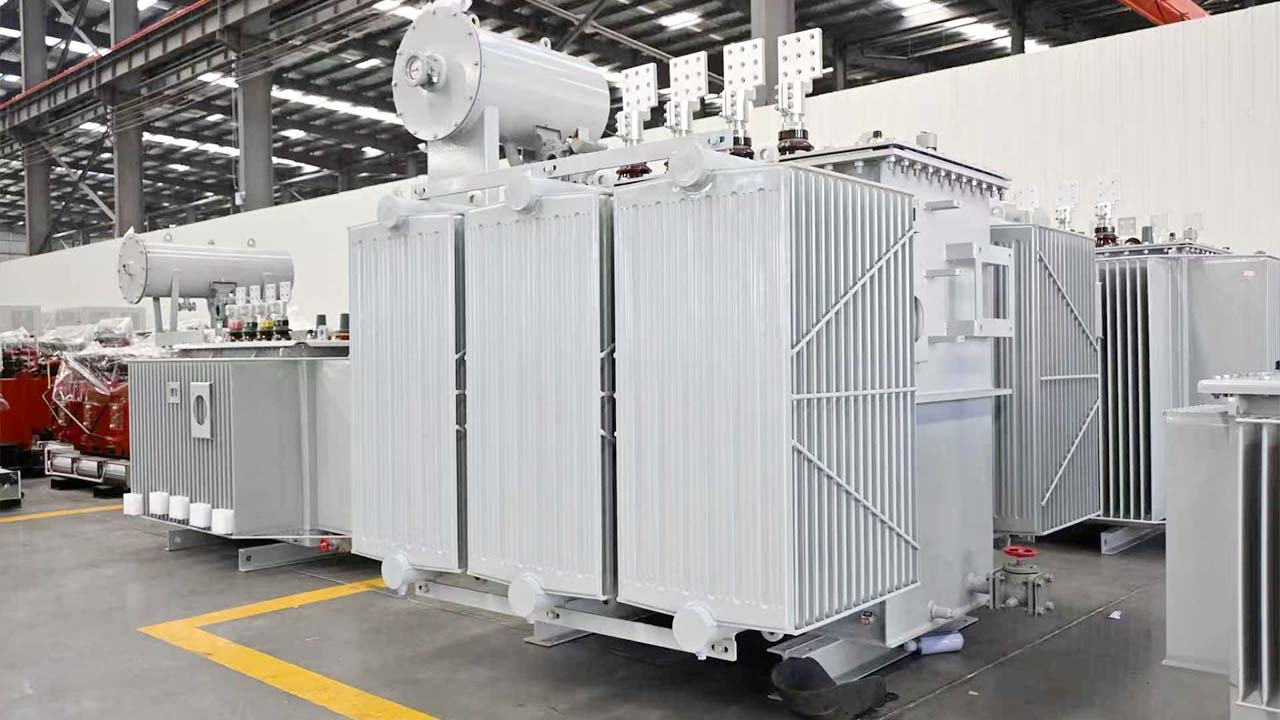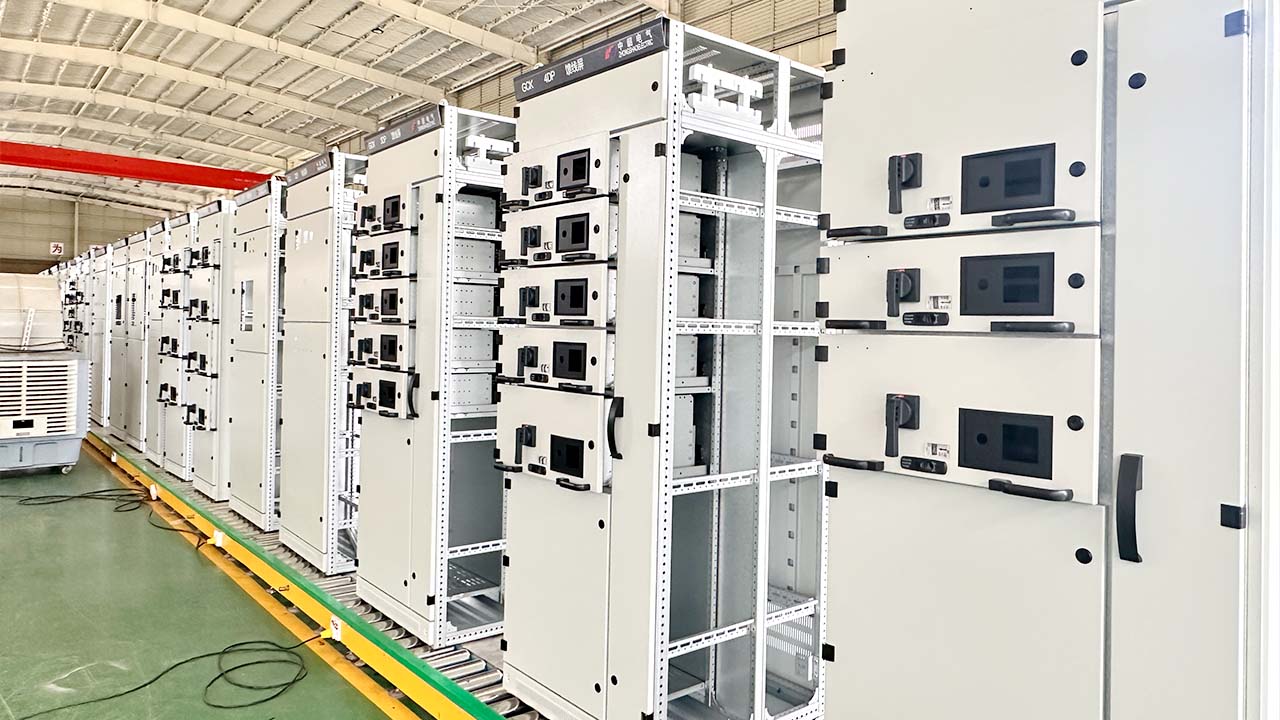
With the accelerated development of smart grids and digital substations, power systems demand higher accuracy in voltage measurement and protection. Voltage transformers play a critical role in power metering, relay protection, and automation control, serving as indispensable fundamental equipment in modern power grids.
What are Potential Transformers?
Potential transformers (also known as voltage transformers) are a type of instrument transformer used in power systems. Their primary function is to proportionally convert high voltage into a standard low-voltage signal for measurement, relay protection, and monitoring purposes. Through the potential transformers, measuring instruments and protection devices can safely and accurately obtain voltage information without needing to be directly connected to the high-voltage circuit.
Working Principle of Potential Transformers
From structural as well as functional points of view, potential transformers can be considered to be specialized transformers. These transformers work on the basic principle of electromagnetic induction. As the primary winding is connected to the high voltage, an alternating flux is produced. This flux, in turn, induces a voltage in the secondary, which is directly proportional to the voltage in the primary winding.
Potential transformers are mainly characterized by the basic principle of the turns ratio of the primary and secondary windings in the transformer, which assists in the stable conversion of the voltage into the required standardized output, and the voltage is used by the metering and relay protection instruments.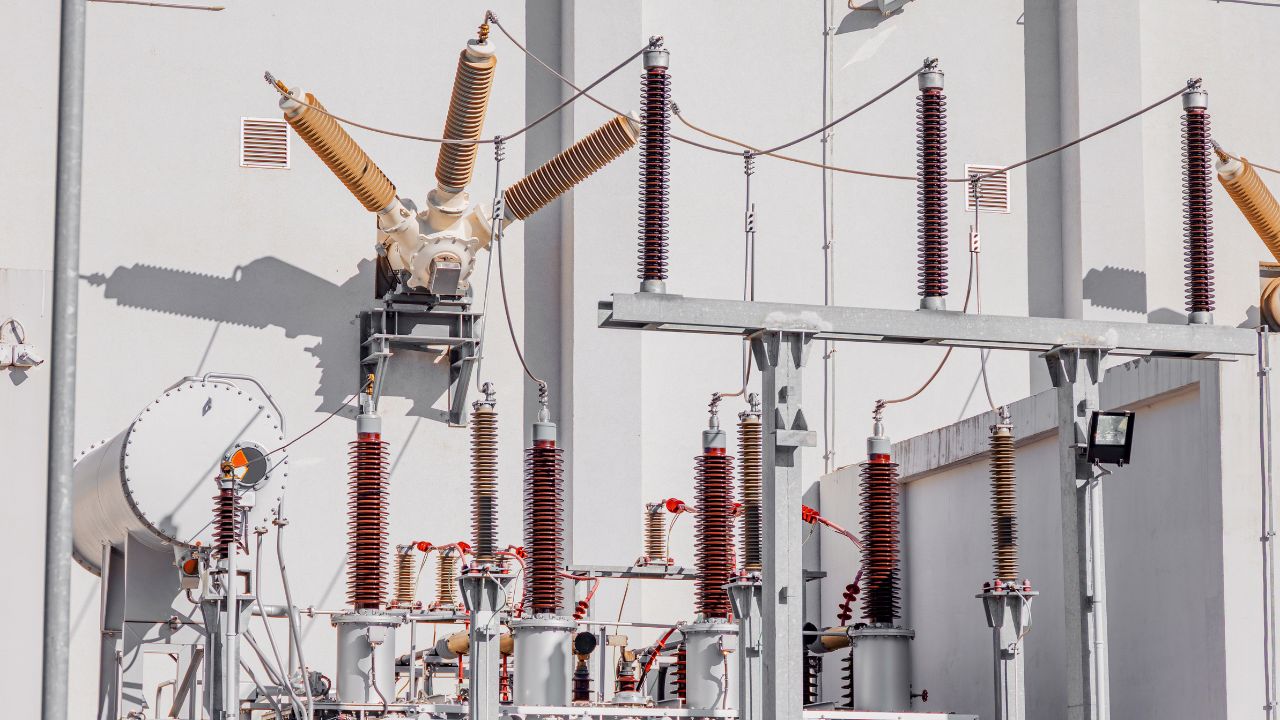
Key Components of a Potential Transformer
Main and Secondary Windings
Windings form the main parts of a voltage transformer, facilitating the voltage transformation. The primary winding is connected to the high voltage system with the capability of attaining several thousand volts, while the secondary winding provides a proportionally reduced voltage of no more than 110V, used for the purpose of metering and relay protection.
Both windings are electrically isolated for system and personnel safety. For personnel and system safety, the secondary winding in the voltage transformer is normally grounded at one end to ensure the inability of unwanted voltages to cause hazards to the measuring instruments and personnel.
Iron Core
The iron core can be designed using laminated silicon steel to counter eddy current losses as well as hysteresis losses. The design of an iron core has an important role in ensuring accuracy in measurement as well as preventing an increase in temperature, resulting in the stable operation of a voltage transformer.
Insulation System
The insulation system plays a critical role in confining the current and voltages within the intended paths. Some of the insulation materials commonly used include oil-impregnated paper and epoxy resins. These insulation materials can be determined by the operating voltages in addition to the requirements in terms of electric strength, aging resistance, and heat dissipation.
Enclosure
Voltage transformers made by ZHONGSHAO are normally packaged in an enclosed body, which receives primary support from either metal or insulating materials of high strength, to shield the components from the effects of dust, moisture, and damage.
Bushings
Bushings ensure a reliable channel for the insulation of the voltage transformer, creating a space where the internal windings of the transformer can be connected to the external circuit. Bushings are crucial devices that promote the creation of a safe connection not only on the high-voltage side but also on the other side.
Advantages of Potential Transformers
Operational Safety
The potential transformers function to proportionately reduce high voltages found within the system to normal low-voltage signals. As a result, metering devices and relay devices do not have to be directly exposed to high voltage, thus decreasing operational dangers for personnel and apparatus.
High Measurement Accuracy
To maintain metering and protection functions, the design process as well as manufacturing of potential transformers is stringent. This ensures a stable voltage ratio within the rated conditions, accuracy within ±1.0%, thus making it applicable for use in different power systems.
Exceptional Insulation
In the insulation design, the main winding features a segmental structure reinforced with multi-layer insulating materials. Furthermore, oil-immersed types can also be chosen according to voltage grades in order to improve the insulation intensity and voltage withstanding ability.
High Efficiency Electromagnetic Performance
By reasonable expansion of the winding section with a coaxial winding pattern, the coupling force between the primary and secondary windings has been increased, which reduces the effects of leakages, hence improving efficiency.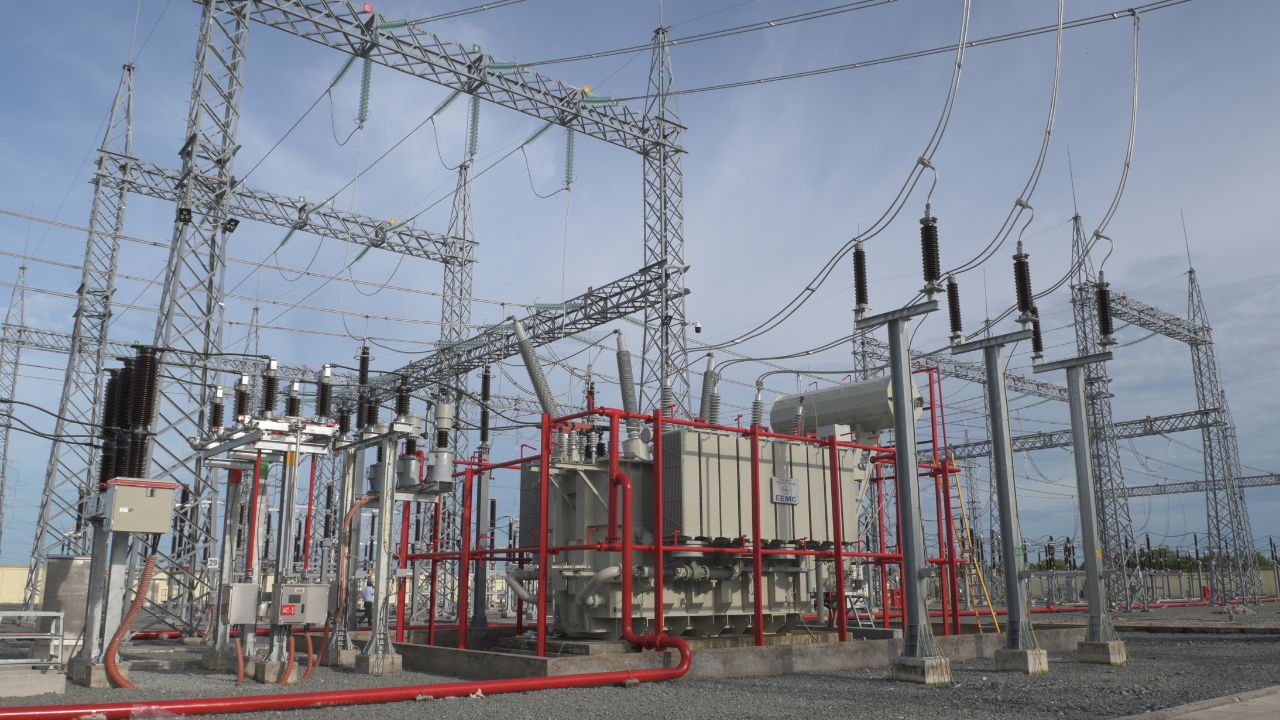
Excellent Adaptability
Whether it is in the field of low-voltage measurement applications or in other high-voltage applications, ZHONGSHAO can provide core-type or shell-type potential transformers based on specific requirements for voltage ratio, phase angle, and system requirements. Stable power distribution ensures potential transformers remain stable in their voltage ratio and phase angle while varying their outputs.
Cost-Effective
With mature technology, high stability, and low maintenance, potential transformers provide high cost-performance in their whole lifecycle, becoming a cost-effective, stable, and reliable primary device in a power system.
Types of Potential Transformers
In real-world implementations, PTs experience some or the other level of challenges depending upon the application. This has led to the development of a number of techniques. In this section, a brief explanation of some of the most common types in the context of an application has been provided.
Electromagnetic Potential Transformers (EMPT)
Electromagnetic potential transformers would be the most commonly known to you if you have any experience in distribution networks or traditional substations.
It works on the mature and proven principle of electromagnetic induction, wherein the primary winding is connected to the high voltage, but the secondary winding delivers a corresponding reduced safe voltage, which is electrically isolated on both sides.
Precise turn ratio design by EMPTs ensures that within the rated value of the load, the voltage ratio is steady and accurate. This particular design is quite simple and accurate and has been the most widely accepted and trusted one within the domain of low-voltage and medium-voltage transformation.
Capacitive Voltage Transformers (CVT / CCVT)
As the system voltages increase to medium-high or even ultra-high levels, the size and cost disadvantages for electromagnetic designs become significant. Capacitive potential transformers, for example, usually provide greater advantages in these conditions.
Typically, the use of CVTs occurs in high voltage systems ranging from 68 kV to 800 kV. This equipment reduces the voltage from the primary high voltage using the capacitive voltage divider. Subsequently, the electromagnetic unit provides a standardized voltage.
This design reduces insulation stress, to say the least, and is much suited to long-distance transmission lines. In most cases, this design meets the requirements for measurement, protection, and carrier communication concurrently.
Electronic Voltage Transformers (EPT/EVT)
As developments continue in the area of power systems and digitization and smart operation of power systems becomes the norm, iron-core designs may not always be the most preferred choice. It is in this context that electronic voltage transformers are being increasingly introduced.
These usually receive their original voltage signals through resistance or capacitive voltage division, which are then processed and delivered by electronic circuits. As technology that does not require electromagnetic cores, electronic voltage transformer technology is more compact, portable, and has very good electrical isolation. These types of technology are best suited to situations that require faster response times and better signals.
Digital Voltage Transformers
If your projects are related to ultra-high voltage or extra-high voltage transmission systems, in your case, digital voltage transformers might be what you are dealing with. These devices usually work with electronic or optical measurement methods, where the collected data is transmitted through fiber optics along with photoelectric sensors to provide an output in digital form.
These offer high accuracy, broad bandwidth, and strong electrical isolation. These characteristics make these devices highly suited for ultra-high voltage applications above 800kV. Owing to the trend of smart substations, the role of digital voltage transformers is becoming increasingly crucial for high-end applications.
Comparison of Potential Transformers with Other Transformers
Potential Transformers vs. Conventional Transformers
Although potential transformers belong to a structure and function similar to transformers, their purposes and applications are completely different. In general, transformers are used for efficient, stable, and safe transmission of electric power through voltage transformation in power transmission and distribution. Their applications focus on power rating.
However, application of potential transformer types mainly targets voltage measurement and relay protection. With respect to precise measurement requirements, potential transformers exercise strict standards concerning error and phase error standards that do not exist on ordinary power transformers.
Potential Transformers vs Step-Down Transformers
Step-down transformers have to provide a long-term, constant power supply to electrical equipment, meaning that the secondary part can easily cope with high load currents. The secondary load in a potential transformer is very small, assuming it only has to supply measuring instruments or protective devices on the other side.
If the potential transformers undergo excessive loading, they not only affect the stability of the output voltage but also result in the reduction of the accuracy of the measurements. Hence, in practical applications, the potential transformers cannot be applied as power supplies, which is a fundamental distinction from the step-down transformers.
Potential Transformers vs Current Transformers
Despite the fact that both potential transformers and current transformers have similar nomenclatures, these devices serve different purposes. Uses of current transformers include converting high currents present in power systems into measurable quantities of low currents. Potential transformers are responsible for transforming high voltages into standard signals.
In power systems, both are employed in conjunction with each other, one for voltage measurement and the other for current measurement, to offer a complete electrical system information functionality through metering, protection, and control.
Applications of Potential Transformers
In complicated power systems, potential transformers are important measurement and protection devices frequently used in various fields. The main purpose of a potential transformer is to proportionally transform high voltages into standardized low-voltage signals for reliable measurement, observation, and relay protection operations.
Substation
In environments with high voltage, such as a power substation, voltage can exceed normal safety limits by several orders of magnitude, making measurement unfeasible. Without voltage transformers, it would be impossible to continuously monitor the system’s status.
Thus, through proportional transformation of the original high voltage signals to standardized low voltage outputs, potential transformers make possible stable functioning of metering, monitoring, and relay protection systems while ensuring improved safety for people inside the station.
Industrial Buildings
Industrial buildings have power supply and distribution requirements large enough to provide for continuous high-demand industrial production. The potential transformer can be applied for real-time measurement of circuit voltages, helping in industrial load control and assessment. It serves as a reliable reference point for industrial protection devices in instances of voltage anomalies and surges to avoid damaging industrial equipment due to excessive voltage.
Power Grid System
In the process of building and managing electricity grids, although the transformer is responsible for transmitting electric power and adjusting voltage levels, the potential transformer is charged with the vital role of system voltage measurement and protection. The potential transformer ensures that the electricity grid functions within safe parameters and is properly controlled.
Renewable Energy Sector
Now, in solar energy and wind power generation systems, as part of renewable energy, the generation of electricity often involves long-distance transmission via public power grids. Owing to the intermittent nature involved during power generation, the use of potential transformers comes into consideration for monitoring as well as real-time feedback for voltage variation. This offers valuable data assistance for controlling and protecting functions for connecting new energy systems with the power grid.
How to Maintain Potential Transformers?
In actual operation, potential transformers often endure prolonged exposure to voltage fluctuations and system transient impacts. Without regular maintenance, performance degradation can go unnoticed.
To address this, ZHONGSHAO has compiled a practical potential transformer maintenance checklist, complete with recommended maintenance frequencies, for your reference during daily operation and inspections.
| Inspection Items | Primary Inspection Content | Recommended Frequency |
| Appearance and Sealing Condition | Check for cracks, deformation, contamination, or signs of leakage on the housing and casing | Regular inspection |
| Secondary Grounding | Whether the secondary winding is reliably grounded and whether the grounding connection is intact | Periodically / During maintenance |
| Casing and Terminals | Check for loose, overheated terminals or signs of tracking | Periodically |
| Insulation Condition | Whether insulation surfaces are damp, dusty, or aged | Semi-annual / Annual Inspection |
| Secondary Load | Verify that the actual load is within the rated range | Periodically |
| Voltage Ratio and Phase | Whether the voltage ratio and phase angle deviate significantly from rated values | Annual Inspection / Calibration |
| Abnormal Operation | Check for abnormal heat, noise, or vibration | During operation |
FAQ
What is ratio error?
Ratio error is considered to be the difference between the actual transformation ratio and the rated transformation ratio for potential transformers. The lower the ratio error, the closer the measurement values will be to their actual value. As a result, in measurement and protection functions, potential transformers must have a low level of ratio error in order for system information to be reliable.
What is the phase angle error of potential transformers?
Phase angle error is the angle of phase shift between the secondary voltage and primary voltage of the potential transformers.
When it comes to applications like power, energy, or power factor calculations, even a minute error in phase angles can cause quantitative discrepancies. This is why high-accuracy potential transformers maintain a very small phase angle error.
How are these errors corrected in real-life situations?
In order to control the ratio error and phase angle error within the limit specified in the standards, generally, ZHONGSHAO would prefer to use high-quality silicon steel laminations for its core. The winding structure would be coaxial to reduce the leakage reactance and the magnetization error.
When in actual operation, correct use of potential transformers is also essential. Avoid secondary overload, proper grounding, and satisfactory insulation conditions go a long way in maintaining the accuracy of the voltage ratio and phase relationships.
Final Thoughts
ZHONGSHAO, as a professional potential transformer supplier, has always focused on product reliability and accuracy. By now, we have accomplished potential transformer accuracy to the extent that the measurement value only shows a deviation of ±1% from the true voltage.
In the case where you are looking for a solution for potential transformers that can ensure stable performance and reasonable cost-effectiveness, you can turn to ZHONGSHAO for help. We can offer tailored technical support and configuration recommendations based on your specific application requirements.