
Features of Our Arrester
- ZHONGSHAO Arrester features outstanding voltage-limiting capability, intervening instantly during overvoltage events to control voltage within equipment tolerance limits. During lightning strikes or operational overvoltages, the arrester rapidly conducts, safely discharging energy to ground and preventing equipment damage.
- The core valve element utilizes high-purity zinc oxide (ZnO) nonlinear resistive discs, optimized through high-temperature sintering processes to ensure long-term stable and reliable operation.
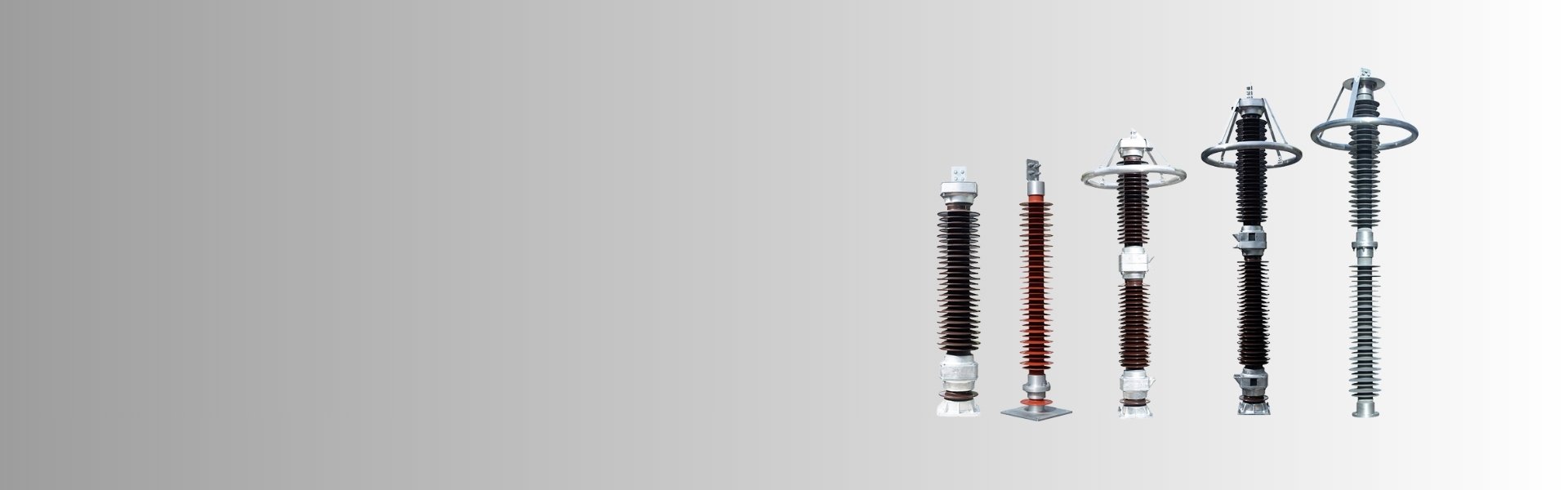
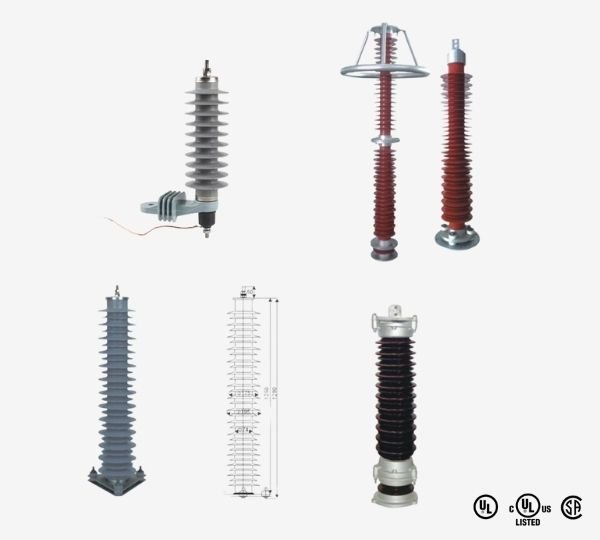
- Silicone rubber or porcelain housings are available, maintaining excellent insulation and weather resistance in high-temperature, high-humidity, or coastal corrosive environments.
- Every ZHONGSHAO arrester undergoes type testing and holds CE certification.
Reliable Arrester Manufacturer in China
ZHONGSHAO, as a professional arrester manufacturer, has long been dedicated to the design and production of high-quality arresters. We focus on practical application needs to provide stable, controllable overvoltage protection solutions, ensuring your equipment operates continuously and safely in complex power grid environments.
If you are selecting surge arresters for your project, feel free to contact ZHONGSHAO. We will tailor the right solution for your specific operating conditions.
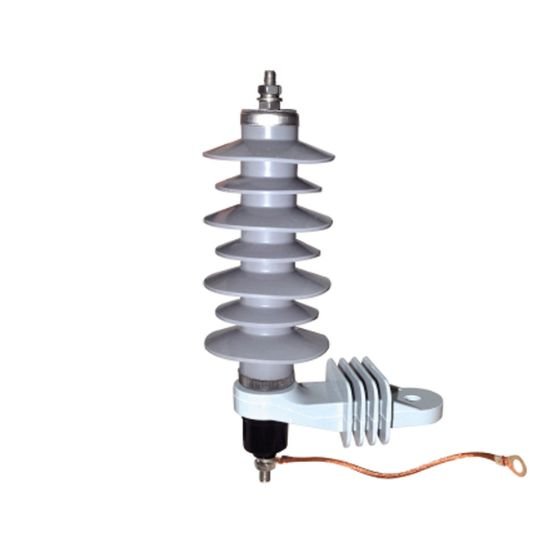
Our arrester is designed to protect electrical systems from damage caused by lightning strikes and power surges.
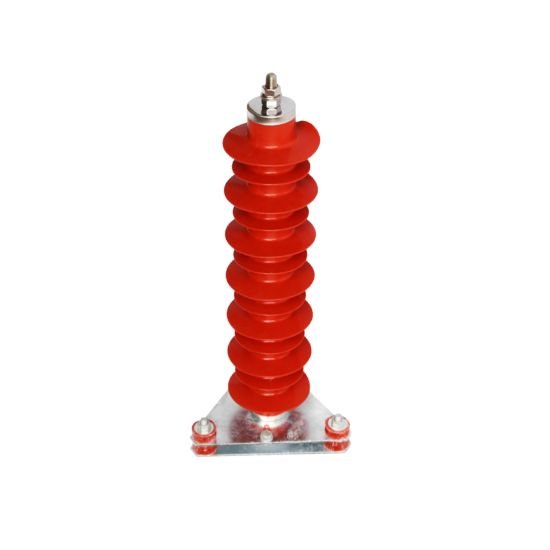
It works by detecting abnormal voltage levels to help reduce the risk of equipment failure and power outages.
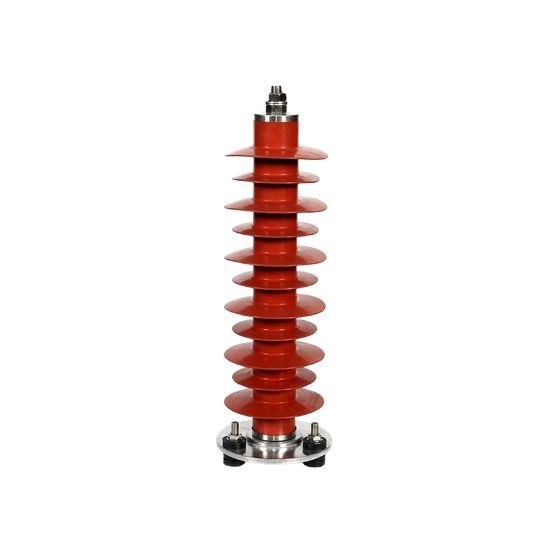
These arresters use metal oxide varistors (MOV) technology to provide excellent non-linear resistance.
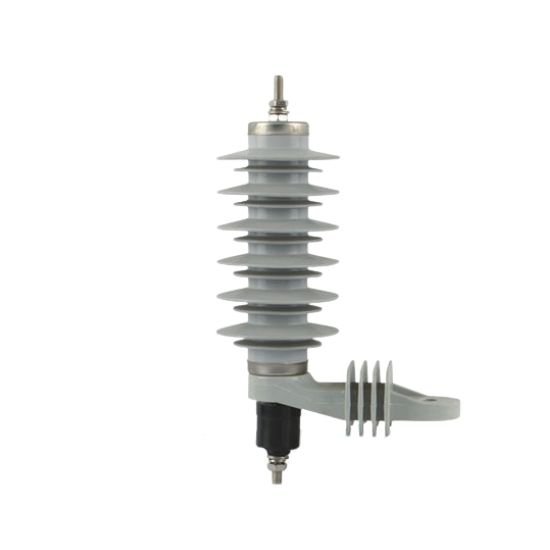
These compact designs and weather resistance are perfect for high and medium-voltage systems and substations.
What is an Arrester?
When lightning strikes or instantaneous overvoltages occur during power grid operations, electrical equipment is highly susceptible to damage due to insulation breakdown. To prevent this, ZHONGSHAO has developed specialized arresters. Installed at critical points on transmission lines, transformers, and medium-to-low voltage switchgear, they intervene the moment overvoltages occur, safely diverting the energy into the ground to ensure the stable operation of your equipment.
Working Principle of Arrester
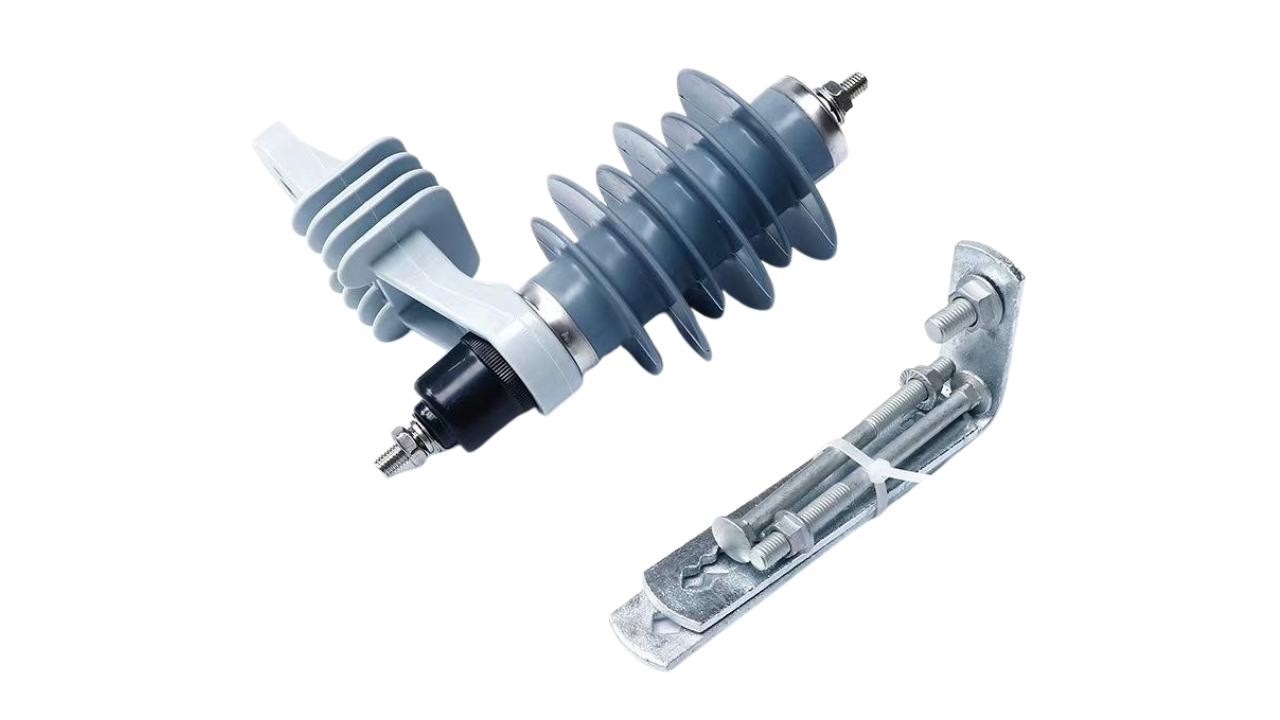
Arresters function in two completely different modes in a power system: normal mode and transient mode during overvoltage occurrences.
Normal Operation
Under normal operating conditions, it has very low conductivity, with a high resistance state that does not affect the line current. The device is always ready to provide protection; it continually checks voltage levels.
Transient Overvoltage
When lightning strikes or during a switching operation, a sudden surge of voltage can flash. The surge immediately switches the arrester on. The arrester conducts quickly − in microseconds − to safely direct the energy influx to ground. The effect safeguards your equipment by restricting voltage to a level your equipment can withstand.
Key Components of Arresters
Although different kinds of arresters may have different structures, the basic components would include the following:
Gas Discharge Tube (GDT)
A gas discharge tube is safely insulated under normal voltage levels. With an increase in voltage to a breakdown level, a gas inside gets ionized, creating a path with a low resistance, which instantly diverts the voltage to earth. Compared to other arresters, a gas discharge tube can withstand very high surge currents, such as lightning strikes.
Metal Oxide Varistor (MOV)
Metal oxide varistors have a strongly nonlinear behavior during surge voltage transients: with increasing voltage, the resistance decreases. This enables metal oxide varistors to “absorb” surge current in very short time intervals and to suppress overvoltage amplitudes.
Transient Voltage Suppression Diode (TVS)
The TVS diodes have a very fast response time and can thus be used effectively for exact protection of electronic devices. They can immediately switch into a clamping mode if a sudden voltage exceeds a certain threshold, thus maintaining a stable level of overvoltage within a definite limit.
Insulating Sleeves
The sleeves are used for overall insulation and waterproofing. The available material options for these sleeves include silicone rubber or porcelain. Silicone rubber provides lightness, good hydrophobicity, and resistance to pollution flashover, which makes it a reliable option. Porcelain is widely used due to high mechanical strength.
Metal Terminals
Metal terminals are placed at each end of an arrester, which can connect with power lines and earthing wires. Meanwhile, they can evenly distribute pressure on valves inside. ZHONGSHAO metal terminals can greatly reduce partial discharge and improve the service life of your device.
Sealing System
In outdoor installations, the sealing system is important. This ensures that moisture, vapor, and other contaminants do not gain access into the internal structure. A good sealing system protects valve discs from moisture to keep the insulation working.
Arresters Types
According to the line characteristic, voltage class, and overvoltage type, arresters are classified into several common types. Each category has some special structural designs, operation characteristics, and withstand capability, adopting different application scenarios.
Lightning Arresters
As the name would suggest, these primarily address steep impulse surges caused by lightning strikes. They feature very short response times and must support high transient currents, usually designed for 8/20 μs or better light current ratings.
They are very often installed on overhead lines, at substation entrances, or on the high-voltage side of transformers since they bear the most violent current surges, in order to ensure that lightning energy is quickly dissipated into the grounding grid.
Surge Arresters (SPD)
Most distribution cabinets, low-voltage switchgear, and control systems employ surge arresters. When transient overvoltages occur due to grid operations, switching actions, or filter resonance, surge arresters act as a “buffer layer” for your equipment. In operation, relatively frequent but with controlled energy, they aim to limit reliably voltage within the equipment tolerance.
High-Voltage Arresters
High-voltage arresters work at voltages up to 500kV and are deployed in both transmission lines and at large substations. In their quiescent state, they must support system voltages over long periods without suffering from drift in performance; in their active state, they must support high-energy surges arising from either lightning strikes or switching operations.
They usually use zinc oxide varistors, porcelain housings, or high-performance silicone rubber jackets due to the harsher operating conditions. Extended creepage distances, stable leakage current, and reliable sealing structures are also needed.
Medium-Voltage Surge Arresters
The medium-voltage arresters at ZHONGSHAO have taken into consideration the various complexities in an outdoor environment-humidity, salt fog, dust, and even high-pollution zones-with their distribution networks at 10kV, 24kV, or 35kV.
It puts priority on the design so that the weather resistance of the outside insulation is reliable, the sealing systems are tight, and stable voltage-current characteristics are realized in a high-humidity condition to ensure continued protection performance after long operation.
Advantages of Arresters
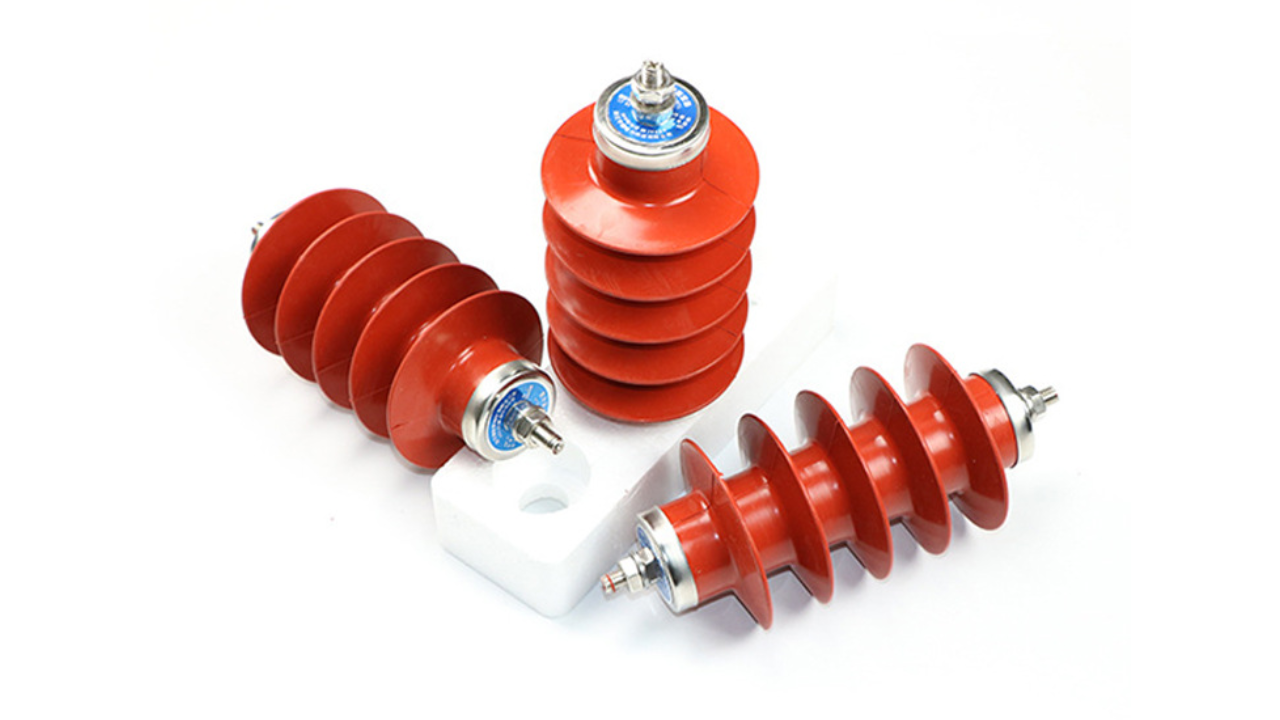
Protection of Equipment
Whether the surges are from lightning strikes, switching overvoltages, or line resonance, ZHONGSHAO arrester will pull suddenly surging voltages back to safe levels, preventing insulation breakdown and reducing the risk of damage to core components.
Instantaneous Discharge
It responds in microseconds upon detection of abnormal voltages by immediately shunting surge energy to ground. In this way, it interrupts the impact at a facility, thereby decreasing transient stress on such equipment as transformers, circuit breakers, and control systems.
Safe and Sure
Under normal conditions, during the operation of the system, the ZHONGSHAO arrester retains insulation without influencing the grid current or voltage. The adoption of porcelain or silicone rubber for external insulation, together with a reliable sealing structure, ensures steady long-term outdoor performance.
Voltage Level Coverage
From the low-voltage control cabinet to 10–35kV distribution systems, up to transmission lines above 110kV and large substations, ZHONGSHAO offers compatible models. According to the voltage level of your project and the site conditions, we can select the unit for you.
Reduced Losses
The surge arresters would serve to successfully restrict the loss to equipment from surges and, in turn, save hidden costs, such as cases of downtime, maintenance, and spare part replacements. They are particularly suitable for protection against high-value assets like transformers and switchgear.
Applications of Arresters Power Lines
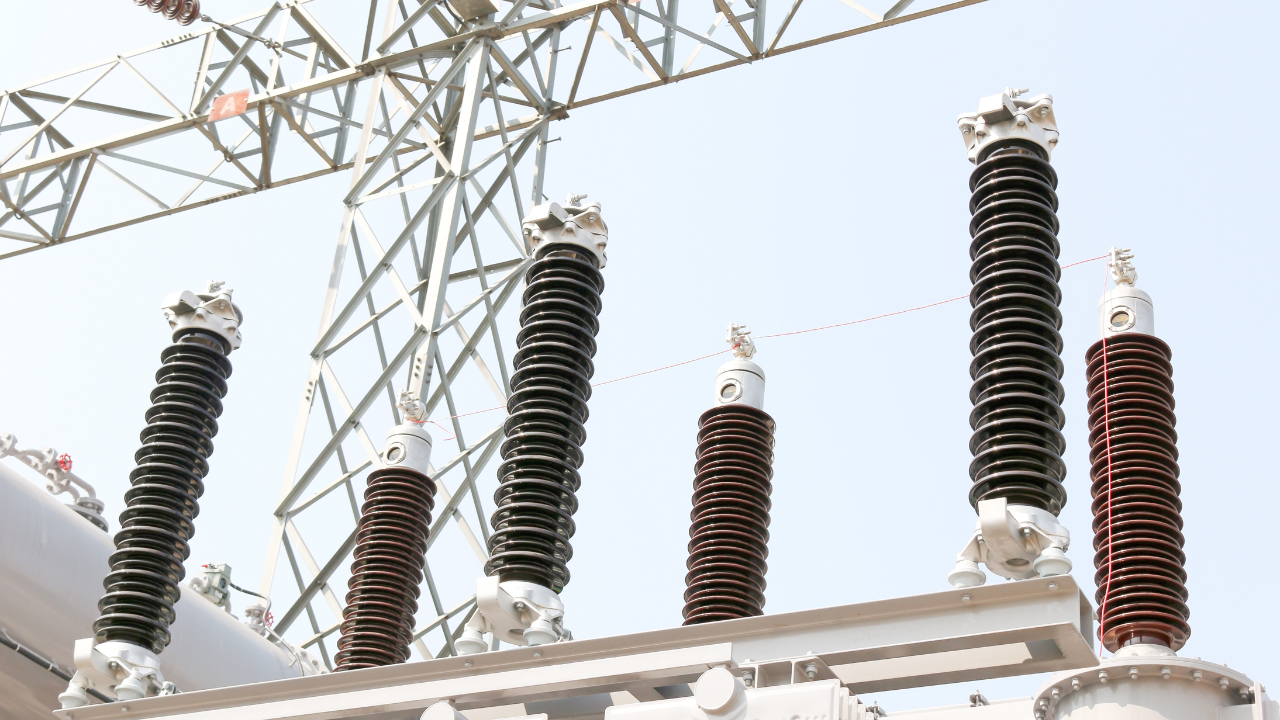
In overhead lines, an arrester is used to limit steep voltage surges resulting from lightning strokes or line operations within the insulation level limits. They effectively reduce trips, flashovers in tower insulator strings, and keep lines stable.
Transformer Protection
Arresters are normally mounted on either the high side or low side of a transformer to suppress lightning transients and switching overvolts from entering the winding. The function of voltage clamping offered by an arrester protects an insulation system from breakdown, oil discharge, and winding damage.
Switchgear, Ring Main Units, and Busbar Systems
In switchgear, arrester is used to absorb transient overvoltages resulting from switch operations, VT/CT switch operations, among others. Here, unnecessary stress on the internal busbars, insulation components, and control units is avoided, thus improving switchgear cabinet operation reliability.
Cable Termination and Junction Boxes
In cable systems, operational overvoltages tend to focus on terminal points or joints. Surge protectors at these points have an effective role in controlling both reflected voltages and local spikes to prevent aging and breakdown at cable head joints and insulation interfaces.
Low-Voltage Distribution Panels
In low-voltage systems, surge protectors function largely in providing “daily protection.” They suppress transient overvoltages resulting from switching operations, power variations, and lightning strikes to make sure a stable working environment of electronic devices such as PLCs, power supply modules, and communication devices.
A device symbol with a grounding symbol is used to represent an arrester in primary electrical system diagrams and single-line diagrams. This shows its role in discharging excess energy to the ground during an overvoltage. In a real diagram, an arrester can be labeled with two names: LA (Lightning Arrester) or SA (Surge Arrester). One end will connect to a protected line or device, and another end will connect to the ground.
Regarding uncertain labeling in drawings, you can freely make an inquiry with ZHONGSHAO for further explanation.
In fact, there is no standard pricing of arresters. Normally, the price would depend on parameters such as required voltage level, operating voltage, discharge current rating, energy withstand level, and type.
The product specifications are quite different based on each application type (transmission line, substation, distributor, or low-voltage protection). Hence, a variation in prices arises.
Therefore, please provide ZHONGSHAO with your project voltage requirements. Based on this, recommendations of corresponding models will be made, and respective quotes will be given.
Arresters have very little maintenance other than inspection when operating in normal mode.
Some common maintenance activities include:
- Examining the exterior for any signs of cracking, aging, or contamination.
- Verifying terminal connection integrity and grounding systems for reliability by using leakage current level monitoring or operating counter functions if necessary.
- Keeping the surface clean and properly grounded.
Such measures make it possible to provide stable operation of the arrester and avoid abnormal failure.