
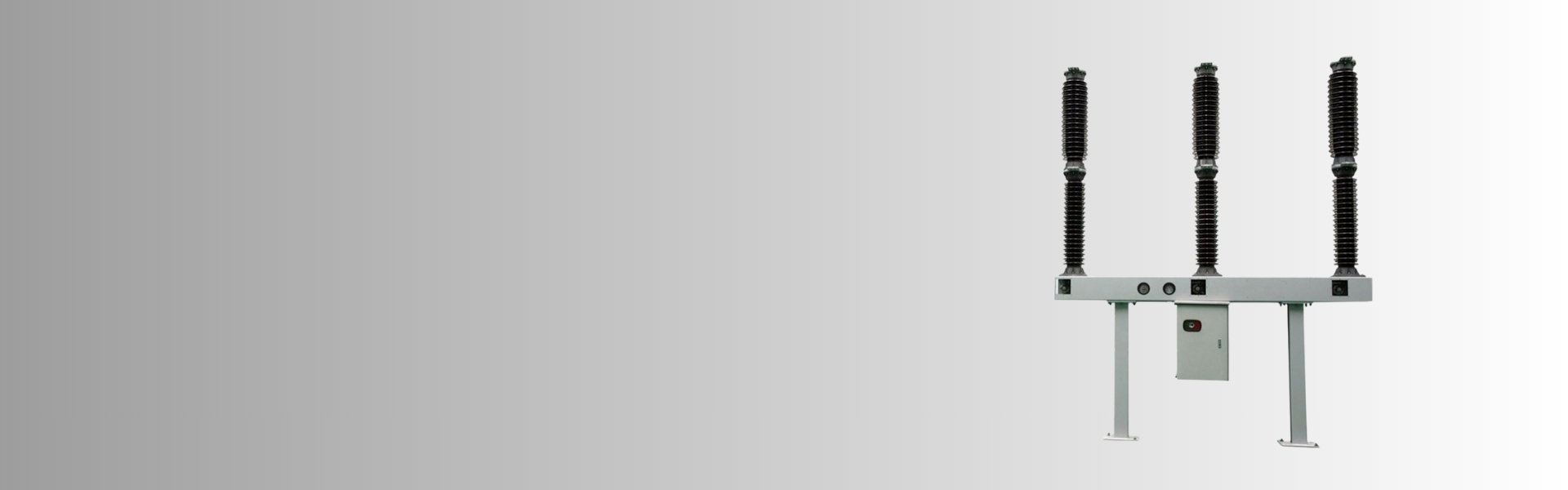
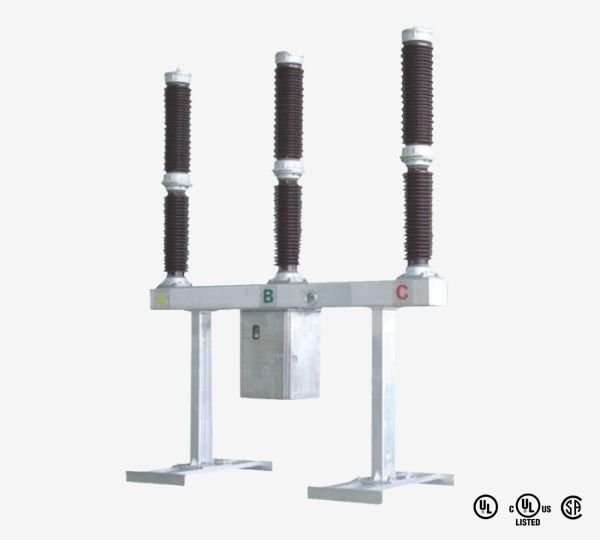
Features of Live Tank Circuit Breakers
- Our live tank circuit breakers use SF₆as the arc quenching medium, offering enhanced safety and suitability for densely populated areas.
- ZHONGSHAO’s live tank circuit breaker employs a spring operated mechanism design, with a simpler and more compact structure for easier maintenance.
- Operating within a temperature range of -25°C to 40°C, ZHONGSHAO’s live tank circuit breaker is suitable for most regions.
- Our factory holds over 100 patents in transformer and electrical equipment technology, materials, design, and R&D.
- With an annual production capacity exceeding 20,000 transformers and electrical devices, ZHONGSHAO is committed to delivering efficient and professional power solutions. We welcome your inquiries and requests for quotations.
Professional Live Tank Circuit Breakers Manufacturer in China
ZHONGSHAO is an electrical equipment manufacturer with years of production experience. Our live tank circuit breakers use thermal expansion and auxiliary purging arc quenching principles, employing SF₆ gas as the arc quenching medium to deliver highly efficient and reliable arc extinguishing operations. Before shipment, we conduct rigorous quality inspection procedures to ensure product performance, delivering products that meet your satisfaction. Contact us immediately for a quote.
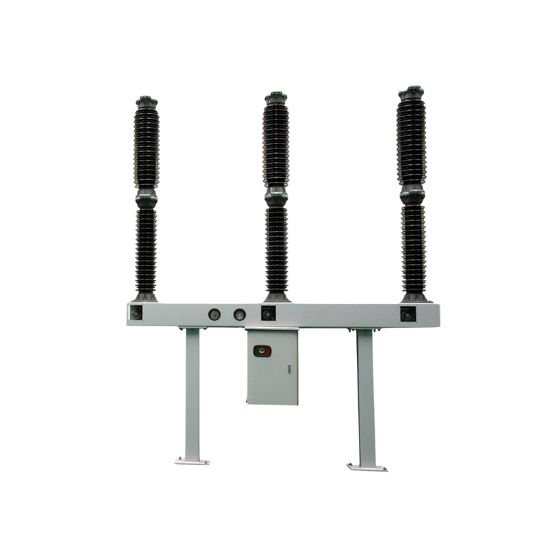
A single phase gas insulated automatic live tank circuit breaker with 50Hz/60Hz rated frequency and a customizable rated current and rated voltage.
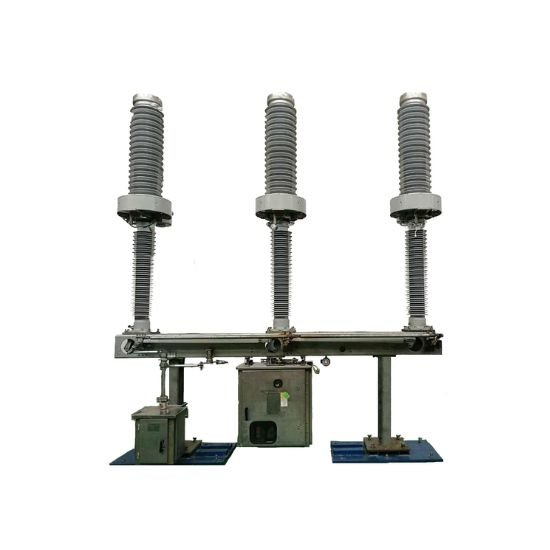
A high quality and durable outdoor SF6 live tank circuit breaker with a rated current of 3150Amp and a customizable rated voltage and has a breaking capacity of 40kA.
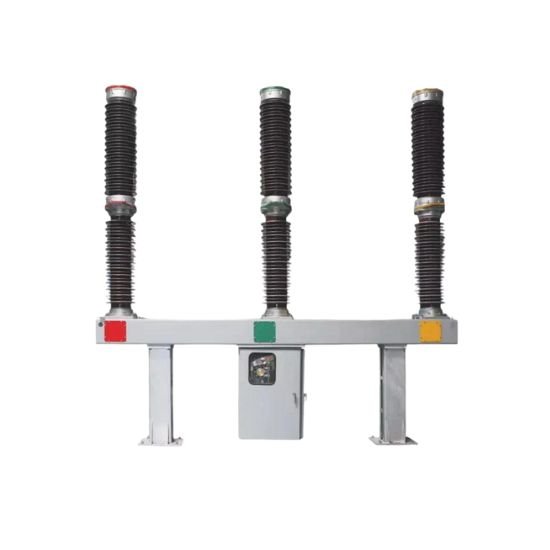
A 69kV rated voltage and 1250Amp rated current outdoor application live tank circuit breaker with a short circuit breaking capacity of 40kA.
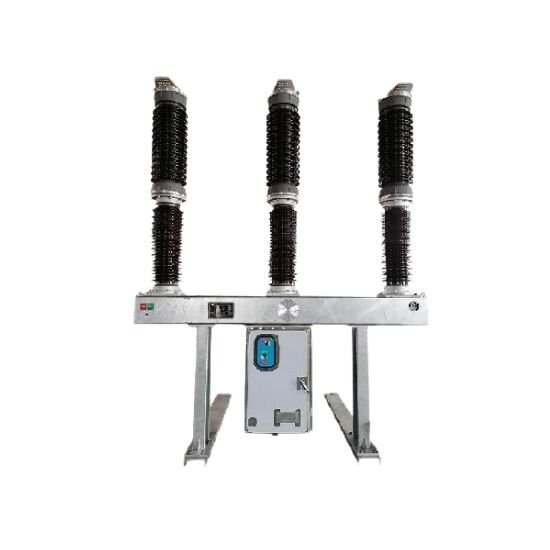
A porcelain material SF6 gas live tank circuit breaker with a rated current of 3150Amp and a 145V rated voltage and has a capacity to break 50kA.
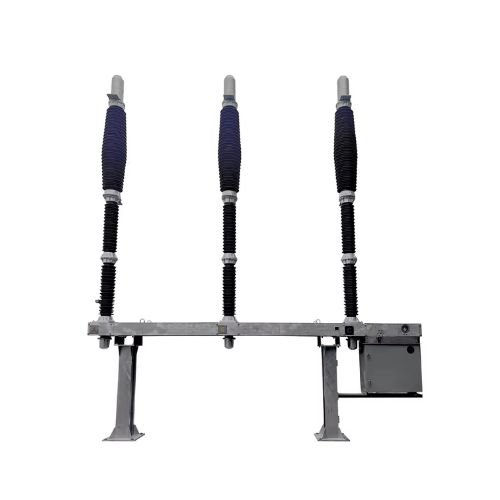
A manual operation type three phase high voltage switch live tank circuit breaker with 50Hz of rated frequency and a rated voltage of 72.5kV.
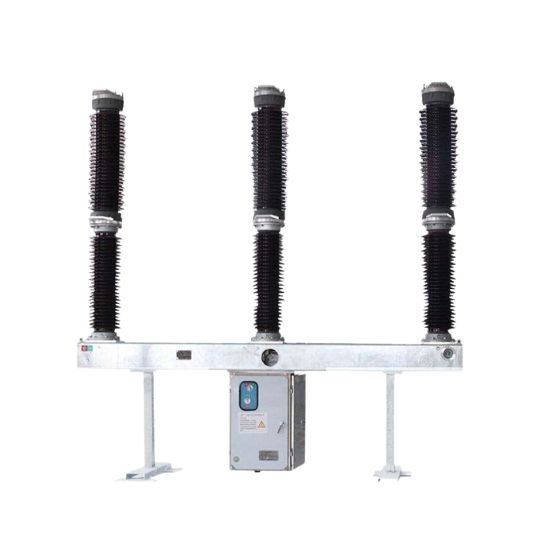
An industrial pole mounted three phase live tank circuit breaker with a customizable option for the rated voltage and rated current.
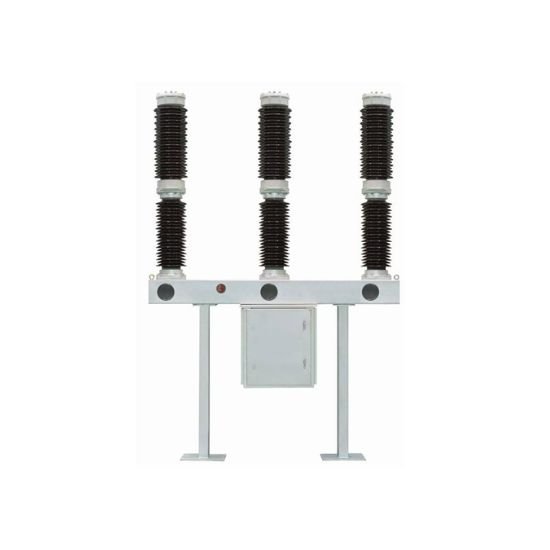
A three phase outdoor live tank SF6 circuit breaker with a 110kV rated voltage and a 400-4000Amp rated current available.
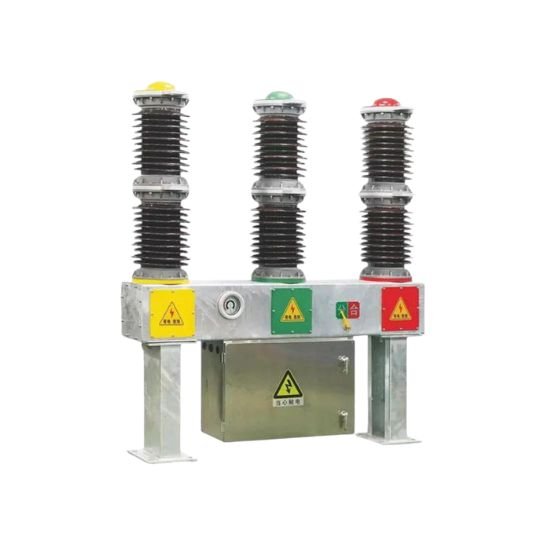
A high speed 66kV rated voltage live tank circuit breaker with a manual type operating mode and a customizable rated current.
What Is a Live Tank Circuit Breaker?
A live tank circuit breaker is a type of high voltage circuit breaker, typically composed of insulated high voltage columns, arc extinguishing chambers, live enclosures, and support frames. Their contacts and arc extinguishing chambers are housed within insulated cylinders inside the tank.
Compared to dead tank circuit breakers, the live tank enclosure has a conductive structure, with its internal insulating material providing protection for components like the arc extinguishing chambers. This design reduces the required footprint. Moreover, it offers a broader range of rated voltages compared to dead tank circuit breakers, making it widely applicable in outdoor power distribution systems.
How Does a Live Tank Circuit Breaker Work?
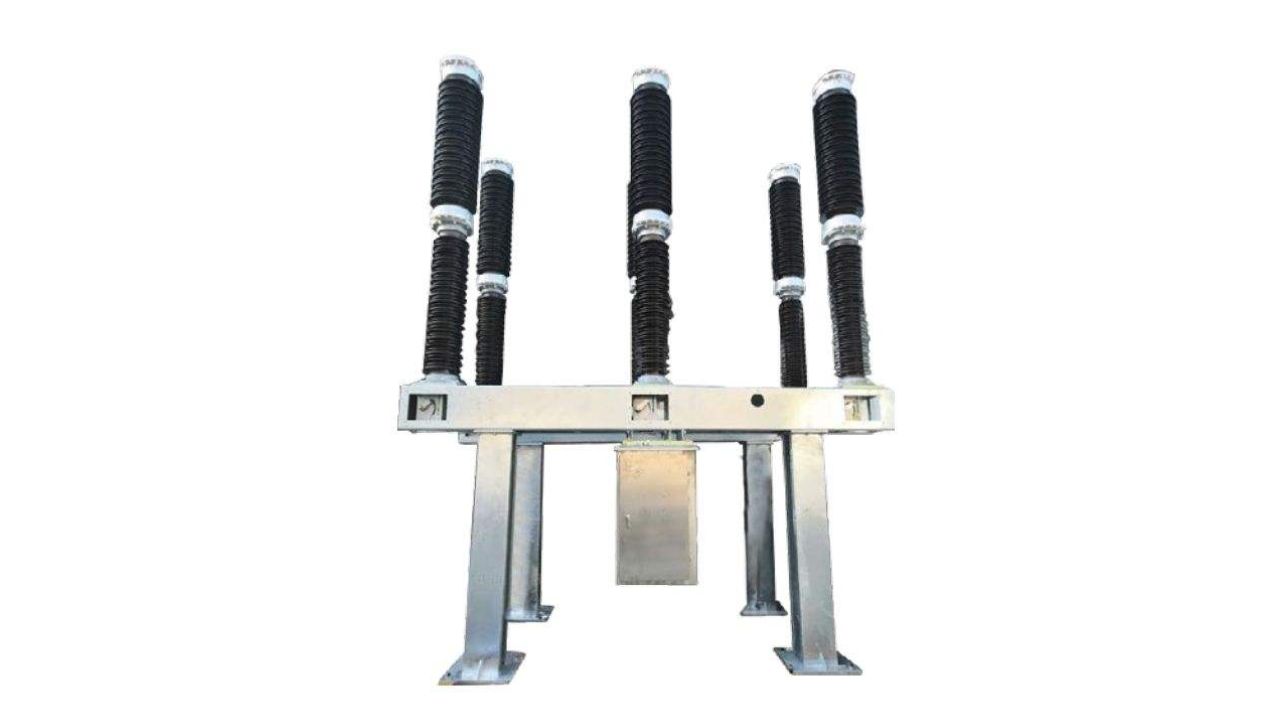
During the operations of a live tank circuit breaker, if a fault occurs or equipment maintenance is required, an outdoor disconnecting switch will first interrupt the circuit. Then, the contacts within the live tank circuit breaker will open, generating an arc. At this point, the arc quenching medium like SF₆will rapidly fill the gap between the contacts, working to cool and extinguish the arc within tens of milliseconds. This completely interrupts the power supply, ensuring operational stability and safety while preventing further faults.
Components Of a Live Tank Circuit Breaker
Live Tank
A live tank is the component responsible for conducting electricity and performing the breaking operation. Its housing is typically constructed from metal, while an insulating cylinder is positioned internally to support and protect high voltage components such as the arc extinguishing chamber.
Insulating Sleeve
The insulating sleeve is located inside the live tank. Its insulating function protects the contacts and arc extinguishing chamber while effectively isolating the conductive housing from the interior. This further ensures safety during circuit operation and guarantees stable and reliable performance.
Contacts
The contacts of a live tank circuit breaker consist of main contacts and arc contacts. The main contacts carry the current, while the arc contacts must separate from the main contacts. When disconnection is required, the spring operated mechanism within the live tank circuit breaker drives the contacts apart, thereby interrupting the current flow and directing the arc into the arc extinguishing chamber to complete the disconnection process.
Arc Extinguishing Chamber
The arc extinguishing chamber is also located inside the live tank, it is designed to rapidly extinguish arcs when the switch breaks the current flow. Common arc extinguishing methods include air arc extinction, vacuum arc extinction, and SF₆ gas arc extinction.
Support Brackets And Other Auxiliary Structures
The bracket is also a crucial structural component that supports the entire device to ensure long term, stable operation within the circuit system. It is typically constructed from highly rigid materials. While the corresponding auxiliary components include sensors, operating systems, indicators, and more, enabling the circuit breaker to function reliably and efficiently for you.
Functions of a Live Tank Circuit Breaker
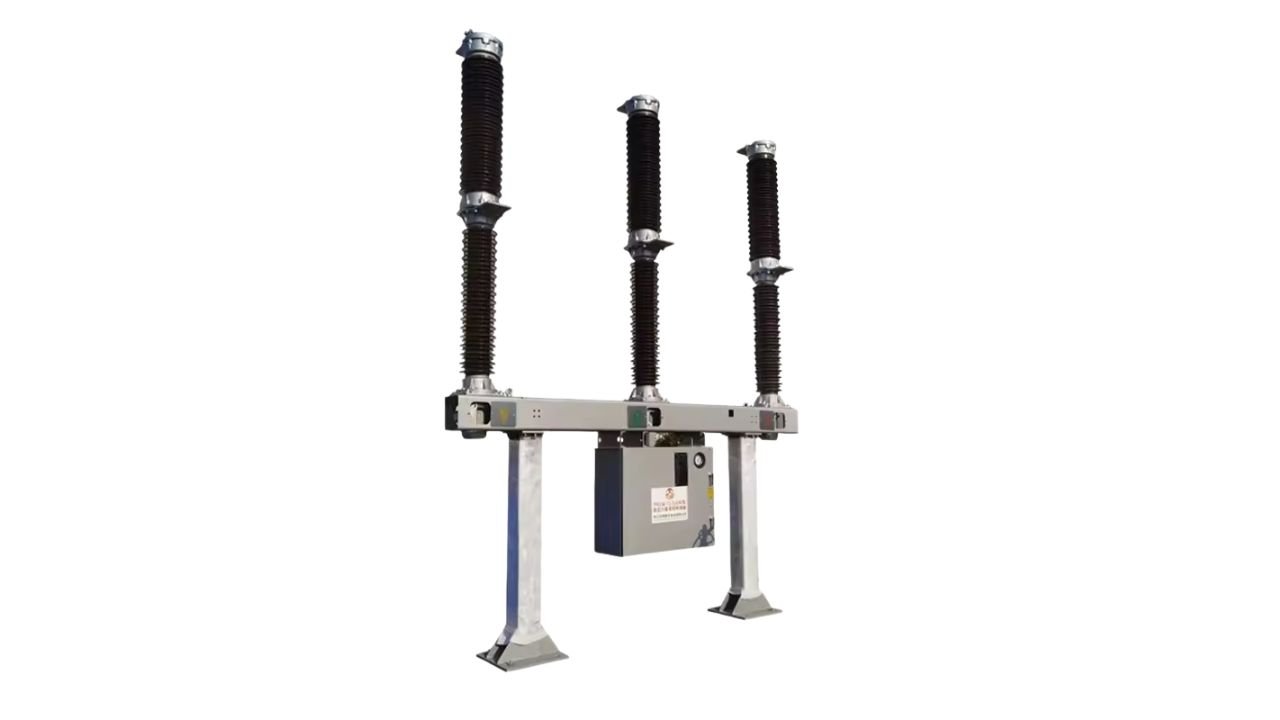
Immediate Power Disconnection
When conditions such as current exceeding the rated tolerance range or short circuits occur, the function of a live tank circuit breaker becomes evident. It can promptly interrupt the circuit to prevent excessive current from damaging electrical equipment and causing hazards, serving as a vital safety guardian in power distribution systems.
Circuit Isolation
The design of a live tank circuit breaker with disconnectable contacts enables it to isolate specific sections of a circuit system from the power grid. This capability is crucial when maintenance is required on certain wires or components, allowing you to take repairs without disrupting the whole system operation while ensuring the safety during the operations.
Arc Extinction
The arc quenching function is equally important. After the contacts open, a voltage that is sufficient to ionize the air is generated across the gap, transforming the air into a conductive plasma, also known as an electric arc. This process is highly dangerous, as the air in this state reaches extremely high temperatures capable of destroying the entire equipment.
However, the cooling and auxiliary purging functions of SF₆can achieve rapid arc extinction, thus ensuring a more effective circuit disconnection and further removing the risk of hazards.
Advantages Of Using Live Tank Circuit Breakers
Simpler Structure
Because high voltage components like the arc extinguishing chamber and contacts are housed in the live tank, the live tank circuit breaker has a simpler structure. This simplifies both installation and maintenance processes, and helps you save the costs.
Smaller Footprint
The live tank circuit breaker’s high voltage components, including the arc extinguishing chamber, are contained within the live insulating column. Compared to dead tank circuit breakers, its more compact design saves valuable space.
Higher Voltage Rating
With its electrically charged enclosure securely housing the insulating cylinder and robust structural design, the live tank circuit breaker can withstand higher voltages. This enables reliable operation in circuits with heavier loads, handling voltages up to 220kV or even exceeding 500kV with stability and dependability.
Enhanced Durability
The insulating cylinder and arc extinguishing chamber of a live tank circuit breaker are both protected within its conductive housing. This structure effectively minimizes the impact of external environmental factors, including rain, dust, and other elements on internal components. Consequently, it offers enhanced durability and has a longer service life.
Where Can a Live Tank Circuit Breaker be Used?
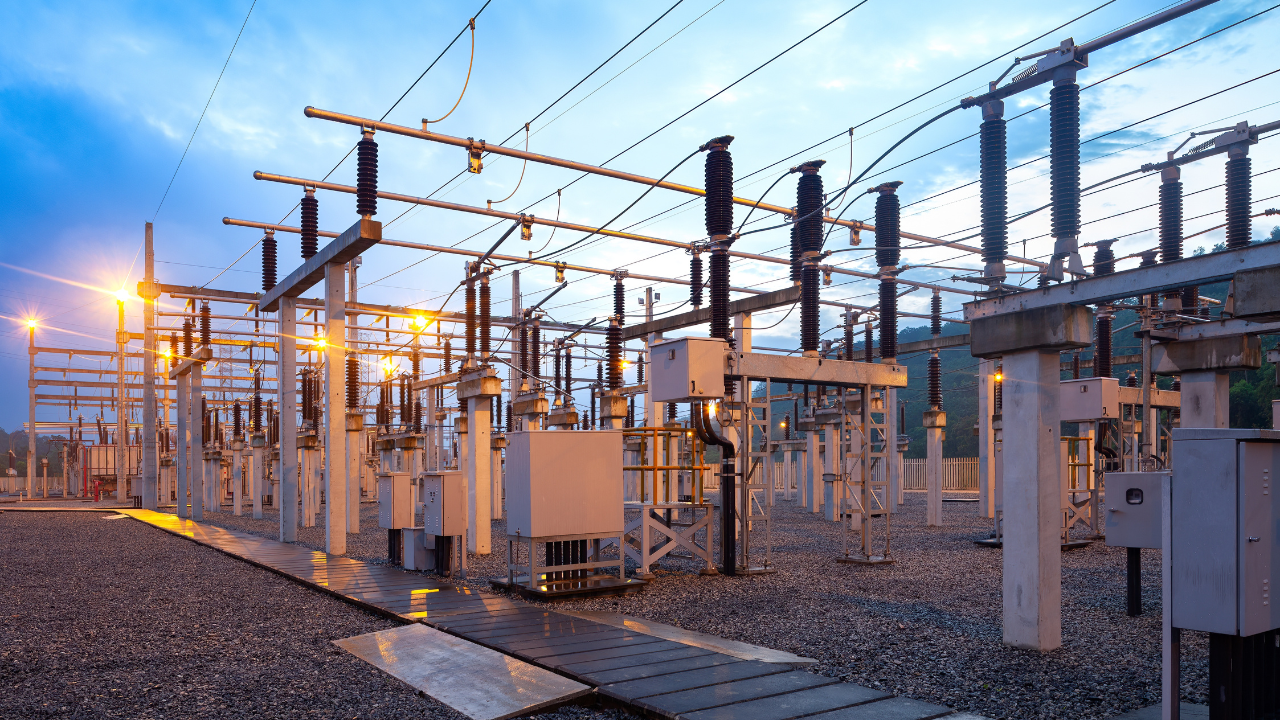
High Voltage Substation
Within high voltage substations in urban or industrial systems, a live tank circuit breaker can withstand higher voltage levels, providing short circuit protection and switching control within the power grid system to maintain stable operation of main trunk lines or branch circuits.
Industrial Parks
In the industrial sectors, live tank circuit breakers can be applied across steel production, chemical processing, machinery manufacturing, and so on. They isolate the distinct circuits and enable the separate electrical equipment to operate without interference and in an orderly manner, thereby ensuring stable power supply.
Large Building Power Distribution Systems
Live tank circuit breakers also provide critical circuit breaking protection to safeguard personnel safety in the electrical grids of modern large scale buildings. And their compact structural design allows installation on rooftops or within building substations, accompanied by low maintenance costs.
How To Choose a Proper Live Tank Circuit Breaker?
Arc Quenching Medium
The arc quenching medium is one of the most important factors affecting the performance of a live tank circuit breaker, determining both the efficiency of arc extinction and the overall performance of the breaker.
Common arc quenching media include SF₆ gas, air, or vacuum. By comparison, SF₆offers superior arc quenching effectiveness, making it suitable for high voltage circuit breaking operations. On the other hand, vacuum can reduce the arcing at its source and is more friendly to the environment than the SF₆ gas, making it suitable for medium to high voltage circuit breaking operations. The air based arc extinguishing structures will be simpler, but its capability is limited and cannot withstand high voltages.
Rated Voltage
Rated voltage refers to the maximum voltage a circuit breaker can safely withstand during continuous operation. The rated voltage selection for a live tank circuit breaker must match your application’s grid voltage level. A well matched breaker will ensure a reliable operation and enhance the safety, as well as preventing breakdown failures caused by excessive voltage.
Breaking Current
Breaking current is the key parameter for assessing a circuit breaker’s interrupting capability, it represents the maximum current it must interrupt. To ensure the system’s integrity, the selected breaking current must be greater than or equal to the rated current of the entire power system. So it can prevent the damage from excessive arc energy.
Of course, this value must also match the operating current of the grid. Excessively high ratings are also unsuitable, as they may cause the circuit to burn through while the circuit breaker fails to trip promptly.
Operating Environment
The operating environment also impacts circuit breaker performance. High temperatures reduce the device’s current carrying capacity, while low temperatures make conductors brittle and decrease material durability. Moreover, the altitude also affects the dielectric strength of circuit breakers. Therefore, if you need to use a live tank circuit breaker in high altitude areas, you need to reduce the rated current and voltage to maintain stable operation.
In summary, the selection of a live tank circuit breaker requires consideration of specific operating environment factors such as ambient temperature, environmental corrosion levels, and altitude. And you can choose units with surface treated components based on the level of corrosion present.
The difference between a live tank circuit breaker and a dead tank circuit breaker mainly lies in whether the enclosure carries electricity.
The metal enclosure of a dead tank circuit breaker is grounded. Compared to the live tank, this design offers enhanced safety, as the circuit flows and disconnects within the tank itself. This facilitates easier routine maintenance. Its larger tank size provides superior arc quenching capability, making it better suited for corrosive environments or power grids with higher short circuit currents. If cost constraints exist or high altitude applications are required, a live tank circuit breaker remains a viable choice.
As a professional electrical equipment manufacturer in China, all our products are certified to ISO 9001 and ISO 45001 standards. Our live tank circuit breakers are also certified to IEC 62271 100, ensuring you can trust the safety of our products.
When you are consulting with us, please be sure to provide essential information such as the circuit’s rated voltage, rated current, short circuit current, installation environment, and delivery schedule. This will enable our customer service team to provide more accurate recommendations tailored to your specific requirements.