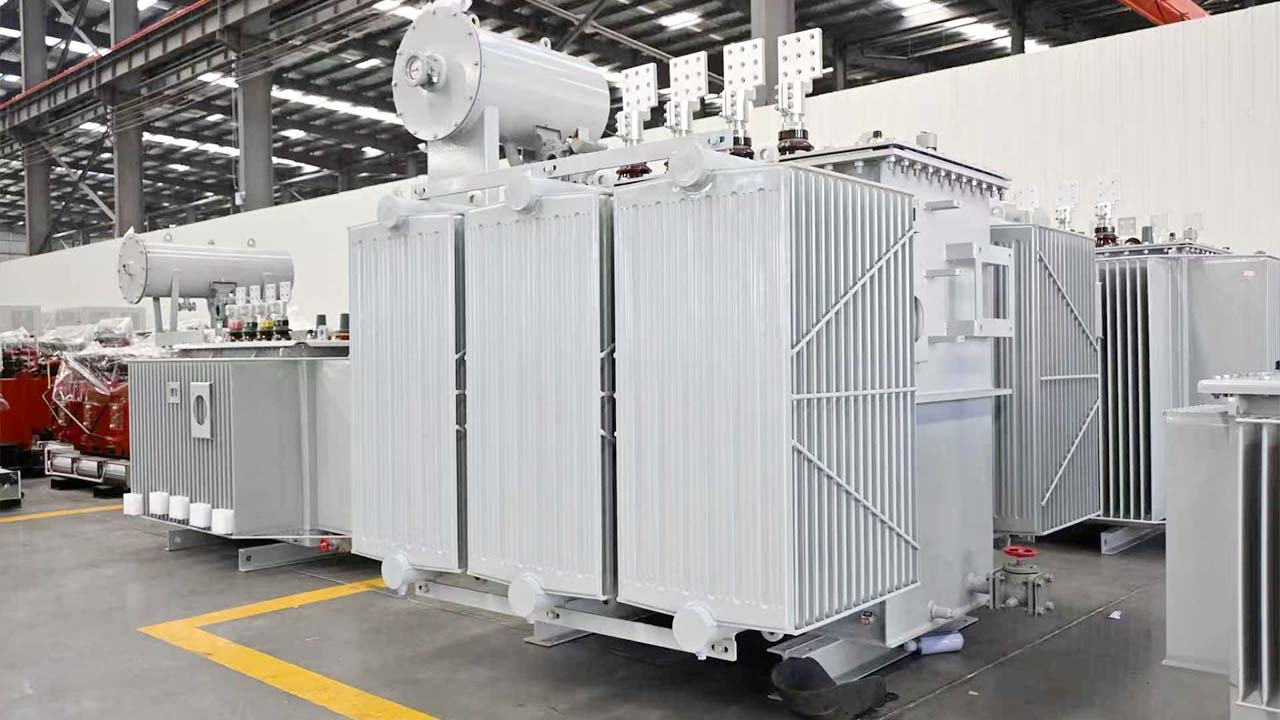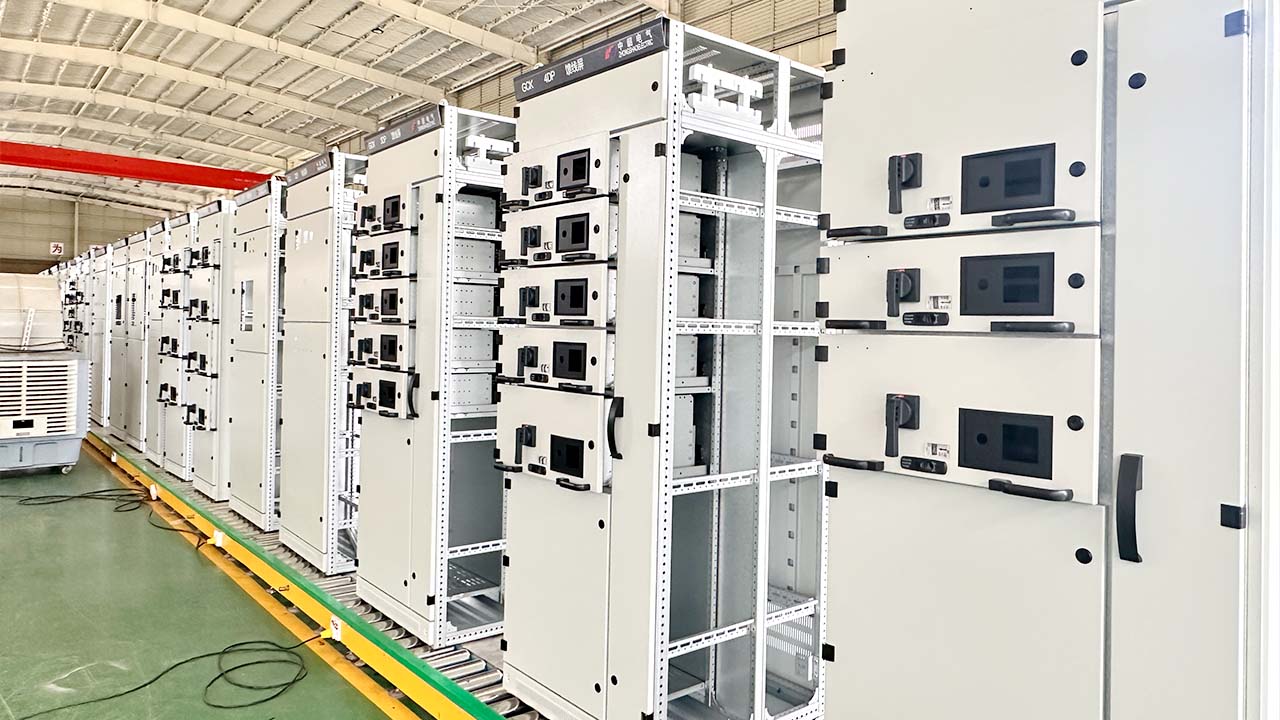
Both MCC panels and PCC panels are widely used in factories, workshops, and various commercial facilities, and are of vital importance to the stability of equipment operation and electrical safety. This article introduces the differences between the two, helping your project make more reasonable and efficient choices.
What is an MCC Panel?
In factories or commercial facilities, when operating and managing multiple motors simultaneously, the MCC panel is the core equipment.
MCC (Motor Control Center) is a low-voltage electrical control panel. Its function is to start, stop, and protect multiple motors from a centralized position.
Working principle:
- The MCC control panel consists of a shared bus and several control units. These units are usually plug-in modules, so there is no need for complex wiring. This design makes installation and unit replacement much faster and easier. According to your process requirements, MCC supports multiple startup methods. You can choose a direct start or a star-delta start. Each power supply line is matched according to the motor power and is commonly used for equipment such as motors and fans. Most MCCs also provide two modes: automatic and manual, allowing you to directly control the motor operation manually.
Through the MCC panel, you can perform both local operations and remote control, facilitating centralized management of the production process. It is placed in electrical or mechanical rooms and is commonly applied in industrial plants, pumping facilities, and material handling systems.
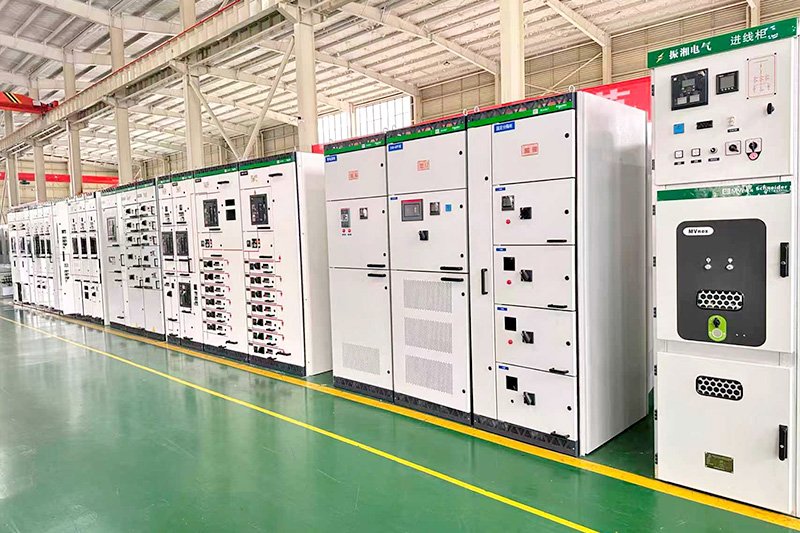
What is a PCC Panel?
The Power Control Center (PCC) is dedicated to monitoring the voltage and power levels of the system. Its function is to ensure that electricity flows stably from the main power source to all connected loads. It is manufactured with high-quality materials, and the sturdy and reliable cabinet can support the long-term safe operation of the system.
Working principle:
- The PCC control panel is usually installed near the transformer or the main power supply. This panel integrates circuit breakers, incoming line circuit breakers, monitoring instruments, and control equipment. By inspecting these components, you can clearly understand the power usage situation. Adequate cable entry and exit space is reserved inside the panel. The output terminals are designed with screws in accordance with IEC standards, making the wiring safer and more reliable. You can express your equipment operation requirements to professional manufacturers, and they will specially design these panels based on the operational data collected on-site.
If your power system experiences short circuits, overloads, ground faults, and other cooling issues, PCC panels can effectively deal with them. They are very common in cement plants, power plants, and various heavy industrial scenarios, and are the center of industrial power distribution systems.
Main Differences Between MCC and PCC Panel
Functions & Key Components
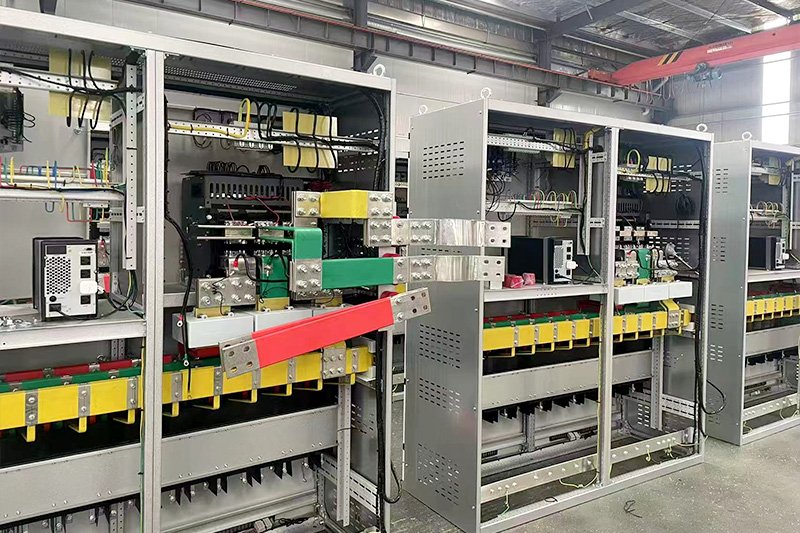
The core function of the PCC panel is power distribution. It is usually directly connected to a transformer or generator and is the first stop for electrical energy after it enters the factory area. The PCC distributes the input power to the downstream system. To achieve this goal, the PCC panel is internally equipped with main incoming line devices, busbar systems, and circuit breakers such as MCCB or ACB, which can withstand high-voltage current and provide short-circuit and overload protection. At the same time, you can monitor the power consumption in real time through instruments such as voltmeters, ammeters, and power factor meters.
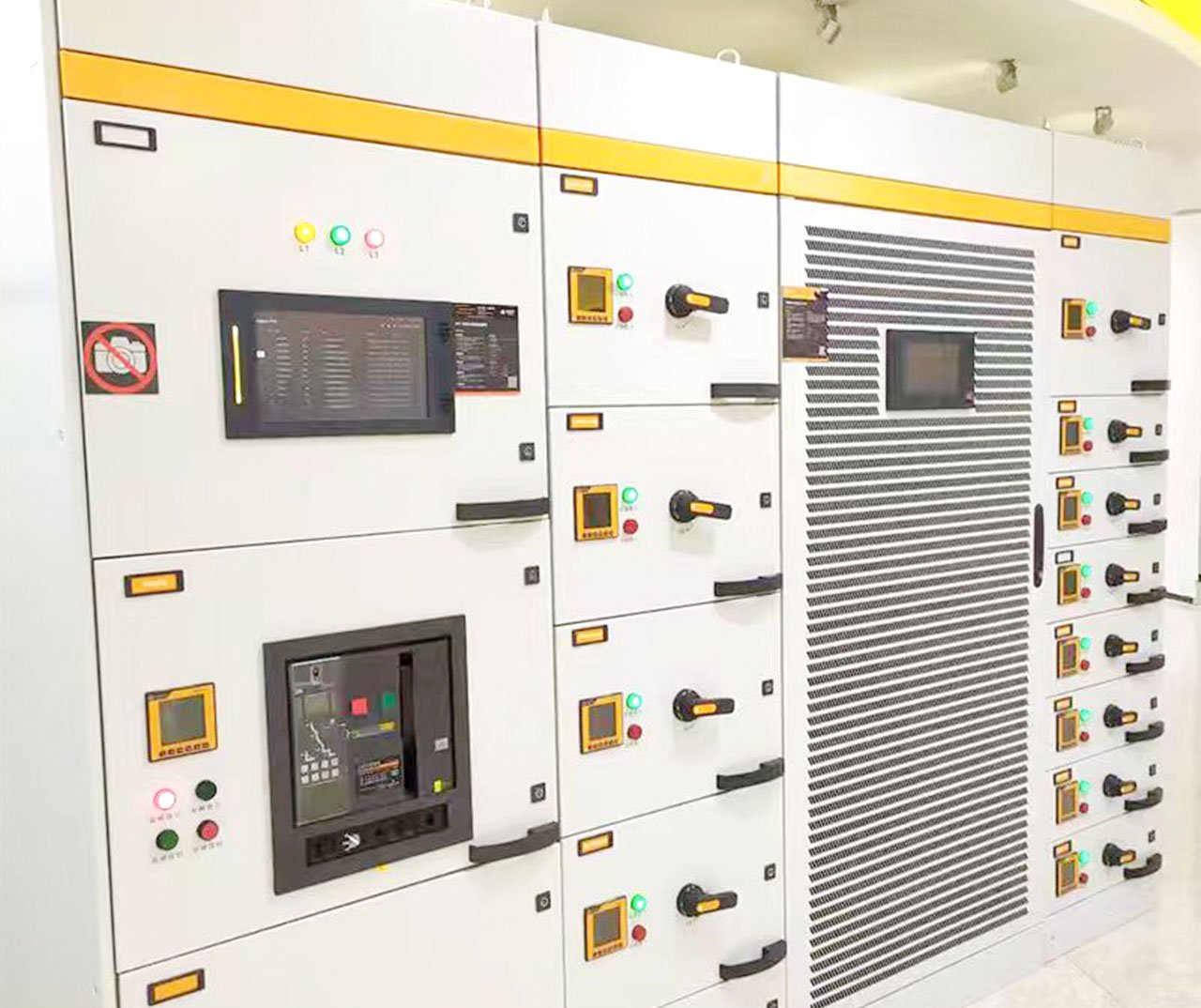
The MCC (Motor Control Center) receives power from the power control center and then distributes the electrical energy to a group of motors. Through MCC, you can control any state of the motor. The MCC panel typically contains motor starters, contactors, relays, overload protection devices, control buttons, and indicator lights, allowing you to operate and monitor the equipment operation more intuitively.
Load capacity
MCC panels are generally designed for lower current levels, usually a few hundred amperes, and are commonly dedicated to controlling one or several motor loads.
PCC panels need to carry a larger power current, with the current range from 800A to 6300A. Because it connects more feeders and has a stronger capacity to withstand short circuits and faults, it is usually used as the main distribution node.
Structure and design approach
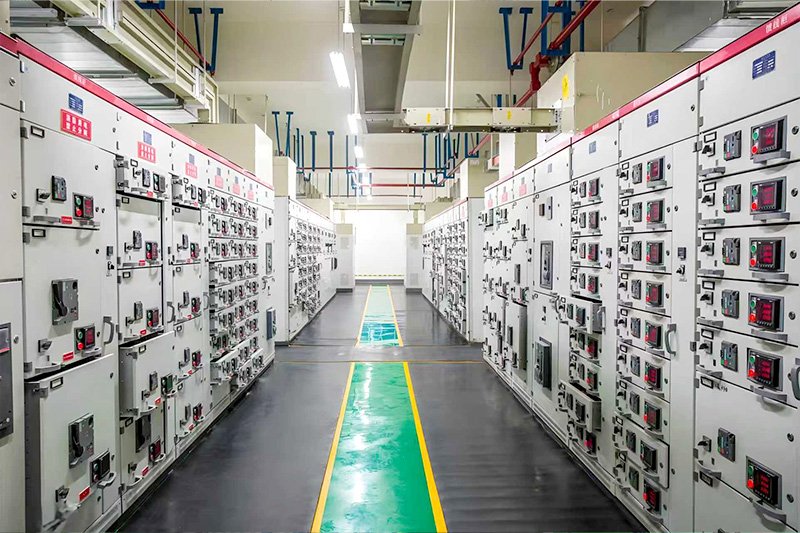
Most MCC panels are designed in a modular way, with each motor corresponding to an independent compartment. When you maintain or replace a certain circuit, it will not affect the operation of other motors. Most MCCS support both automatic and manual operation modes. When manual operation is required, you can simply switch to the manual mode to start and stop the motor.
The PCC cabinet is made of 14/16 inch cold-rolled steel (CRCA). Its structure is compact, with fewer partitions, and the cabinet has greater strength and size. It emphasizes the stable operation of the main circuit rather than the frequent operation of individual circuits.
Installation position
MCC panels are usually placed close to electrical equipment, such as in production workshops, pump rooms, and air conditioning machine rooms. This shortens the cable distance between the motor and the control panel, reduces line losses, and also makes it convenient for you to operate and maintain on-site. As MCC needs to be frequently started, stopped, and inspected, its installation location is usually close to the equipment area.
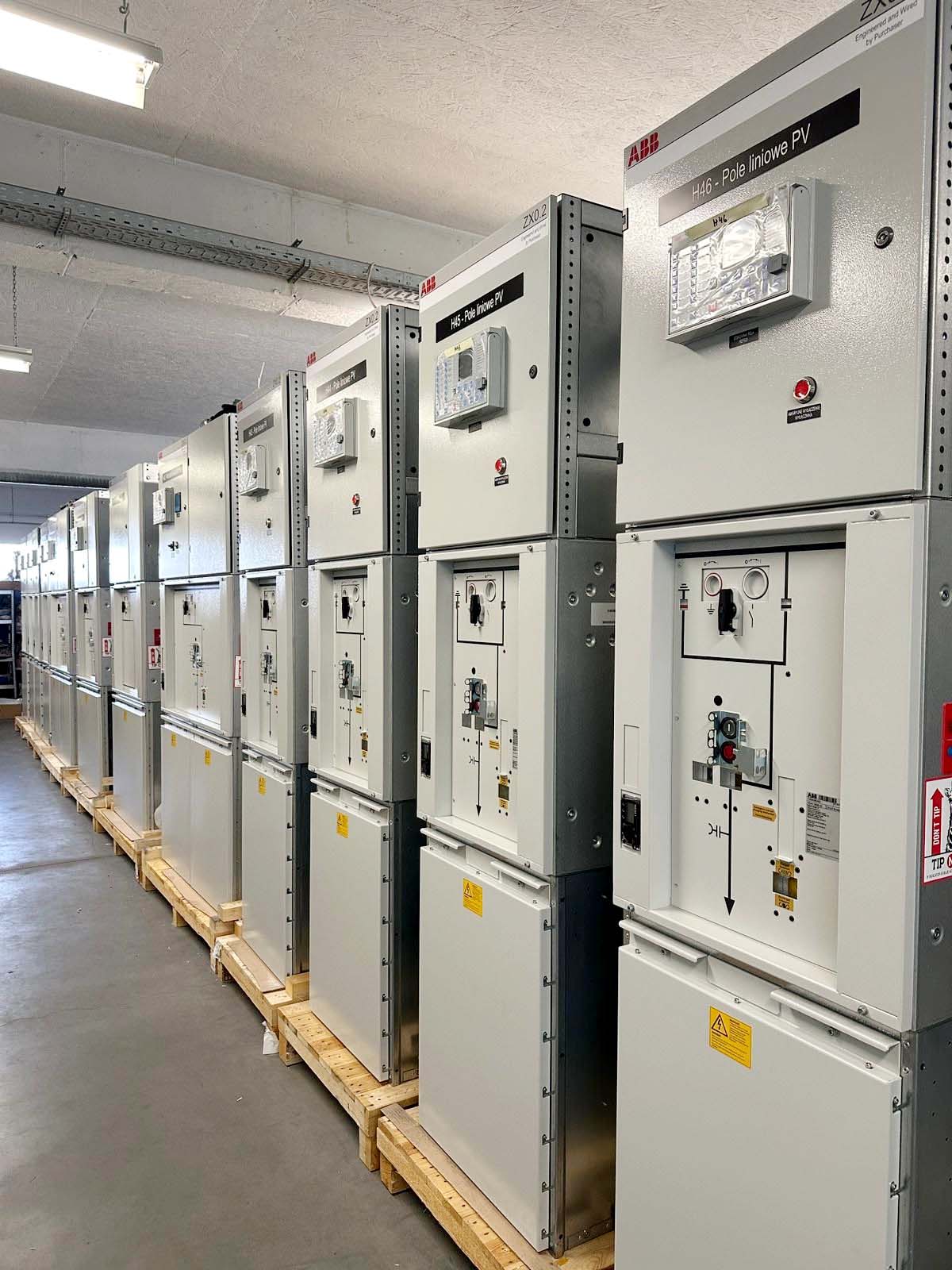
PCC panels are generally installed in the main distribution room or transformer room, close to the transformer or the input end of the main power supply. It is the first control node that centrally manages all downstream loops. Generally, PCC is not installed at the production site but placed in a dedicated electrical room, as this facilitates centralized management and protection.
Maintenance & operation
The MCC (Multi-Function Control Box) usually adopts a split structure, with each motor corresponding to an independent functional unit. When performing maintenance on the motor circuit, you can isolate this unit separately without affecting the normal operation of other equipment.
From an operational perspective, the MCC panel has control buttons, indicator lights, and status labels, allowing you to directly complete start-stop operations and fault diagnosis on-site. It can work better when there are a large number of motors.
The PCC (Power Control Box) is responsible for the main power supply of the entire system. Its operating frequency is relatively low, but the safety requirements are higher. The control cabinet will reserve sufficient safety spacing and be equipped with door interlocks, mechanical interlocks, and obvious isolation positions.
Although the modularization degree of the PCC is not as high as that of the MCC, it usually supports a front-to-back maintenance structure. If you need to inspect the bus, circuit breakers, and main incoming circuits, the PCC will be more convenient. Once the PCC experiences a power outage, the system will be affected. Therefore, maintenance work is mostly carried out based on planned maintenance.
Pros of MCC panels and PCC panels
Pros of MCC panels
Centralized control of the motor for greater efficiency
With MCCpanel, you can manage multiple motors from a single location, without the need to use multiple separate controllers for separate operations. This mode simplifies the operation process and enables timely responses to changes in the equipment status.
Lower installation and wiring costs
Since MCC is a pre-assembled and pre-tested complete set of equipment, you need fewer power supply lines on site, the wiring is simpler, and the overall installation cost is lower.
Space-saving and adaptable layout options
The MCC features a space-efficient enclosure that takes up minimal floor area. Thanks to its modular configuration, you can easily scale or reconfigure the system to match the number of motors and evolving process requirements.
The motor has a strong protection capability
The MCC is equipped with a starter and an overload protection device inside. When overcurrent or abnormal working conditions occur, the system can promptly cut off the power supply, reducing the occurrence of motor damage and unplanned shutdowns.
Enable accurate control and save energy
After installing the frequency converter, you can flexibly control the motor speed and torque. The equipment operates according to the actual load, reducing energy consumption.
Centralized maintenance ensures higher security
The electrical components are isolated from each other, and the affected range of faults is small. You can inspect and repair a single motor without affecting other circuits, which is safer for maintenance and also saves time.
Pros of PCC panels
As the main power distribution center, it is more stable
The PCC is the main distribution point after the power enters the system. It has a sturdy structure and can withstand continuous operation with large currents.
Flexible power supply mode
PCC supports single or multiple input lines and can be configured with a bus coupler. This enables you to switch between different-sized power supplies and provides a continuous power supply.
System-level protection is more complete
The PCC power monitoring panel integrates built-in protection, interlock, and fault alarm functions. When the main power source fails, these functions can quickly take effect, identify the cause of the failure, and restore system operation.
Rich design options
PCC can choose different busbar layout methods and cable entry and exit directions according to on-site conditions, and can also be combined with reactive power compensation systems.
Swift action during emergency conditions
Through configuring the incoming lines of the generator and the automatic switching function, in the event of a power outage, this power protection controller can ensure the safety of critical loads immediately, automatically cut off unnecessary circuits, and protect the entire power system.
How to Choose the Right Panel?
Evaluate the nature of your loads and the overall system capacity
When your system mainly consists of motor loads, such as water pumps, fans, conveyor belts, or stirring equipment, MCC would be a better choice. Because its structural function is specially designed for motor system control and protection.
If your load range is broader, including both equipment power supply, lighting, and sub-distribution circuits, choosing PCC would be more suitable for overall power distribution.
Clarify functional requirements
If your motor is to be used frequently, or if you wish to achieve automation and remote control, the advantages of MCC become even more apparent.
If your focus is on monitoring the voltage, current, and power of the entire plant and uniformly managing the power supply, PCC is more in line with your needs.
Pay close attention to the required current capacity
MCC panels are typically used in medium and small current scenarios, with a rated current generally within 630A.
When the system current demand is high, and it needs to carry the main power supply or large-scale distribution, PCC should be chosen, whose current range can be extended to 6300A.
Combine with energy efficiency targets
When you want equipment to run faster without wasting energy, an MCC offers a reliable solution. With built-in frequency conversion, it can precisely adjust the motor, helping your system operate smoothly and efficiently over the long term.
If you place greater emphasis on the overall power quality, then you can combine the PCC with the reactive power compensation system, which will greatly improve the power supply.
Evaluate the system’s installation site and its overall configuration
The PCC (Power Control Center) is usually located in the main power distribution room. Once the electricity enters the factory area, it becomes a centralized management point.
FAQ
Can MCC panels and PCC panels be used simultaneously in the same system?
Sure. This is the most common configuration method in industrial projects. The PCC control panel serves as the main power distribution center, responsible for receiving power from the generator and distributing it to various areas. The MCC control panel obtains power from the PCC and is mainly used for the control of motors and equipment. The effect is even better when used in combination.
What are the differences between MCC and PCC in terms of rated current?
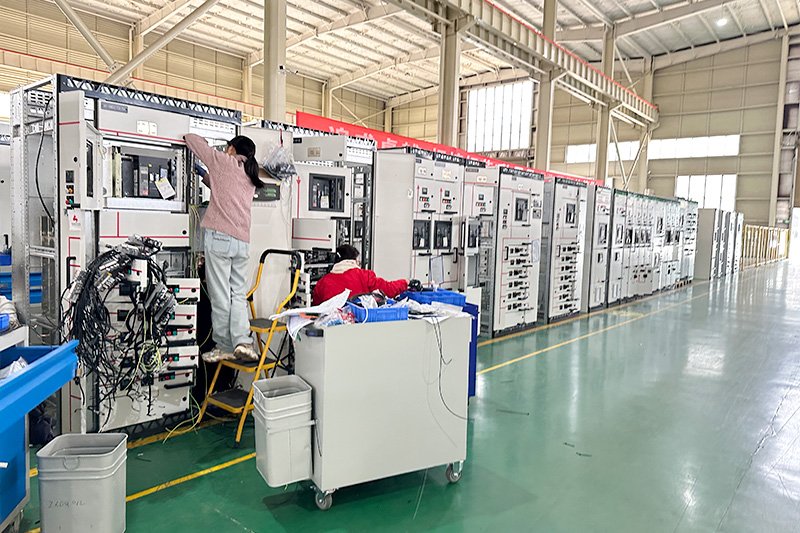
MCC panels are typically used in medium and small current scenarios, with common rated currents within 630A, making them suitable for motor loads. The PCC panel is responsible for the main power distribution task and has a wider rated current range, thus having a higher short-circuit withstand capacity.
Is the MCC panel only used for motor starting?
No. In addition to the basic start-stop functions, the MCC panel also integrates overload protection, control circuits, and frequency converters, among other devices. Through the Motor Control Center (MCC), you can constantly adjust the motor speed and optimize the operating condition.
Final thoughts
The MCC and PCC control panels are both indispensable in the electrical system, but they perform different tasks. The MCC focuses more on the equipment itself. Through it, you can control and protect the motor more precisely, supporting the long-term stable operation of the equipment. PCC is more related to the entire system, responsible for receiving and distributing electricity, reasonably transporting electrical energy to various areas of the factory, allowing you to clearly understand the overall power consumption situation.
Zhongshao is a professional supplier of MCC and PCC panels, offering a variety of reliable control panels. If you have any requirements, please feel free to contact us at any time.