
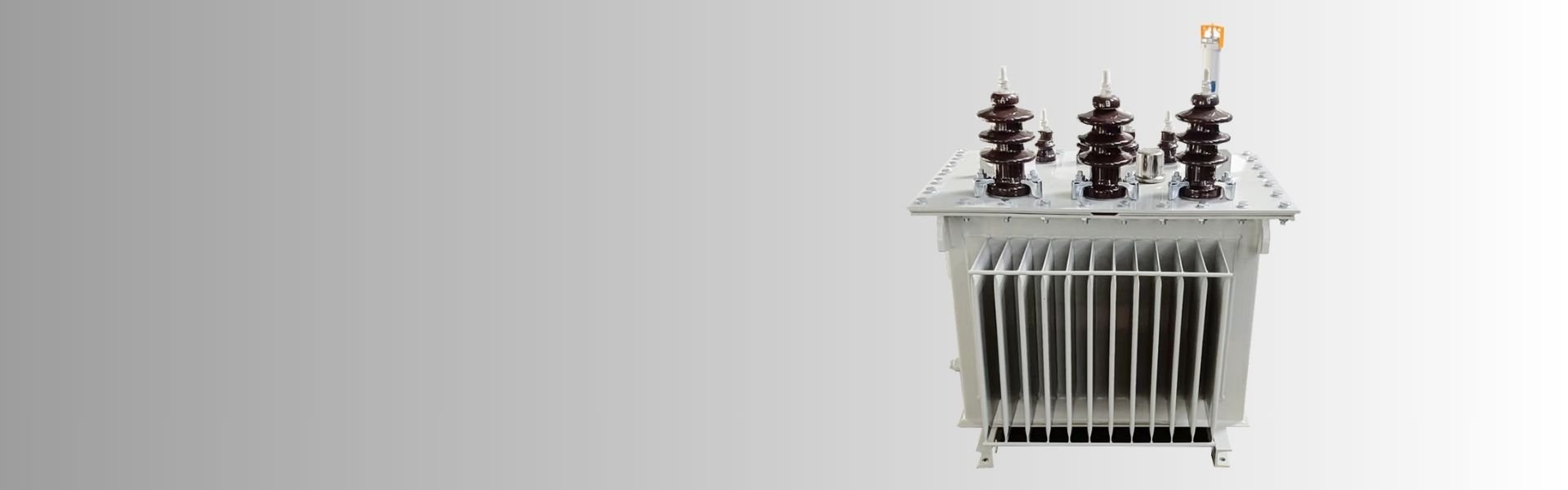
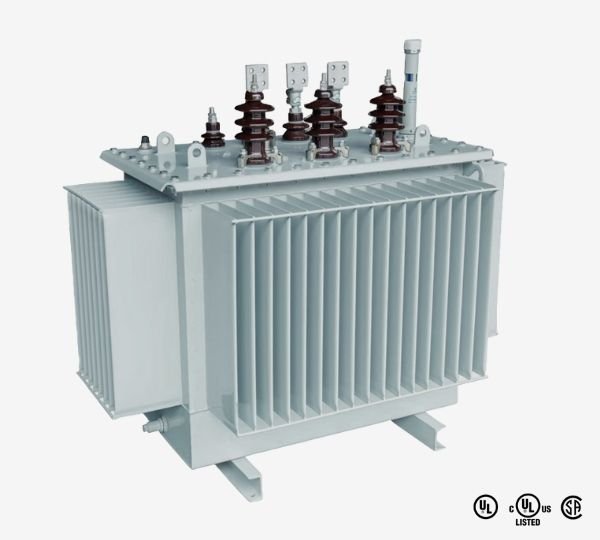
Features of Low Voltage Transformer
- Robust and corrosion-resistant casing, easy to install
- Short-circuit protection, lower operation temperature
- High efficiency, saving on the electricity bill
- Optional weather shield, photo sensor, timer
- ZHONGSHAO low voltage transformer complies with the ISO9001 certification and can be customized to your needs
Professional Low Voltage Transformer Supplier in China
Our low-voltage transformers are manufactured with quality material and attention to detail, and are tested carefully to deliver long-term reliable operation, low losses, and excellent performance. We can also provide precise voltage matching and technical support to your needs.
Contact us now to get the latest offer.
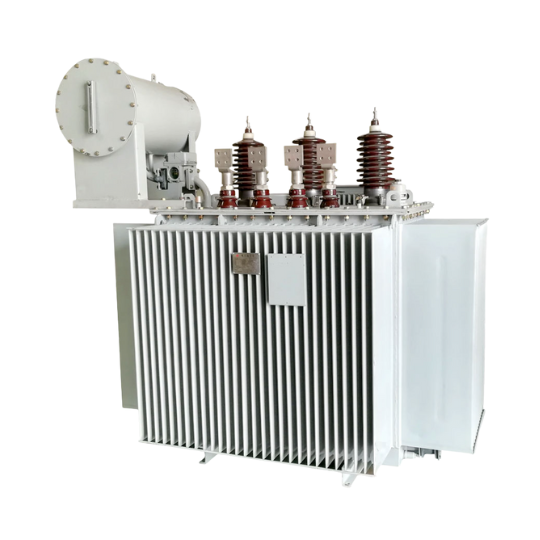
Manufactured to be accurately functional and reliable for power transmission with distribution. Can be enhanced with any installation for better
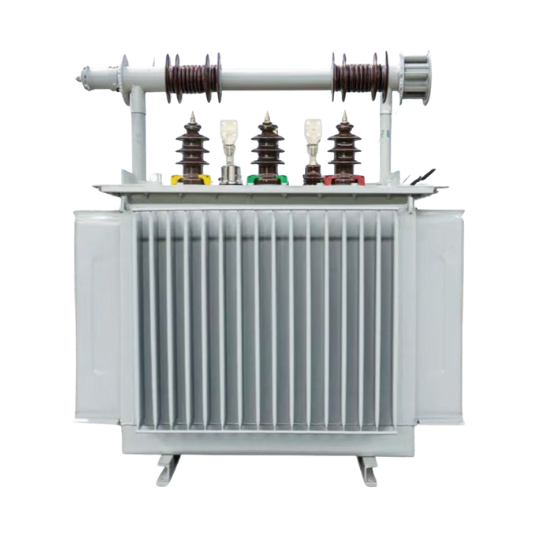
Copper and aluminum manufactured well from precision to functionality. Has enhanced durability to ensure no volume of voltage is unsafe.
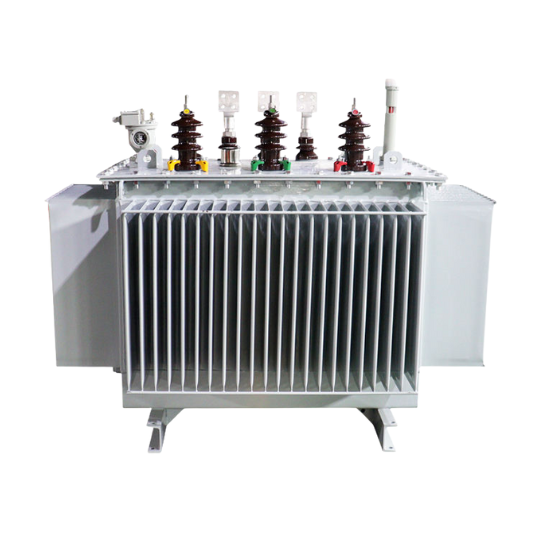
Can withstand heavy impacts and improved to have low-voltage transmissions. Equipped with 3-phases for good power distribution.
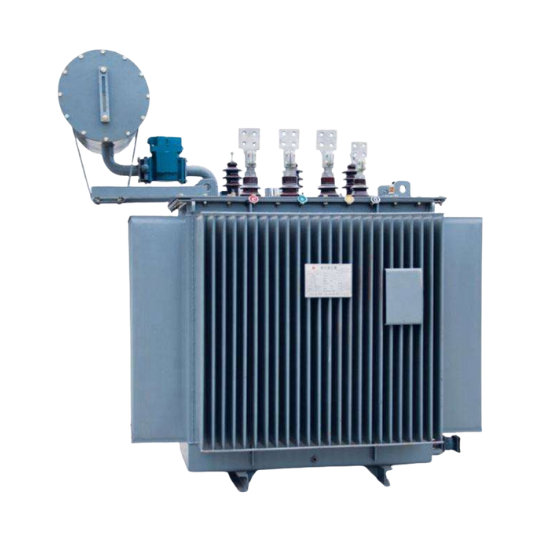
A durable and functionable power distributor with amazing responsive control. Has three phases for safe and efficient energy distribution.
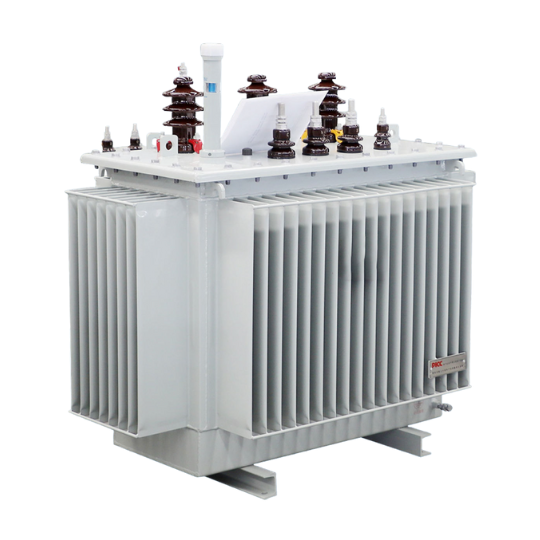
Has great frequency and great voltage transmissions with no delay, full coil structure and multi winding.
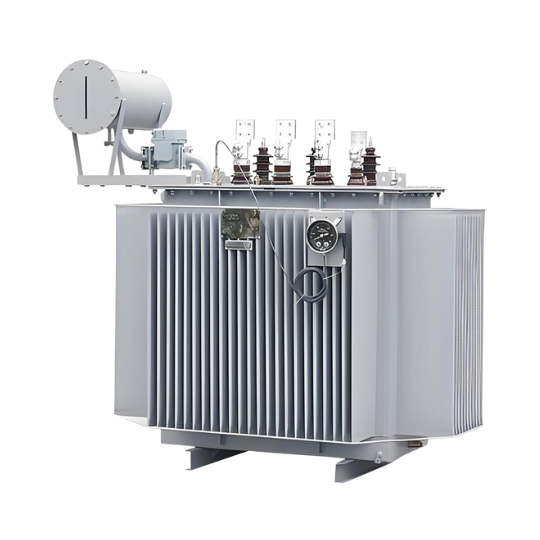
Manufactured with great power distribution and low consumption, Quality of materials used is strict.
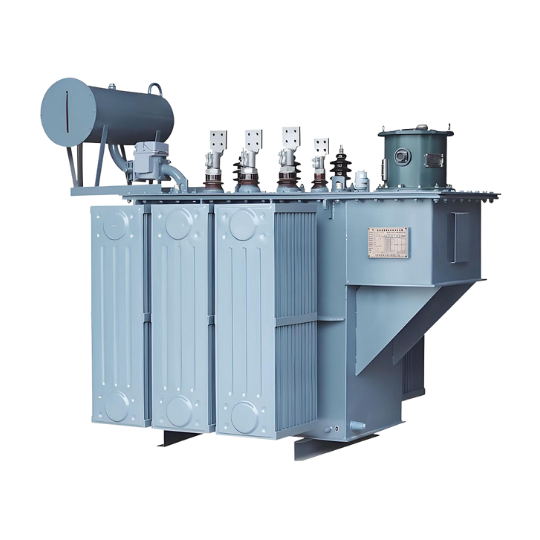
A great power distribution with well quality results and has customized voltage for preferable results.
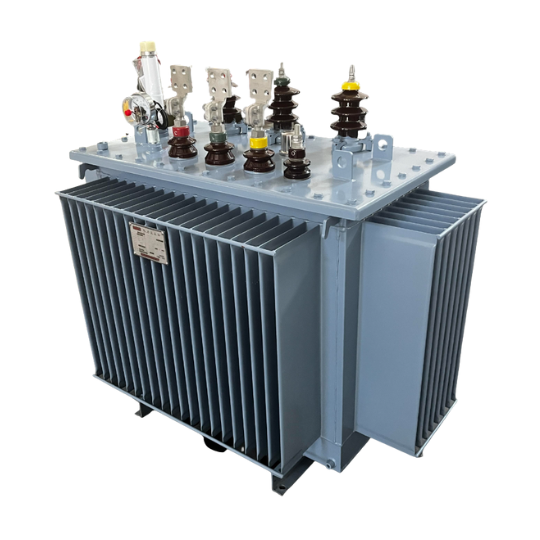
Power distribution with oil-immersed heat dissipation. An autotransformer manufactured to be durable.
What is a Low Voltage Transformer
The low voltage transformer is an electrical device that converts voltage to a safe and lower range, with outputs such as 12V and 24V. It supplies stable power and enhances your lighting system’s safety. And often seen in landscape lighting, low-voltage appliances, and decorations.
Working Principle of Low Voltage Transformer
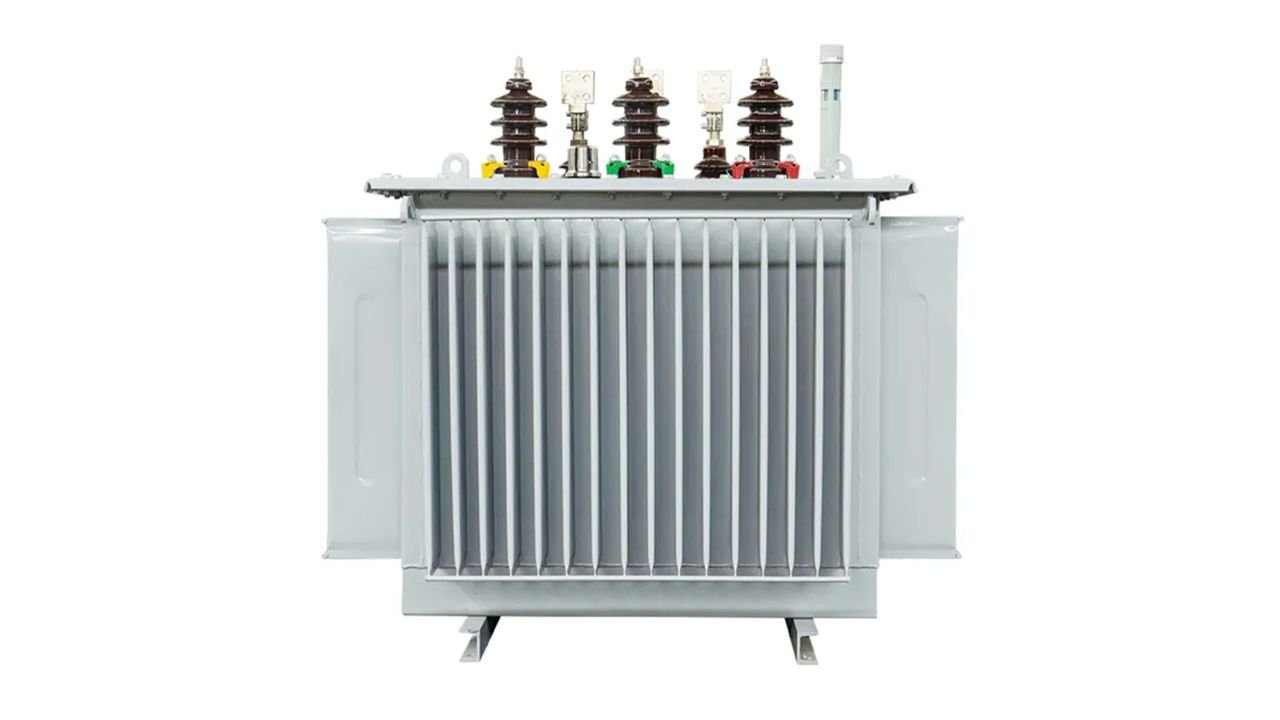
The principle of a low-voltage transformer is electromagnetic induction. When the primary coil is connected to a power source, the magnetic flux is generated in the iron core. This flux is transmitted to the secondary coil, forming the corresponding output voltage.
The magnitude of the output voltage is determined by the turns ratio. The secondary winding of a low-voltage transformer has fewer turns than the primary winding. The core is responsible for transmitting the magnetic flux and reducing energy loss, making the entire voltage transformation process stable and efficient. Suitable for long-term continuous operation.
Types of Low Voltage Transformers
Magnetic Transformers
Magnetic transformers are the most commonly used type of low-voltage transformers. They can be further classified into stack and toroidal types according to the core structure and shape.
Stack Transformers
It can also be called laminated transformers or EI-type transformers. Mainly composed of stacked thin sheets with coils wound around them, it has a moderate cost and is widely popular.
Moreover, the manufacturing process is stable and has strong resistance to mechanical shock, making it suitable for electrical equipment with high requirements for electrical isolation and durability. You can easily maintain it and install it in various ways. And it can also better suppress instantaneous overcurrent, protecting your equipment.
However, laminated transformers are heavier, less efficient than toroidal transformers and generate a certain amount of noise during operation. If you have a limited budget and pursue long-term stable production, this type is a highly cost-effective option.
Toroidal Transformers
Toroidal transformers have a compact structure with a closed magnetic circuit, resulting in a more uniform magnetic flux density distribution. This can significantly improve efficiency, reduce noise, and minimize temperature rise.
It exhibits low electromagnetic interference, is approximately 10% more efficient than EI-type transformers, and offers high stability. Often used in precision instruments and data centers.
Unfortunately, its complex manufacturing process and higher material losses bring a higher cost compared to EI-type transformers. If your project focuses on performance, noise control, and energy efficiency, toroidal transformers are more competitive.
Electronic Transformers
Electronic transformers, consisting of circuitry and an inverter, are small, lightweight, and low-cost, making them a mainstream choice for small lighting and electronic devices.
It offers high conversion efficiency and is also suitable for mass production. However, its high-frequency current may be incompatible with the LED circuit, and the voltage loss is also relatively large. Meanwhile, its high-temperature resistance is inferior to that of magnetic transformer transformers, so it is prone to premature failure.
In short, if your product prefers lightweight and functional integration, an electronic transformer is an ideal choice. For long-term high reliability, a magnetic transformer is more reliable.
Features & Benefits of Low Voltage Transformer
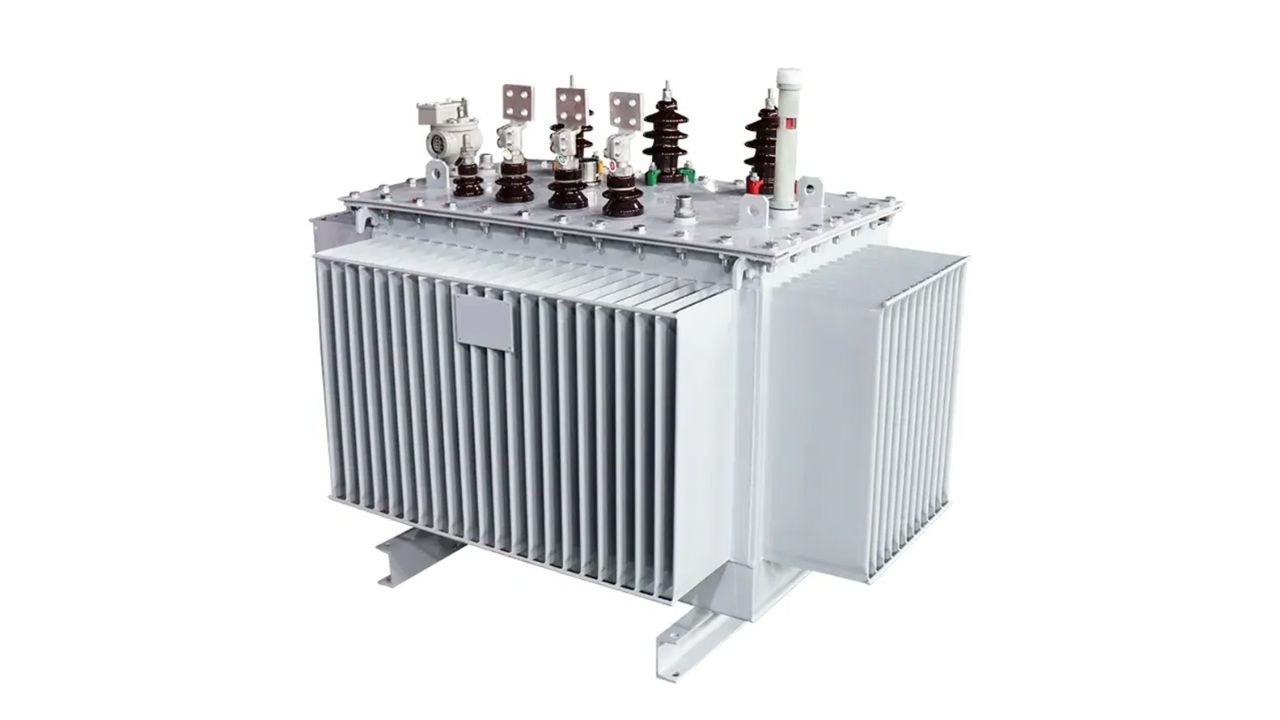
Enhanced Safety
Safety often determines whether your project can be delivered smoothly. Frequent tripping or high-voltage electric shocks not just affect your project schedule but can also cause equipment damage and even personnel risks.
Our low-voltage transformer has built-in short-circuit protection; in the event of a circuit malfunction, it will automatically disconnect to prevent the accident from escalating. For example, in the event of a sudden downpour during a lighting project, it can quickly cut off the circuit to protect equipment and personnel.
In this way, your maintenance costs will be reduced, and it also makes project acceptance easier. So, choosing a safer low-voltage transformer is like purchasing insurance for your project.
High Efficiency
Still struggling with high electricity costs and numerous devices, unsure how to optimize your system? High-efficiency low-voltage transformers utilize premium magnetic materials and wiring, which can dramatically decrease heat accumulation and minimize electricity losses at the source.
What’s more, it can keep lower operating temperatures, guaranteeing a more stable working environment for your downstream equipment. For instance, applied in LED landscape lighting, high-efficiency transformers provide more stable brightness and longer service life for the entire circuit, saving you great equipment repair costs.
Durable & Reliable
Equipment repair costs and shutdown losses often far exceed the initial purchase price. Therefore, a good low-voltage transformer should remain good performance even after five or ten years.
Our low-voltage transformers feature a robust and corrosion-resistant casing that protects against wind, rain, humidity, dust, and salt spray. Usually used in outdoor landscape lighting, municipal lighting projects, and landscaping projects. At the same time, it also has a relatively wide voltage input range, adapting to grid fluctuations and supporting long-term operation.
Easy Installation
The low-voltage transformer is lightweight and easy to connect, allowing for plug-and-play operation and significantly reducing your installation time. Whether it’s factory renovation, outdoor lighting projects, or temporary holiday decorations, it can be quickly set up and easily handled, enhancing your work efficiency. Also, it decreases your employment costs and deters operational failures caused by complex procedures.
Applications of Low Voltage Transformer
Outdoor Landscape Lighting
Low-voltage transformers convert mains power to a safe voltage, eliminating the risk of electric shock. Simultaneously, low-voltage LEDs consume low power; when used with a transformer, they can save up to 70% more energy than conventional lighting, and also cut your electricity bill. Widely used in garden lights, lawn lights, and walkway lights, achieving a win-win situation of safety and cost reduction.
Festival Decorations
The low-voltage transformer can supply stable power for Christmas string lights and inflatable decorations. It can protect heat-sensitive LED chips and extend the life of lighting by more than 50%. Furthermore, its waterproof and dustproof casing can easily cope with rain and snow, ensuring uninterrupted lighting throughout the holiday season.
Low-Voltage Appliances
Many smart appliances actually use low-voltage DC power. A dedicated low-voltage transformer can provide a stable low-voltage power supply, effectively eliminating the power grid from interference and protecting the components of your appliances. It reduces returns and after-sales disputes of power supply, which is conducive to raising the added value of your products.
How to Select and Install the Low Voltage Transformer?
Selection Tips
Total Power Calculation
You should calculate the rated power of all the lights and equipment that need to be connected, plus them together and leave at least 30% power redundancy. This will prevent the transformer from overheating, increasing noise, and shortening its life due to prolonged full load.
Moreover, be aware that many low-end lights falsely indicate power. Therefore, it’s best to verify the actual power; otherwise, it may cause the transformer load to be too heavy.
Select the Appropriate Voltage
Uneven light brightness and dim end lights are typical issues of engineering projects, and 90% of them are caused by improper voltage selection or calculation of voltage drop.
If your project’s cable length exceeds 20 meters, it is recommended to select a 24V system, as it has a lower voltage drop and provides stable power supply over long distances. If using 12V, thicker cables should be selected to reduce losses.
You can also obtain a voltage drop meter from your supplier to guarantee that the output voltage matches your load requirements.
Type Selection According to the Environment
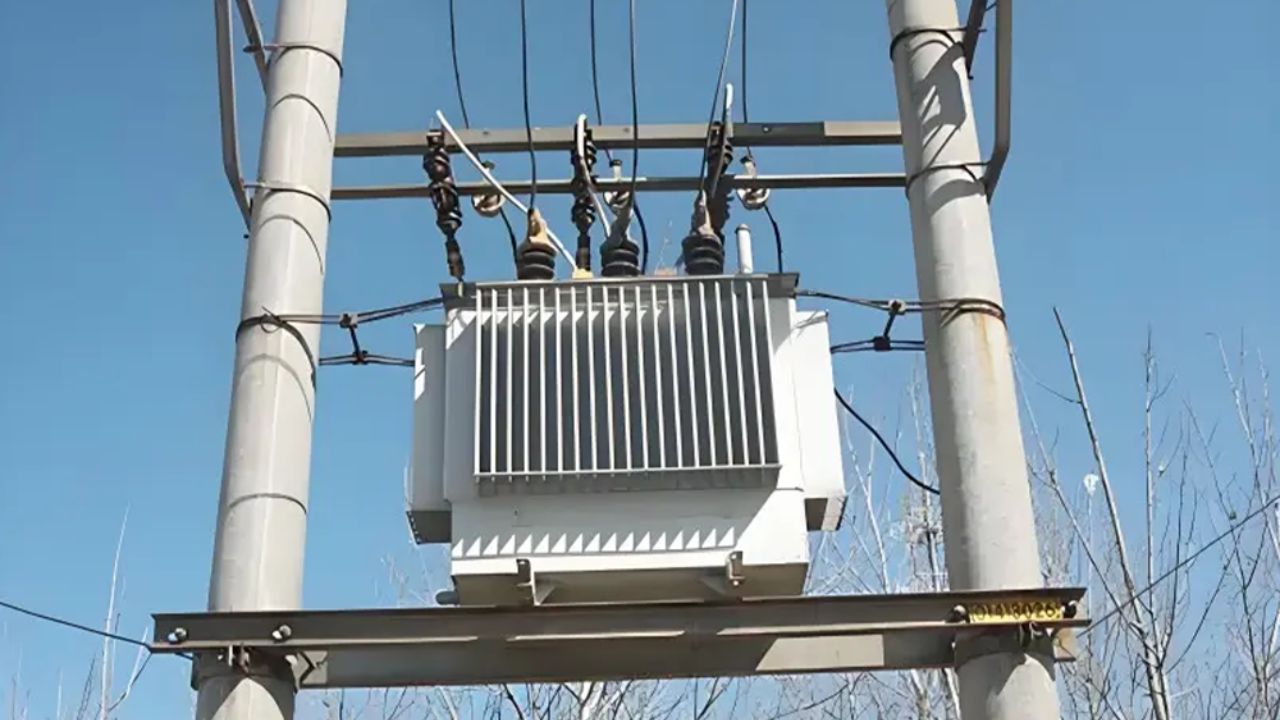
If your equipment is used outdoors, choose a low-voltage transformer with an IP65 or higher protection rating. For high-altitude or salt spray environments, you’d better select the one with heat sinks and a corrosion-resistant housing.
For indoor use, a standard magnetic transformer is enough and more cost-effective. It is also compatible, enough to power up numerous LED lights and has stable power output without flicker.
Consider Other Advanced Features
You also have the option of equipping the lights with smart features to enhance users’ experience. For example:
Photo Sensor: It can sense dawn and dusk, automatically turning the lights on and off. Especially suitable for landscape lighting, saving energy and eliminating the trouble of frequent operation.
Timer: Used to set the lighting schedule, ideal for patio lights and public area lighting.
Wi-Fi Feature: Support control through the mobile app, and dimming can be managed remotely. Lights can operate perfectly to your exact specifications, so it will be a mainstream choice for high-end commercial projects and smart homes.
Installation Steps
Step One: Preparations
Prepare all light fixtures, wires, and connectors. The installation location should be dry and well-ventilated. If used outdoors, a weather shield can be equipped, or pick a waterproof finish. Meanwhile, the cable routing should be planned carefully so that normal moving is not impeded.
Step Two: Mounting
Transformers usually have pre-drilled mounting holes on their casings. You just drill holes according to the hole positions and then install expansion screws. Secure the transformer at least 30cm off the ground to minimize rain splash.
For some transformers, the metal wire clamps need to be firmly fixed. Loosen the clamping screws, insert the cable into the clamp, and tighten them again.
Step Three: Wiring Connection
Next, you should look for the input and output terminal markings. Generally, INPUT connects to high-voltage power, and OUTPUT connects to your equipment.
Use the specified power cord for the input terminals and ensure that the grounding wire is connected properly. When connecting the output terminal to the light fixture, the positive and negative terminals must be matched.
At the same time, all wiring connections must be sealed with waterproof connectors or tape to avoid rainwater ingress and failure.
Step Four: Power-on Test
At last, a power-on test should be conducted. Turn on the mains power switch, and then observe whether the transformer indicator light illuminates normally. On transformers with smart functions, the APP connection status should be checked too.
Then check the working condition of each light fixture in turn, and concentrate on whether there is any flickering, abnormal noise, or overheating. And, if there is any odd smell or noise, unplug it right away and take a look.
You have to confirm that the wiring is firmly connected without any looseness or damage. After that, remove all lights and reattach them one at a time, and finally tease out short circuits or overdrive causes. Also, keep the surroundings well-ventilated.
If these are ineffective, internal components may be damaged. You can contact a technician for repair. Do not disassemble the device by yourself.
Generally, the service life of low-voltage transformers typically can reach 10-15 years, but the actual usage time is affected by various factors. As warm and wet environment, thick and long-term high load will make aging faster. You can tighten wiring and clean dust regularly to prolong their life.
A slight humming sound is normal, caused by magnetostriction of the core and coil vibration. However, an unexpected growth in volume accompanied by vibration may indicate a fault, such as overload, looseness, or aging of the core coils. An unstable installation can also produce a lot of noise. By that time, the device had to be halted and inspected by professionals to avoid major losses.