
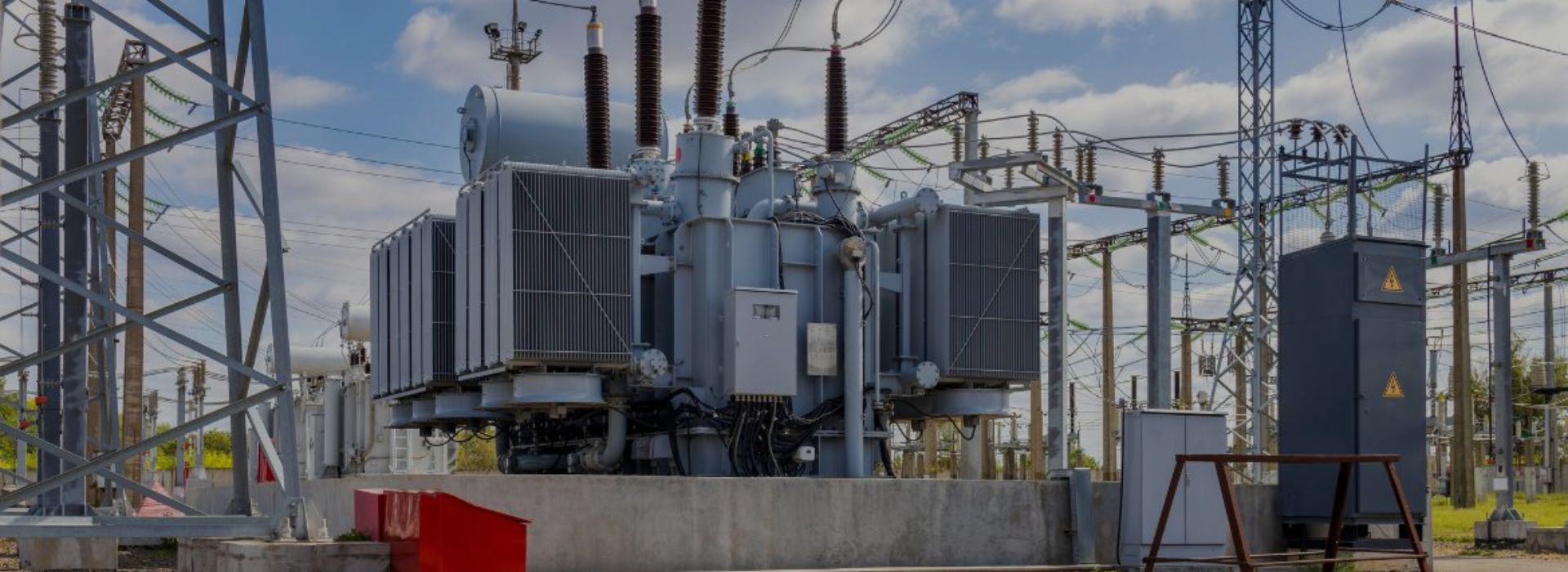
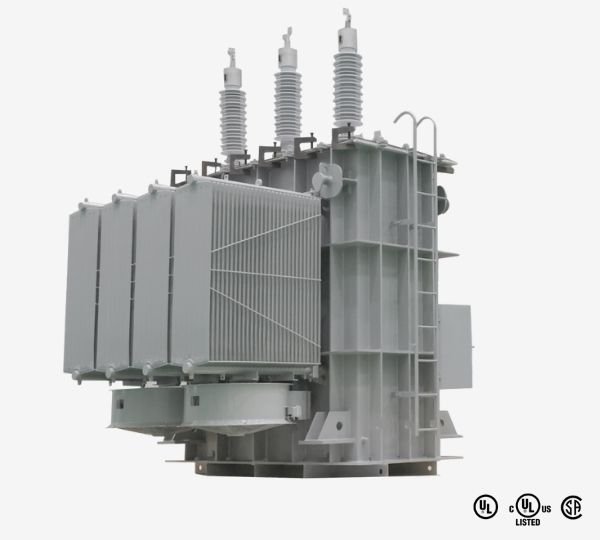
Features of Three Phase Transformers
- Three-phase transformers provide more stable and efficient voltage conversion for high-load projects.
- Three phase transformers are the ideal choice for long-distance power transmission.
- Zhongshao delivers bespoke customisation solutions
- Zhongshao three phase transformers comply with IEEE/ANSI/DOE2016/IEC standards
- Zhongshao holds over 100 patents in electrical equipment technology, materials, design and R&D
Your Professional Three Phase Transformers Supplier
Three-phase transformers maintain stable power and balanced loads, delivering efficient and reliable power supply and distribution. Should you be seeking suitable transformers for your distribution system, Zhongshao offers high-quality and customised solutions. We welcome your enquiries at any time.
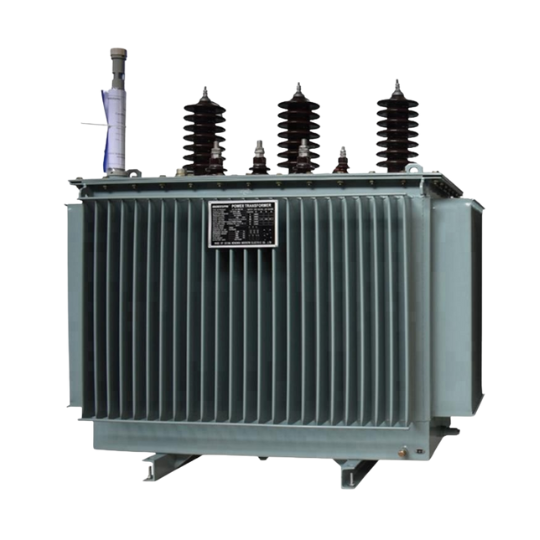
Improved high-voltage capacity, great power transmission with no delay. Boasting great precision and quality.
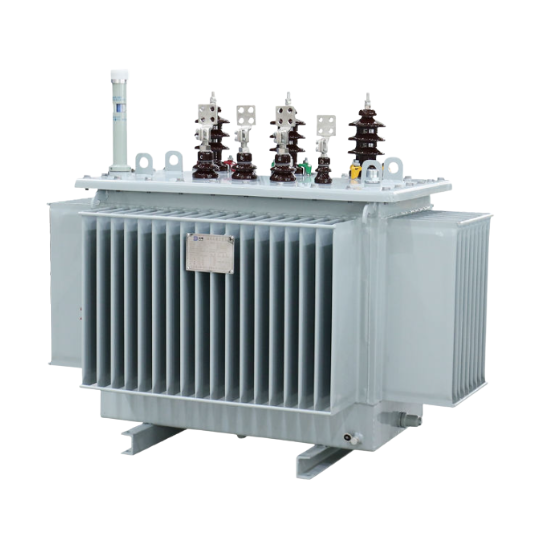
Oil-filled transformer with circular coil structure and has high-voltage capacity. Has balanced energy control.
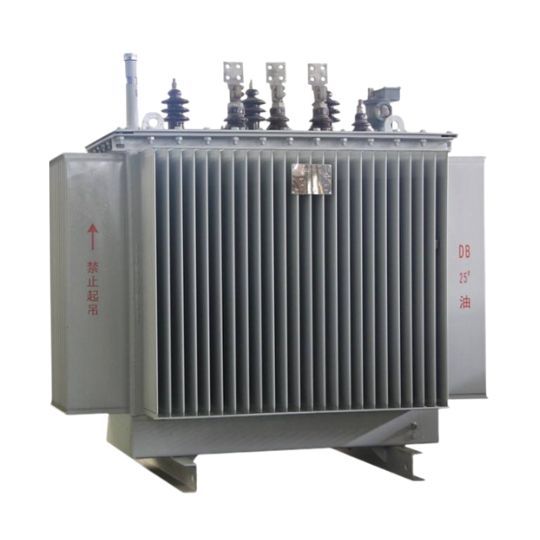
Has great voltage capacity and has balanced energy, Long lasting lifespan with great low voltage capacity.
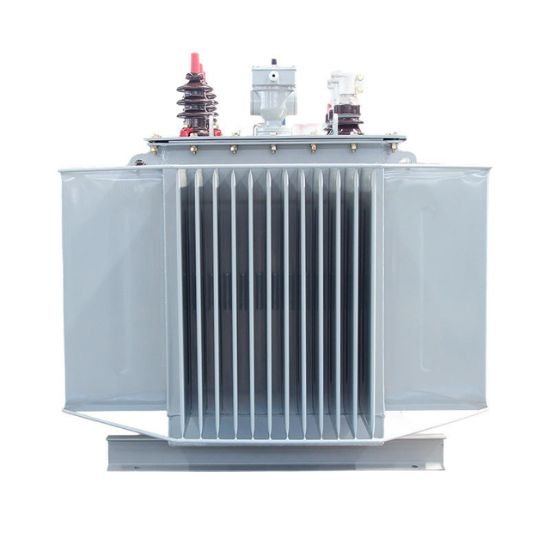
Has great energy storage and fast electricity response, distributes electricity faster and does not delay response.
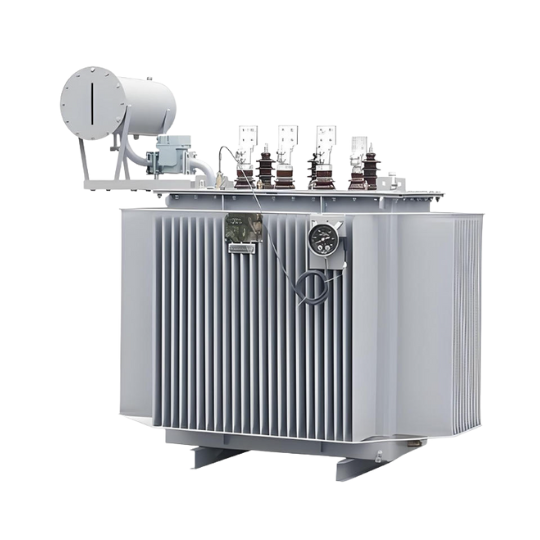
Has great power-saving and energy efficiency, manufactured with excellent insulation and heat dissipation.
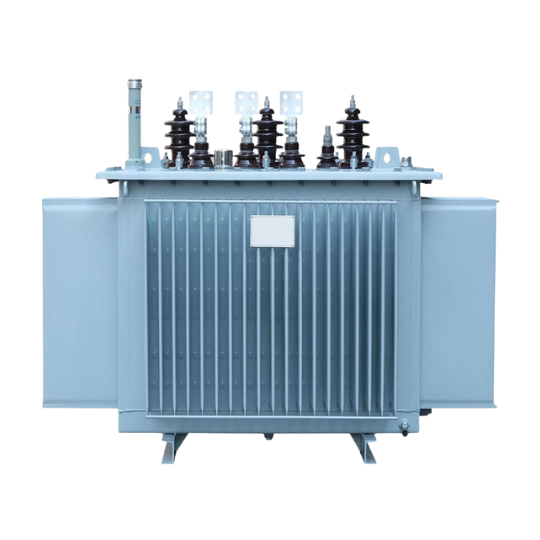
Manufactured with heart dissipation and stabilized energy supply, Has customized voltage levels with safety measures.
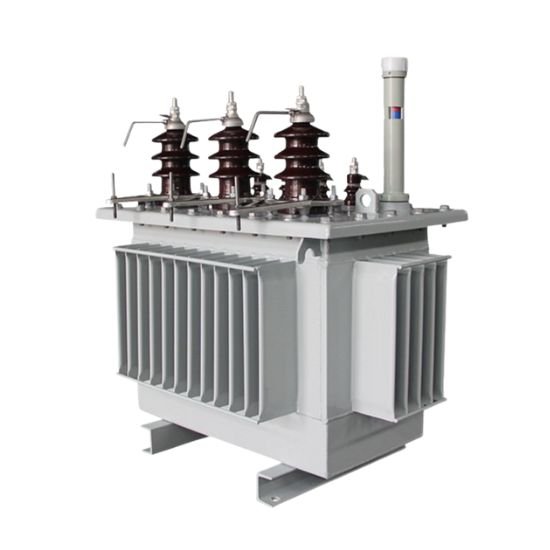
Has a great energy storage and power saving system that ensures no overload for higher voltage.
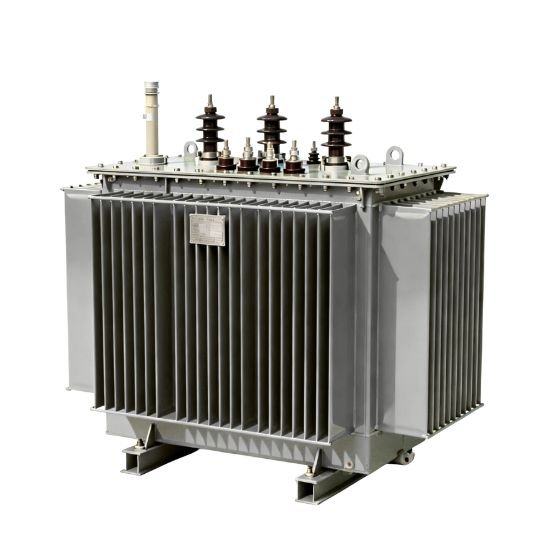
Automatic and natural air cooling, Has less overload capacity. Manufactured with oxygen-free copper material.
What is the Three Phase Transformer?
Three-phase electricity consists of three single-phase alternating currents of identical frequency and voltage. However, there exists a 120-degree phase difference between them. It is a method of generating and transmitting electricity characterised by high transmission efficiency and stable power output. Three-phase transformers alter voltage (either step-up or step-down) through the principle of electromagnetic induction. This enables more efficient and secure power transmission.
Function of Three Phase Transformer
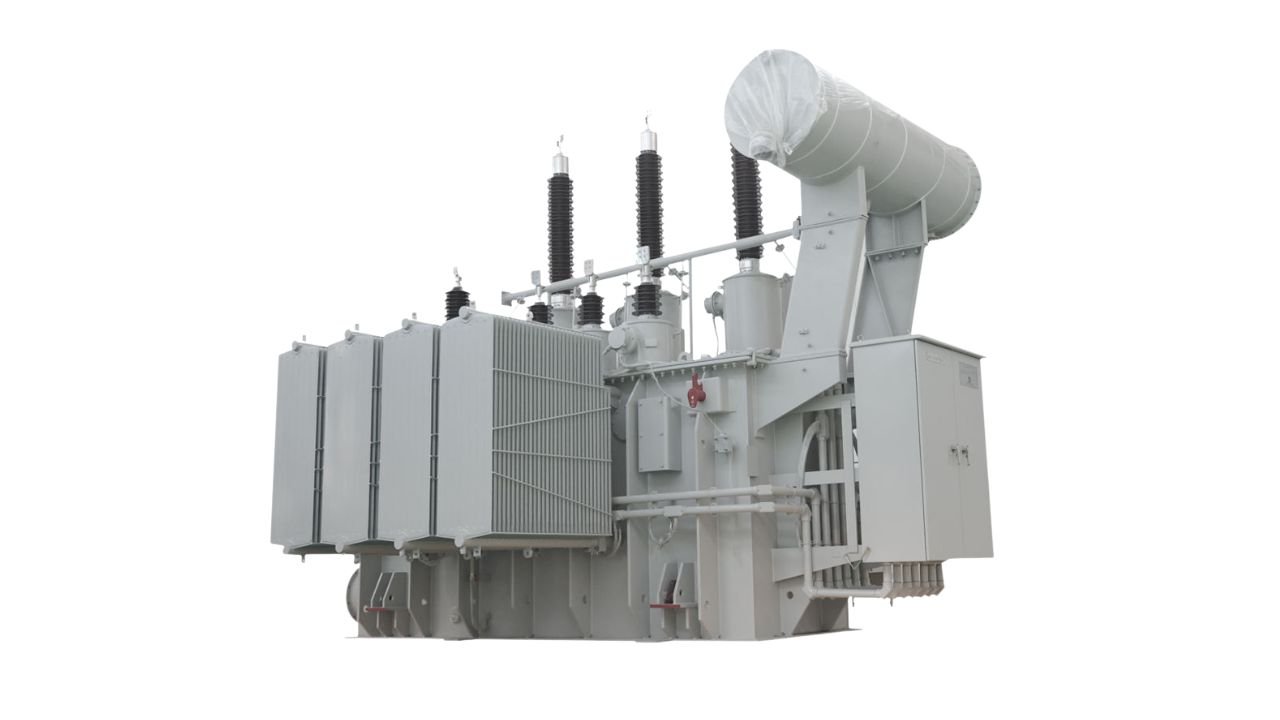
Voltage Conversion
The primary function of three-phase transformers is to convert voltage levels during the transmission of large scale and high-load electrical power.
- During transmission, three-phase transformers increase voltage to enhance efficiency and minimise transmission losses, enabling you to achieve power transmission over greater distances.
- As high voltage electricity cannot be directly utilised for distribution and consumption, three-phase transformers reduce the voltage of high-voltage electricity arriving at distribution substations. Following the voltage reduction, you may use the electricity smoothly and safely.
Power Distribution
The operation of various high-power equipment and machinery in industrial and commercial settings requires different voltage levels. Three-phase transformers convert electrical power into usable electricity, enabling stable equipment operation and extending the service life of electrical systems.
Cost and Space Savings
A three-phase transformer delivers the same performance as three single-phase transformers while reducing the space occupied by multiple units and the higher initial cost associated with them. Additionally, you incur reduced transportation and installation expenses.
Electrical Isolation
To prevent an electrical connection between the circuit’s input and output, the three-phase transformer also provides electrical isolation. Furthermore, in the event of a single system fault, the three-phase transformer prevents the fault from affecting other systems, thereby enhancing safety and stability.
Three Phase Transformer Construction
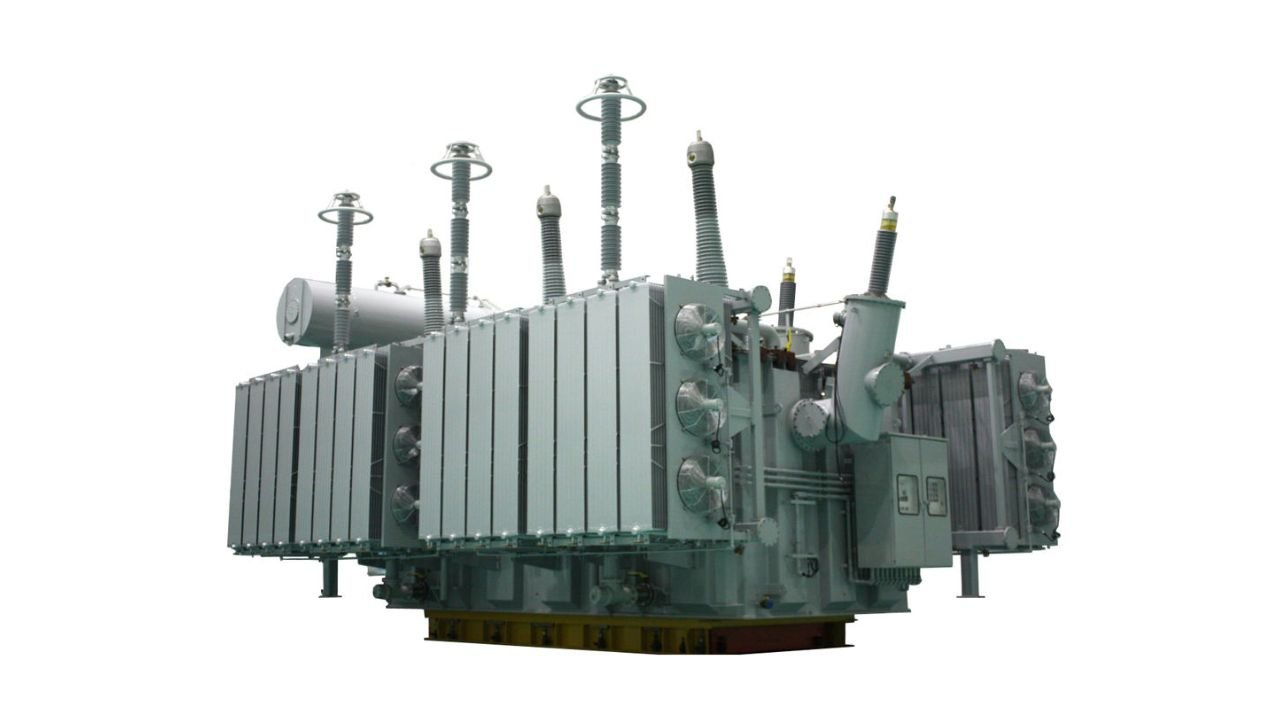
Core
The core in a three-phase transformer consists of laminated sheets, typically made of insulated steel material. Its primary function is to introduce the magnetic field while minimising energy loss as much as possible.
Primary and secondary windings
A three phase transformer features three sets of primary windings and three sets of secondary windings wound around the iron core. The primary windings receive electrical energy, while the secondary windings can output electrical energy at various voltages as required. They are also insulated and connected in different configurations, such as delta or star. You may select the appropriate configuration according to your application requirements.
Cooling System
The windings and core generate heat during operation. Overheating not only compromises their performance but may also cause power system failures. Consequently, cooling systems are employed to dissipate heat promptly, ensuring the efficient operation of three-phase transformers. Both air-cooled and oil-cooled systems are available for selection.
Insulating Materials
The windings, core and other components within a three-phase transformer are fitted with various insulating materials to protect the windings and core from the effects of short circuits.
Transformer Oil
Transformer oil serves both cooling and insulating functions. It encapsulates components such as the entire iron core and windings, providing excellent electrical insulation and arc-quenching properties while promptly absorbing and dissipating the heat they generate. Furthermore, the oil’s isolating effect helps minimise moisture ingress and oxidation, thereby extending the service life of your three phase transformers.
Thermometer
The thermometer is employed to continuously monitor the temperature of the oil within the transformer. In the event of temperature fluctuations, it can issue predictive alerts and promptly transmit signals to initiate protective measures swiftly.
Voltage Regulator
The voltage regulator is responsible for adjusting the voltage level during output, ensuring a stable voltage supply to achieve safe electrical usage.
Buchholz Relay
The Buchholz relay in three-phase transformers continuously monitors oil pressure conditions, detecting faults through the presence of bubbles. Upon detecting anomalies, it immediately alerts you and responds, preventing serious risks.
Oil Tan and Oil Conservator
The oil tank is used to store insulating oil, ensuring the core and windings are fully immersed. The oil reservoir provides a buffer for oil expansion, maintaining stable oil pressure to guarantee effective isolation of the core and windings.
Breather
The dehumidifier is employed to remove moisture from the oil within three-phase transformers, thereby preventing dampness from adversely affecting the oil and electrical components within the system and causing malfunctions.
Enclosure
The enclosure of the three-phase transformer is constructed from robust materials to provide outstanding mechanical strength for the internal components. It also offers high durability and weather resistance to meet your diverse application requirements.
Types of Three Phase Transformer
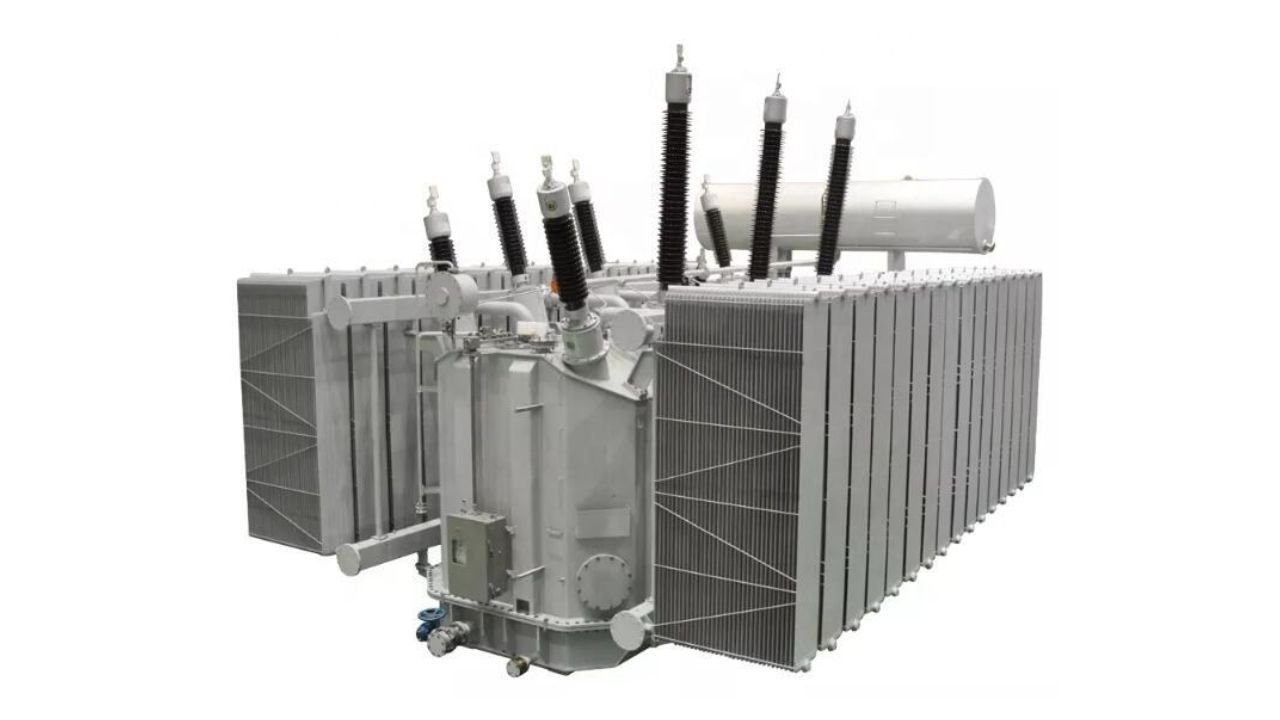
Core-Type Three Phase Transformer
The core-type three-phase transformer combines three core-type transformers into a single unit. Its three cores are arranged in an outer configuration and encircled by primary and secondary windings. This structure provides superior heat dissipation capabilities and simplifies maintenance. It is suitable for projects demanding high power and heavy loads. Furthermore, it offers greater cost-effectiveness
Shell-Type Three Phase Transformer
Shell-type three-phase transformers comprise three single-phase transformers. Consequently, their three-phase magnetic circuits are independent compared to core-type transformers. The windings of shell-type three-phase transformers are enclosed within an iron core, resulting in a more compact structure and superior mechanical strength. They are suitable for applications with limited space and harsh environments. However, their maintenance is more complex.
Step-up Three Phase Transformer and Step-down Three Phase Transformer
Based on their distinct regulatory functions within power systems, three-phase transformers may be further categorised as step-up three-phase transformers and step-down three-phase transformers.
- Step-up Three Phase Transformer: Step-up three-phase transformers are primarily employed to elevate the input low voltage to a high-voltage level, thereby achieving lower resistance losses and higher transmission efficiency. They may be utilised for a long-distance power transmission project.
- Step-down Three Phase Transformer: A step-down three-phase transformer, conversely, reduces the input high voltage to a lower level. High-voltage electricity is more conducive to transmission but cannot be utilised directly. Step-down three-phase transformers adjust high voltage to the optimal voltage levels suitable for direct use by various equipment.
Three Phase Transformer Connections
You may select either wye or delta winding types for the primary windings and secondary windings. Depending on the specific combination, the connection methods for three-phase transformers primarily comprise four types: wye-wye, wye-delta, delta-wye, and delta-delta.
- Wye-Wye: Three-phase transformers connected in a Y-Y configuration employ the same Y connection method. This connection method yields higher line voltages, enabling the three-phase transformer to get greater voltage levels and more stable load balancing.
- Wye-Delta: In a wye-delta connected three-phase transformer, the primary winding is wye connected while the secondary winding is delta-connected. This configuration efficiently reduces voltage levels and is therefore employed in three-phase step-down transformers.
- Delta-Wye: The delta-wye connection provides a higher input voltage, facilitating better voltage step-up capability. Consequently, it is suitable for three-phase step-up transformers.
- Delta-Delta: The delta-delta connection provides three-phase transformers with higher current capacity while achieving good operational stability. However, it is advisable to employ this configuration with balanced loads.
Difference between Single and Three Phase Transformer
The primary function of a single-phase transformer is also to step up or step down electrical voltage levels, but it is specifically designed for single-phase alternating current. It possesses only one primary winding and one secondary winding, responsible for voltage input and output respectively.
- Efficiency: Thanks to lower losses and higher load capacity, three-phase transformers achieve greater efficiency than single-phase transformers.
- Stability: Three-phase transformers deliver satisfactory operational stability. Single-phase transformers also offer high reliability during low-load processing. You should choose the best one depending on your actual application.
- Cost: Single-phase transformers incur lower initial costs, installation expenses, energy consumption, and maintenance fees. Whilst three-phase transformers have more expensive upfront costs, their superior power handling performance remains unmatched.
- Application: Single phase transformers are suited for low-power applications such as residential settings, small workshops, and light industry. Three-phase transformers, however, can handle higher power and load demands, allowing you to choose them for large-scale commercial and industrial projects, power stations, and similar applications.
Maintenance of three-phase transformers encompasses routine visual inspections (for damage, leakage, and corrosion) and periodic maintenance checks (addressing loose connections, calibration, insulation monitoring, etc.). It is advisable to engage qualified personnel for maintenance to enhance lifespan and safety.
Selecting a single-phase transformer for single-phase loads is more appropriate. An unsuitable transformer may compromise the transformation efficiency and incur additional expenditure.
Load and voltage requirements are the primary considerations. Subsequently, you may select based on the operating environment, installation method, budget, and other factors.
Three-phase transformers can be employed in various applications involving power generation and distribution, such as power stations, factories, and large commercial buildings (e.g., hospitals, data centres, etc.).