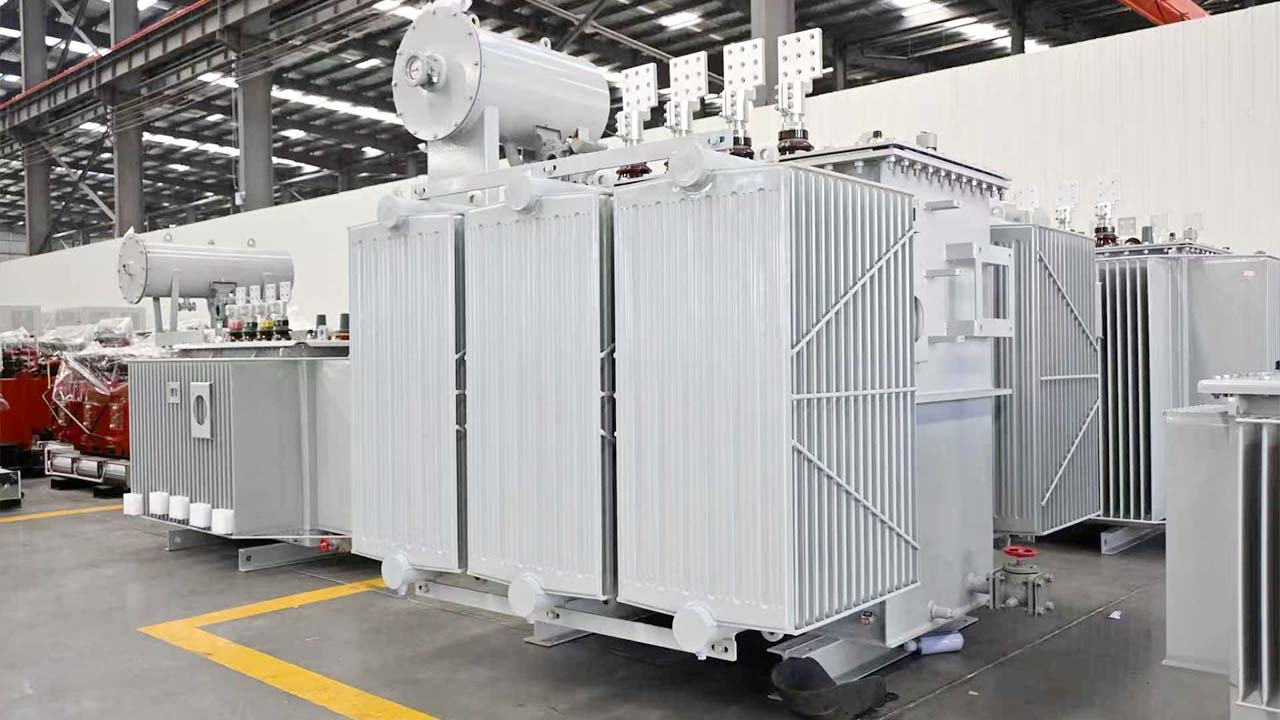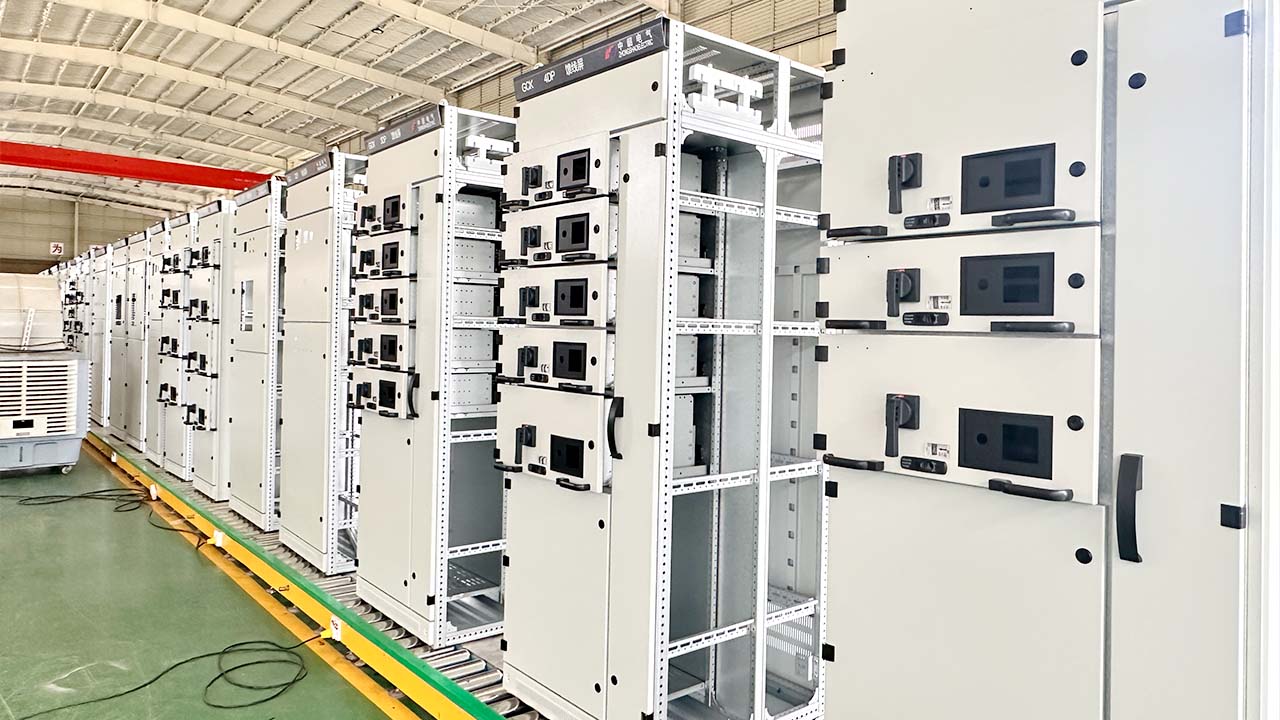
Distribution boards and distribution boxes are playing irreplaceable roles in today’s electrical fields. However, when actually choosing them for your projects, you may confuse them easily because of the similar names of them. Don’t worry, in this article, I will give you a comprehensive introduction of the differences between a distribution board and a distribution box.
What Is The Distribution Board?
A distribution board, also known as a distribution panel board, can distribute the current into several circuit elements and ensure the smooth flow of them to protect your electrical system, thus ensuring the safety during the use.
Almost every field requiring electricity today needs to use the distribution boards. These boards can receive electrical current from the city’s power grid or generators and distribute it appropriately to various electrical devices to meet their power demands. At the same time, they provide effective isolation and protection for circuits experiencing faults.
Distribution boards can be divided into two types as main distribution boards and the sub distribution boards. Their distinction lies in the level of distribution. The main circuit board serves as the central distribution node within a building, they are responsible for receiving power from the public grid and distributing it. On the other hand, sub distribution panels may be used to receive current from the main distribution panel and distribute it to various sub circuits.
What Is the Distribution Box?
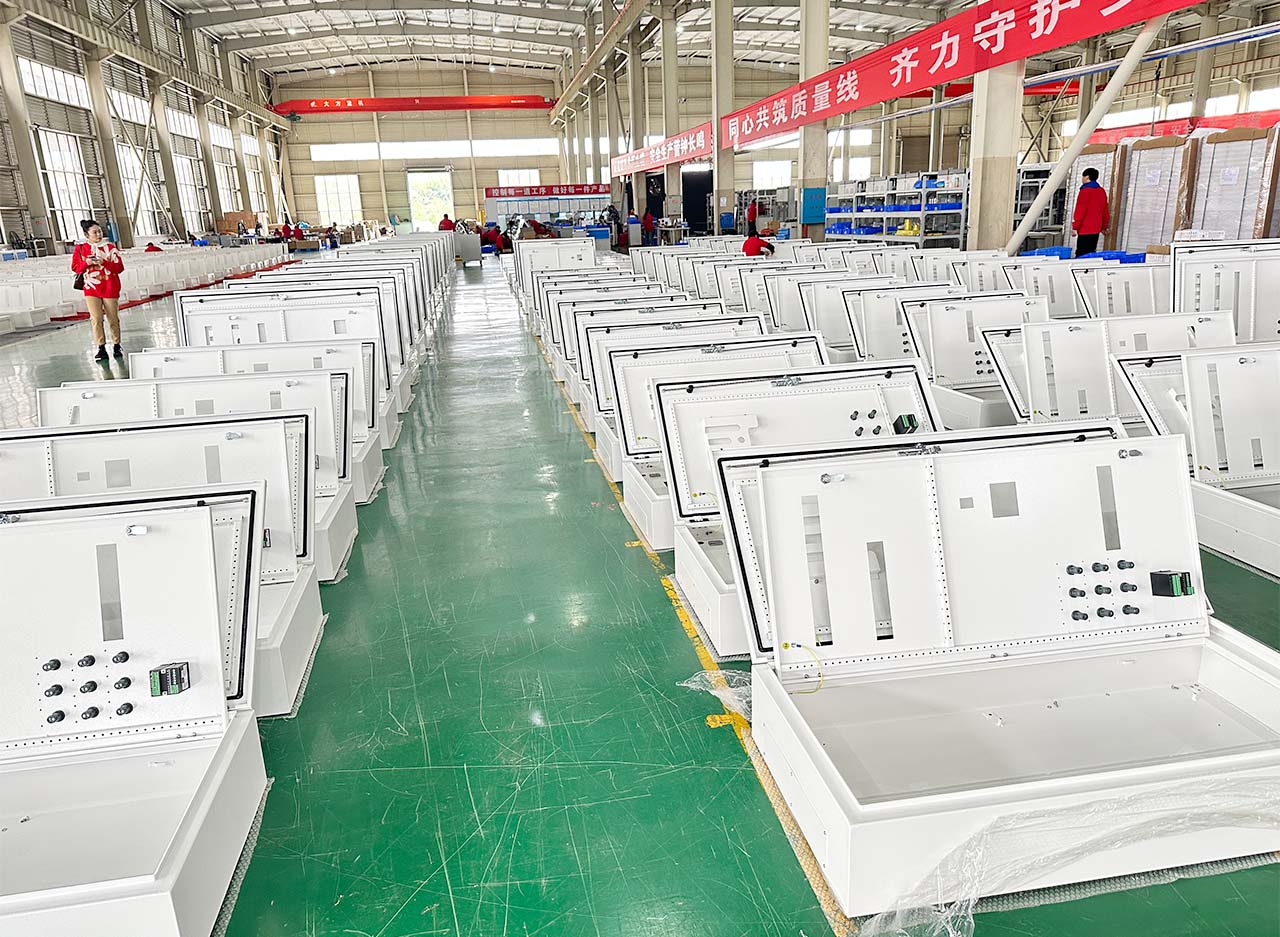
However, distribution boxes have a more compact structure, it is portable and more flexible. Their working process is the same as what the distribution boards do, they work to connect to the public grid and distribute the power to various electrical devices. However, compared to distribution boards, their ability is limited, they support fewer devices and lower rated currents and are more suitable for residential or small scale event power needs, or being employed for temporary distribution in some cases.
Main Differences Between a Distribution Board and a Distribution Box
Simply speaking, the distribution board is bigger when compared to the distribution box. Thus a distribution board is always used to distribute the current for big size machines in industries, constructions and other fields. On the contrary, the distribution boxes are usually used to distribute the current for devices with smaller sizes, like the air conditioner and lightning system.
In the following section, I will provide you with a detailed introduction from multiple perspectives.
Functions
We can say that the working range of distribution boards is wider than that of distribution boxes. Distribution boards work to distribute the current for almost all devices in one big area like the industries, constructions, etc, and the circuit inside a distribution board will be more than a distribution box.
As for the distribution box, it is used for distributing the circuit for particular devices in small or certain areas, as well as ensuring the safety in these parts during the electricity transmission.
In terms of the working ability, distribution boards are able to distribute the power more effectively, but we can’t say that the distribution boards are better. After all, for those specific or certain parts of the circuit, the distribution boxes will be more flexible and helpful.
Components
When it comes to the components inside, a distribution board may include a circuit breaker, switches, protective devices, and the ground wire. It is because of these internal components that your distribution board can distribute current in an orderly manner, as well as ensuring the safety through grounding and circuit breaking when faults occur.
On the other hand, the internal structure of a distribution box may be simpler. It also requires circuit protection, but does not need larger structures due to its smaller scope it controls. Therefore, large circuit breakers are not required to guarantee safety in most cases. The internal components of a distribution box generally include smaller circuit breakers, switches, fuses, and similar equipment.
Applications
The applications of the distribution boards are almost all fields in our life. For example, a resident may use the distribution boards to control the circuit of the whole house, including the air conditioner system, lighting system and many kinds of household electricians. Apart from the home furnishings, the commercial and industrial environment also use the distribution boards to support the power supply, and the electricity consumption in these areas will be higher.
However, the distribution boxes are more used in places that are small or need temporary power supply like the construction sites, or systems of certain type of electricians. For some short term holiday events or performances, you also can use distribution box to distribute the current with lower current.
Lifespan
Regarding service life, distribution boards typically have a longer lifespan, lasting over 20 years, while distribution boxes may have a shorter lifespan of approximately three years. When used outdoors such as on construction sites or in other environments,their service life may be reduced due to factors like bad weather, water or the dust.
Materials of the Enclosures
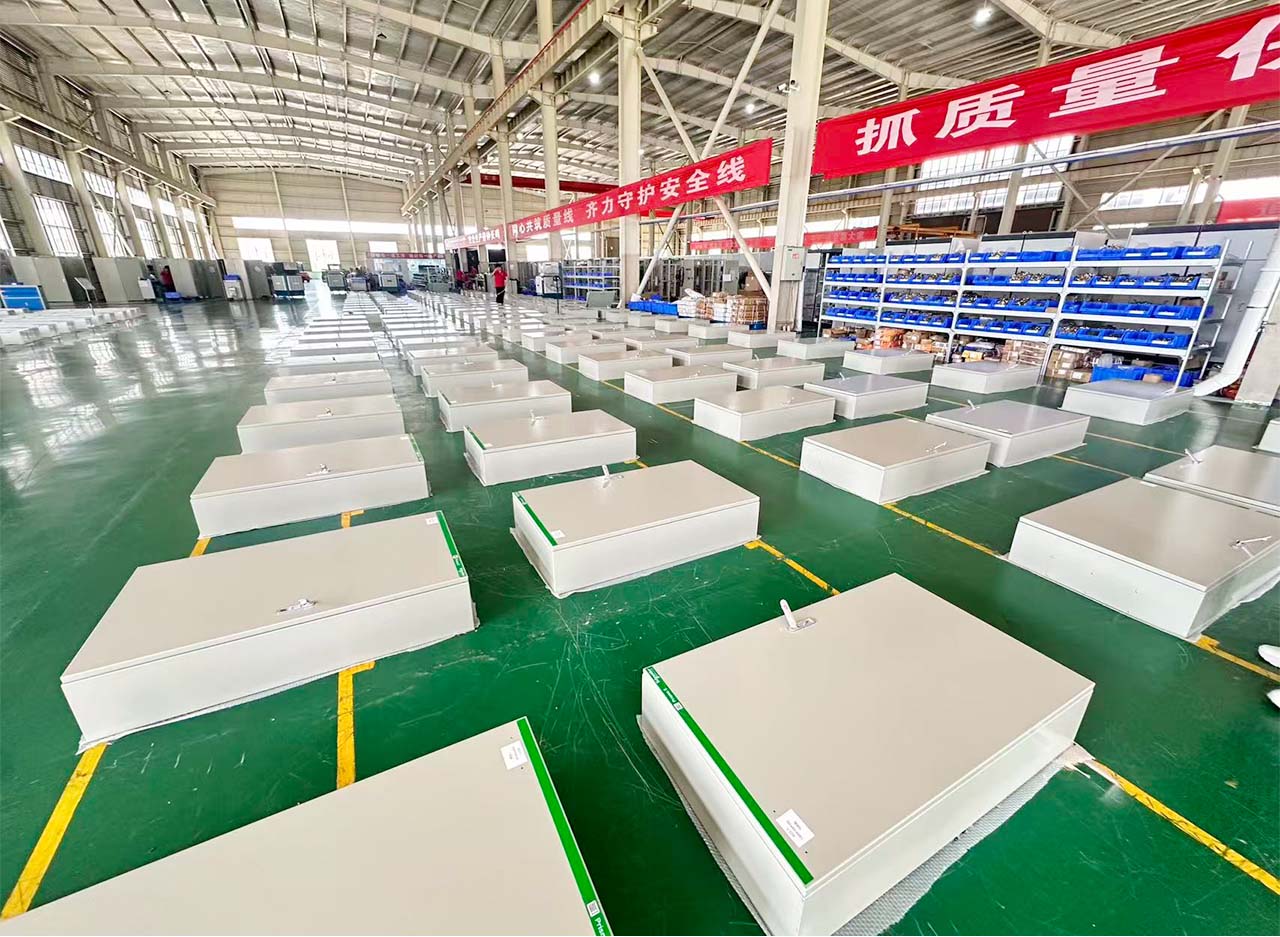
In terms of production materials, the enclosures for distribution boards are typically made of steel or aluminum. These metal materials provide a more robust structure to support extended service life. Distribution boxes, on the other hand, are often manufactured using plastic, polycarbonate, or metal. When selecting materials, you can base your decision on the specific service life and application environment.
The Cost
I guess that you’re more concerned about the cost difference between the two. In fact, as we can readily infer from the preceding discussion, due to variations in capacity, functionality, and capabilities, the cost of distribution boards is generally higher than that of distribution boxes.
Maintenance
Maintenance for distribution boards and distribution boxes also differ. Generally, distribution boards require shorter maintenance cycles due to their heavier loads and more complex structures. You may need to frequently take an inspection for the multiple internal components, such as circuit breakers, surge protectors, and insulation materials.
In contrast, distribution boxes can tolerate longer maintenance cycles. You can perform periodic cleaning, check for internal damage, verify secure connections, and assess whether fuses need replacement.
Installation Locations
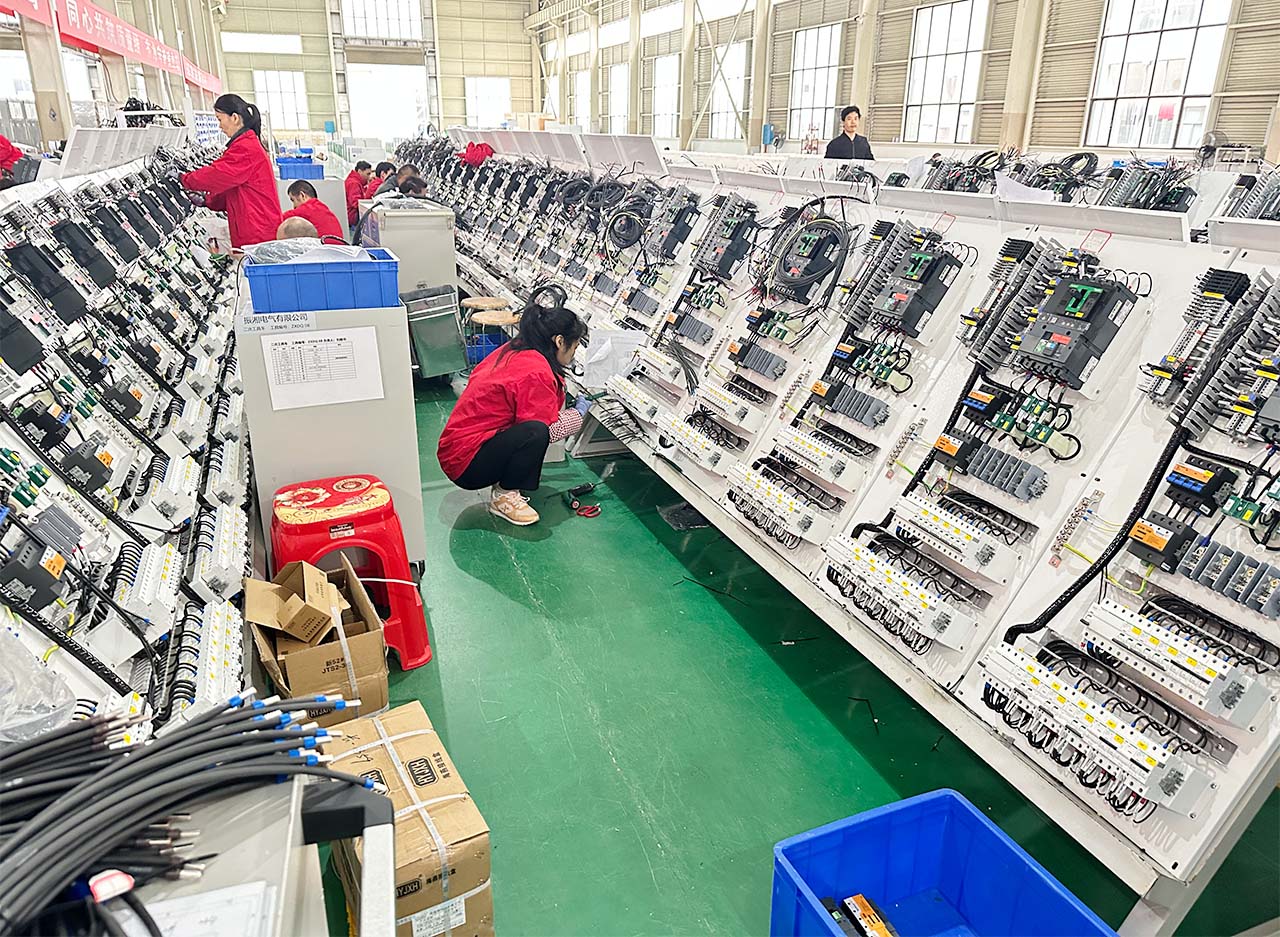
According to the different requirements of distribution boards and the distribution boxes, the installation locations differ, too. The distribution boards generally need to be fixed in some areas for long term use, and they are more installed indoors. While the locations where a distribution box needs to be installed may be more flexible, they can be installed outdoors for temporary power supply or mounted on the wall for easier connection of the electricians.
| Distribution board | Distribution box | |
| Functions | Distribution of electrical power for large facilities | Supply to specific sections of circuits or temporary power |
| Components | Circuit breakers ground terminals switches | Fuses miniature circuit breakers miniature switches |
| Applications | System distribution for factories commercial building residential homes | Specific electrical systems partial circuits temporary sites or events |
| Material | Steel or aluminum | Plastic Polycarbonate metal |
| Cost | higher | lower |
| Life Span | Approximately 20 years | Approximately 3 years |
|
Maintenance | Shorter maintenance cycles, it requires comprehensive inspection of circuit breakers, insulation devices, and other equipment integrity | Maintenance cycles can be extended, including inspecting the component integrity, promptly replacing fuses, and performing necessary cleanings |
| Volume | Bigger | More compact |
| Installation location | Large area/ be fixed on the ground | Limited space/ be mounted on the wall |
Distribution Board or Distribution Box, How to Choose The Right One?
Consider the Using Location
First, you need to determine the application location. If your project involves power distribution needs for small spaces, or if wall mounting is preferable, then a distribution box would be a more compact and economical choice. Its capacity is sufficient to support such low load applications without wasting energy or incurring unnecessary costs. However, if your project is related to large indoor spaces or needs to fix the distribution device, then distribution boards would be a more powerful and cost effective option.
Consider the Cost
When considering costs, you must also factor in specific application requirements. For example, if you’re selecting distribution equipment for long term use in your project, a distribution board is undoubtedly the more suitable choice. Over extended periods, its cost may even prove lower. Conversely, for short term or temporary power distribution applications even in large scale settings like construction sites,a distribution box is the more appropriate solution.
FAQ
Are Distribution Boxes And Fuse Boxes The Same?
A: Well, due to their similar appearance that they are both small in size, most people will confuse the two devices easily. But the functions of them do differ greatly.
For example, the functions of the distribution boxes include distributing the current and protecting the circuit, while the fuse boxes are used to store the fuses and blow them when fault occurs. Thus if you only need a device to cut the current for safety, the fuse box is enough.
Can Distribution Boxes Support Commercial Or Long Term Use?
A: In fact, for certain small scale, low load commercial applications, you can use a distribution box to finish the job, like small offices, retail stores, short term commercial events, and so on. However, for long term use, we wouldn’t recommend you choosing a distribution box. Its load capacity is limited, and fuses aren’t components designed for sustained operation. In applications with even slightly higher loads, you might find that you should replace them frequently, which is a waste of resources, too.
In Which Situations are Distribution Boards Irreplaceable And Significant?
A: Of course, there are some situations where distribution panels cannot be replaced. This includes scenarios with numerous load circuits and heavy loads, as well as applications like large factories or power distribution for entire buildings. In such cases, you need to use distribution boards to withstand these high demanding operational requirements and provide long term service life, in which distribution boxes cannot work well.
Are Their Safety Standards Completely Identical?
A: Actually, the answer is no. They comply with different certifications, and this is what you should pay attention to when purchasing.
Distribution boards typically require specifications and standards supporting long term power supply needs and permanent wiring to ensure safety. These standards include IEC/NEMA, etc.
As for distribution boxes, being portable and movable devices, you need to confirm compliance with local IP codes and relevant standards when selecting them.
Which Is More Suitable For My Outdoor Application, a Distribution Board Or a Distribution Box?
A: Well, it is no doubt that the distribution boards will be more suitable for outdoor use because of their dust and waterproof design. Their sturdy enclosure can support reliable protection for your circuit inside.
Final Thoughts
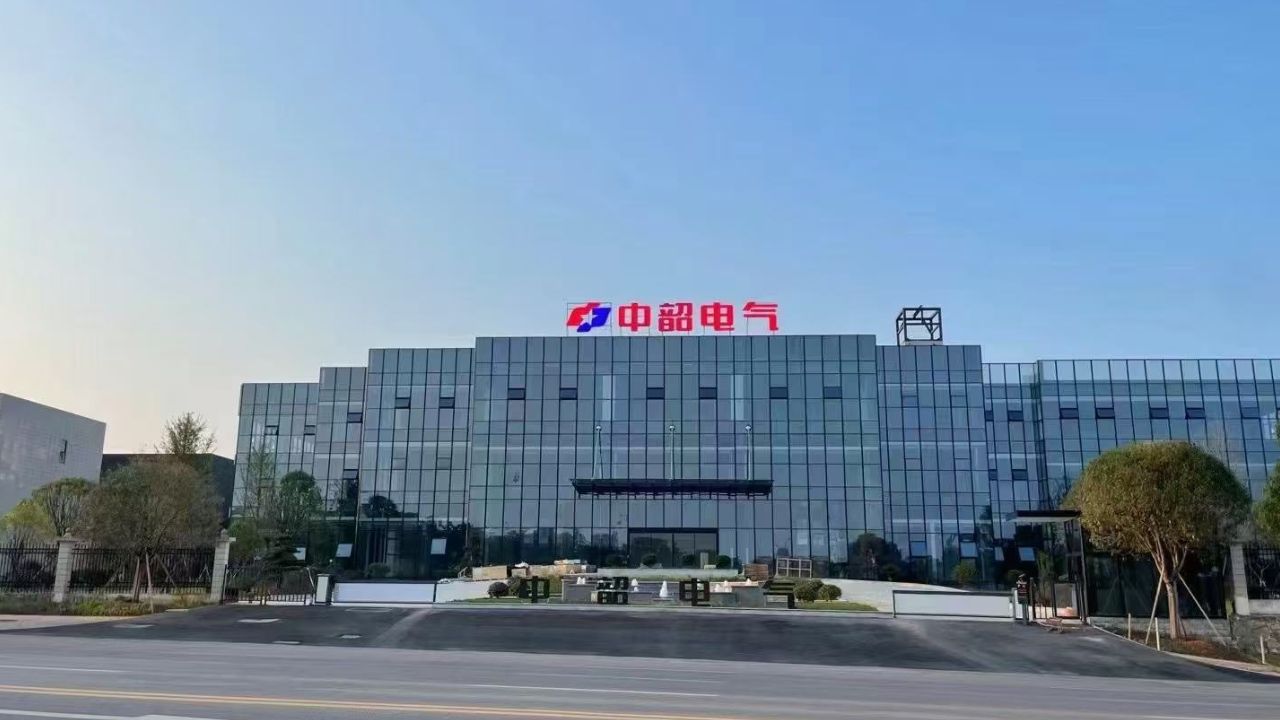
If you are selecting suitable distribution boards, you should find reliable manufacturers to work with. ZHONGSHAO is a leading manufacturer and exporter of electrical equipment in China. Our production facilities span over 200,000 square meters, and our factories hold more than 100 patents in technology, materials, design, and R&D for transformers and electrical equipment. Contact us immediately for a quote.