
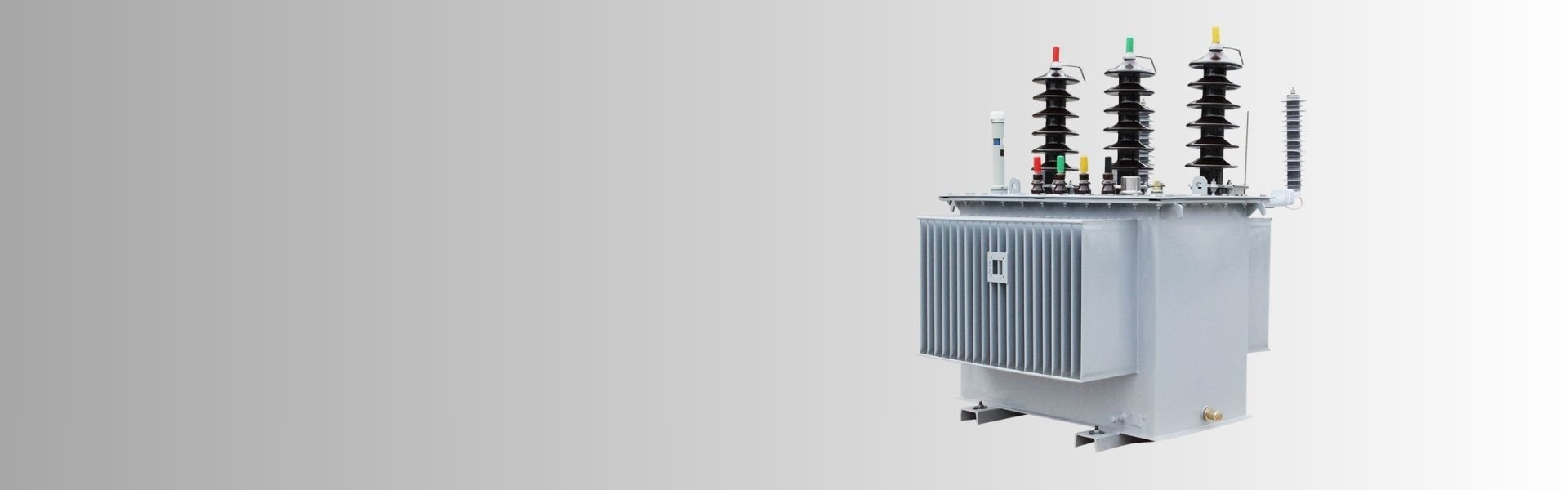
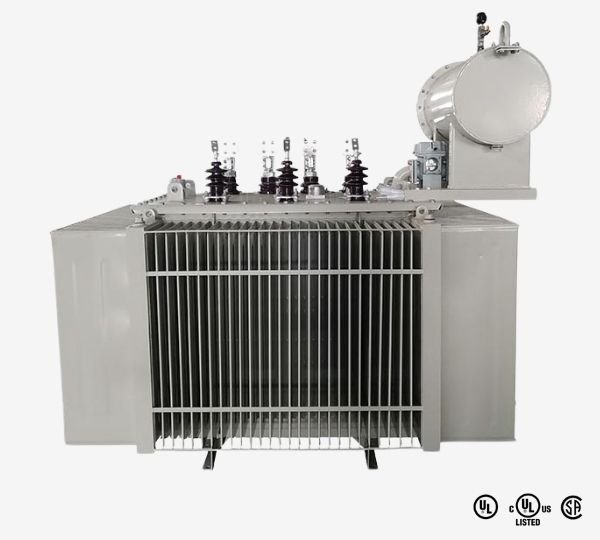
Features of Distribution Transformer
- High energy efficiency, cut electricity expenses
- Solid structure, resistant to impact and heat
- Easy to check and maintain, saving more time
- Long service life, remove heat quickly, low noise
- ZHONGSHAO distribution transformer undergoes a comprehensive inspection, ensuring high performance before delivery
Your Professional Distribution Transformer Manufacturer in China
With over 20 years of industry experience, we can provide professional, customized solutions. Our products have passed many quality certifications, including ISO9001 and ISO45001, ensuring reliable equipment operation. We also have skilled technicians and an after-sales team to provide one-stop service.
Inquire now for the most competitive quote.
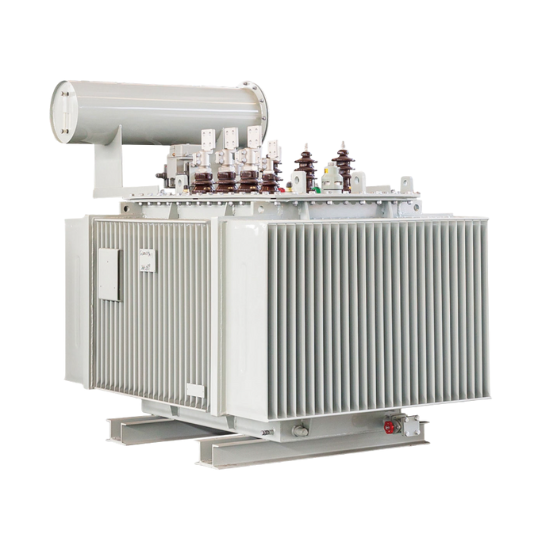
Energy distributor with no delay, has oil immersion and cooling control to ensure decreased explosion incidents.
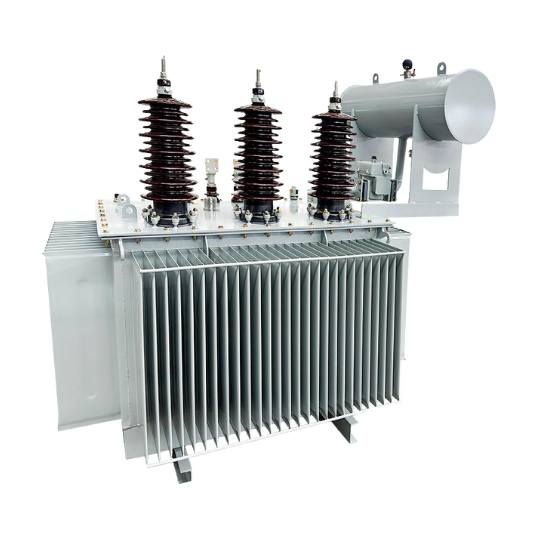
Withstands high voltage and has water-resistance. Has great application for high-voltages power plants.
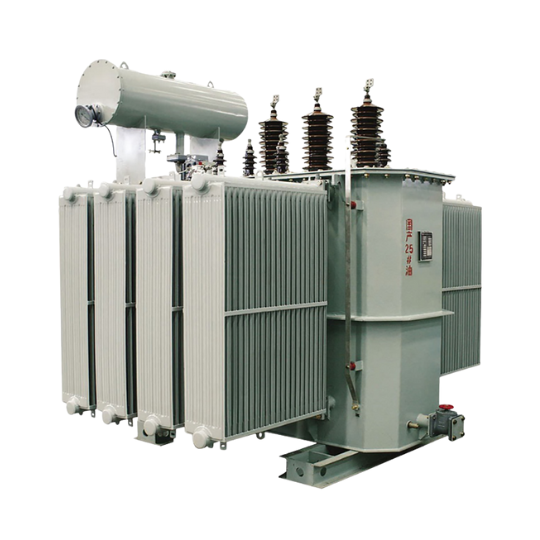
Power transformer with great transmission, can withstand high-voltage and secures safety measures.
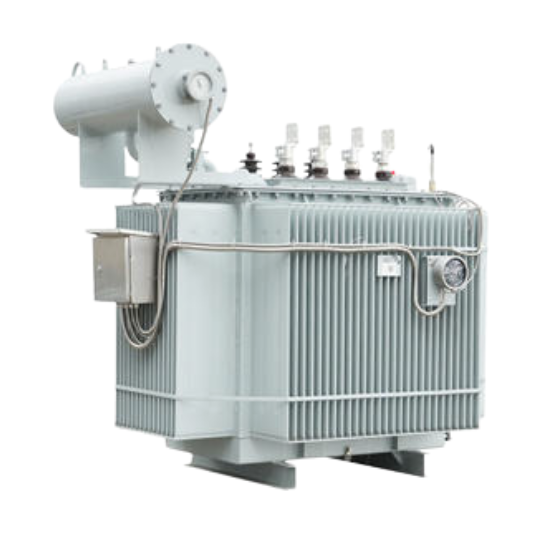
Has great power distribution with wide output voltage depending on your preferable results.
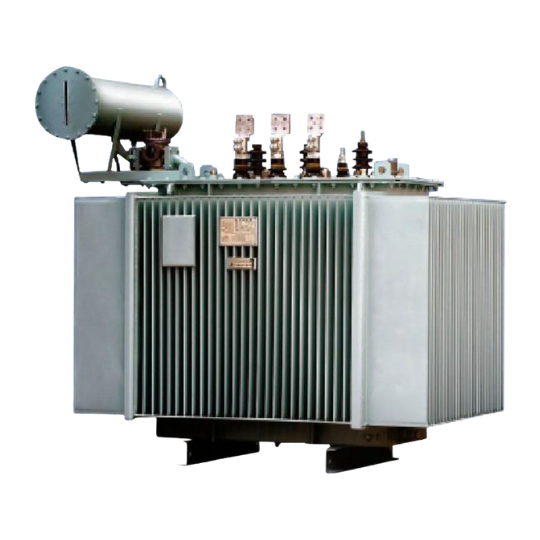
Has great power distribution with no mid interruption as well as various enhanced structures to guarantee and improve safety.
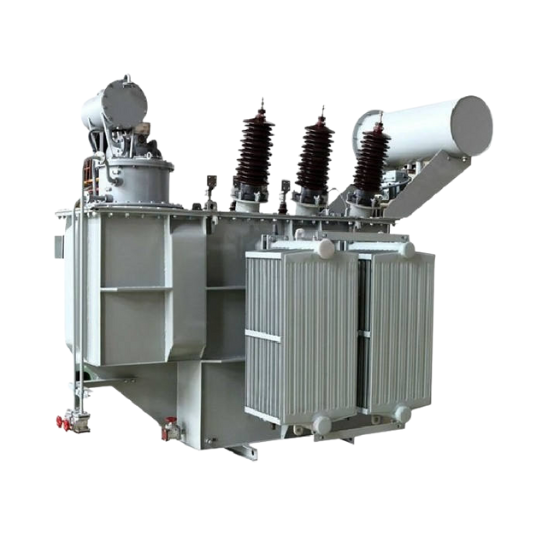
Has great power transfer and energy saving, Can help distribute power without overloading and has built it cooling system.
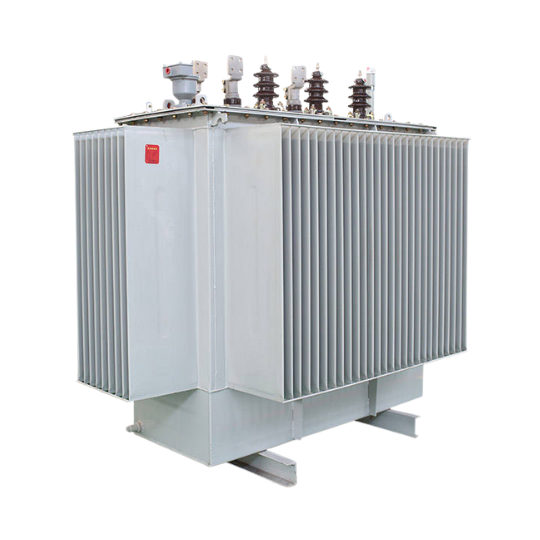
Energy distribution is evened out, has power efficiency and low consumption. Has improved function that decreases any malfunction to occur.
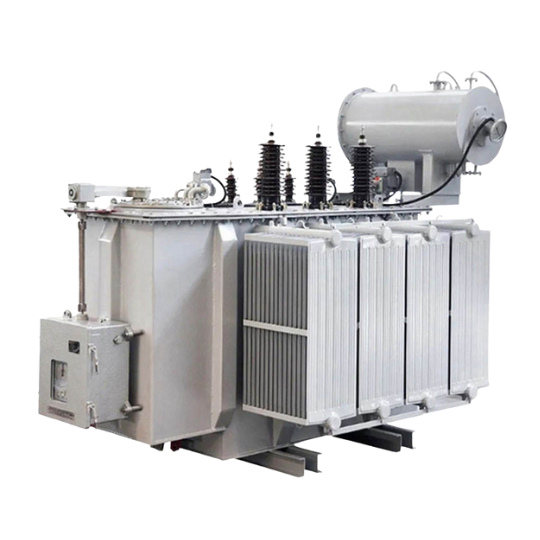
Fully sealed coil with three-phases, manufactured with high-quality material that improved the metal endurance to any impact.
What is a Distribution Transformer
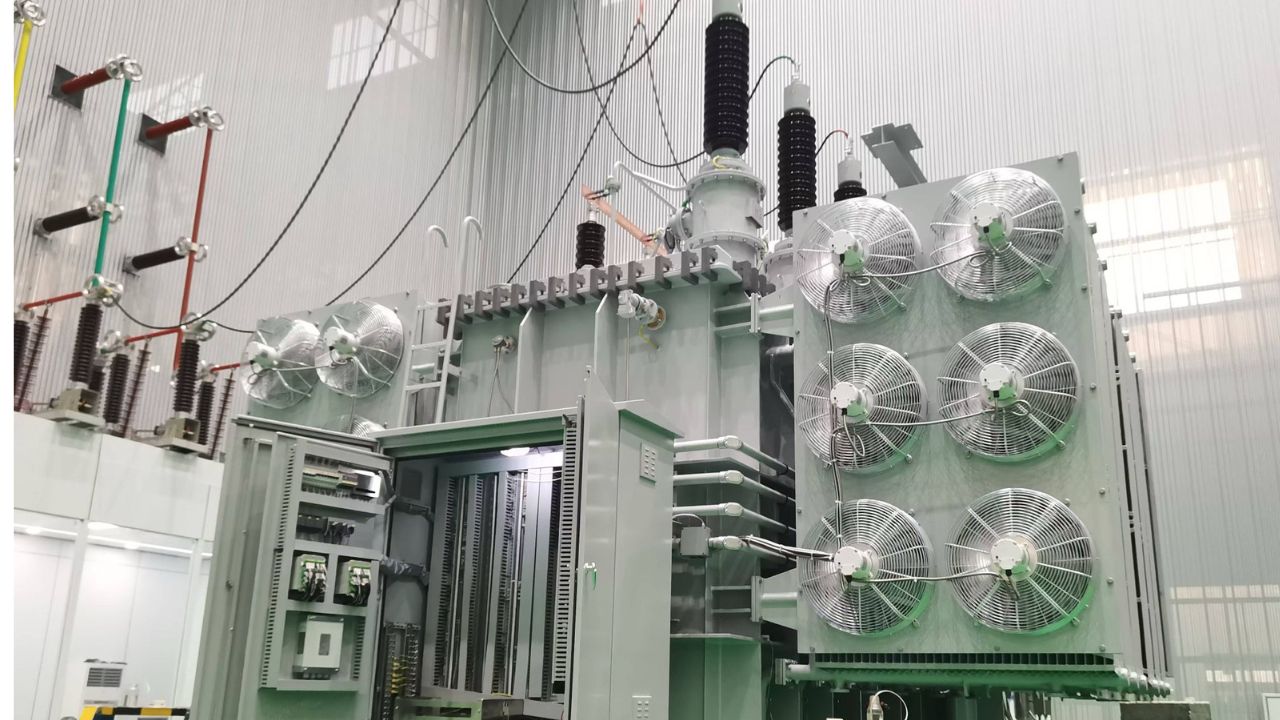
A distribution transformer is a device that reduces voltage to a usable low level for people. It can improve the security of the power supply, reduce your electricity bills, and also make your equipment operate more stably. It is widely used in factories, commercial buildings, communities, and public power grids.
How does a Distribution Transformer Work
It operates on the principle of electromagnetic induction. When current enters the primary winding, it generates magnetic flux in the core, and then induces a lower voltage in the secondary winding, resulting in a safe low-voltage output. The entire process is reliable and efficient, making it suitable for long-term continuous use.
Main Components of Distribution Transformer
Core
The core is usually made of stacked high-quality silicon steel sheets and is used to guide magnetic flux and reduce eddy current losses. The core material and manufacturing process are key in determining the energy efficiency rating of equipment.
A high-quality core can significantly reduce your electricity costs and diminish heat generation during operation. Finally, your machine’s service life will be extended.
Windings
The windings are responsible for energy transfer and are wound with copper or aluminum wires. Copper windings offer better conductivity and lower losses, while aluminum windings deliver better cost-effectiveness and are lighter.
Good windings have higher strength and can withstand the impact of short-circuit currents.
Oil Tank
The oil tank holds transformer oil, serving to dissipate heat, insulate, and protect internal components. Applying a hot-dip galvanized or epoxy coating to its surface can reduce the risk of rusting and easily cope with complex outdoor environments.
Insulation System
It includes insulating paper, insulating pads, and transformer oil. It is key to keep the safe operation of the distribution transformer. Also, it needs to withstand long-term thermal, electrical, and mechanical stresses, thereby reducing your maintenance frequency.
Buchholz Relay
It is used to detect the gas and oil flow conditions inside the distribution transformer and can identify faults in advance, such as inter-turn short circuits, partial discharges, and insulation overheating. It will alarm or trip before the problem expands, and help you reduce downtime and losses.
Silica Gel Breather
Silica gel breathers can absorb moisture from the air, keeping transformer oil and insulation systems dry. When the oil level changes, outside air is drawn into the tank and dehumidified by the silica gel.
Conservator
The conservator is used to compensate for volume changes in transformer oil within the tank due to temperature variations, ensuring stable internal pressure. It also prevents your tank from expanding or drawing in excessive humid air, thus improving the oil’s quality and insulation.
Bushing
Bushings are used to lead out high and low voltage conductors and provide reliable insulation. It is a high-risk component for accidents. High-quality bushings can help you prevent flashover, creepage discharge, and failures caused by rain and fog.
Radiator
Radiators are used to dissipate heat through natural air cooling or oil circulation, keeping your distribution transformer at a reasonable temperature rise under rated load. The radiator’s area, number of fins, material, and oil circulation path determine its heat dissipation efficiency.
Types of Distribution Transformers
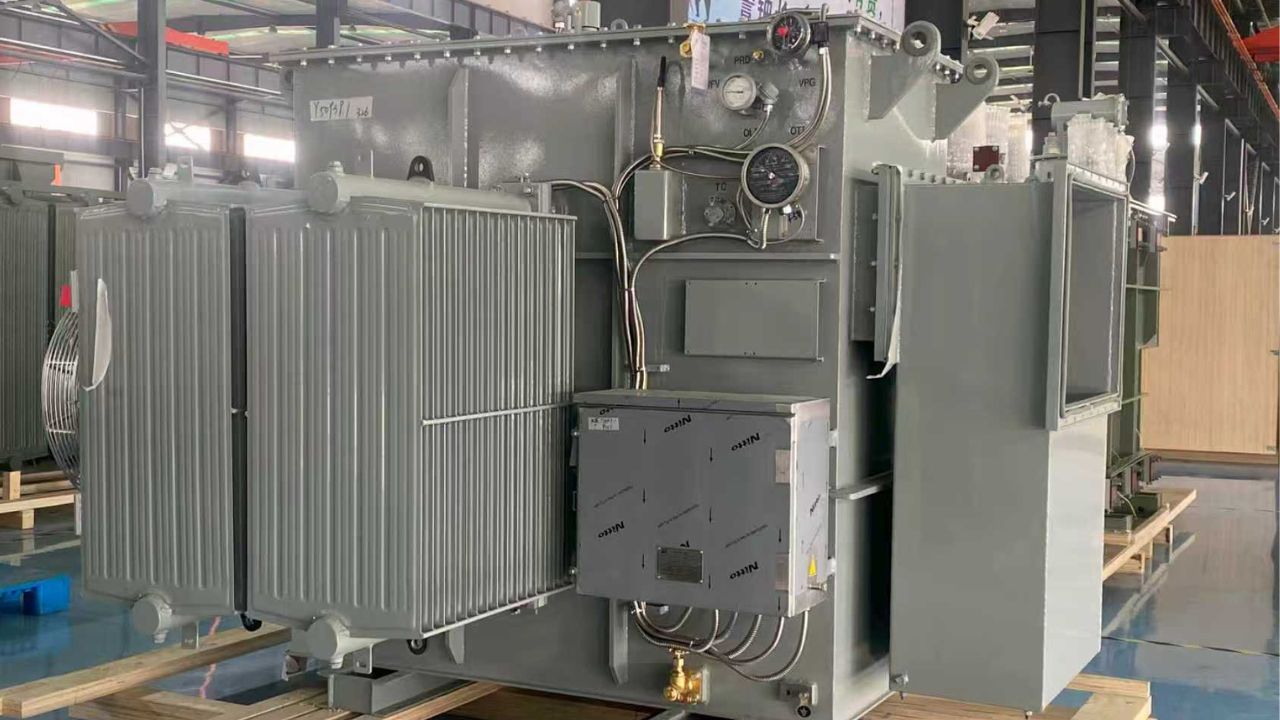
Distribution transformers can be divided into three categories based on installation location, number of phases, and insulation material.
Mounting location
Pole-Mount
Pole-mounted distribution transformers are installed on utility poles at the same height as overhead cables. It has a compact, small structure and light weight.
Its casing has excellent corrosion and water resistance, and can operate reliably in harsh environments such as high and low temperatures, strong winds, and heavy rain. Therefore, it is widely used in rural power grids and mountainous areas.
It offers low installation costs, and you can locate the fault easily. But its capacity is relatively small and not suitable for large commercial users. If your project is distributed, lightly loaded, and located outdoors, it is a cost-effective choice.
Pad-Mount
Pad-mount distribution transformers are located on concrete platforms and connected to underground cables. Their lockable steel casing prevents damage or accidental contact, making them ideal for public areas such as schools, communities, and commercial parks.
Equipped with fixed switches and fuses, it is convenient for you to maintain and safer than pole-mounted transformers. Its neat and aesthetic appearance also matches better with modern constructions. However, it occupies a larger space and costs more than the pole-mounted type.
Phases Number
Single Phase
Single-phase distribution transformers are mainly used in lightly loaded locations such as residential areas and small shops, and are often seen in North America. Simple structure, convenient installation, and lower cost are their typical advantages.
For locations with small load fluctuations and where electrical equipment uses single-phase power, single-phase distribution transformers are suitable. And you only need to spend a little effort maintaining them. However, its power supply capacity is limited and unsuitable for large equipment.
Three Phase
Three-phase distribution transformers have three sets of windings and are suitable for medium to large-sized buildings and factories that require a stable, high power supply.
It offers you higher efficiency and stronger load capacity, effectively reducing energy consumption and voltage fluctuations. The downside is a bit higher price and installation cost, but the resulting stability and capacity advantages make it worthwhile.
Therefore, if your business involves producing high-power machinery, a three-phase distribution transformer is an essential option.
Insulation Material
Liquid-Immersed
Oil-immersed distribution transformers use insulating oil for cooling and isolating heat. It offers high heat dissipation efficiency and strong overload resistance, making it the most popular distribution method. Suitable for outdoor and well-ventilated areas.
It can also provide you with a long service life and lower cost, performing even better in high-capacity applications. However, when using it, you should take care of fire prevention and leakage prevention management, and avoid placing it in narrow, enclosed spaces.
Dry-Type
Dry-type distribution transformers use polymer materials such as epoxy resin as insulation, are oil-free. Thus, it is safer and more environmentally friendly. Commonly used in indoor environments with high fire safety requirements, such as hospitals and office buildings.
Moreover, it is maintenance-free, so you don’t need to worry about oil contamination. However, its heat dissipation capacity is not as good as oil-immersed type, and its performance is limited under high loads or high temperatures. This type is also more expensive.
In short, if your project is located indoors or in a densely populated area, a dry-type distribution transformer is the most compliant and worry-free solution.
Features and Benefits of Distribution Transformer
Low Electric Energy Loss
High-efficiency, low-loss distribution transformers can directly help you reduce long-term operating costs. The savings from long-term use of a low-loss type far exceed the price of the equipment itself.
Our equipment uses optimized core materials, low-loss silicon steel sheets, and high-conductivity windings to keep low-loss operation under both full and light loads. Even in factories operating 24 hours a day, energy consumption can be stably controlled. Furthermore, low loss also brings you less heat generation, less maintenance, and higher reliability.
Reliable and Safe
Distribution transformers have a strong structure, a long lifespan, and a low failure rate, decreasing your downtime risks. Uninterrupted operation means striving for more profit margins.
Besides, it can support overloads exceeding its rated capacity for short periods. Even during peak summer electricity demand or sudden equipment expansion, it delivers stable performance. Moreover, internal protection features effectively handle overheating, voltage spikes, short circuits, and other abnormal conditions, preventing major damage.
Reliable equipment will help you obtain greater continuous operation capability and also save your time and effort.
Easy to Maintain
The simple structure of the distribution transformer makes it easier for you to inspect and clean key components. Regular inspections can keep the equipment in good condition.
Meanwhile, the oil level, oil temperature, and cooling system are intuitively indicated. You only need to invest extremely low employment costs to maintain long-term stable operation.
For small to medium-sized factories with limited personnel, ease of maintenance is the most direct and practical value.
Eco-Friendly
Compared with conventional distribution transformers, the low-noise type can reduce noise by 5 to 10 dB under the same capacity, making your employees more comfortable. It will prevent disturbing residents during night operation, and your project is also more likely to pass the environmental impact assessment.
What’s more, using biodegradable vegetable oil instead of mineral oil makes them safer in case of leaks, reducing the pressure of environmental audits. Choosing this distribution transformer is not just for compliance, also can enhance your brand image and lower operational risks.
Applications of Distribution Transformer
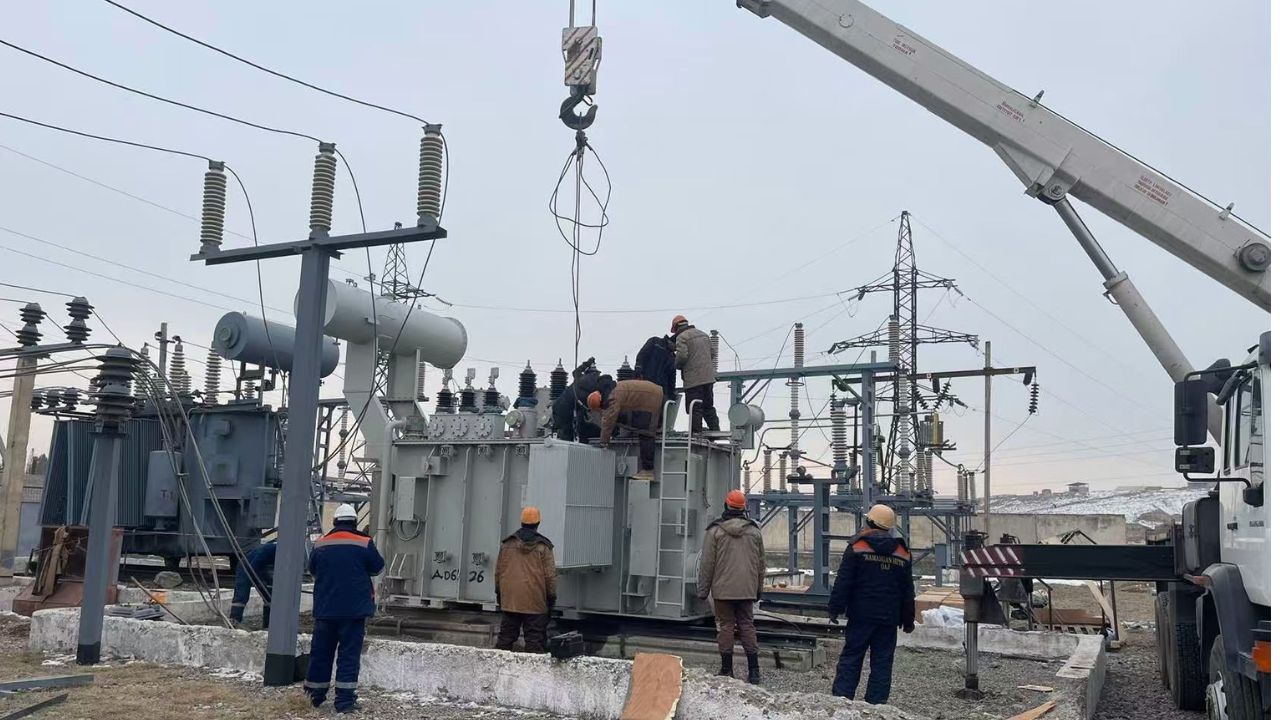
Industrial
Distribution transformers are needed to maintain stable equipment voltage, featuring strong heat dissipation and shock resistance to ensure uninterrupted production. It can improve your motor efficiency, diminishing device faults and preservation costs.
Utility
Any power outage can cause widespread complaints and increased maintenance fees. Distribution transformers work as voltage transformation within the public power grid, decreasing power losses, and increasing stability. Furthermore, our products support full-load operation and possess excellent short-circuit strength.
Residential
Concentrated electricity usage by residents may cause voltage drops. Distribution transformers deliver a stable power supply to the community all day, every day—minimising the number of times you‘ll hear complaints. After corrosion and moisture-proofing treatment, the life of the equipment can be further prolonged, enhancing the project value.
Commercial
Commercial spaces such as shopping malls, office buildings, and hotels have a wide variety of equipment that operates for long periods with frequent voltage fluctuations. Highly reliable distribution transformers can guarantee the smooth operation of lighting, elevators, and other systems. Meanwhile, low-noise design also eliminates disruption to your customers.
How to Select the Right Distribution Transformer
Capacity
It is necessary to assess the actual load conditions and peak demand at the site. And, it is recommended to select a model with a margin of 10%–20% based on the maximum load. This can ensure reliability and help you manage your budget. If the load includes equipment such as motors, welding machines, and frequency converters, or a model with high short-circuit resistance, and better low-loss winding can be selected.
Type Selection
For outdoor use, oil-immersed distribution transformers are a good choice with their superior cooling performance, long lifespan, and affordable price. Dry-type offers superior safety and is suitable for densely populated areas. Pole-mount models are compact and suitable for rural power grids. By contrast, pad-mount distribution transformers are clean in appearance, safe, and commonly located in commercial settings.
Efficiency Grade
The energy consumption of distribution transformers mainly comes from no-load losses and load losses. You can choose high-efficiency models that meet or exceed IEC, DOE, or local energy efficiency standards.
Although high-efficiency models are more expensive, they will save you money in electricity over their lifetime because they use so little power to operate 24 hours a day. At the same time, high efficiency helps decrease heat generation and makes the equipment durable for many years.
Service and Technology Support
You should choose a manufacturer with ISO certification, and ideally, they should be able to provide project case studies. Moreover, selection guidance, equipment commissioning, and after-sales response speed should all be considered.
Power transformers are used in power transmission networks, with high voltage levels, usually above 110kV, and have large capacities. On the other hand, distribution transformers are often used to reduce the high voltage of the power grid to 35kV and below, directly supplying power to factories, businesses, and residents.
Its efficiency is between 97% and 99%, and high-quality energy-saving products can even reach over 99%. The higher the efficiency, the lower the loss. And it can dramatically reduce your electricity bills over the long term.
You need to make periodic checks, including checking oil level, oil temperature, load, voltage, and for leaks in the casing. Insulating oil, radiator surfaces, and bushings all need to be cleaned regularly. Meanwhile, maintaining good ventilation and a clean environment is also important.
The reasons include prolonged overload operation, poor heat dissipation, high ambient temperature, oil aging, blocked air ducts, and poor contact. Additionally, internal winding or core faults can also cause overheating.
You can choose high-grade core materials and tailor the winding structure. For example, a combination of amorphous cores or silicon steel sheets and aluminum windings can reduce losses by about 30%.