
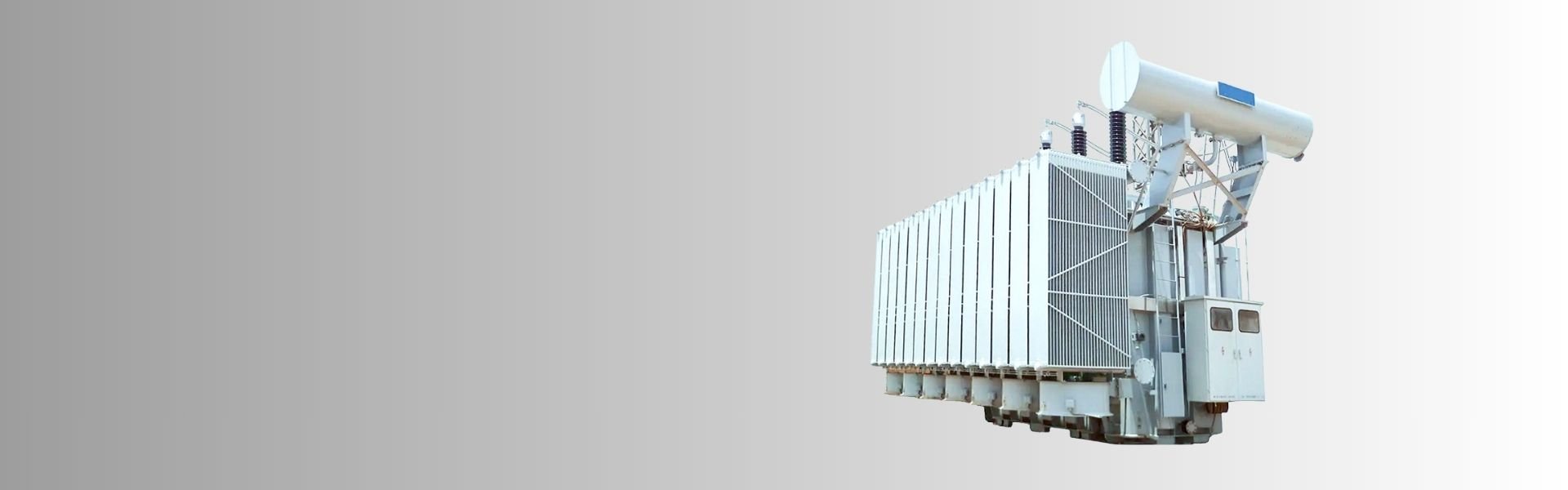
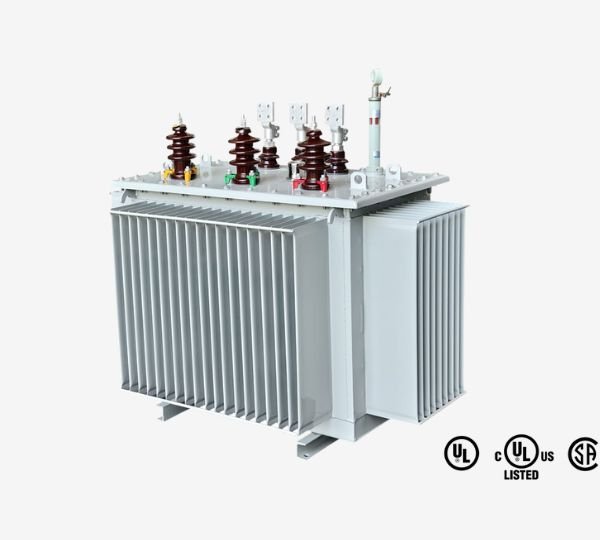
Feature of Power Transformer
- Offer a wide range of voltages, amperages, and wattages, enabling you flexible selection based on specific power requirements.
- Constructed with high-grade insulation materials, and optimized tank and cooling structures, ensuring stable operation under prolonged full-load or heavy-load conditions.
- Certified under multiple quality systems, including ISO 9001 Quality Management System, Environmental Management System, and OHSAS 18000.
- Deliver the standard specification transformers for same-day shipment, ship the custom products and special capacity models strictly according to the contractual schedule.
- Provide transformer installation and commissioning services and complimentary maintenance personnel training, including all necessary accessories, draws, and technical documentation.
Your Reliable Power Transformer Professional Supplier in China
The right power transformer directly impacts the long-term stability and operational costs for your electrical system. Whether you seek energy-efficient dry-type transformers or oil-immersed solutions for high-voltage, high-capacity applications, ZHONGSHAO delivers reliable solutions ranging from standard products to deeply customized options. We could give your power transformers which run safely, efficiently, and economically.
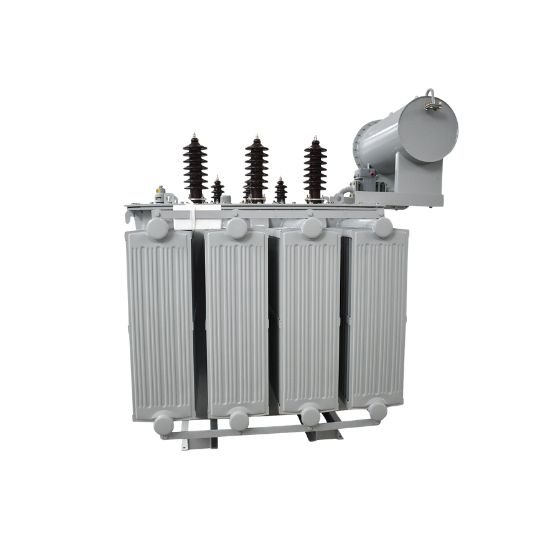
Great power plant application, has application for substation and has great chemical efficiency and control.
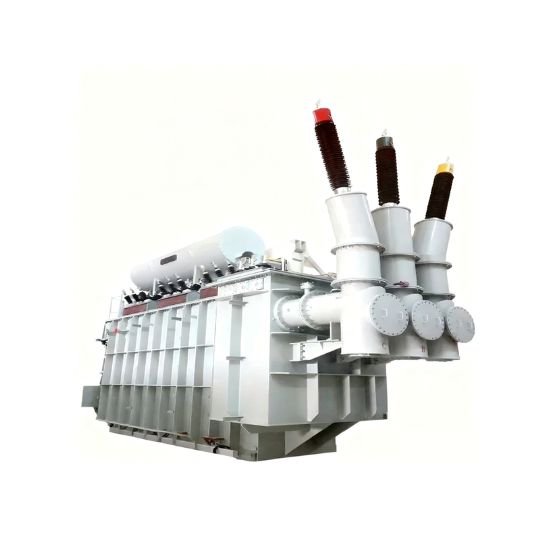
Manufactured with high resistance to short-circuits, versatile voltage input and strong material for water-resistance.
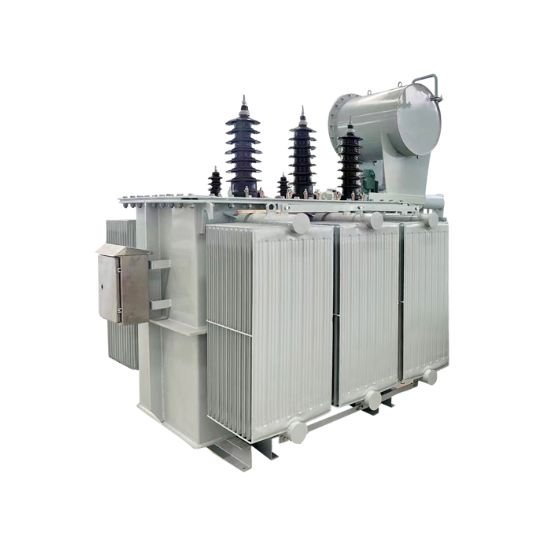
Has versatile energy input with power efficiency enhanced to keep the power plant from overloads
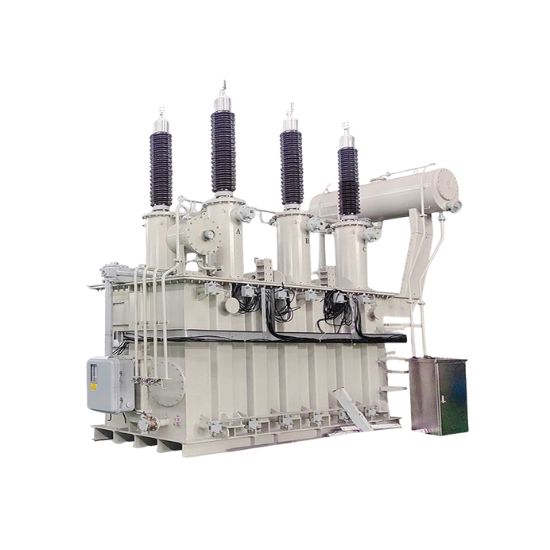
Manufactured to withstand higher voltage without overloading, has great energy efficiency and built to last.
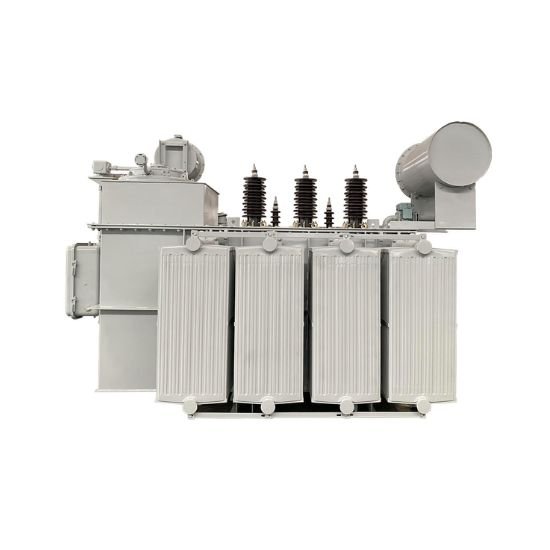
A voltage regulator with great power efficiency and less overload. Manufactured with explosion-proof and water-resistant materials.
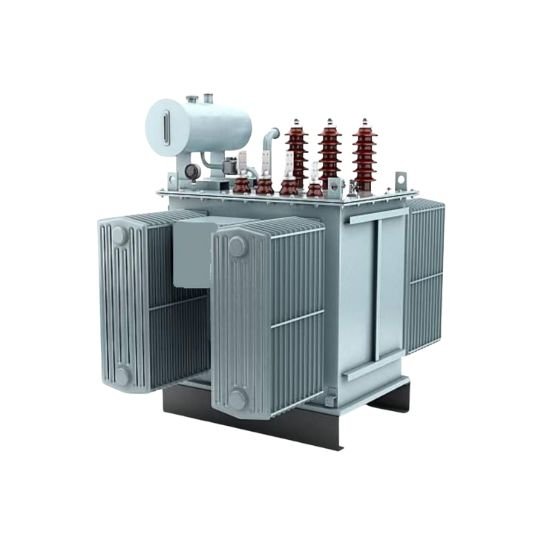
Has great advantage on power efficiency and has been an ideal for Industrial application. Customization of the transformers will include voltage control.
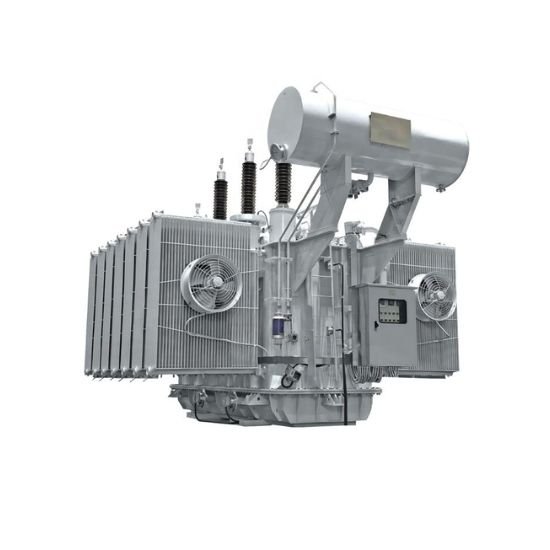
Powered by new energy, has wide of input voltage control, manufactured with oil cooling methods. Has great frequency with low noise.
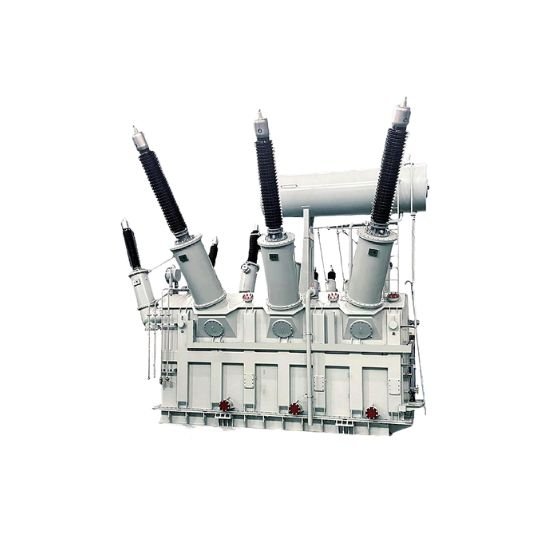
Has powerful cooling control and great power efficiency control. The transformer is anufactured to be durable and has impactful endurance.
What is Power Transformer
A power transformer is a static electrical device used in power transmission and distribution systems, which transmits and transforms electrical energy between different circuits through the principle of electromagnetic induction.
Without requiring any mechanical moving parts, it can provide you with high reliability and low maintenance costs during long-term running. Transformers are typically composed of two or more windings (primary windings and secondary windings), which are all mounted on a unified magnetic core. Through magnetic coupling, the voltage level rises and falls, thereby meeting the power transmission needs of your power grid, distribution in substations, and power consumption in factory areas.
Working Principle of Power Transformer
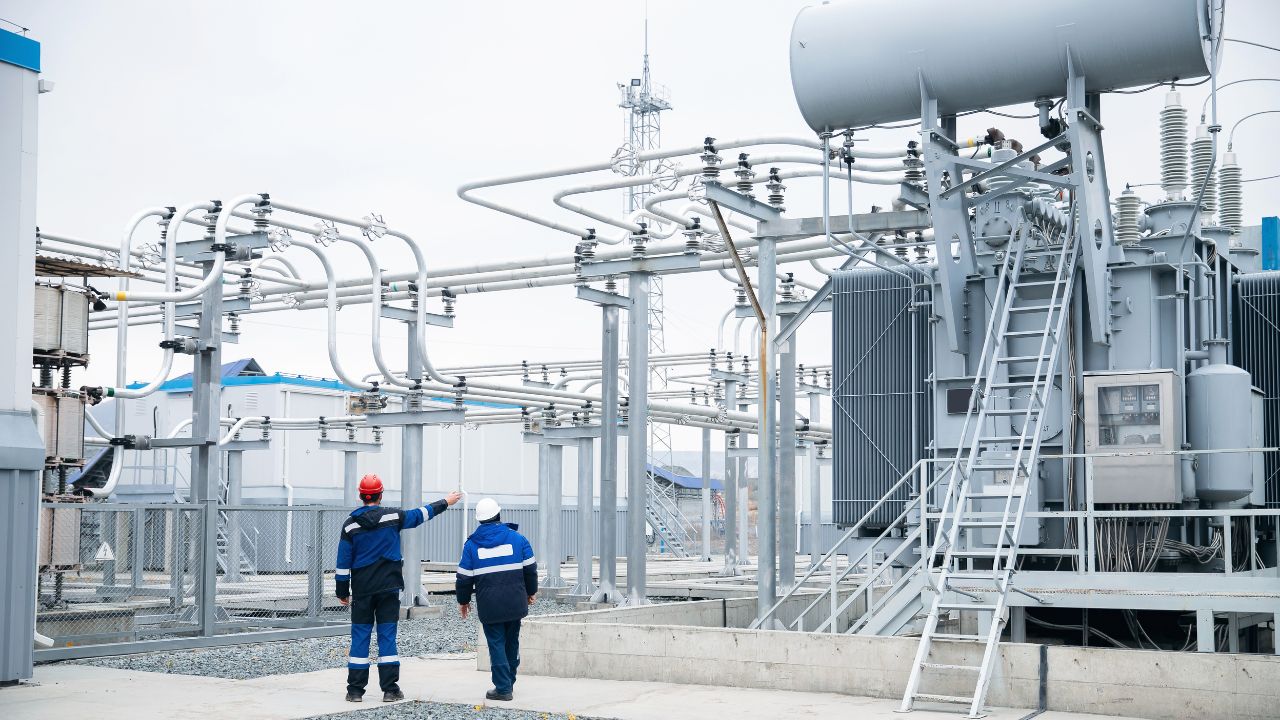
The core working mechanism of power transformers is based on electromagnetic induction. The alternating current in one winding will generate a varying magnetic flux in the core, and this magnetic flux will induce a voltage in the other winding, which enables the transmission of electrical energy from one circuit to another for you.
Establishing a magnetic field: When alternating current is input to the primary winding, the current generates an alternating magnetic field in the iron core. With the periodic change of alternating current voltage, the magnetic flux will also continuously increase and decrease in the iron core.
Closed magnetic circuit: The core material has been optimally designed with high magnetic permeability, which enables the magnetic flux to form a low-loss closed magnetic circuit internally, enhancing energy transmission efficiency and reducing no-load losses.
Induced voltage:According to Faraday’s law of electromagnetic induction, when magnetic flux cuts through the secondary winding coil, the changing magnetic field will generate an electromotive force (EMF) in the secondary winding coil. The magnitude of the induced electromotive force in the secondary coil depends on factors such as the rate of change of magnetic flux, the number of turns in the winding, and other transformer specifications.
You can adjust the turns ratio of the primary and secondary windings to make the transformer achieve voltage increase or decrease, which helps your system meet different distribution and transmission requirements.
Voltage conversion: The power transformer completes voltage conversion without changing electrical energy’s frequency. This can achieve loss-reducing operation in long-distance power transmission. It can also provide a stable power supply voltage for your factory buildings, high-voltage equipment or production lines.
Types of Power Transformers
Dry Power Transformer
The dry-type transformers’ core and windings are not immersed in insulating oil but use air or gas as the cooling medium. Windings are usually cast or impregnated with epoxy resin to enhance your machines’ overall insulation grade. Its oil-free design reduces environmental pollution and fire risks. Moreover, as there is no need to replace or test insulating oil, the daily operation and maintenance workload is significantly lower than that of oil-immersed products.
Meanwhile, the dry equipment’s operating noise can be stably controlled below 65 dB, which is more suitable for hospitals, commercial centers, office buildings or industrial scenarios sensitive to noise.
Oil-immersed Power Transformer
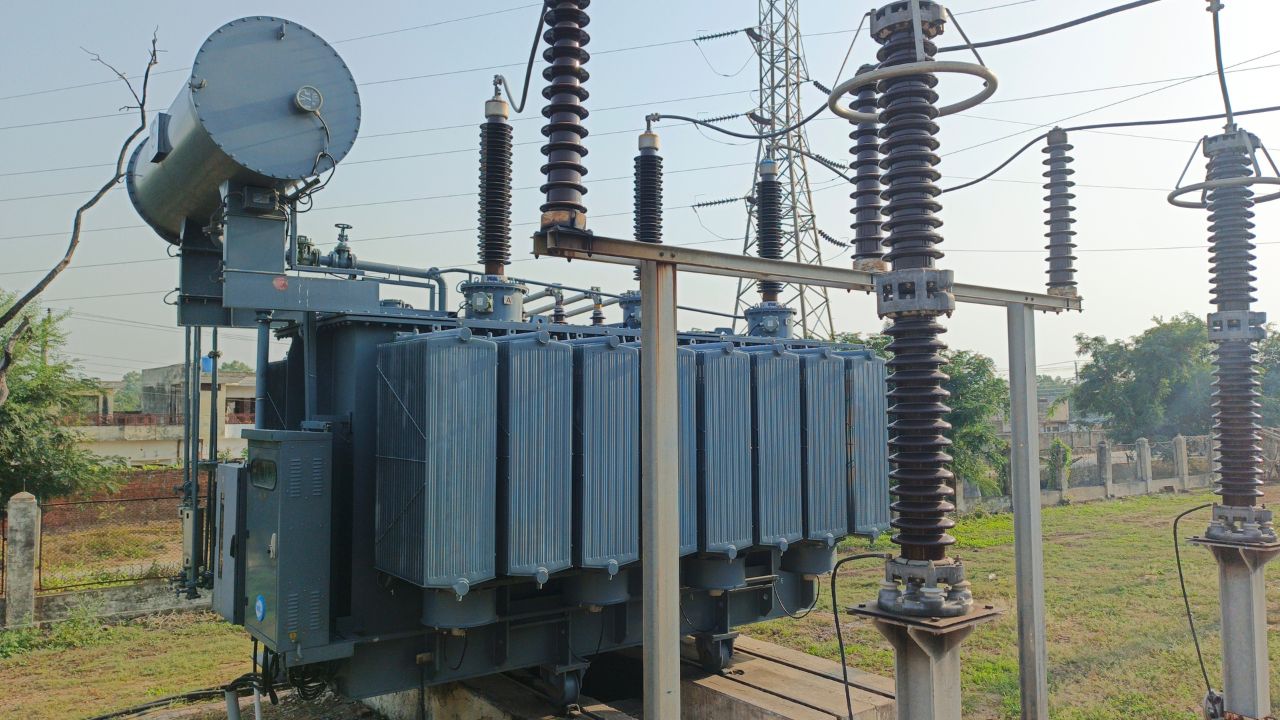
The core and windings of an oil-immersed transformer are immersed in insulating oil, which serves both cooling and insulation functions. Commonly used oils include mineral oil and synthetic oil. Its oil circulation and radiator design can effectively boost the cooling efficiency and is suitable for large-capacity scenarios. At the same time, the oil-paper insulation structure is mature and reliable, and it has a strong ability to withstand lightning strikes and operational overvoltage. However, it also requires higher maintenance.
If you want power plant voltage boosting, long-distance transmission or high-capacity continuous operation, oil-immersed transformers are usually a more cost-effective choice.
Double-winding Power Transformer
A double-winding transformer consists of a primary winding and a secondary winding. It is the most commonly used form of voltage conversion equipment which meets most conventional voltage rise and fall requirements. Its structure is relatively simple so that it is easy to design and manufacture and also effectively reduces your no-load and load losses. Compared with three-winding transformers of the same capacity, the overall manufacturing cost is usually 10% to 15% lower.
Meanwhile, the windings do not interfere with each other. So your maintenance work can be carried out independently, which is conducive to reducing downtime and improving maintainability and operational reliability.
Three-winding Power Transformer
This three-winding transformer is made of one primary winding and two independent secondary windings and it is able to output two different voltage levels at the same time. This could provide you with higher load adaptation capacity for complex distribution structures. Compared with using two independent double-winding transformers, the three-winding structure can reduce the investment cost by 20% to 30%, significantly lower the floor space and the number of auxiliary equipment, and is conducive to optimizing the layout of the substation.
When your system needs to supply loads of different voltage levels simultaneously or achieve multi-path power distribution through a single device, a three-winding structure can enhance your overall economy and engineering efficiency.
Parts of Power Transformer
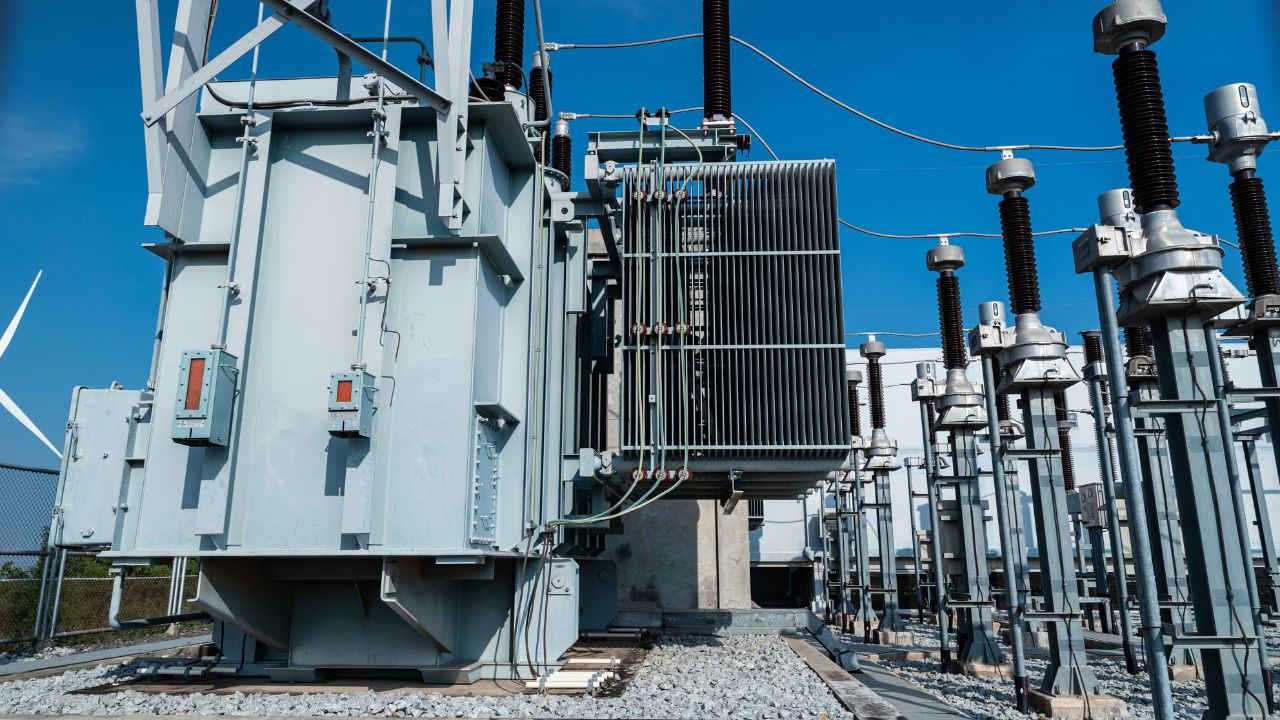
Windings
The transformers’ windings are made of highly conductive copper or aluminum and closely wound around an iron core to achieve the transmission of electromagnetic energy. It is mainly divided into the primary winding (receiving the input voltage) and the secondary winding (outputting the voltage after boost or step-down).
In industry, copper windings are more common because their electrical conductivity is much higher than that of aluminum, which can deliver you the higher current-carrying capacity and reduce load loss. And copper shows excellence in ductility to enable the windings to be processed into a more compact windings structure which reduces your material usage and improves space utilization.
The common structures include core-type and shell-type.
Core-type structure: The windings surround the legs of the magnetic Core. In the shell design, the magnetic core surrounds and passes through the winding.
Shell-Type structure: The magnetic core encloses the windings, and the short-circuit resistance is enhanced through a dual-channel magnetic flux structure.
Magnetic Core
The core is used to guide and concentrate magnetic flux and is a key component for controlling the efficiency and loss of transformers. The core is usually made by stacking cold-rolled silicon steel sheets with high magnetic permeability and low loss, each sheet being only 0.27 to 0.35mm thick. The core and the windings work closely together, and achieves energy transfer between the primary and secondary stages through changes in magnetic flux.
The cores’ size is closely related to voltage, current and frequency. Generally speaking, the larger the cross-section of the core, the lower the copper loss, but the iron loss may increase. So it is necessary to optimize the design based on your actual load characteristics.
Insulation Materials
Insulating materials such as insulating paper, cardboard, which can isolate the primary and secondary windings and separate the windings from the core. The insulation system determines the electrical strength of the transformer and also directly affects its service life at the same time.
If you need a high-voltage level transformer, your machines’ insulating material must have high dielectric strength, heat resistance and anti-aging performance to ensure long-term stable operation.
Transformer Liquid
Except for providing insulation, transformer fluid can also cool the core and windings. Oil-immersed transformers typically adopt mineral oil or synthetic oil and achieve internal circulation for heat dissipation through oil channels. And its fuel tank design is coordinated with the oil passage, radiator or strong oil circulation system to meet your needs for long-term full-load or heavy-load operation.
Meanwhile, it is worth noting that water or contaminants in the oil will cause significantly decreased dielectric strength and increase the breakdown risk. So oil quality monitoring and purification are of vital importance.
Conservator Tank
The oil storage tank is used to compensate for the volume expansion or contraction caused by changes in oil temperature and is an important structure for maintaining the pressure stability inside the oil tank. By connecting to the breather, the oil storage tank can also ensure that the air entering the system remains dry, reducing the risk of insulation aging.
Bushings
Bushings are insulating terminals that allow current to safely enter or leave the interior of your power transformer. Especially high-voltage bushings, bushings can withstand extremely high voltages and ensure the complete sealing of the insulating medium.
Control System
You can use the control and monitoring system to monitor multiple key operating parameters in real time, including oil level, oil temperature, winding temperature, box pressure and load condition.
Tap Changer
In cases of load variations, the output voltage may drop or rise, and tap changers can help you balance voltage fluctuations by adjusting the turns ratio of transformers to meet system requirements.
De-energizer tap changer (DETC): it has a relatively simple structure and requires adjusting the tap position when the power transformer is off. It is suitable for scenarios where voltage changes infrequently and features low cost and high reliability.
Load tap changer (OLTC):OLTC can change the tap position in real time when the transformer is operating under load, achieving continuous voltage regulation. So its structure is more complex and is usually applied in power grids and industrial systems where higher voltage stability is required and load fluctuations are more obvious.
Auxiliary System
Breather: The air respirator absorbs moisture in the air through silica gel to ensure the air is dry. If the air entering the fuel tank contains a lot of moisture, causing the paper insulation to become damp, it may lead your equipment to internal malfunctions.
Oil Conservator: The oil conservator can provide a buffer space for the expansion and contraction of oil volume caused by changes in environmental temperature to achieve the stable internal pressure for your oil-immersed transformers.
Drain valve: The drain valve is usually installed at the bottom of the oil tank and is used for draining oil and replacing insulating oil. You can quickly complete oil quality maintenance work through this valve.
Protective Device
Load Break Switch(LBOR switch) : The load disconnection switch enables on-site personnel to safely isolate the transformer while it is under load, making your maintenance or emergency isolation operations more convenient and easy.
Fuse: When your power transformer encounters a short circuit or abnormal current, the fuse automatically melts and quickly cuts off the circuit. This could prevent the fault from expanding, and protecting downstream equipment.
Beckholtz Relay: The Beckholtz relay is installed between the main oil tank and the oil storage cabinet. This mainly detects the gas generated by internal faults of the transformer such as short circuits, inter-turn short circuits, and so on. It operates sensitively and helps you take timely measures in the early stage of faults and avoid serious damage.
Explosion Vent: When a serious internal fault occurs in the power transformer or the pressure rises sharply, the explosion pressure relief port will quickly release the excessive pressure to prevent the oil tank from cracking or exploding, ensuring the safety of personnel and equipment. Its installation height is usually higher than the liquid level of the oil storage tank to ensure the unobstructed pressure relief path.
Advantages of Power Transformer
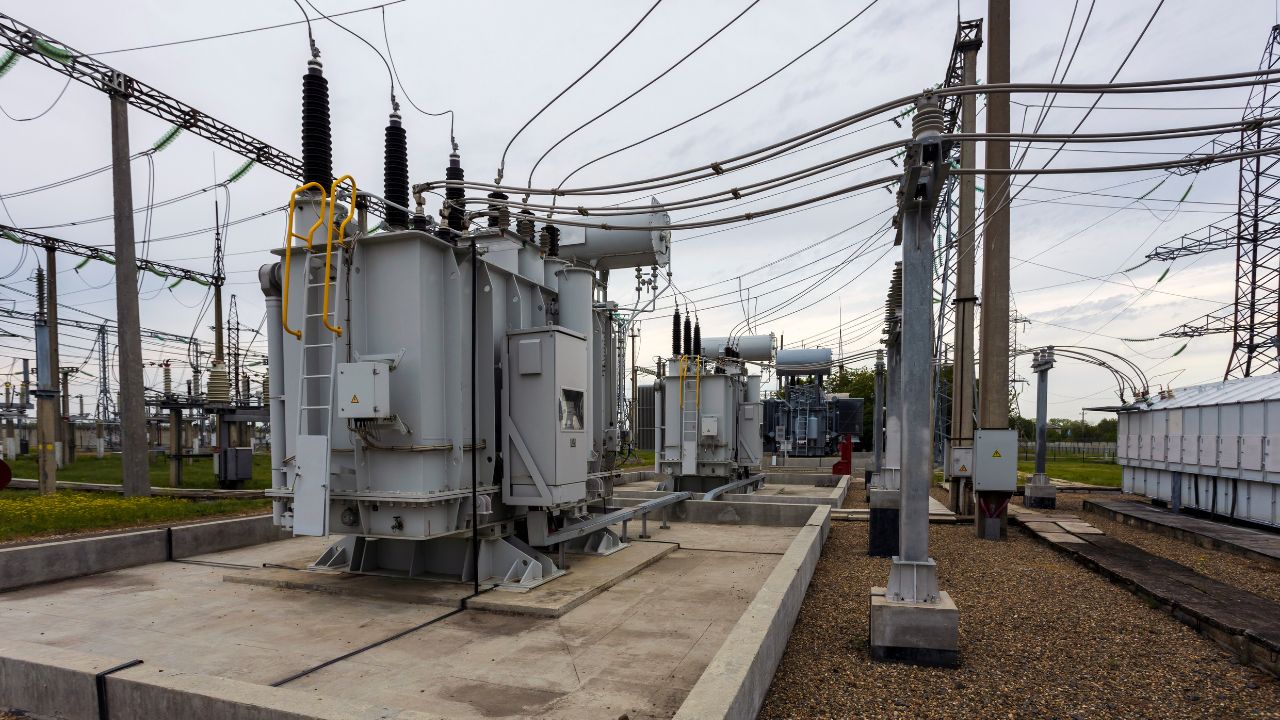
Stable Voltage Output
Power transformers can maintain a stable voltage level under conditions of load fluctuations or changes in power supply conditions, ensuring your power system operation is not affected by voltage deviations or instantaneous surges. Through reasonable voltage regulation design, transformers can provide sustainable and predictable power supply for your critical equipment.
High Transmission Efficiency
Power transformers adopt optimized core materials, improved winding structures and low-loss magnetic steel designs to offer you higher energy efficiency levels. By rationally converting current and voltage, transformers can effectively reduce energy loss in transmission lines to increase the overall power systems’ transmission efficiency.
Safe And Reliable
Power transformers integrate multiple protection mechanisms in their design, including temperature rise control, short-circuit withstand capacity, insulation systems, lightning protection, and tap changer protection, and so on. This could ensure long-term stable operation. And it can effectively isolate different sections of the power grid as well, which avoid occurring faults, voltage disturbances and harmonics from spreading in the system to decrease your associated damage risk.
Technical Specifications of Power Transformer
| Type | Power Transformer | Standrad | IEEE/ANSI/DOE2016/IEC |
| Output Voltage | 110KV-750KV | Certification | ISO9001, OHSAS18000 |
| Rated Capacity | 100 kVA – 250 MVA | Material | Copper or Aluminium |
| Operating Temperature | -25 ~ 40℃ | Inspection And Test | Provided |
| Cooling Method | Customizable | Warranty | 2 Years |
How to Choose the Power Transformer
Target Voltage and Capacity
Before selecting the model, you should first clear the need for voltage level and capacity, as this will directly determine the structural form, heat dissipation solution and overall cost of the transformer.
You need to select the appropriate rated voltage and tap range based on the primary grid voltage and the secondary load voltage. For scenarios with significant voltage fluctuations or those requiring precise voltage control, it is also advisable to consider configuring load tap changers (OLTC).
In terms of capacity, it is recommended to evaluate based on your maximum operating load, future expansion space and load characteristics, and reserve a capacity margin of 10-20% for the equipment, so as to avoid accelerated equipment aging or shortened service life due to long-term high-load operation.
Installation Environment
The actual installation environment is an important factor in determining the structural form, protection grade and insulation design of the transformer. Mismatched environmental conditions will directly affect the reliability of equipment operation.
For example, if your power transformer is applied in a chemical plant, coastal area or high-humidity environment, you must take anti-corrosion coating, stainless steel casing or special insulating materials for machines.
Cost
When purchasing power transformers, apart from the equipment price, you should also comprehensively consider long-term factors such as energy consumption, maintenance costs and service life.
Oil-immersed transformers usually have a higher cost-performance ratio in terms of capacity and are suitable for scenarios that require high power and continuous operation. While dry-type transformers have more advantages in terms of long-term usage costs.
Our power transformers are suitable for applications including power transmission and distribution systems, industrial power use, data centers, metallurgical enterprises, petrochemical plants, mining power stations, photovoltaic/wind power grid-connected systems, and large manufacturing plants.
If your project involves shock loads, electric furnace loads, or high harmonic conditions, we can deliver equipment that operates reliably by reinforcing the winding structure, optimizing the magnetic circuit, and enhancing short-circuit withstand capability.
We provide capacities ranging from 100 kVA to 250 MVA, with voltage levels covering common specifications including 6 kV, 10 kV, 20 kV, 35 kV, 66 kV, 110 kV, 132 kV, and 220 kV.
Under proper installation and maintenance conditions, oil-immersed transformers typically have a lifespan of 10 – 20 years.