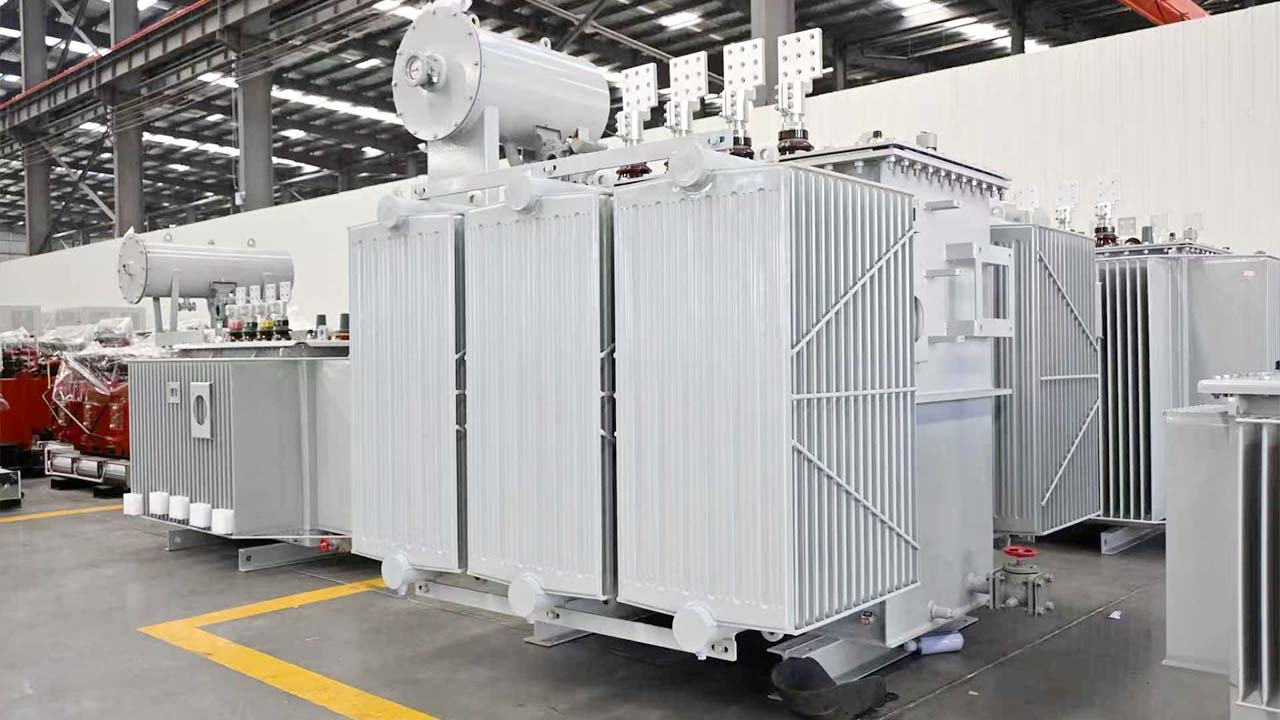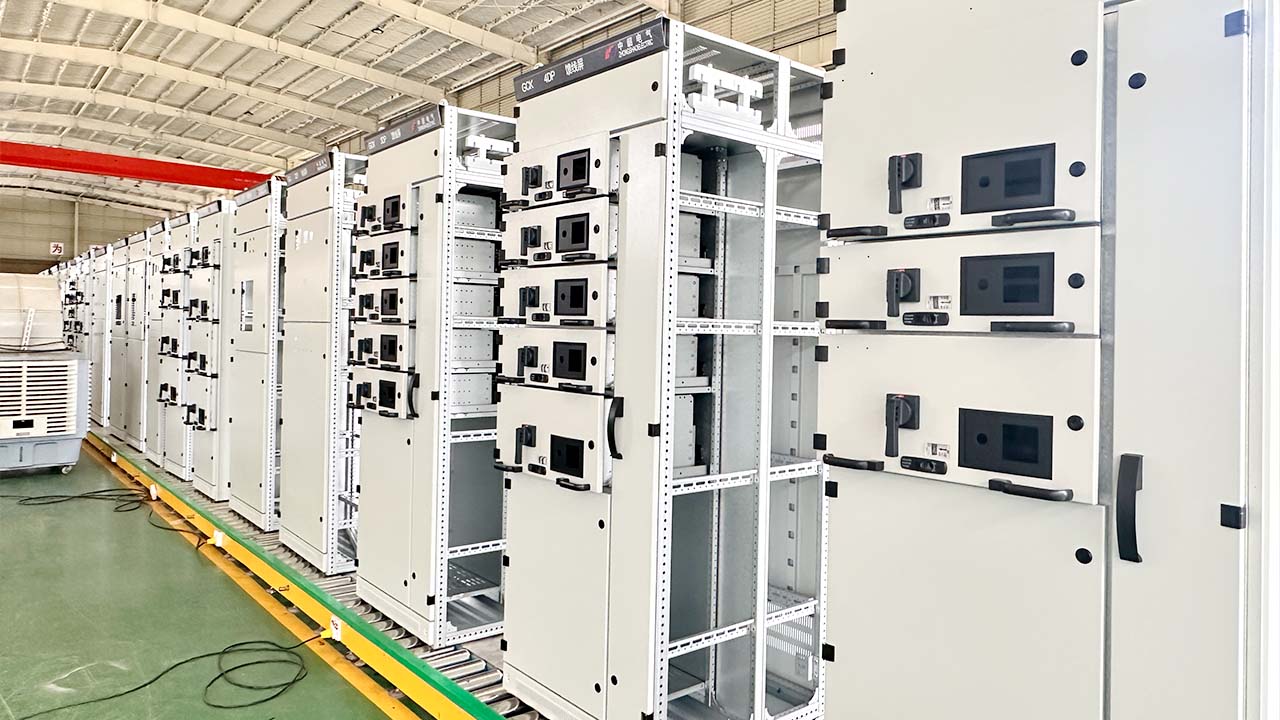
Transformers are key equipment in power systems for managing transmission and distribution, serving to elevate or reduce voltage levels. Different types of transformers possess different performance and features. Are you seeking the appropriate transformer for your electrical system and finding it difficult to choose between dry type and oil filled transformers? This article will offer a detailed introduction to their differences.
What are Dry Type and Oil Filled Transformers?
Dry type and oil filled transformers are categorized according to their distinct cooling methods. Both serve as important equipment within power systems, fulfilling the function of voltage transformation. You can utilize them to enhance the efficiency of long-distance power transmission, and also ensure stability and safety in power distribution and consumer usage. However, they differ in terms of performance, structure, and characteristics.
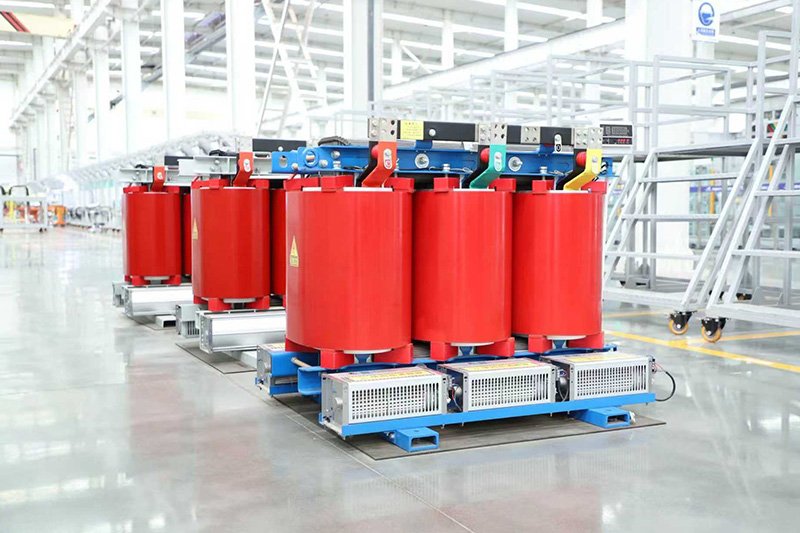
- Dry Type Transformers: Dry type transformers utilise ambient air for cooling and employ solid materials such as epoxy resin as insulation.
- Oil Filled Transformers: Oil filled transformers utilise insulating oil as the cooling medium. Inside the transformer, the oil completely encapsulates the windings and core for efficient heat dissipation. Furthermore, the oil serves a dual purpose by providing insulation whilst cooling.
Dry Type Transformer VS Oil Filled Transformer: Components and Structures
Components of Dry Type Transformer
Core
The core of a dry type transformer consists of laminated sheets, typically manufactured from insulating steel. Its primary function is to introduce a magnetic field and facilitate voltage transformation. Its laminated design minimizes heat generation and energy loss,, thereby delivering enhanced voltage conversion efficiency for you.
Primary and Secondary Windings
In dry type transformers, the primary and secondary windings are wound onto the iron core. The primary winding receives the input electrical energy, while the secondary winding outputs electrical energy at different voltages as required. Both windings undergo insulation treatment and employ various connection configurations, such as delta or star. You may select the appropriate number of turns and wiring configuration according to your need.
Cooling System
During operation, transformers generate heat, which accumulates within the equipment. Overheating not only compromises transformer performance but may also trigger faults within the power system. The cooling system dissipates heat promptly, improving work efficiency and extending the service life of your transformer. Dry type transformers utilize ambient air for cooling and typically employ fans to facilitate heat exchange between the surrounding air and the heat source.
Voltage Regulator
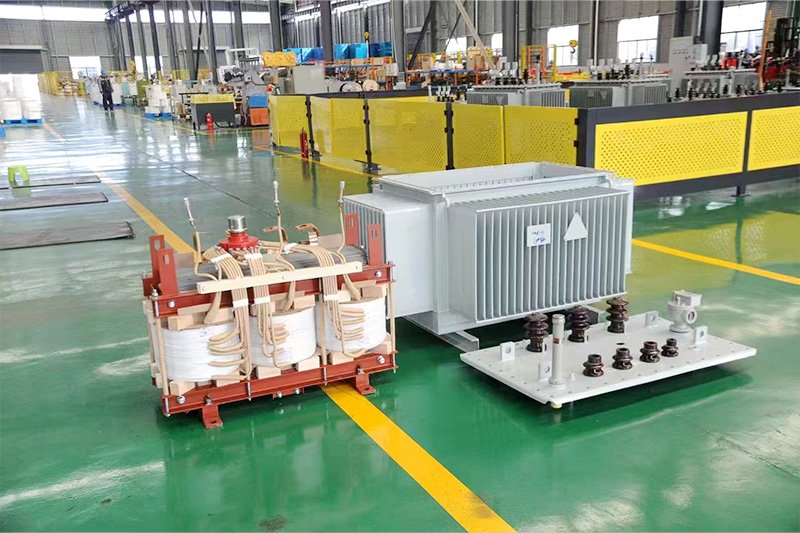
As different electrical installations utilize varying voltage levels, the voltage regulator is responsible for adjusting the output voltage of transformers. You may adjust it based on your usage requirements to ensure a stable power supply, thereby creating a safe electrical environment for you.
Enclosure
The transformer casing is manufactured from high-strength materials, providing exceptional mechanical strength for internal components. It offers high durability and weather resistance, effectively shielding avoid interference from the external environment such as dust and moisture, meeting your different requirements.
Solid Insulating Materials
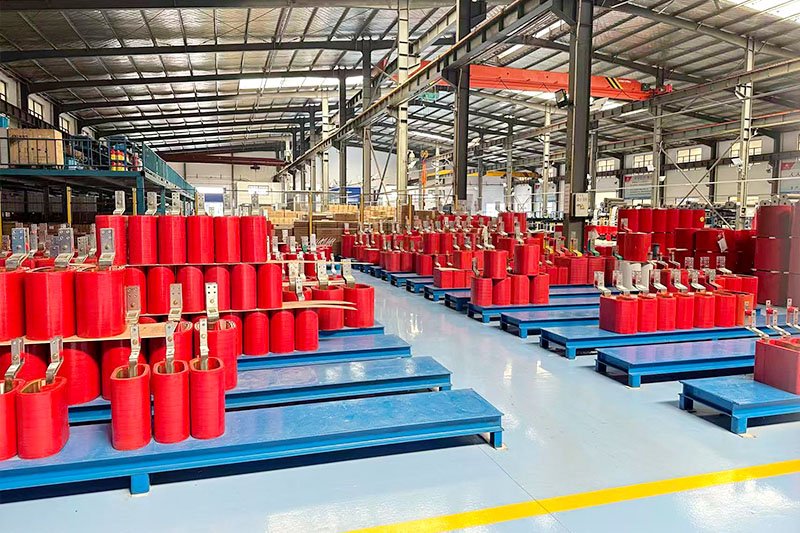
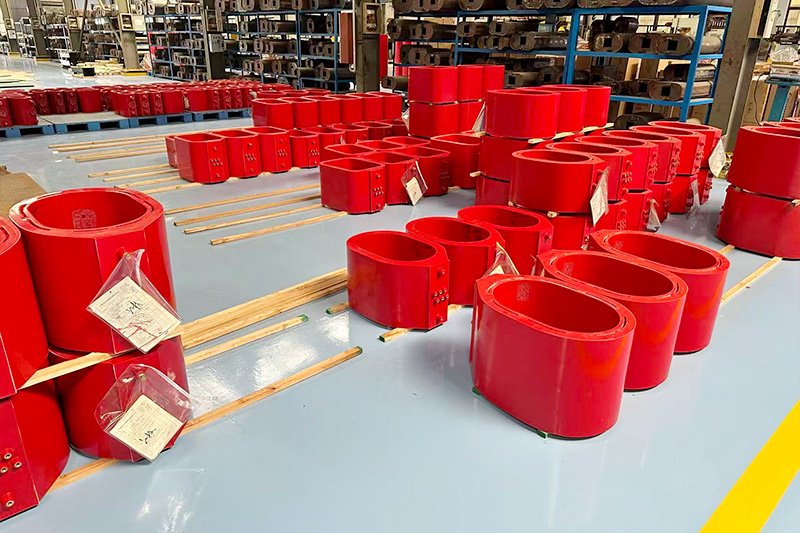
The windings, core, and other components within dry type transformers are manufactured using insulating materials. Furthermore, to protect the windings and core from short-circuit effects, dry type transformers employ solid materials such as polyester resin and epoxy resin as insulating materials, thereby enhancing the safety of power distribution and transmission.
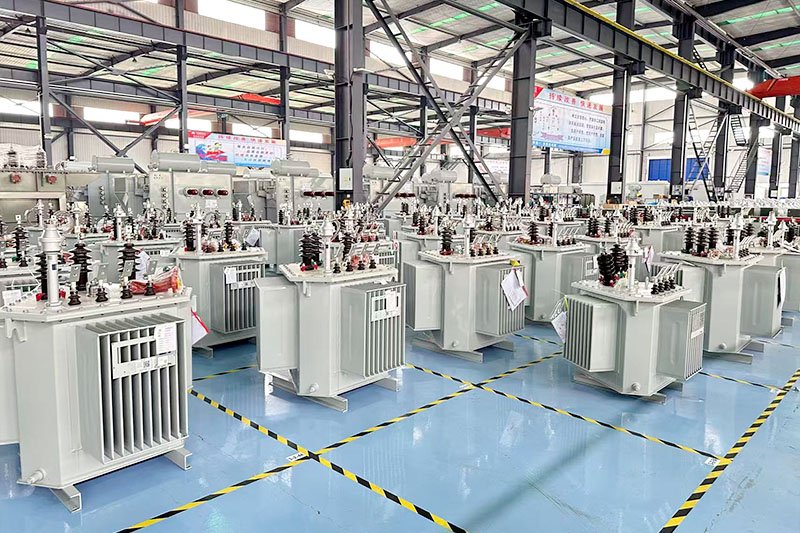
Components of Oil Filled Transformer
Oil-immersed transformers similarly comprise a core, primary and secondary windings, a voltage regulator, and a casing. However, their cooling system and insulating materials differ from those of dry type transformers, necessitating components such as transformer oil, oil tanks, and breather valves, whilst dispensing with the need for fans.
Transformer oil
Liquid insulating oil, which serves both cooling and insulating functions, replaces solid insulating materials and air in oil filled transformers. Enveloping the entire core and windings, it provides exceptional electrical insulation and arc-quenching properties while rapidly absorbing and dissipating generated heat. Its insulating characteristics also effectively avoid oxidation reactions and moisture ingress, thereby extending the operational lifespan of oil-immersed transformers.
Oil Tank and Oil Expansion Tank
The oil tank stores insulating oil, ensuring complete immersion of the core and windings. The oil expansion tank provides space for oil expansion, maintaining stable oil pressure to safeguard the insulating effectiveness of the core and windings.
Dehumidifier
Dehumidifiers are employed to remove moisture from the oil within oil-immersed transformers, thereby preventing adverse effects of dampness on the oil and electrical components within the system and averting malfunctions.
Buchholz Relay
The Buchholz relay continuously monitors oil pressure conditions within oil-immersed transformers, detecting faults through the presence of bubbles. Should any anomaly be detected, it immediately alerts you and responds, thereby preventing serious risks.
Dry Type Transformer VS Oil Filled Transformer: Cooling Efficiency and Voltage Capacity
Cooling Efficiency and Voltage Capacity of Oil Filled Transformer
Firstly, oil cooling offers superior cooling efficiency compared to air cooling, enabling more effective heat dissipation for transformers. This also allows transformers to withstand higher power loads. Secondly, oil cooling utilizes liquid as both a cooling and insulating medium, achieving lower losses and permitting you to use it in voltage applications of greater levels and capacities.
Cooling Efficiency and Voltage Capacity of Dry Type Transformer
Compared to oil-immersed transformers, dry-type transformers cooled by air exhibit inferior efficiency. Moreover, they are susceptible to the influence of ambient air. It is inadvisable for
you to use it in applications involving high temperatures and significant dust accumulation. Furthermore, the use of solid materials for insulation introduces additional losses to the transformer. Consequently, dry-type transformers demonstrate lower cooling efficiency and reduced voltage capacity.
Dry Type Transformer VS Oil Filled Transformer: Cost
Cost of Oil Filled Transformers
Given that oil filled transformers deliver higher efficiency at comparable costs to dry type transformers, their initial expenditure remains relatively modest. Their superior energy efficiency renders them a highly cost-effective solution for your high-power and high-capacity projects. However, the complexity of maintaining oil-immersed transformers necessitates higher servicing and labour costs.
Cost of Dry Type Transformers
Dry type transformers utilize more expensive solid insulation materials and require a higher initial investment to achieve greater efficiency. Furthermore, inherent losses result in increased energy costs. Nevertheless, their simpler construction leads to lower installation and maintenance expenses. If you are seeking a suitable transformer for small to medium-sized projects with stringent hygiene requirements, this is the ideal choice.
Dry Type Transformer VS Oil Filled Transformer: Maintenance
Maintenance of Oil Filled Transformers
The insulating and cooling oil used in oil filled transformers is a liquid substance, increasing maintenance requirements. On the one hand, oil filled transformers necessitate more frequent cleaning, inspection, and replacement of gaskets to prevent contamination and maintain excellent insulation performance. On the other hand, you should apply regular integrity maintenance to prevent leaks that could lead to contamination, fire hazards, and other risks. Furthermore, the more complex structure of oil-immersed transformers renders maintenance more intricate.
Maintenance of Dry Type Transformers
Thanks to the use of solid insulating materials and air, dry-type transformers remain cleaner during operation and do not require complex procedures such as oil testing or leak detection. Therefore, compared to oil-filled transformers, you will spend less time and incur lower maintenance costs on dry-type transformers.
Dry Type Transformer VS Oil Filled Transformer
| Item | Dry type transformer | Oil filled transformer |
| Function | Changing voltage levels during the transmission and distribution of electricity | Changing voltage levels during the transmission and distribution of electricity |
| Cooling efficiency | lower | higher |
| Voltage capacity | Small to medium capacity | High capacity |
| Structure | Utilising solid insulating materials, with air for cooling | Oil as an insulating and cooling material |
| Safety | Safe | A leak may cause a fire |
| Maintenance | Simple | Difficulties |
| cost | Initial investment is higher, while maintenance costs are lower | Lower initial and energy costs, but higher maintenance costs |
| Application | Indoor, stringent withfire safety and hygiene requirements | Outdoor, high-load and high-capacity applications |
How to Choose between Dry Type and Oil Filled Transformer?
Load Requirements
First, you must determine the required transformer capacity (in MVA or kVA) and voltage level (high or low voltage) based on the existing power system requirements. You also should ensure the rated power meets load demands or incorporates a redundancy margin, and that the primary and secondary voltages correspond to the relevant transmission and distribution voltage levels. Dry-type transformers perform well for small to medium capacities, whereas oil-immersed transformers are preferable for large-capacity projects.
Operating Environment
Dry type transformers and oil filled transformers are suited to different environments. For indoor applications, dry type transformers offer a cleaner environment and higher safety standards. For outdoor environments, oil filled transformers are recommended to withstand harsher climatic conditions such as humidity, dust, and extreme temperatures. Additionally, you should also select dry type transformers for applications with stringent fire safety requirements.
Budget
If your budget is limited, oil-immersed transformers are the preferable choice as they entail lower initial investment and energy costs. However, they require more frequent maintenance. Should you prioritise reduced maintenance expenditure, dry-type transformers may be selected.
FAQ
Why do Transformers Require Cooling?
The windings and core of a transformer generate significant heat during operation. The cooling system maintains the transformer’s temperature within normal parameters, ensuring stable operation and extending its service life.
Dry Type Transformer VS Oil Filled Transformer: Which Type of Transformer is Safer?
Relatively speaking, dry type transformers cause less pollution and, as they do not use oil, present a lower fire risk. They are safer for the environment, electrical circuits, and your employees.
Which Type of Transformer is Noisier?
Oil filled transformers operate more quietly. Dry type transformers require fans to force air through their cooling systems, which generates more noise.
What is the Lifespan of Dry Type Transformers and Oil Filled Transformers?
Dry type transformers and oil filled transformers meeting composite standards can operate continuously for 20 to 30 years. However, this lifespan may vary depending on usage conditions, such as operating load and maintenance practices, as well as environmental factors.
Can Dry Type Transformers be Used Outdoors?
Yes, dry type transformers are suitable for outdoor environments where temperatures are appropriate and dust levels are not excessive. Moreover, in locations with stringent safety requirements, dry type transformers are the preferred choice.
Final Thoughts
Understanding this article will help you make a quicker decision between dry-type and oil-filled transformers. Should you be seeking a reliable transformer supplier, Zhongshao offers high-quality and customised solutions, having manufactured over one hundred thousand electrical units. Please do not hesitate to contact us should you require further assistance.