
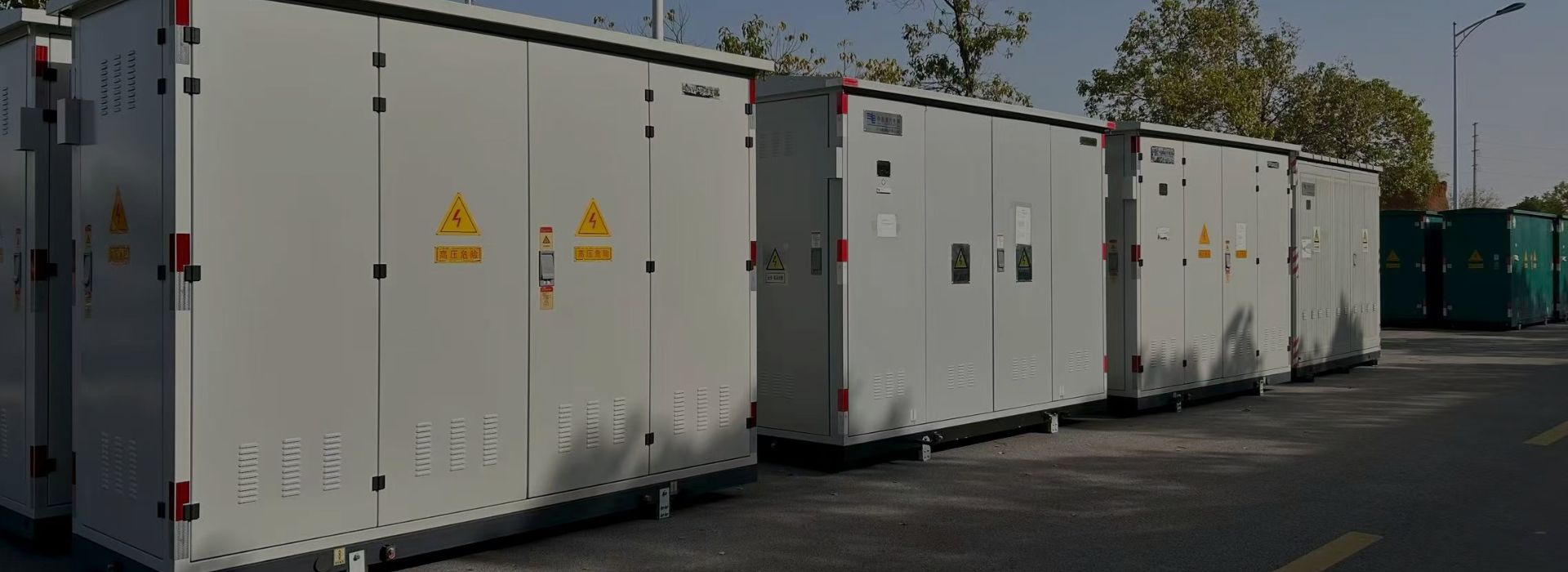
Features of Outdoor Switchgear
- The GW4 outdoor disconnect switch of ZHONGSHAO offers a wide range of rated voltage levels including 33kV, 40.5kV, 72.5kV, and 126kV, allowing you to select the appropriate model for your specific application.
- Our product delivers stable performance with an operating temperature range of -25°C to +40°C and high corrosion resistance, providing reliable protection for your high voltage circuit breakers and other equipment.
- The GW4 outdoor disconnect switch features stable contact pressure and self cleaning capability, simplifying subsequent maintenance.
- GW4 outdoor disconnect switch operates reliably even at high altitudes up to 2000 meters.
- ZHONGSHAO holds over 100 patents in transformer and electrical equipment technology, materials, design, and R&D, enabling us to deliver products with outstanding performance.
Professional Outdoor Switchgear Manufacturer In China
The GW4 outdoor disconnect switch is an AC 50Hz outdoor high voltage device available in rated voltage levels of 33kV, 40.5kV, 72.5kV, and 126kV. Our products are specifically designed for closing and opening high voltage circuits under load, electrical isolation of equipment (such as high voltage bus maintenance), isolation of high voltage circuit breakers and energized high voltage circuits, as well as closing and opening small capacity capacitive or inductive currents. They deliver outstanding performance and operational reliability. We will conduct rigorous quality testing before product shipment. Contact us immediately for a quote.
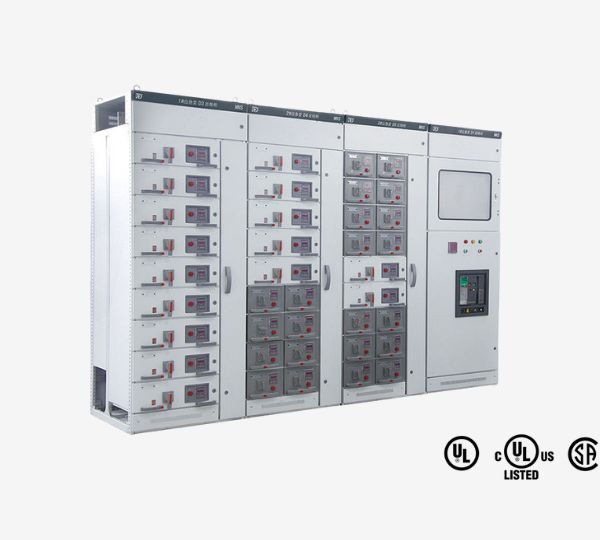
Great-quality metallic enclosure with hydro-resistant and high endurance to heavy impact. Great power distribution and industrial application.
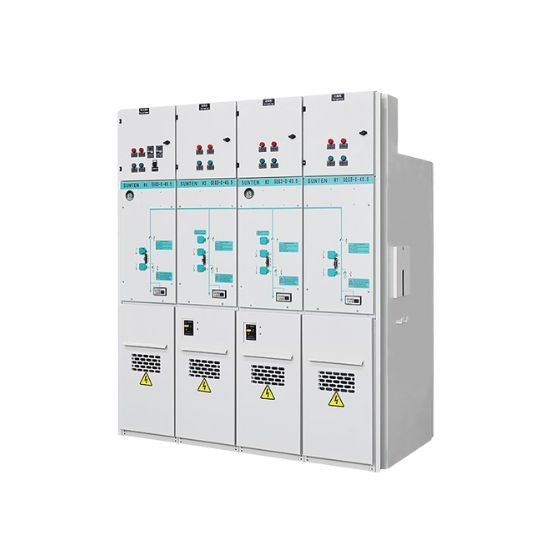
Has improved metal enclosure that prevents any weather corrosion on the equipment. Doesn’t interrupt power distribution.
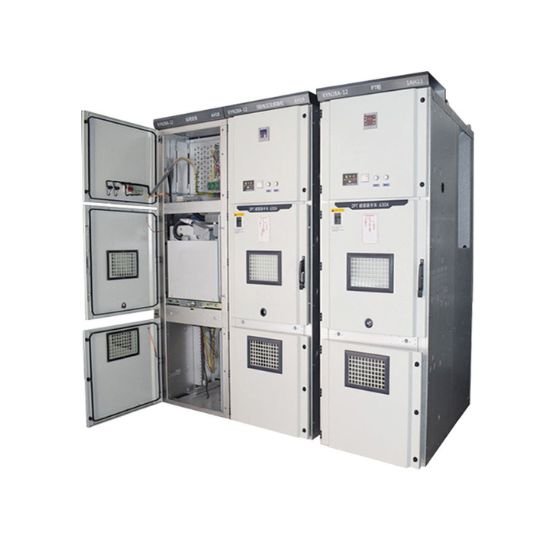
Great weather-resistance and soundproof panel, has air insulation and has high compatibility for various industrial uses.
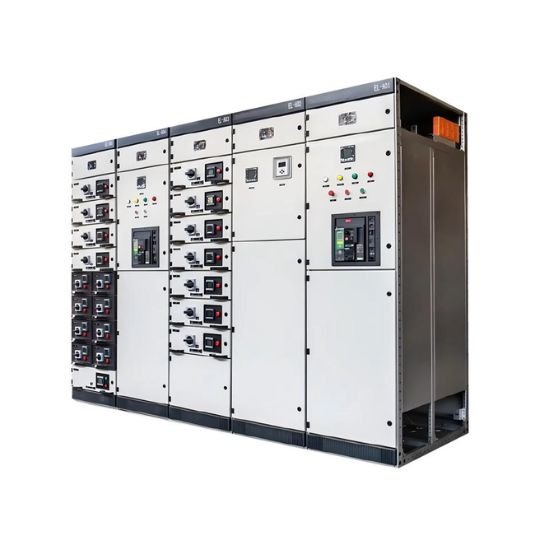
Manufactured with weather-proofing and durable material used to push the switchgear’s functionality without interruption.
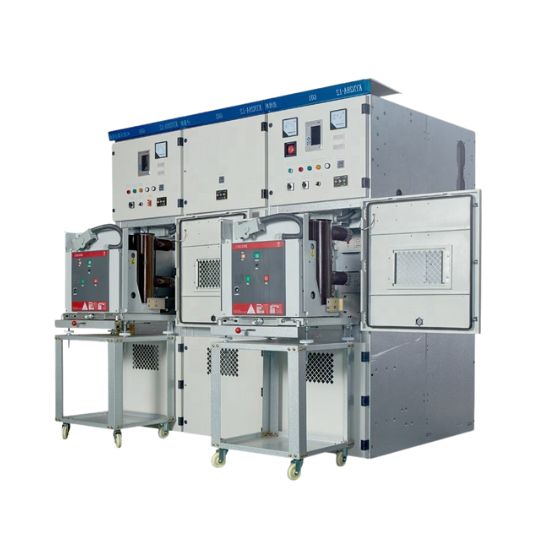
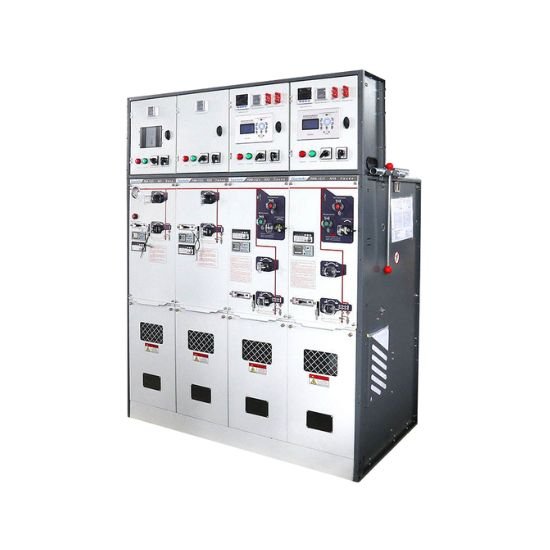
Compatible for high-voltage distributor and has high-quality weather-proofing panels.
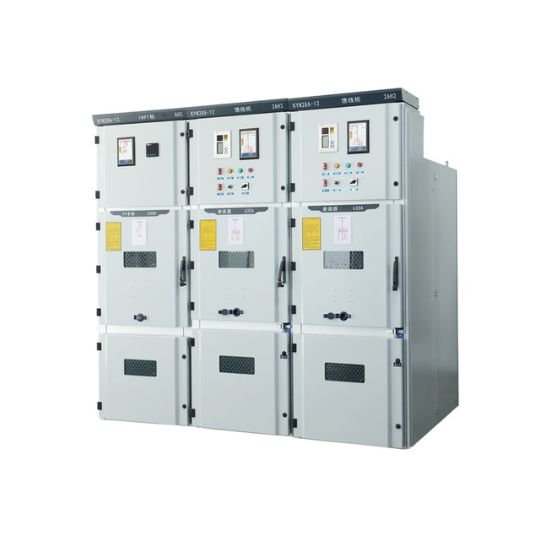
Great quality and has wide industrial usage. Can be both mounted to the wall and floor. Switch cabinet product type.
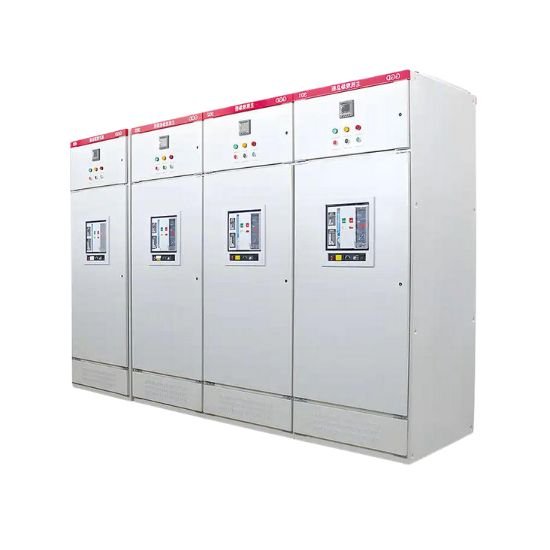
Low-voltage with great power transmission, Weather-proofed withstands and prevents any overload.
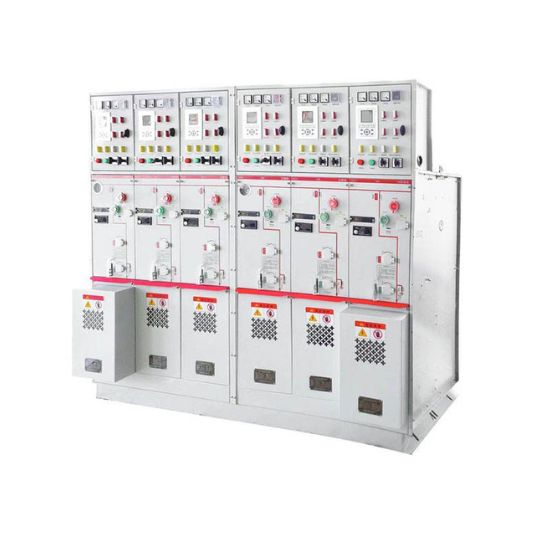
made from aluminum coated plate and explosion-proof, manufactured to endure various scratches and dent impacts.
Why do Outdoor Power Systems need Switchgear?
Outdoor switches are essential equipment required in outdoor substations and other power supply facilities. Within outdoor electrical systems, switchgear serves to shield critical components like circuit breakers and surge protectors. You can imagine that the damage caused by sunlight, rain, and snow could inflict on your wiring and machinery without the protective cover provided by switches. Without this shielding, reliable circuit operation would be impossible.
How Does an Outdoor Switchgear Work?
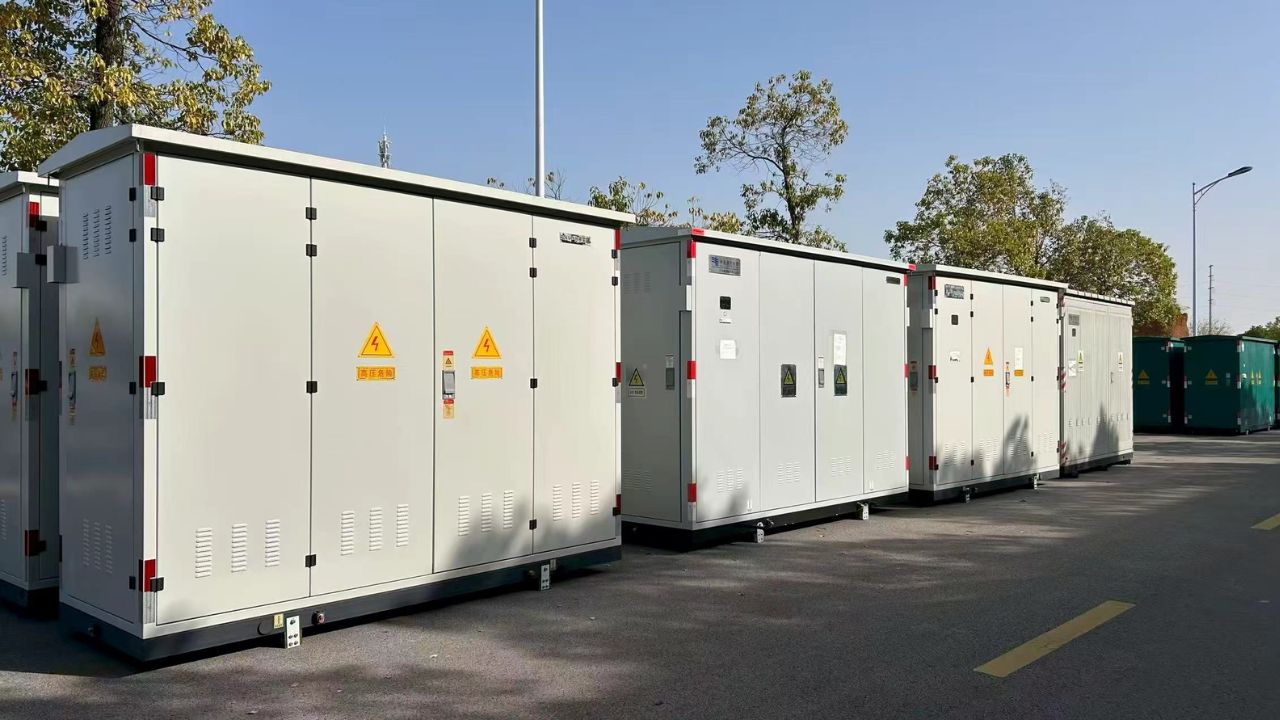
In reality, outdoor switchgears without components like relays or circuit breakers are merely protective enclosures. During actual operation, they enable orderly functioning through proper wiring connections and distribution. However, their primary purpose lies in integrating diverse functionalities by housing multiple electrical components while providing protective measures for these devices. Simultaneously, during faults like excessive current surges, it acts as a buffer before the circuit flows into your equipment, preventing direct damage to your electrical devices.
An out door switchgear typically has switches capable of controlling the opening and closing of entire circuits, thereby enabling current regulation. Generally, their interiors can accommodate devices such as circuit breakers, relays, and surge protectors. These components provide rapid, timely protection during circuit overloads, short circuits, or other issues, preventing current damage to electrical equipment or the power supply system while ensuring safe and reliable circuit operation.
Configurable Common Internal Components For Your Outdoor Switchgears
Switch
Switches are the most fundamental devices for controlling circuit flow. You can manually operate them to open or close circuits, enabling their activation or disconnection. Switches that can be installed in outdoor switchgear include disconnect switches, load switches, and others. By operating these switches, you can achieve the most basic control over electrical circuits.
Circuit breaker
The primary function of a circuit breaker is to promptly disconnect the circuit during faults such as short circuits or circuit overloads. Unlike switches that require manual operation, its sensors automatically detect abnormal currents or voltages and interrupt the current flow by separating the contacts, thereby preventing further faults. This enables a more timely and rapid disconnection of the current.
Fuse
The protective function of a fuse is simpler, when the current becomes too high, it cannot handle the load and melts directly, creating a gap in the circuit to stop the flow of current. This protection is typically one time and after the fuse blows, you need to replace it with a new one to continue using the circuit.
Surge Protector
The function of a surge protector is to absorb the instantaneous high voltage generated by lightning strikes. Your electrical equipment is typically unable to withstand such extreme pressure and may even suffer catastrophic failure. Surge protectors effectively absorb these impacts, playing a vital role in lightning and electrical protection. They ensure your power distribution system operates normally even under severe conditions like thunderstorms.
Relay
The protective function of a relay does not involve interrupting the current flow. Its primary purpose is monitoring and control. Should any issues arise during circuit operation, its sensors promptly detect the signal and instruct the circuit breaker to interrupt the current, thereby safeguarding your equipment.
Functions Of An Outdoor Switchgear
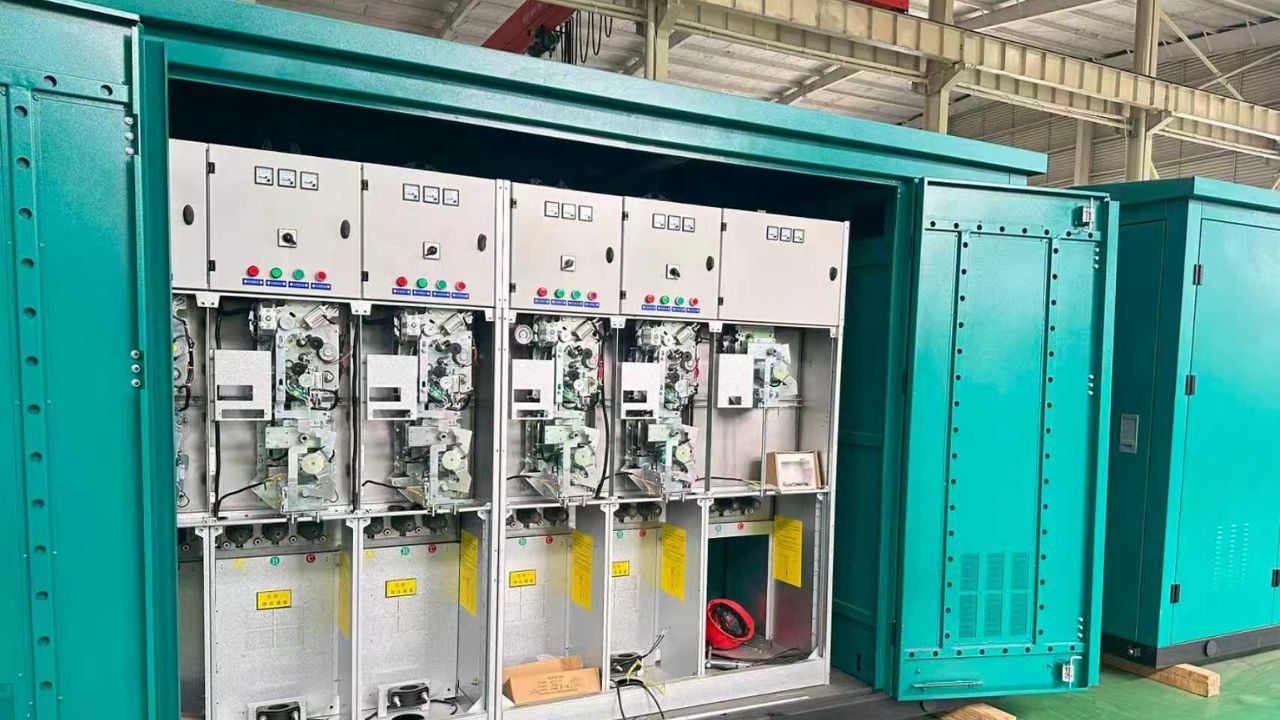
Combine And Protect Different Electrical Devices
The function of an outdoor switch includes integrating and protecting your circuit breakers, relays, surge protectors, and other equipment. It serves as an enclosure to consolidate all your electrical devices within its structure, isolating them from the external environment to provide protection. This shields your circuits from erosion and damage caused by outdoor conditions such as rain, snow, and dust. Additionally, it offers a secure mounting location for these devices, ensuring they are installed with sufficient stability to guarantee long term, reliable operation under outdoor conditions.
Control The Circuit
In addition to integrating various electrical devices, installing outdoor switches also enhances your control over circuits, a key function of these units. Equipped with different switches and circuit breakers internally, they enable you to better isolate or energize distinct circuits. This allows for the isolation or maintenance of specific circuit segments without disrupting others, thereby improving operational safety.
Advantages Of Using a Switchgear Outdoors
Improve The Reliability Of The Circuit
As mentioned earlier, outdoor switches protect your electrical equipment from outdoor weather and dust, ensuring more stable and reliable circuit operation. They also isolate faulty circuits promptly during malfunctions while increasing the system’s available capacity.
Quickly Response The Fault
The outdoor switch is designed to automatically respond and perform corresponding circuit breaking protection operations when faults occur. Equipped with sensors, it enables rapid and timely reactions during or before fault escalation, preventing situations where manual monitoring might fail to detect issues promptly.
Support Physical Operation
One of its advantages is that it provides the convenience of hands-on operation. In the event of a malfunction, you can manually control the switch to disconnect the circuit, further ensuring safety during circuit operation.
Types of Outdoor Switchgears
Outdoor High Voltage Switchgear
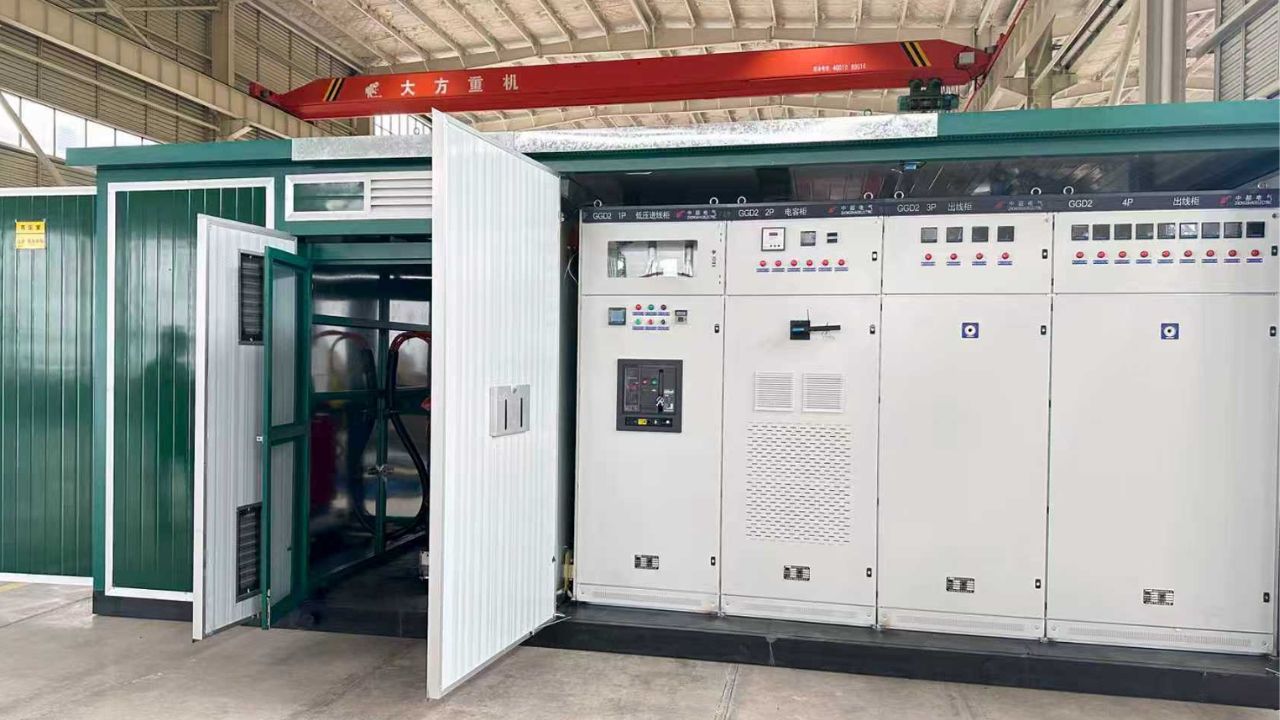
Outdoor high voltage switches refer to outdoor switches rated at 66kV or above. They are suitable for higher voltage applications such as substations and power plants, meeting the high capacity demands of these environments. Due to their high voltage nature, they carry a risk of generating higher arcs during operation. Therefore, equipment with superior insulation or arc quenching performance is required. Typically, air is used for insulation protection. This design is relatively simple yet achieves effective insulation, providing reliable support for your electrical circuits.
Outdoor Medium Voltage Switchgear
Outdoor medium voltage switches typically operate within a voltage range of 3kV to 36kV, commonly employing SF₆ gas or vacuum as arc quenching media. Although not classified as high voltage equipment, this voltage range is sufficient for long distance power transmission while maintaining controllable losses. These switches can be deployed at various stages of current transmission to provide continuous functionality. Compared to high voltage outdoor switches, medium voltage outdoor switches generally offer lower purchase prices and maintenance costs.
Outdoor Low Voltage Switchgear
The rated voltage of low voltage outdoor switches does not exceed 1kV. This value makes them unsuitable for long distance power transmission, but they adequately meet the requirements for low voltage distribution in scenarios involving short distances or lower voltages. Generally, they feature a more compact design and can be installed within low voltage distribution panels for operation.
Under What Circumstances Is Outdoor Switchgear Necessary?
In fact, outdoor switches are not necessary in all situations. However, in applications where there are no devices to secure relays or in harsh environments such as rain, snow, or corrosion, you may indeed require an outdoor switch device to provide protection and ensure the stable operation of the circuit.
Outdoor Substation
Outdoor switchgear can be deployed in outdoor substations, enabling better control over high capacity circuits or high voltage power transmission while maintaining stable operation under prolonged exposure to outdoor environmental stresses.
Industrial Parks And Factories Without Indoor Electrical Distribution Rooms
For industrial parks or factories lacking indoor distribution rooms, outdoor switchgear can effectively serve as distribution nodes. By integrating essential equipment such as circuit breakers, it ensures stable and orderly power supply to various devices within the facility, enabling smooth factory operations. This feature is particularly well-suited for space constrained environments.
New Energy Power Generation
In outdoor power collection systems for new energy applications, your switchgear can be integrated into circuits for photovoltaic and wind power generation facilities, providing surge protection and line distribution. It plays an irreplaceable role in the new energy power generation sector.
Harsh Environmental Conditions
In high altitude or extremely harsh climatic environments, outdoor switchgear plays a vital role in providing protection and insulation. This is particularly crucial for electrical wiring, where even minor exposure to rain or snow can compromise normal operation. Consequently, in challenging regions or unmonitored settings, outdoor switches safeguard your circuits, ensuring prolonged, stable performance.
How To Choose Right Outdoor Switchgear?
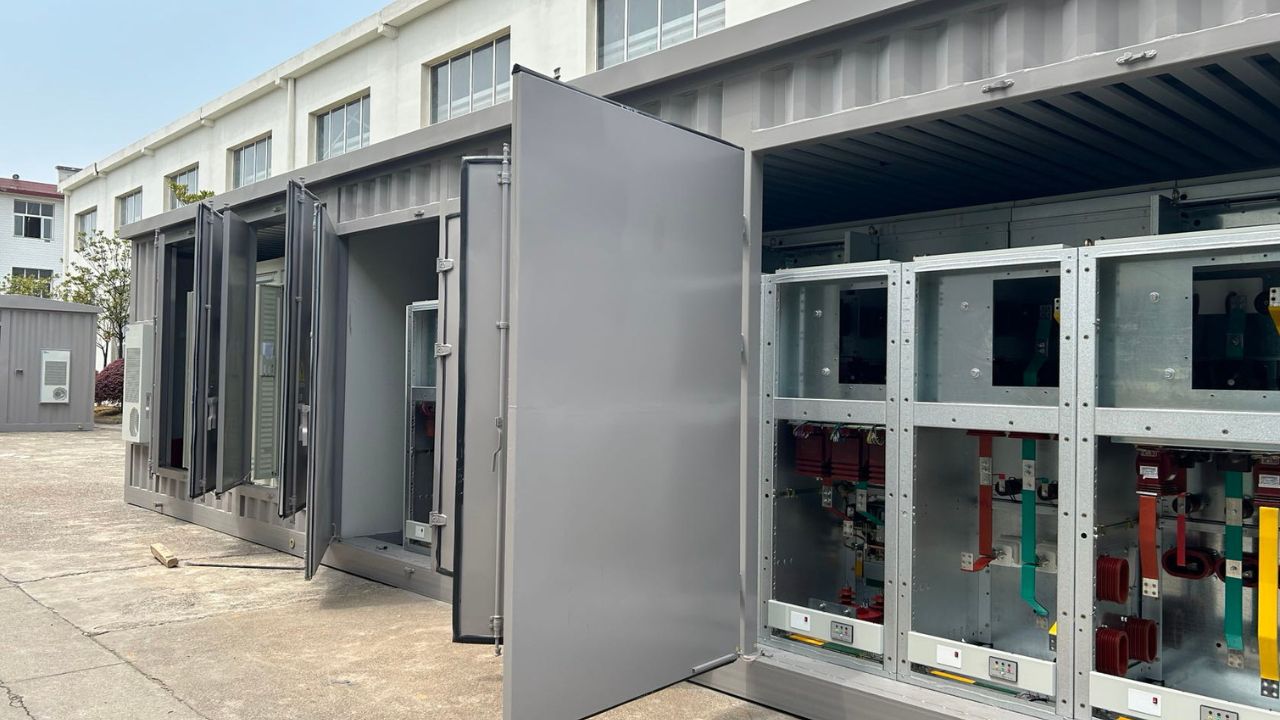
Verify the Voltage Level
When selecting an outdoor switchgear, you must first confirm the specific application requirements, such as the voltage level the circuit must handle during operation. Generally, the switch’s rated voltage should be equal to or higher than your power distribution system’s voltage. This ensures sufficient margin for stable operation during long-term use and circuit fluctuations.
Consider The Installation Environment
Specific selection also depends on the installation environment conditions. For example, if the outdoor conditions where the switchgear will be used involve dust, rain, snow, or corrosive salt spray, you should opt for switchgear with special anti-corrosion treatment. Furthermore, you need to select outdoor switches with an appropriate operating temperature range based on the ambient temperature.
Common outdoor switchgears typically operate within a range of -25°C to +40°C. For applications in extremely cold or tropical regions, you may need to select equipment with a broader operating temperature range.
Insulating Methods
Differences in insulation methods are another factor you may consider. Air insulation is a common approach, relying on maintaining sufficient distance between live components to leverage air’s inherent properties for insulation and protection against electrical breakdown. This type of switch tends to be more cost friendly.
Additionally, gas insulation such as using SF₆ gas that is another common approach. SF₆ gas’s excellent insulating properties allow for reduced internal space requirements, meaning smaller distances between live parts can achieve adequate insulation while offering enhanced safety and reliability. This makes it suitable for confined spaces, though it will bring a a higher cost.
Therefore, for high voltage outdoor switches, where ample outdoor space is available, air insulation remains a more economical choice that maintains good performance.
Find Reliable Suppliers of Outdoor Switchgears
Selecting a reliable outdoor switch supplier is equally important. Manufacturers with valid business licenses and years of production experience are more likely to provide dependable products and comprehensive service systems. While confirming these qualifications, you should also verify relevant safety certifications for the products. For electrical equipment, common high recognized certifications include ISO 9001, ISO 45001, and others. These certifications not only attest to product quality but also ensure operational safety.
Generally, the common operating temperature range for outdoor switchgear is between -25°C and +40°C. For tropical or cold regions, you may need to select equipment with a wider operating temperature range to ensure reliable operation under harsh conditions.
We recommend that you can conduct a comprehensive inspection of the equipment every six months to a year. This is especially important for outdoor switches installed in unattended environments. You should check their insulation performance, the tightness of terminal connections, and clean off any accumulated dust. If the equipment is located in a harsh environment, this inspection interval may need to be shortened. In such cases, pay particular attention to inspecting for corrosion and ensure all components remain intact.
Outdoor switches also face issues like arcing, as they typically operate at higher voltages. During a circuit break, residual current persists within the equipment. This current rapidly ionizes the air, transforming it into a conductive plasma state that we call an electric arc. Consequently, we require air, vacuum conditions, or SF₆ gas to facilitate cooling and arc quenching operations.