
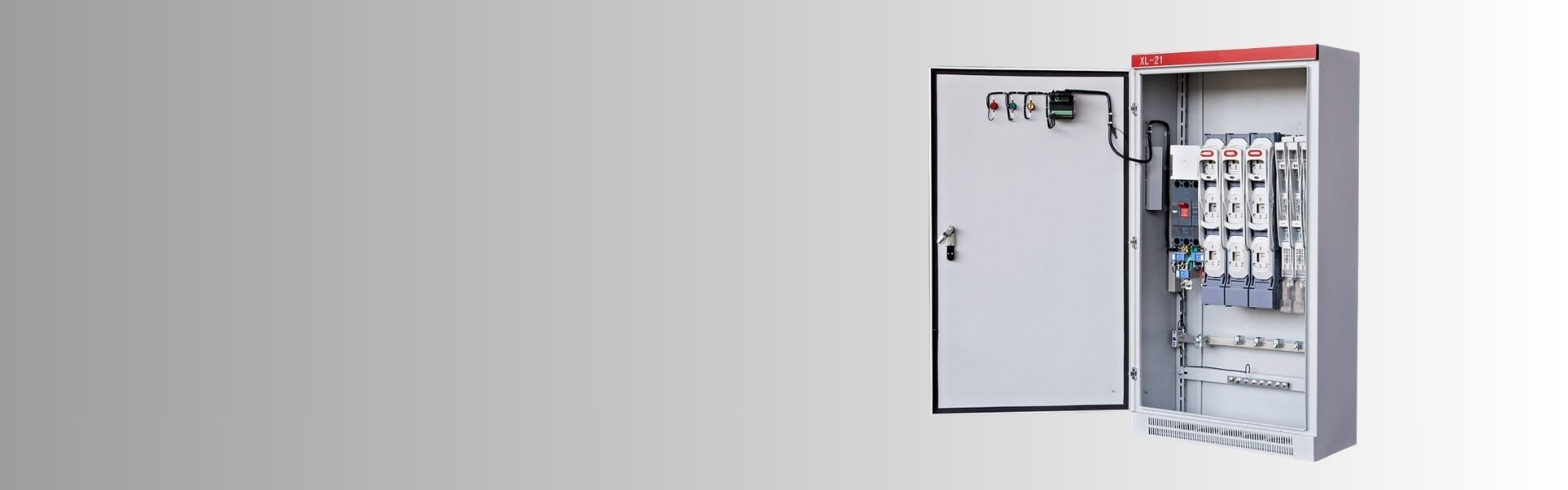
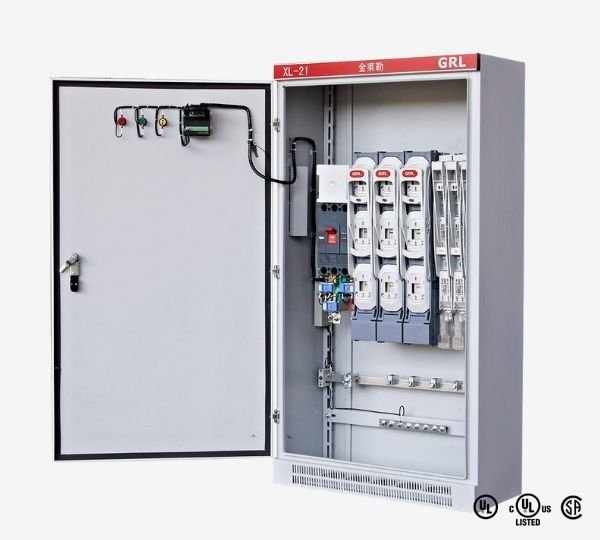
Features of Electrical Control Panel
- Feature reliable design and structure to prevent downtime risks, thereby ensuring continuous production;
- High compatibility to adapt to different operation environments and support scalable design for future capacity upgrades;
- The electrical control panel offers comprehensive safety protection to protect both operators and equipment;
- Through PLCs or other smart control systems, the panel achieves high automation and remote control;
- All of ZHONGSHAO’s electrical control panels have obtained multiple international certifications such as UL, CUL, CCC, etc.
Your Reliable Electrical Control Panel Supplier in China
As a reliable electrical control panel supplier, ZHONGSHAO’s products feature high quality and stability to enhance the electrical production. The electrical control panel produced by ZHONGSHAO features reliable design to minimize the downtime risk, achieving continuous production. It also offers excellent protection performance to ensure safety of both operators and equipment. In addition, the electrical control panel can meet the international certifications such as UL, CUL, ISO, CCC, and more.
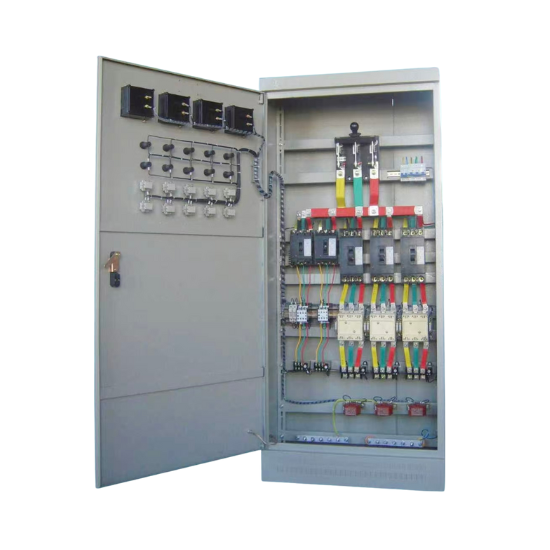
A 380V rated voltage and 630Amp rated current industrial power distribution electric control panel made with high quality cold rolled steel material.
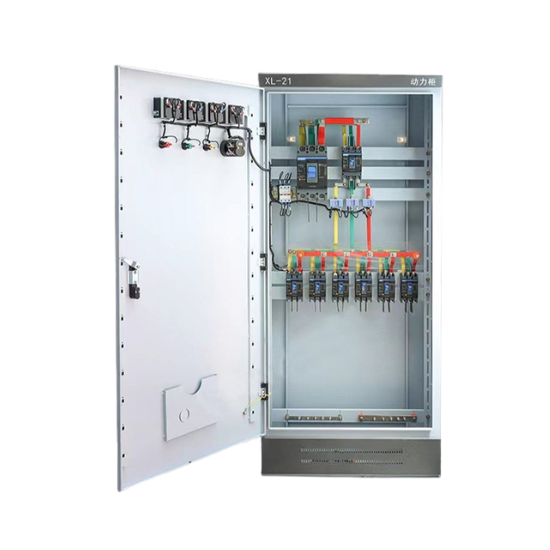
A 12kV rated voltage and 630Amp rated current low voltage electrical control panel made with high quality stainless steel material.
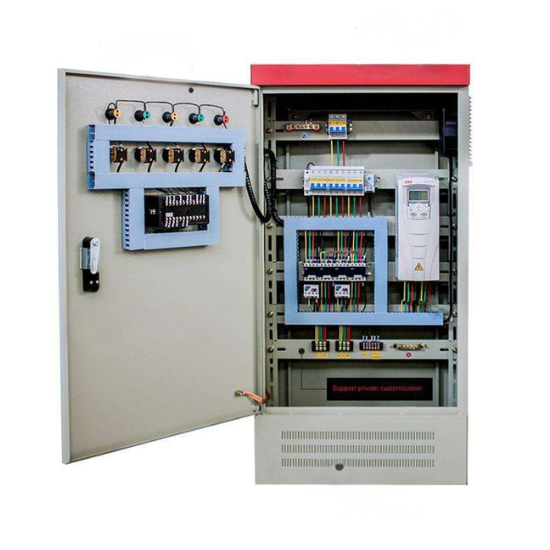
An industrial indoor and outdoor electric power transmission control center panel with custom withdrawable and fixed cubicle type.
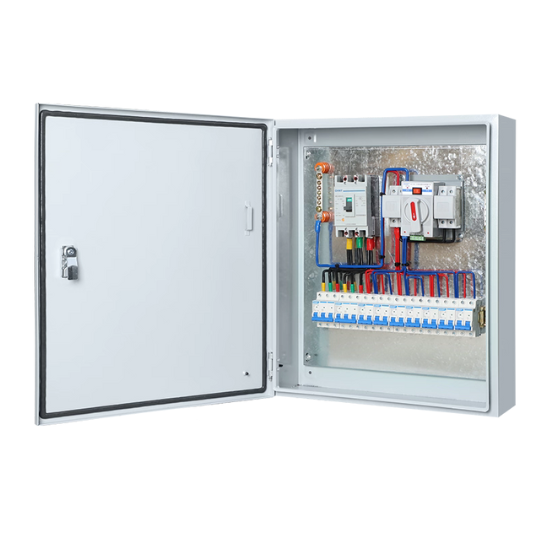
An easy to install and operate customizable wholesale electrical control panel with custom rated current ,rated voltage as well as the number of sockets.
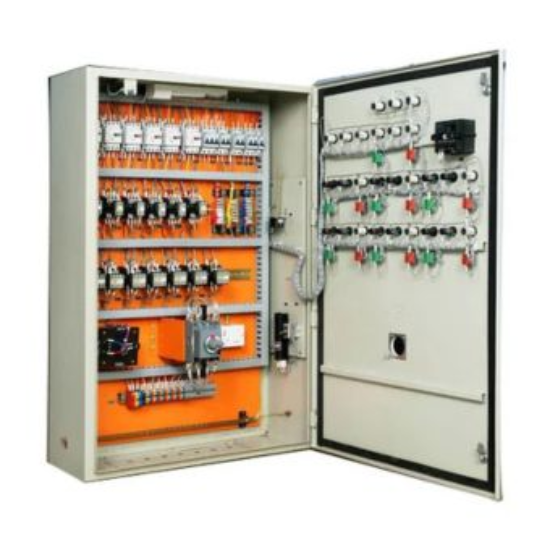
A electric power transmission custom rated voltage and custom rated current large industrial electric control panel with IP40 level.
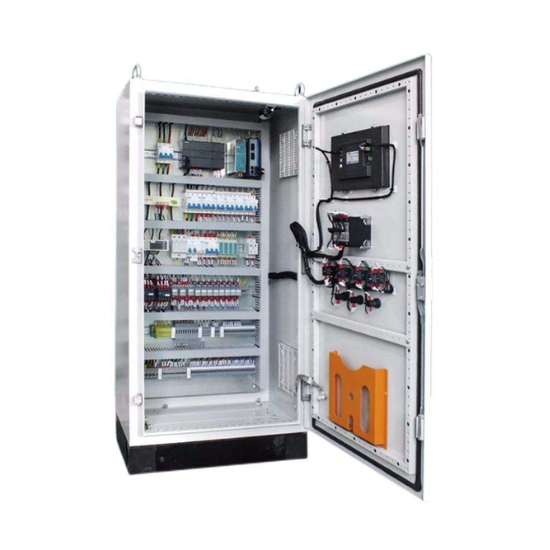
A 40.5kV rated voltage industrial and high quality carbon steel material control panel with custom rated current and sizes available.
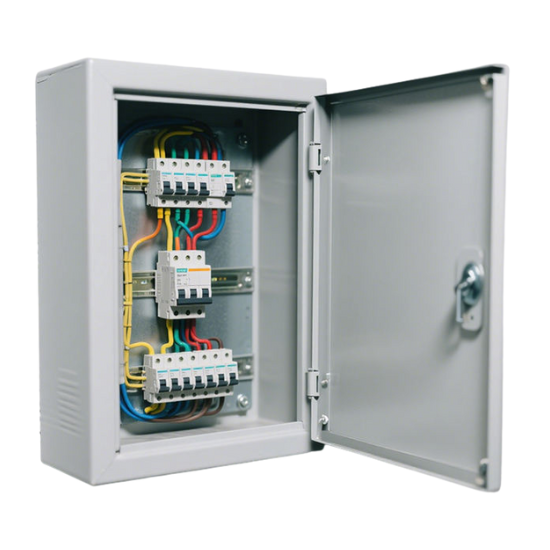
An electrical distribution transformer electric control panel with customizable rated voltage and customizable rated current.
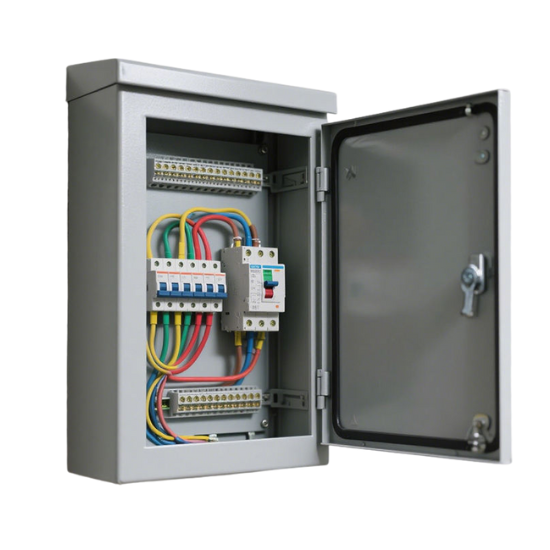
An indoor and outdoor industrial 110kV rated voltage and 400Amp rated current power distribution electrical control panel with 50/60Hz frequency.
What is Electrical Control Panel
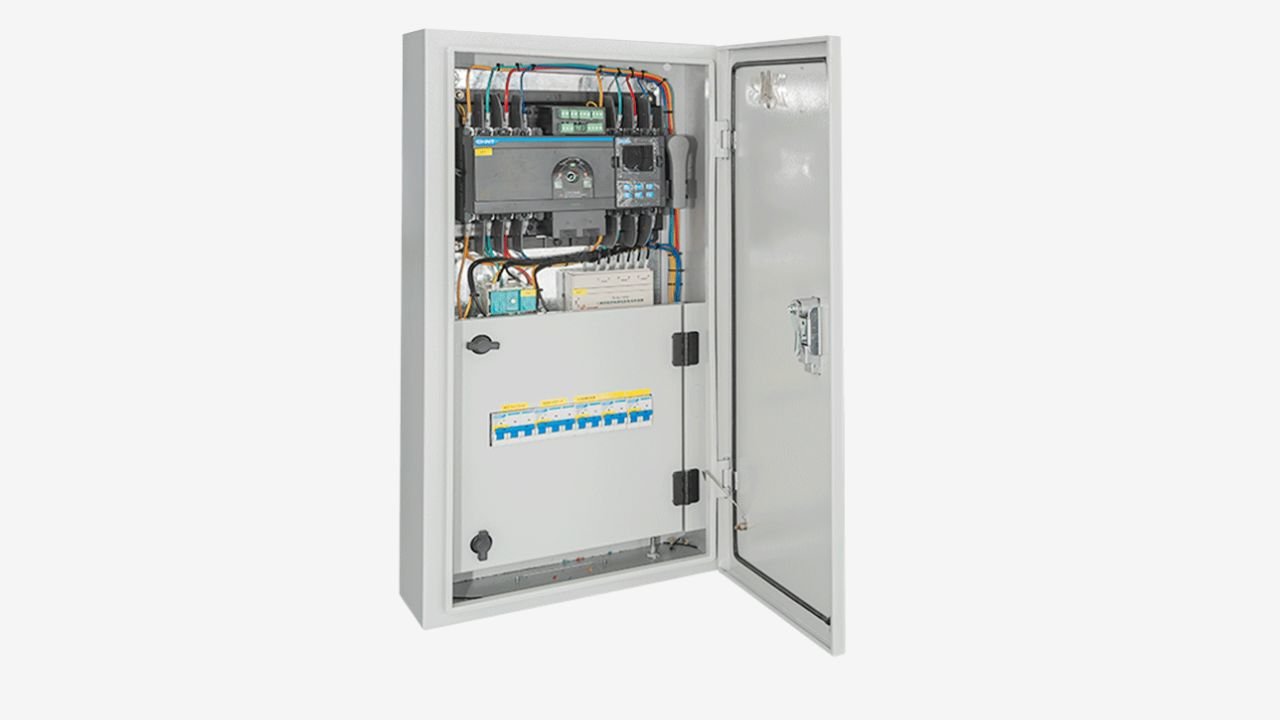
As a basic device of the production equipment, the electrical control panel handles power distribution and protection. It is used to manage complex production operations, receiving various signals such as temperature, pressure, and more, to issue precise control commands. The core functions of an electrical control panel can be reflected in four sectors, including power distribution, logic control, signal processing, and safety protection.
Core Components of Electrical Control Panel
A complete electrical control panel mainly consists of structure components and electrical components, including enclosure, circuit breaker, PLC system, and more. Learning its core components will help you better know how the electrical control panel works, thereby making a wise purchase decision.
Structure Components
- Enclosure: The enclosure of an electrical control panel can be made of various materials such as carbon steel, stainless steel, or plastic, meeting different requirements. In general, the food and chemical industry generally choose stainless steel to prevent corrosion and meet cleanliness demands. The enclosure also protects the internal electrical components from external environmental factors, while ensuring stable operation of the panel in a harsh environment.
- Back Panel: A back panel is the main mounting surface of all the electrical components of the control panel. It is typically made of galvanized steel or aluminum materials, offering good heat dissipation performance. The beck panel features an optimized installation layout to enhance system stability and improve assembly efficiency, and is also easy to maintain.
Electrical Components
- Main Circuit Breaker: The main circuit breaker is a power entrance of the entire electrical control panel. It is typically used to connect or disconnect the main power supply and the control panel. A main circuit breaker efficiently prevents electrical fire or other risks caused by short circuit, achieving short-circuit protection and overload protection. The electrical control panel generally uses molded-case circuit breaker(MCCB) to control power supply.
- Contactors and Relays: The contactor of the electrical control panel is used to control the switching of motors or other high-power loads. It is directly connected to the stability of machines, so you should consider its key parameters when making decisions. While the relay mainly transmits control signals between circuits of different voltage levels.
- Programmable Logic Controller(PLC): PLC is the control core of an electrical control panel. It collects various data to handle logic programs and interact with field devices, ensuring reliable and stable operation. Based on the application scenarios, PLC can be divided into small type and large type, meeting different demands of projects.
- Human Machine Interface(HMI): HMI provides operators with an intuitive display of equipment status, including operation conditions, trend graphs, and alarm information. It is the main interface to achieve interaction between operators and equipment. You can also set some simple parameters via the HMI.
- Variable Frequency Drive(VFD): By changing the motor frequency, VFD can improve the adjustment precision of motor speed to save energy consumption and achieve soft starts. This component typically requires a relatively large footprint and additional cooling space in the electrical control panel. The VDF also protects motors and power grids by decreasing the starting current.
- Power Supply Module: The electrical control panel typically uses 24 VDC as the control power supply, which needs to be equipped with AC/DC power modules. The power supply offers stable electric power to ensure normal operation of other components such as PLC and more.
- Terminal Block: Terminal blocks are mainly used to connect power lines to various different electrical devices. These blocks are responsible for organizing and distributing power lines from different sources, and are convenient for on-site wiring.
- Network Switch: This component is the key factor to achieve network communication between PLC and other network compatible devices within the production line. When you choose the network switch, its performance such as reliability, weather resistance, and interference resistance is important to ensure stable data communication.
Advantages of Electrical Control Panel
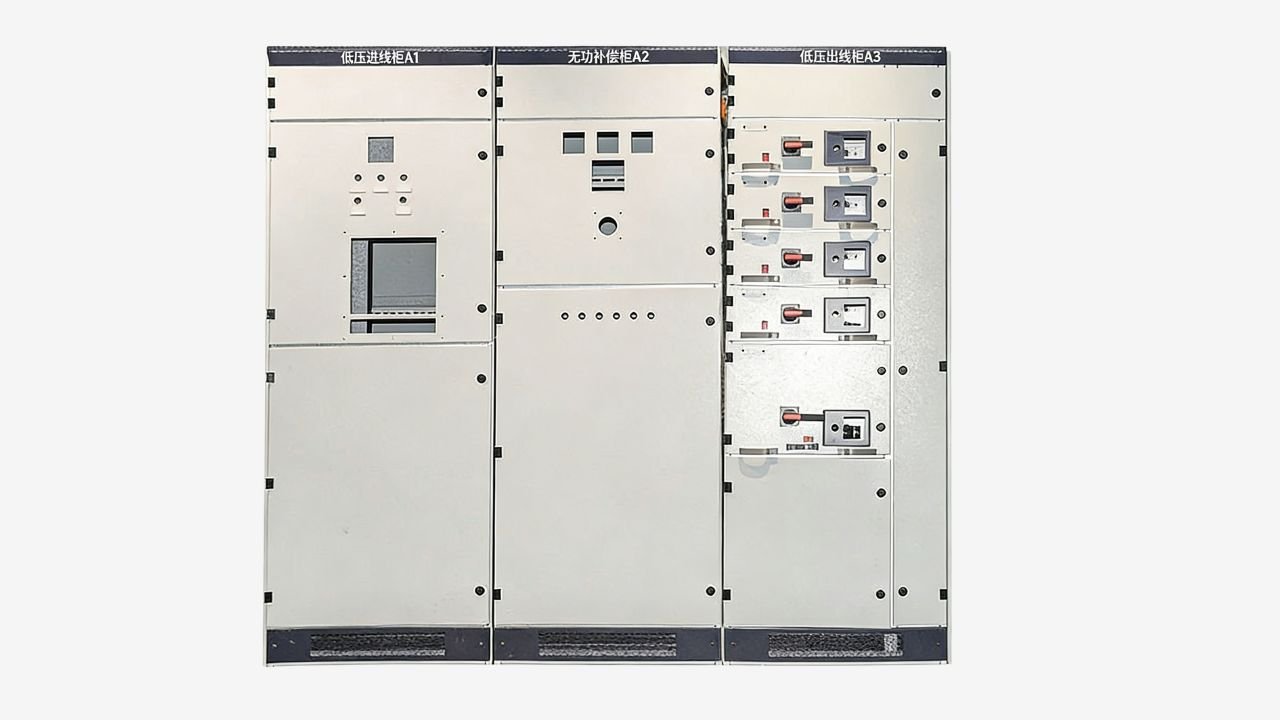
Reliability and Durability
The electrical control panel features high-strength enclosure and can be processed by spraying, phosphating, and other processes to enhance its durability and corrosion resistance. It offers excellent robust performance to ensure stable operation of the electrical production line, even in the harsh industrial environments. Core components of the control panel are also reliable to reduce the loss caused by unexpected downtime thereby achieving continuous operation and production.
Safety
As an important electrical device, the electrical control panel offers efficient protection both to the operators and the equipment. It strictly follows the electrical standards when designing and manufacturing, ensuring reliable safety compliance. In addition, the electrical control panel is also equipped with independent relay circuits and emergency stop buttons. Once hazards occur, the panel can respond in time to prevent electric shock and other risks.
Low Cost
For long terms of use, the electrical control panel offers an energy-efficient design for you to significantly reduce power consumption, thereby decreasing the entire operation costs. Its optimized layout is also easy to maintain, which is divided into independent modules, reducing the troubleshooting time and saving part replacement cost. The electrical control panel features a long service time based on its reliable design and components, improving your production efficiency.
High Energy Efficiency
The electrical control panel features rational wiring and high-efficiency switching power supplies, variable frequency drives, and other components, achieving low electric power loss. It also supports smart thermal management to control the cooling system based on environmental temperatures, preventing unnecessary idling. If your project is sensitive to a green corporate image, the electrical control panel can reduce carbon emission to help businesses achieve ESG goals.
How to Select Proper Electrical Control Panel
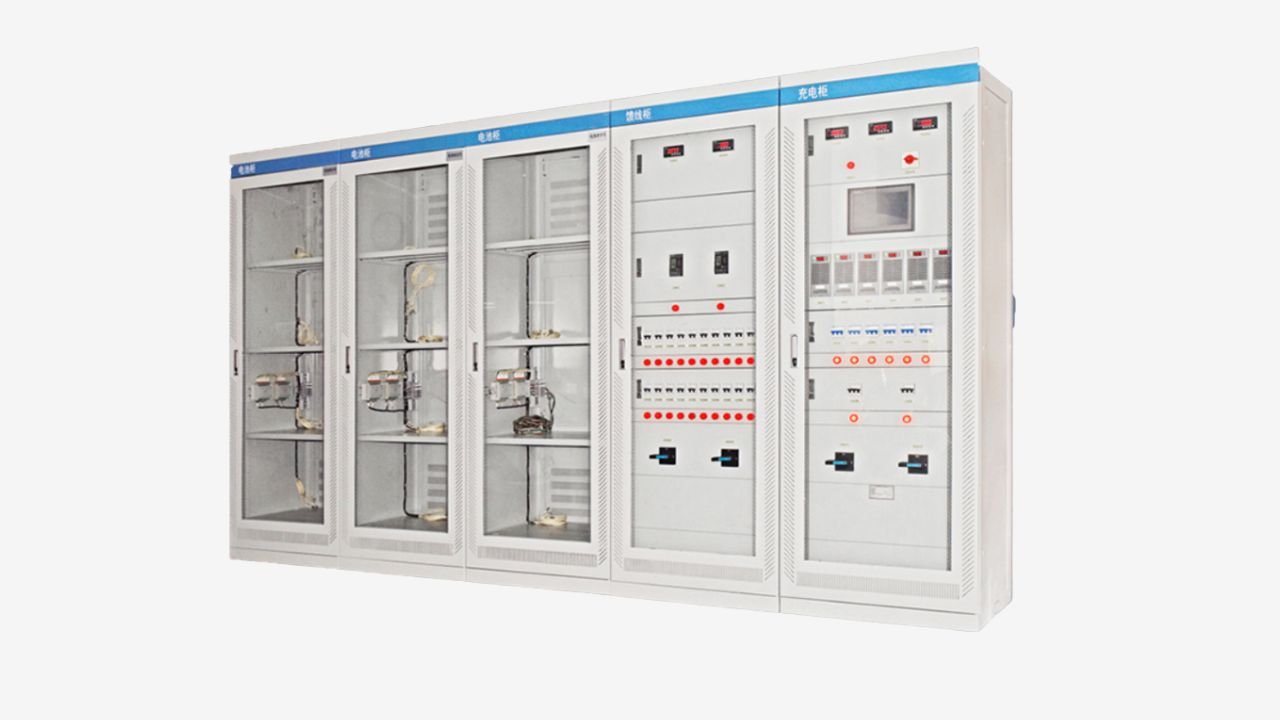
When selecting the electrical control panel, you should consider comprehensive factors to ensure the panel you choose can meet actual demands. Improper control panels may cause frequent maintenance, downtime issues, or even safety hazards. The following are common factors for your reference:
Application Scenarios
Before choosing the electrical control panel, you should firstly analyze the actual application scenarios. For example, OEM manufacturers typically have strict demands on the tight structure, mass production, and cost efficiency. While for industrial automated production lines, the control panel is better to provide high compatibility with existing SCADA/MES systems. It should also feature reliable operation processes to prevent downtime risks, thereby achieving the continuous production demands.
Core Technical Specifications
- Load Power and Current: Based on the combined load of all motors, heaters, actuators, and PLC modules, you can calculate the total current, margin factor, and peak current. These data can help you determine a reserved margin for future installation of additional devices.
- Control System: According to the scale of actual projects, you can choose the most suitable PLC to achieve precise control. In general, small-scale projects are suitable to be equipped with relays and small PLCs to reduce the entire costs. For large projects, the combination of PLC and remote IO is more flexible, while also saving space for you.
- Power Supply: The input voltage and control voltage are two important parameters of the electrical control panel. You should check the low/medium voltage demands of actual production lines, ensuring the panel can offer stable power supply.
- Environment Requirement: Environmental factors directly affect the entire decision of an electrical control panel. It includes various sectors such as high temperature, dust, corrosion, and humidity. You can choose a high-strength panel to withstand harsh environments, extending its service life.
- Communication and Networking: If your project has the requirement on communication and networking, ensure the panel has been equipped with communication interfaces. This demand may affect the PLC model selection, switch configurations, and gateway setups.
Industry Standards and Certification
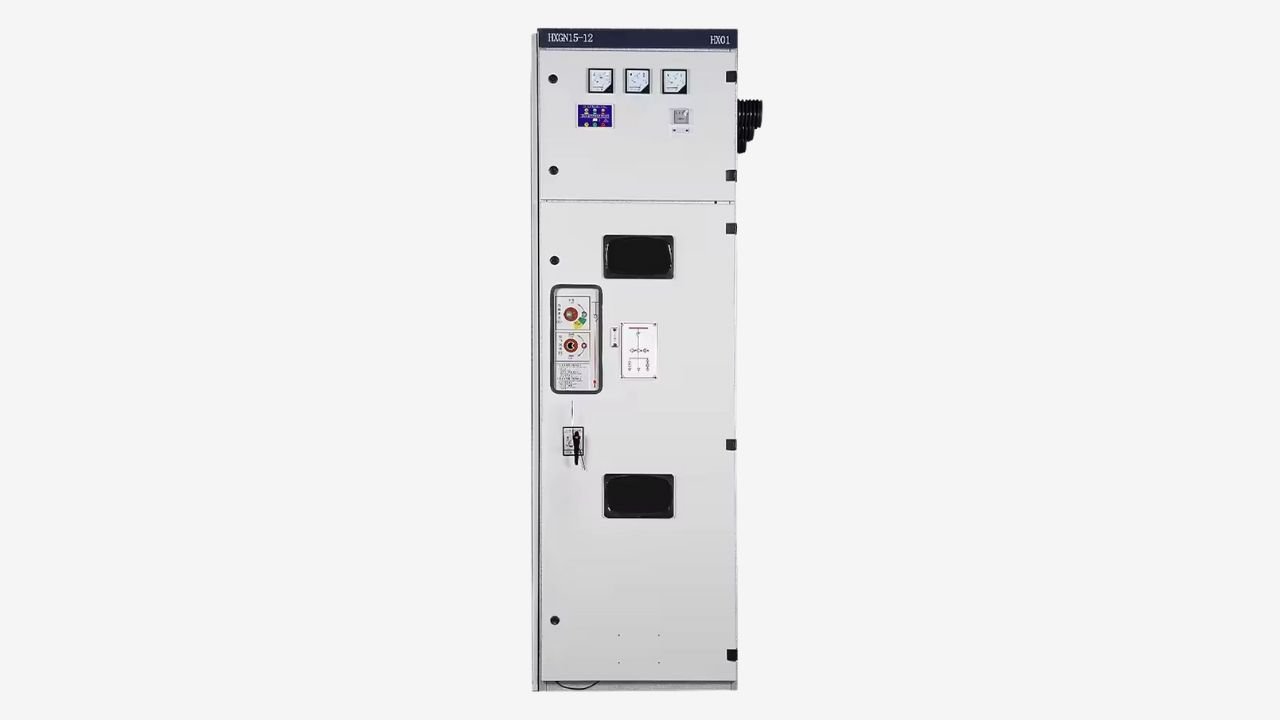
Different industries and some international manufacturing companies have different standards and compliances, such as UL, IEC, and others. You must ensure the electrical control panel can meet certain certifications, ensuring reliability and safety. Some special industries like the food industry have additional cleanliness and corrosion resistance demands. While the chemical and oil industry more focus on the explosion-proof performance of the control panel.
Supplier
Choosing a proper and reliable supplier is also important as well as hardware selection. As a type of customized product, you can evaluate the design and manufacture capacity of the supplier to ensure high quality and flexibility of electrical control panels. In addition, reliable suppliers typically provide prompt response when your panel is damaged within the warranty period, reducing production loss caused by downtime.
It is simple to maintain the electrical control panel daily. Main components that require checking include filter, fan, blocks, and the HMI, monitoring risks caused by dust or other external factors. You should also pay attention to the abnormal smell or noise to prevent safety hazards. If warning messages occur on the touchscreen, you should handle them in time.
There are various methods to achieve electromagnetic compatibility. For example, installing input/output filters for main interference sources such as VFDs and switching power supplies is helpful. You can also build a comprehensive grounding system or use metal panels, ensuring the interference can be dissipated into the earth quickly.