

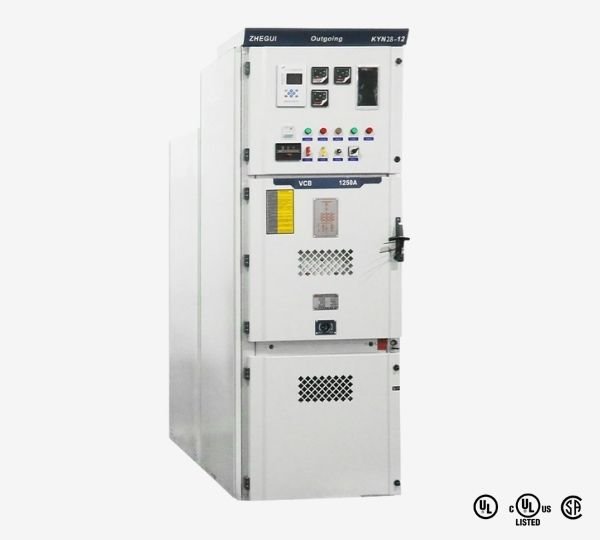
Features of Low Voltage Switchgear
- The arc flash protection designs used in ZHONGSHAO include fast-acting detection relays and internal pressure relief structures to mitigate arc flash incident risks.
- ZHONGSHAO low voltage switchgear up to 200kA short-circuit rating, is suitable for high fault current applications.
- Low voltage power distribution solutions certified to either UL 891 or UL 1558 are available to meet the various project requirements.
- Products can be supplied with UL Listed or CSA Certified qualifications upon request to meet North American compliance requirements.
Professional Low Voltage Switchgear Supplier in China
As a professional low voltage switchgear manufacturer in China, ZHONGSHAO remains committed to offering a real one-stop solution for users across the world. Starting from the structural design and standards selection, and to production and delivery, our experienced engineering team participates in the whole process.
In the case of operational problems occurring within your project, our technical personnel are always prepared to intervene at any moment and help with diagnostics, repair work, or upgrading. Be it for new projects or the optimization of equipment, ZHONGSHAO will provide fast, professional, and reliable support.
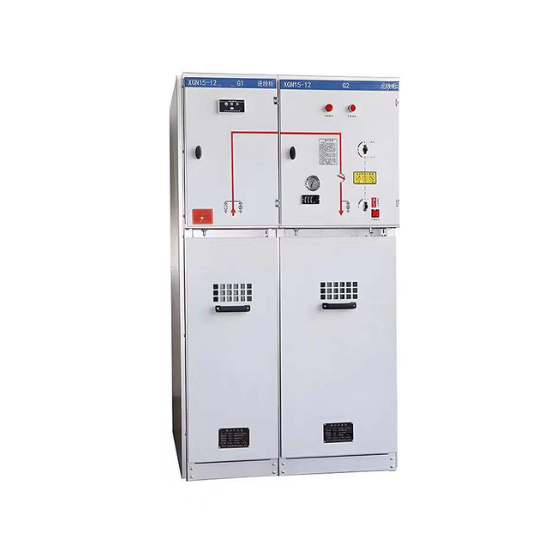
A custom material 10kV rated voltage complete set low voltage switchgear with 630Amp rated current and IP4X level.
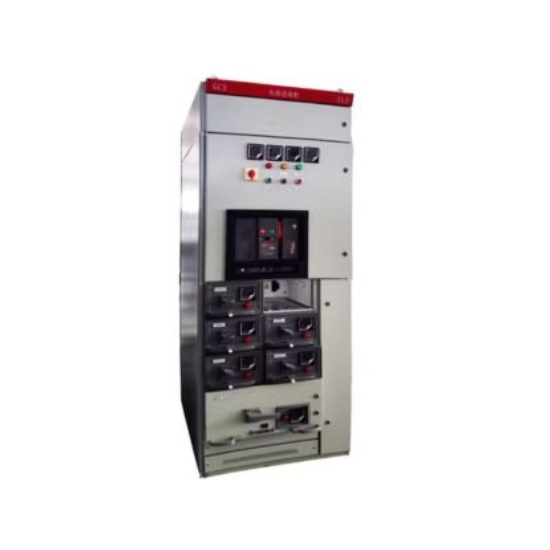
An indoor industrial low voltage draw out type switchgear with 630Amp rated current and customizable rated voltage.
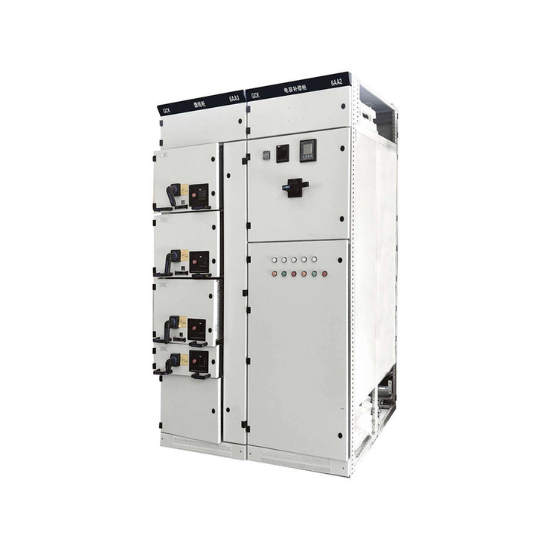
A custom rated current and rated voltage electrical switchgear with custom metal materials and has an IP4X level.
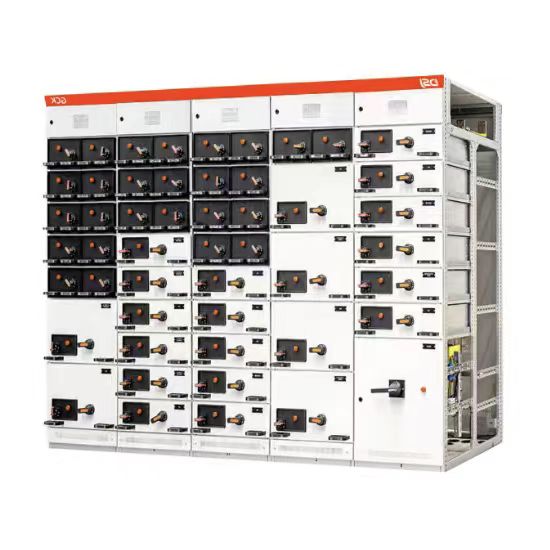
A 630 rated current and 220V with customizable material and size voltage withdrawable electrical switchgear.
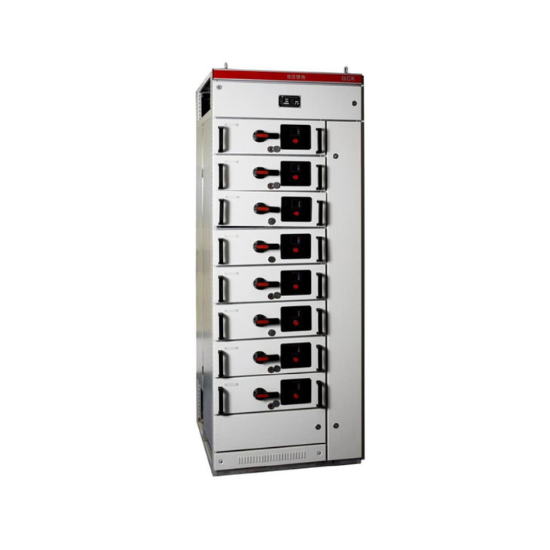
An industrial custom rated voltage and rated current power protection low voltage switchgear made with high quality copper metal material.
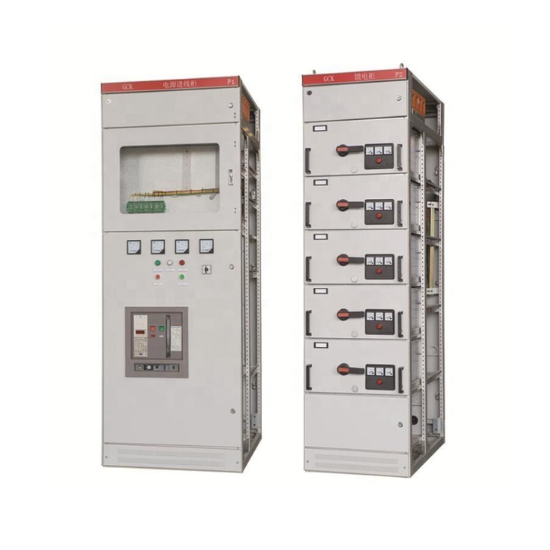
A 400Amp rated current industrial complete circuit low voltage switchgear with 380V rated voltage with custom materials used.
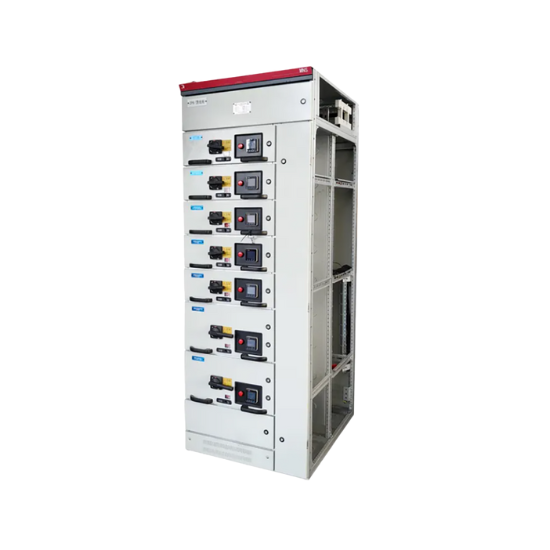
A customizable IP40 level drawer type low voltage assembled switchgear with 380 tared operating voltage and a 400Amp rated current.
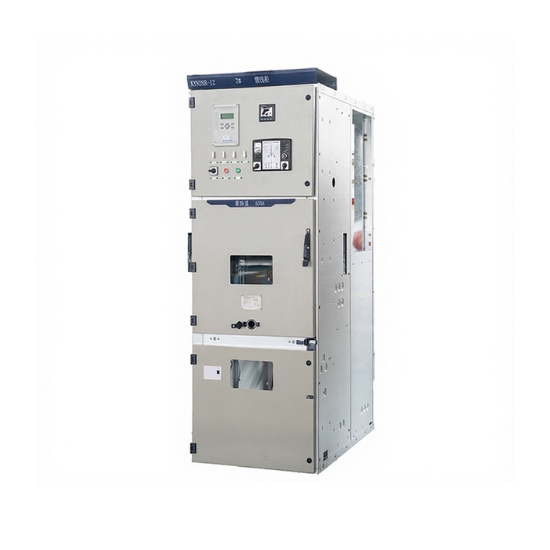
An electrical power transmission custom rated voltage and custom rated current industrial complete low voltage switchgear with IP4X level.
What is Low Voltage Switchgear?
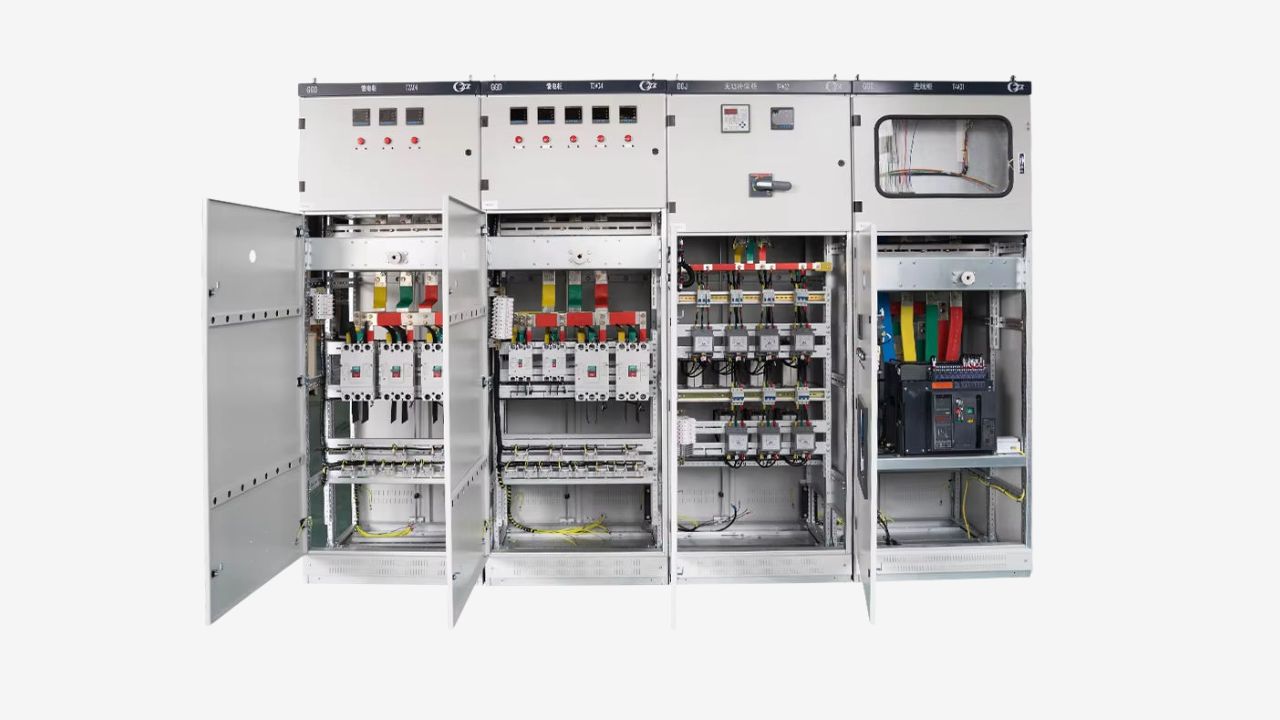
Low voltage switchgear is a distribution and protection device for three-phase power systems, allowing the safe and reliable distribution of electrical power in grids below 1000 V.
ZHONGSHAO low voltage switchgear guarantees stable operation, high short-circuit capability, and comprehensive safety protection suited for various industrial and commercial applications.
How Does Low Voltage Switchgear Work?
Low voltage switchgear has three major functions to play in a distribution system less than 1000V: distribution, control, and protection. ZHONGSHAO safely and systematically distributes electricity from the main power source to various circuits with the use of circuit breakers, protective relays, and busbar systems.
If an arc occurs, it switches on in milliseconds to rapidly kill the power, thereby limiting equipment damage and extending safety.
Step 1: Distribution
The main power supply first goes into your busbar system upon entering the equipment, through which electricity is quickly distributed to several outgoing units.
Step 2: Control
Each circuit in ZHONGSHAO has a circuit breaker that regulates your circuit switching for the protection of your system. Once a short circuit, overload, or ground fault is detected, within an extremely short time, the circuit breaker trips to isolate the fault.
Step 3: Detection
Protective relays work by constantly monitoring the parameters like current, voltage, power factor, and frequency. These promptly issue tripping commands to circuit breakers in case of detection of abnormality for protecting your system and personnel.
Key Components of Low Voltage Switchgear
Busbar System
The busbars are part of the core structure of the switchgear assembly, for distributing the main power supply to individual circuits reliably.
A high-quality busbar maintains structural integrity during short-circuit events, without deforming or breaking down due to fault impacts that can cause cascading failures throughout the cabinet.
Cable Compartments
Cable compartments determine the ease of on-site installation and future maintenance.
Well-designed cable compartments provide ample routing space, support top/bottom cable entry, and include secure cable retention structures that prevent loosening due to heat or vibration.
Divided cable compartments during maintenance allow technicians to do partial repairs without shutting down the entire cabinet. Thus, it reduces the risk of downtime significantly.
Intelligent Modules
With intelligent modules that greatly increase usability, the management of the distribution system is greatly simplified.
These generally consist of smart circuit breakers, sensors, and microprocessor-based relays that gather data in real time on current, voltage, temperature, and energy consumption.
The data may be uploaded through Modbus, Profibus, or Ethernet / IP to your SCADA or cloud platform for remote monitoring, fault logging, and predictive maintenance.
For example, if the temperature in a circuit always surpasses 70° C, the system immediately pushes alerts so you can act before a failure happens.
Main Feeder Circuit Breakers and Switchgear Units
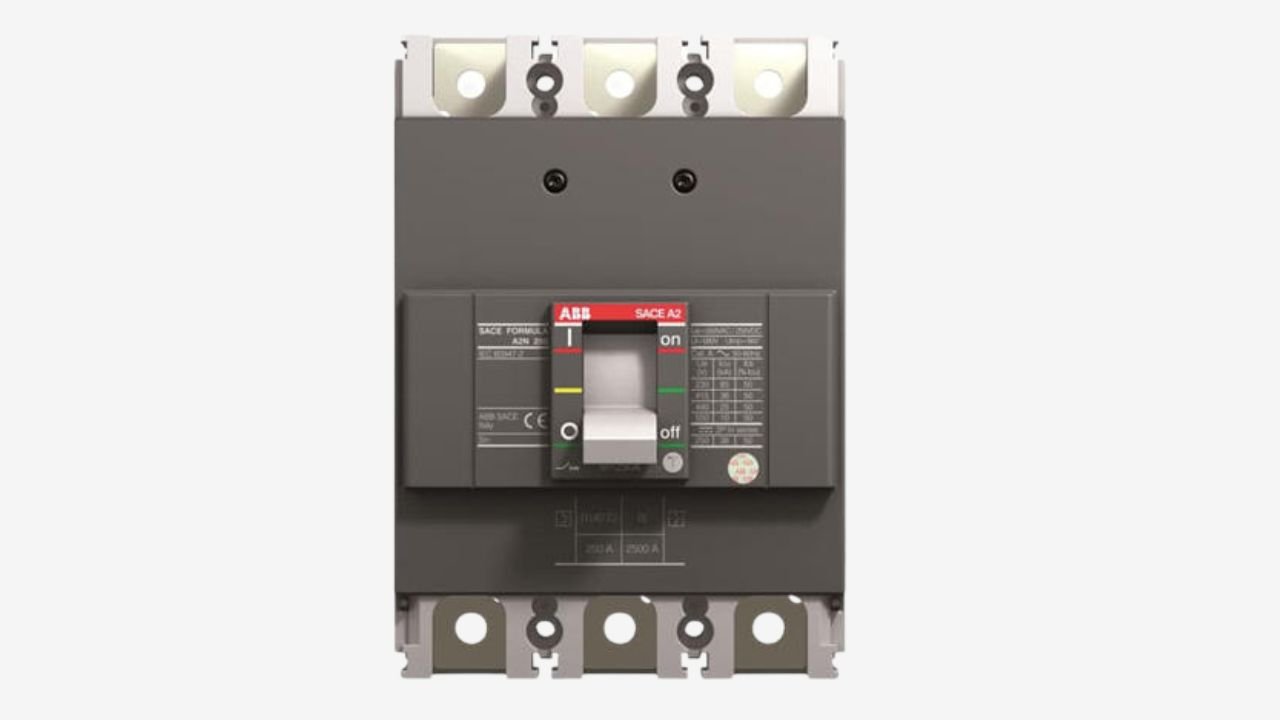
The circuit breakers determine your system’s tolerance for load fluctuation and sudden faults. To facilitate intuitive comparisons among different types of circuit breakers, we’ve compiled a table below that summarizes the main feeder and common circuit protection devices. This makes it easy to determine the best fit for your load, current rating, and site safety requirements.
| Component Type | Typical Applications | Rated Current Range | Breaking Capacity | Usage Scenarios |
| ACB (Air Circuit Breaker) | Main Feeder, Main Protection | 630A–6300A | 50kA–100kA | Suitable for high short-circuit rating systems; prioritize compliance with UL/IEC standards, communication support, maintainability, and backup switching capability. |
| MCCB (Molded Case Circuit Breaker) | Power loads, mechanical equipment | 100A–1600A | 18kA–50kA | Focus on adjustable trip settings and compatibility with motor/mechanical load characteristics; used in most industrial circuits. |
| MCB (Miniature Circuit Breaker) | Lighting, low-power circuits | 6A–125A (depending on model) | 6kA or 10kA | For small circuits with frequent operation; ensure the trip curve and rated current meet your site requirements. |
| RCD/ELCB (Earth Leakage Circuit Breaker) | Prevents electric leakage and electric shock | Depends on the paired circuit breaker | Depends on MCB/MCCB | Sensitivity ranges from 30mA to 300mA, suitable for densely populated areas, humid environments, and scenarios with high fire safety requirements. |
You can choose according to their breaking capacity and trip characteristics. If you don’t know which one to choose, contact ZHONGSHAO’s professional technical staff for advice.
Arc Flash Protection System
Industrial users are very sensitive to arc flash risks. Once an arc occurs, the incident energy can exceed 6–20 cal/cm², enough to melt metal components in milliseconds.
Thus, modern low voltage switchgear of ZHONGSHAO can be installed with:
- Arc flash detection relays (response time < 1ms)
- Zone Selective Interlocking (ZSI) – This reduces the scope of false trips.
- ARMS maintenance mode to minimize incident energy
- Arc-resistant construction resists arc pressure and redirects that energy towards safe zones.
Helping you to minimize accident impacts, while increasing levels of safety among your personnel.
Feeder Units
Your load type dictates feeder configuration.
Motor Feeders: these need overload, short-circuit, stalled motor, and single-phase operation protection. For industrial motors in the range of 30kW – 200kW, this prevents frequent burnout of winding.
Heating Equipment: Primary heating equipment: ovens, electroplating tanks, etc. normally requires MCCBs or switchgear with fuses because temperatures rise very high and current surges are fairly large.
Lighting Loads: Use MCBs + RCDs to avoid fire hazards due to low-intensity leakage currents.
If the system combines motors, lighting, and mechanical loads, feeder selection for each must match distinct operating characteristics. If this is not done, frequent tripping or reduced equipment lifetimes could result.
Main Incoming Unit
The principal incoming unit carries the system’s maximum current; hence, its breaking capacity and short-time withstand capability must be higher than your system’s short-circuit rating. As a rule of thumb, for example, if the short-circuit current in your facility reaches 35kA to 65kA, the main incoming circuit breaker should have enough margin provided Icu ≥ 50kA or higher.
Whether the incoming unit will support interlocking and automatic transfer switching in instances that require dual power sources or backup generators will affect overall operational continuity.
Advantages of Low Voltage Switchgear
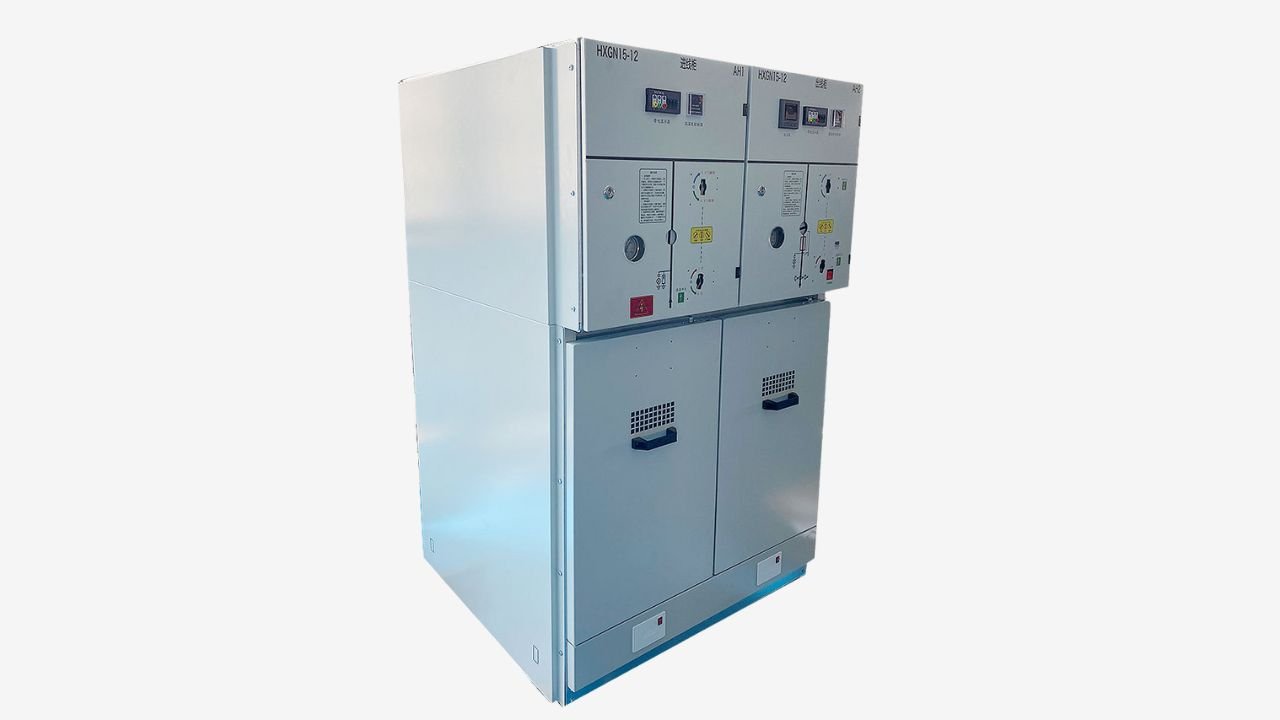
Centralized Management
Instead of assembling fragmented elements, complete low voltage switchgear offers you one single centralized maintainable power distribution center.
Inside one enclosure, you can monitor status, track load, isolate faults, and resolve issues—without hunting for breakpoints—significantly reducing downtime losses.
Scalability
In low-voltage switchgear, busbars, structural design, and modularity make on-site circuit expansion easy at any time without the need for a complete overhaul, which is very important to factories, commercial complexes, and data centers.
Real-Time Energy Management
ZHONGSHAO series low voltage switchgear with intelligent meters, communication modules, and monitoring systems offers real-time visibility on current, voltage, power, and energy consumption trends for each circuit.
This forms the basis for identifying equipment anomalies, overloads, and energy optimization opportunities in factories.
Minimized Downtime
Isolation, zoning, labeling, and interlocking of the system help you to quickly identify the faults without tracing from the main line to the branch circuits. Rapid troubleshooting is especially critical for the manufacturing operations as every minute of downtime translates into costs.
Meet Acceptance Requirements
Our low-voltage switchgear is manufactured according to national and IEC standards, including all wiring, labeling, protection ratings, and temperature rise compliance. ZHONGSHAO switchgear safety inspections, government acceptance, and third-party audits are much simplified compared to field-assembled components.
Safety Levels Improved
Besides circuit breakers, the other safety features ZHONGSHAO offers include:
- Arc-resistant structural design
- Improved short-circuit withstand capability
- High-strength cabinet construction
- Protection ratings IP: dust, electric shock, moisture resistance
This is particularly critical in factories, warehouses, food processing plants, and pharmaceutical facilities.
Reduced Maintenance Costs
All ZHONGSHAO modular designs are manufactured to standardized specifications, with extensive inventories of parts maintained. No production delays or interruptions in processing cycles due to parts shortage.
Applications of Low Voltage Switchgear
Low voltage switchgear finds wide application in situations where there is demand for reliable power supply. From industrial production to the infrastructure of commerce, it is a core distribution node that ensures your systems stay safe, continuous, and controllable under conditions of varying loads and operation.
Industrial manufacturing
Widely used for power distribution control in motors, conveyor lines, heating equipment, and other large machinery, ZHONGSHAO low voltage switchgear is developed with high short-circuit carrying capacity and comprehensive interlocking logic that guarantees the stability of production line operations under heavy load conditions.
Commercial Buildings
Employed in power distribution for systems such as lighting, air conditioning, elevators, and emergency power supplies, its structure places importance on reliability and ease of maintenance. It offers perfect compatibility with building automation systems, allowing centralized monitoring.
Data Centers
Applied in cabinet power supply, power switching, UPS bypass, and redundant circuits, ZHONGSHAO switchgear operates steadily under continuous high-load operation and can switch to backup power rapidly in case of any anomaly, which reduces the risk of downtime.
Energy & Utilities
They are designed for use with photovoltaic inverter outputs, wind farm power distribution, pumping stations, municipal facilities, and similar uses. The equipment supports high short-circuit ratings and is designed for environmental resistance, enabling safety and stability even in high-altitude, temperature-extreme, or dusty environmental conditions.
Logistics and Infrastructure
It mainly caters to warehouse systems, automatic sorting equipment, and traffic control units. The remote monitoring and diagnostic functions reduce the time taken for fault localization and improve operational efficiency.
How to Select Low Voltage Switchgear?
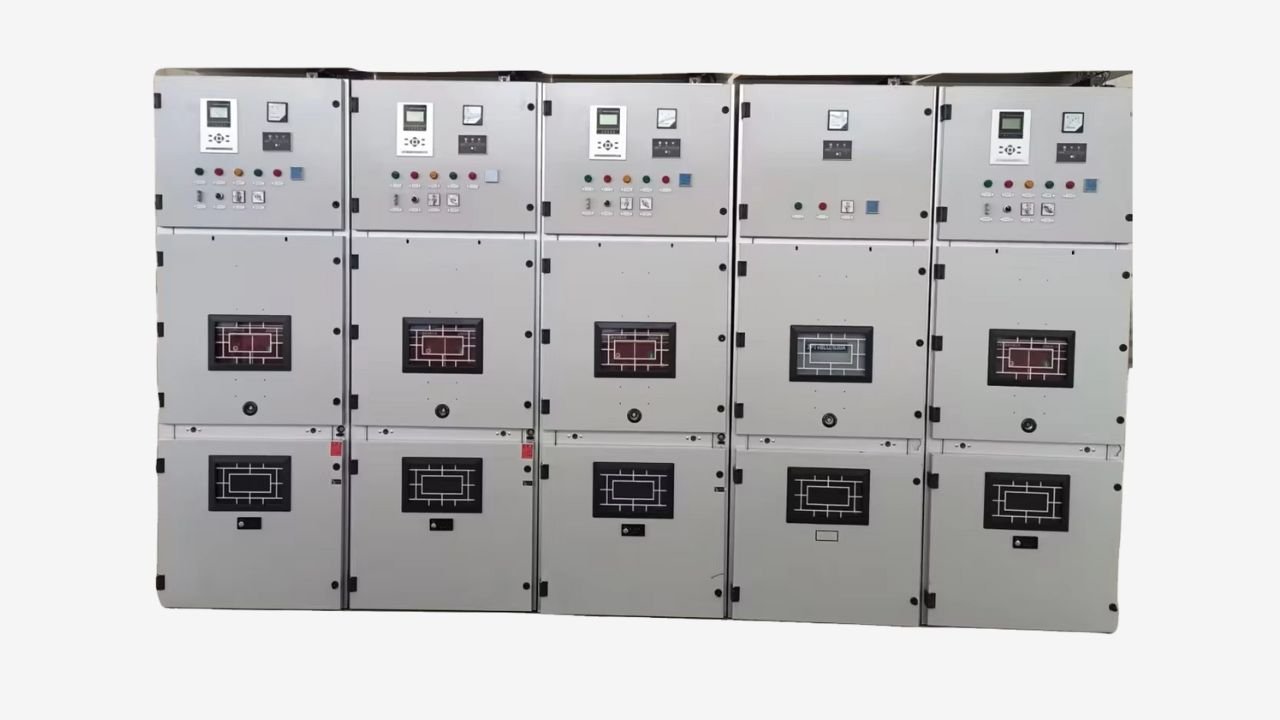
The key points to consider in the selection of low-voltage switchgear are discussed below. Following these steps allows you to more closely identify the solution best for your project.
Step 1: Establish Current Rating and Short-Circuit Rating
Different applications have different current capacity and short-circuit capability requirements.
You have to select appropriately rated current and breaking capacity according to the maximum load current of your site and the system short-circuit current.
Precise matching can protect equipment effectively during faults, but it also prevents cost wastage due to oversizing.
Step 2: Identify Applicable Standards
Safety regulations for low voltage switchgear will vary by country and industry, so standards compliance becomes one of the most critical selection factors. Indeed, if your project targets North American and international markets or exports.
- Common North American standards include:
- UL 891 (Dead-Front Switchboards)
Applies to switchboards, and stresses front-panel operational safety. Very prevalent in commercial buildings and in industry.
- UL 1558 (Metal-Enclosed LV Switchgear)
Metal-enclosed low voltage switchgear applicable to high short-circuit currents (up to 200kA) is covered in this document. Generally used for data centers, large factories, and critical load systems.
- CSA C22.2
Canadian Electrical Code, ensuring durability and safety of equipment in industrial applications.
- Common International Standards:
- IEC 61439 (LV Switchgear & Controlgear Assemblies)
The most widely adopted global standard for switchgear, this mainly focuses on temperature rise, short-circuit withstand capability, structural strength, and type testing. Suitable for export projects.
A clear understanding of these standards helps ensure that your equipment fully meets local regulations and acceptance requirements, which avoids delays or rework due to mismatches in standards.
Step 3: Validate Supplier Capabilities
For OEM factories, data centers, and engineering projects, the reliable supply chain is much more important than price. In order to place an order, you must confirm:
– Does the factory have stable delivery capabilities?
– Does it provide FAT?
– Is after-sales service prompt?
– Does it support engineering modifications, drawing verification, custom circuitry, and other requirements?
As a professional low voltage switchgear supplier, ZHONGSHAO can significantly reduce your project risks.
Step 4: Define Key Equipment Parameters
Different low voltage switchgear models have different rated values. ZHONGSHAO has summarized some typical technical ranges with the purpose of speedy evaluation on compatibility for customers. Please refer to the following table for reference.
| Parameter Item | Typical Range | Description |
| Maximum Rated Voltage | Up to 635V | Determines whether the equipment is suitable for your system voltage level (e.g., 380V / 400V / 690V). Mismatch may cause risks such as breakdown or overheating. |
| Frequency | 50Hz / 60Hz | Determines whether equipment can operate normally within the power distribution system (mandatory check for export projects). |
| Insulation Withstand Voltage | Typically 2.2kV | It is more suitable for environments with high voltage stress due to higher withstand voltage, which may be caused by pollution, humidity, or chemicals. |
| Continuous Rated Current | Up to 10,000A | Determines busbar cross-sectional area, conductor heat generation, and permissible long-term load capacity. Higher current allows the equipment to drive larger loads. |
| Short-circuit withstand current Icw (1s or 3s) | Up to 200kA | This determines whether equipment can withstand immense electrodynamic forces and heat during a short circuit without deformation or rupture. It is one of the core indicators for selecting switchgear that is “safe and reliable.” |
| Short-time withstand current (Icw, 30 cycles) | Typically up to 100kA | Determines the thermal stability of equipment during prolonged short-circuit durations (e.g., 0.5s to 1s). Higher values indicate greater resistance of busbars to softening, deformation, or burnout during short circuits. |
While both serve for power distribution, they are highly different in structure, short-circuit rating, and application scenarios:
Switchgear: High performance, enhanced protection, compartmentalized structure, with short-circuit ratings from 65kA up to 200kA, fitting for heavy-duty applications in industrial sites and data centers.
Switchboards: Less complexity and lower cost; suitable for general commercial buildings, as well as basic power distribution.
Please consult ZHONGSHAO’s engineering team for selecting the appropriate structure based on your project’s short-circuit current level and spatial constraints.
Low voltage switchgear is normally installed with a certified team of electrical engineering professionals. Typically, the work starts with checking that the floor, the ventilation, and cable routing at site meet the requirements, followed by positioning and levelling each switchgear section in sequence.
The main busbars between adjacent cabinets are connected in sequence at the design torque specified to provide tight, reliable contact. Engineers then connect incoming, outgoing, and control cables to their respective terminals in accordance with the schematic, followed by thorough interlock, grounding, and mechanical operation checks.
If there’s any problem during the installation, feel free to contact ZHONGSHAO anytime. With our technical team available to help remotely or on-site, it ensures a safe and smooth installation process.
The long-term stable operation of low voltage switchgear depends on regular maintenance. We recommend focusing on the following:
- Clean inside and outside of the equipment in order to avoid dust accumulation, which might affect heat dissipation and insulation performance.
- Inspect the joints where conductors connect to copper busbars for any loosening effects from thermal expansion and contraction.
- Check that circuit breakers operate easily and switch mechanisms function properly. Check for any wear, then lightly lubricate if necessary.
- Monitor temperatures at busbars, joints, and circuit breaker contacts with infrared thermometers to identify developing hotspots ahead of time.
- Test insulation resistance, and monitor environmental humidity and dust level to prevent insulation aging and surface tracking.